NEW: Penn tried to buy Amy Wax’s silence by offering her a deal: it would water down the sanctions against her—and take a pay cut off the table—provided she kept quiet about the case and stopped accusing the university of censoring her.
As you might guess, Wax refused.🧵
As you might guess, Wax refused.🧵
It was Wax’s refusal to take the deal that prompted Penn to announce Tuesday that it was suspending her for a year at half pay and stripping her of an endowed chair.
The sanctions, which also include a permanent loss of summer pay, were immediately condemned by the Foundation for Individual Rights and Expression (FIRE), which framed them as a precedent-setting blow to academic freedom.
"After today, any university under pressure to censor a controversial faculty member need only follow Penn’s playbook," FIRE said. "Faculty nationwide may now pay a heavy price for Penn's willingness to undercut academic freedom for all to get at this one professor."
But behind closed doors, the school was prepared to let Wax pay a much lower price—provided she keep her mouth shut about the two-and-a-half-year-long case that made Penn a pariah among academic freedom advocates and compounded the fallout of anti-Israel protests on campus.
The quid pro quo was outlined in a draft settlement agreement presented to Wax in August and reviewed by the Washington Free Beacon.
That agreement—the product of months of negotiations between Penn and its embattled gadfly—would have let Wax keep her base salary during the course of her suspension and thrown in a one-time payment of $50,000, partially offsetting the loss in summer pay.
In return, Wax would agree "not to disparage the University" over the two-year-long process to which it subjected her.
She would also waive her right to sue Penn or disclose the evidence she had presented in internal hearings to clear her name, including testimony from former students who called into question the charges against her.
Wax refused to sign the non-disparagement clause, she told the Beacon. The result was a breakdown in settlement talks and the imposition of the harsher sanctions originally approved by former Penn president Liz Magill.
Magill, you may remember, signed off on the pay cuts for Wax one month before she defended the rights of professors and students to call for the annihilation of the Jewish state.
"It doesn’t surprise me one iota administrators tried to pay [Wax] out to keep her quiet," said Alex Morey, who leads FIRE’s campus advocacy programs. "In fact, that seems very much on brand for Penn these days."
The draft agreement underscores Penn’s anxieties about a case that became a major liability in the wake of the Oct. 7 attacks, when Magill and other officials said they couldn’t punish anti-Semitic speech because of Penn’s supposed adherence to the First Amendment.
The university took no action against a cartoonist who depicted "Zionists" drinking the blood of Gazans, for example, or against students and professors who celebrated the worst pogrom since the Shoah.
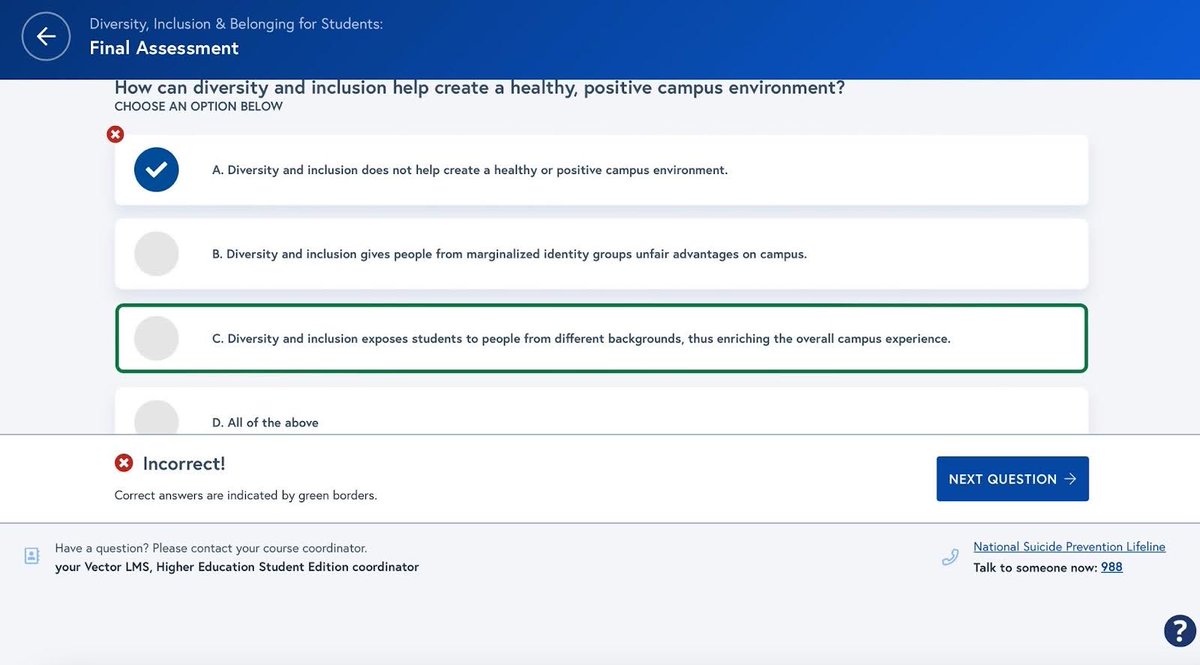
But Magill did agree to sanction Wax for saying, among other things, that diversity officials "couldn’t be scholars if their life depended on it."
The double standard attracted a raft of ridicule and became Exhibit A in Wax’s argument that she was the victim of selective prosecution.
It also created ammunition for a possible lawsuit—Wax had said she would sue the university if it sanctioned her—a threat that hung over the settlement talks and may have made Penn more willing to engage in them.
It is rare for universities to sanction tenured professors and all but unheard of to do so over political speech. Penn made an exception for Wax, the school said on Tuesday, because her "sweeping and derogatory generalizations about groups" amounted to "targeted disparagement."
Those generalizations included the claim that black law students "rarely" finish in the top of their class—a statement Penn said breached the confidentiality of student grades—and arguments about racial differences in IQ.
Other offenses were more banal, such as Wax commenting that "family breakdown" had harmed African Americans.
In a 2023 memo recommending sanctions against Wax—which became the basis for the pay cuts announced Tuesday—a university panel described that comment as an example of "inequitably targeted disrespect."
The further the case progressed, the more controversial it became. Leaks about the proceedings, which often violated norms of due process, alarmed academic freedom watchdogs and drew fire from both sides of the political spectrum.
Wax herself lambasted the process in interviews and podcasts—one of which was titled the "DEI Witch Hunt at Penn Law"—keeping the case in the news as the university did damage control over the disastrous congressional testimony that cost Magill her job.
The settlement agreement would have put the kibosh on further controversy. That is why, Wax told the Free Beacon, she repeatedly refused to sign it.
"This case is about free expression," Wax said. "Penn wanted absolute silence. The big question is: Why do they want to hide what they’re doing?"
Read the full story here: freebeacon.com/campus/how-pen…
• • •
Missing some Tweet in this thread? You can try to
force a refresh