
Reporter @FreeBeacon. DMs open. "On a jihad, publishing scoops that have left blood on the floor at Harvard, Columbia, Stanford, Duke"—Jill Abramson.


 Michele Mei, a white woman with cerebrovascular disease, filed the lawsuit after she was told that she did not meet the cutoff for housing assistance, Fox 12 Oregon reported last month.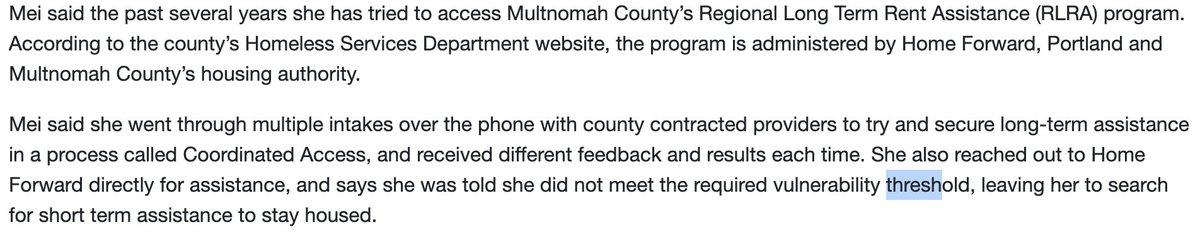
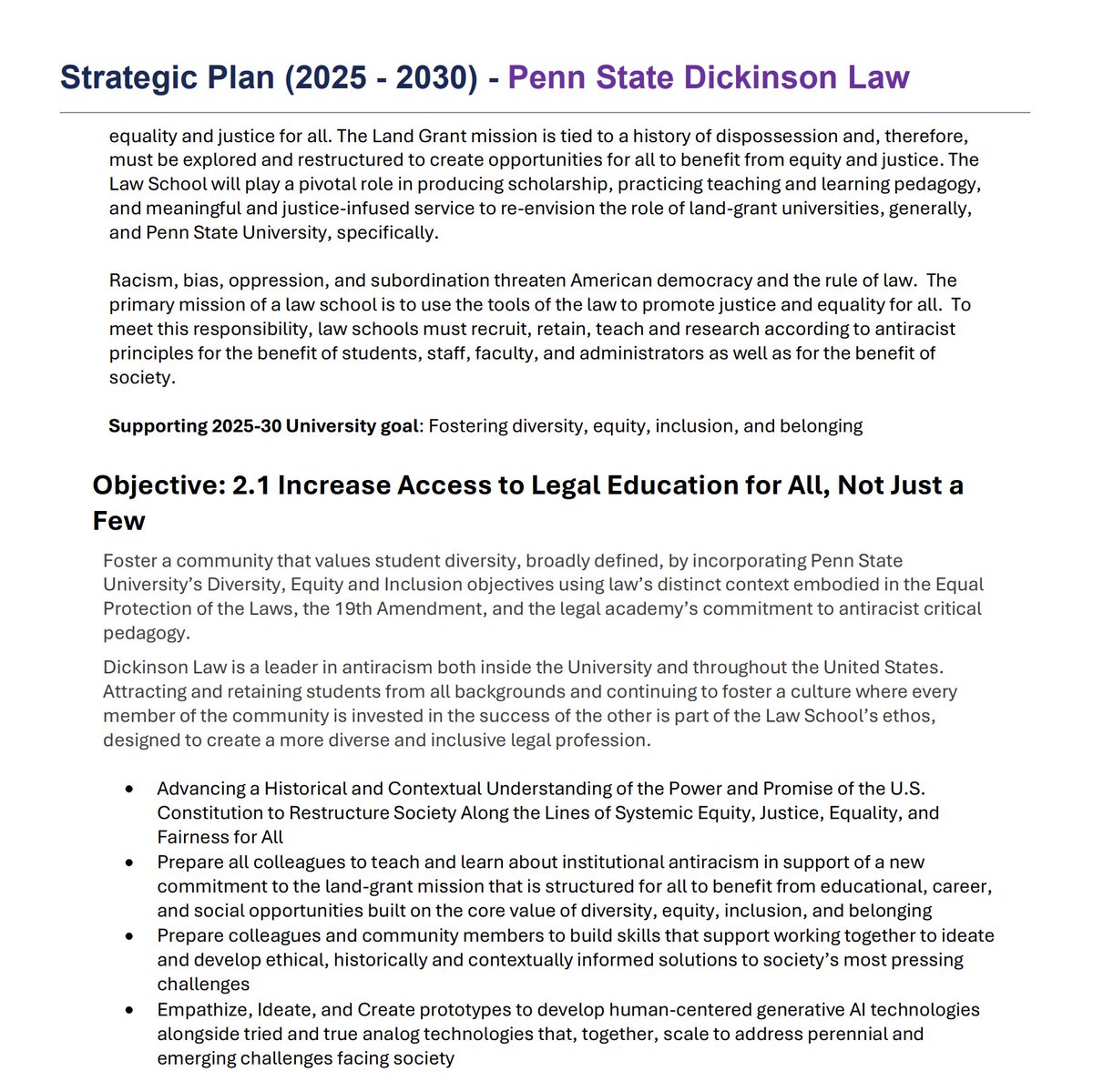 The document, a "Strategic Plan Update" covering the next five years, also pledges to expand "employment opportunities for candidates who are underrepresented in the University and at the Law School." Critics say that pledge is likely to expose the school to legal action.
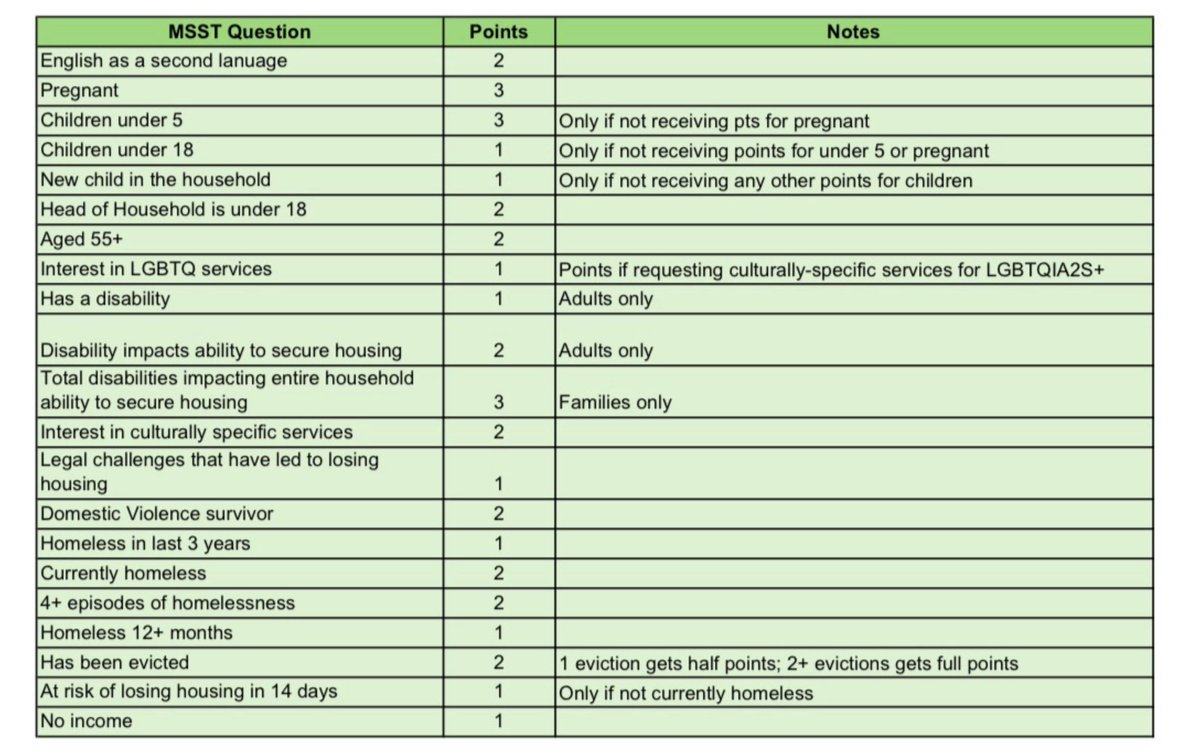
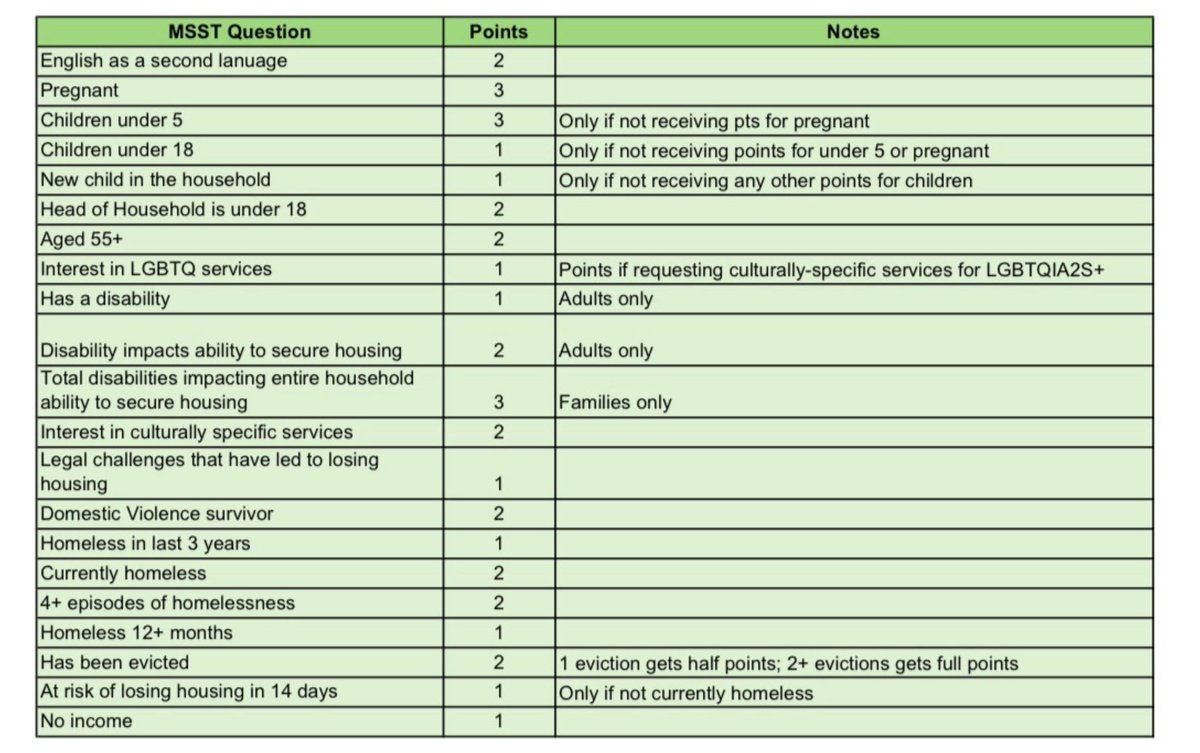 Let's start with Multnomah County, OR, home of deep blue Portland, where deaths of homeless people quadrupled between 2019 and 2023. The county's screening tool for housing services is designed to "prioritize … BIPOC households, LGBTQIA2S+, [and] people with disabilities."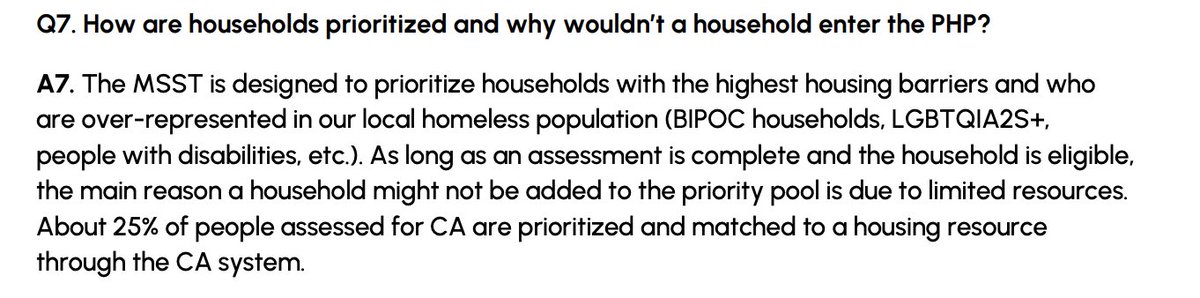

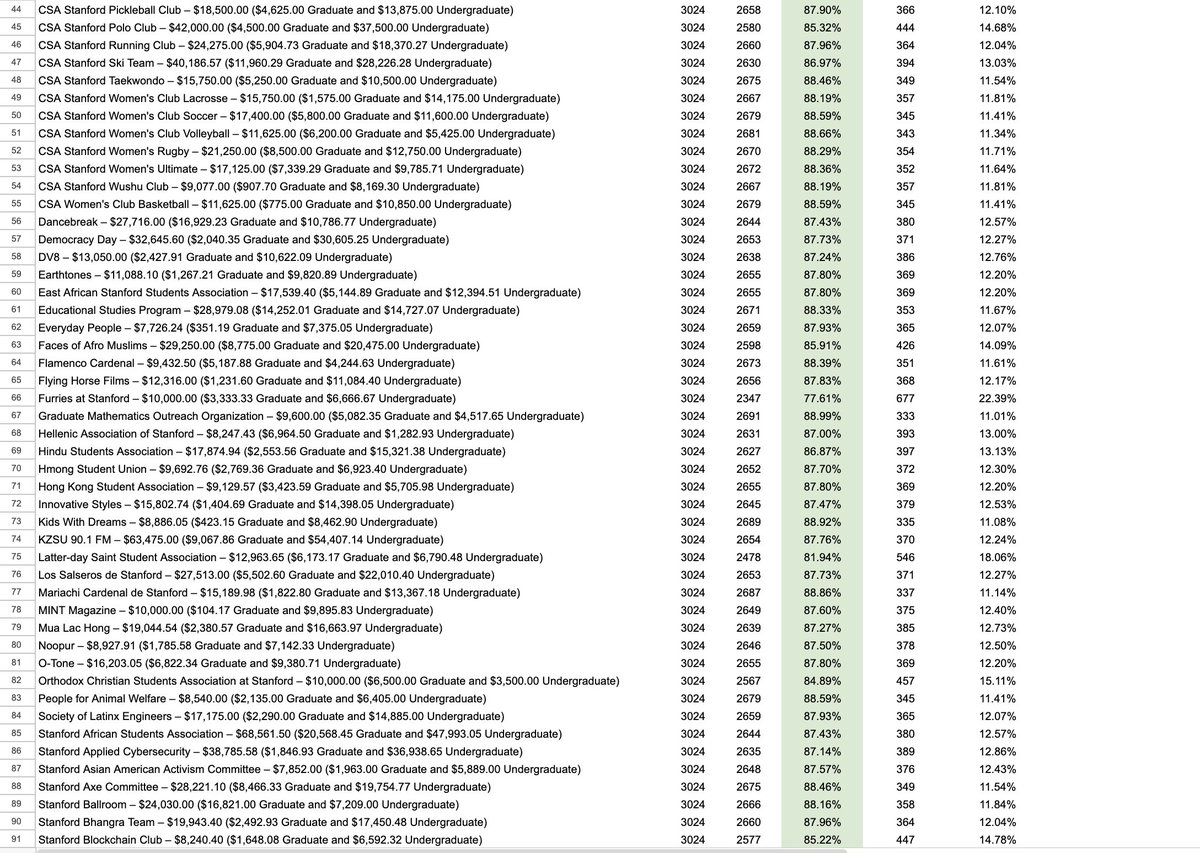
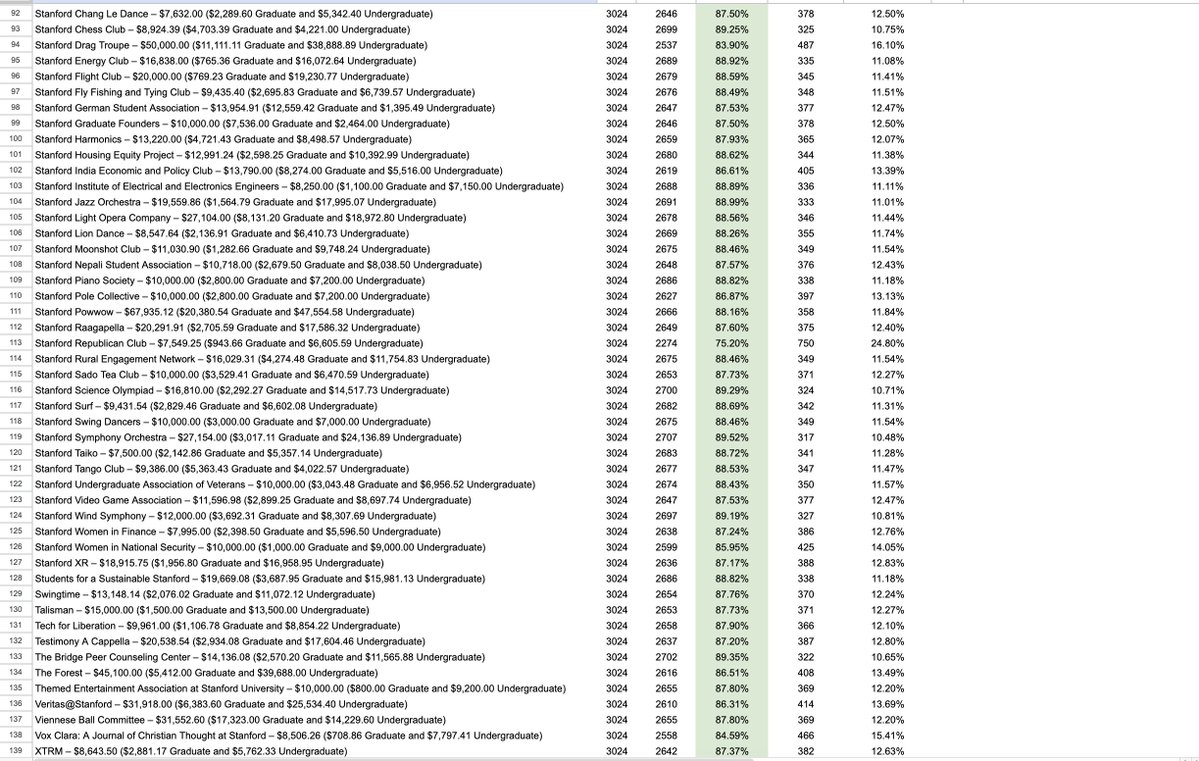 The awards include a $50,000 grant to the Stanford Drag Troupe, which last year sponsored a performance by two drag queens, "Slut the Rock Johnson" and "ZZ Chic," as part of a "sex trivia" event titled, "Are You Smarter Than A Sexpert?"
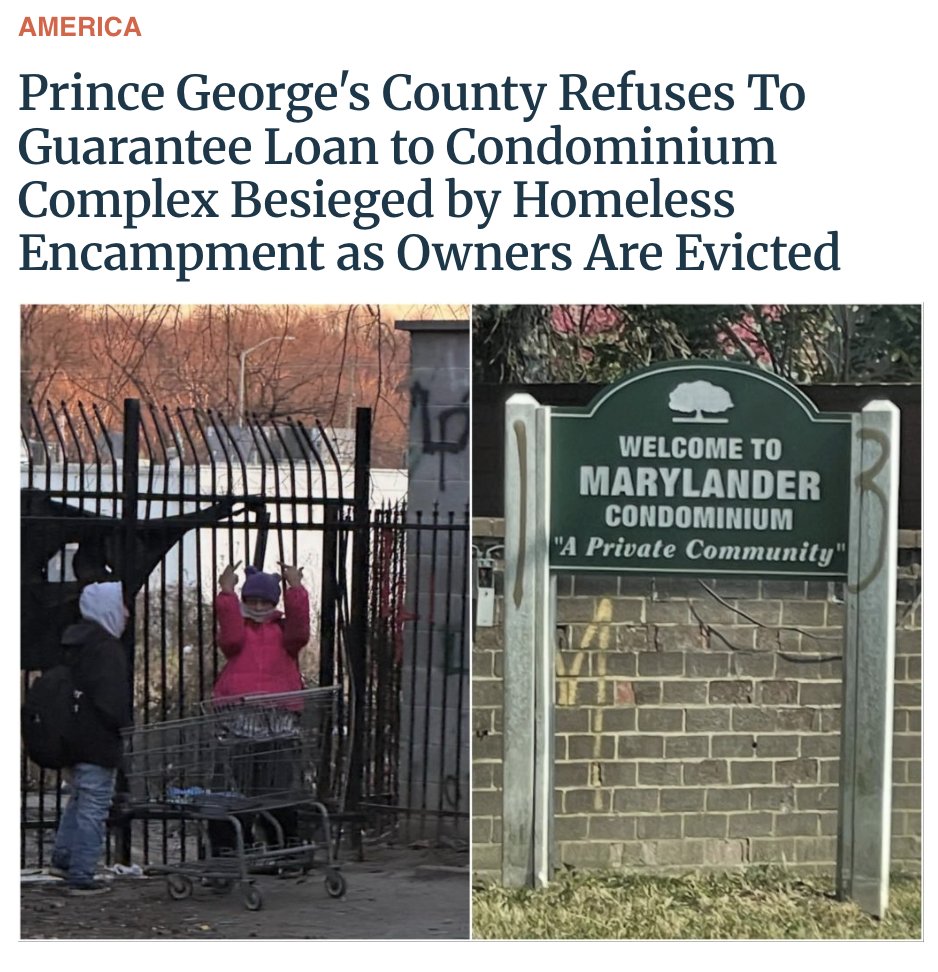 After members of the encampment allegedly vandalized the boiler room, 100 units were left without heat and in violation of local safety codes. The damage prompted building inspectors to deem those units "unfit for human habitation" in December and order their occupants to leave.


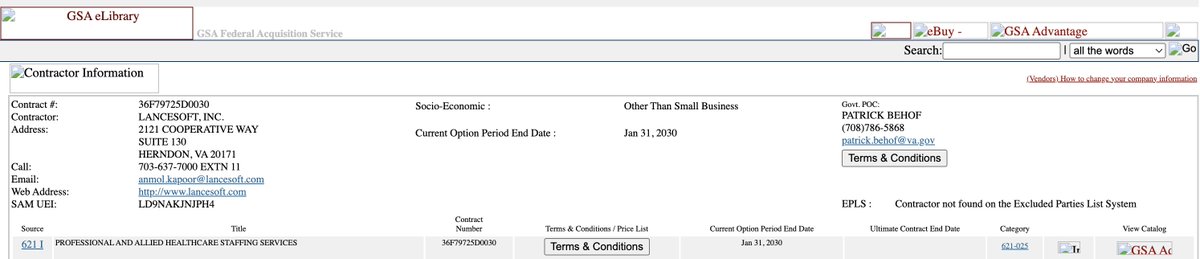 The General Services Administration told me it would "take all necessary steps to ensure accountability," adding that it would launch "a full contract review with our agency partners who have active awards with the named contractors, as well as others as appropriate."
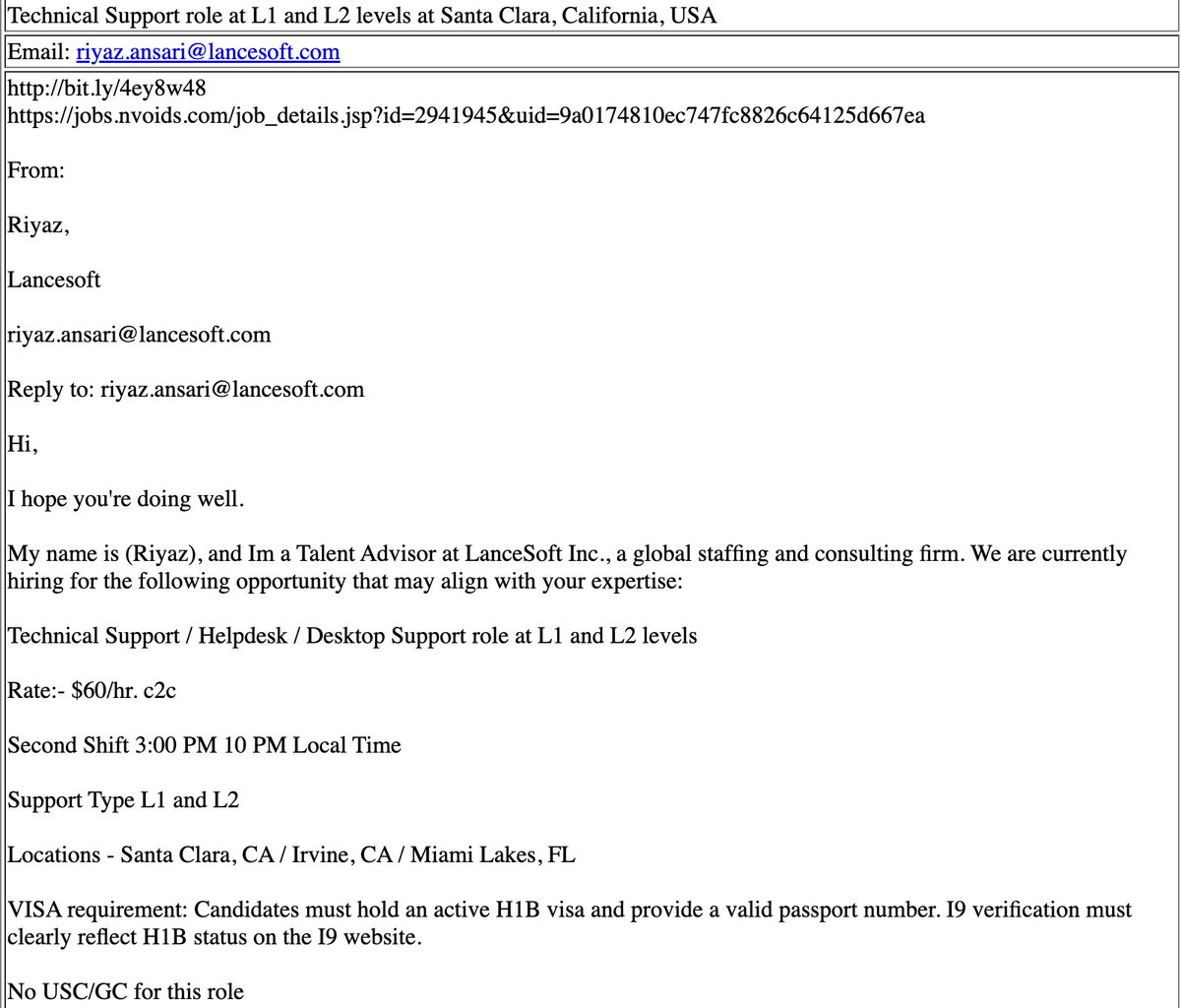
 In a section title "Visa Requirement," a job ad for LanceSoft stated that "candidates must hold an active H1B visa"—and said explicitly that US citizens need not apply.
 NYU’s fedsoc chapter had invited the conservative legal scholar Ilya Shapiro to discuss his new book Lawless: The Miseducation of American Elites. Shapiro, who is Jewish, has criticized anti-Israel protesters and taken schools to task over their handling of encampments.


 The posts—one of which referenced the date of Kirk’s assassination, September 10, more than a month before it took place—were all deleted in the days following the killing.
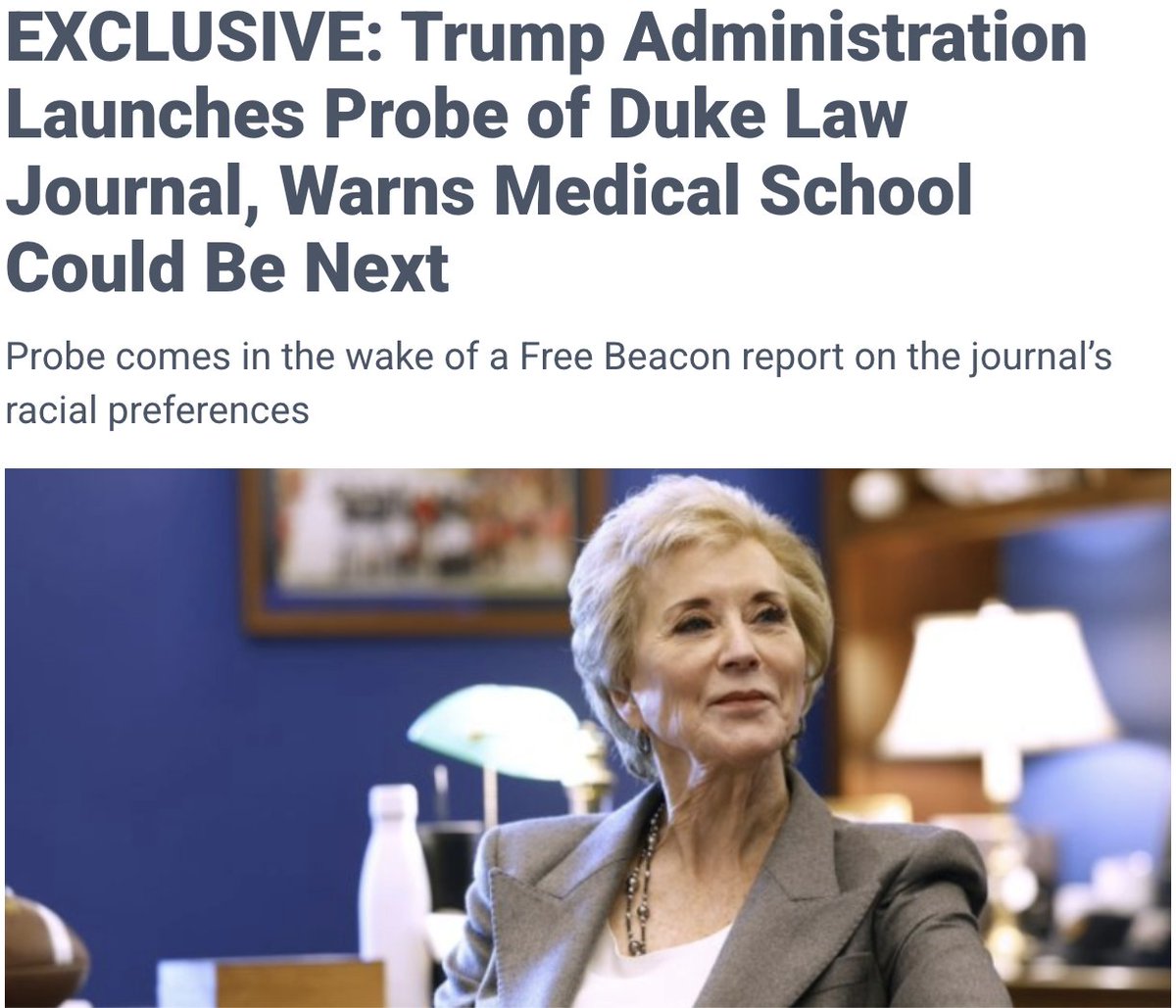 The Department of Education will investigate the Duke Law Journal’s 2024 decision to award extra points to applicants who mentioned race and gender in their personal statements.
 The Ku Klux Klan Act bans conspiracies of both public and private actors that deprive "any person … of the equal protection of the laws." It was passed in 1871 to counter the Klan’s lawless intimidation of black voters.
 "We need to get somebody from the middle east [sic] or who is Arab on our board," Shipman, then the co-chair of Columbia’s board of trustees, wrote in a message on January 17, 2024. "Quickly I think. Somehow."

 The packet also included four examples of successful personal statements. Three of those essays referenced race in the first sentence. For example: "as an Asian-American woman and a daughter of immigrants, I am afforded with different perspectives, experiences, and privileges."
 The law review has insisted that it "does not consider race, ethnicity, gender, or any other protected characteristic as a basis for recommending or selecting a piece for publication."
 The Justice Department told Harvard on May 13 it was investigating reports of race discrimination at the journal. A week later, the law review instructed a student who was cooperating with the DOJ investigation, Daniel Wasserman, to round up the documents he’d allegedly shared.
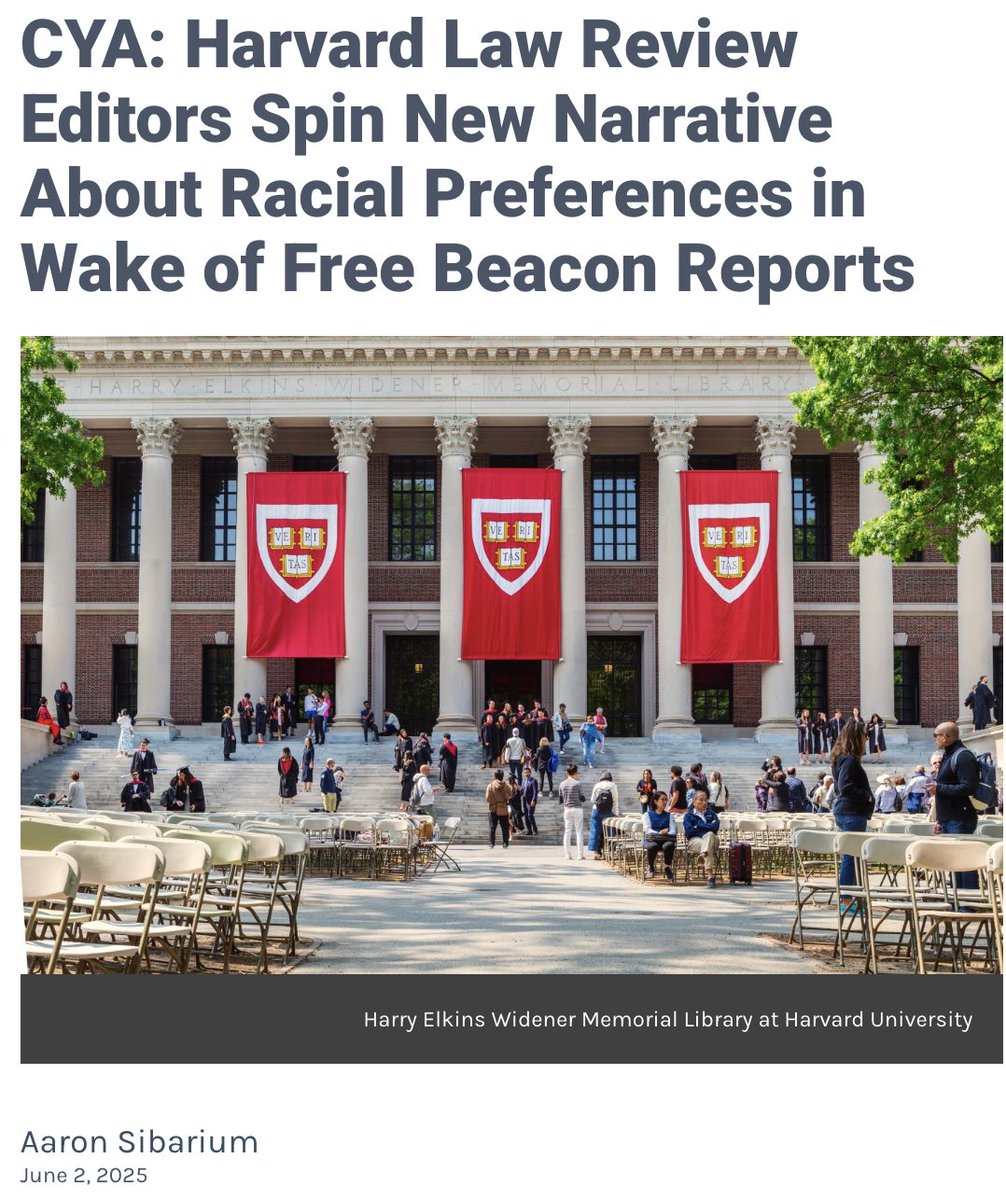 The factsheet quotes from what it claims is the current policy for editor selection, which cites "Supreme Court guidance" and bars the consideration of race.
 The complaint, filed with the Equal Employment Opportunity Commission, targets Sponsors for Educational Opportunity (SEO), a nonprofit that places minority students at elite firms the summer before their first year of law school.
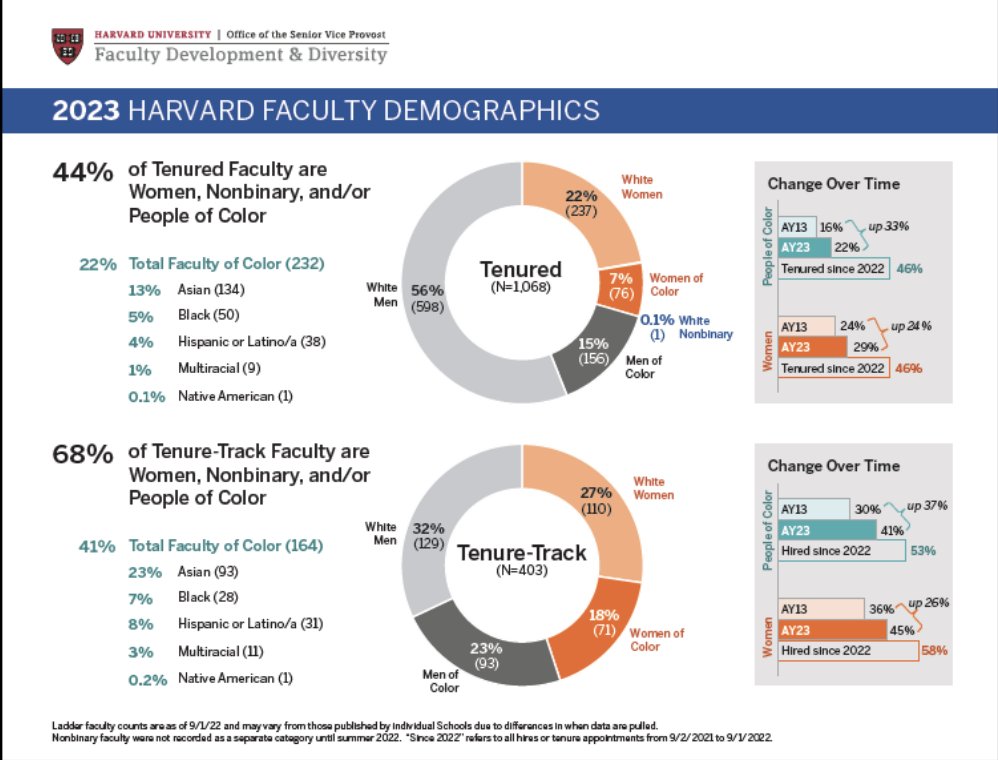
 The EEOC is sixth federal agency to launch a probe of Harvard. The investigation is based on materials from the school's website—many of them now deleted—in which Harvard bragged about increasing the number of "women, non-binary, and/or people of color" on faculty.