SomePLAOSINT Profile picture
Sep 28 7 tweets 3 min read Read on X
1 | The best open source information about PLAN carrier operation comes from the Japanese MoD.

From data published by 🇯🇵's Joint Staff Office we can establish some baselines for PLAN carriers' sortie rate.

Note: daily sortie rate is averaged across observation window.
Image
Image
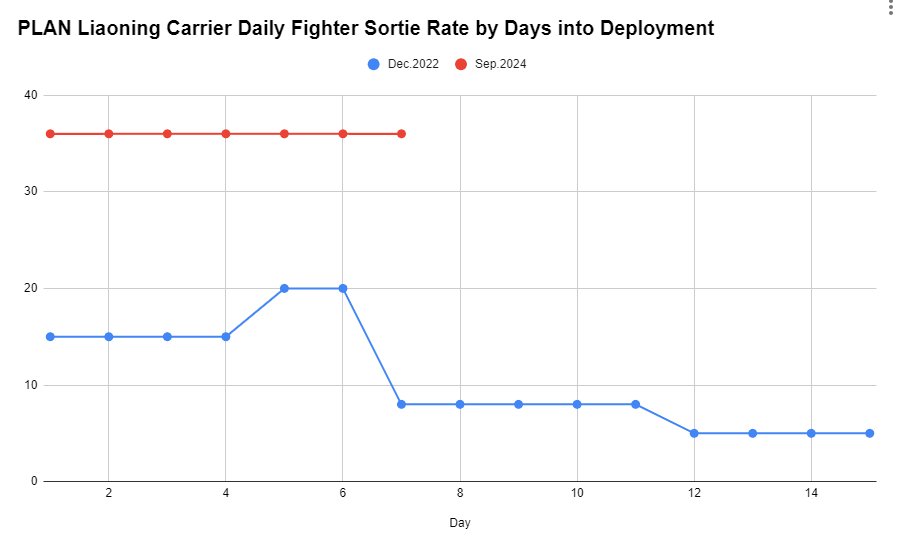
2 | By just looking at the data, it seems PLAN's carrier sortie rate has seen gradual improvement.

When Liaoning was deployed in Dec.2022, its daily fighter sortie rate peaked at 20 per day and can be as low as 5 per day at the end of the deployment. Image
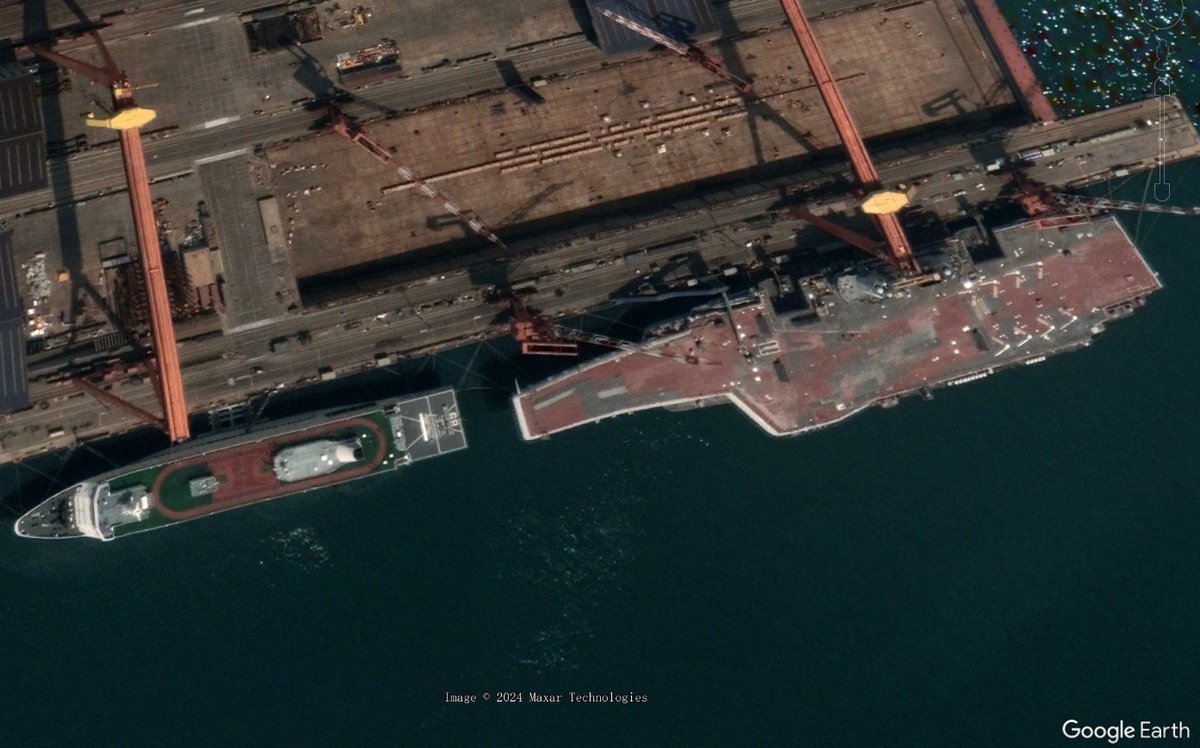
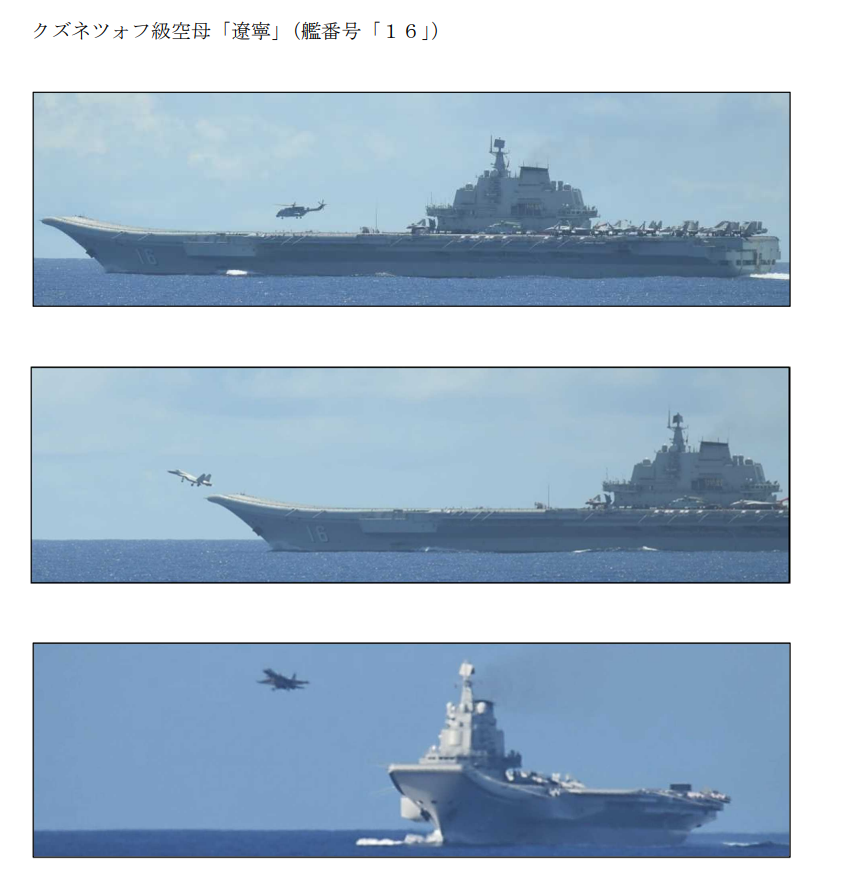
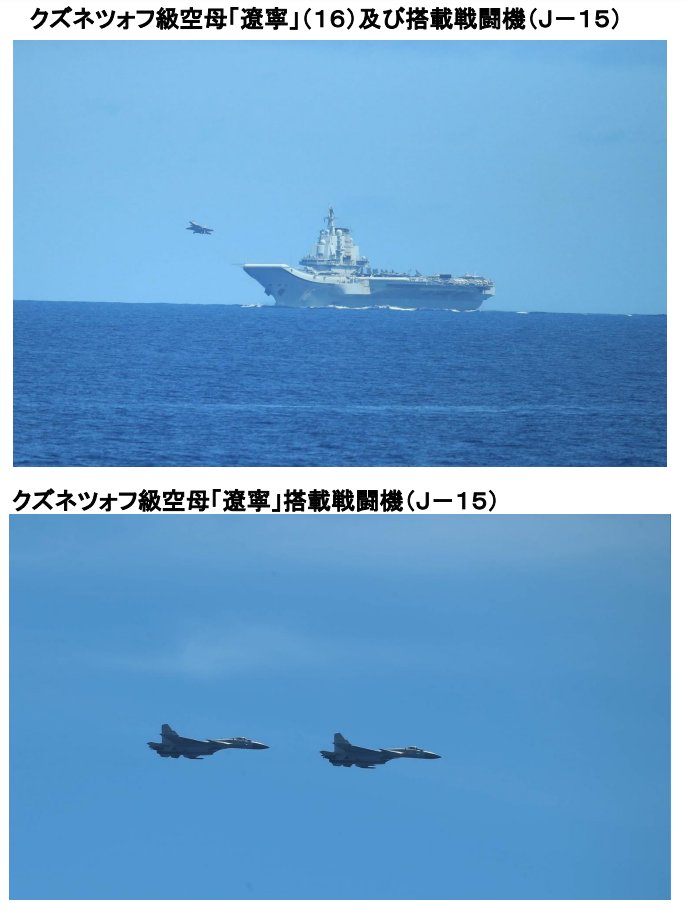
3 | After a year-long refit, Liaoning's sortie rate has seen a significant increase during the current deployment in Sep.2024.

Fighter sortie rate is at 37 per day averaged in 7 days. At the busiest day it could have reached 48 per day (2 per day per airframe).
Image
Image
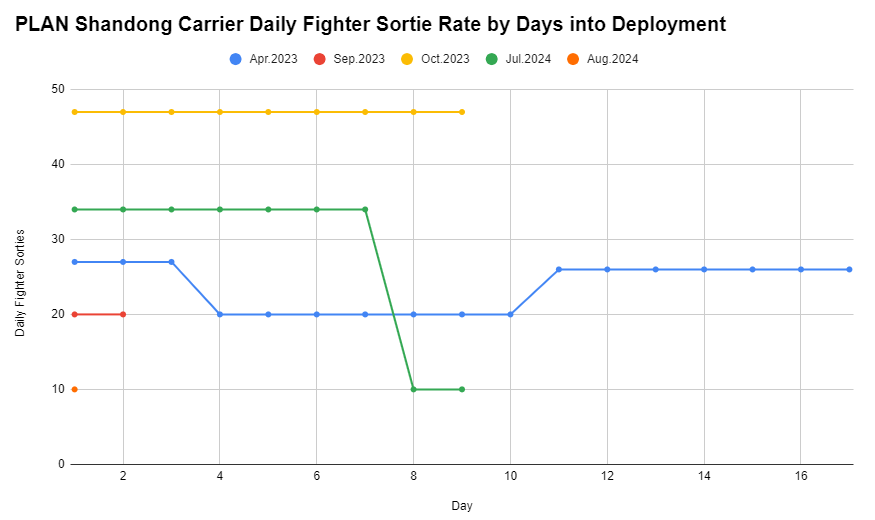
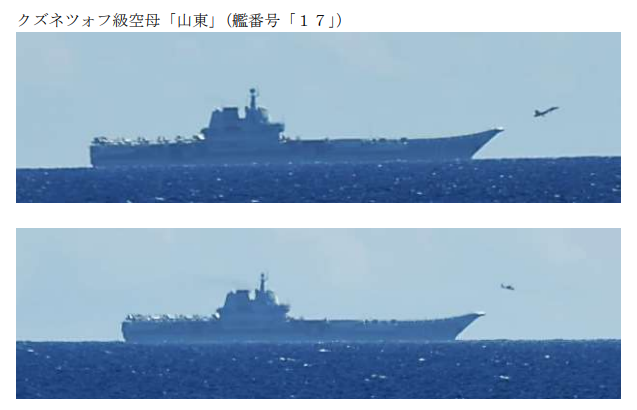
4 | PLAN's other operational carrier, Shandong became very active when Liaoning was in her refit.

During the Oct.2023 deployment, Shandong achieved 47 fighter sorties per day across 9 days. It maintained an almost 2 sorties per day per airframe rate during the entire deployment. Image
5 | Similar to most open source data on PLA's capabilities, there are many caveats here.

->Are JMSDF's tally comprehensive?
->Are these fighters armed and rearmed between sorties?
->etc.

So it will be hard to make conclusive comparisons to other navies using these numbers.
6 | But we should be thanking JMSDF and Japanese MoD for their effort and transparency to put these numbers out there.
Image
Image
Image
Image
*Minor screw up here. Put Liaoning on the Shandong graph as well.

• • •

Missing some Tweet in this thread? You can try to force a refresh

 

Keep Current with SomePLAOSINT

SomePLAOSINT Profile picture

Stay in touch and get notified when new unrolls are available from this author!

Read all threads

This Thread may be Removed Anytime!

PDF

Twitter may remove this content at anytime! Save it as PDF for later use!

Try unrolling a thread yourself!

how to unroll video
  1. Follow @ThreadReaderApp to mention us!

  2. From a Twitter thread mention us with a keyword "unroll"
@threadreaderapp unroll

Practice here first or read more on our help page!

More from @someplaosint

Sep 24
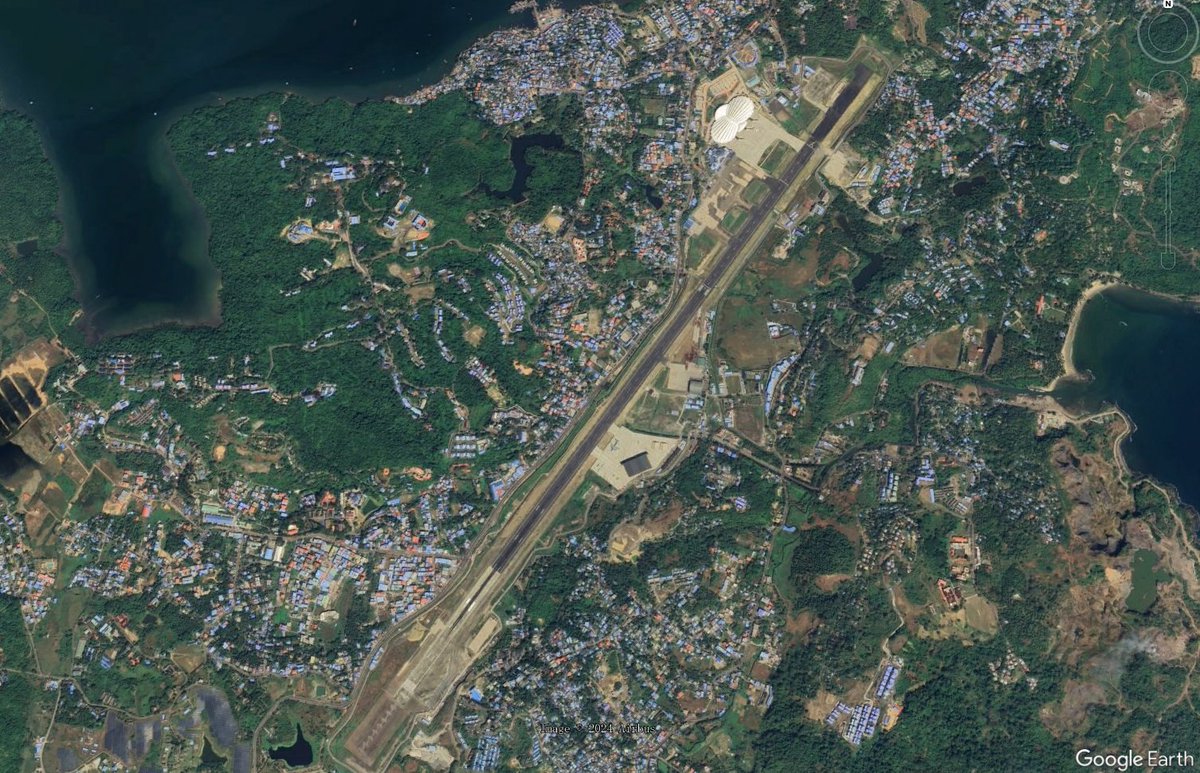
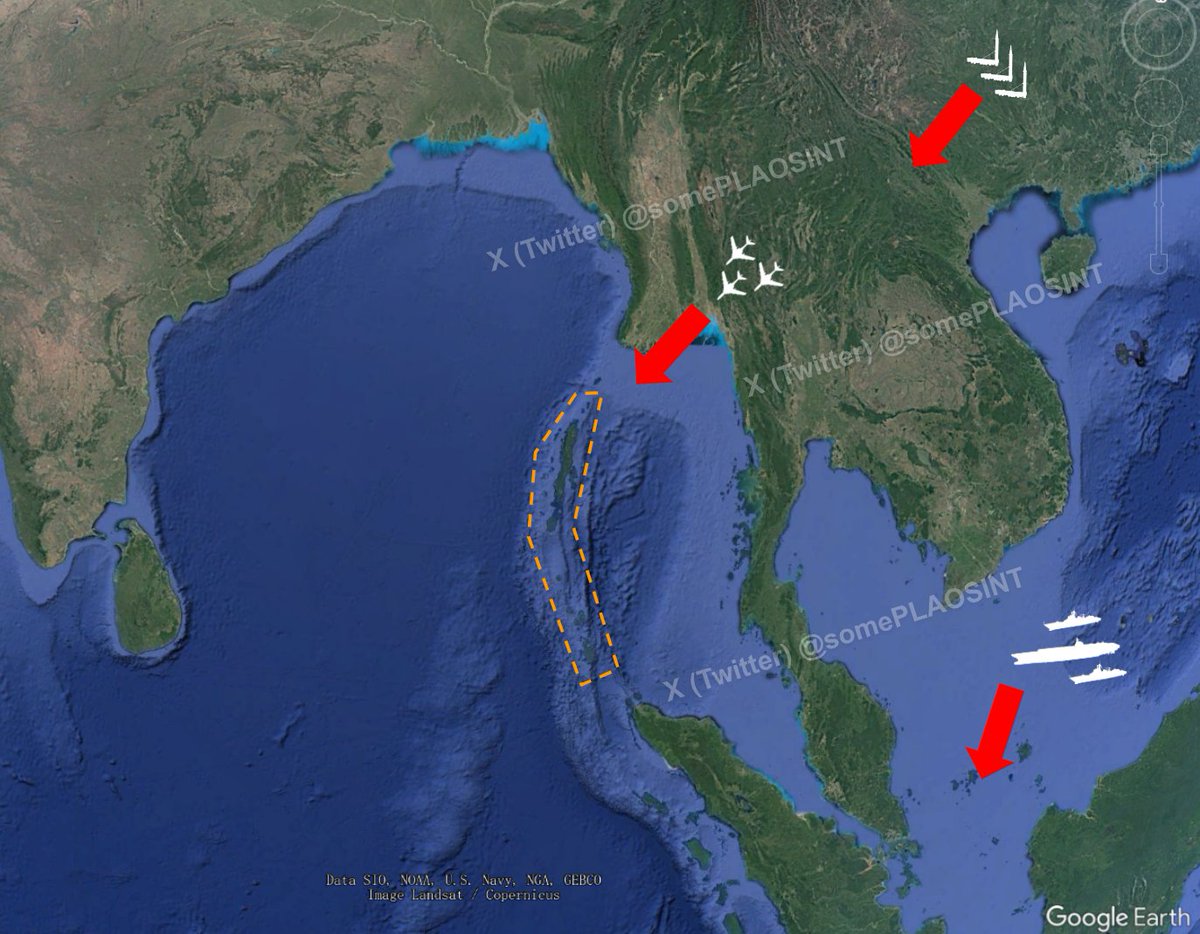
1 | Blockading the Malacca Strait is thought to be the trump card India holds against China by many.
My 2 cents about the theoretical maximum strength the IN and IAF can commit to sustain a blockade & defend against China’s attempt to break through (assumptions, caveats apply). Image
2 | The main objective for the Indian Deployment is to protect 2 major air bases:
->Veer Savarkar International Airport
->Car Nicobar AFS
So IAF Su-30MKI with Brahmos & IN P8I can continuously project air power & carry out sea denial operations against PLAN.

Image
Image
Image
3 | The threat to India’s blockade force are likely from 3 directions:
1. PLAAF bomber force passing through Myanmar airspace with long-range ALCM & ALBM
2. PLARF DF-26 IRBM, DF-17 HGV
3. PLAN counter force approaching from SCS (with SSNs)
1 & 2 would be the major concern. Image
Read 10 tweets
Aug 31
1 | 🇨🇳Flankers vs 🇮🇳Flankers
Beyond geopolitical tensions, the rivalry can also be traced to the roots of their lineage.
->🇨🇳Flankers originated from KnAAPO on the Amur River.
->🇮🇳Flankers started from IRKUTSK by Lake Baikal. Image
2 | Both countries adopted a from import to license production strategy.
->India started later
->Its Su-30MKI enjoyed tech superiority for almost a decade with PESA radar, TVC, French/Israeli avionics & weapons

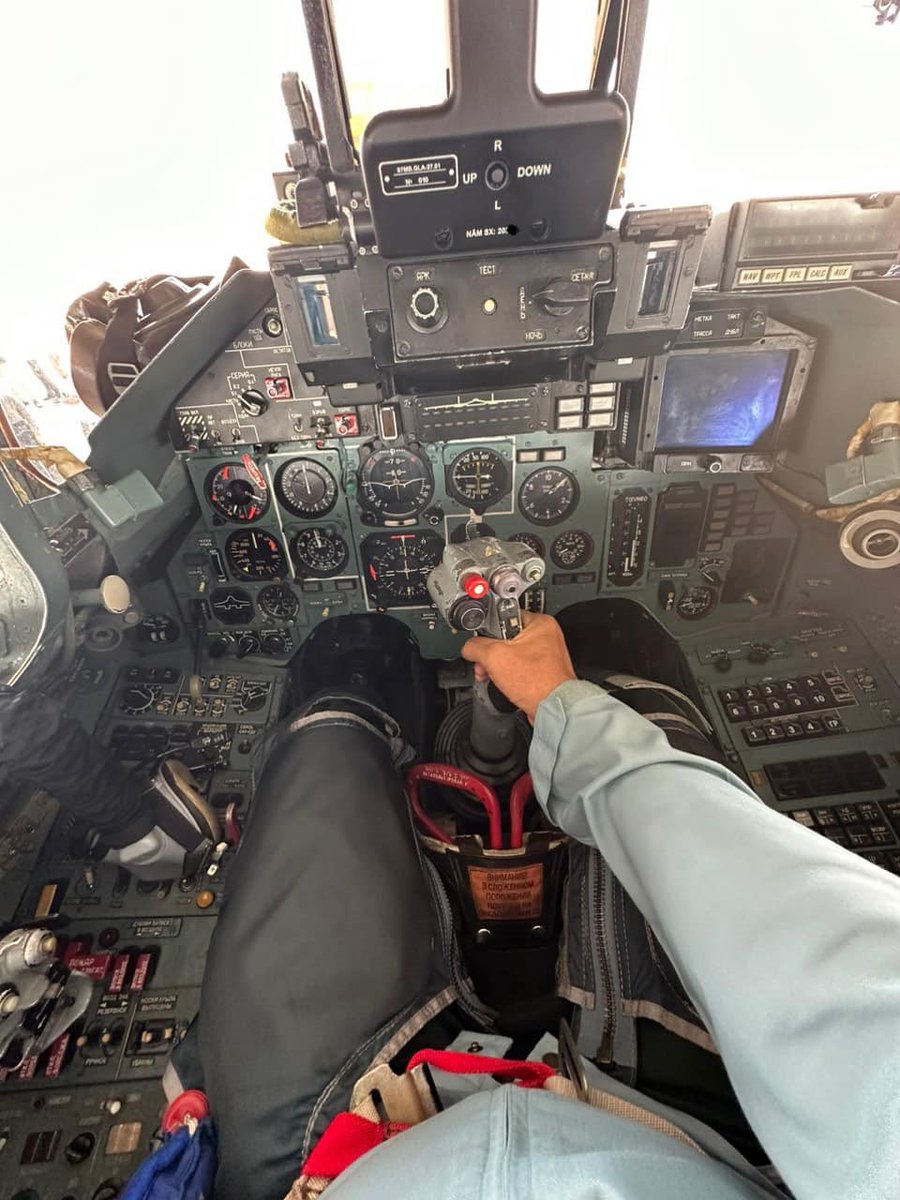
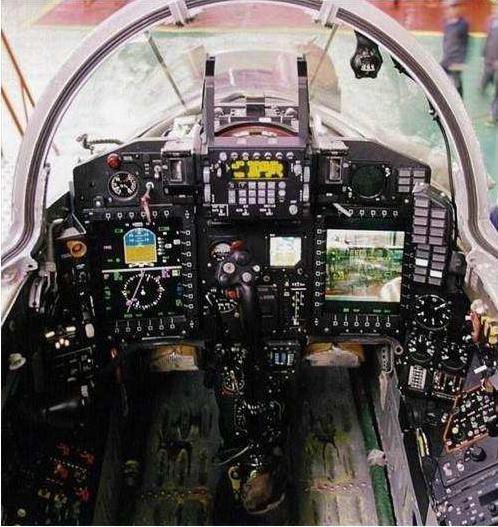
Left Su-30MKI cockpit vs Su-27SK/J-11 cockpit Image
Image
3 | Su-30MKI’s advantage started to run out as China developed its own major upgrade as J-11B with 100% indigenization. While India was trying hard to increase domestic content in Su-30MKI but still heavily reliant on international suppliers.

Early J-11B cockpit. Image
Read 4 tweets
Aug 22
1 | A simple comparison of SSKs of 🇨🇳 PLAN & 🇮🇳 IN throughout history.

->China started its SSK force 14 years ahead of India
->India has access to a wider source of suppliers but it does not achieve self sufficiency due to lack of scale and commitment Image
2 | The Beginning

China received full technical details to license-produce at home during the height of Sino-Soviet cooperation.

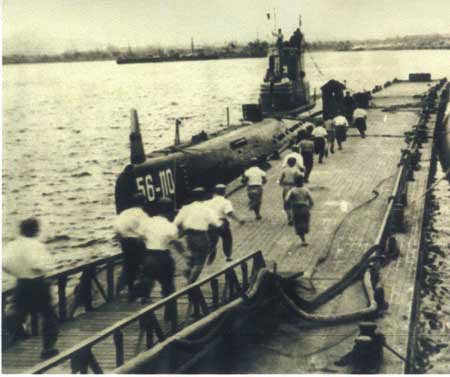
Only 3 years after receiving its 1st sub from USSR, in 1957, PLAN commissioned its first domestically produced W-class SSK (Type 6603). Image
3 | Early Progress

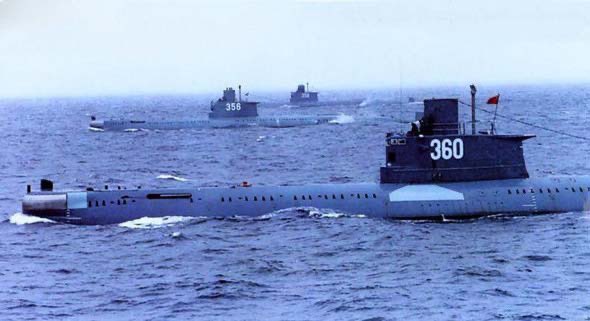
By 1962, China has built a total of 21 Type 6603 SSKs. And then in 1963, PLAN started to commission licensed-produced R-class (aka Type 033), which is more capable then the previous W-class.

Eventually China built more than 100 Type 033.
Image
Image
Read 9 tweets
Jul 27
1 | This result is rather odd with many questions unanswered.

Did the strike package know the general location of the S-400 battery?

If so, why didn’t they stay below radar horizon and launch stand-off anti-radiation missiles beyond the range of 9M96E2 (120 km)

Image
Image
2 | The longer range interceptors used by S-400 (48N6E2/3, 40N6E) are all semi-active radar homing. As long as the aircraft fly below the radar horizon, they are safe from being illuminated.

If the strike package does not know the general location of the S-400, Image
3 | then this would be a terribly executed strike without proper intel and support (AEW&C, ELINT aircrafts, SAR satellites), which would help locating the location of the S-400 battery before the strike package arrived. Image
Read 5 tweets
Apr 23
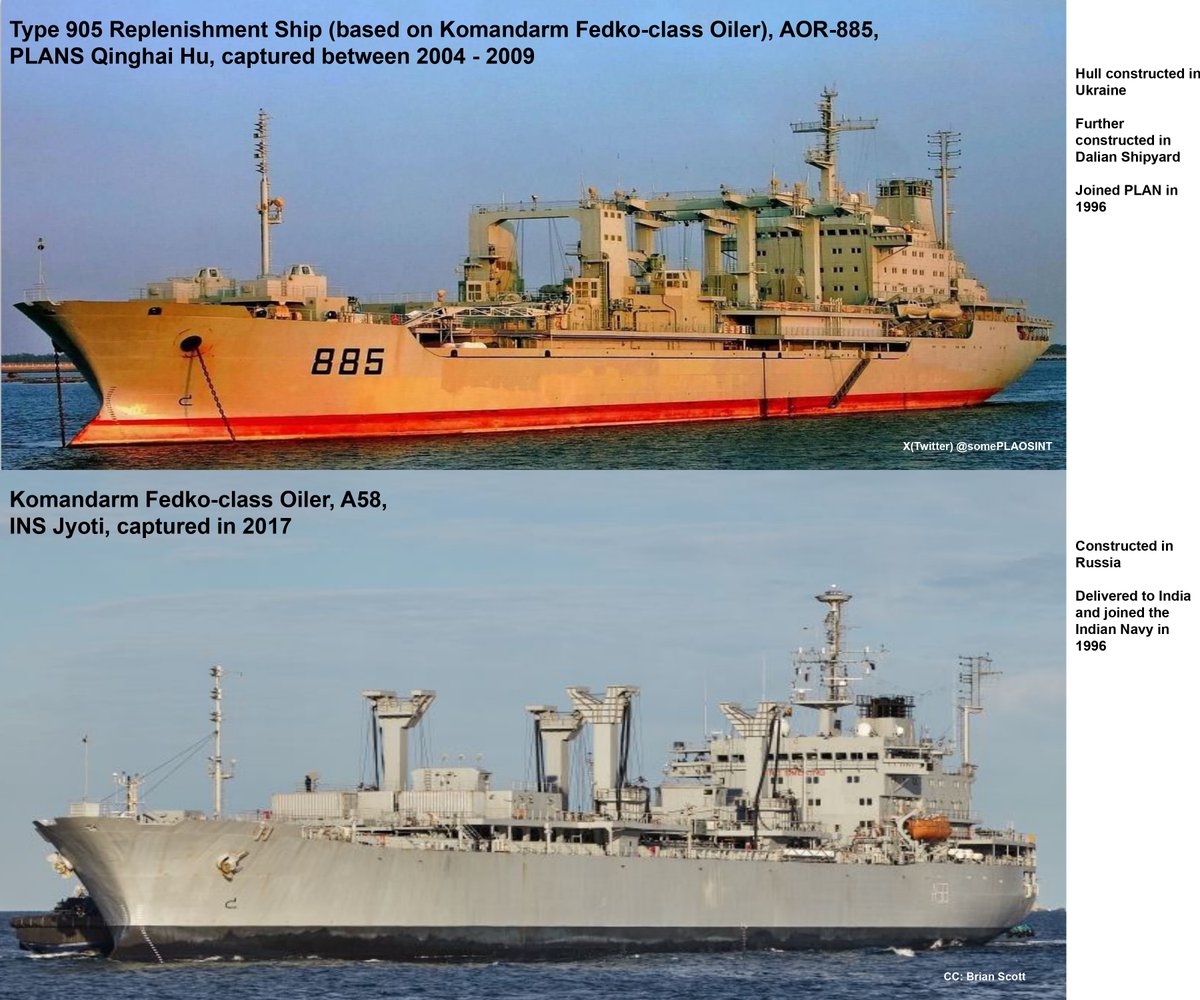
Sister ships between 🇨🇳 PLAN and 🇮🇳 Indian Navy.

->PLAN and IN each operate a replenishment ship based on the Soviet Komandarm Fedko-class oiler
->🇨🇳 ship was built in 🇺🇦 and further constructed in 🇨🇳
->🇮🇳 ship was fully built and delivered by 🇷🇺
->Both commissioned in 1996 Image
Here, for the PLAN ship, the hull of the former USSR ship Vladimir Peregudov was on its way from Kherson, Ukraine, to Dalian China, spotted in Singapore in 1993.

Credit: Malcolm Cranfield Image
Here, for the Indian Navy ship, the completed INS Jyoti was on its way from St. Petersburg to India, spotted in Kiel Canal, Germany, in 1995.

Credit: Steamerkiel Image
Read 9 tweets
Oct 2, 2023
1/n | Though not covered in 1999's FARP, the Indian Army's rocket artillery fleet suffered under the same inaction and piecemeal procurement up until 2016. In contrast, the PLAGF has made strides in inducting/improving long-range MRLS in large numbers with a significant lead. Image
2/n | The Indian Pinaka MRLS was leading in many areas in the early 2000s compared to Russian and Chinese systems.
-Modularized rocket pods for quick reloading and munition flexibility
-Saw combat during 1999 Kargil War even before finishing trials in 2002

Image
Image
Image
3/n | Yet after 14 years in 2016, the IA only inducted 2 regiments (total 40 launchers and support vehicles). In 2016, though the cabinet approved additional 2 regiments and the MoD cleared to purchase another 6, the 6-regiment contract was only signed 4 years later in 2020. Image
Read 10 tweets

Did Thread Reader help you today?

Support us! We are indie developers!


This site is made by just two indie developers on a laptop doing marketing, support and development! Read more about the story.

Become a Premium Member ($3/month or $30/year) and get exclusive features!

Become Premium

Don't want to be a Premium member but still want to support us?

Make a small donation by buying us coffee ($5) or help with server cost ($10)

Donate via Paypal

Or Donate anonymously using crypto!

Ethereum

0xfe58350B80634f60Fa6Dc149a72b4DFbc17D341E copy

Bitcoin

3ATGMxNzCUFzxpMCHL5sWSt4DVtS8UqXpi copy

Thank you for your support!

Follow Us!

:(