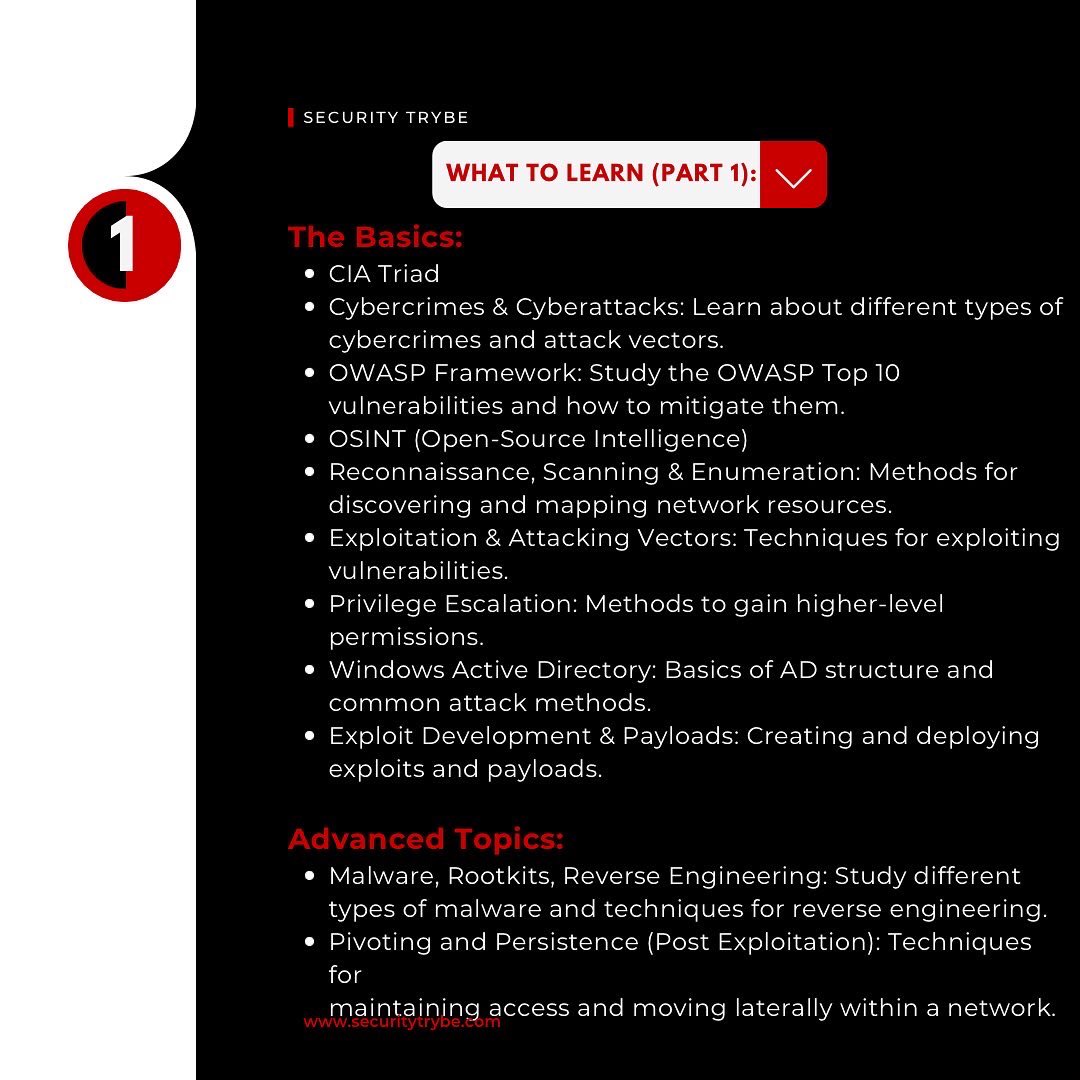
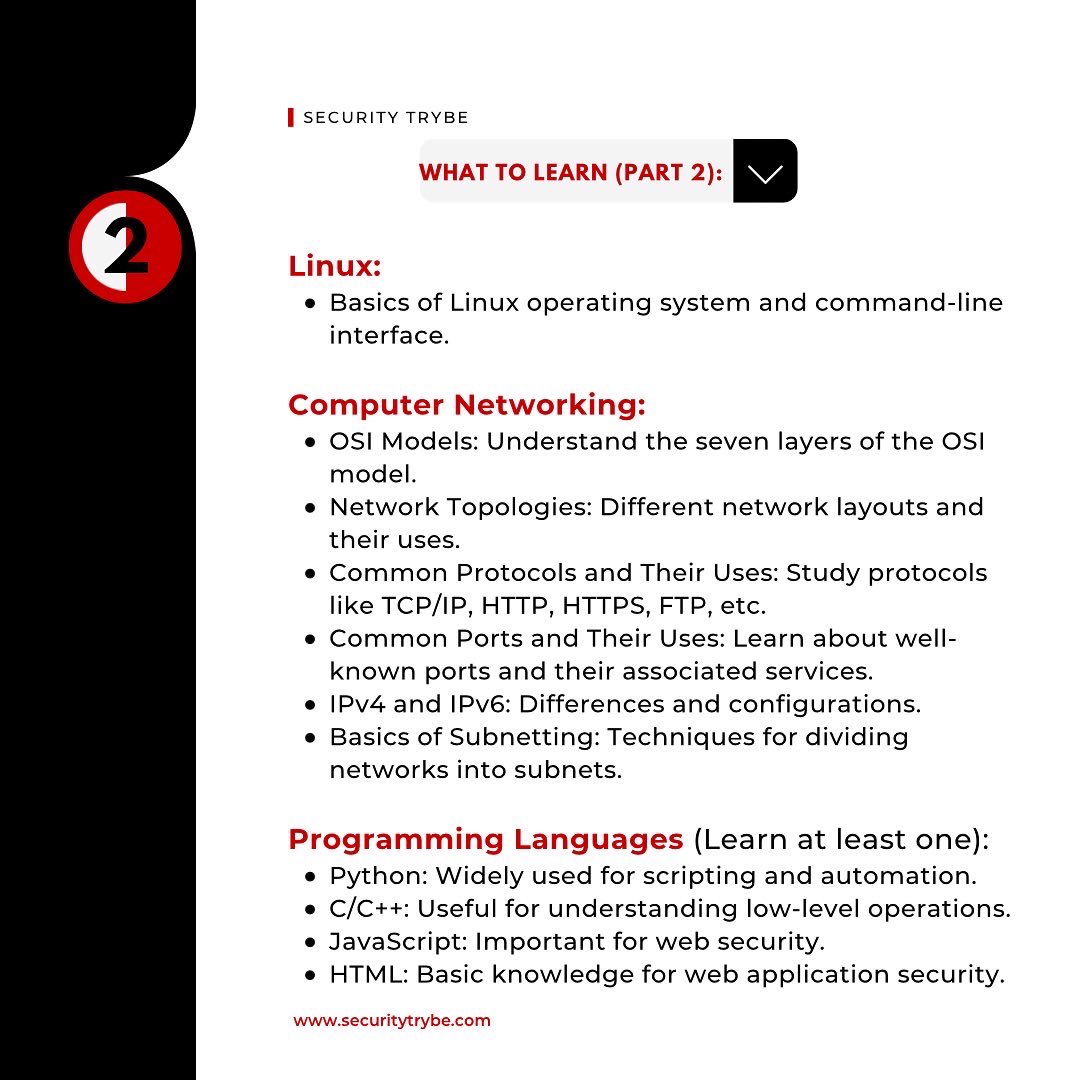
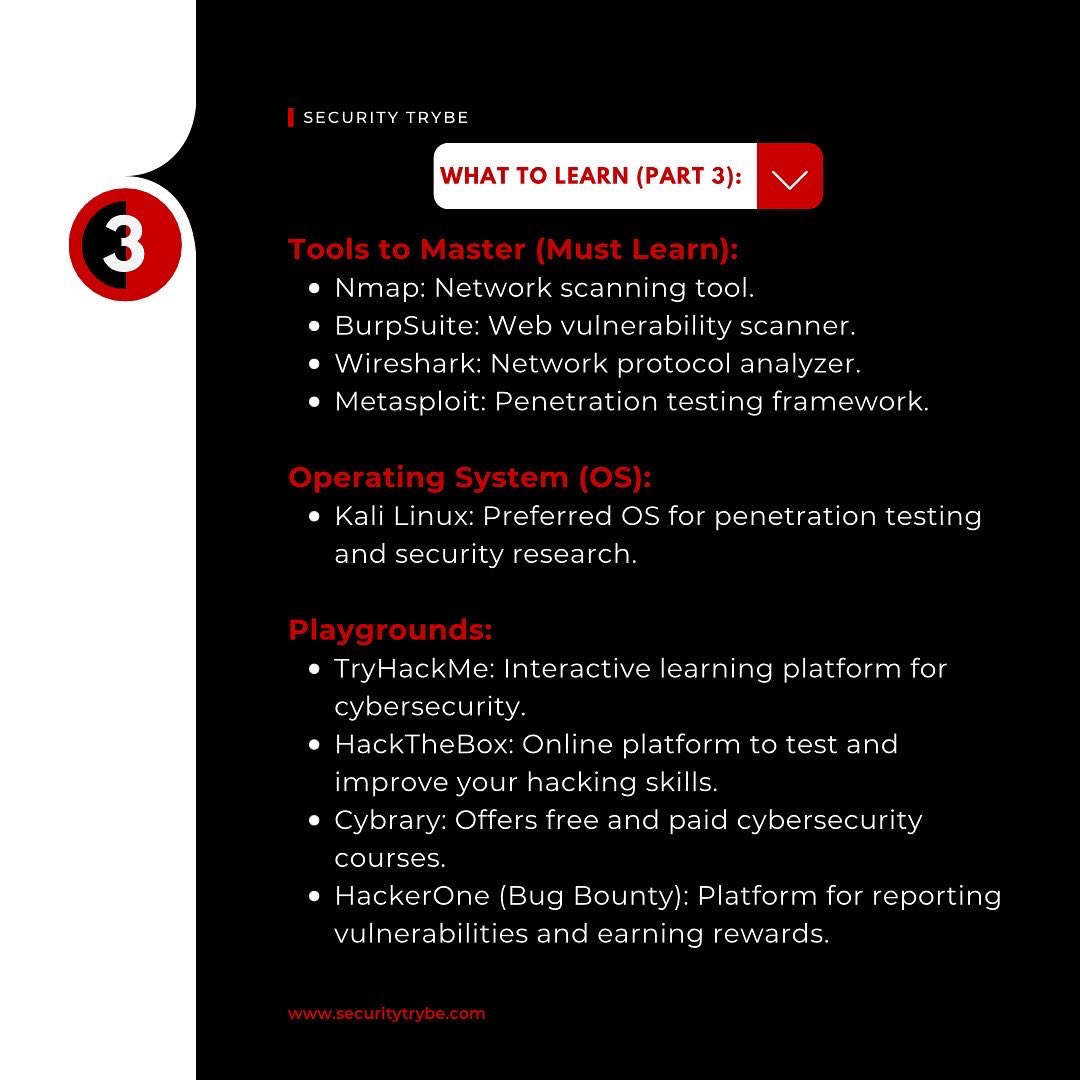
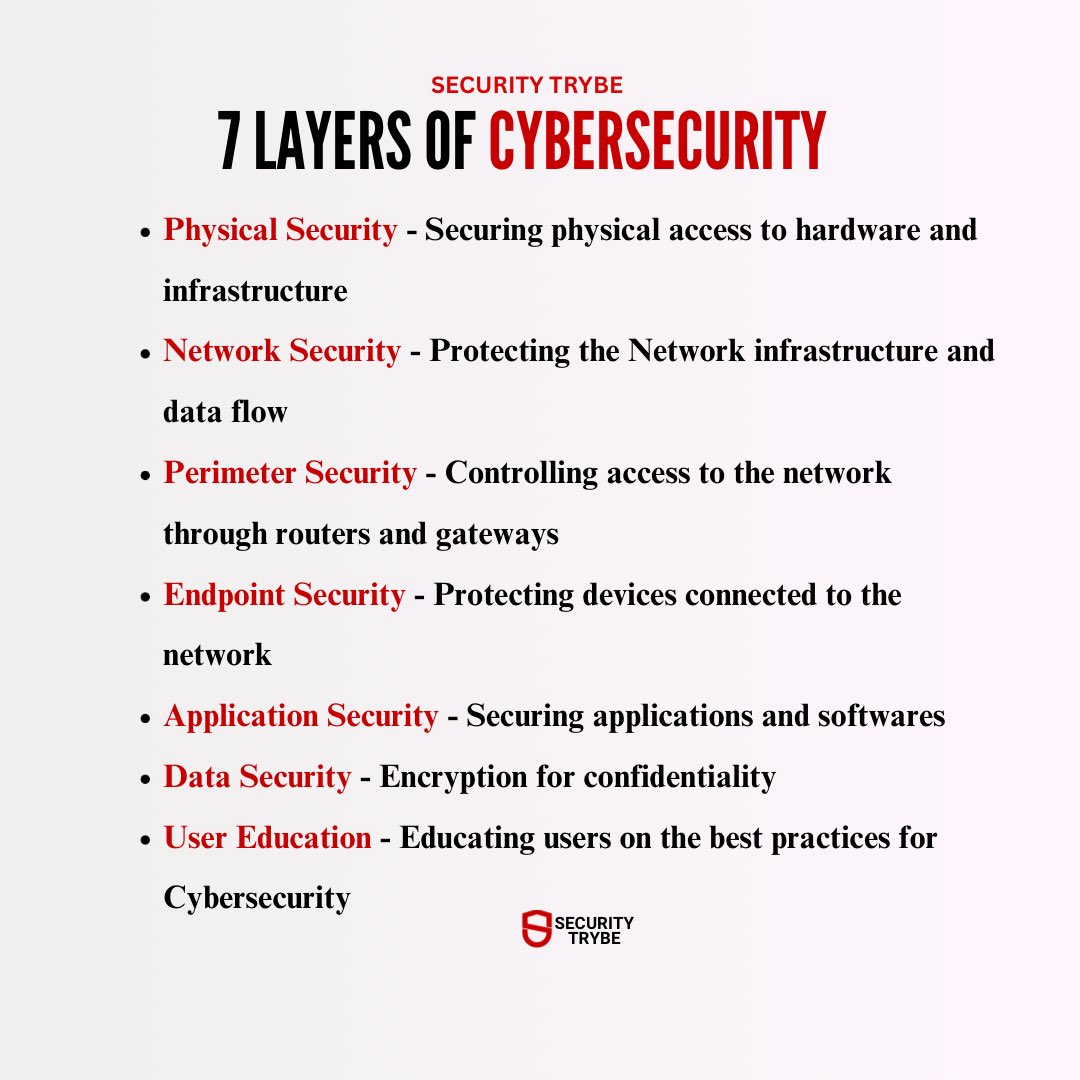
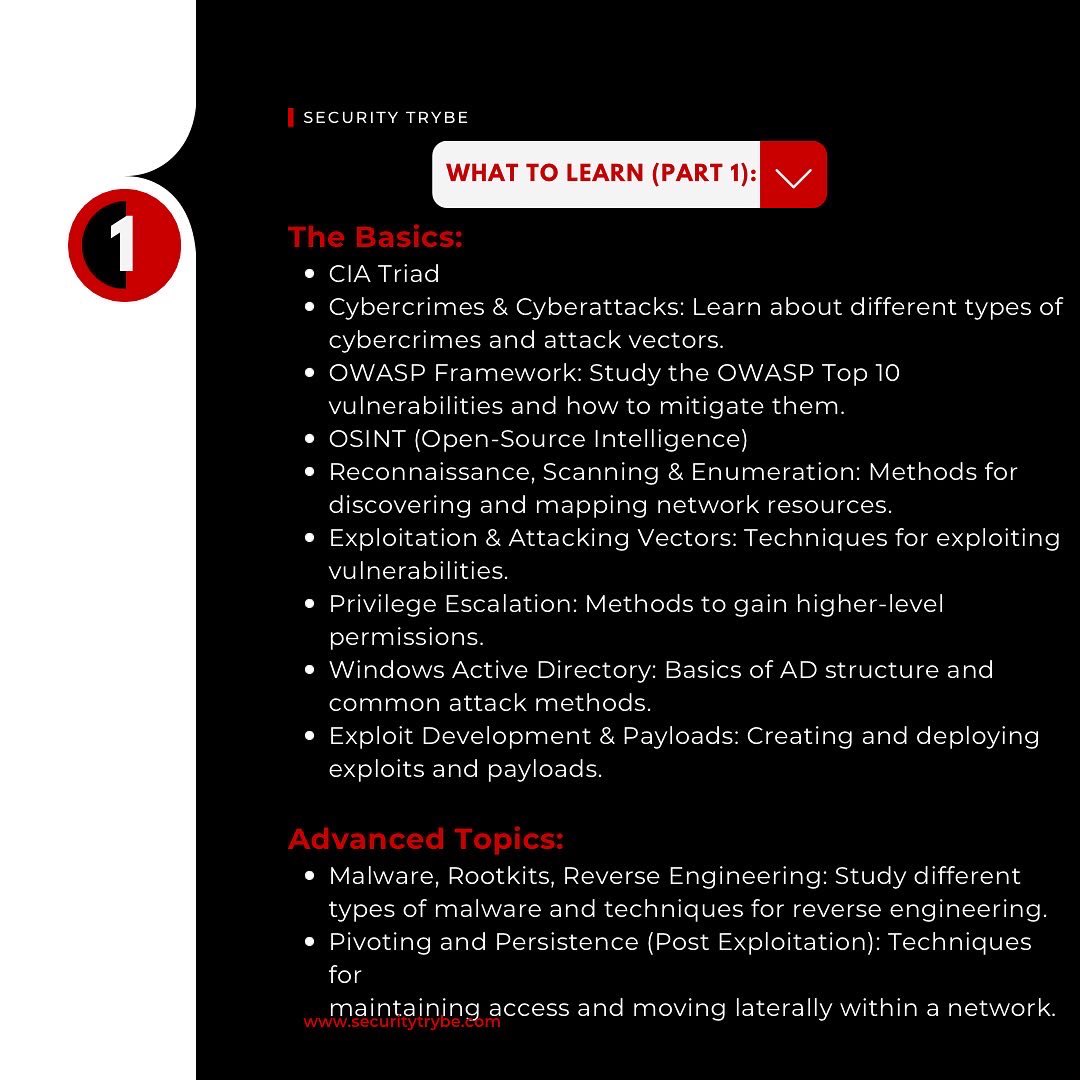
Cybersecurity refers to the practices, technologies, and processes designed to protect systems, networks, and data from cyberattacks.
These cyberattacks are typically aimed at accessing, changing, or destroying sensitive information, extorting money from users, or interrupting normal business operations. With the increasing reliance on the internet, data, and digital tools, protecting digital systems has become vital for individuals, businesses, and governments.
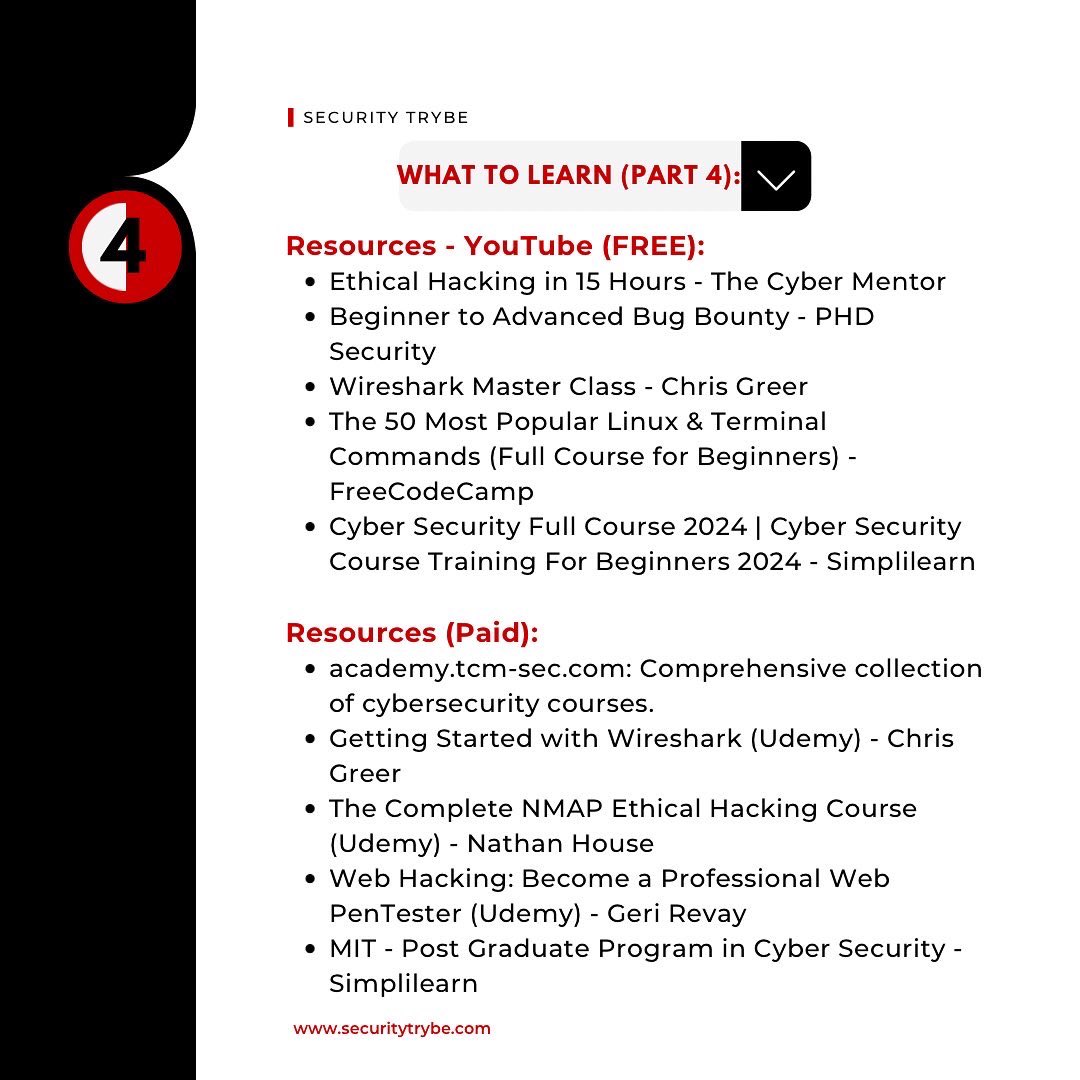
⁃Websites to learn Cybersecurity (Free)
⁃Websites to learn Hands-on skills (Free)
⁃Websites for Cybersecurity Trends
⁃Websites to review your resume (free)
⁃Websites for interview preparation
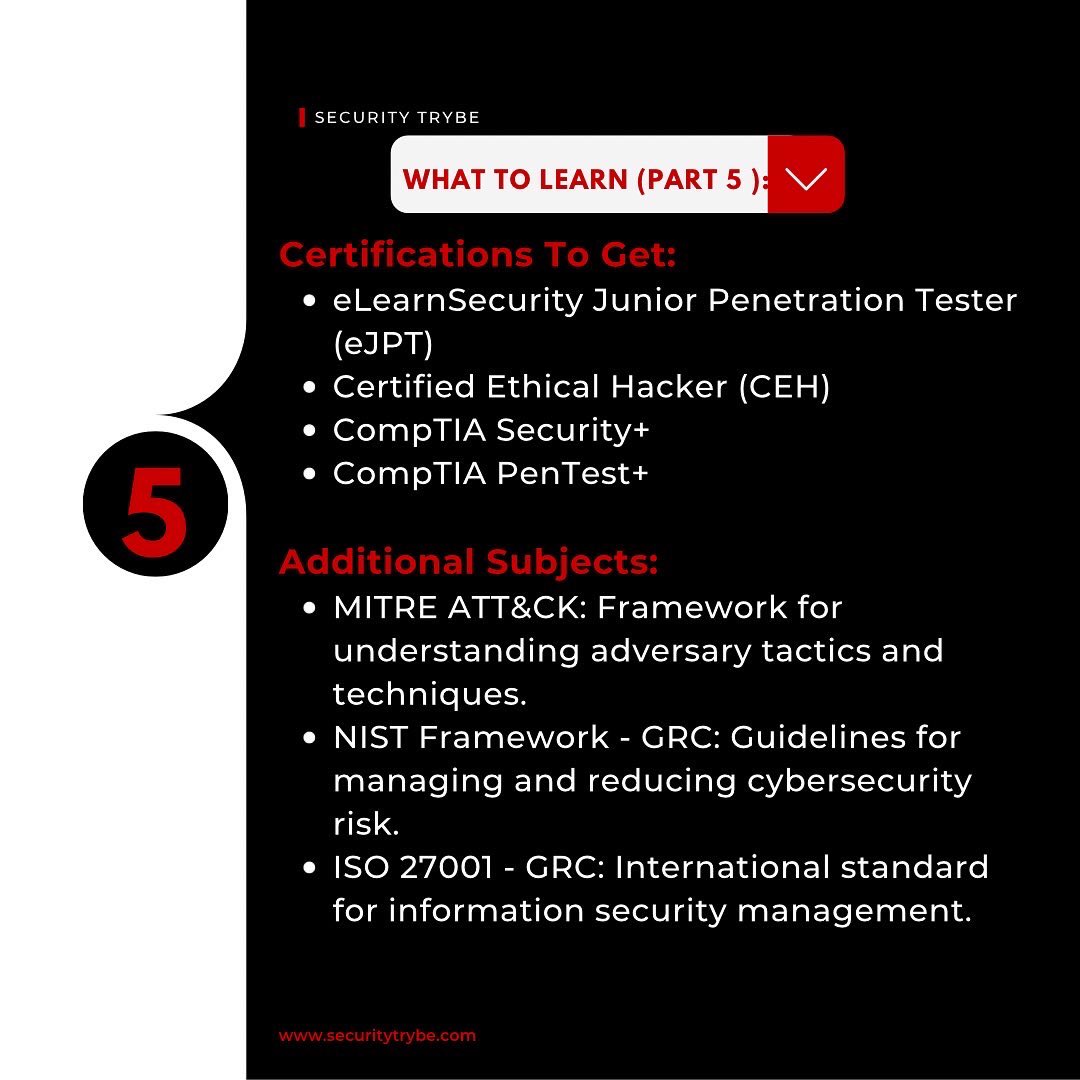
⁃Cybersecurity Certifications
⁃Cybersecurity skills in demand
A Thread
Websites to Learn Cybersecurity for Free:
1. TryHackMe- Offers gamified lessons and hands-on labs. 2. Coursera- Provides free courses from universities and institutions. 3. Cybrary- Free courses on various cybersecurity topics. 4. Open Security Training- Free training on a wide range of security topics. 5. EDX - Free courses from top universities. 6. FutureLearn- Offers free cybersecurity courses. 7. Udemy- Free courses on cybersecurity basics. 8. Springboard- Lists various free cybersecurity resources. 9. SANS Cyber Aces- Free online courses on cybersecurity fundamentals. 10. NIST - Offers free and low-cost online educational content
Websites to Learn Hands-on Free Cybersecurity Skills:
1. TryHackMe- Hands-on exercises and labs. 2. Hack The Box- Real-world penetration testing labs. 3. OverTheWire- Wargames to practice security concepts. 4. Cybrary- Hands-on labs and exercises. 5. RangeForce- Interactive cybersecurity training. 6. Immersive Labs- Hands-on labs and challenges. 7. PentesterLab- Hands-on web application security training. 8. StationX- Offers practical cybersecurity training. 9. nfosec Skills- Hundreds of hands-on courses. 10. Practical Pentest Labs- Realistic penetration testing labs.
Flipper Zero is a toy-like portable hacking tool. The device is able to read, copy, and emulate RFID and NFC tags, radio remotes, iButton, and digital access keys, along with a GPIO interface.
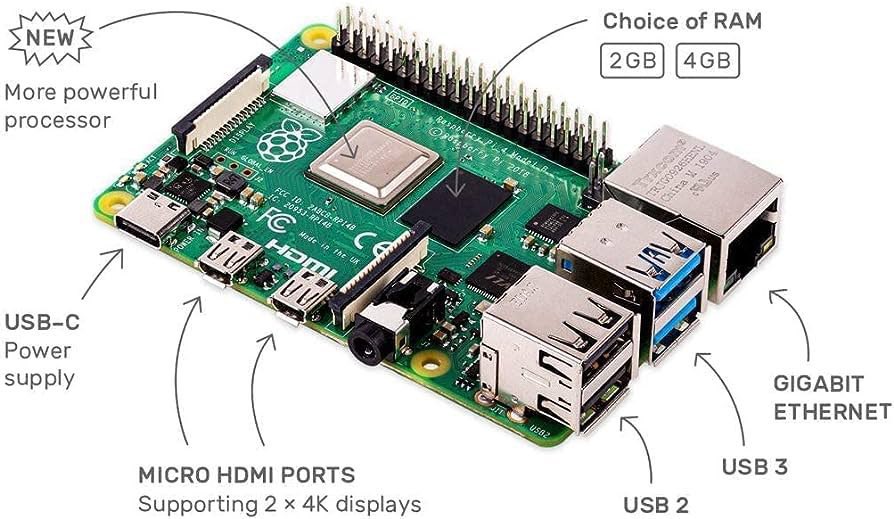
2. Raspberry Pi:
This is a low cost credit card sized desktop computer that runs Linux but it also provides a set of GPIO (general purpose input/output) pins. It enables people to explore computing and learn Programming
Also known as a ‘Jailbreak Artists’, he is one of the first people to jailbreak Play Station 3, he is also behind the April 2011 PlayStation breach, he also associated with the group ‘Anonymous’
Hotz first gained fame in 2007 when he became the first person to unlock the iPhone, allowing it to be used with any carrier. This achievement brought him significant attention and praise, including from Apple co-founder Steve Wozniak
Beyond hacking, Hotz founded , a company focused on developing self-driving car technology. He has also worked on tinygrad, a deep learning framework.
Hotz’s innovative work in both cybersecurity and artificial intelligence continues to make waves in the tech world.comma.ai
9. Kevin Poulsen:
Also known as ‘Dark Dante’ was a notorious hacker that specializes in hacking phone systems, especially to radio stations making him a guarantee winner in many contests. In which he won a lot of money and a luxury car.
Poulsen’s hacking activities extended beyond radio stations. In the early 1990s, he hacked into the systems of Pacific Bell, a major telephone company, which led to an FBI investigation. When the FBI started pursuing him, Poulsen went underground, becoming a fugitive. His notoriety grew when he was featured on NBC’s “Unsolved Mysteries,” and the show’s 1-800 telephone lines mysteriously crashed.
8. Edward Majerczyk:
Known for orchestrating the infamous “Celebgate” scandal, Edward Majerczyk illegally accessed the iCloud and Gmail accounts of over 300 people, including at least 30 celebrities. He used a phishing scheme, sending emails that appeared to be from Apple or Google security accounts, tricking victims into providing their usernames and passwords.
In 2017, Majerczyk was sentenced to nine months in federal prison and ordered to pay $5,700 in restitution to one of the victims for counseling costs. His case highlighted the severe consequences of cyber intrusions and the importance of robust cybersecurity measures.