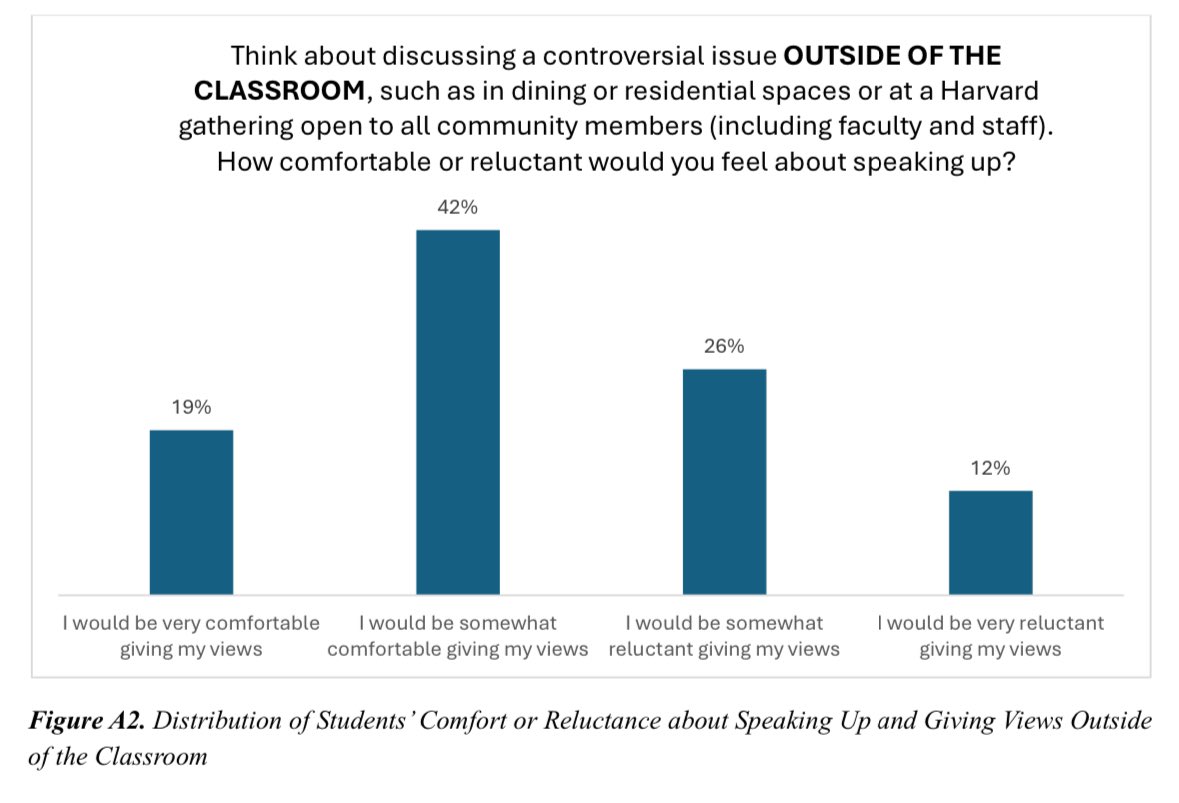
🧵Harvard asked its students, faculty, and teaching staff about their comfort discussing controversial issues on campus.
The results show that faculty/staff are more fearful than students.
68% of faculty/staff said they would be reluctant to speak up outside the classroom.
Only 38% of students said the same — that they would be reluctant to speak up during a discussion of a controversial issue outside the classroom.
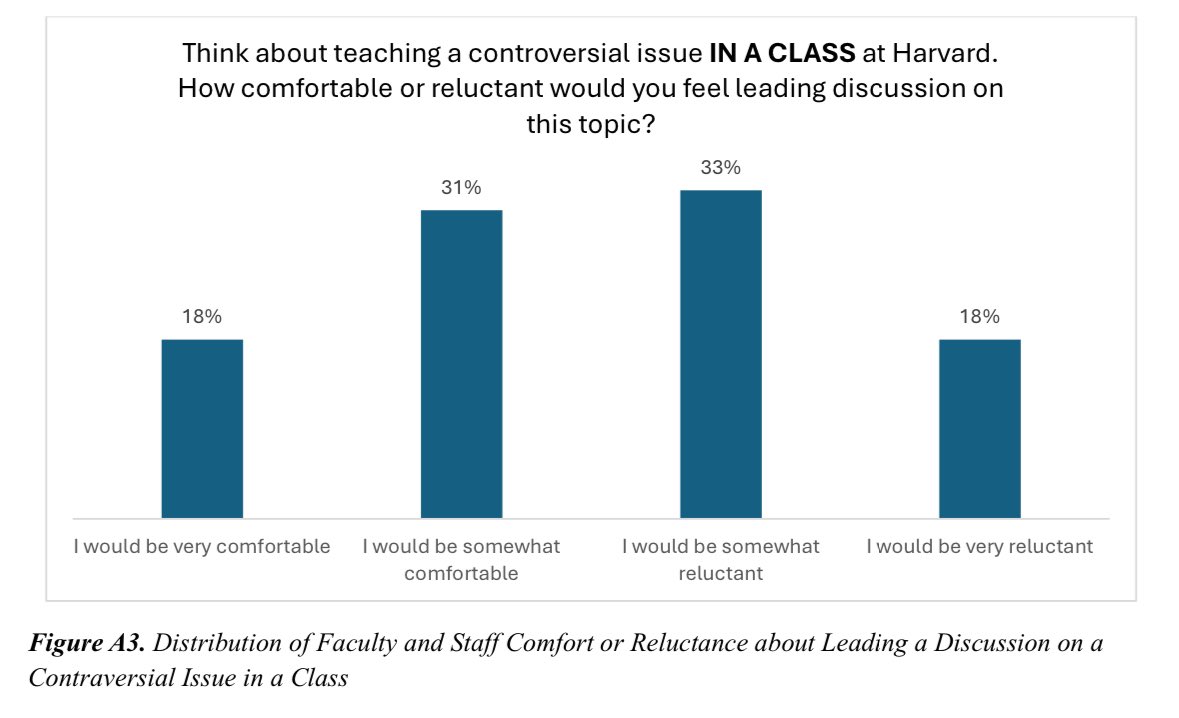
Alarmingly, just over half (51%) of Harvard faculty and teaching staff said they would be reluctant to lead a class discussion on a controversial topic.
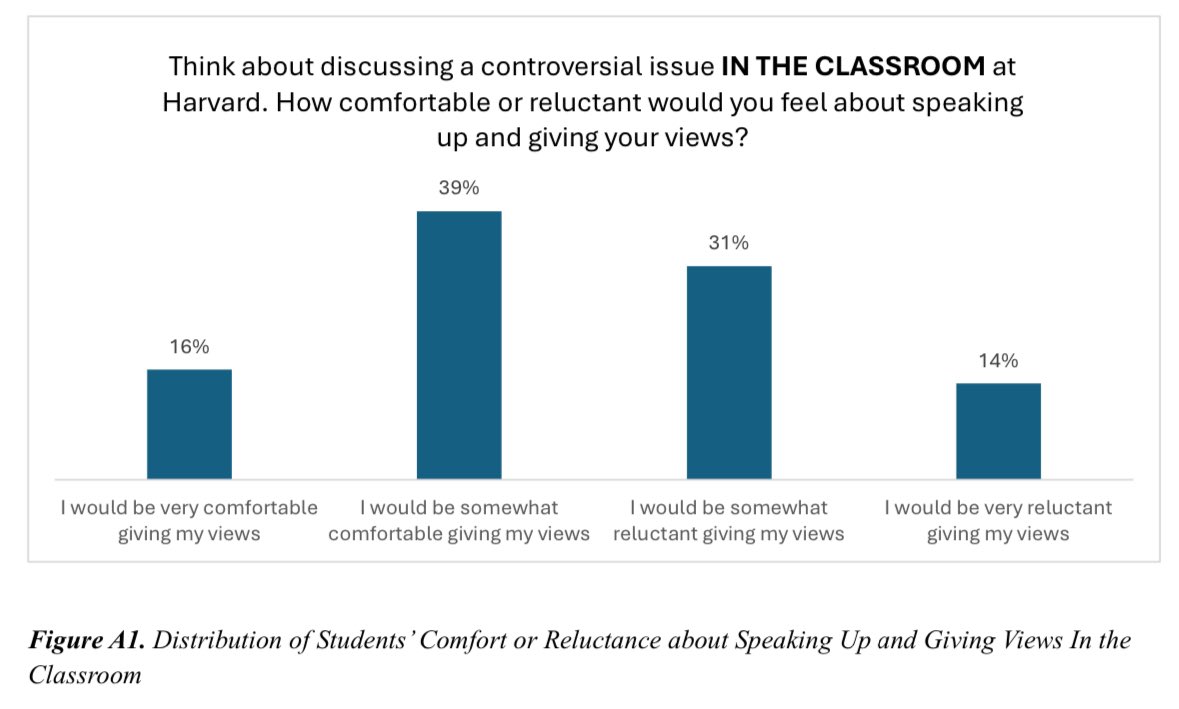
Meanwhile, 45% of students said they would be reluctant to speak up during a classroom discussion on a controversial topic.
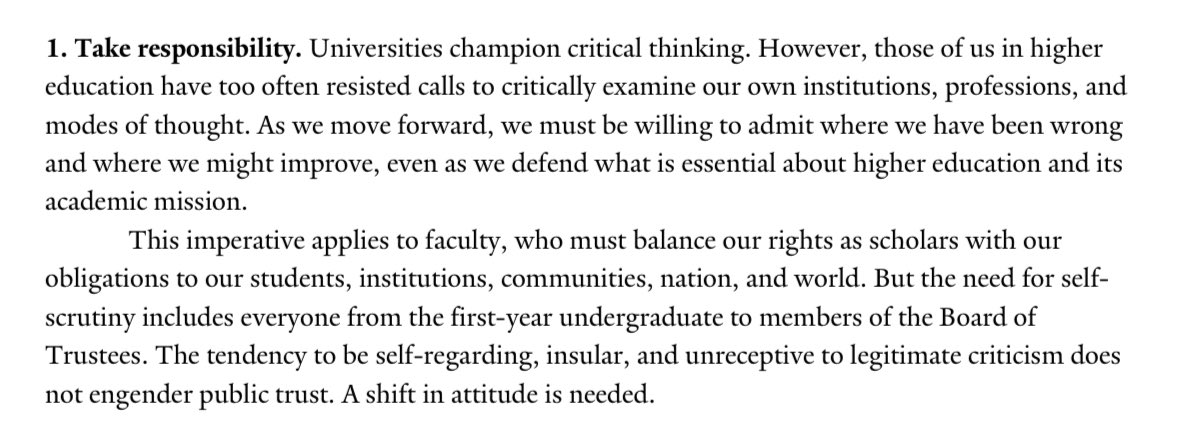
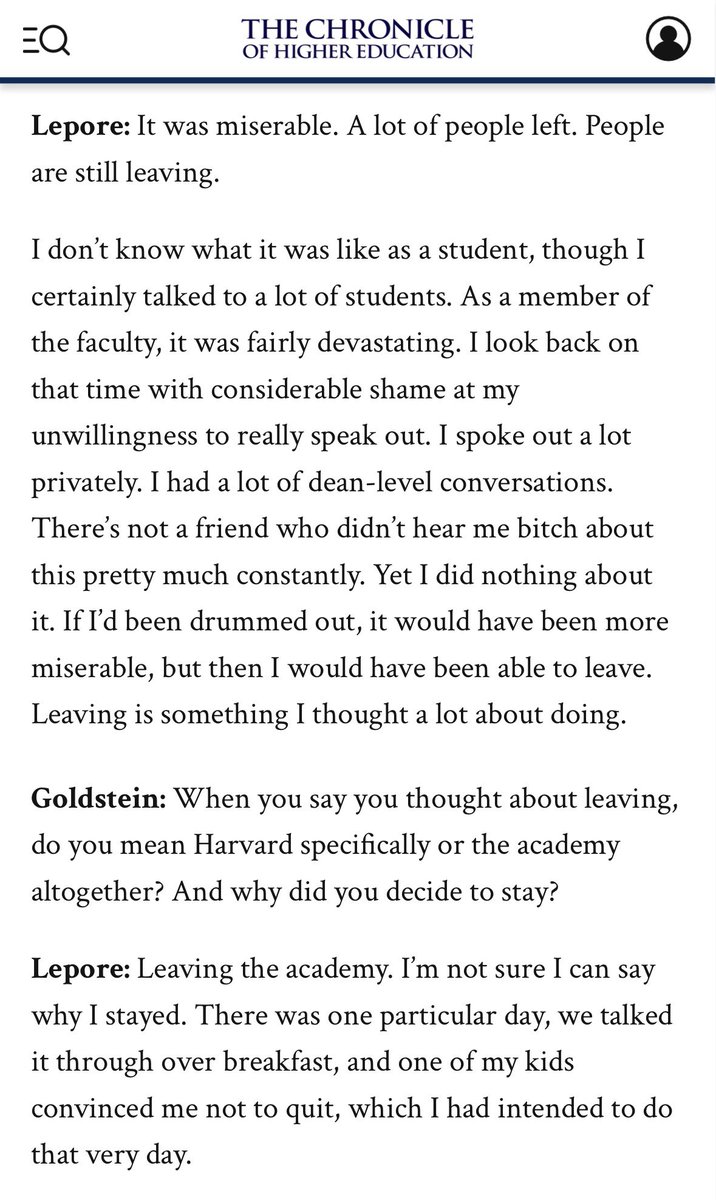
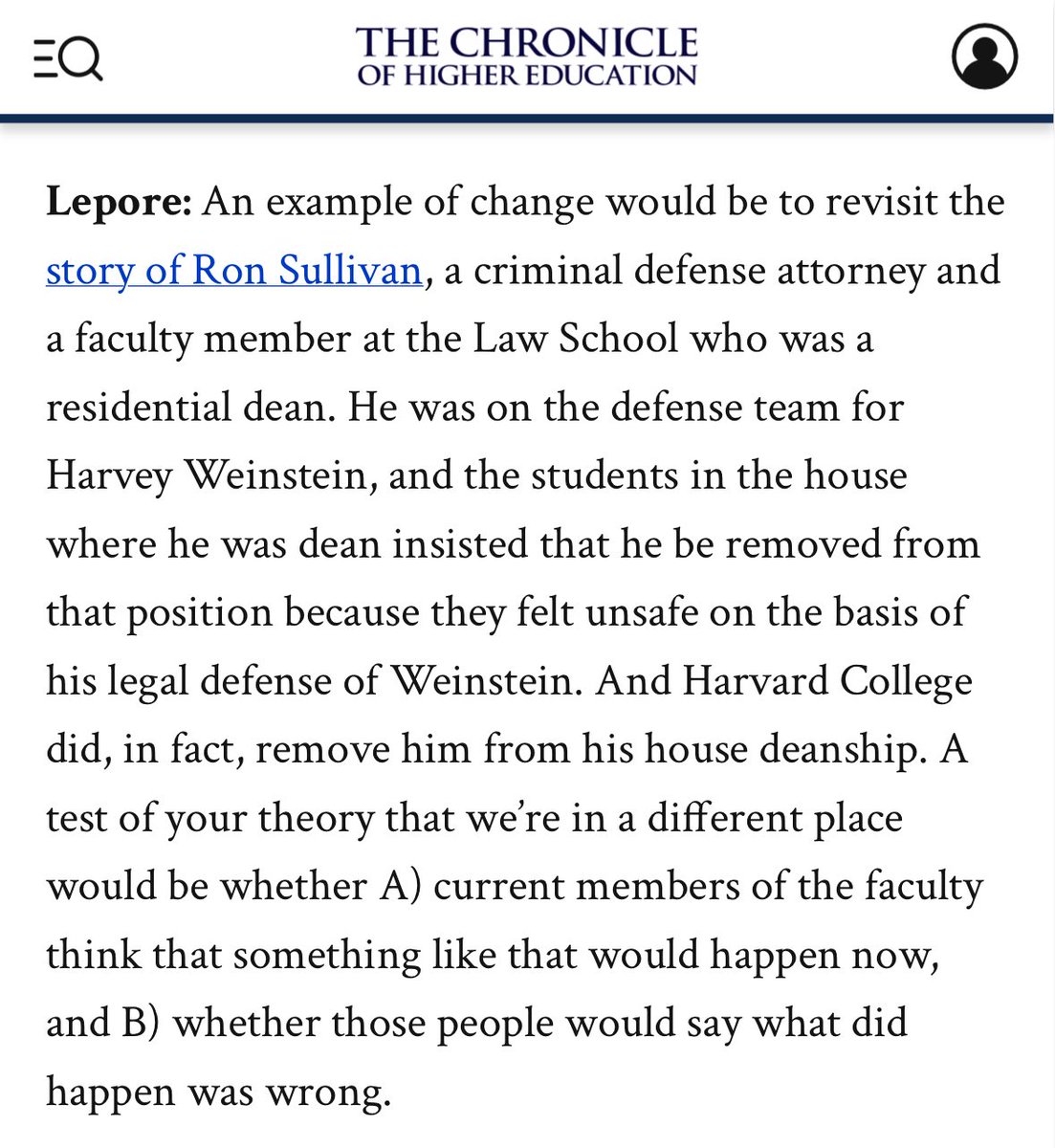
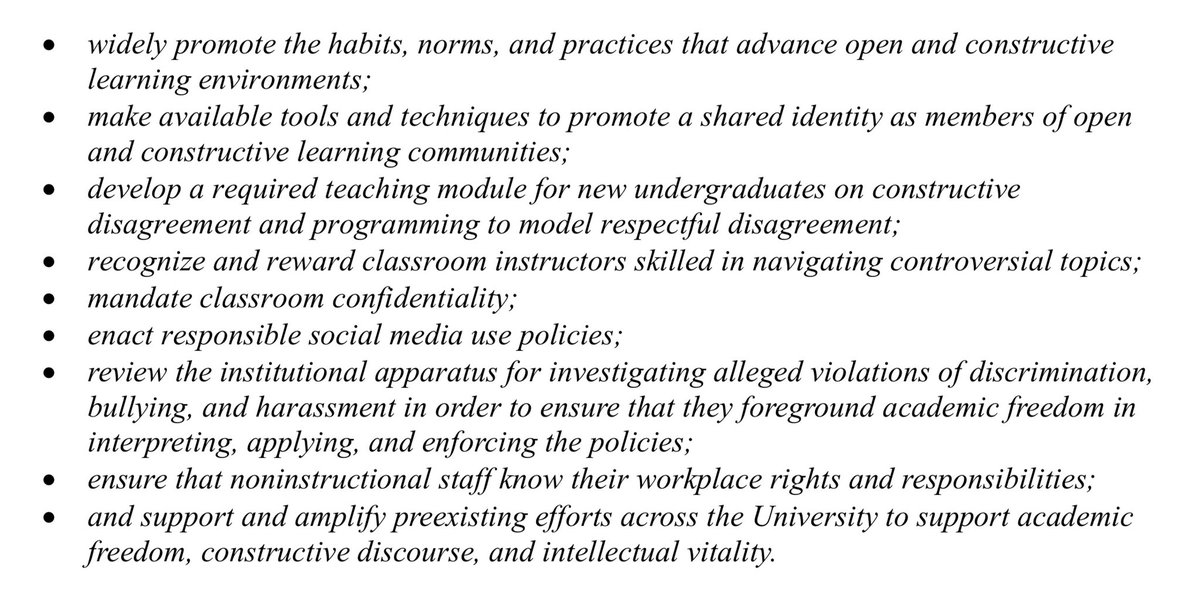
Recognizing that these conditions are not conducive to education, the committee recommends several actions:
The percentage of Harvard students receiving disability accommodations has risen from about 3% in 2014 to 21% in 2024.
The Harvard Crimson published this graphic showing the rise at Harvard and several other elite schools.
Watch Brown and Stanford too!
“Staff at Harvard’s University Disability Resources say the increase is, in part, the result of a concerted push to lower barriers to access student resources, as well as decreased stigma around disabilities.”
“According to Kate Upatham, senior director of the UDR — which serves as a central resource for Harvard affiliates seeking disability-related resources and information — the office has loosened its requirements for students seeking accommodations in recent years.”
“Although it once seemed like a good idea to give every child his or her own device, it’s clear that those policies have been a failure.”
💯
School-issued laptops distract students at school and home, expose them to things they shouldn’t see, and hurt learning.
🧵
Great column by @jean_twenge:
She observes that “the decline in test scores started well before the pandemic, around 2012. One obvious culprit is smartphones, which became popular just as test scores started to decline.”
But “phones are not the only electronic devices students use at school. These days, nearly every middle and high school student — and a good number in the elementary grades as well — brings a laptop or tablet to school and uses it at home for homework.”
NEW: UC San Diego has released a new report documenting a “steep decline in the academic preparedness” of its freshmen.
The number of entering students needing remedial math has exploded from 1/100 to 1/8.
They’ve had to create a second remedial class covering elementary and middle school math skills in addition to the one covering gaps from high school.
🧵
The report also shows that nearly 1/5 students fail to meeting entry level writing requirements.
“This deterioration coincided with the COVID-19 pandemic and its effects on education, the elimination of standardized testing, grade inflation, and the expansion of admissions from under-resourced high schools.”
These Harvard students…did not react well to the report on grade inflation:
“The whole entire day, I was crying. I skipped classes on Monday, and I was just sobbing in bed because I felt like I try so hard in my classes, and my grades aren’t even the best. It just felt soul-crushing.”
“What makes a Harvard student a Harvard student is their engagement in extracurriculars. Now we have to throw that all away and pursue just academics. I believe that attacks the very notion of what Harvard is.”
“I can’t reach my maximum level of enjoyment just learning the material because I’m so anxious about the midterm, so anxious about the papers, and because I know it’s so harshly graded. If that standard is raised even more, it’s unrealistic to assume that people will enjoy their classes.”
A student says harder grading “could take a serious toll on students’ mental health.”
“‘It makes me rethink my decision to come to the school,’ she said. ‘I killed myself all throughout high school to try and get into this school. I was looking forward to being fulfilled by my studies now, rather than being killed by them.’”