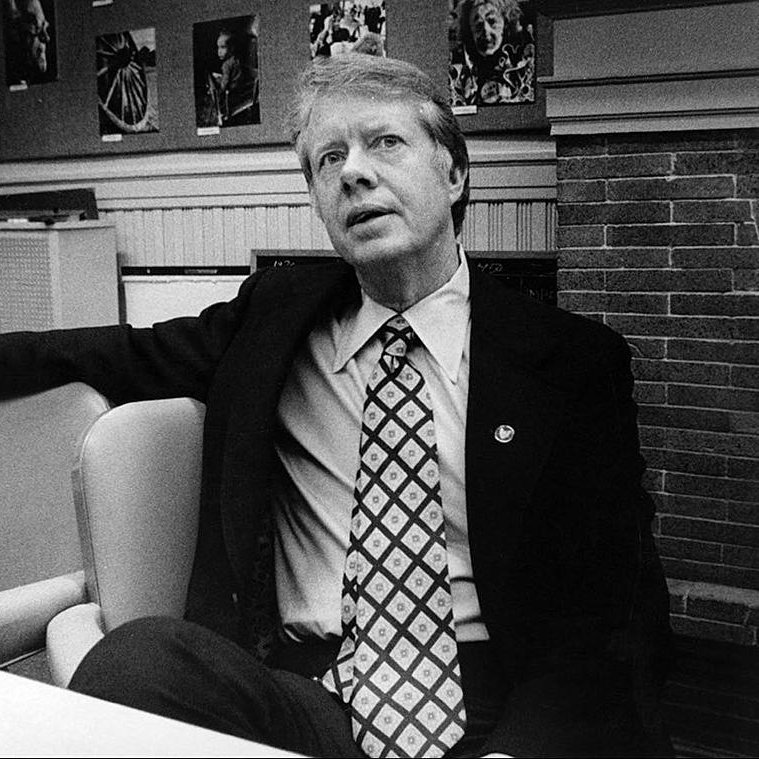
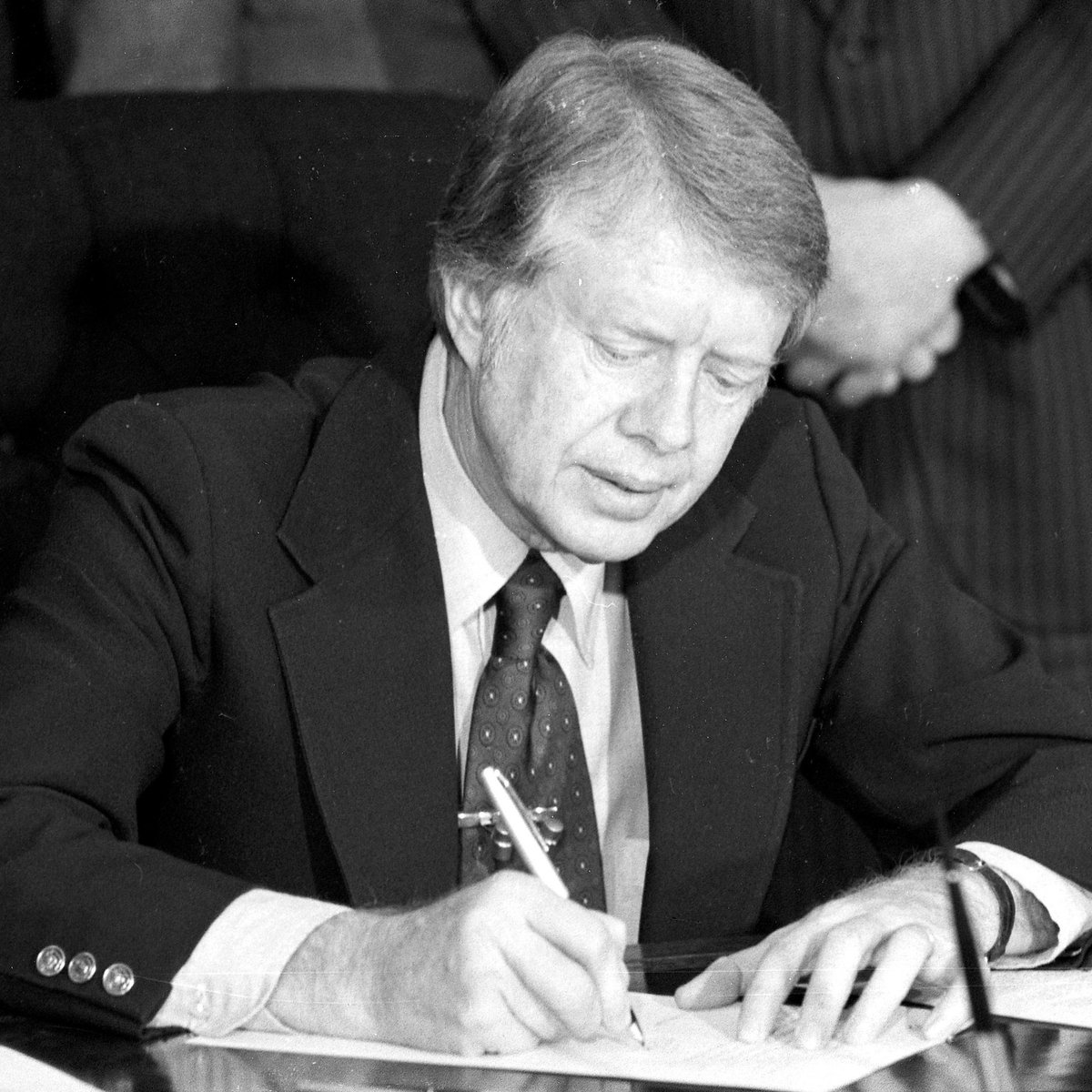
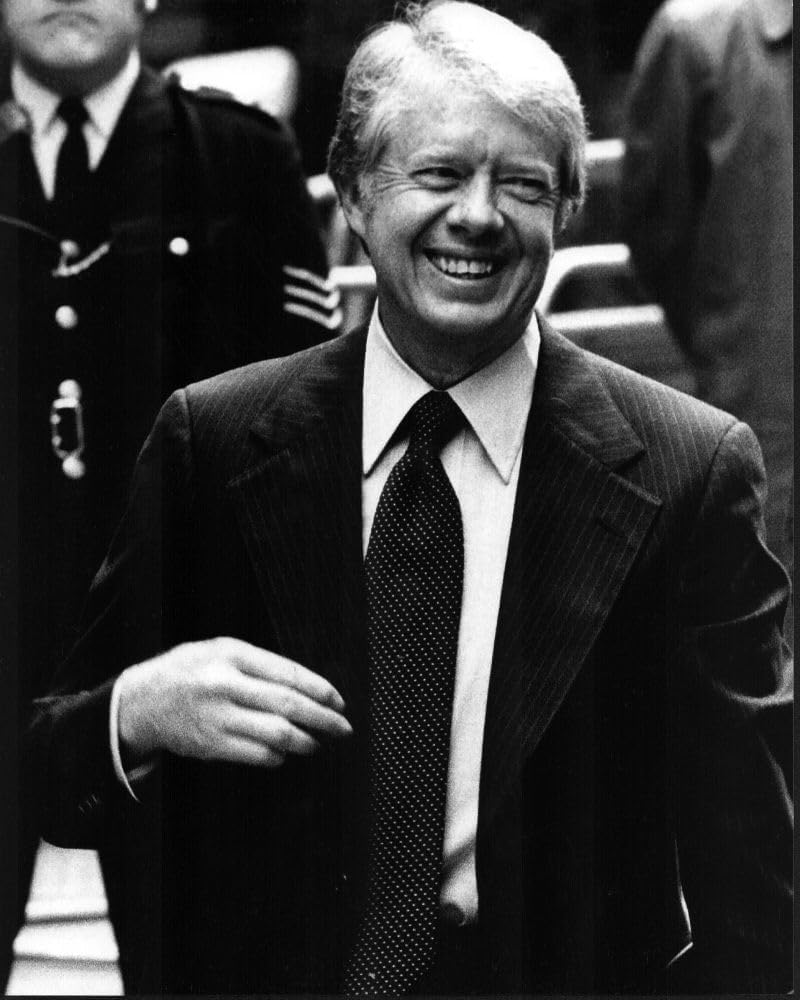
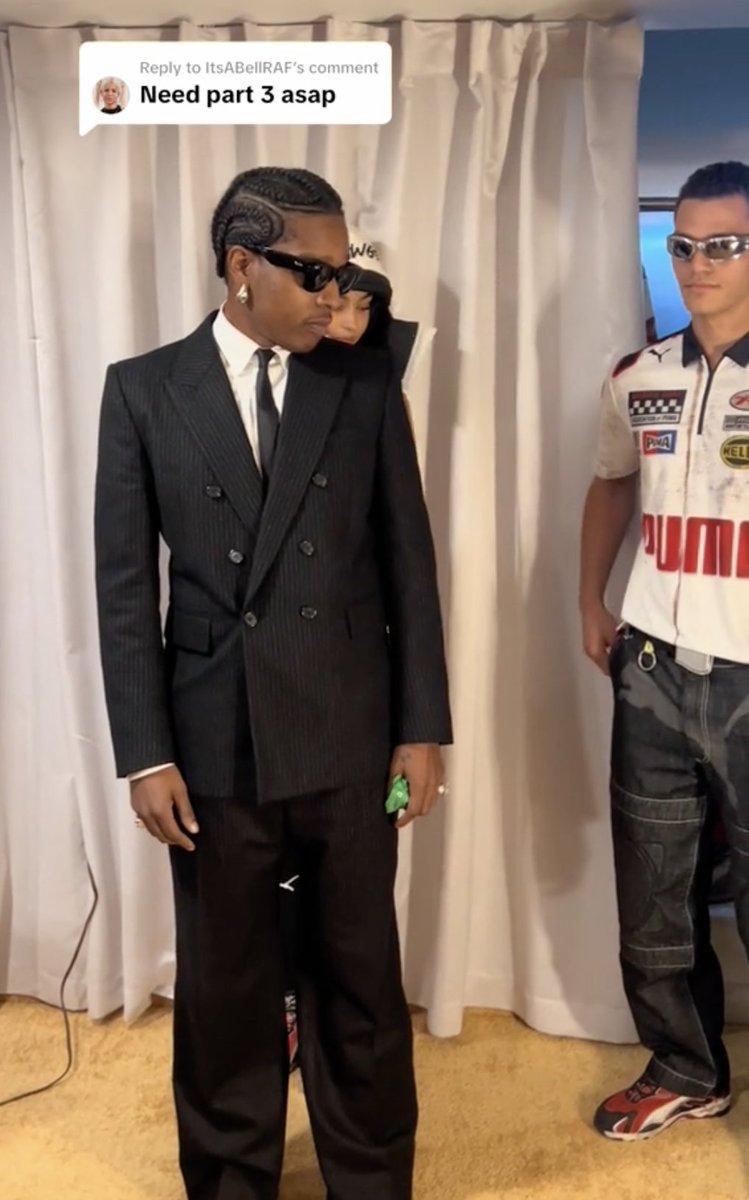
Let's talk about how both men's suit fit last night. 🧵
https://twitter.com/nicksummy/status/1841295837449609670
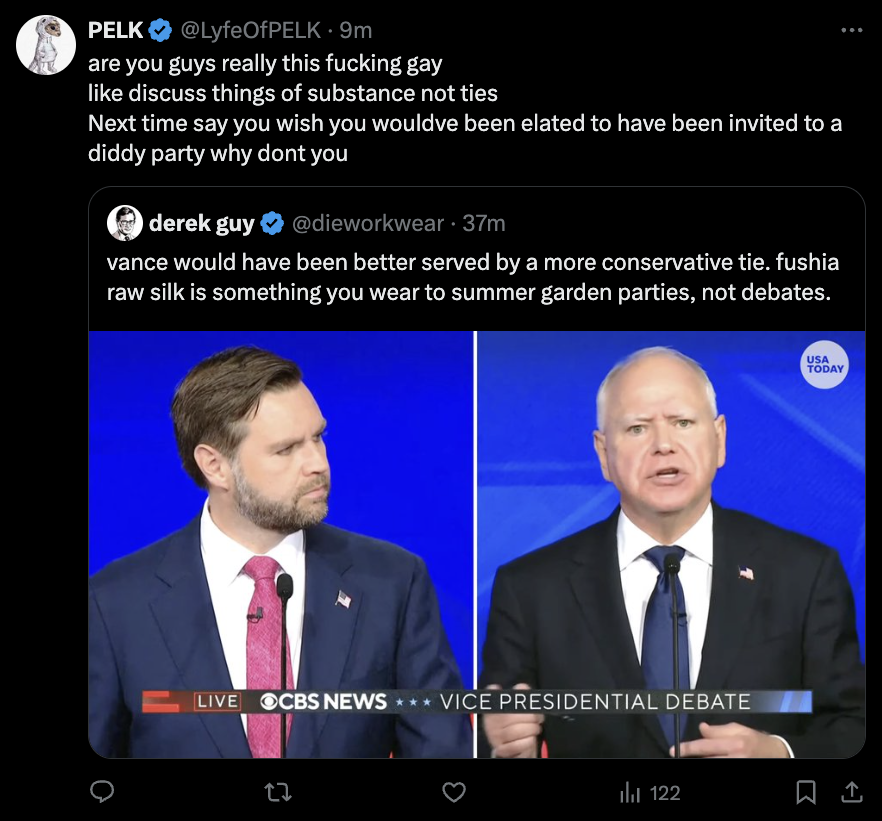
I thought both men last night were pretty well attired, aside from Vance's tie. Shoulders fit well, no dimpling at the sleevehead, minimal pulling at the waist. 

As a matter of preference, I liked Vance's lapels a little better. They were just a touch wider in relation to the breadth of his chest. The gorge, which is the seam that connects a jacket's collar to the lapels, was also a little lower. I prefer the proportions of his jacket.


However, one thing that kept sticking out is how the left side of his jacket's collar (or, right-side for the viewer) didn't hug his neck. Why is that?


It's certainly not the result of bad tailoring. Whoever made this suit gave Vance a very nice garment.
The issue has to do with his posture.
The issue has to do with his posture.

When people stand in front of a mirror or when they know their photo is being taken, they tend to throw their shoulders back and straighten their spine. This comes from years of being told to "stand up straighter."

However, when you do this, you throw off the way the jacket fits. This is why, when you're being fitted in a garment, is important to stand naturally. Remove the temptation to stand up straighter. You want to assess how you look 99% of the time.


Vance's suit last night was beautifully tailored. But since he kept throwing his shoulders back to project a stronger, more confident self, his jacket didn't fit as well. This jacket was made for a man with a different posture.


If he plans on doing this, I recommend two things: learn to always stand straight or have a suit specially made for public appearances, which will fit your "public appearance" posture.
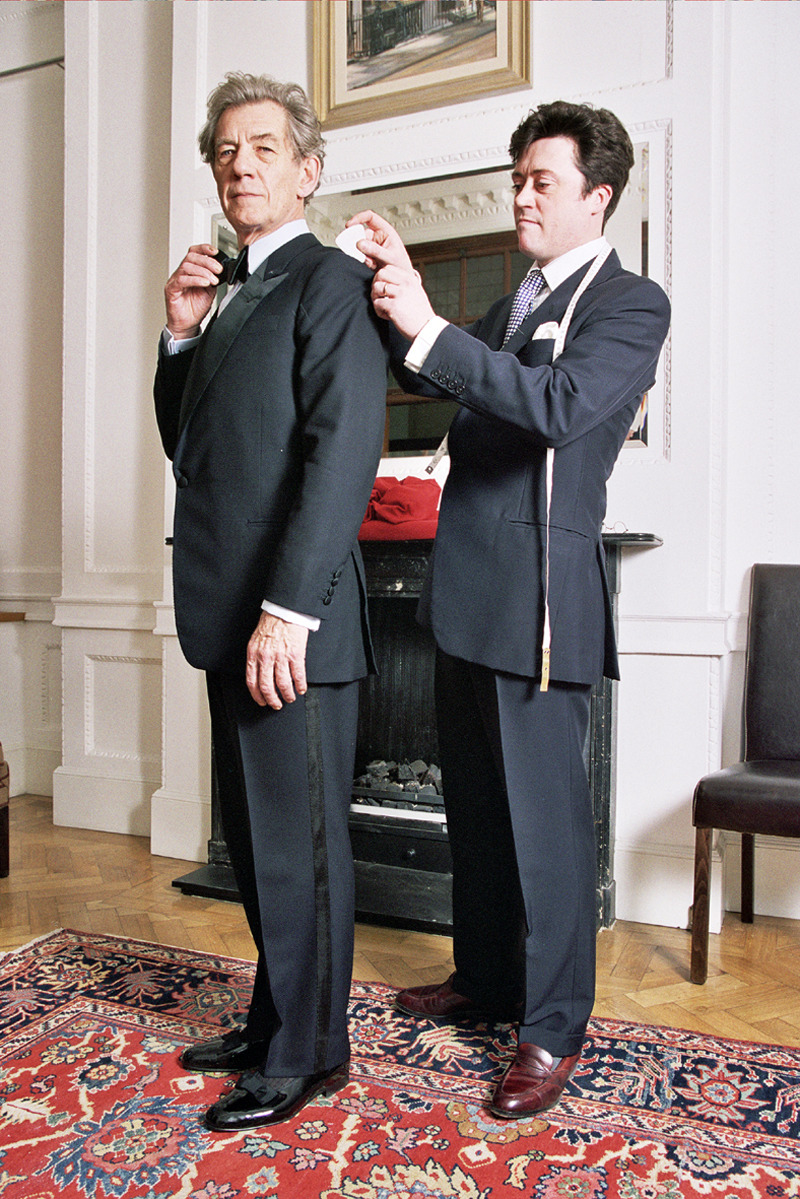
I raise this issue for two reasons. First, hopefully it helps you understand the relationship between posture and fit. Always make sure you are standing naturally when looking at yourself in the mirror and assessing whether something fits. (Or when you're at a fitting)

Second, I take issue with the idea that the cost of a garment or the label inside has anything to do with how good something looks. Aside from avoiding fast fashion brands like SHEIN, you should not feel ashamed by the label or cost.
https://x.com/nicksummy/status/1841295837449609670
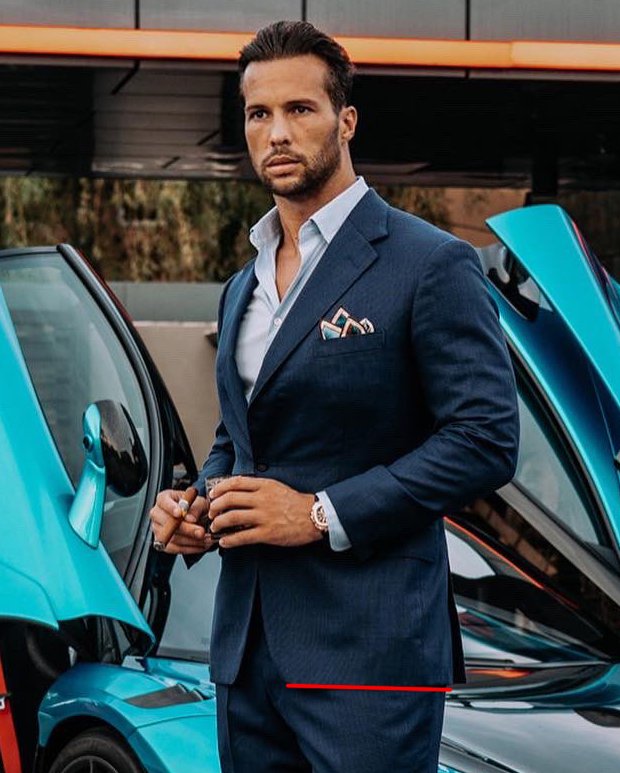
For instance, Tristan Tate claims this is a $20k suit. But the chest is too tight, which is creating a dent in the sleevehead and forcing the lapels to buckle away from his body. The front-back balance is also wrong, so the front of his jacket looks like it's riding up on him.


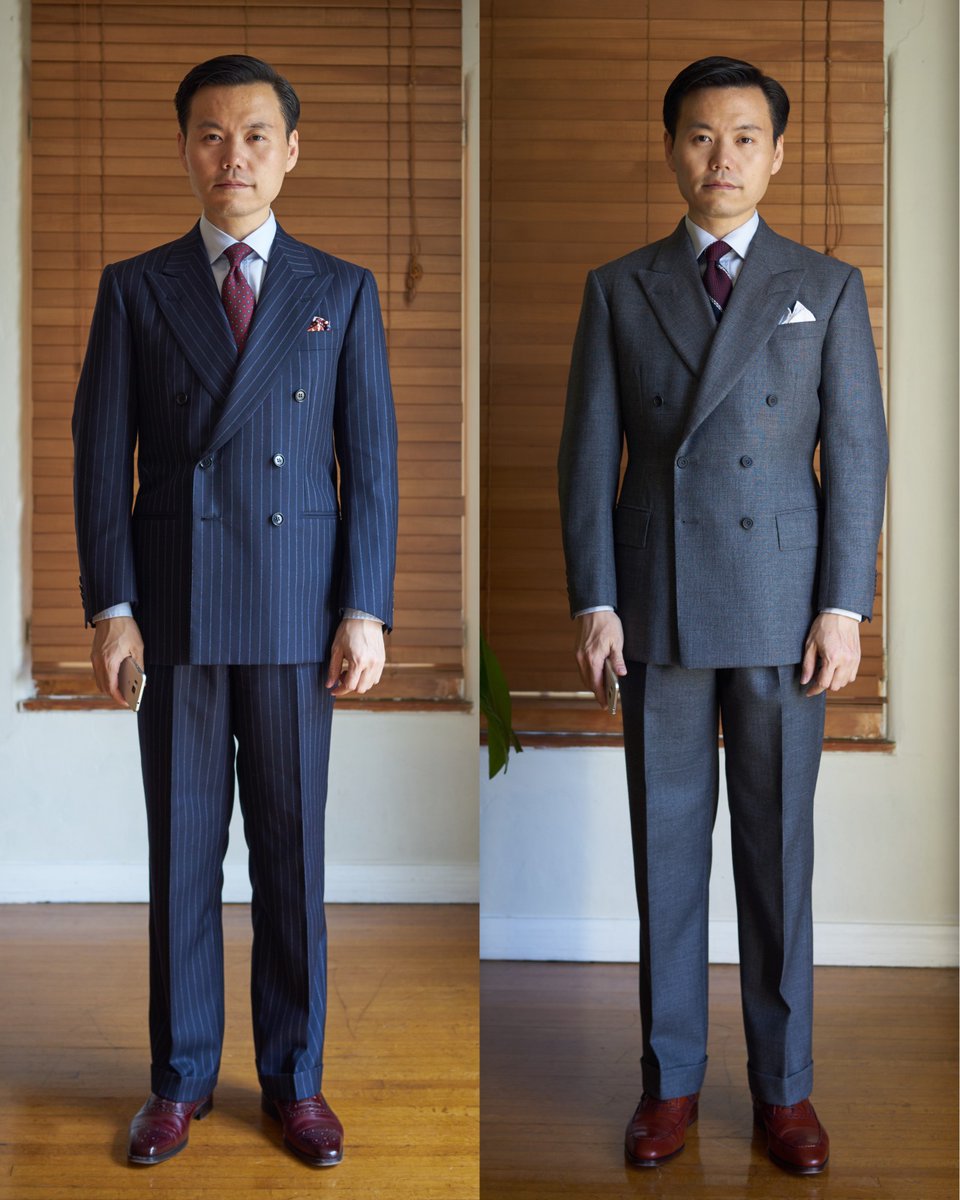
Conversely, here's @MrSamWilkin and @andrewdefrank. The first is wearing a $500 Suitsupply suit. The second is wearing a $200 suit from the prestigious tailoring house Jos A Bank. Neither exhibit any of the issues in Tate's $20k bespoke garment.

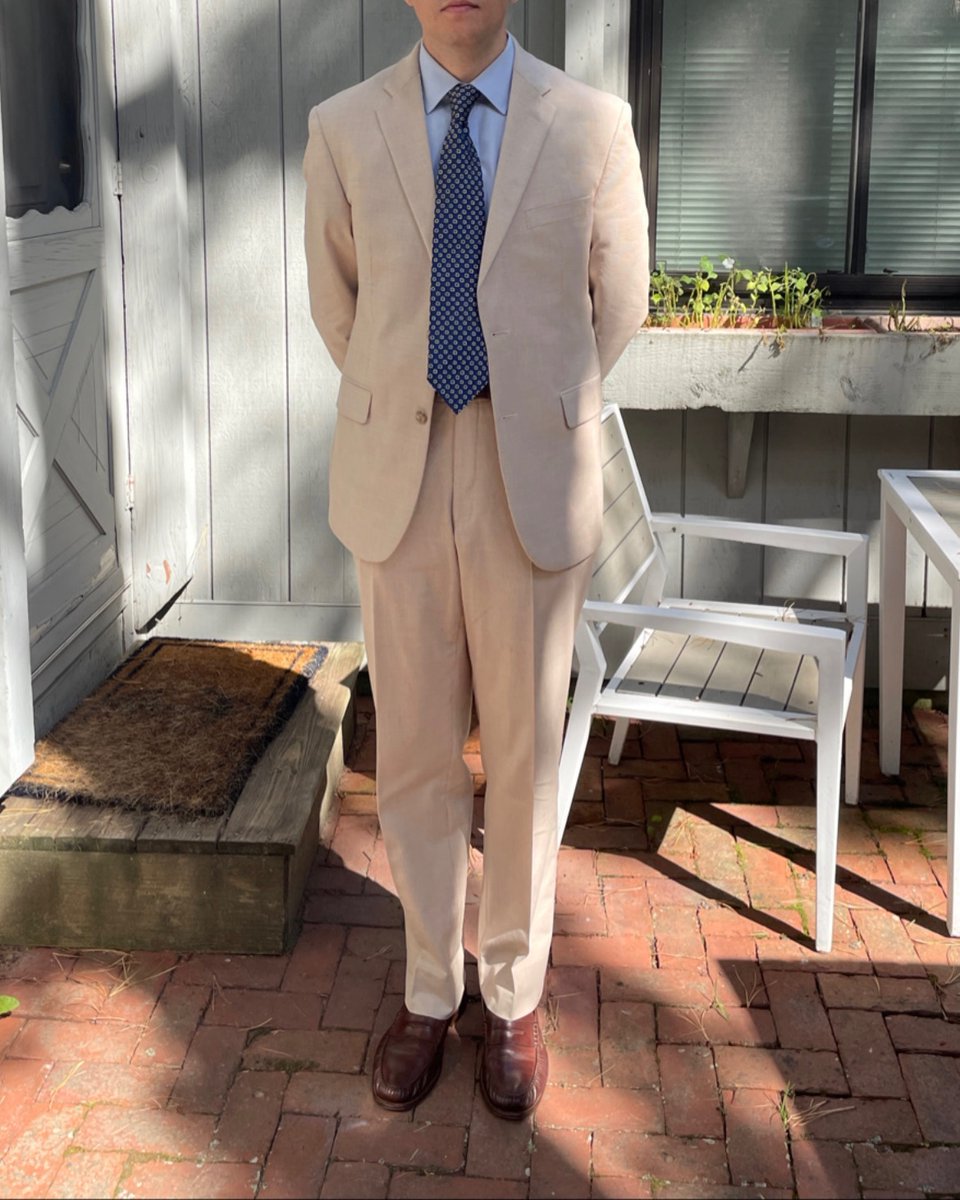
As you move down the price scale, there are often real compromises in quality and fit. The armholes are likely to be low; the pattern matching may be off. When you have a limited budget, you also limit your options. This narrows your ability to find something that fits.
But the only things that matter are how the garment makes you look and feel. If you develop an eye for things, you can get great stuff by spending little. No one will ever know how much you paid for a garment or what the label says inside, so these things should not sway you.
• • •
Missing some Tweet in this thread? You can try to
force a refresh