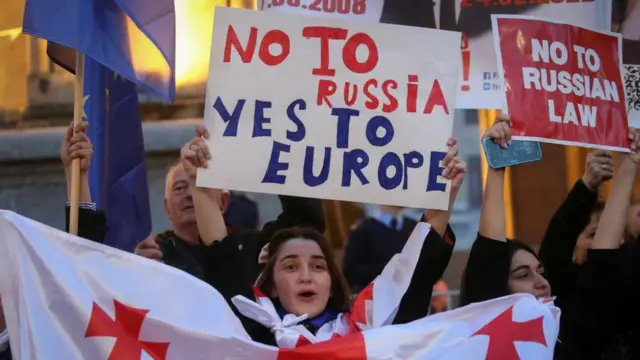
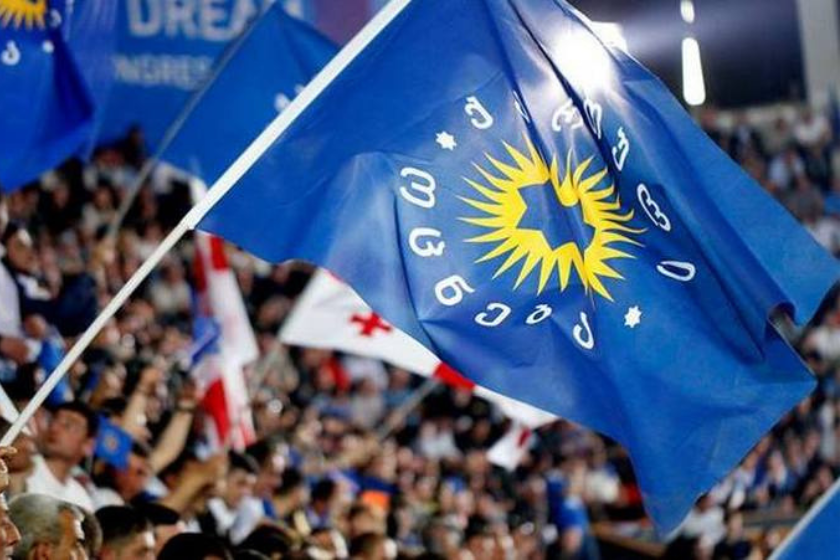
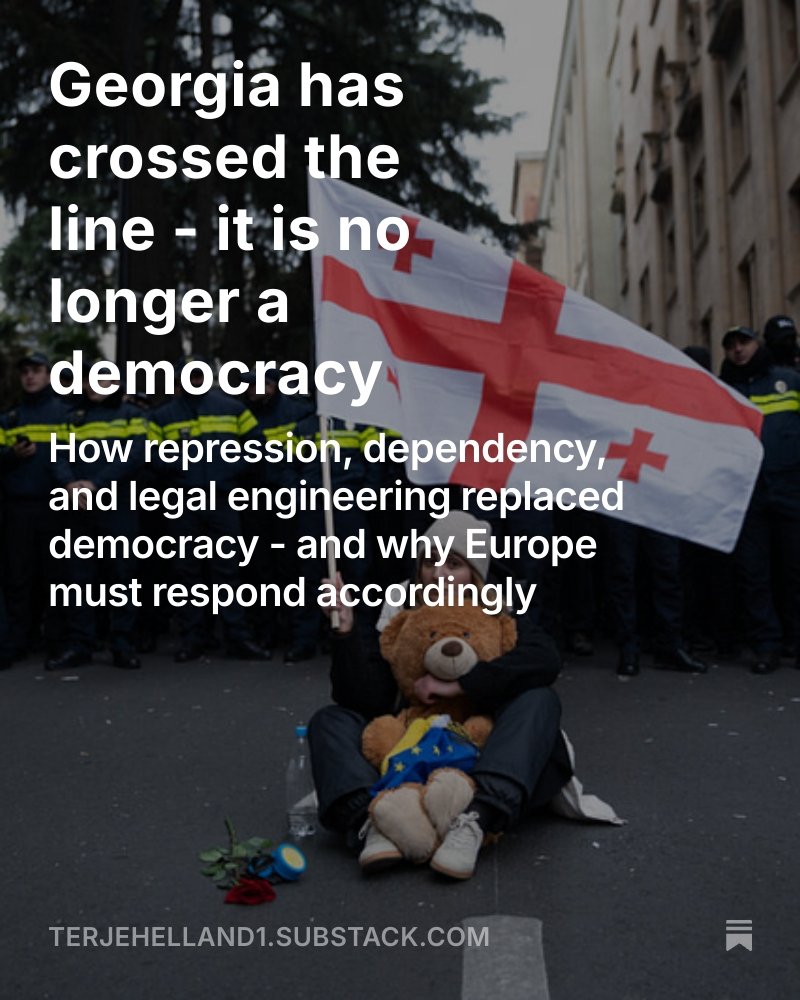
🇬🇪The 2008 Russia-Georgia war is one of the most misrepresented events in post-Soviet history. Today, Georgian Dream (GD) is twisting facts about the war to serve their political agenda ahead of the parliamentary elections.
🧵We need to get the facts straight.
1/17
🧵We need to get the facts straight.
1/17
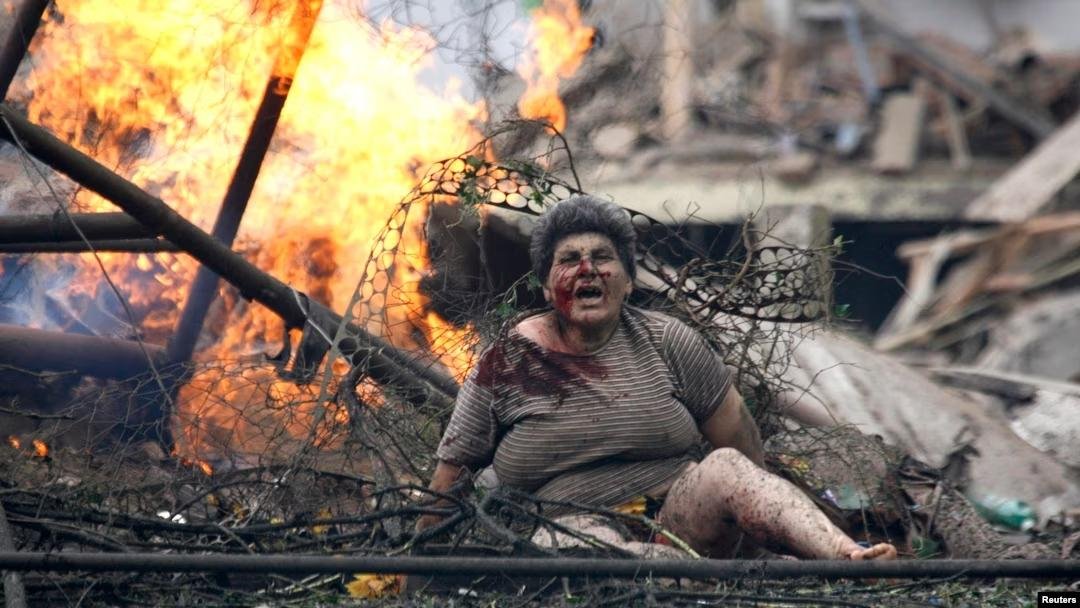
First, Georgia did not start the August 2008 war. Claims that Georgia initiated the conflict are part of a broader Russian disinformation campaign, now weaponized by GD for domestic political gain.
Let’s dive into why this matters.
2/17
Let’s dive into why this matters.
2/17
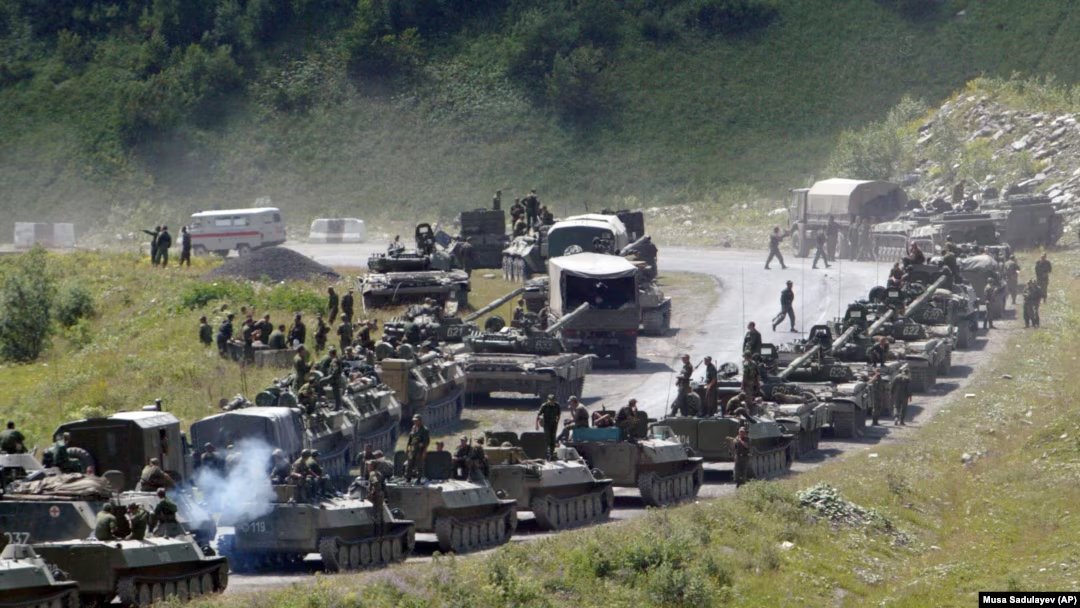
In the lead-up to the August war, tensions had been escalating for years. Russia's creeping occupation of Georgian territories like Abkhazia and South Ossetia set the stage for the conflict, which came to a head on August 7, 2008.
3/17
3/17
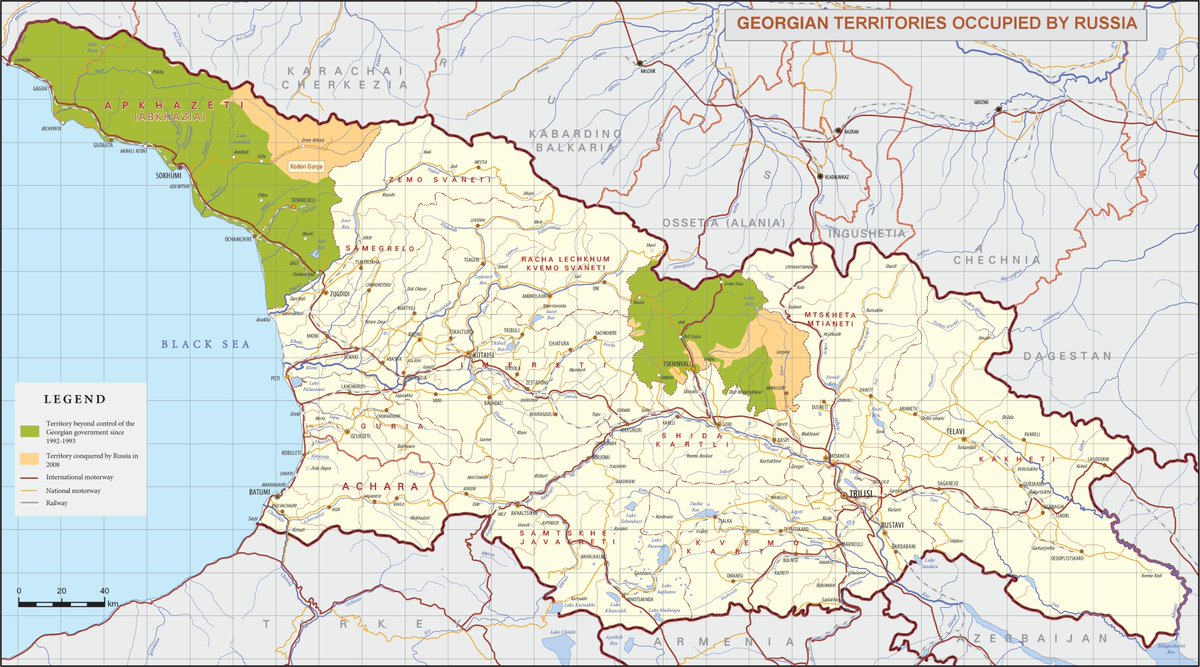
Despite what GD claims, the Council of Europe 🇪🇺has never blamed Georgia for the war. Their resolution acknowledged the complex lead-up but placed the spotlight on Russia’s aggressive military intervention and subsequent occupation of Georgian territories.
4/17
4/17
A key disinformation narrative pushed by GD is that former President Saakashvili provoked Russia into attacking. This is a deliberate distortion. Georgia was responding to a Russian invasion, not starting a war. Let’s look at the facts.
5/17
5/17
On August 7, 2008, Russian forces crossed into Georgian territory through the Roki Tunnel. This incursion was the true beginning of the war, forcing Georgia into a defensive position.
GD’s claim that the war started on August 8 aligns with Russian propaganda.
6/17
GD’s claim that the war started on August 8 aligns with Russian propaganda.
6/17
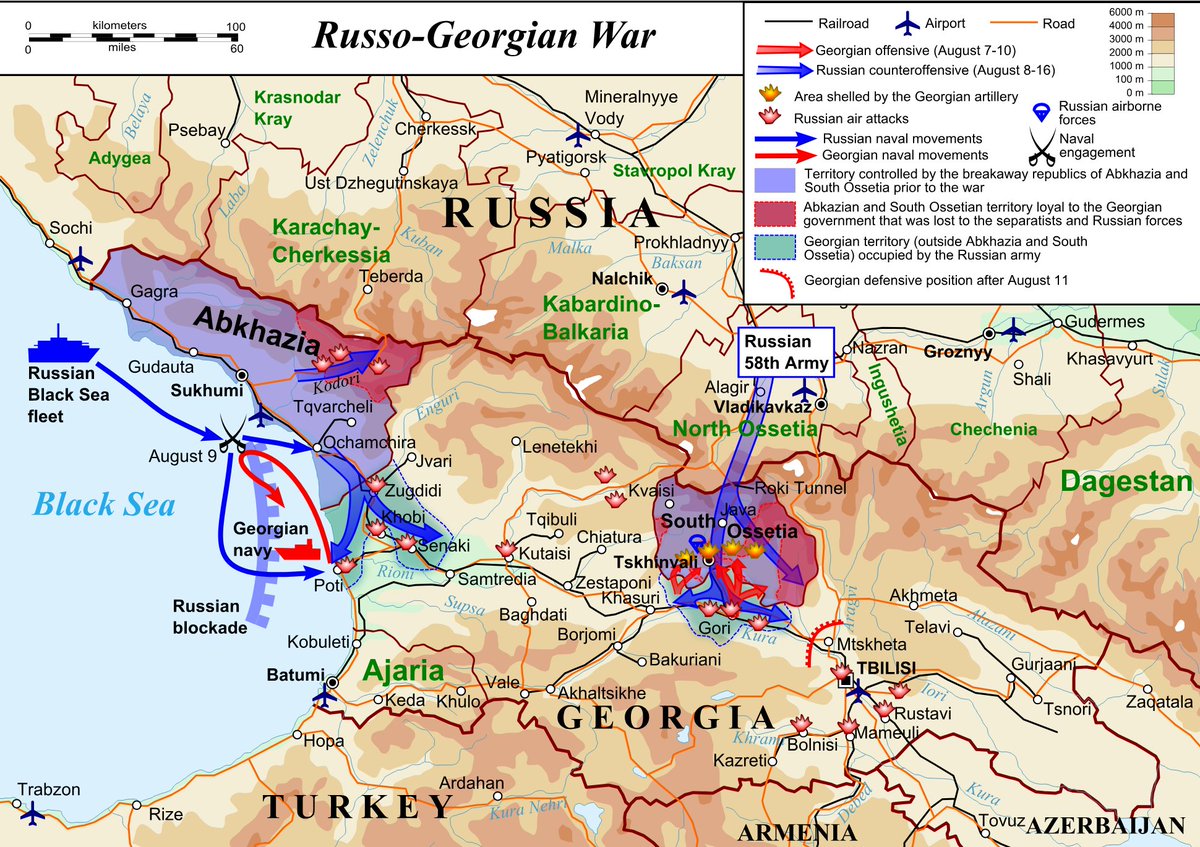
GD’s manipulation of the war’s timeline plays into the Kremlin's larger goal of blaming the victim. Russia has long aimed to portray Georgia as an aggressor to justify its continued military presence in occupied territories. This narrative must be challenged.
7/17
7/17
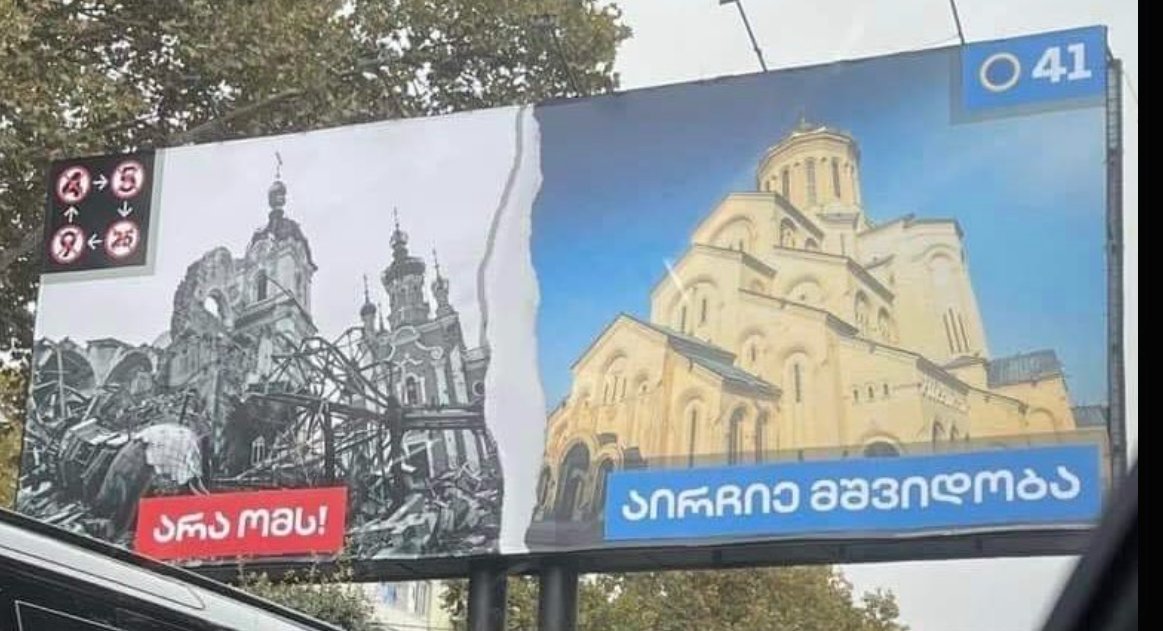
Fast forward to 2024: Georgian Dream is recycling these falsehoods as part of their pre-election strategy, using fear of war to push the idea that only they can maintain peace in Georgia. In reality, they’re creating a wedge between Georgia and the West.
8/17
8/17
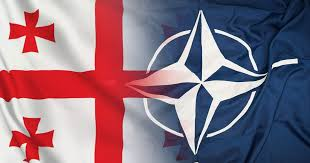
By framing Western alliances, particularly with the US and EU, as a threat to Georgian peace, GD seeks to weaken Georgia’s Euro-Atlantic aspirations.
The message is clear: align with Russia, or face war. This is a dangerous, misleading tactic.
9/17
The message is clear: align with Russia, or face war. This is a dangerous, misleading tactic.
9/17
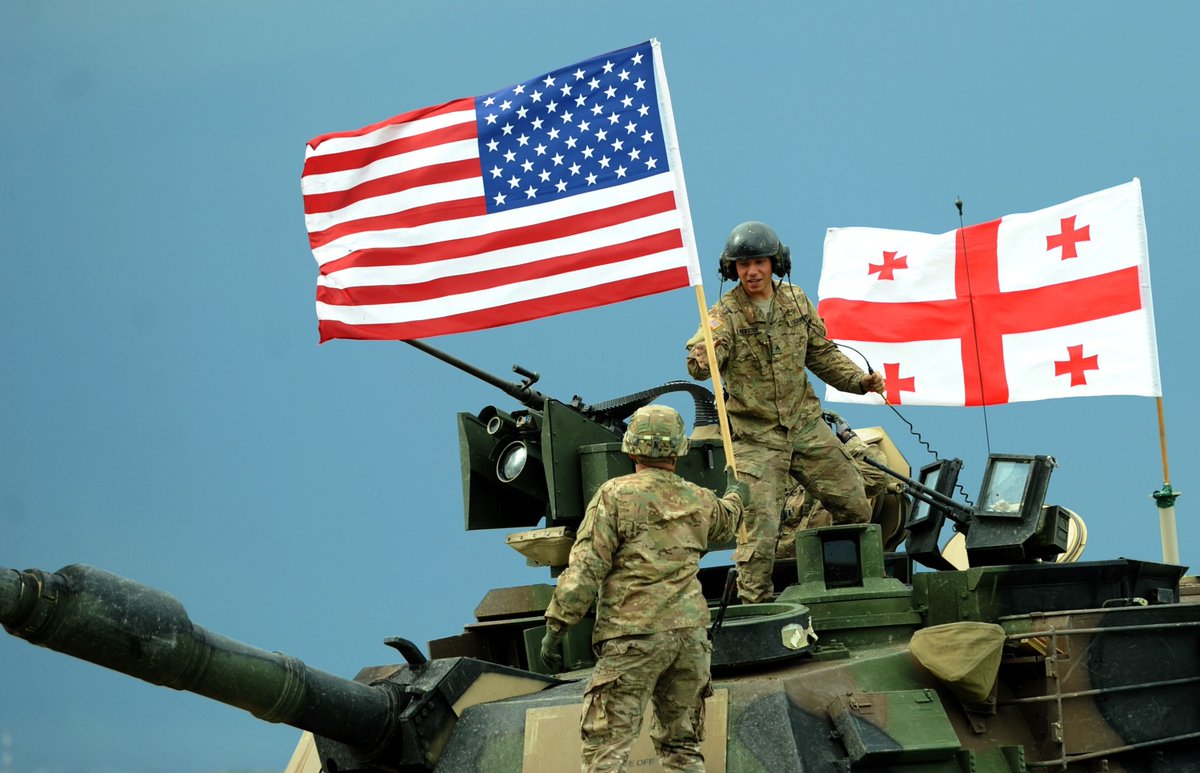
Western audiences might not be familiar with this strategy, but it mirrors Russian disinformation used across Eastern Europe. The idea is simple: distort historical events to create internal division and weaken ties to Western institutions like NATO and the EU.
10/17
10/17
Investigative Media Lab’s reporting shows how GD’s narratives twist key facts, using selective history to justify their claims. These distortions harm Georgia’s international reputation and undermine its democratic trajectory. @AnnaGvarishvili
11/17 medialab.ug.edu.ge/en/research/in…
11/17 medialab.ug.edu.ge/en/research/in…
To be clear, the war was a Russian invasion—a violation of Georgia’s sovereignty and international law. Despite what GD says, the international community, including the US, came to Georgia’s aid during the conflict, providing vital support.
12/17
12/17
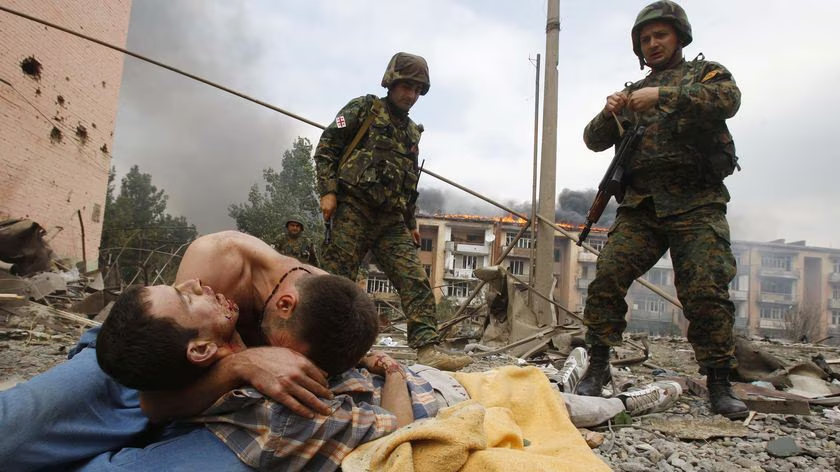
Another GD narrative suggests that the West only provided Georgia with “water and diapers” during the 2008 war. This is false. The US led a robust humanitarian mission and provided military assistance to secure key Georgian infrastructure.
13/17
13/17
The truth is crucial here. The 2008 war wasn’t an isolated event; it was part of a broader Russian strategy to destabilize the region. 6 years later Russia invaded Ukraine. Understanding Georgia’s history is key to recognizing these patterns.
14/17
14/17
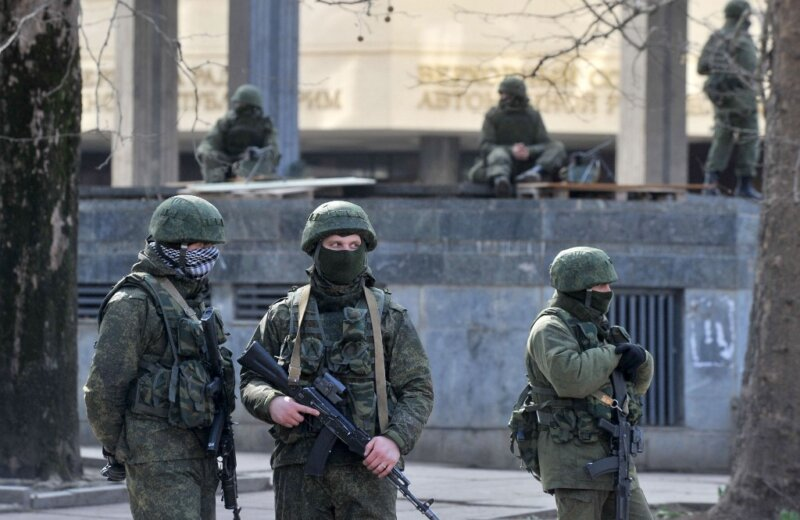
Georgian Dream's disinformation campaign is not just about rewriting history—it’s about shaping Georgia’s future. If their narratives dominate, it could steer the country further away from the EU and NATO, weakening its democratic institutions. @GEObservatory
15/17
15/17
As Georgian Dream continues to push the "war vs peace" narrative, they conveniently ignore their own failures in governance—stagnation, democratic backsliding, and poor relations with Western allies. Instead, they offer a return to the USSR.
16/17
16/17
☕️ If you enjoy my threads, please consider supporting my work at .
Your support is a great motivation for me to continue informing and engaging.
Thank you! 🙏
17/17buymeacoffee.com/terjehelland
Your support is a great motivation for me to continue informing and engaging.
Thank you! 🙏
17/17buymeacoffee.com/terjehelland
• • •
Missing some Tweet in this thread? You can try to
force a refresh