Aššur-bāni-apli Profile picture
Oct 4, 2024 16 tweets 7 min read Read on X
THREAD🧵

The death of Persia

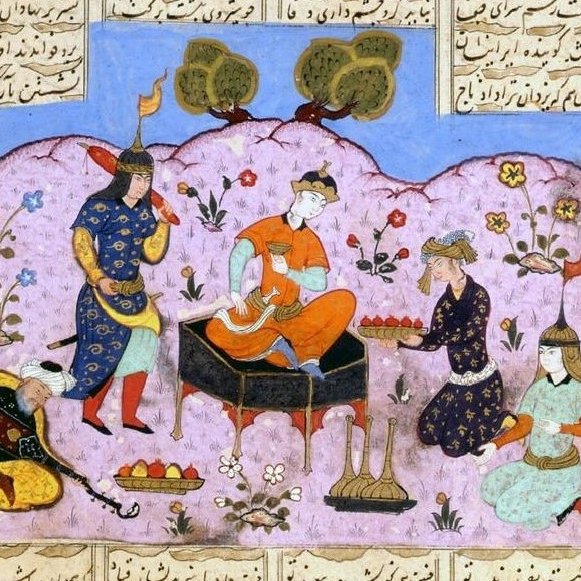
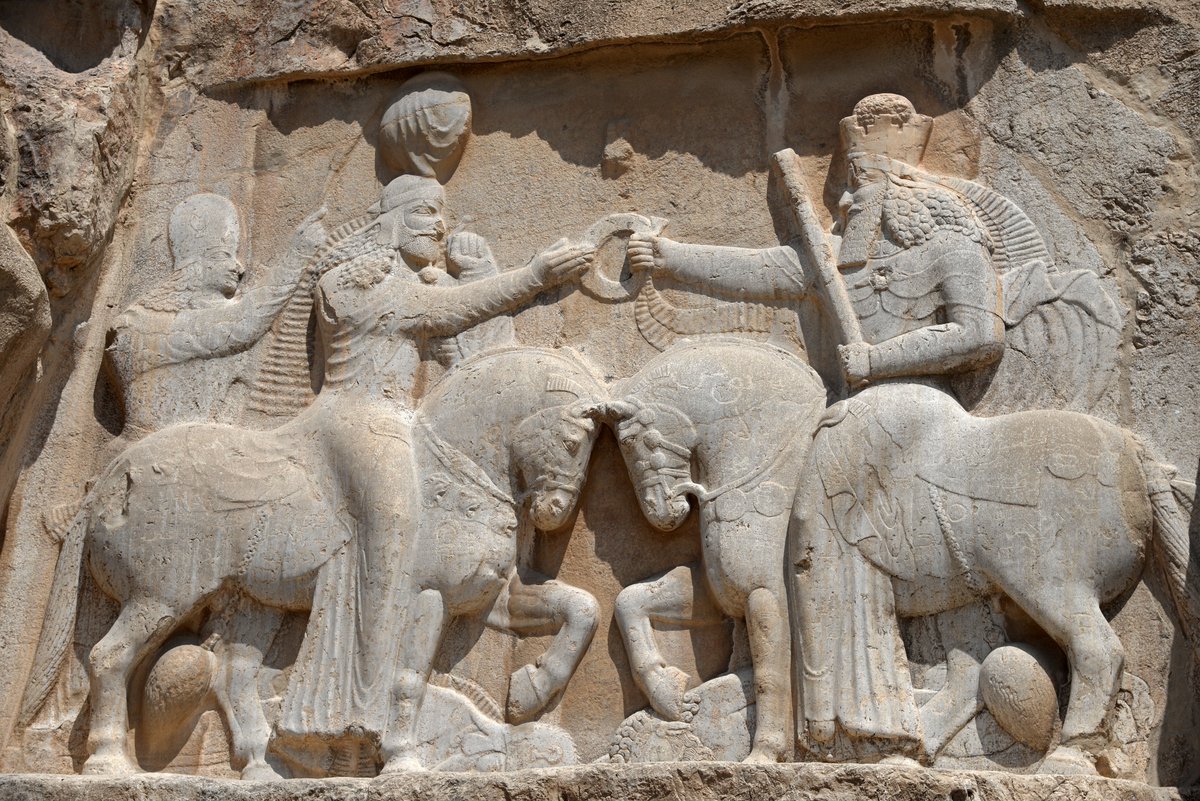
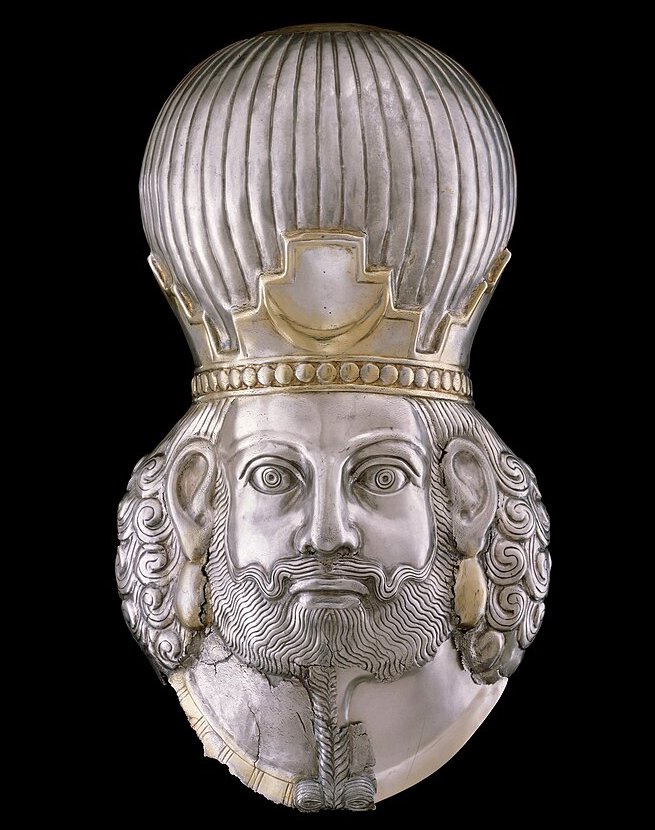
The Sasanian Empire, one of the great powers of Late Antiquity, ruled Persia for 400 years, but came to an end after a brief war against Islam. Weakened after decades of war against the Eastern Roman Empire, it was unable to contain this new enemy. Image
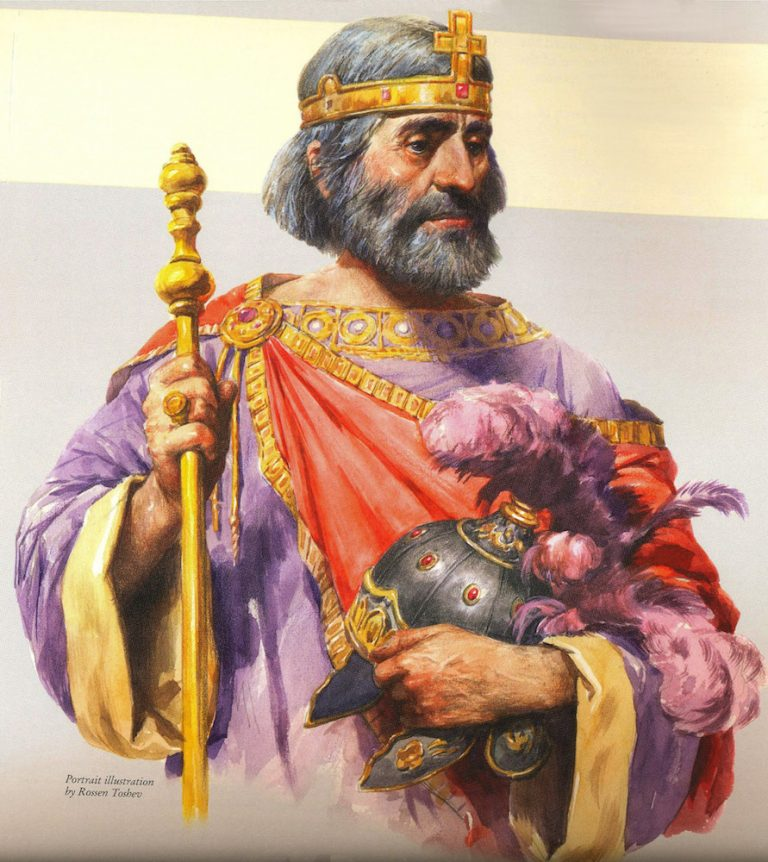
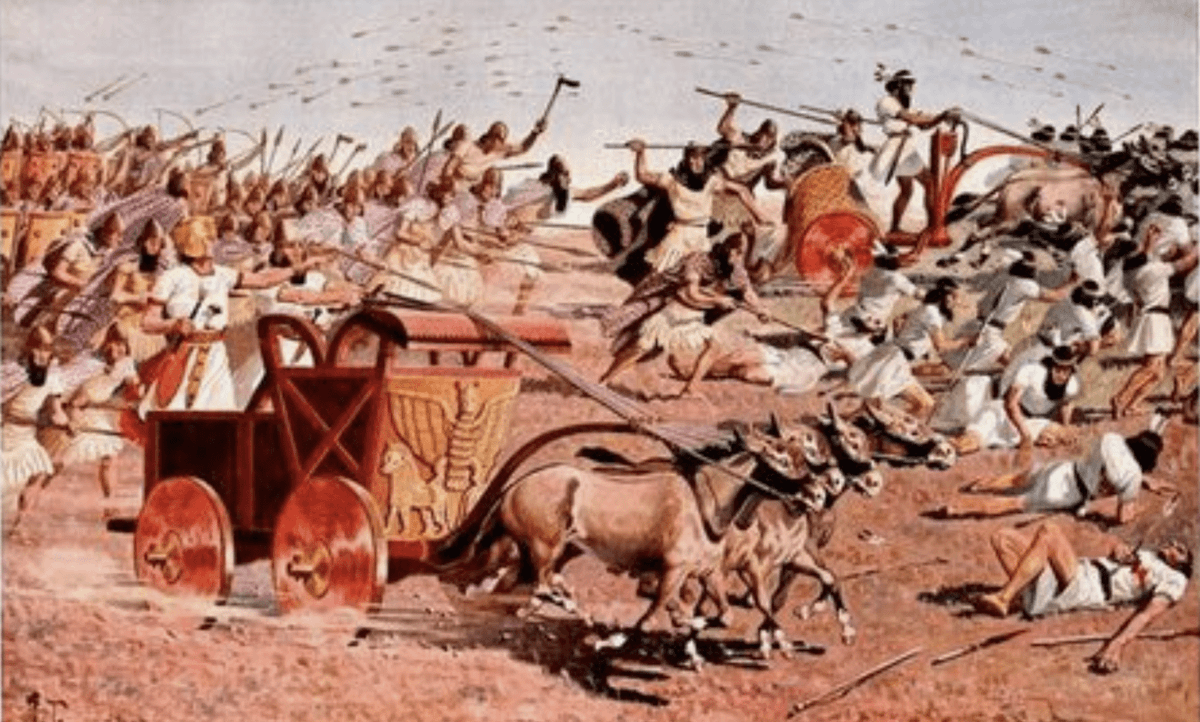
The constant wars against the Eastern Roman Empire, especially the prolonged conflict with Emperor Heraclius, drained Persian resources and its army. Persian and Roman armies fought for decades, leaving both empires exhausted and devastated. Image
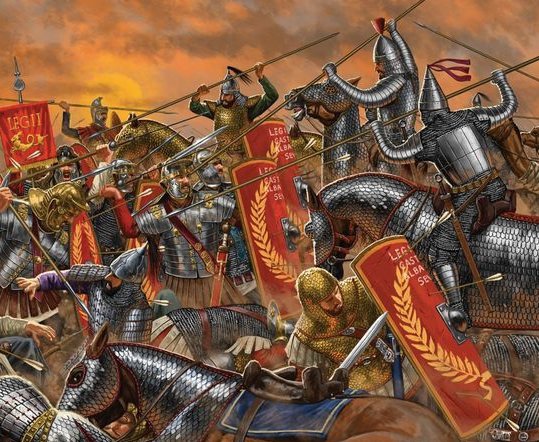
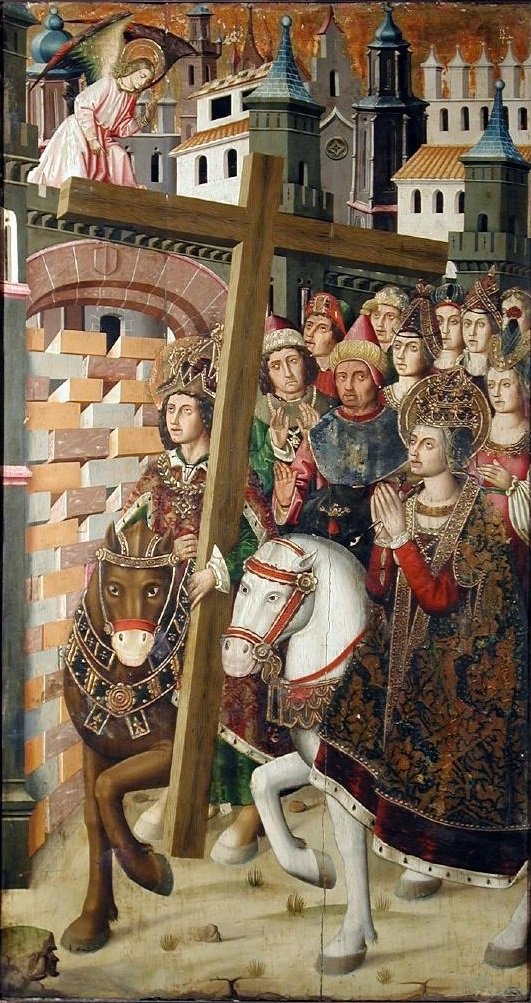
Khosrow II launched a large-scale invasion of the Eastern Roman Empire after the Byzantine Emperor Maurice was murdered by the usurper Phocas, and managed to capture Syria, Egypt, and Jerusalem. The empire had not been this powerful since the days of the Achaemenids. Image
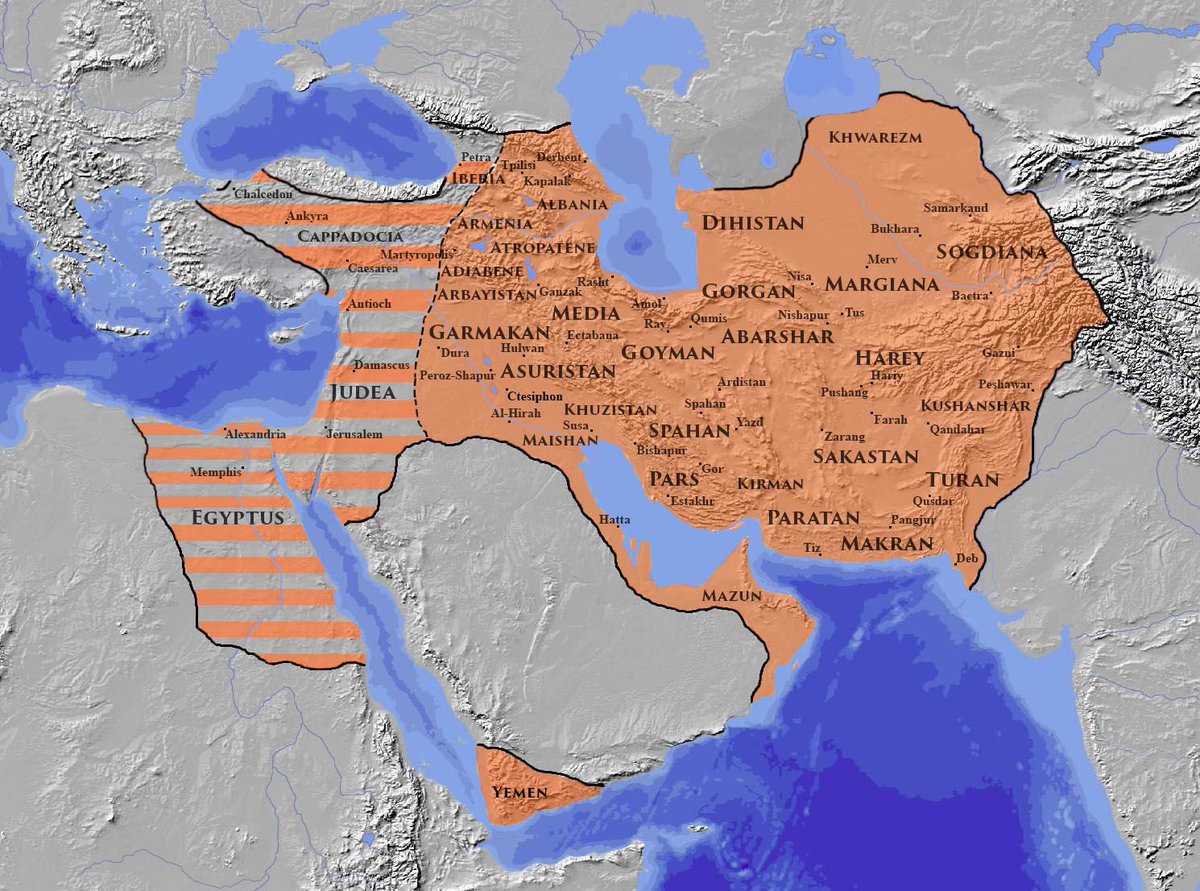
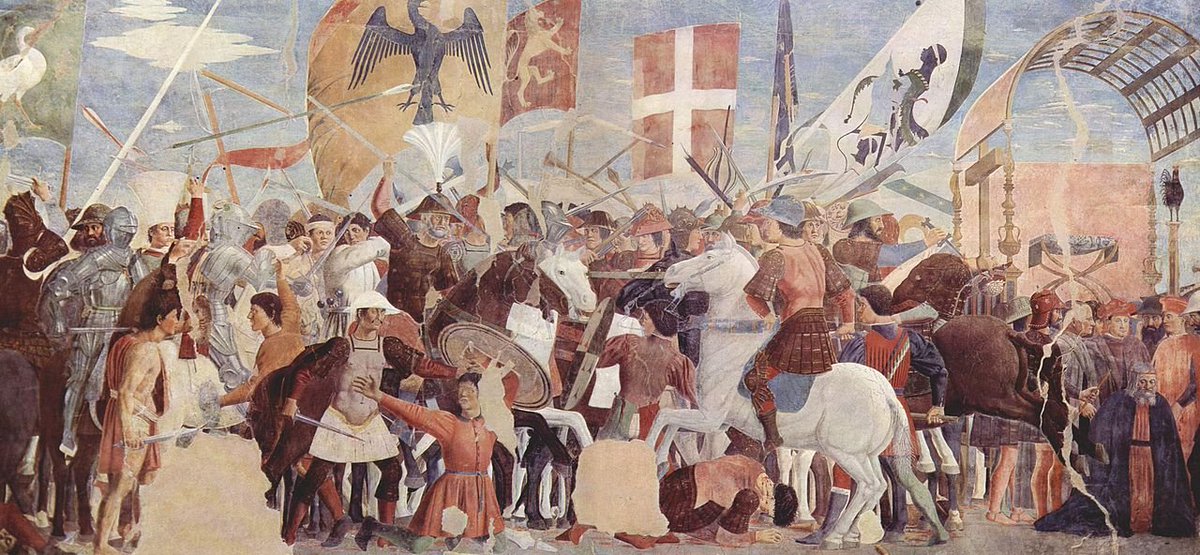
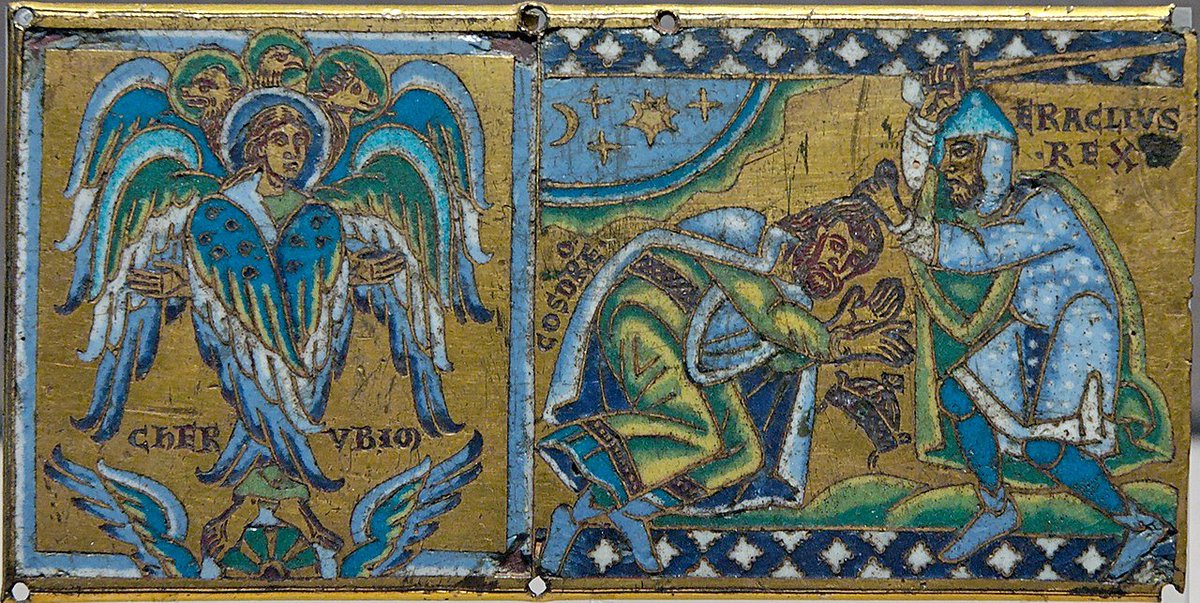
In 610, Heraclius overthrew Phocas and carried out extensive military reorganization, which eventually paid off. In 627, he won a decisive victory over the Persians at Nineveh, weakening their control over their territory and destabilizing their government. Image
Image
Khosrow II, the last great Sasanian king, was overthrown and killed by his own son, Kavad II, who hastily negotiated peace with Heraclius. In the years following Khosrow's death, the Sasanian Empire had multiple kings, further weakening its ability to respond to external threats Image
Image
Image
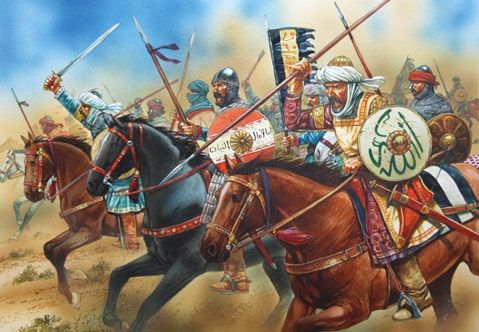
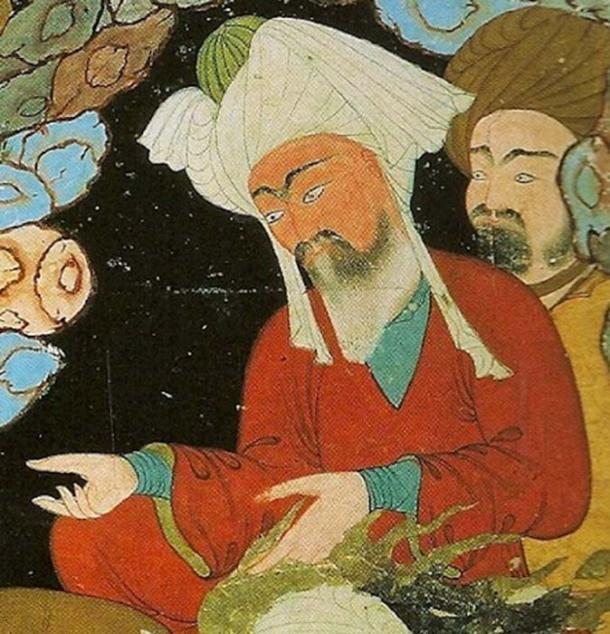
Meanwhile, in Arabia, Islam was on the rise. Muslim armies began raids along the borders of the weakened Persian Empire. What started as minor incursions soon turned into an unstoppable invasion. Image
Image
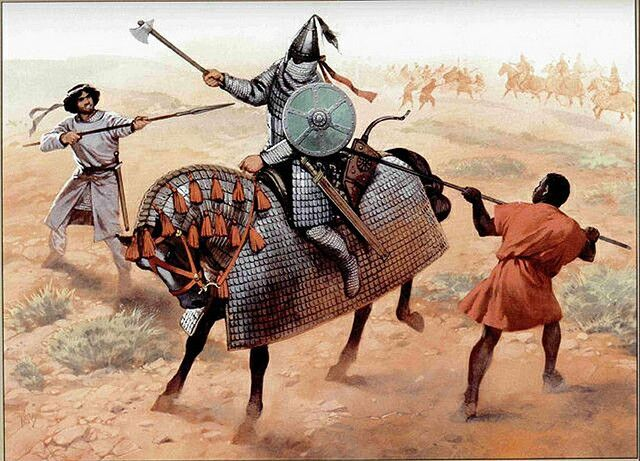
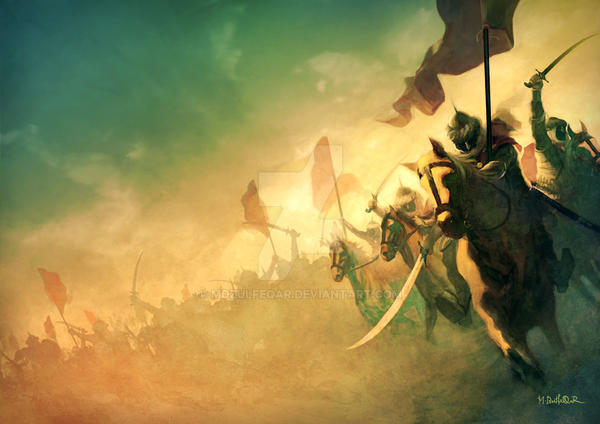
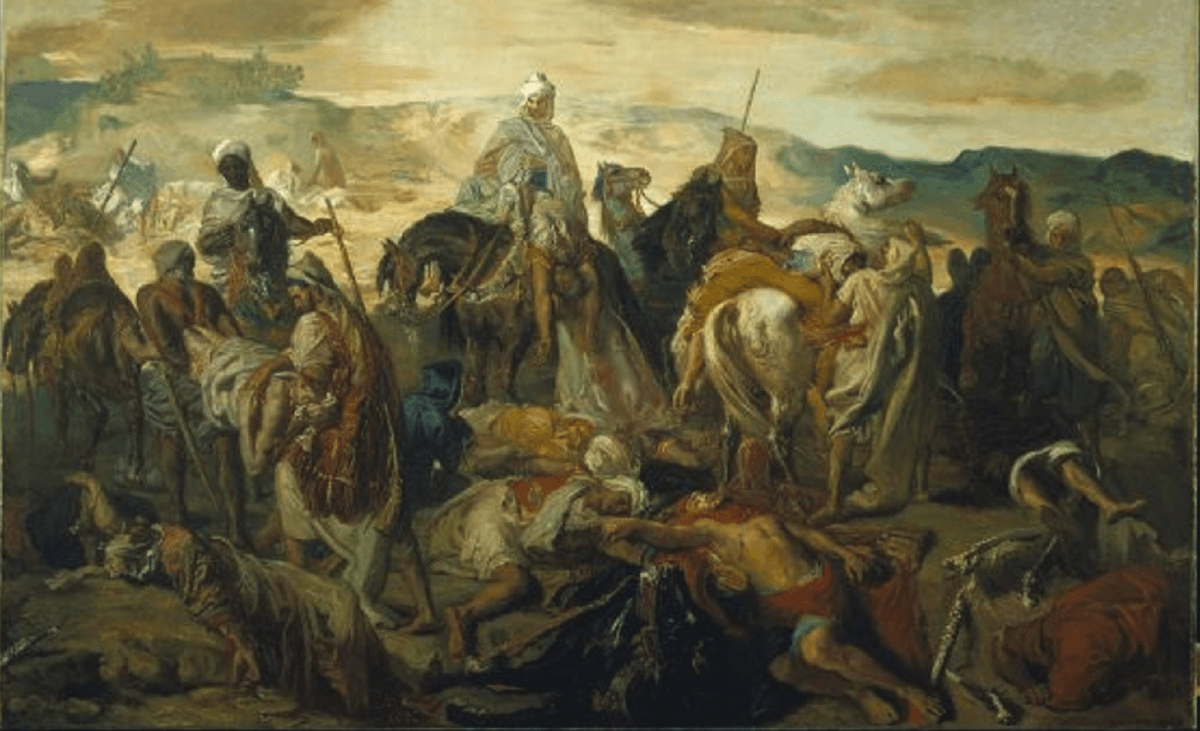
In 633, the armies of the Rashidun Caliphate launched a full-scale invasion of Mesopotamia. The Sasanian forces, exhausted by decades of war, were unable to resist this push, and were continuously defeated by the Arab invaders. Image
Image
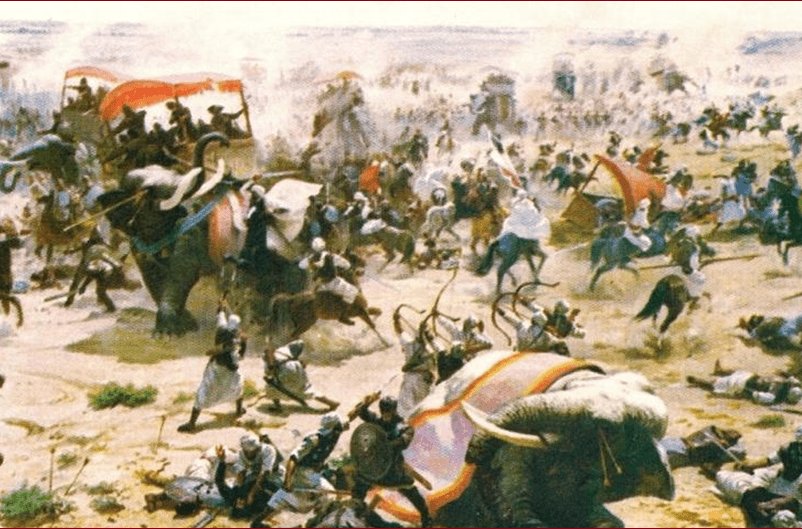
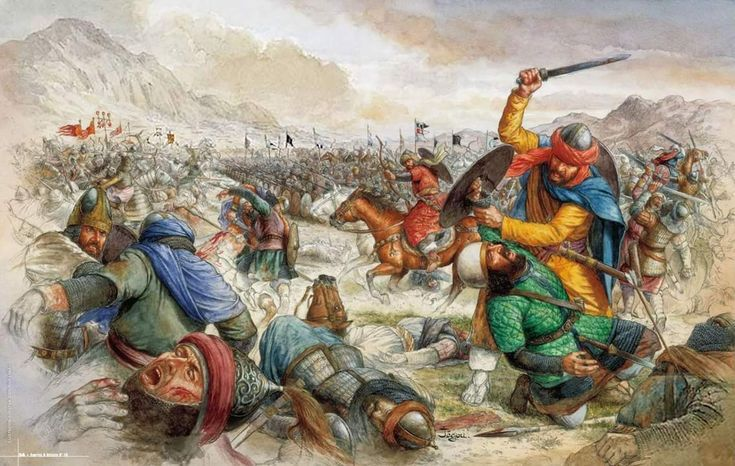
The Battle of al-Qadisiyya in 636 was a disaster for the Sasanian Empire. The Persian army, under the command of Rostam Farrokhzad, fought bravely but fell under the swords of Islam. This defeat at al-Qadisiyya marked the turning point that led to the empire's military collapse. Image
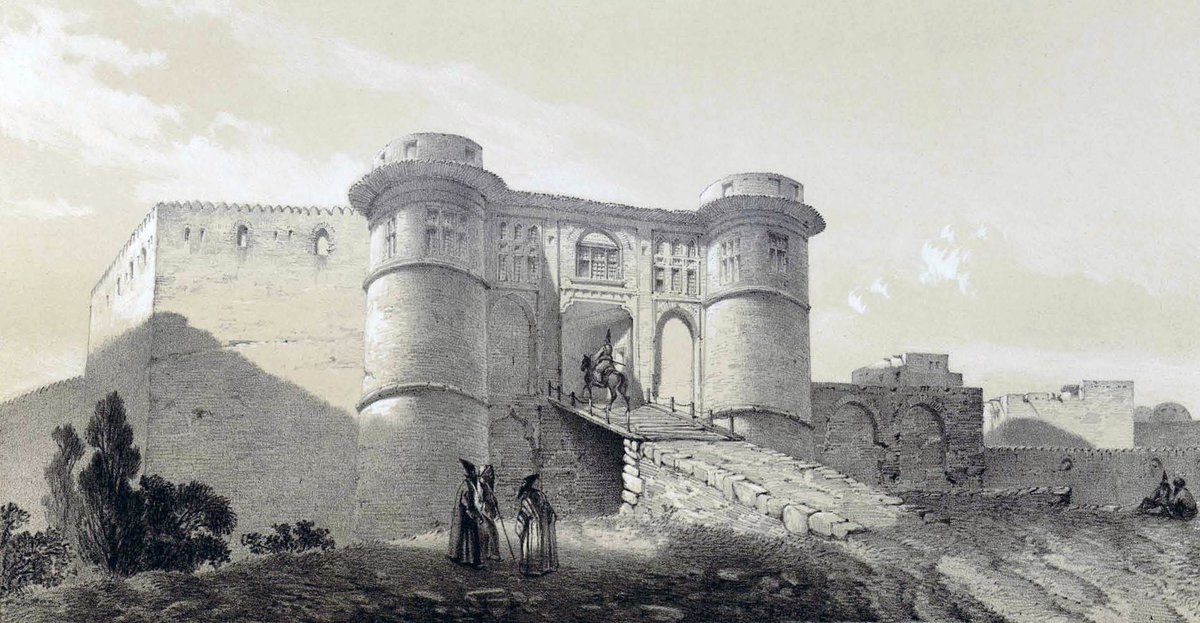
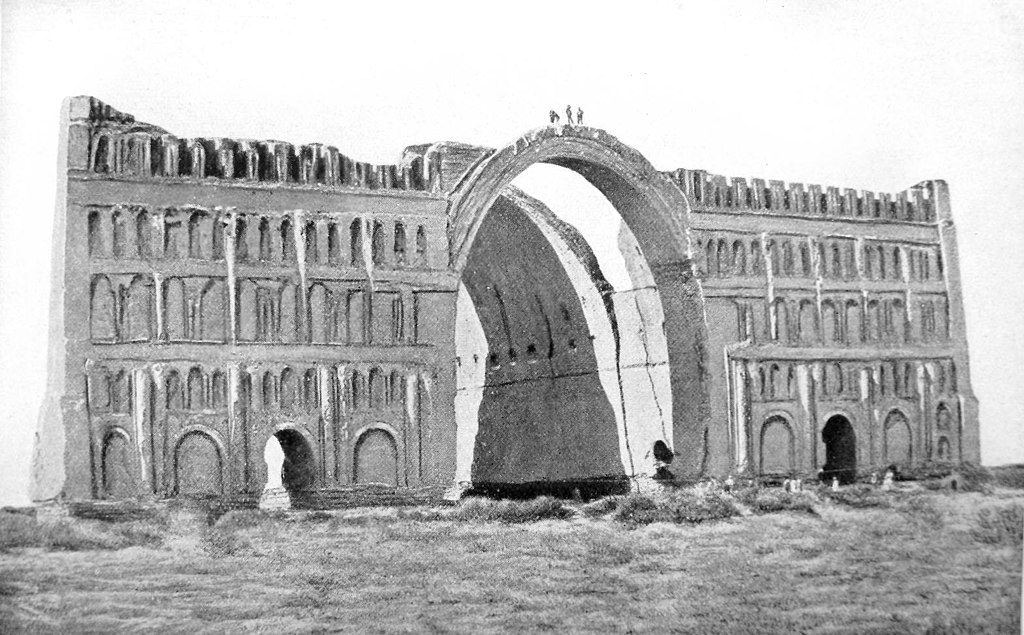
The Sasanian capital, Ctesiphon, was captured by the Arabs the following year, in 637, marking the end of the central authority of the Sasanian Empire. Its palaces and treasures, symbols of Sasanian power, fell into foreign hands. Image
The young Yazdegerd III, last king of the sasanian empire, tried to resist the invasion unsuccessfully. The last descendant of the dynasty fled from province to province, seeking refuge but was unable to unite the Persian nobles to face the Muslim advance. Image
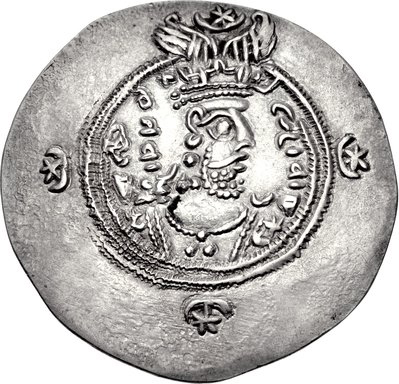
In his flight, Yazdegerd was betrayed and killed by a miller in 651, marking the end of the last Sasanian king and leaving Persia under Muslim rule. With Yazdegerd’s death, ancient Persia was at the mercy of its conquerors. Yazdegerd´s son fled to China. Image
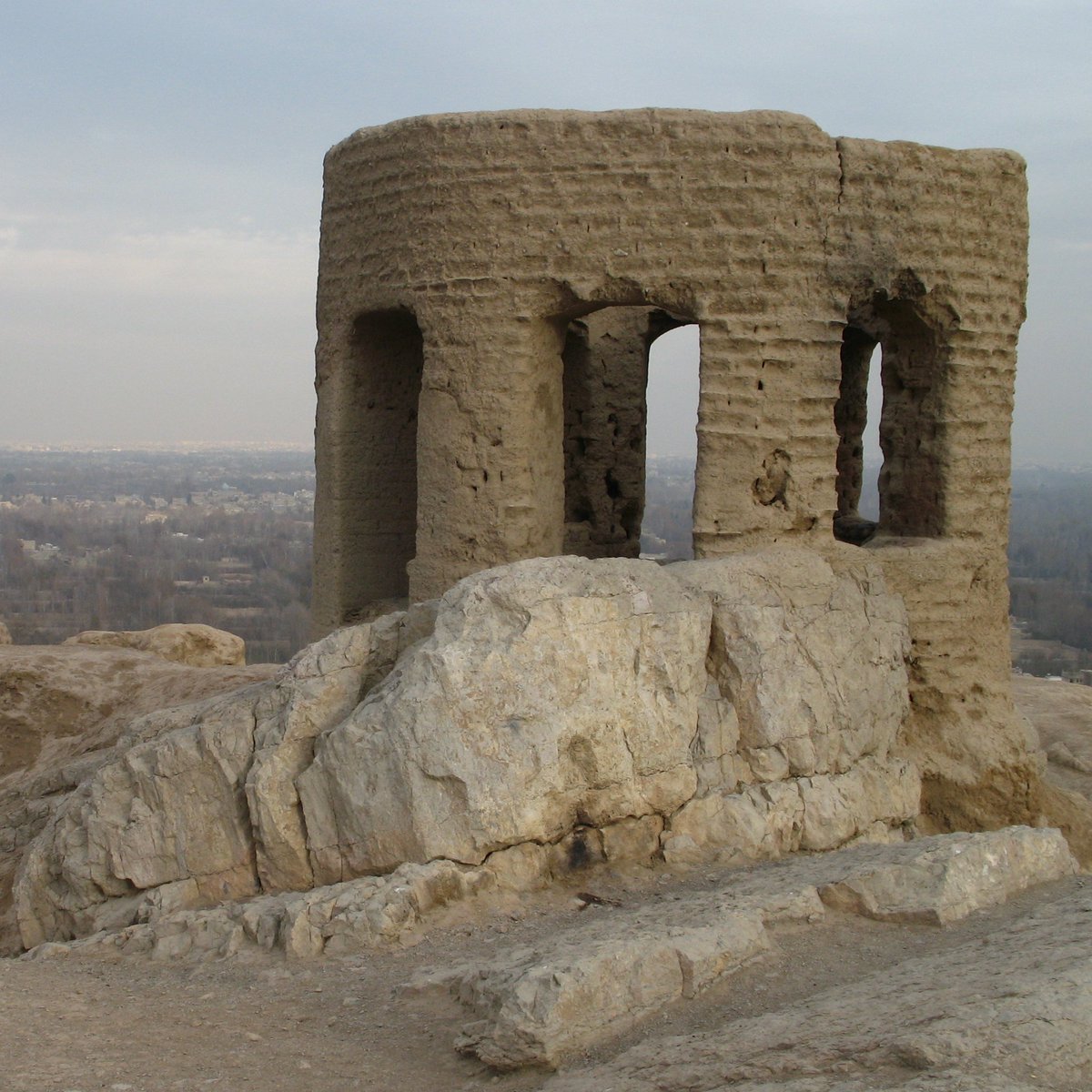
Zoroastrianism, the empire’s official religion, lost its status and was gradually replaced by Islam as the dominant faith. Zoroastrianism, which once united the Persian people, was relegated to a dark corner of history
The battles of al-Qadisiyya (636) and Nihavand (642) were decisive for the collapse of Zoroastrianism. This was followed by the destruction or conversion of fire temples into mosques. Image
Image
Image
Persians who did not convert to Islam were required to pay the jizya, a tax that constantly reminded them of their subjugation, which contributed to conversions to Islam. Image
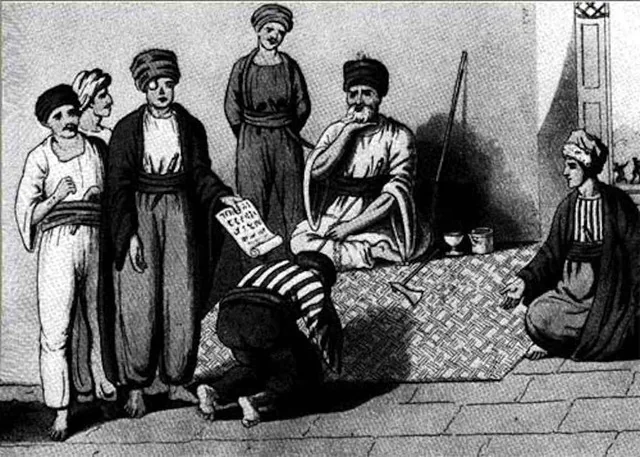
After the conquest, Arabic gradually became the language of administration and justice. Pahlavi, the language of kings and poets, began to give way to Arabic. Although it survived, the language of imperial Persia never regained its former prominence.
Thus, one of the most powerful empires of antiquity, which managed to redefine itself after invasions and wars to rise again as a dominant power under the Sasanian dynasty, met its end at the hands of Islam. Yet, its historical and cultural legacy could not be erased. Image
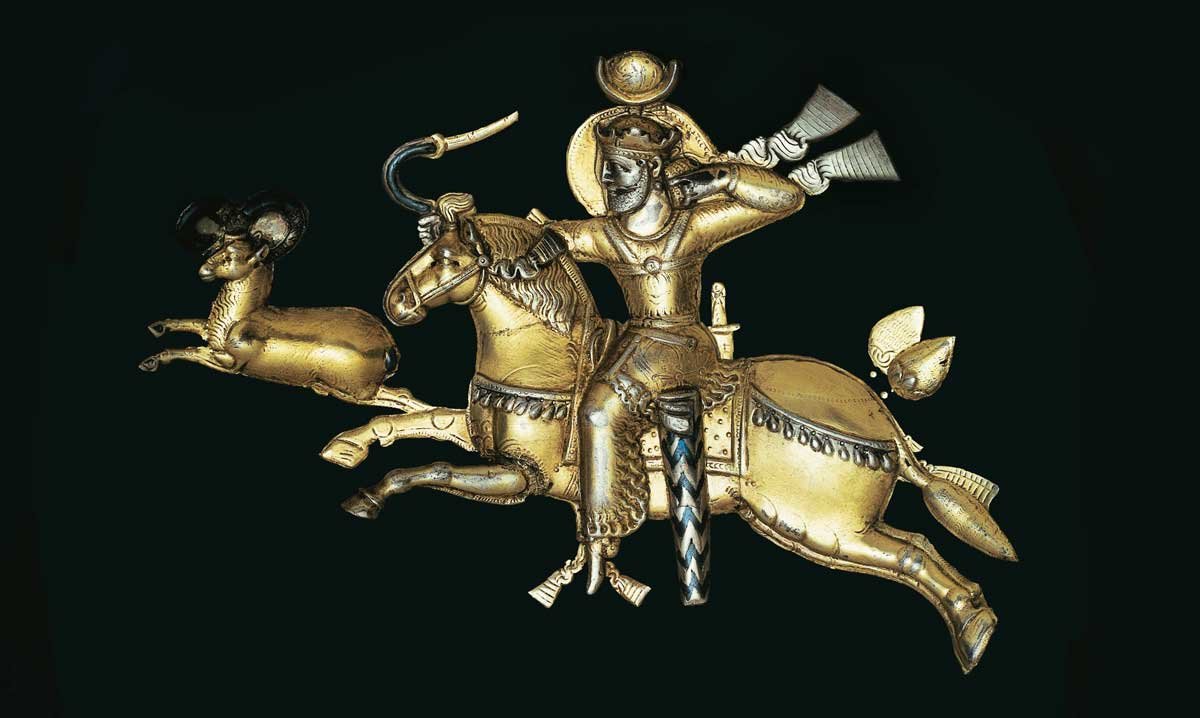
Image
Image

• • •

Missing some Tweet in this thread? You can try to force a refresh

 

Keep Current with Aššur-bāni-apli

Aššur-bāni-apli Profile picture

Stay in touch and get notified when new unrolls are available from this author!

Read all threads

This Thread may be Removed Anytime!

PDF

Twitter may remove this content at anytime! Save it as PDF for later use!

Try unrolling a thread yourself!

how to unroll video
  1. Follow @ThreadReaderApp to mention us!

  2. From a Twitter thread mention us with a keyword "unroll"
@threadreaderapp unroll

Practice here first or read more on our help page!

More from @Assurbaniapli7

Feb 7, 2025
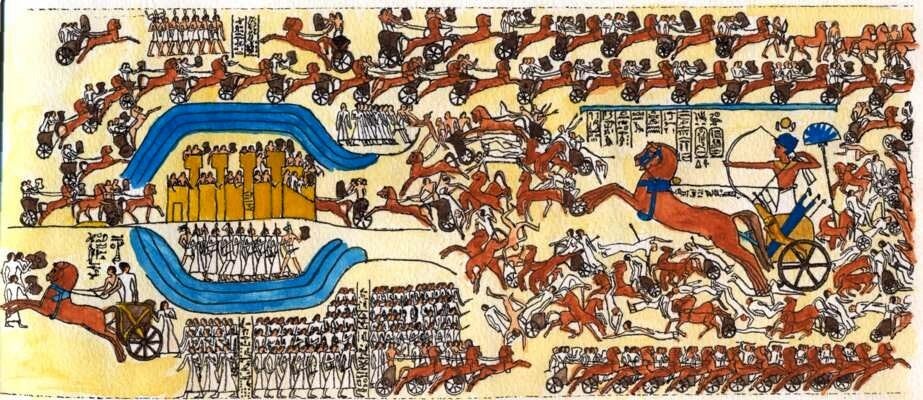
CLASH AT KADESH🧵

In 1274 BC, one of the greatest battles of the Late Bronze Age took place near the Orontes River in Syria. This clash was the culmination of tensions between Egypt and Hittites. Though the battle was indecisive, it led to the first known peace treaty in history Image
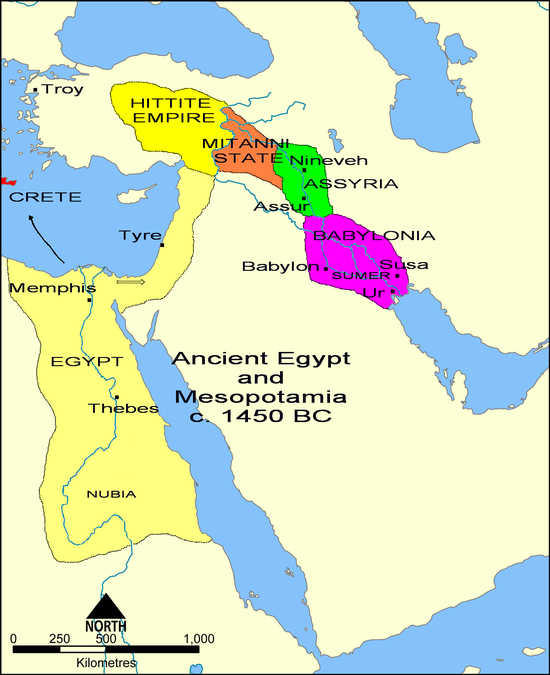
From 15th to 13th centuries BC, the Near East was dominated by Egypt, Assyria, Hatti, Babylon, and Mitanni. These powers fought for control over Syria’s trade routes. Controlling a route meant more than just collecting taxes—it was about expanding political and cultural influence Image
Image
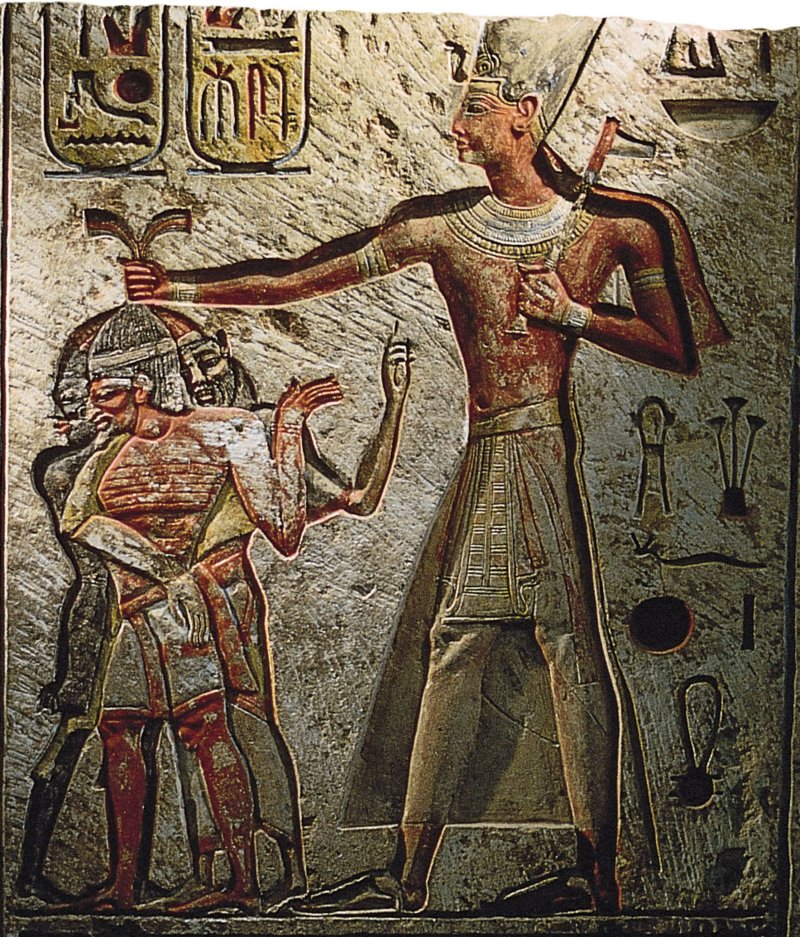
Before Kadesh, Egypt and Hatti had already clashed. The widow of Pharaoh Tutankhamun offered to marry a Hittite prince, Zannanza, but he was murdered en route to Egypt. This led to war in 1324 BC, but details remain scarce. The rivalry continued for decades. Image
Read 11 tweets
Nov 29, 2024
THREAD🧵
Phoenician Circumnavigation of Africa

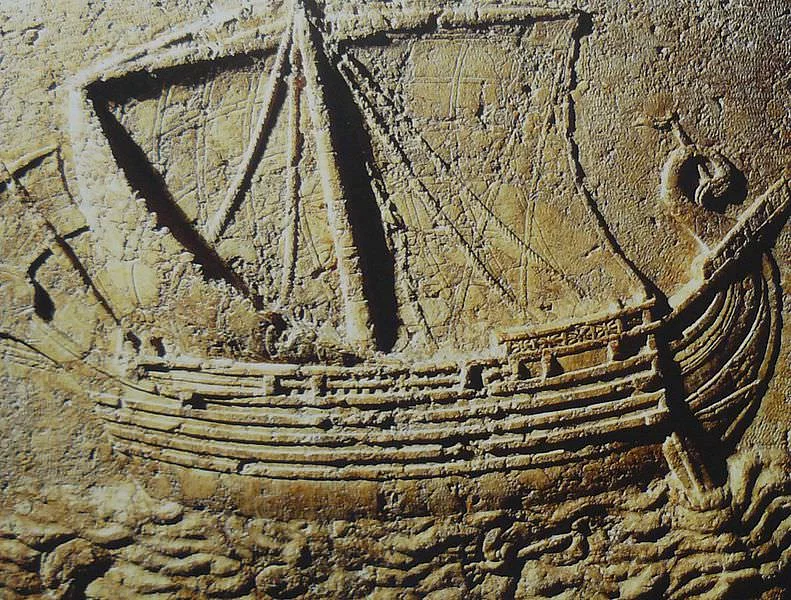
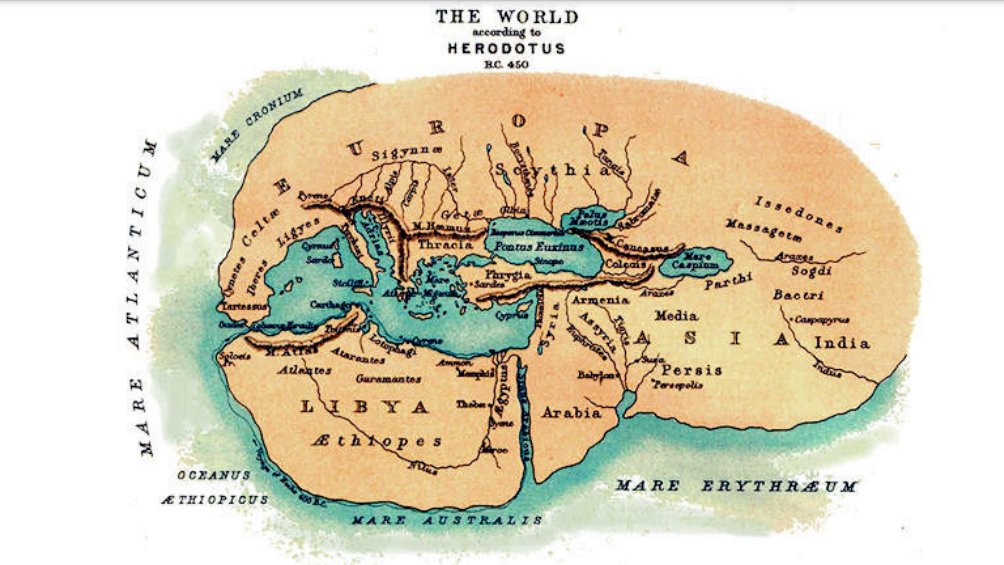
A lesser known epic of ancient history is the Phoenician circumnavigation of Africa departing from Egypt by order of Pharaoh Necho II. Our only account of this journey comes from Herodotus, who found some parts of it hard to believe Image
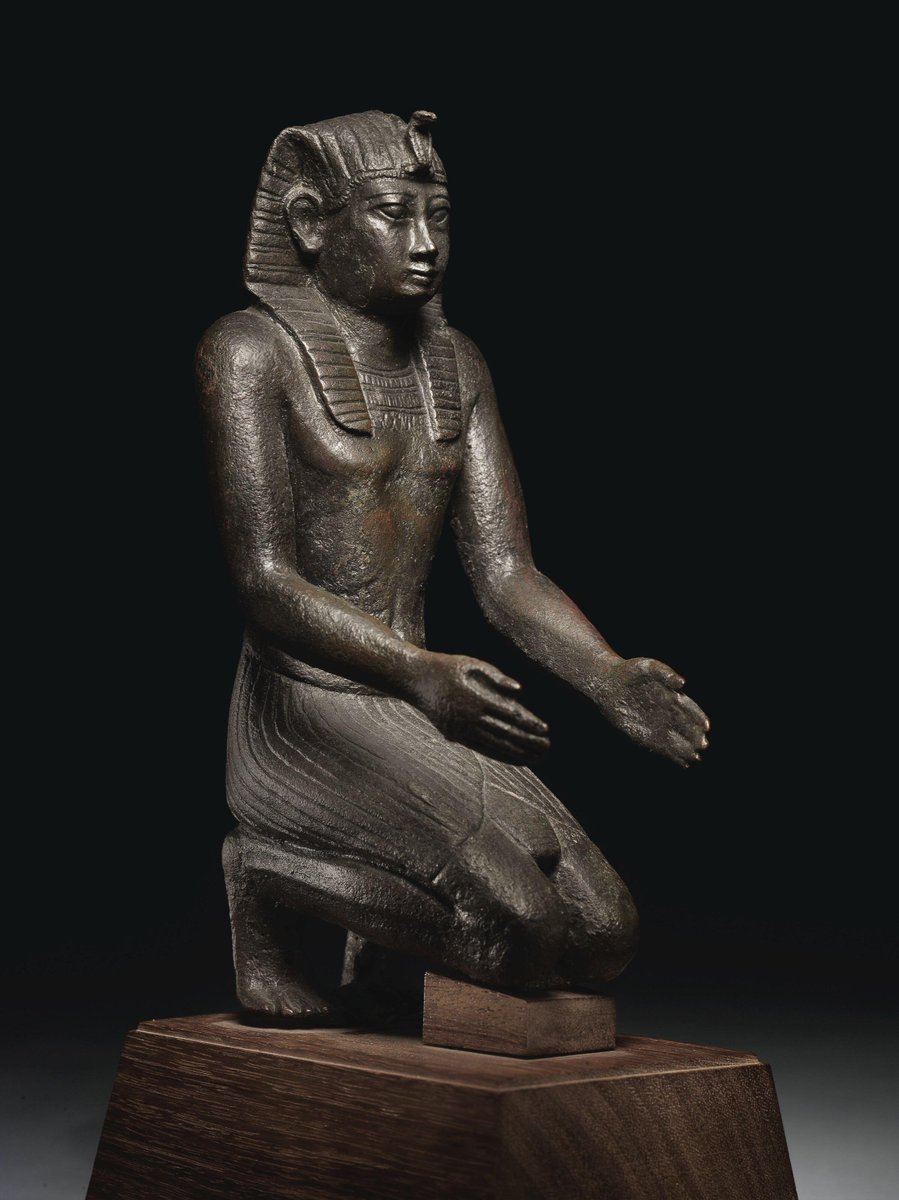
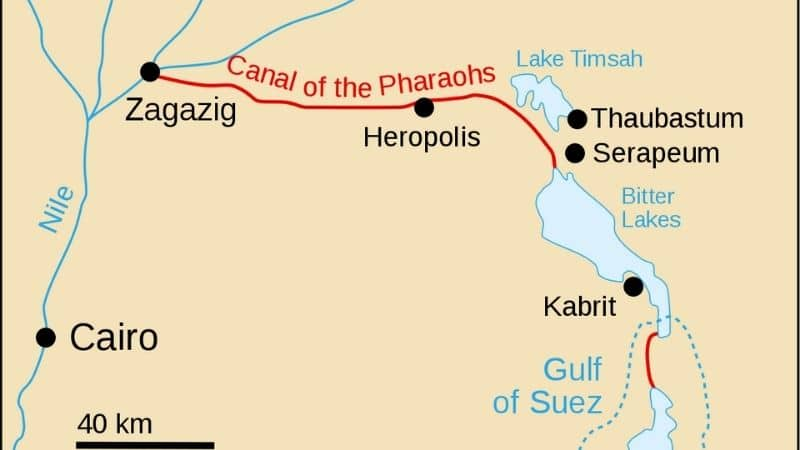
Necho II reigned from 610 to 595 BC. He clashed with Babylon and Judah, bringing Phoenicia under his influence. During his reign, he attempted to build a canal linking the Mediterranean to the Red Sea but failed to complete it. Image
Image
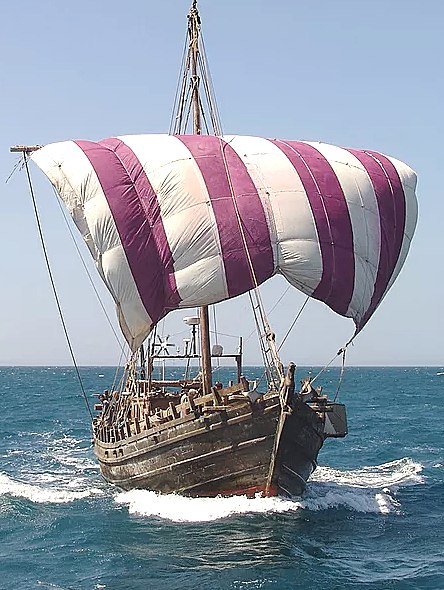
Still, searching for new commercial routes, Necho II ordered a Phoenician crew to sail from the Red Sea, circumnavigate Africa, and return to Egypt by passing through the Pillars of Heracles. At the time, Africa was thought to be much smaller than it actually is. Image
Image
Read 10 tweets
Nov 8, 2024
THREAD🧵

The Cimmerians

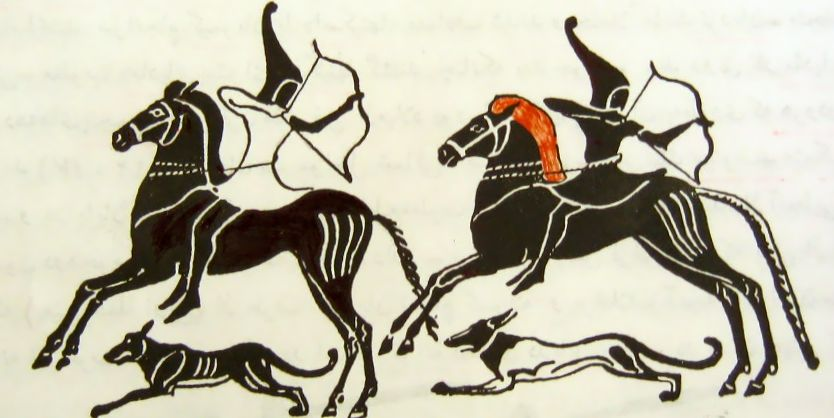
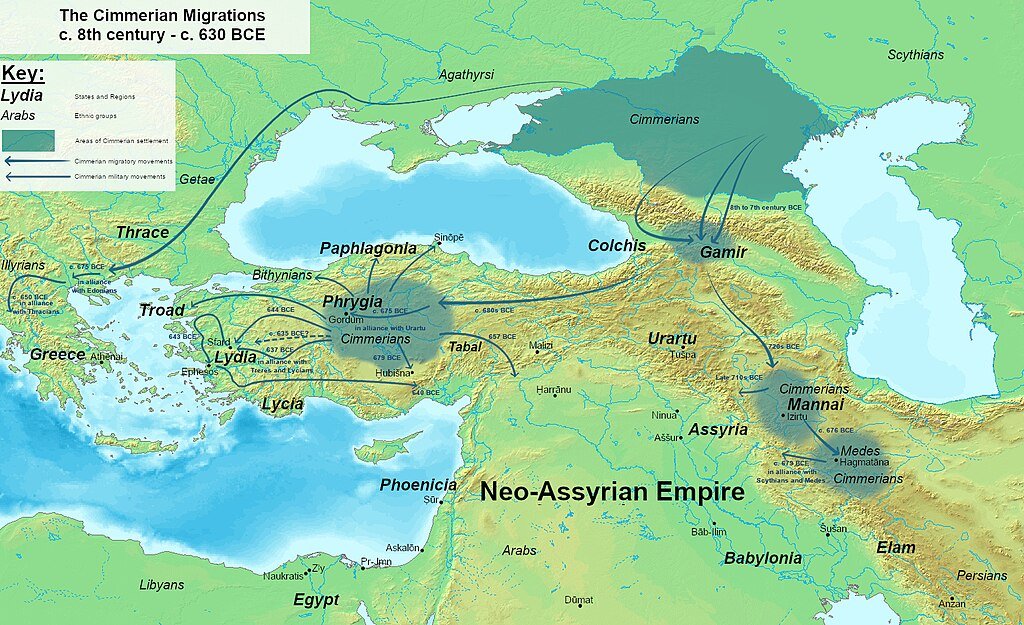
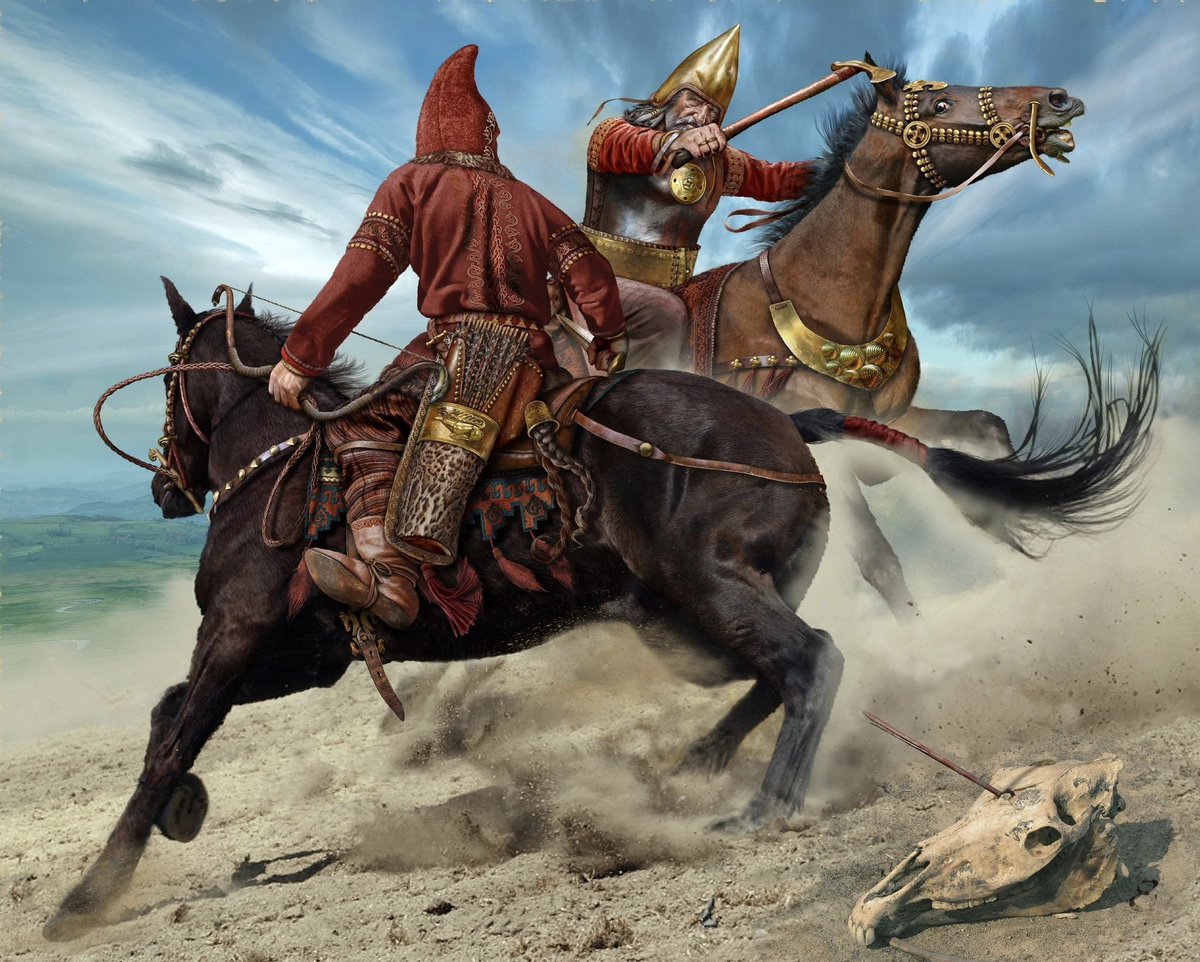
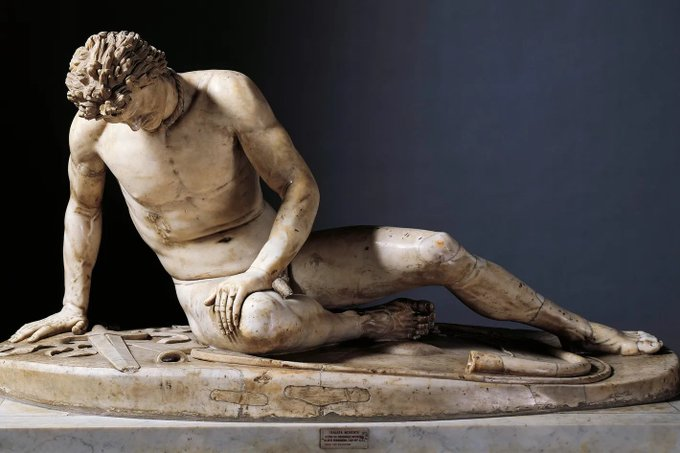
The Cimmerians were a nomadic, equestrian people from the Pontic-Caspian steppe who wreaked havoc across Asia and Anatolia in the 8th - 7th centuries BC. Known as the Kimmerioi in ancient Greek, their raids were documented in Assyrian and Greek texts. Image
The Cimmerians migrated to Western Asia as one of the first nomadic confederations to inhabit the Caucasian steppe. Their origin is linked to the Chernogorovka-Novocherkassk complex. Image
Image
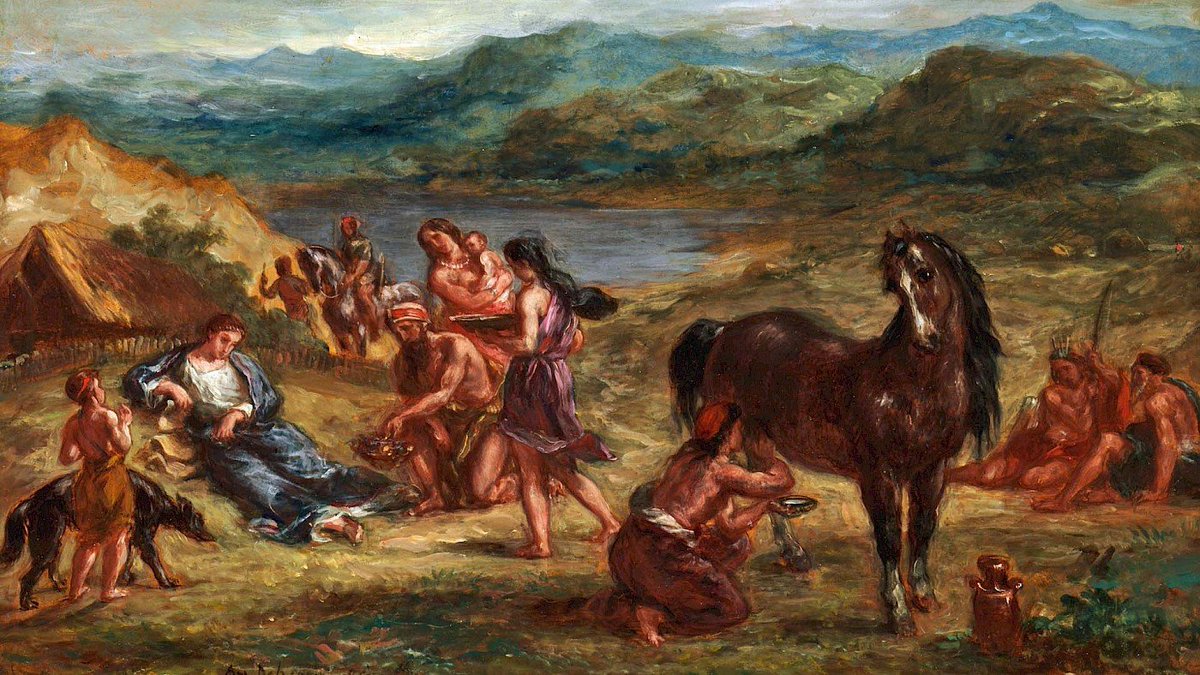
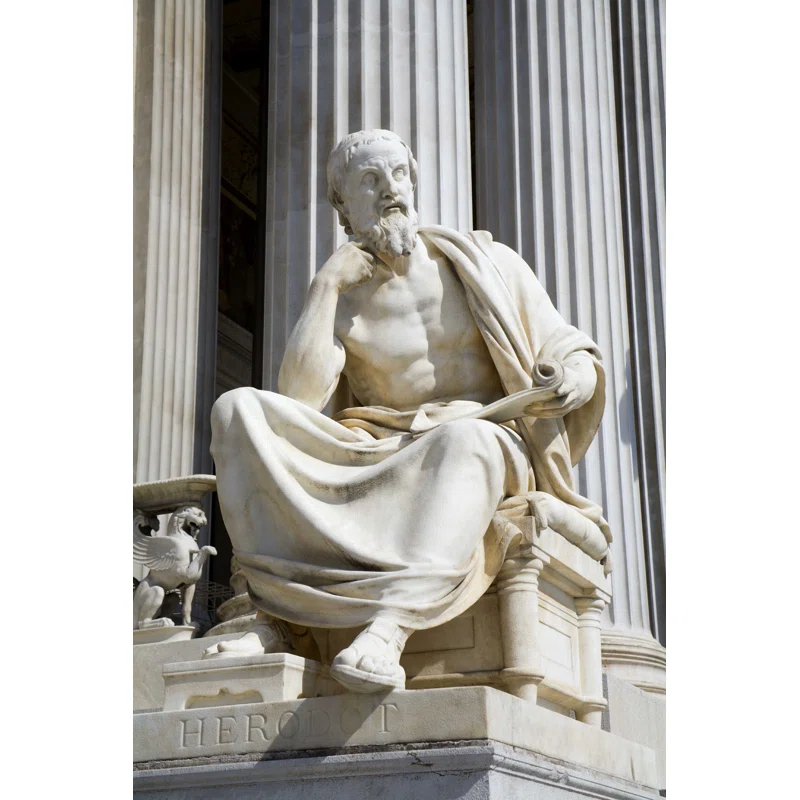
According to Herodotus, the Cimmerians were displaced southward by the Scythians, leading them to carry out raids in Asia Minor. Greek and Assyrian texts agree that the Cimmerians repeatedly attacked regions such as Lydia and Urartu. Image
Image
Read 13 tweets
Sep 29, 2024
TO HELL AND BACK🧵

The myth of descent and return from the Underworld is a recurring theme in different mythologies around the world. These myths, though varying in details, share themes that reflect humanity's deepest concerns about life, death, rebirth, and the natural cycle. Image
- Epic of Gilgamesh

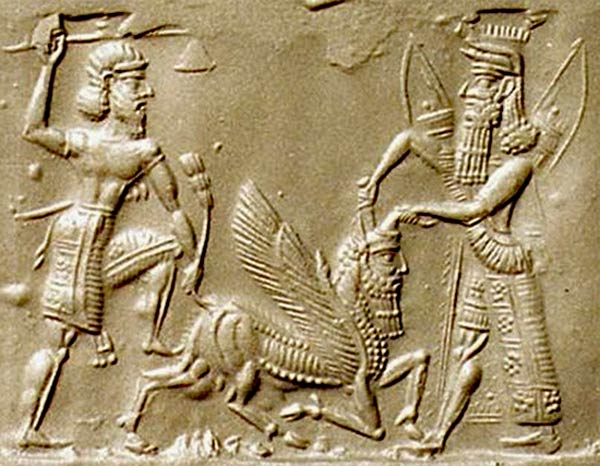
Gilgamesh, the despotic king of Uruk, faces mortality after the death of his friend Enkidu, punished for slaying the monster Humbaba and the Bull of Heaven. In his quest for immortality, Gilgamesh descends into the underworld, where he meets Utnapishtim. Image
Image
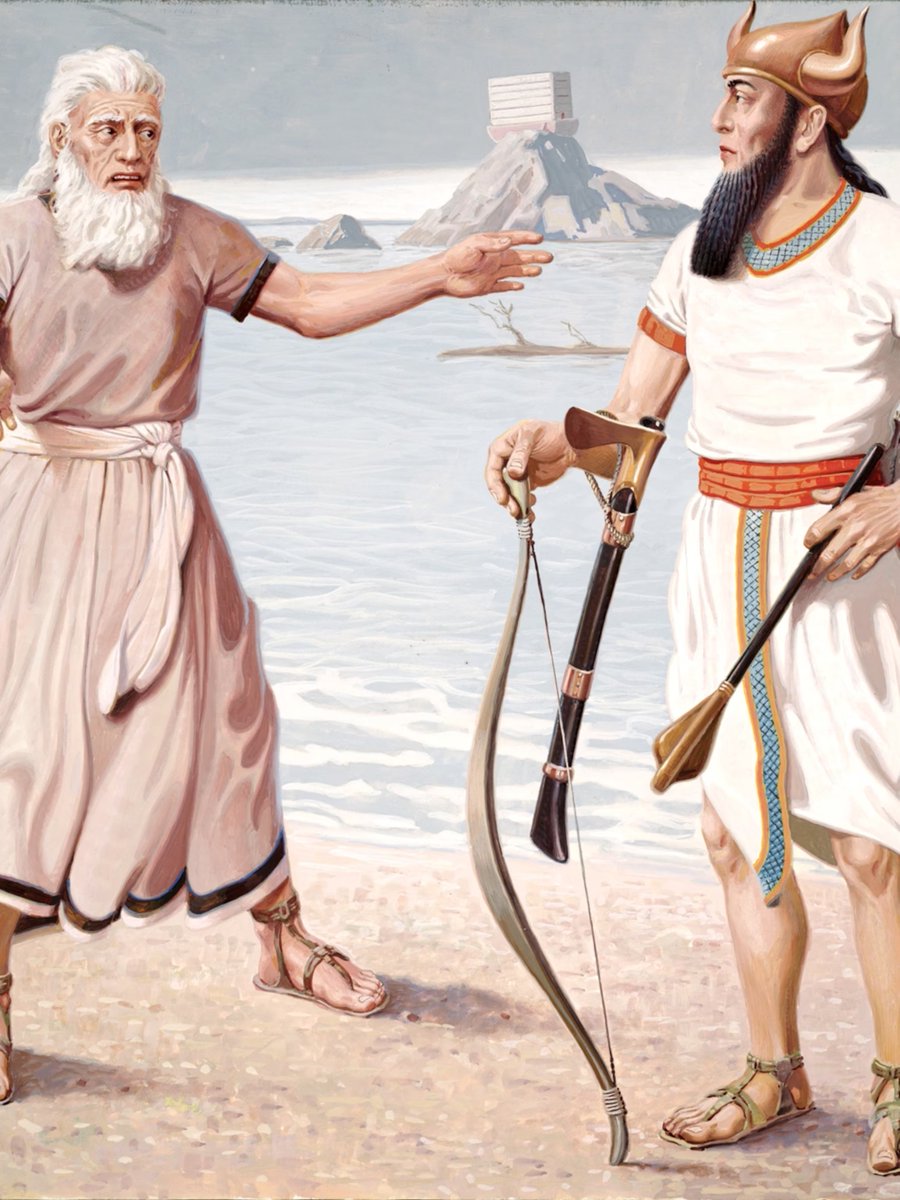
Utnapishtim, whom the gods had granted with immortality, reveals the secrets of eternal life to Gilgamesh (a boxthorn-like plant that lives at the bottom of the sea), but the hero fails to obtain it, as a snake steals and eats the plant, so he must return to Uruk empty-handed. Image
Read 23 tweets
Apr 28, 2024
My threads so far

Hi guys. I haven't written a thread in a while, so while I'm looking for time to make new ones, I'm going to post the ones I've already written in this compilation thread Image
Image
Image
Image
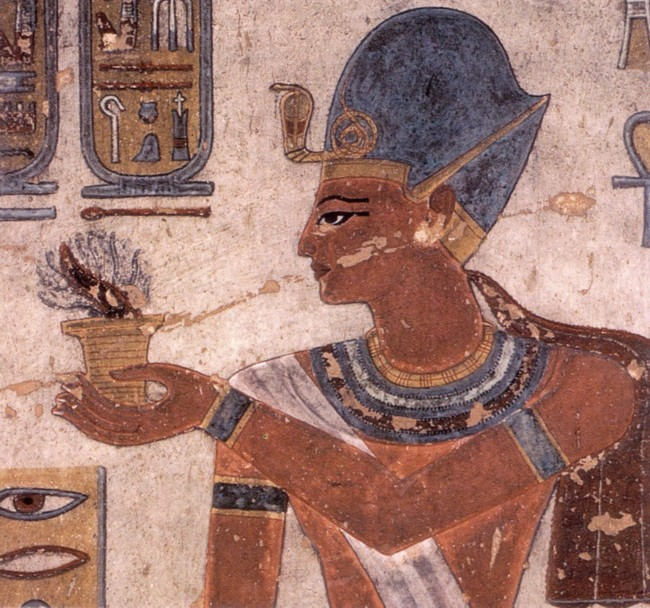
Ramesses III against the Sea People Invasion
Read 13 tweets
Mar 11, 2024
Thread 🧵

LUGALZAGESI

In 24th century BC, the Sumerian city states lived in a constant state of war. After centuries of conflict they would be unified by force by a chieftain named Lugalzagesi, creating what would later become the first empire in the history of the Middle East Image
In the days when Mesilim was king of Kish, and at least the nominal suzerain of Sumer, there arose a border dispute between Lagash and Umma. The two cities were disputing over a fertile area called Gu-Edin, which led to a border treaty around 2550 BC drawn up by Mesilim of Kish. Image
The decision, which was presumably accepted by both parties, seemed to favor Lagash rather than Umma. Not long afterward, Ush, an ensi of Umma, violated the terms of the decisión, which led to a war between the two city states that lasted nearly 150 years. Image
Read 12 tweets

Did Thread Reader help you today?

Support us! We are indie developers!


This site is made by just two indie developers on a laptop doing marketing, support and development! Read more about the story.

Become a Premium Member ($3/month or $30/year) and get exclusive features!

Become Premium

Don't want to be a Premium member but still want to support us?

Make a small donation by buying us coffee ($5) or help with server cost ($10)

Donate via Paypal

Or Donate anonymously using crypto!

Ethereum

0xfe58350B80634f60Fa6Dc149a72b4DFbc17D341E copy

Bitcoin

3ATGMxNzCUFzxpMCHL5sWSt4DVtS8UqXpi copy

Thank you for your support!

Follow Us!

:(