THREAD🧵
The death of Persia
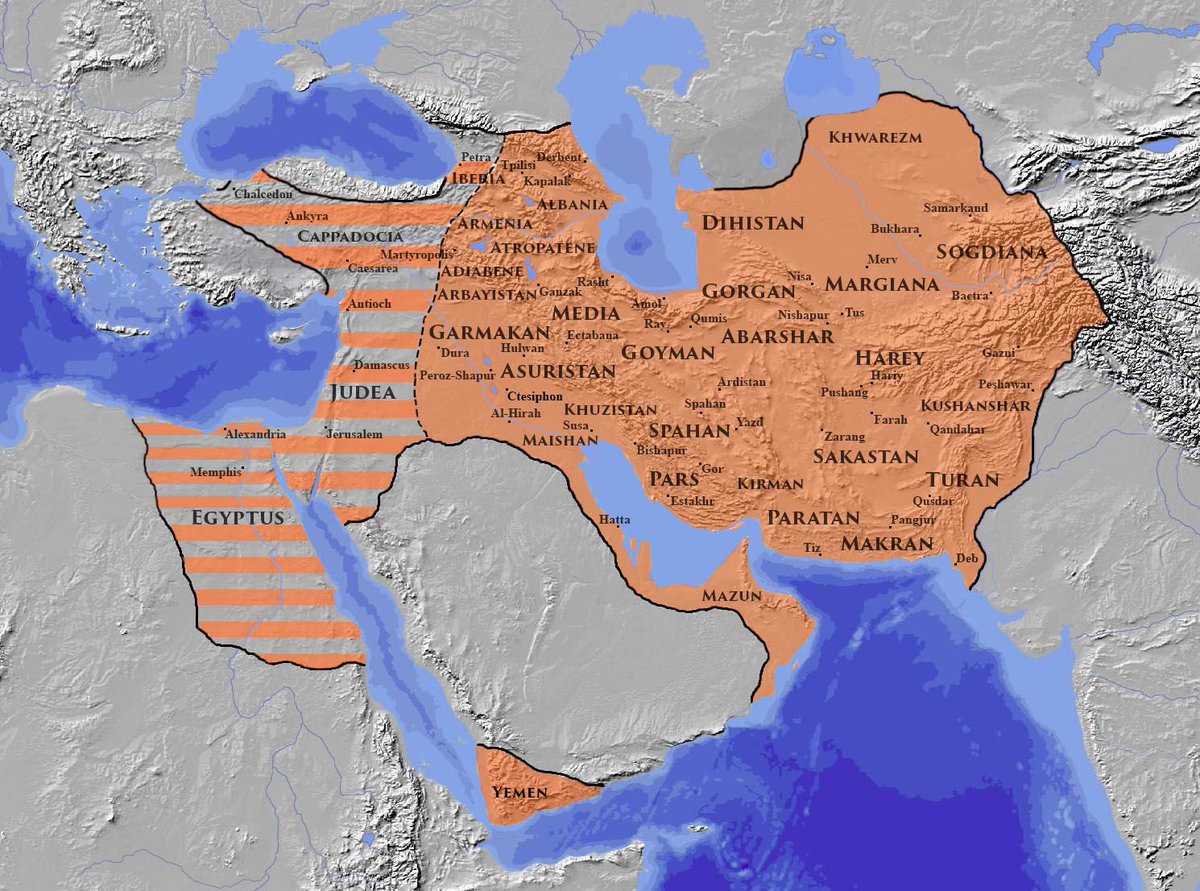
The Sasanian Empire, one of the great powers of Late Antiquity, ruled Persia for 400 years, but came to an end after a brief war against Islam. Weakened after decades of war against the Eastern Roman Empire, it was unable to contain this new enemy.
The death of Persia
The Sasanian Empire, one of the great powers of Late Antiquity, ruled Persia for 400 years, but came to an end after a brief war against Islam. Weakened after decades of war against the Eastern Roman Empire, it was unable to contain this new enemy.

The constant wars against the Eastern Roman Empire, especially the prolonged conflict with Emperor Heraclius, drained Persian resources and its army. Persian and Roman armies fought for decades, leaving both empires exhausted and devastated.
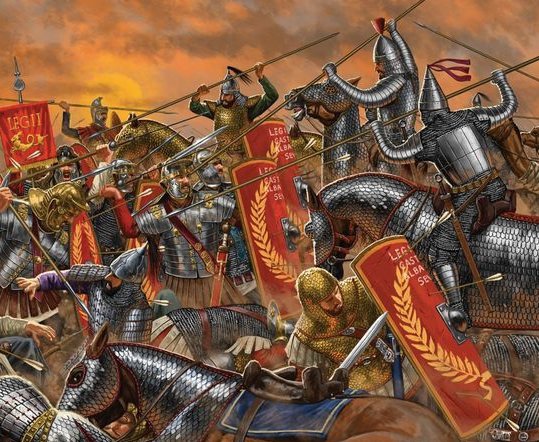
Khosrow II launched a large-scale invasion of the Eastern Roman Empire after the Byzantine Emperor Maurice was murdered by the usurper Phocas, and managed to capture Syria, Egypt, and Jerusalem. The empire had not been this powerful since the days of the Achaemenids.
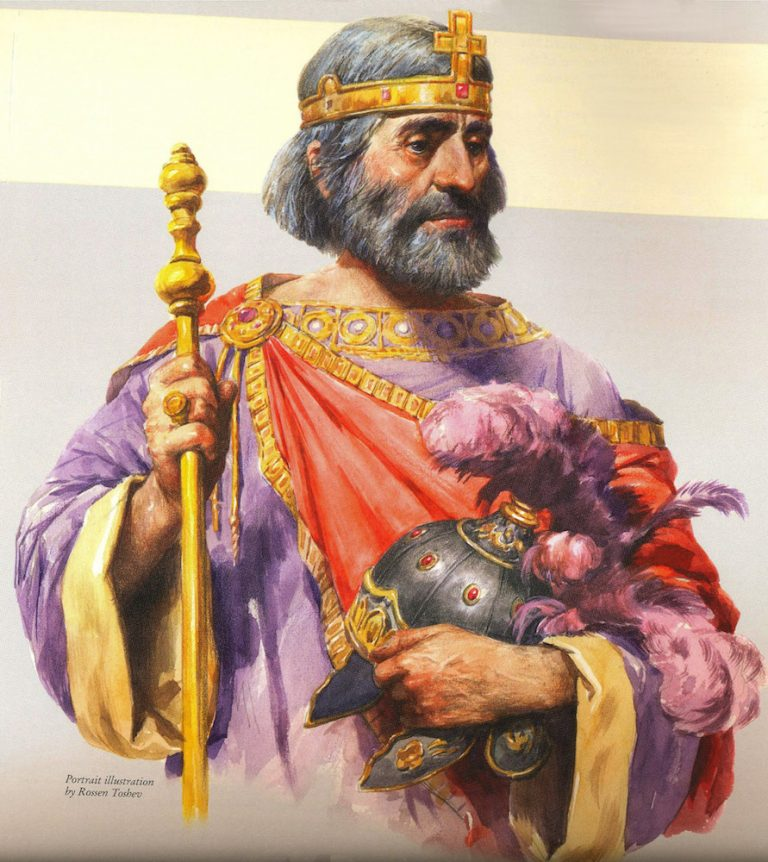
In 610, Heraclius overthrew Phocas and carried out extensive military reorganization, which eventually paid off. In 627, he won a decisive victory over the Persians at Nineveh, weakening their control over their territory and destabilizing their government.
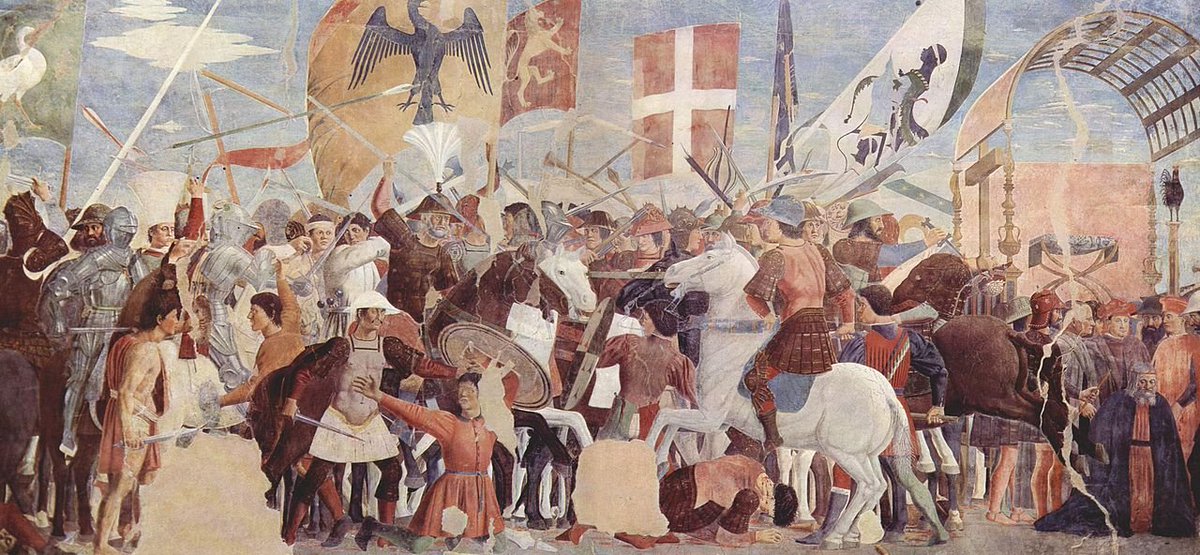
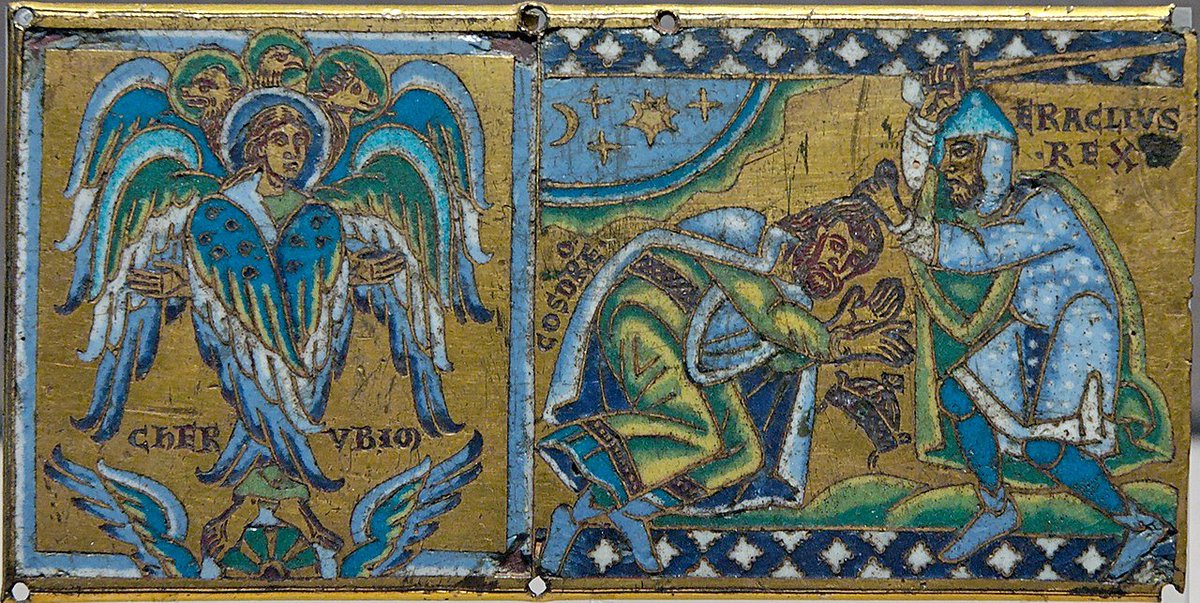
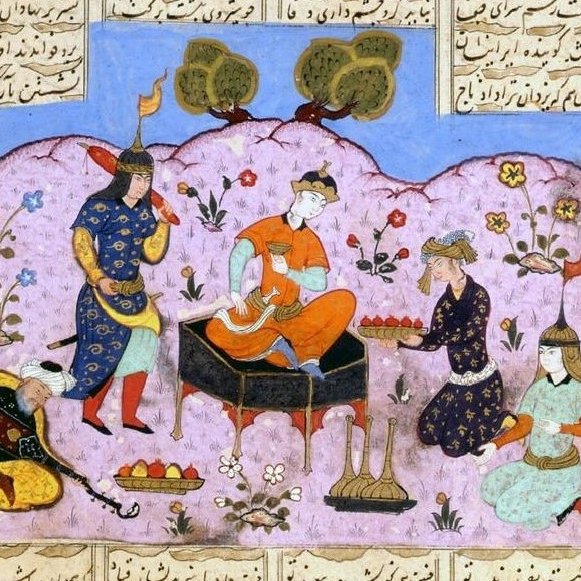
Khosrow II, the last great Sasanian king, was overthrown and killed by his own son, Kavad II, who hastily negotiated peace with Heraclius. In the years following Khosrow's death, the Sasanian Empire had multiple kings, further weakening its ability to respond to external threats
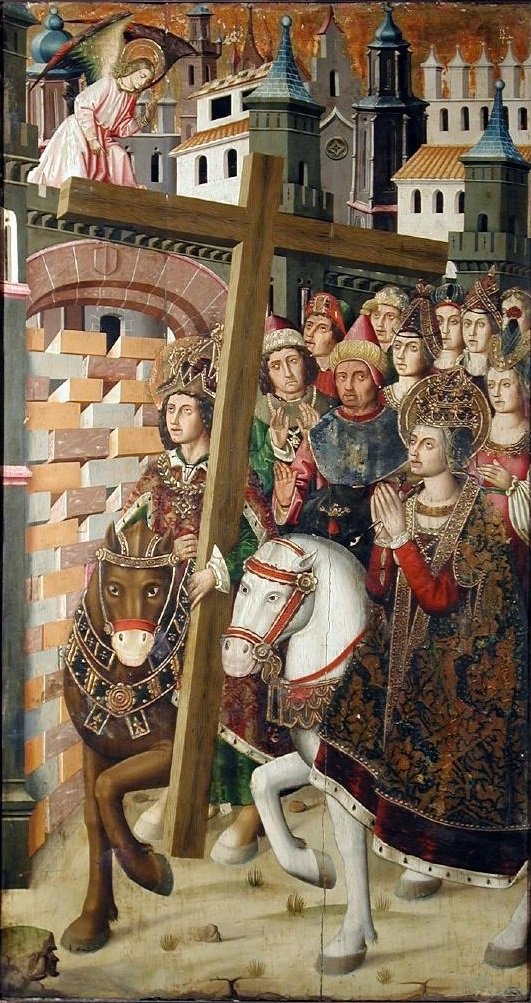
Meanwhile, in Arabia, Islam was on the rise. Muslim armies began raids along the borders of the weakened Persian Empire. What started as minor incursions soon turned into an unstoppable invasion.
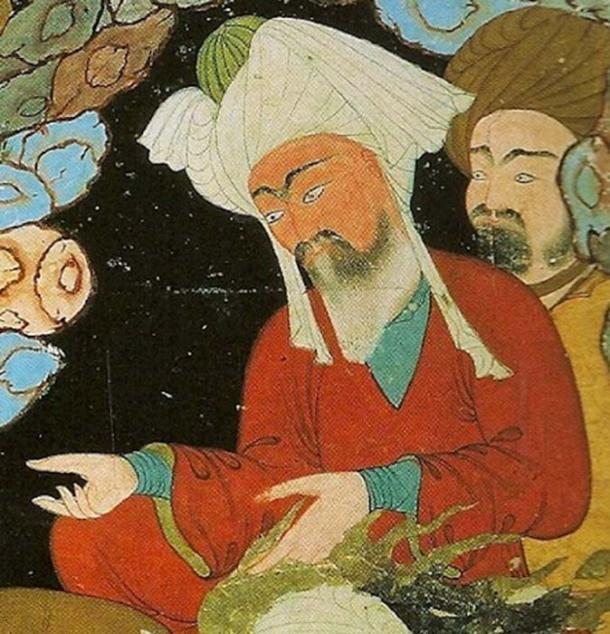
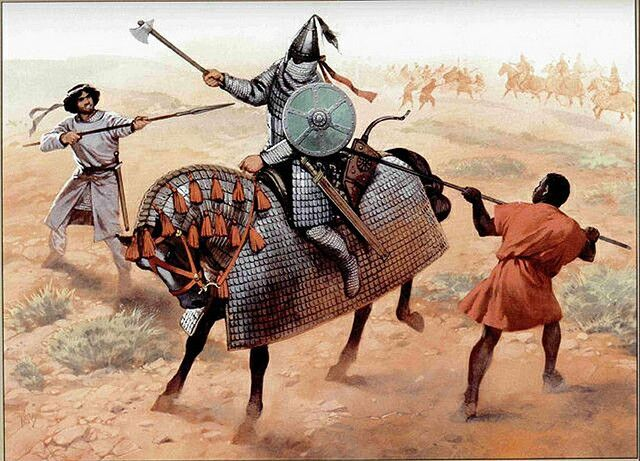
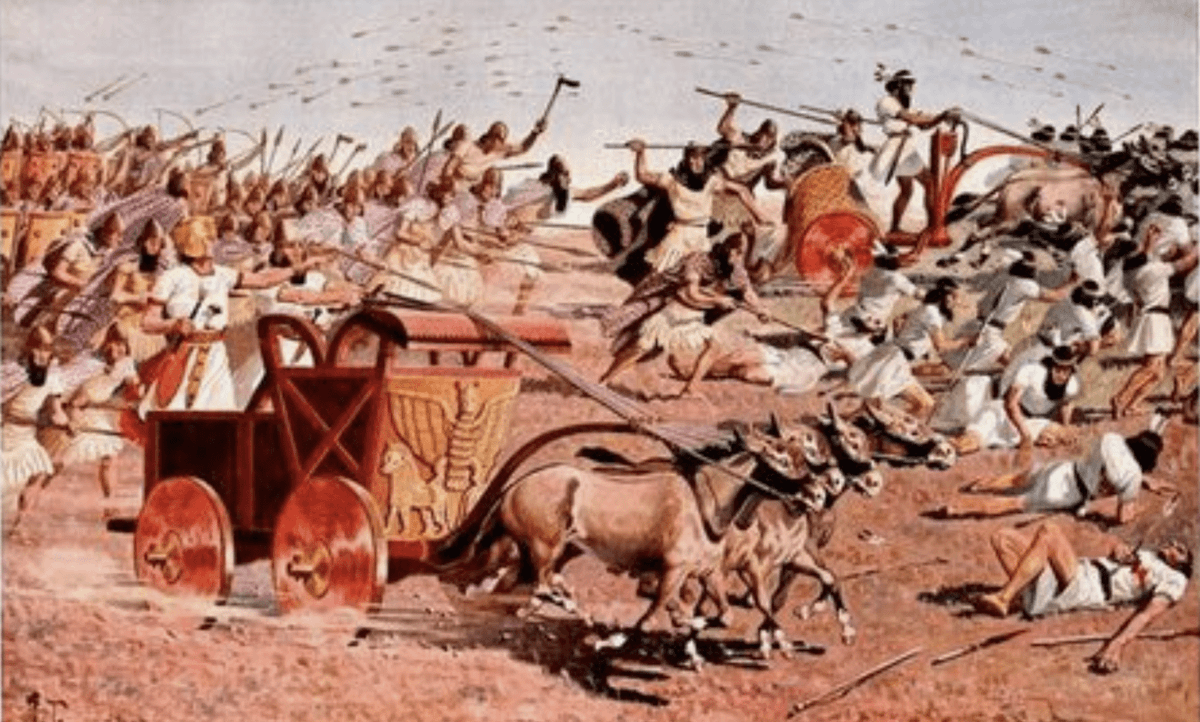
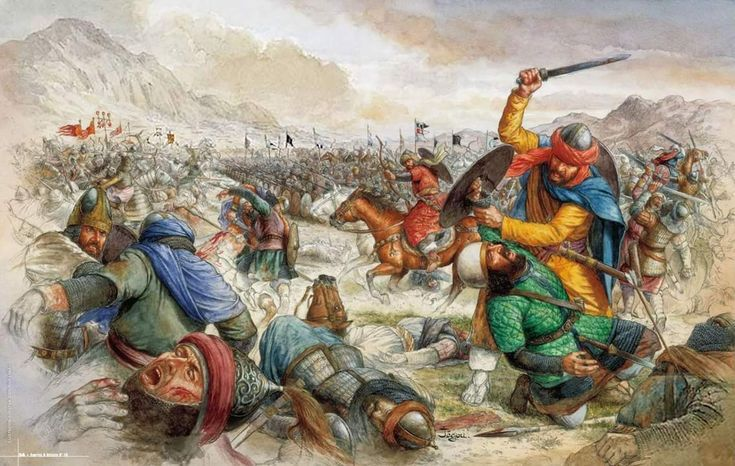
In 633, the armies of the Rashidun Caliphate launched a full-scale invasion of Mesopotamia. The Sasanian forces, exhausted by decades of war, were unable to resist this push, and were continuously defeated by the Arab invaders.
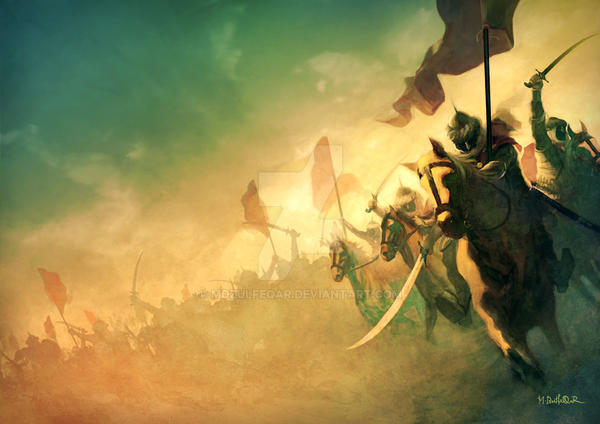
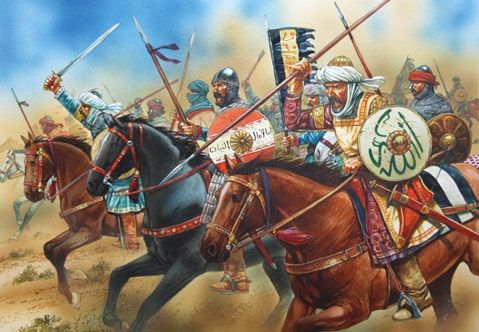
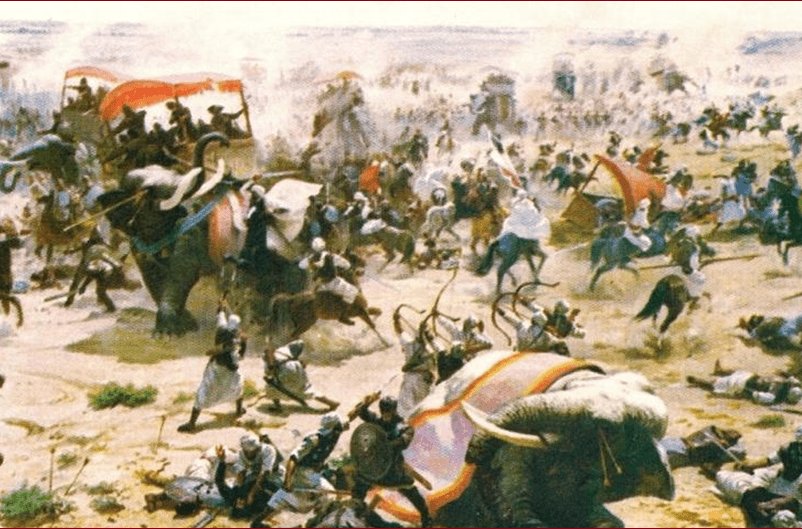
The Battle of al-Qadisiyya in 636 was a disaster for the Sasanian Empire. The Persian army, under the command of Rostam Farrokhzad, fought bravely but fell under the swords of Islam. This defeat at al-Qadisiyya marked the turning point that led to the empire's military collapse.
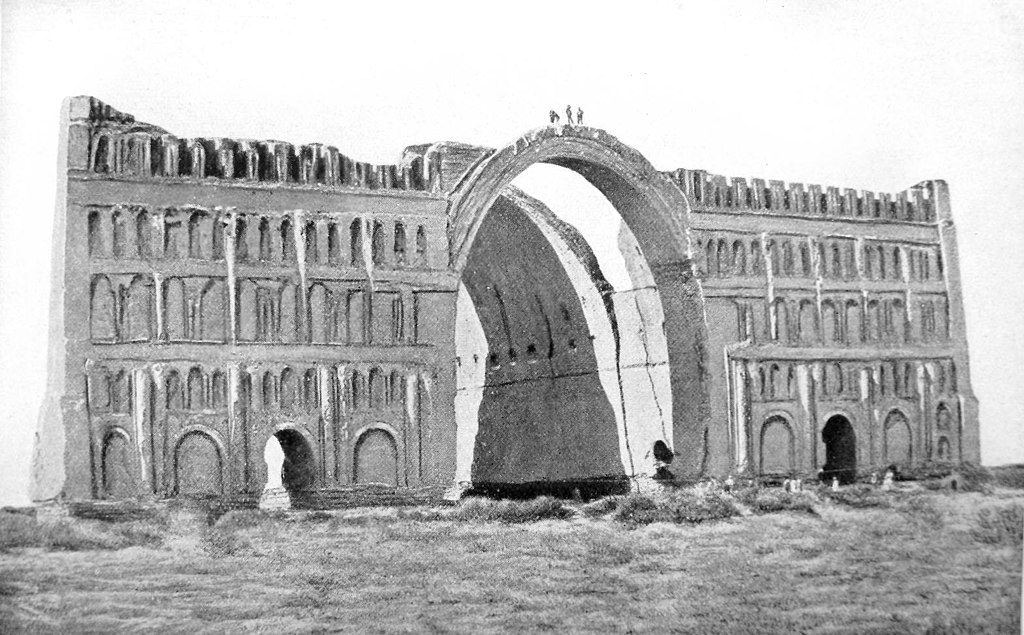
The Sasanian capital, Ctesiphon, was captured by the Arabs the following year, in 637, marking the end of the central authority of the Sasanian Empire. Its palaces and treasures, symbols of Sasanian power, fell into foreign hands.
The young Yazdegerd III, last king of the sasanian empire, tried to resist the invasion unsuccessfully. The last descendant of the dynasty fled from province to province, seeking refuge but was unable to unite the Persian nobles to face the Muslim advance.
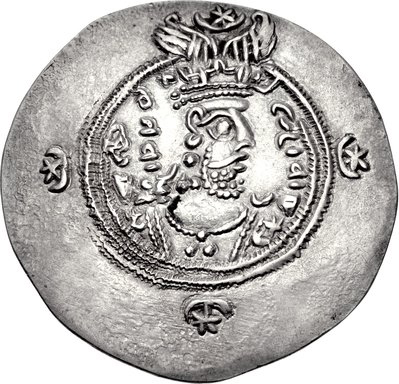
In his flight, Yazdegerd was betrayed and killed by a miller in 651, marking the end of the last Sasanian king and leaving Persia under Muslim rule. With Yazdegerd’s death, ancient Persia was at the mercy of its conquerors. Yazdegerd´s son fled to China.
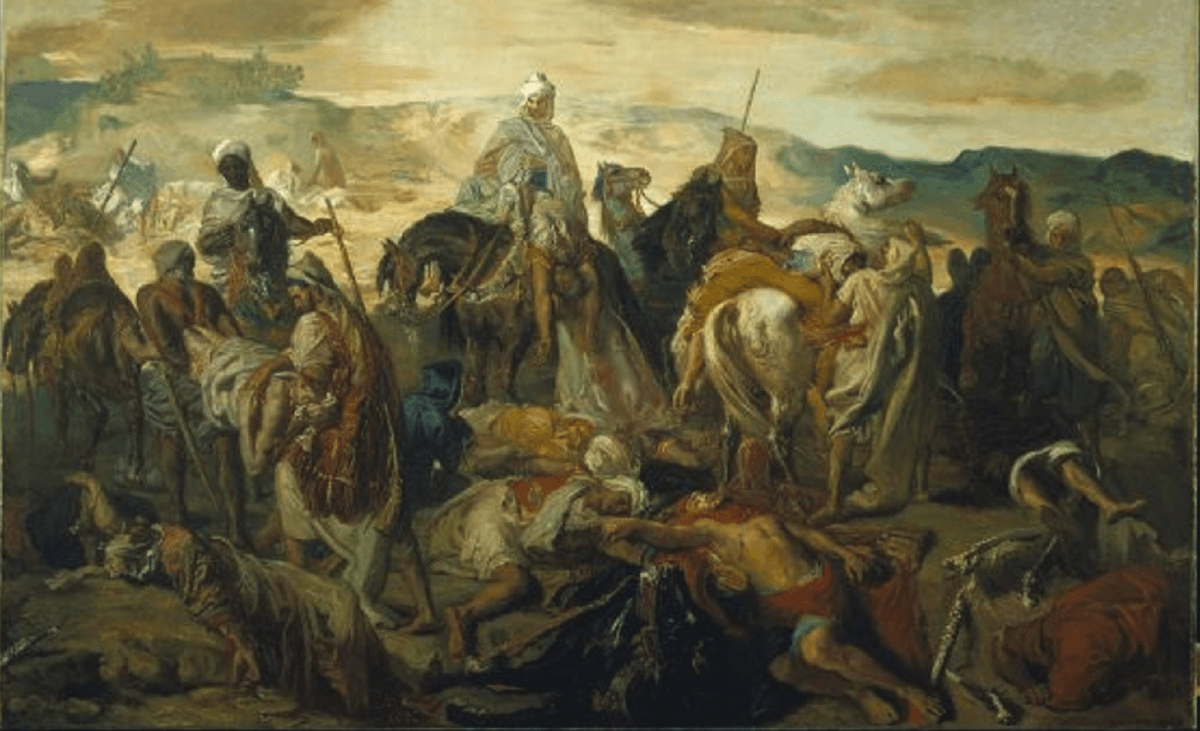
Zoroastrianism, the empire’s official religion, lost its status and was gradually replaced by Islam as the dominant faith. Zoroastrianism, which once united the Persian people, was relegated to a dark corner of history
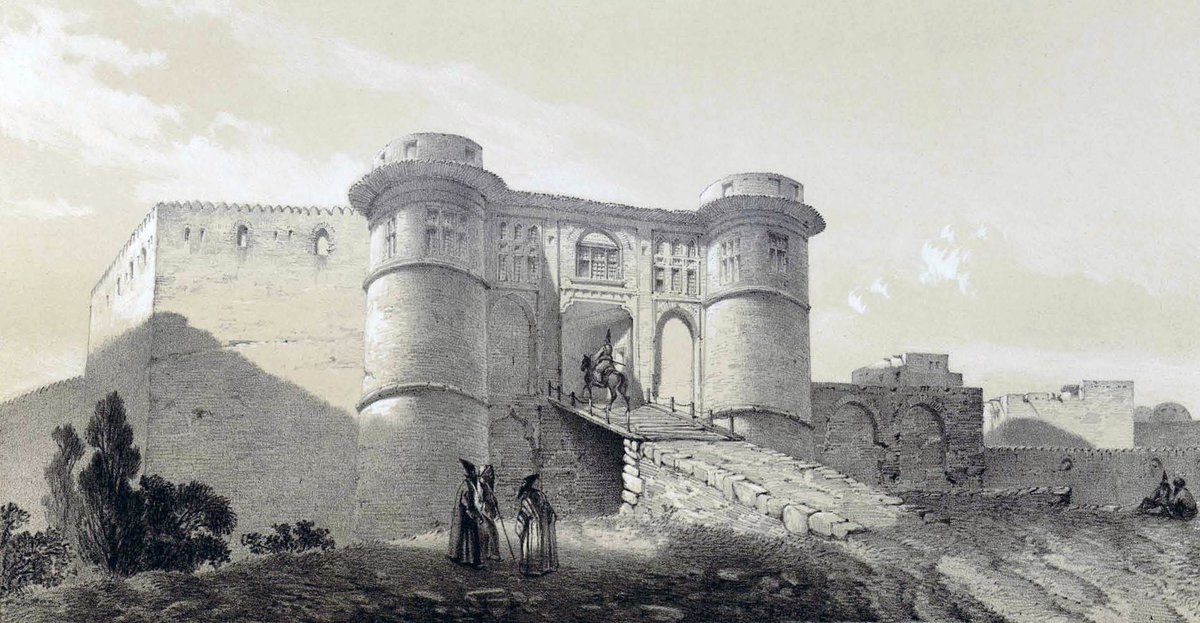
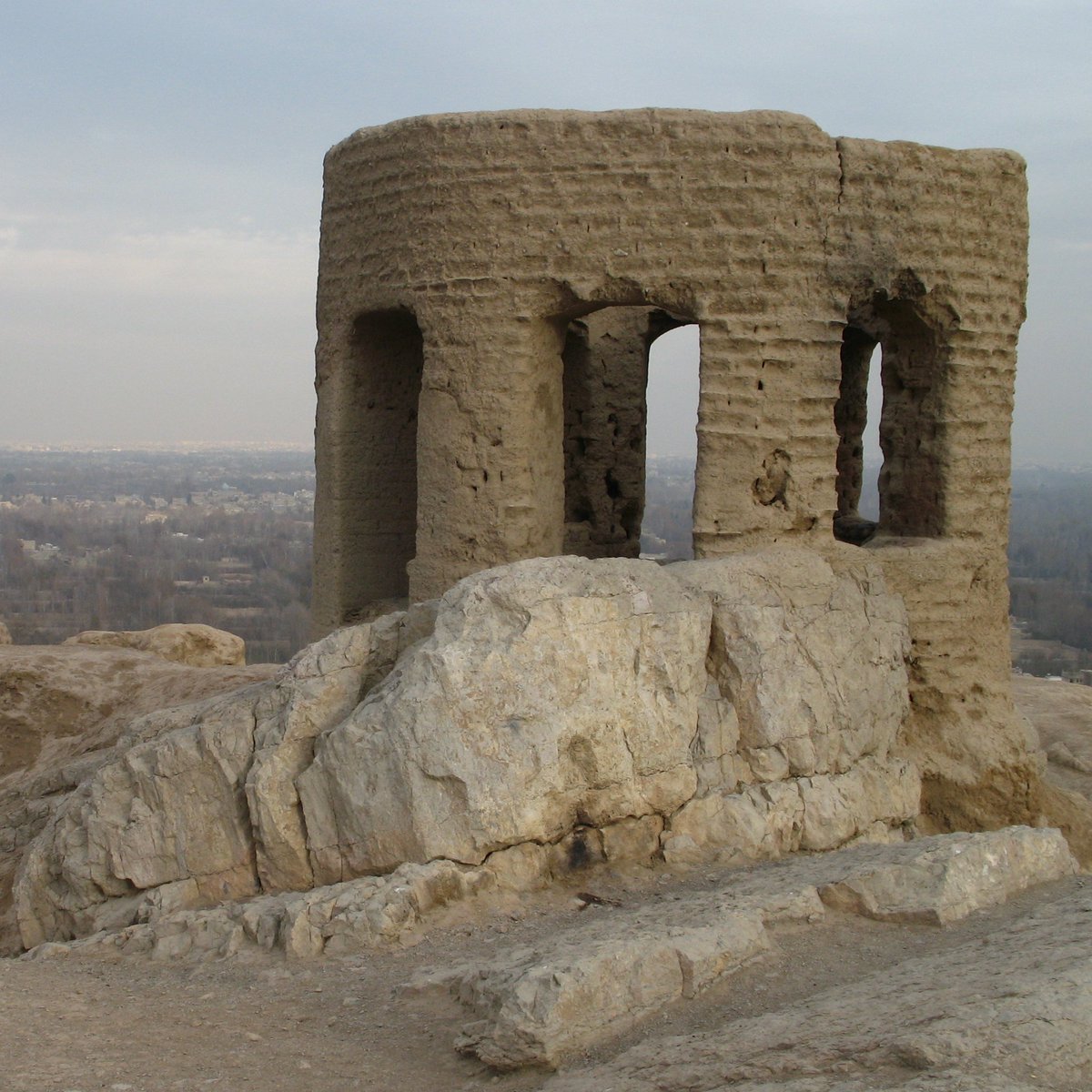
The battles of al-Qadisiyya (636) and Nihavand (642) were decisive for the collapse of Zoroastrianism. This was followed by the destruction or conversion of fire temples into mosques.
Persians who did not convert to Islam were required to pay the jizya, a tax that constantly reminded them of their subjugation, which contributed to conversions to Islam.
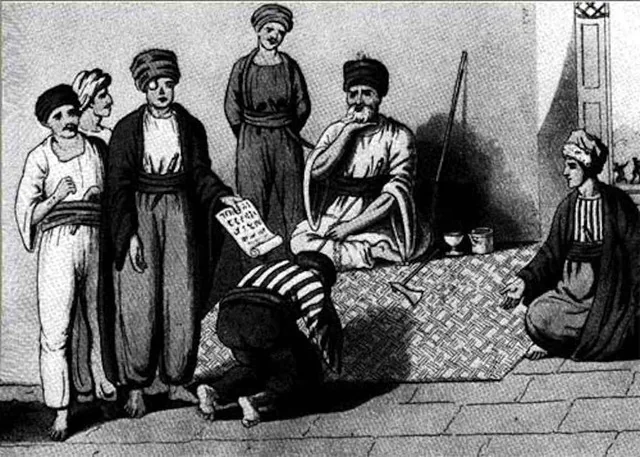
After the conquest, Arabic gradually became the language of administration and justice. Pahlavi, the language of kings and poets, began to give way to Arabic. Although it survived, the language of imperial Persia never regained its former prominence.
Thus, one of the most powerful empires of antiquity, which managed to redefine itself after invasions and wars to rise again as a dominant power under the Sasanian dynasty, met its end at the hands of Islam. Yet, its historical and cultural legacy could not be erased.
• • •
Missing some Tweet in this thread? You can try to
force a refresh