I don't know anything about womenswear, but I've never understood the handwringing over Aran sweaters in menswear. They are everywhere. Here are some. 🧵
https://twitter.com/squidgicumsquee/status/1841973308914336212
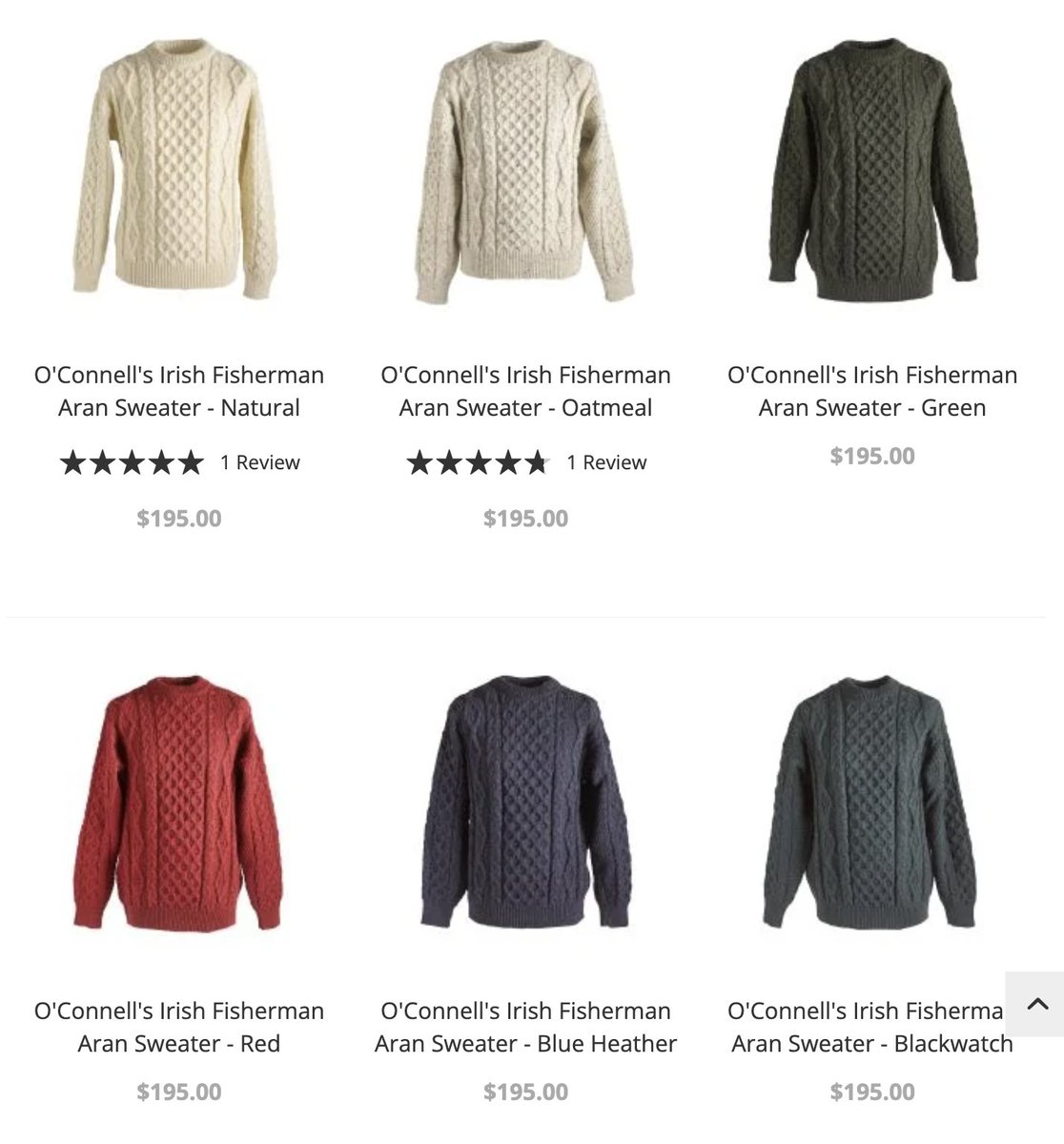
1. O'Connell's
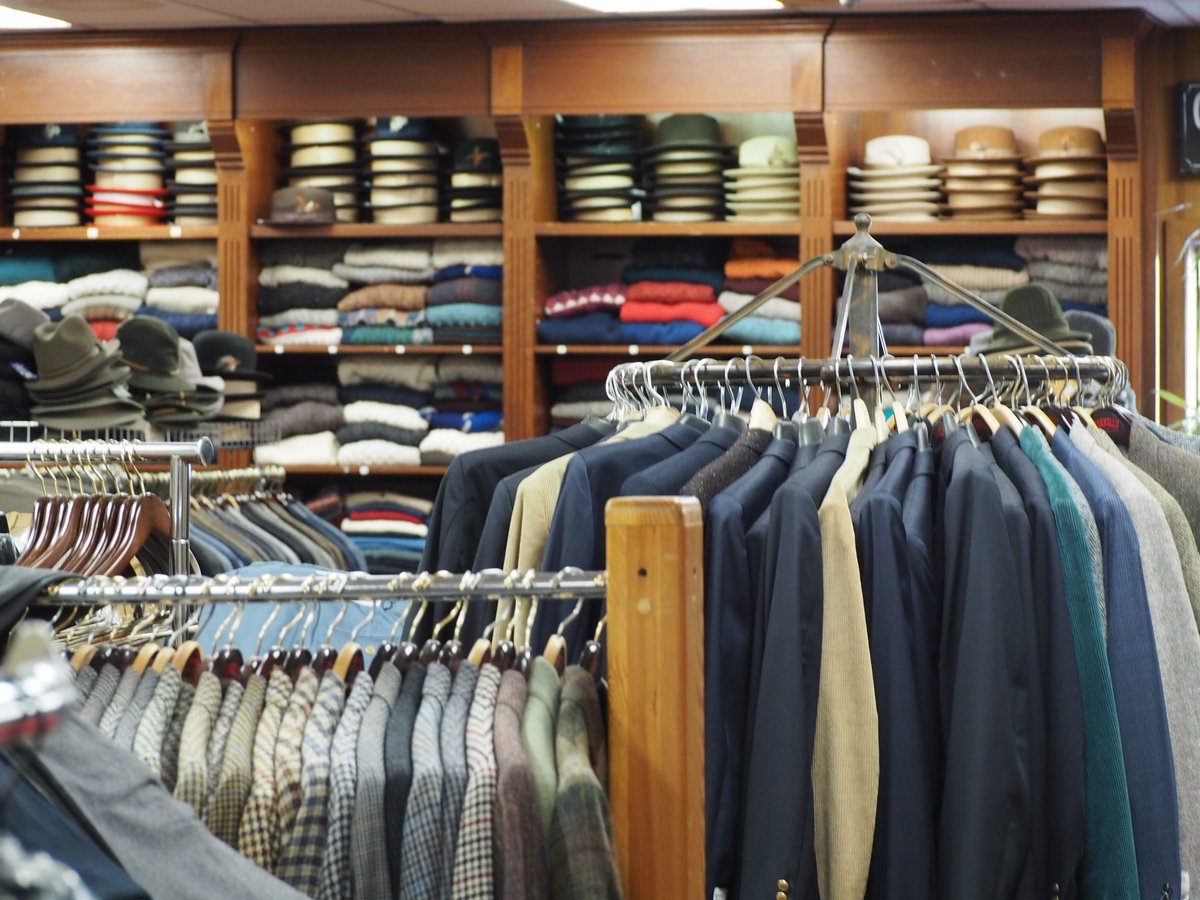
O'Connell's is a super trady shop in Buffalo, New York. They sell sack suits, madras shirts, Shetland knits, and the type of stuff you associate with 1950s Brooks Brotehers. They have Aran knits, including new old stock from the 80s and 90s (give em a call).
O'Connell's is a super trady shop in Buffalo, New York. They sell sack suits, madras shirts, Shetland knits, and the type of stuff you associate with 1950s Brooks Brotehers. They have Aran knits, including new old stock from the 80s and 90s (give em a call).
2. Inverallan
This family-run company based in Scotland is big in Japan. They were also a favorite among menswear forum nerds for a while. They have Aran pullovers and cardigans. Search for a retailer near you, as they're globally distributed.
This family-run company based in Scotland is big in Japan. They were also a favorite among menswear forum nerds for a while. They have Aran pullovers and cardigans. Search for a retailer near you, as they're globally distributed.
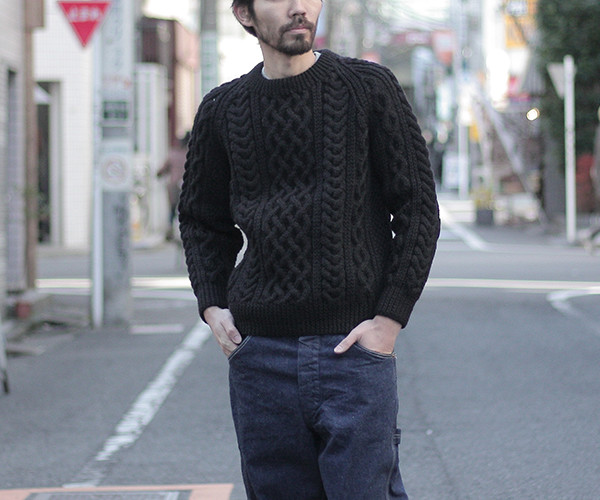
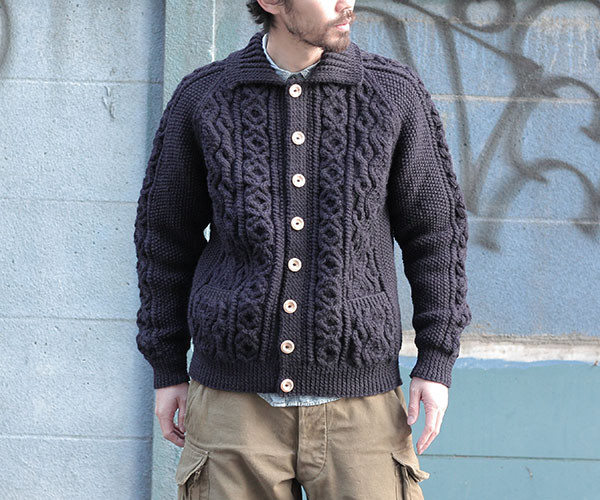
3. Inis Meain
One of the few companies that produces on the Aran Islands (Inishmaan specifically). Most others are just imports with an Ireland label). Even in pure merino, these are super lux and soft. Very much a lux version of the traditional fisherman sweater.
One of the few companies that produces on the Aran Islands (Inishmaan specifically). Most others are just imports with an Ireland label). Even in pure merino, these are super lux and soft. Very much a lux version of the traditional fisherman sweater.
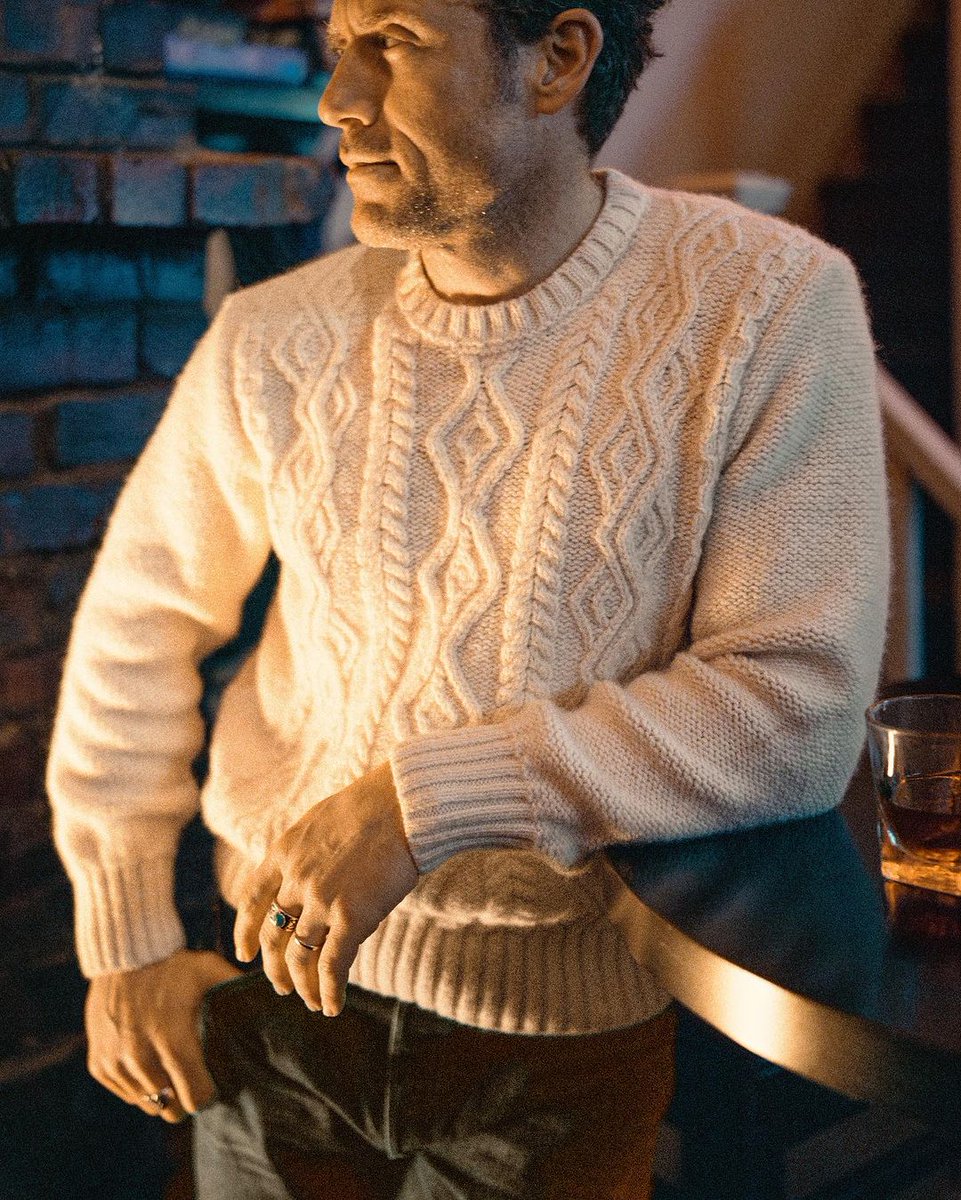
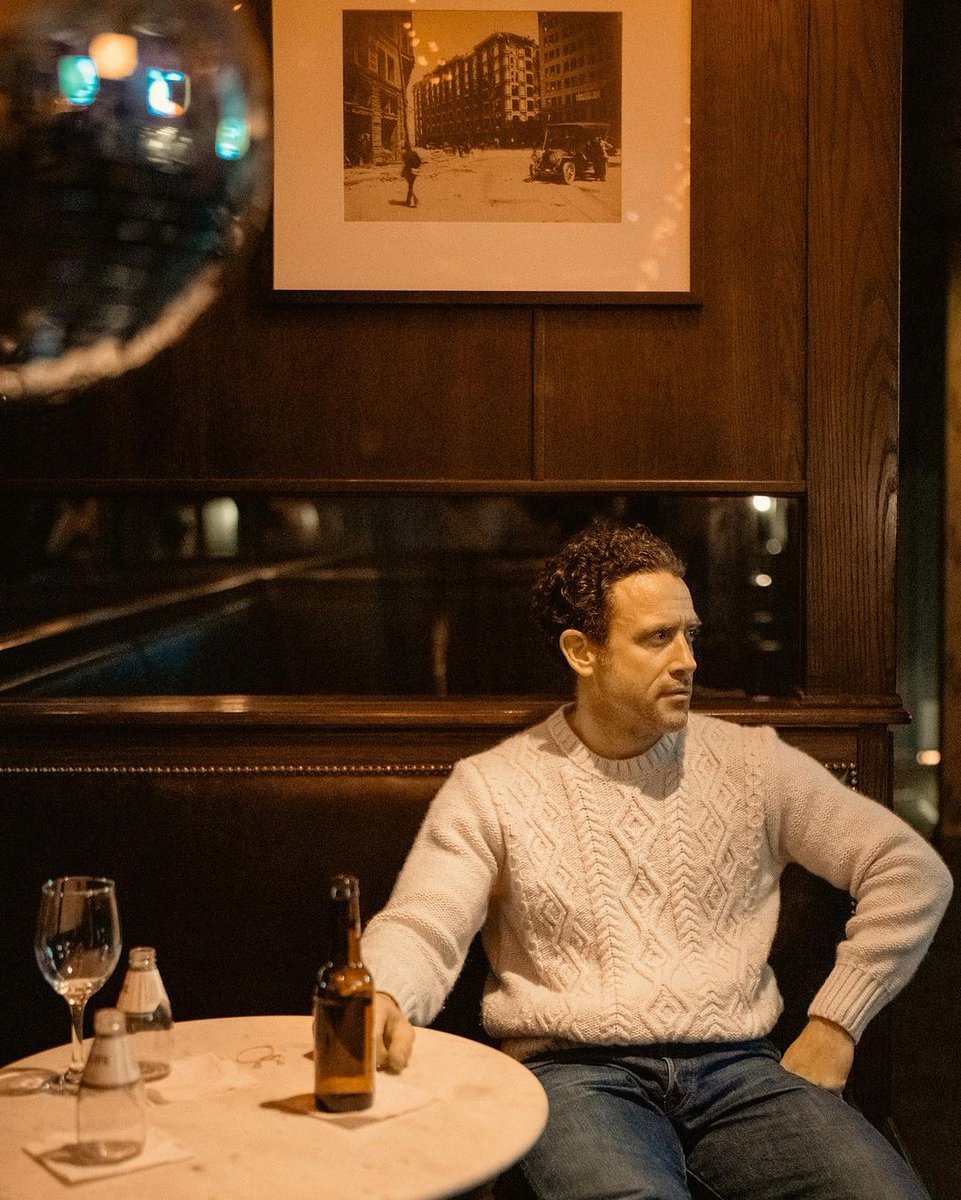
4. Aran Sweater Market
I haven't tried them, but they got a few good reviews on the menswear forums I used to be on. The "Clan sweaters" look better to me than the mainline. Prices are relatively affordable and they have discount codes all the time.
I haven't tried them, but they got a few good reviews on the menswear forums I used to be on. The "Clan sweaters" look better to me than the mainline. Prices are relatively affordable and they have discount codes all the time.
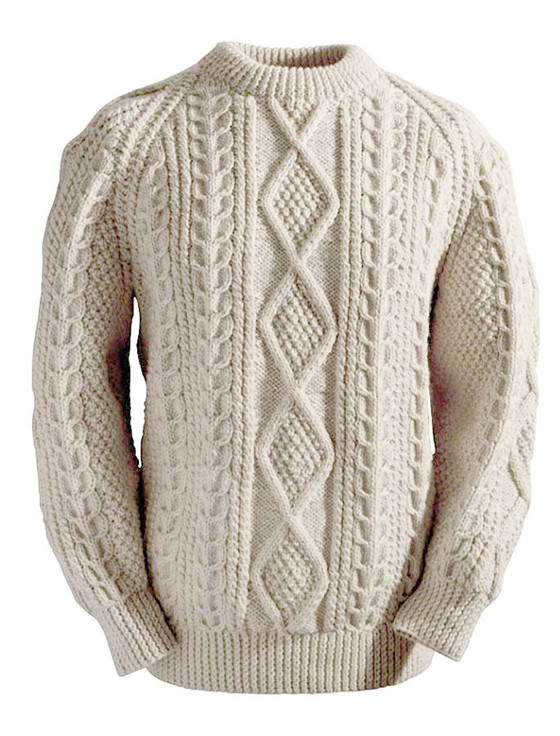
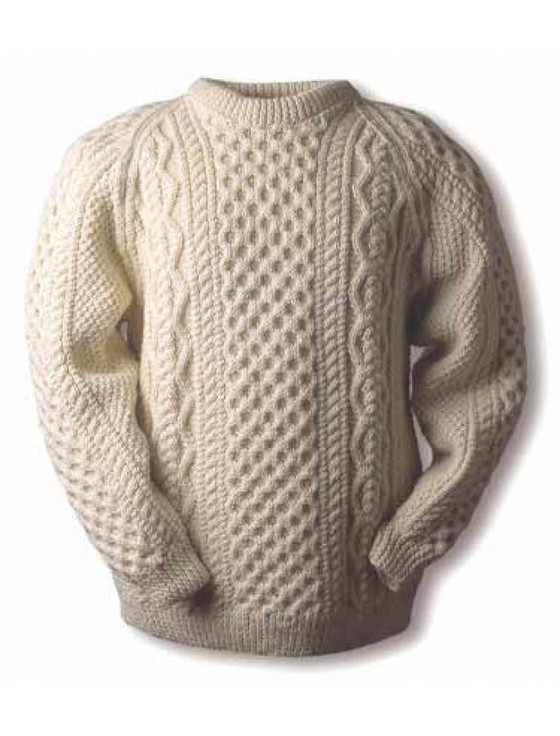
5. Kesennuma Knitting
A knitting co-op in the north-east region of Japan. They do made-to-order Aran sweaters, among other things. Might be a good option for people who can't find their size in ready-to-wear.
A knitting co-op in the north-east region of Japan. They do made-to-order Aran sweaters, among other things. Might be a good option for people who can't find their size in ready-to-wear.
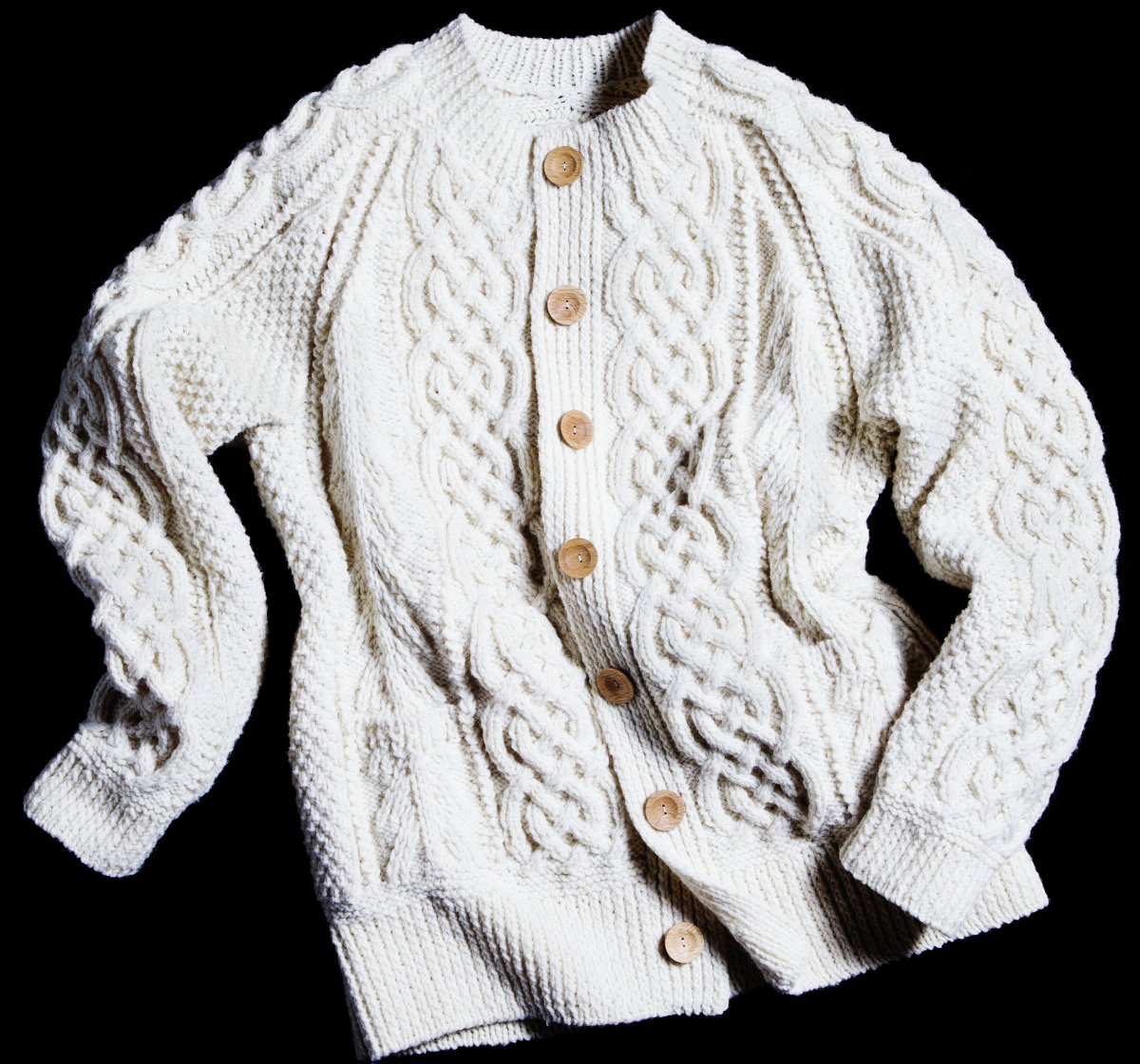

6. eBay
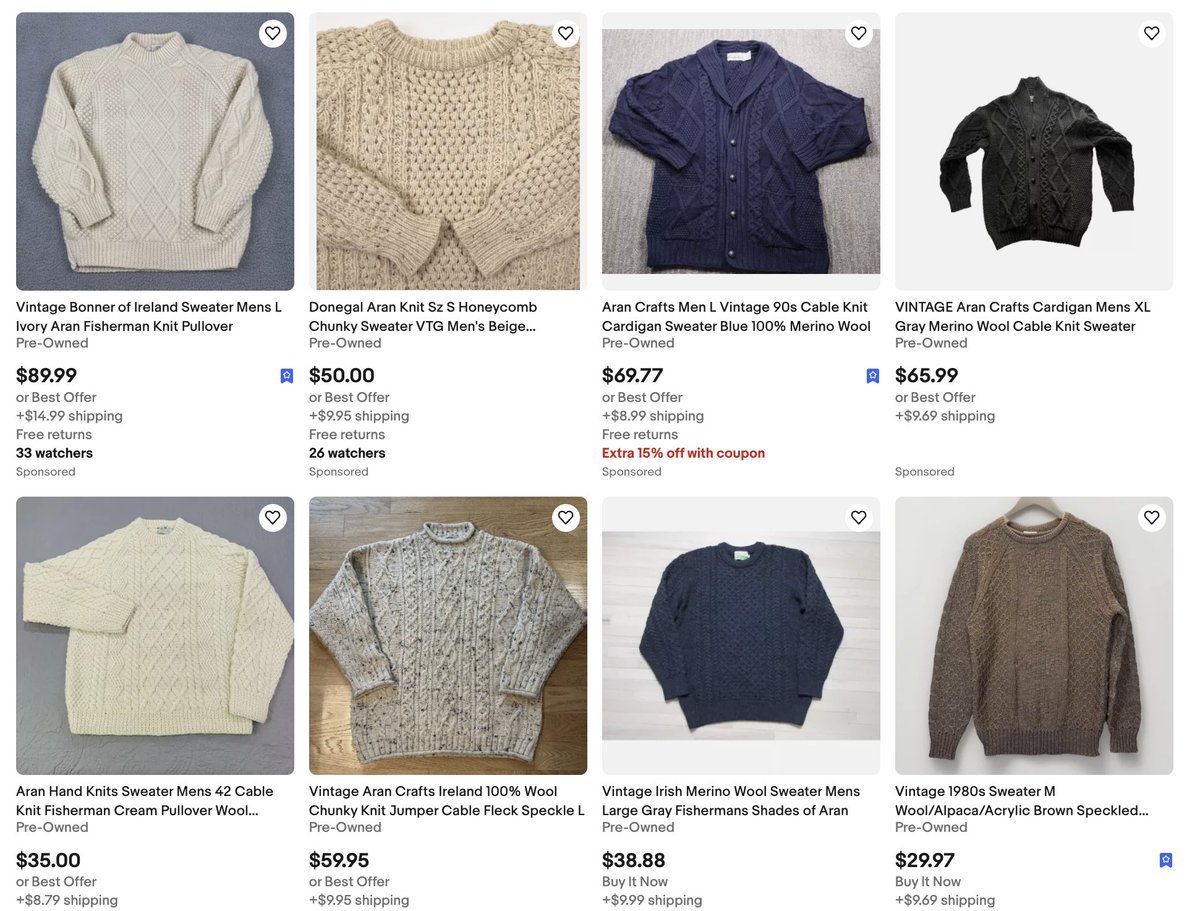
Of course, you can also go to eBay or Etsy, where there are thousands of vintage Aran knits for like $50 to $75. I would try to find something made from pure wool and carries a "made in Ireland" label, just because I think it makes the knit more interesting.
Of course, you can also go to eBay or Etsy, where there are thousands of vintage Aran knits for like $50 to $75. I would try to find something made from pure wool and carries a "made in Ireland" label, just because I think it makes the knit more interesting.
Some other places you can check out: The Andover Shop, J. Press, LL Bean, Orvis, and No Man Walks Alone.
And while it's not technically an Aran knit, Flamborough Marine's handknitted bespoke ganseys are very charming, albeit itchy (wear over a collared shirt).
And while it's not technically an Aran knit, Flamborough Marine's handknitted bespoke ganseys are very charming, albeit itchy (wear over a collared shirt).

If you want to get nerdy about it, I think it's nice to get something with a lot of texture. Below is a modern Inis Meain knit (machine-made, hand-linked) and a vintage Glenshee Woollens bought from O'Connell's. The Glenshee has a lot more texture, which I think is nice.
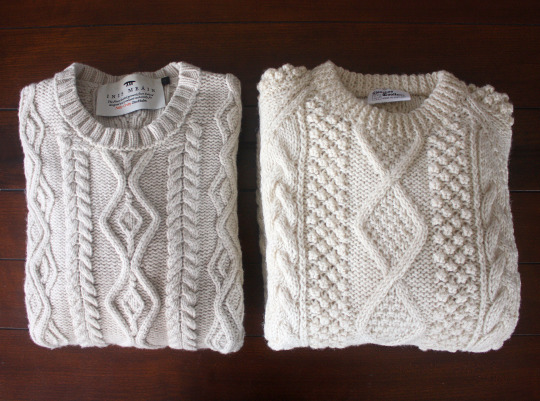
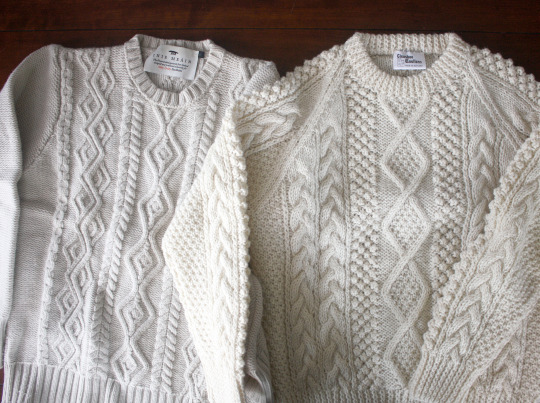
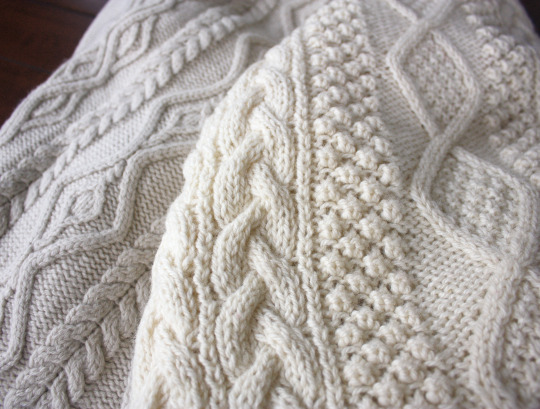
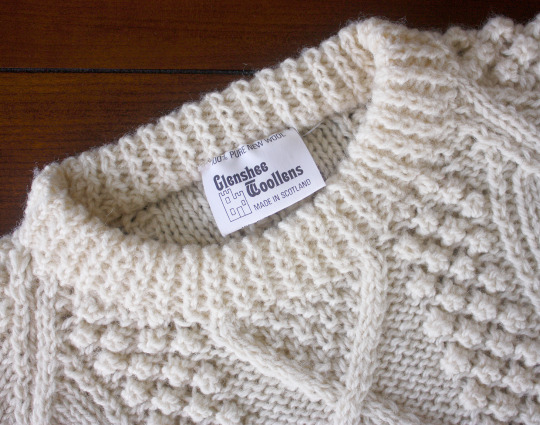
IMO, when people see this comparison, what they really want is a thick sweater with a lot of shape and drape (fullness). But realize that a thick sweater will feel very warm. There are trade-offs.

Sometimes volume can be achieved by just sizing up. But when you do, pay attention to the length. It's easier to wear a baggy sweater when it's not super long.
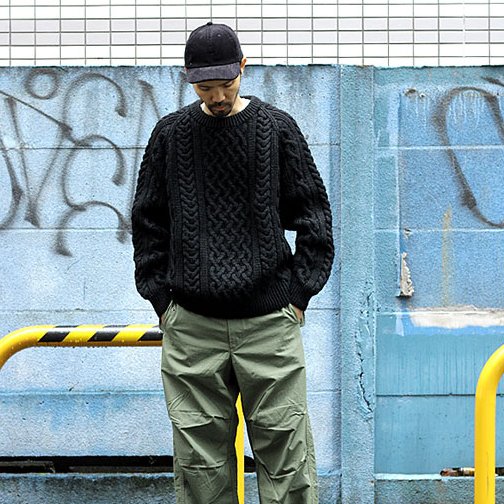
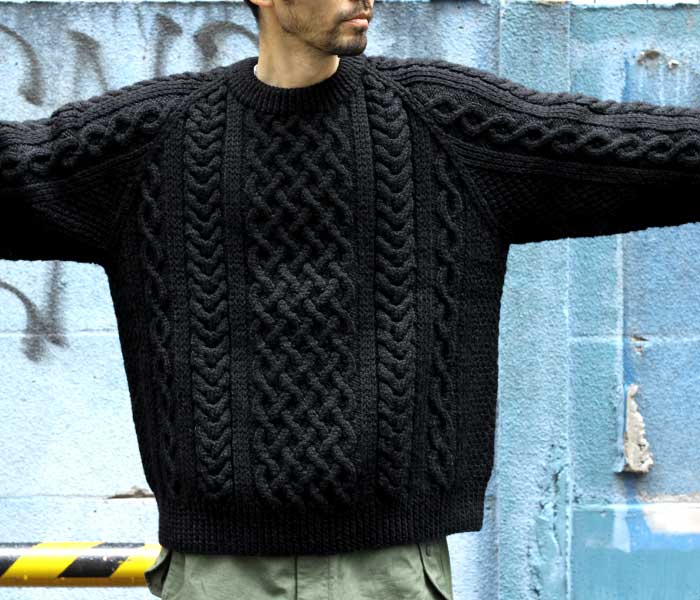
When shopping for an Aran knit, consider exactly what qualities you're looking for: soft vs rugged, baggy vs slim, thin vs thick, fiber content, location of production, etc. I assure you, whatever you want is still available on the market.

• • •
Missing some Tweet in this thread? You can try to
force a refresh