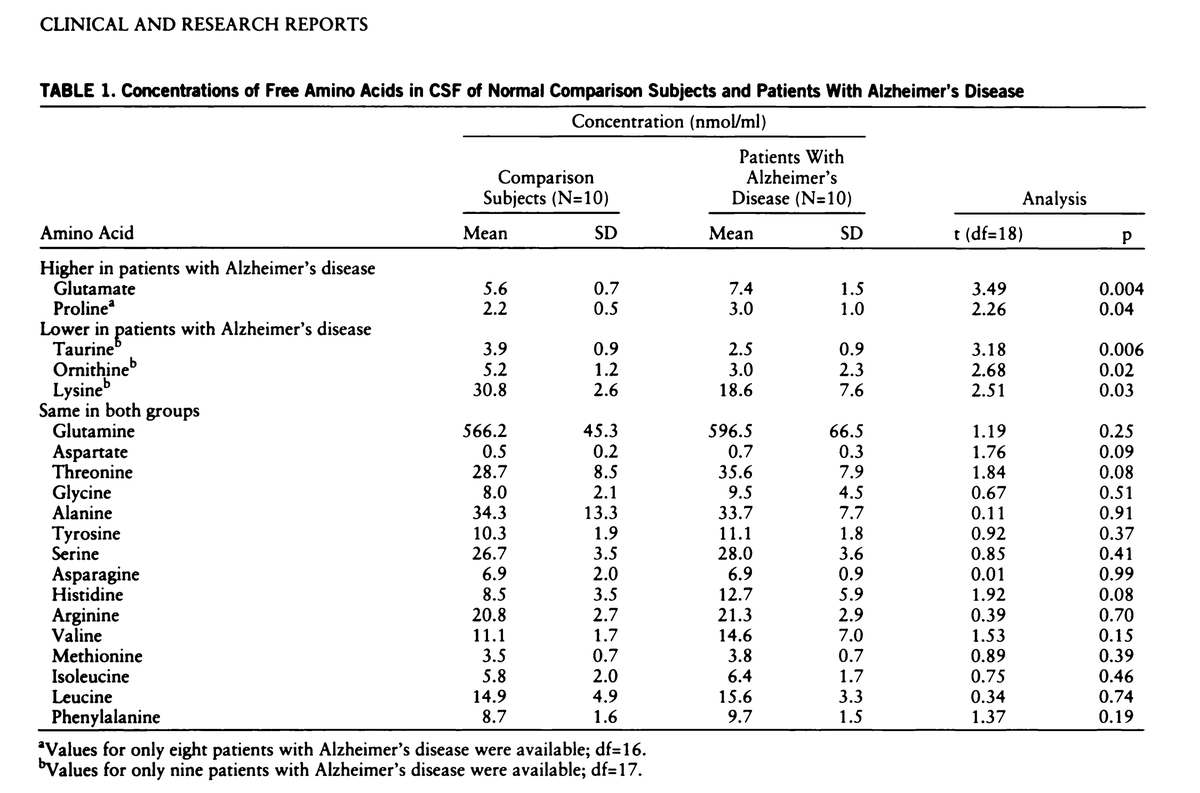
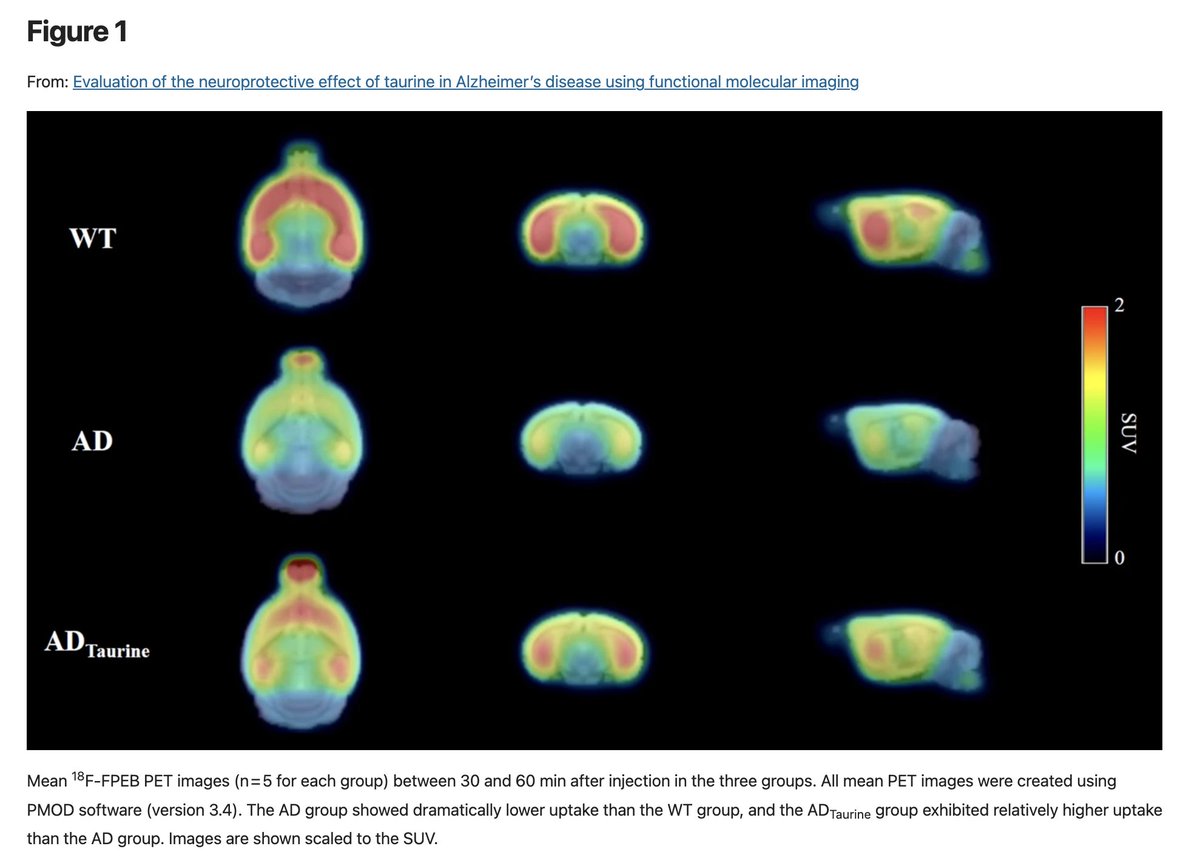
Literally a handful of these a day can:
𓋼 Prevent cancer by nearly 50%
𓋼 Prevent cognitive decline by 75%
𓋼 Boost mood
𓋼 Restore digestive health
𓋼 Increase lifespan
& more.
Let's talk about the incredible benefits of EDIBLE MUSHROOMS (no not the tripping kind).
THREAD:
𓋼 Prevent cancer by nearly 50%
𓋼 Prevent cognitive decline by 75%
𓋼 Boost mood
𓋼 Restore digestive health
𓋼 Increase lifespan
& more.
Let's talk about the incredible benefits of EDIBLE MUSHROOMS (no not the tripping kind).
THREAD:

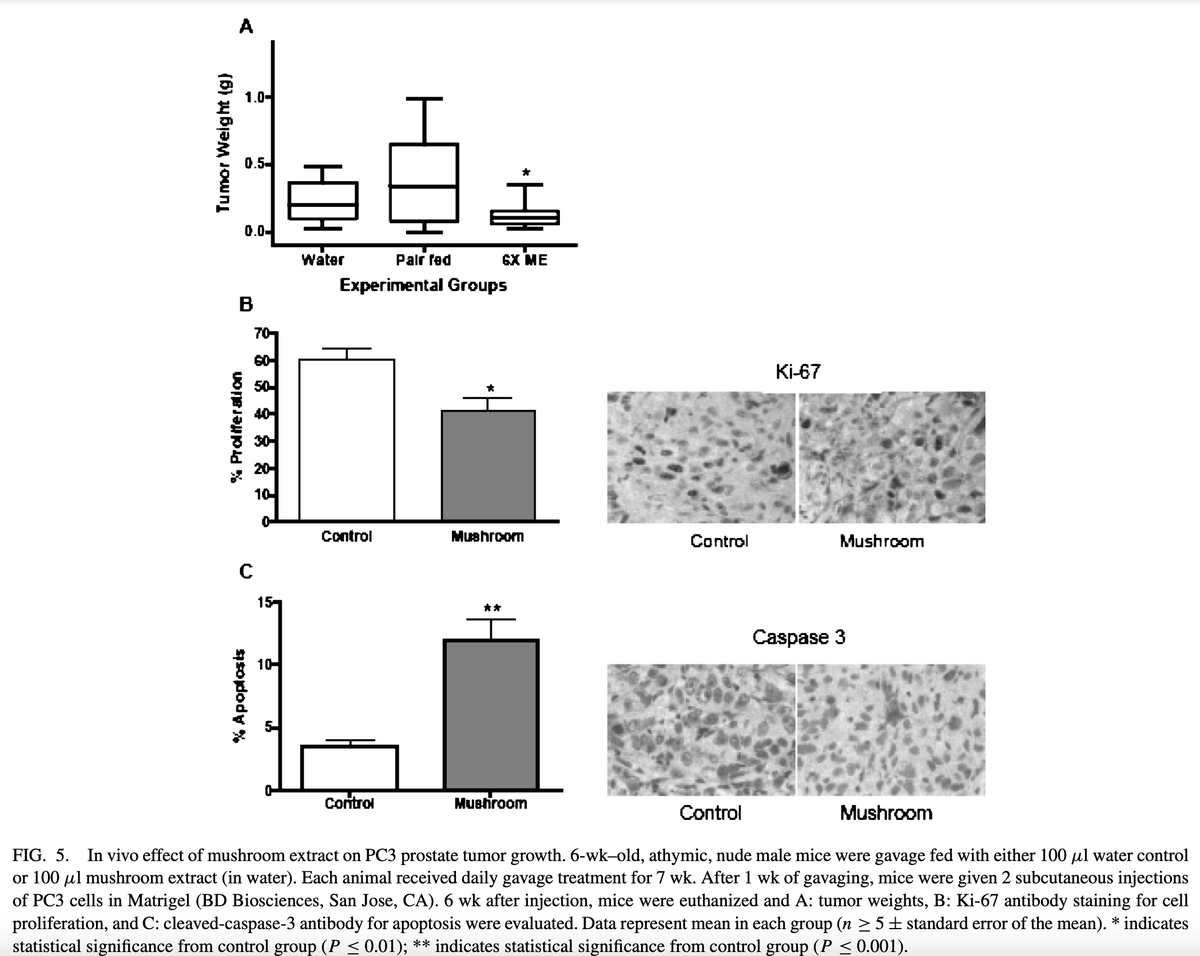
Common mushrooms prevent cancer.
The white button mushroom was able to reduce:
· Tumor weight
· Cancer proliferation
while promoting cancer cell death.
They contain various compounds with antioxidant, anti-inflammatory & immune regulatory ability.
The white button mushroom was able to reduce:
· Tumor weight
· Cancer proliferation
while promoting cancer cell death.
They contain various compounds with antioxidant, anti-inflammatory & immune regulatory ability.
Mushrooms massively lower cancer risk.
Just 18g mushrooms per day is associated with a 45% reduction in all cancer risk.
More shrooms, less cancer.
Just 18g mushrooms per day is associated with a 45% reduction in all cancer risk.
More shrooms, less cancer.

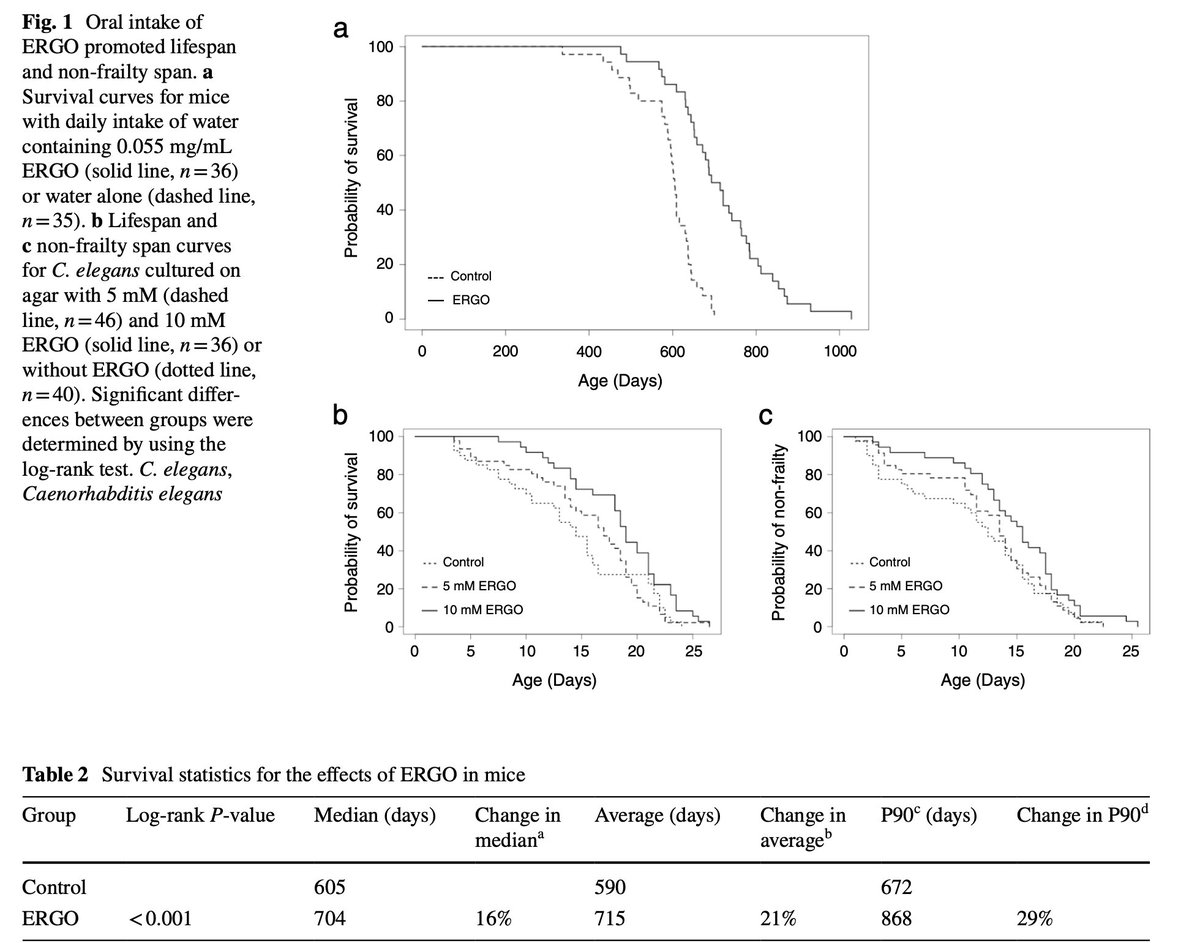
In fact, mushrooms extend lifespan by over 20%.
Ergothioneine is a compound found almost exclusively in mushrooms,
and its levels in the body decrease with age.
Giving it to animals is incredible for their longevity.
Ergothioneine is a compound found almost exclusively in mushrooms,
and its levels in the body decrease with age.
Giving it to animals is incredible for their longevity.
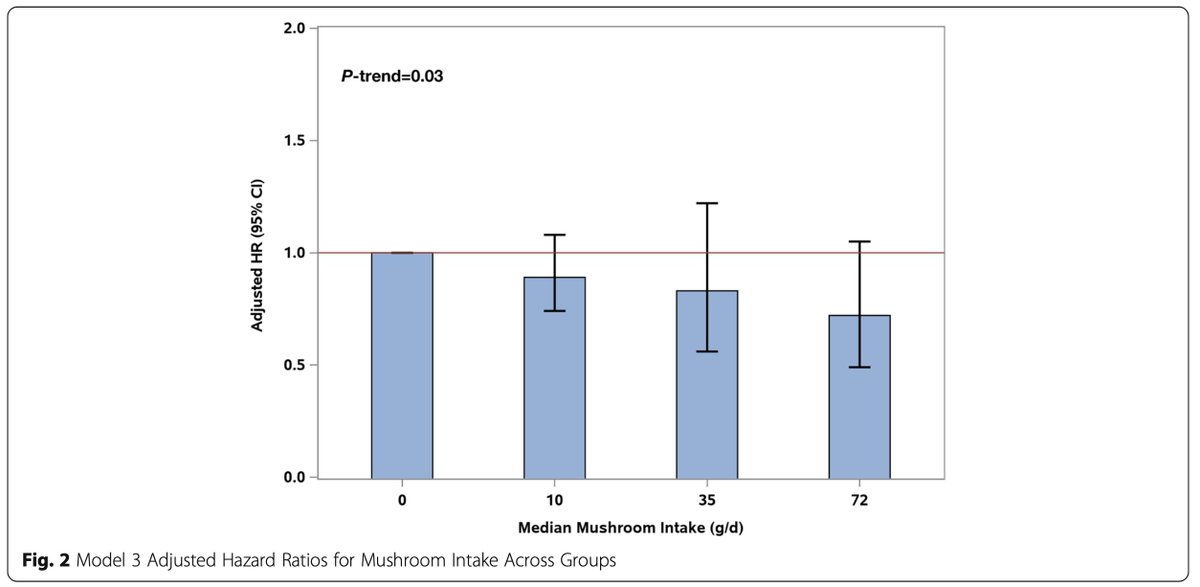
This is true in humans too - the more mushrooms you eat, the less likely you are to die.
Full stop.
Full stop.
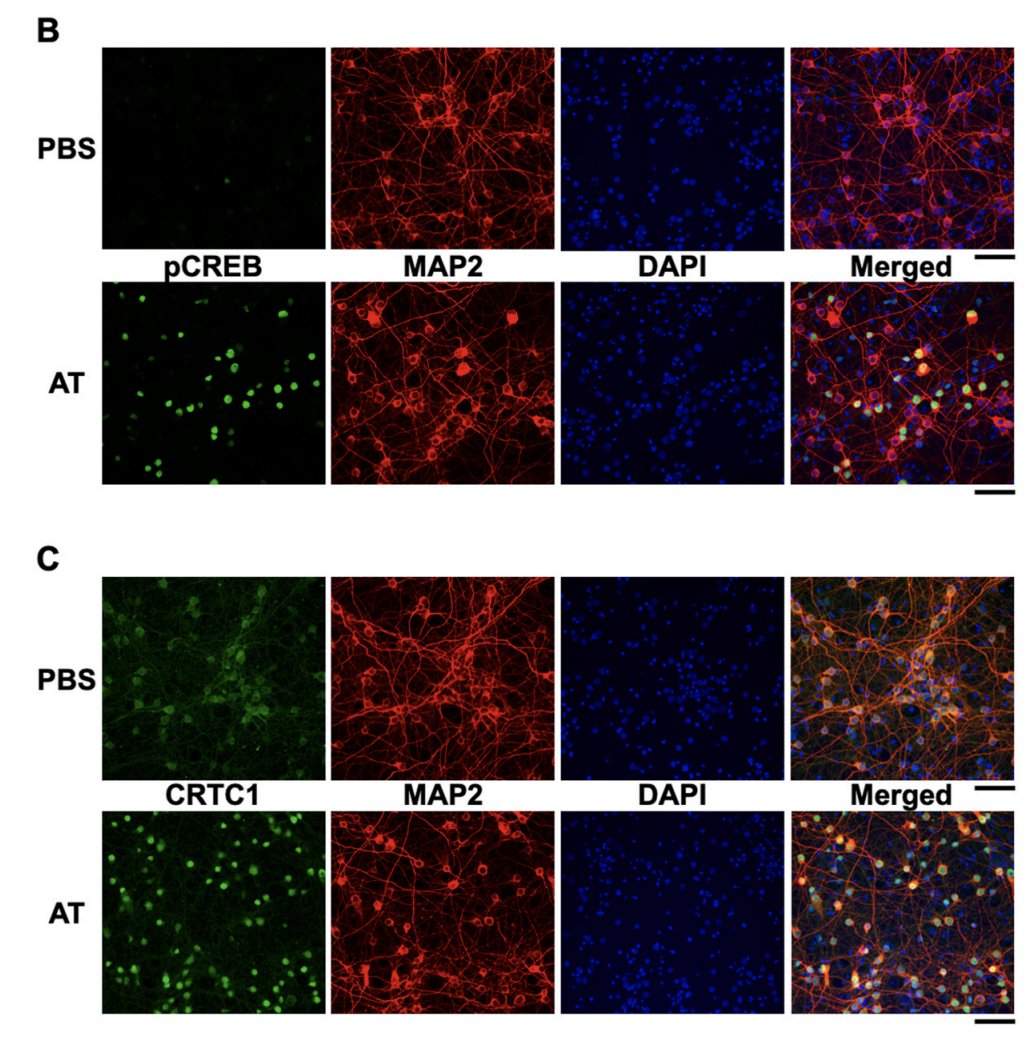
Mushrooms regenerate the brain.
Ergothioneine (AT) increases:
🧠 BDNF - stimulates brain cell growth
🧠 Microtubules (MAP2) - proteins that help structure the brain
🧠 CREB - a master regulator that controls dopamine synthesis
Thus, it protects neurons from death.
Ergothioneine (AT) increases:
🧠 BDNF - stimulates brain cell growth
🧠 Microtubules (MAP2) - proteins that help structure the brain
🧠 CREB - a master regulator that controls dopamine synthesis
Thus, it protects neurons from death.
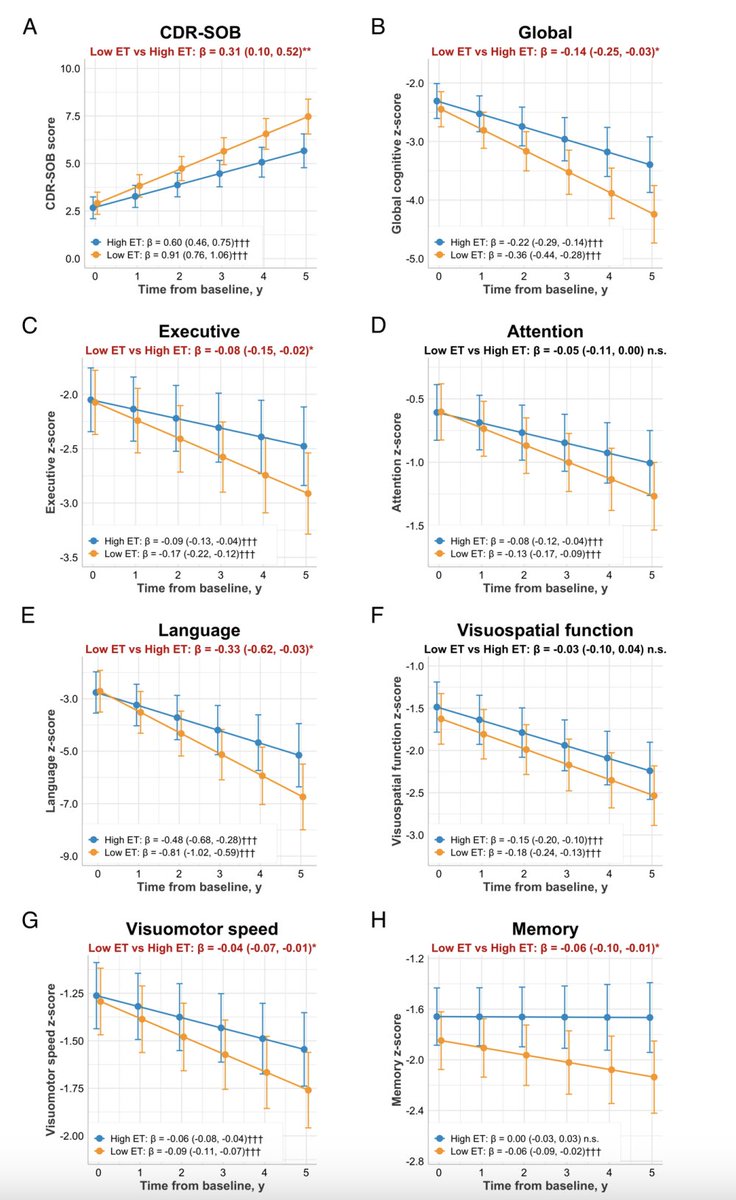
Once again, we see that eating more mushrooms is better.
Just a few of mushrooms / week cuts the risk of Alzheimer's by up to 75%!
Just a few of mushrooms / week cuts the risk of Alzheimer's by up to 75%!

More mushrooms = better cognitive function.
The levels of ergothioneine parallel mushroom intake, and predict better:
◉ Executive function
◉ Attention
◉ Language
◉ Visuospatial function + speed
◉ Memory
with age.
The levels of ergothioneine parallel mushroom intake, and predict better:
◉ Executive function
◉ Attention
◉ Language
◉ Visuospatial function + speed
◉ Memory
with age.
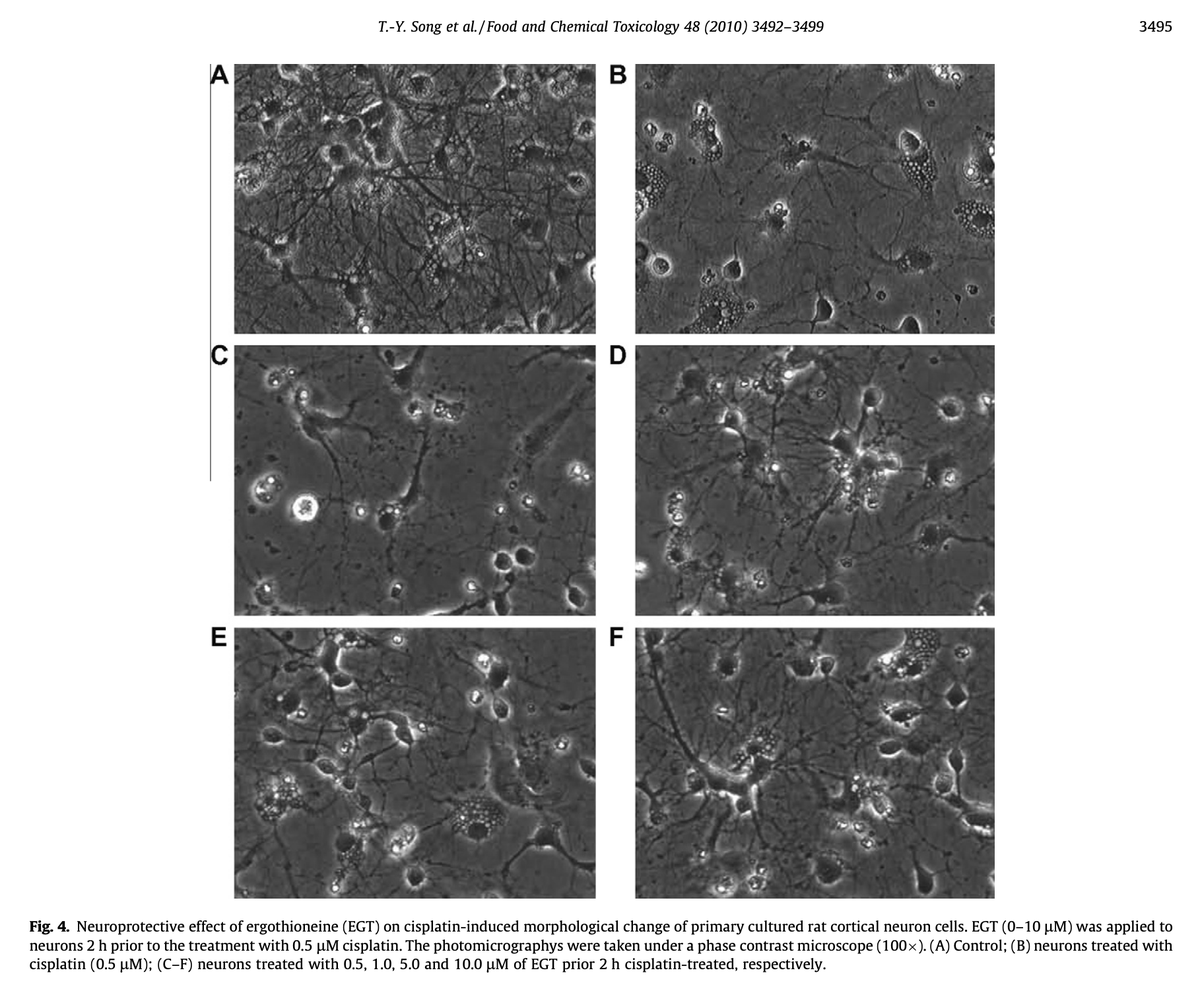
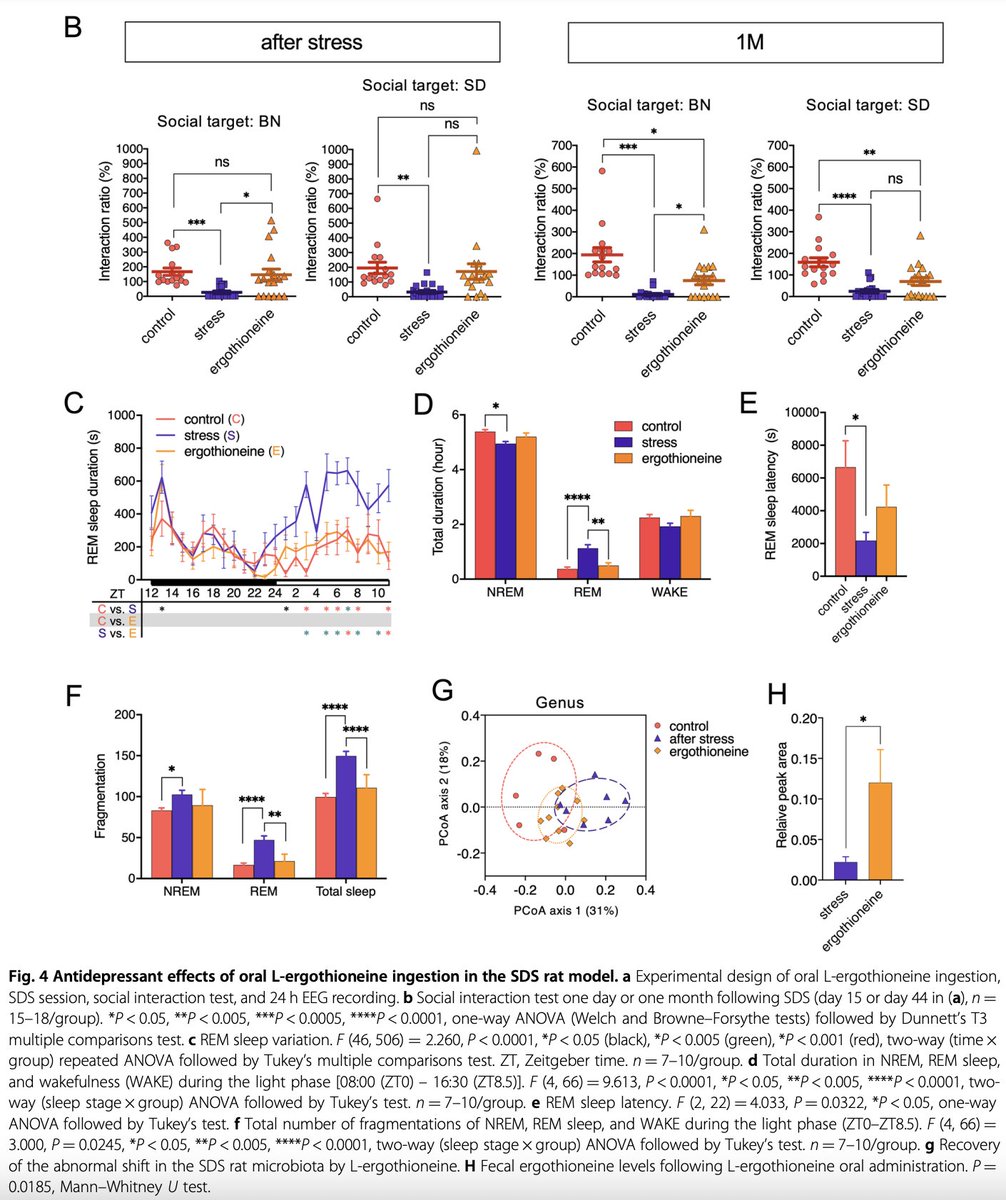
Mushrooms prevent depression & sleep issues.
Ergothioneine, found in all types of edible mushrooms, has the ability to protect against stress induced:
▻ Depressive symptoms
▻ Sleep disturbances
through its antioxidant & anti-inflammatory properties.
Ergothioneine, found in all types of edible mushrooms, has the ability to protect against stress induced:
▻ Depressive symptoms
▻ Sleep disturbances
through its antioxidant & anti-inflammatory properties.
Mushrooms are protective for the gut, too.
The body has specialized transporters to ensure cells can get ergothioneine.
Without them, the gut becomes fragile and susceptible to damage,
as do other tissues.
For this reason, some believe it is an essential nutrient.
The body has specialized transporters to ensure cells can get ergothioneine.
Without them, the gut becomes fragile and susceptible to damage,
as do other tissues.
For this reason, some believe it is an essential nutrient.

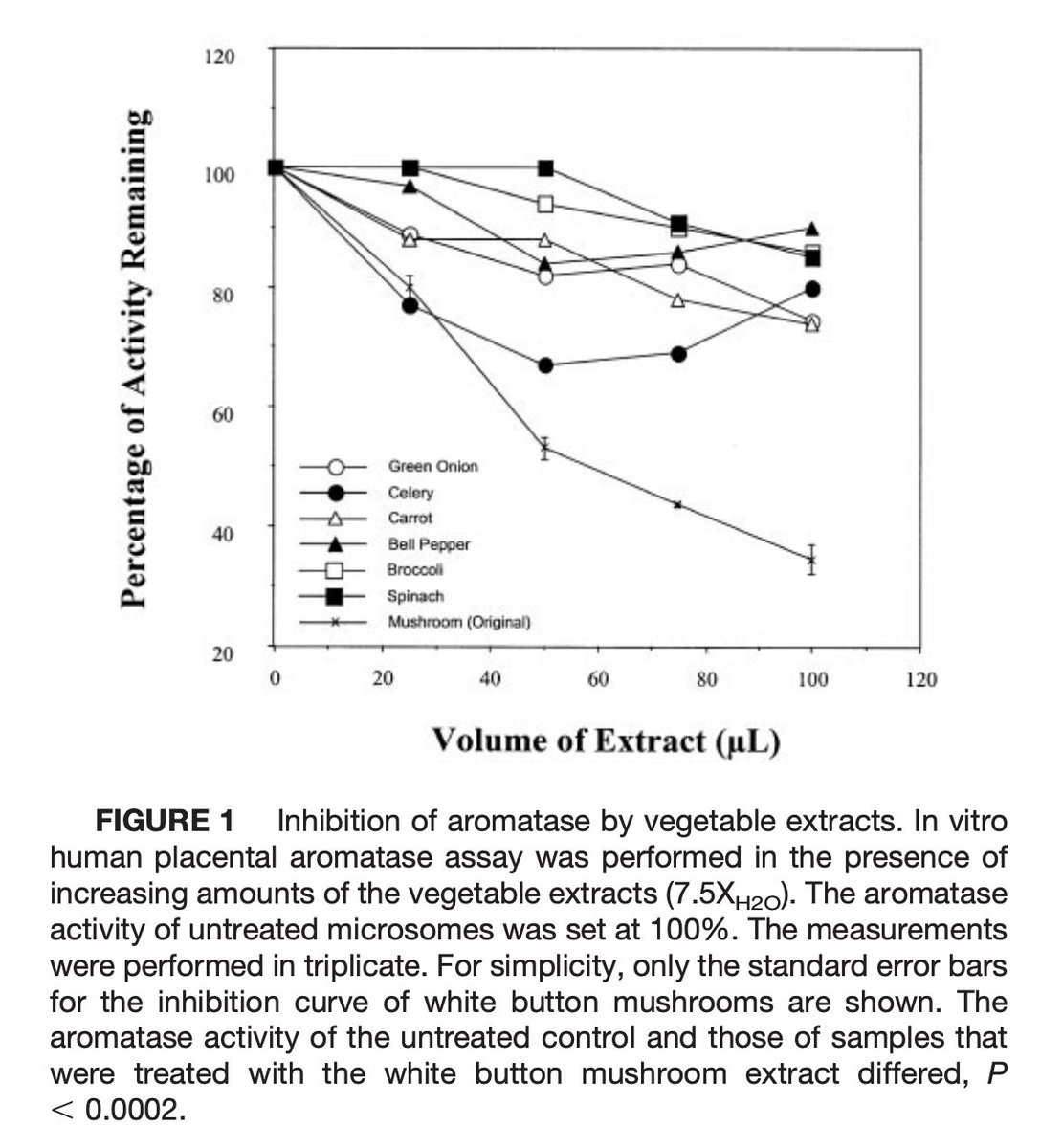
Mushrooms lower estrogen.
Estrogens increase with:
↠ Aging
↠ Fat accumulation
↠ Inflammation
↠ Toxins
and leave us prone to estrogenic excess.
Mushrooms inhibit the conversion of androgens to estrogens, protecting us from estrogen overload.
Estrogens increase with:
↠ Aging
↠ Fat accumulation
↠ Inflammation
↠ Toxins
and leave us prone to estrogenic excess.
Mushrooms inhibit the conversion of androgens to estrogens, protecting us from estrogen overload.
Mushrooms even protect the skin from UV damage.
Owing to ergothioneine's powerful antioxidant role,
skin cells become more resilient to damage, allowing us to get the sun we need while minimizing risk.
Owing to ergothioneine's powerful antioxidant role,
skin cells become more resilient to damage, allowing us to get the sun we need while minimizing risk.

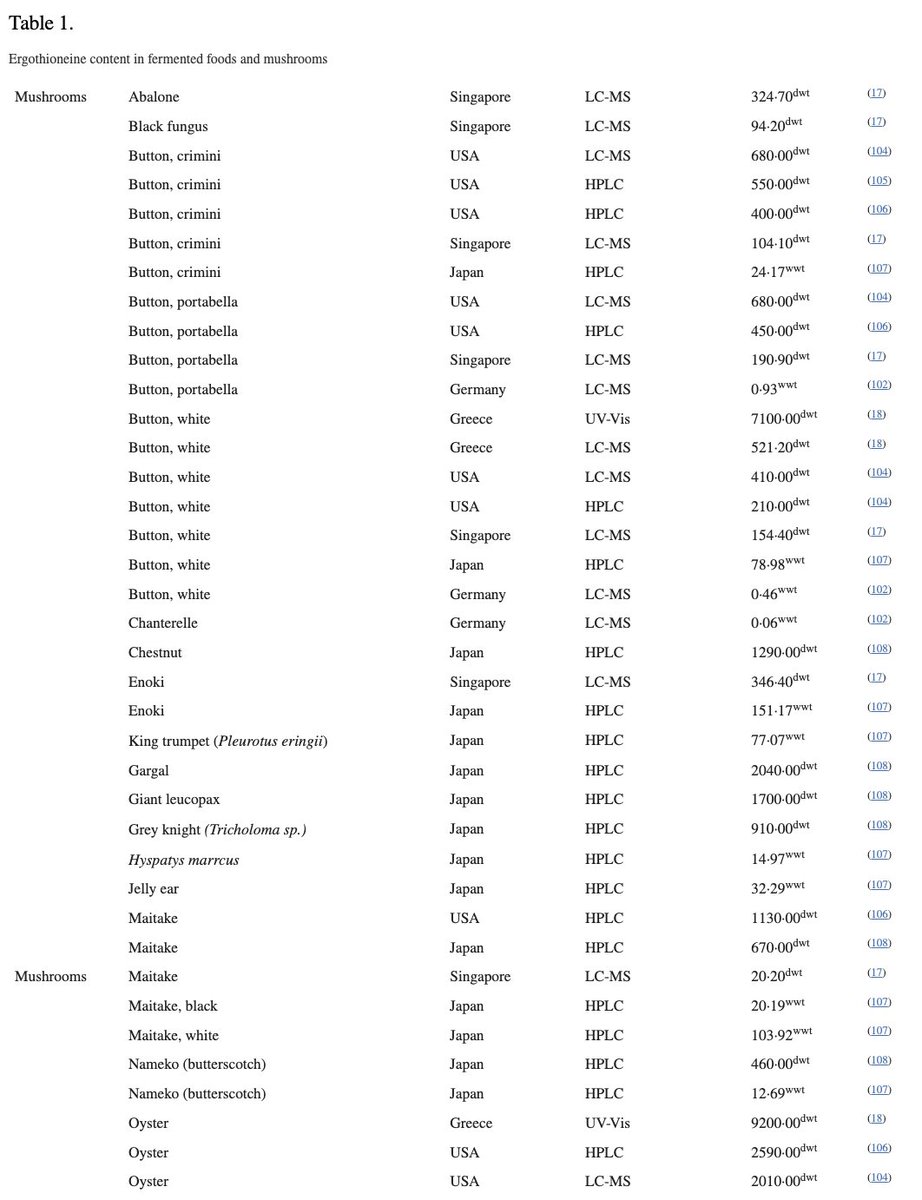
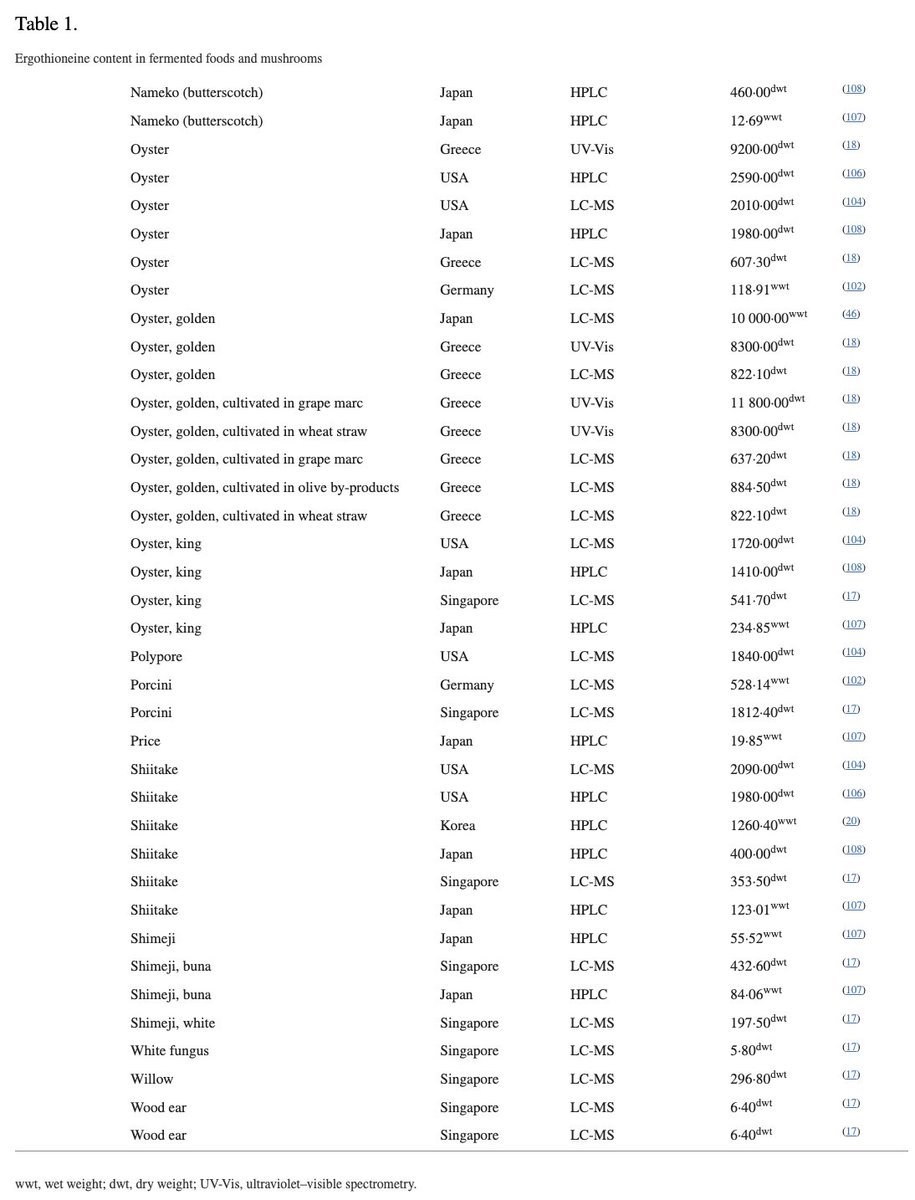
TYPES / AMOUNTS OF MUSHROOMS:
The amounts of ergothioneine in mushrooms vary quite substantially, but it is present in all mushrooms.
𓋼 Oyster mushrooms are the most concentrated
𓋼 Shiitake seem to be next
𓋼 White button has plenty + estrogen lowering compounds.
You really only do need a handful of them a day (cooked), to get lots of ergothioneine.
Even 1-2 times per week can reap huge benefits and increase ergothioneine status.
The amounts of ergothioneine in mushrooms vary quite substantially, but it is present in all mushrooms.
𓋼 Oyster mushrooms are the most concentrated
𓋼 Shiitake seem to be next
𓋼 White button has plenty + estrogen lowering compounds.
You really only do need a handful of them a day (cooked), to get lots of ergothioneine.
Even 1-2 times per week can reap huge benefits and increase ergothioneine status.
Mushrooms are AWESOME, but they won't be enough to fully achieve your health goals.
If YOU want personalized help from us with your health, click where it says “schedule a free call” here: prism.miami
If YOU want personalized help from us with your health, click where it says “schedule a free call” here: prism.miami
• • •
Missing some Tweet in this thread? You can try to
force a refresh