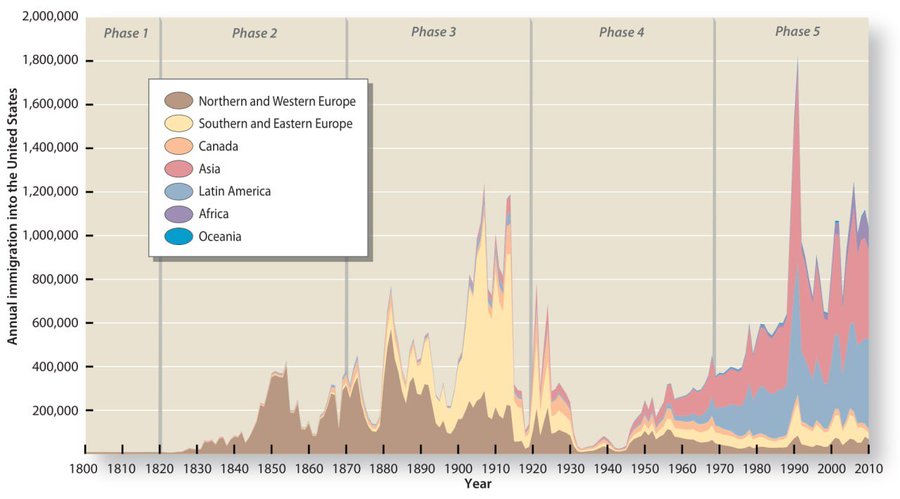
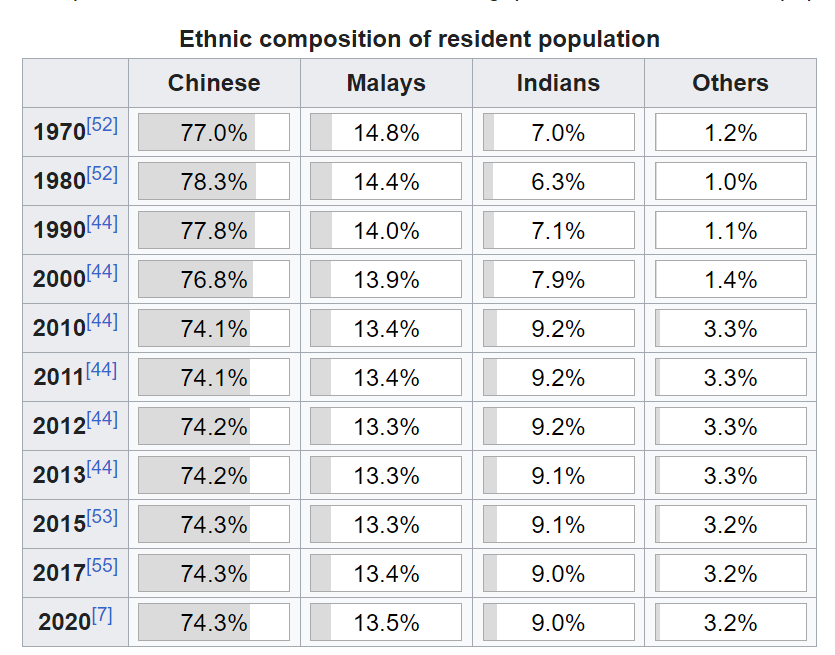
Singapore's immigration policy is (1) selective and (2) designed to maintain the ethnic balance of the country. The closest American equivalent is the Quota Act of 1924, cutting off almost all immigration outside of Northwest Europe. We should try that again.
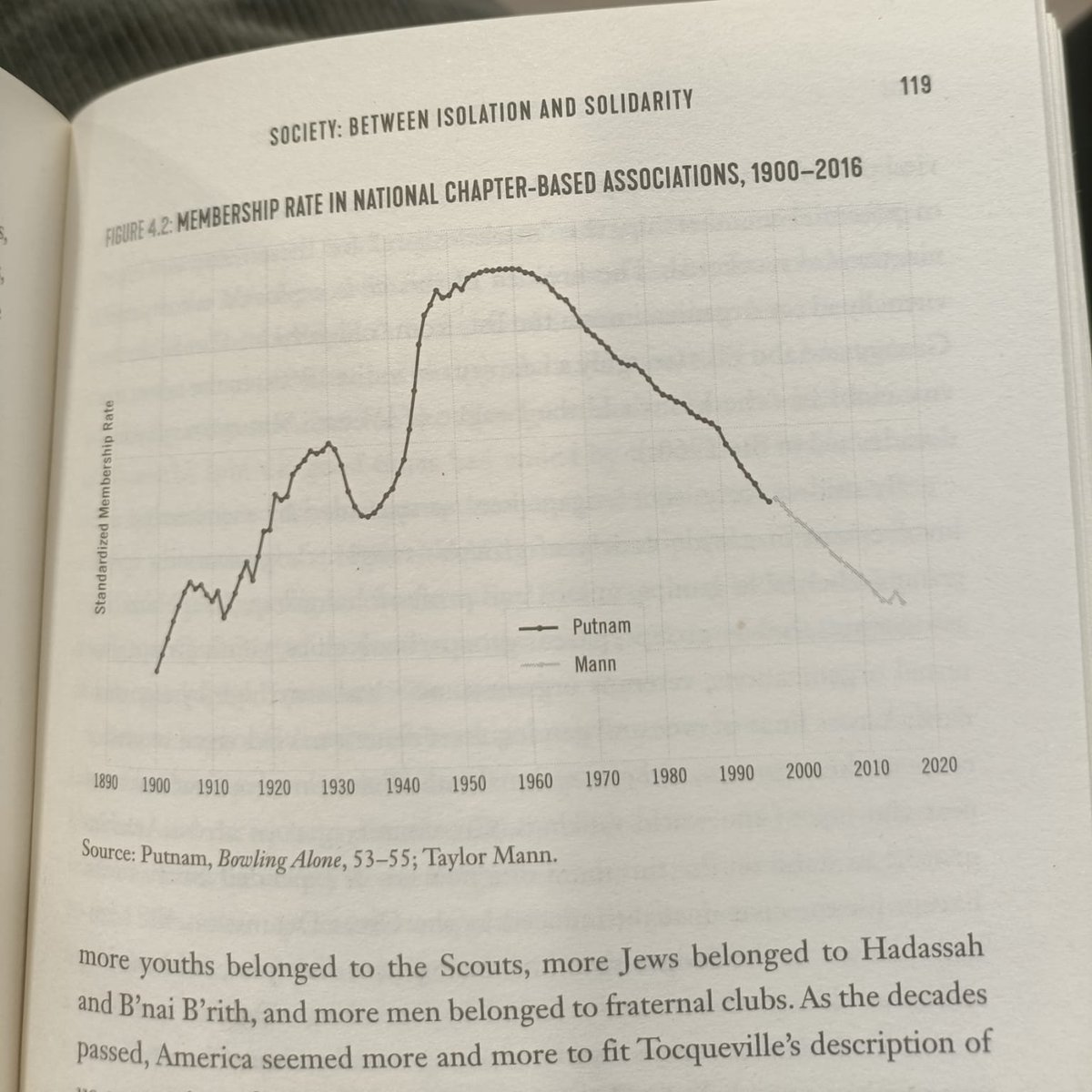
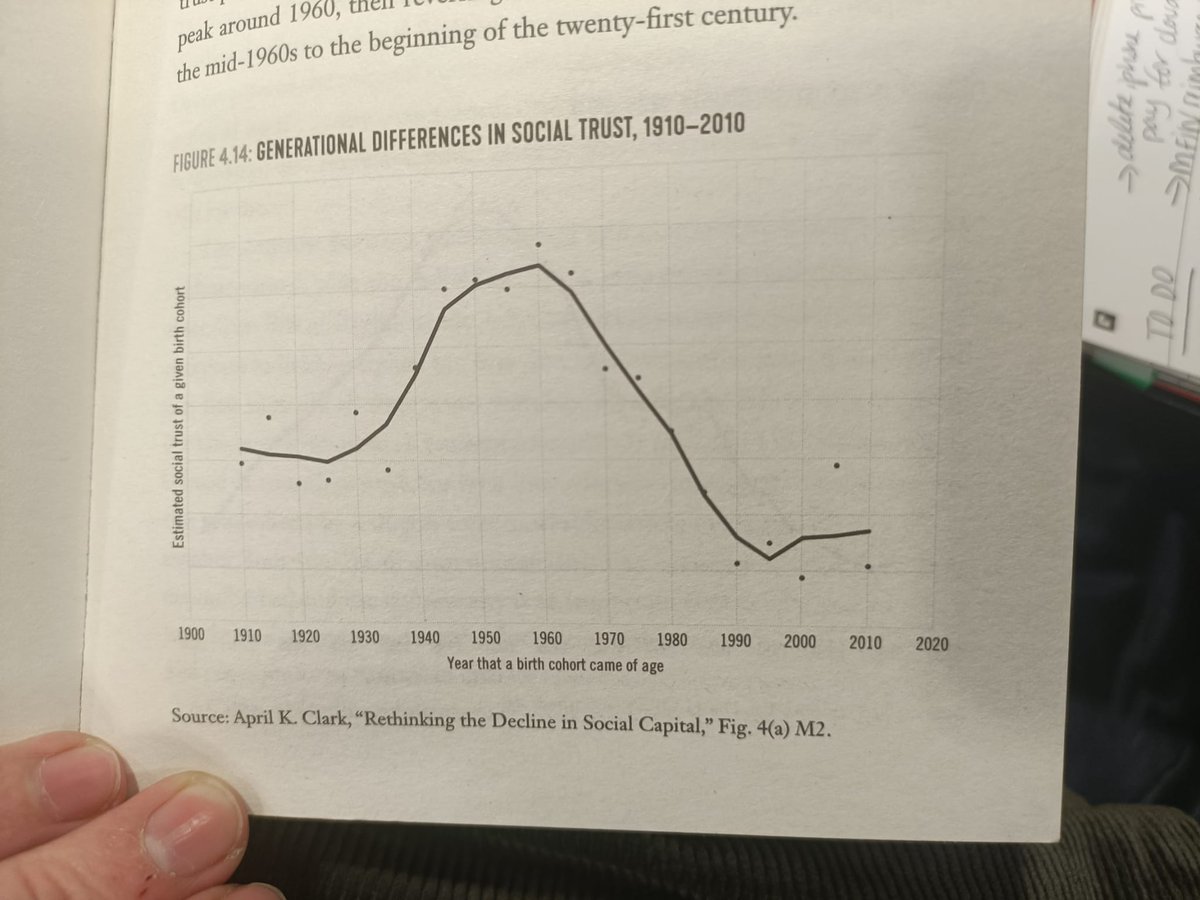
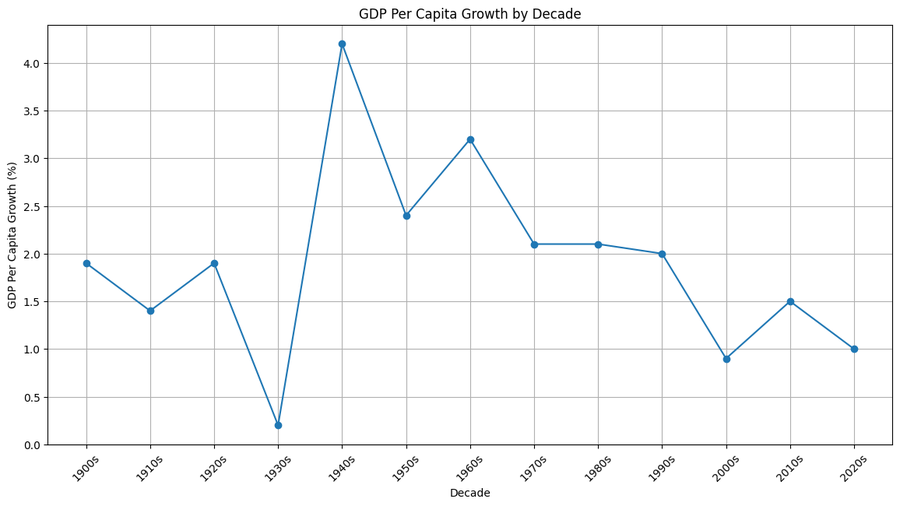
I believe the lack of ethnic-conflict promoting immigration was very important for the American Golden Age of 1945-65, during which the country won WW2, invented had the fastest economic growth in its history, expanded via the Baby Boom, and enjoyed unprecedented social capital.
• • •
Missing some Tweet in this thread? You can try to
force a refresh

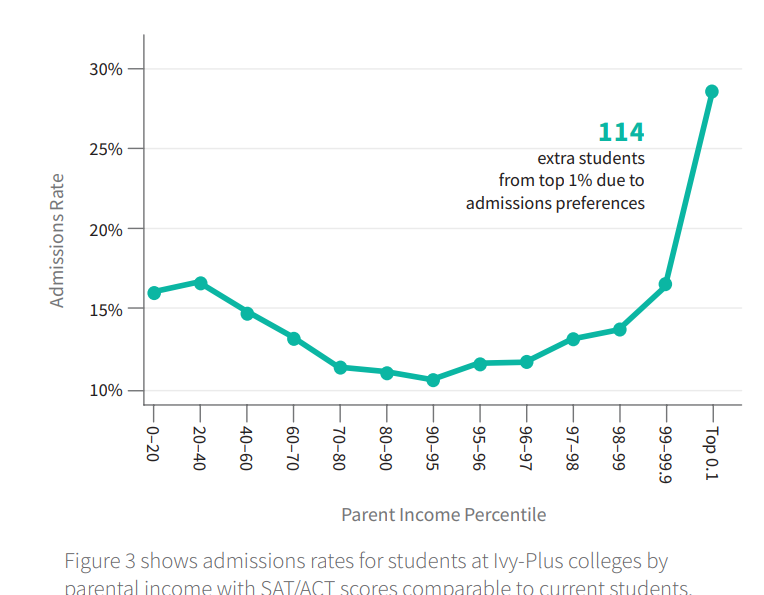
Very strongly disagree. I don't think class is a very important point of conflict today (race >> sex/age >> class), but to the extent it is, the upper-middle class (say 80th-99th percentile) has a lot to benefit from RW politics. First, Affirmative Action screws this group.
Second, Asian immigration. Asian immigrants mostly compete with this group, and have driven an extreme (and much lamented) intensification of the education rat race in the 21st century. Restricting it (needed for political reasons anyways) would greatly benefit the UMC.
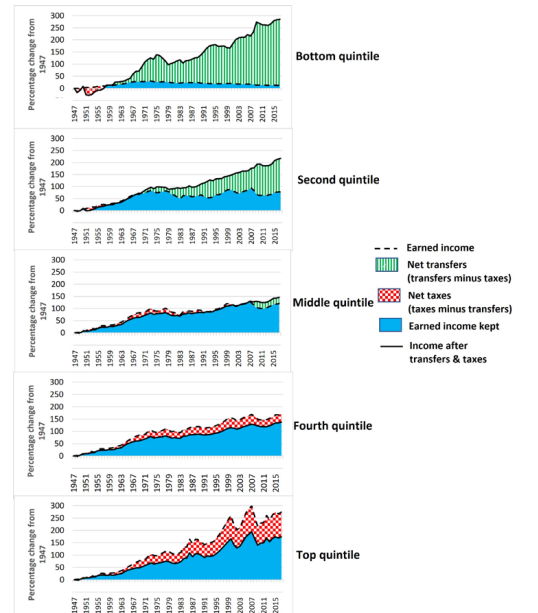
Third, income tax - this group makes a lot of money, but it's mostly income, not capital gains, and thus it suffers a lot from America's extremely progressive taxation system.
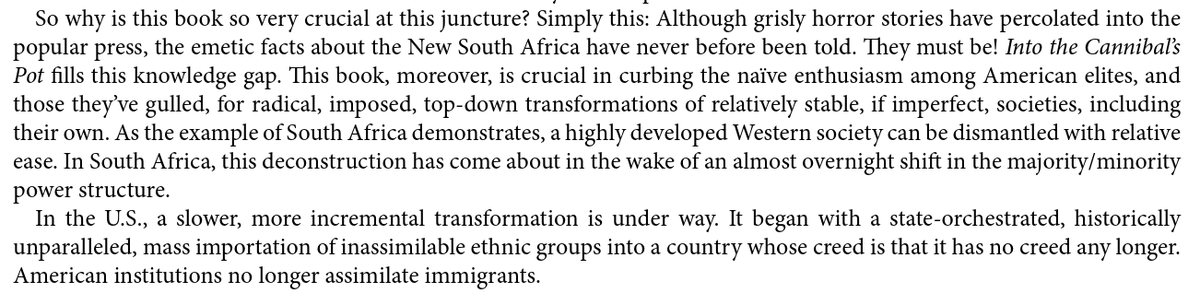
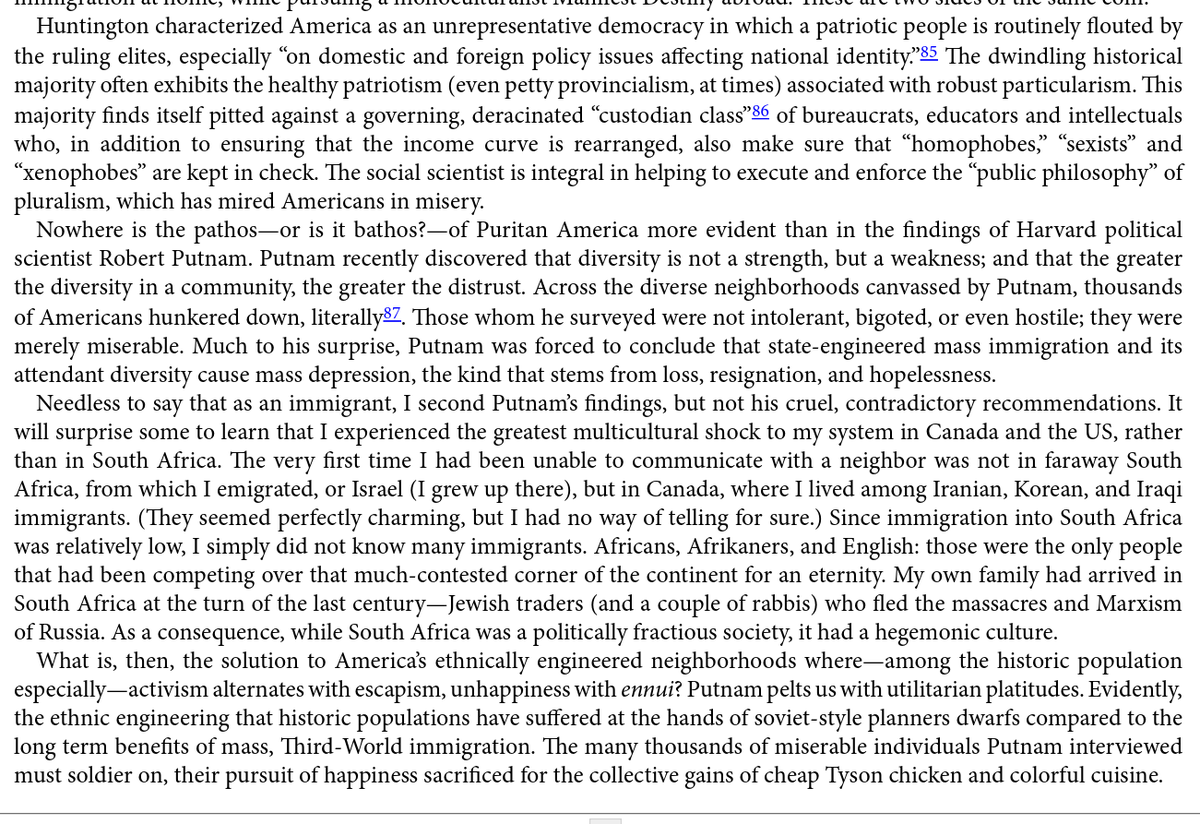
Book thread on "Into the Cannibal's Pot", written in 2011 (pre-Great Awokening) on post-apartheid South Africa and its relevance to America, by the daughter of an important anti-apartheid activist.
Mercer directly compares the ethnic transformation of America via Hart-Celler to the turnover of the state to the ANC in South Africa. Same process, just slower. She is very hostile to both Hart-Celler and Civil Rights.
The book is full of incredibly vicious crime stories. One of reminded of how over-the-top horrific black-on-white crimes in the US tend to be.
Book thread on "The Billionaire's Apprentice," by Anita Raghavan, an Indian-American journalist. It chronicles the rise and fall of three-time McKinsey director and Goldman-Sachs board member Rajat Gupta and billionaire hedge fund manager Raj Rajaratnam. (1/n)
Raghavan refers to Rajat's generation as the "twice-blessed," benefitting from both the end of the Raj and the passing of the Hart-Celler act of 1965, which allowed them to escape their newly independent homeland and come to the US instead, where they quickly rose to the top.
The book spends some time chronicling the ethnic divisions in NY finance and business. There was a WASP ethnic clique and a Jewish one, and the newly arriving Indians quickly set up their own. The usual process was firms beginning to hire Indians to get a leg up on...
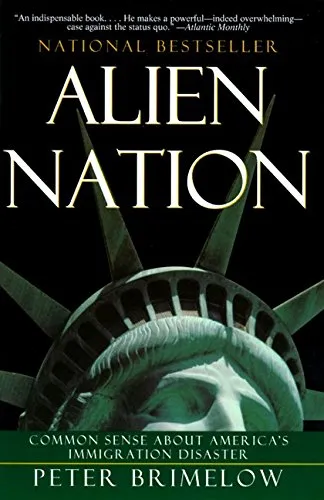
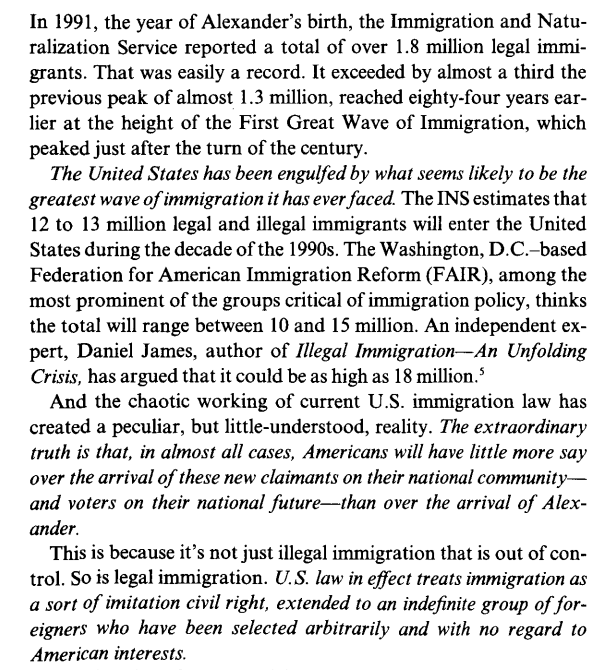
Book thread on @peterbrimelow's Alien Nation. This book was published in 1995, but unfortunately it is still relevant almost 30 years later. If anything, it was too optimistic.
It is not just illegal immigration that is out of control; legal immigration is too. Immigration is in effect an imitation civil right, extended indefinitely to a group of foreigners selected arbitrarily and without regard to American interests.
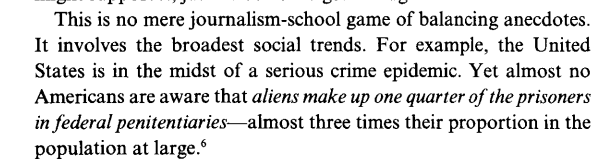
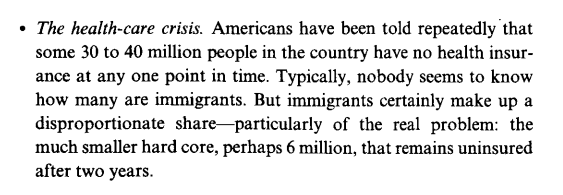
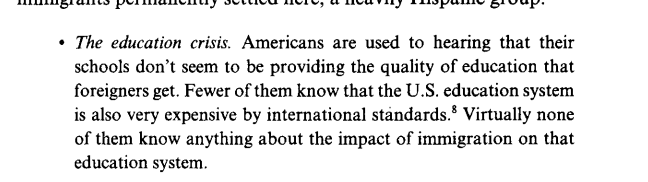
Many other issues (crime, healthcare, education) have an unspoken immigration dimension.
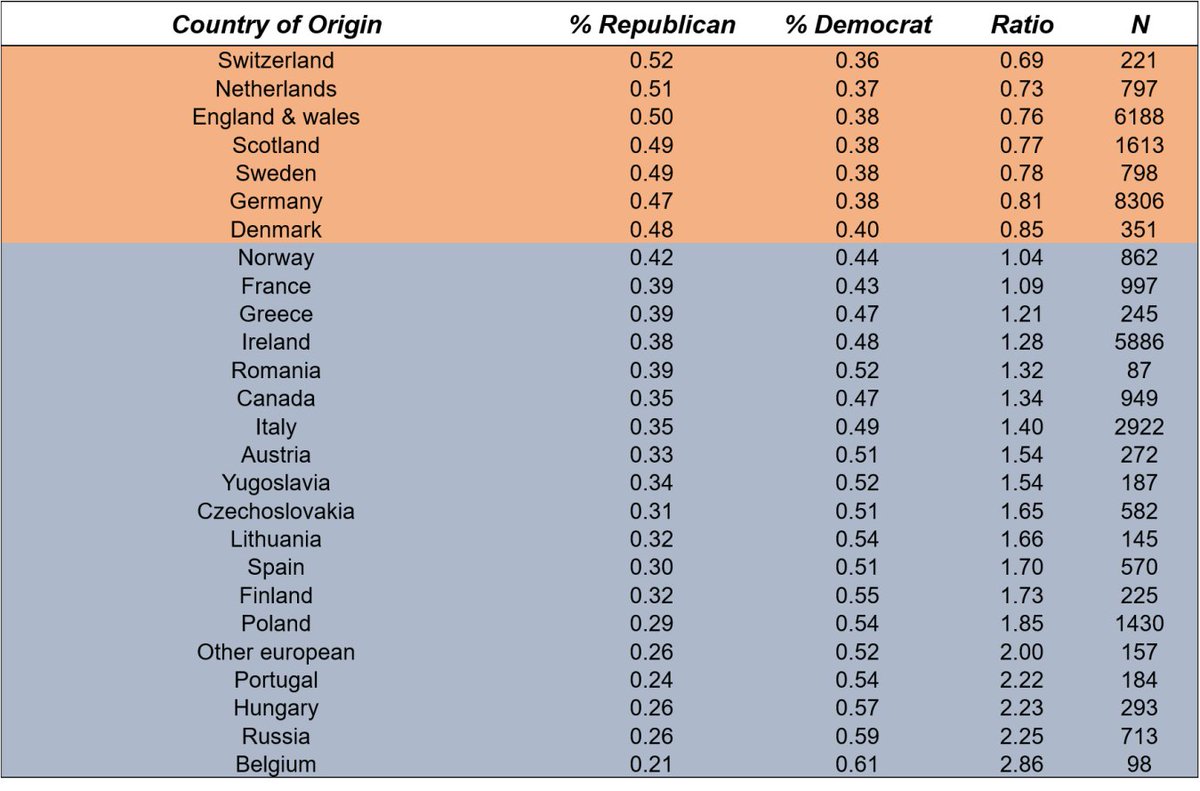
Sean Last has correctly pointed out that Ellis Islander assimilation is mostly a myth, at least politically. When looking at white ethnic groups, generally only the traditionally Protestant ones are majority (R).
But was a simple partisanship analysis misses is that this is basically a consequence of the Mean Voter Theorem. Whites are still a supermajority of US voters, so the dividing line between parties is among generally leftish white ethnic groups.
If you look at political views (specifically: govt redistribution, free speech, gun ownership, govt regulation, and postmaterialist values), rather than partisanship, there is a clear clustering of white ethnic groups.
Murder rates are often used as proxies for crime rates in international and cross-temporal comparisons because murder definition/reporting is consistent. Other crimes like rape (definition creep) or theft (goes unreported if not likely to be punished) don't have this property.
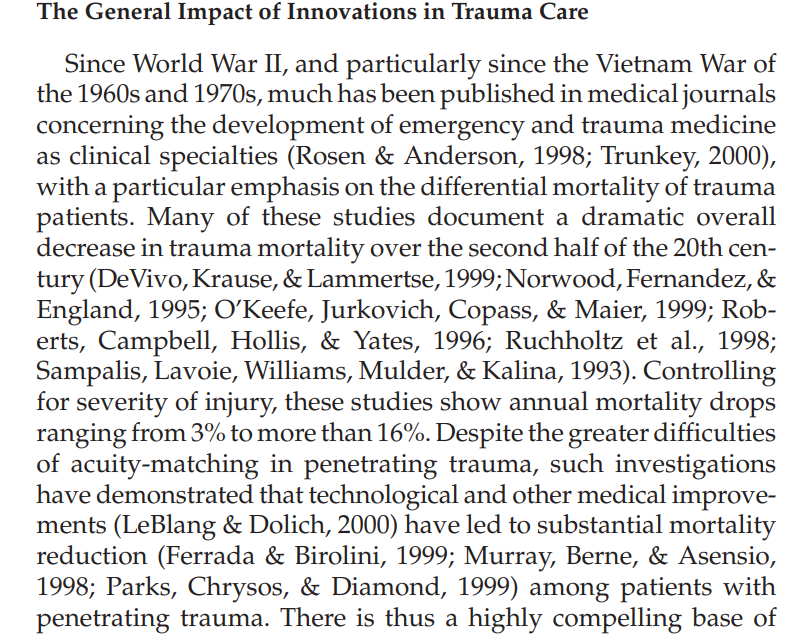
However, medical advances (both in terms of technique and access) have a massive effect on murder rate. Injuries that would kill someone in 1950 are usually treatable today, with huge improvement since the Vietnam war. The gap with pre ~WW2 (before antibiotics!) is even larger.
Note that "improved medical care" doesn't just cover medical tech; transportation and communication improvements are also very important. Getting to the hospital fast leads to massive difference in survival rates. Presumably ubiquitous cell phones make this even quicker today.