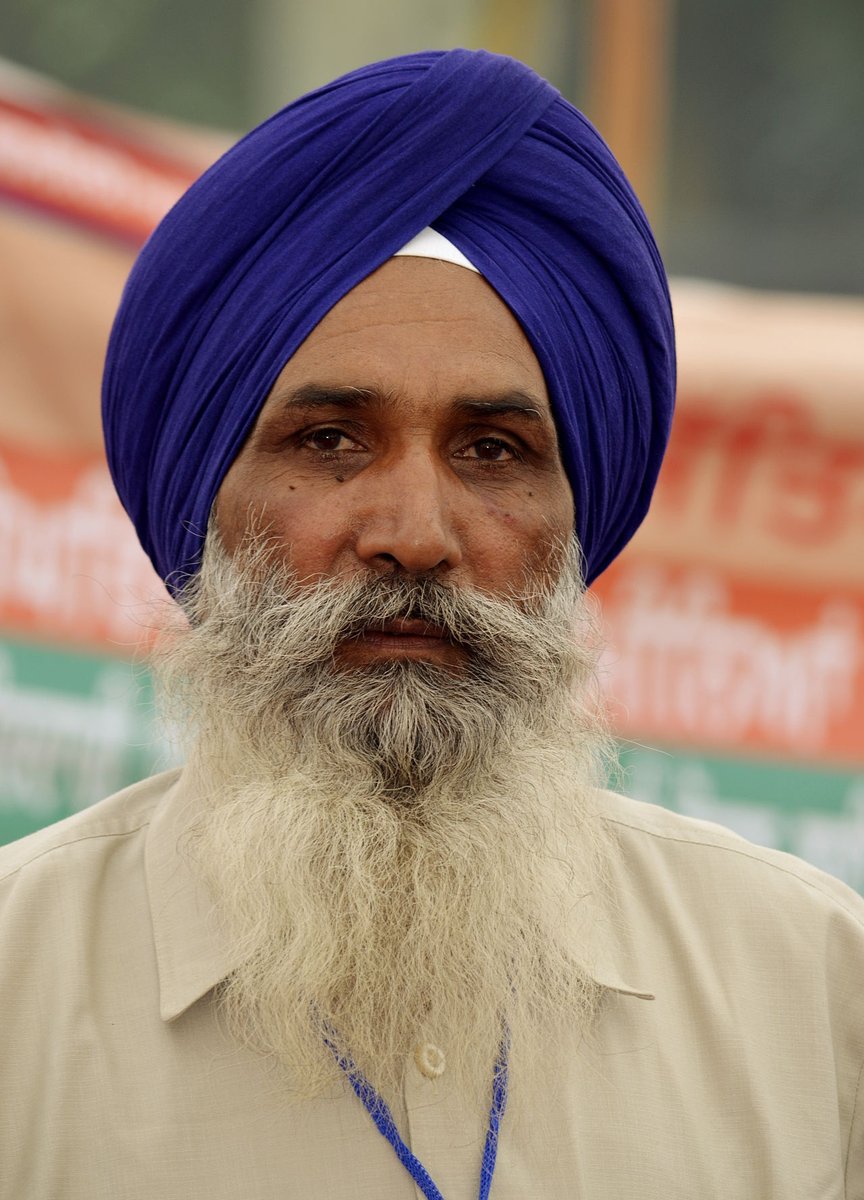
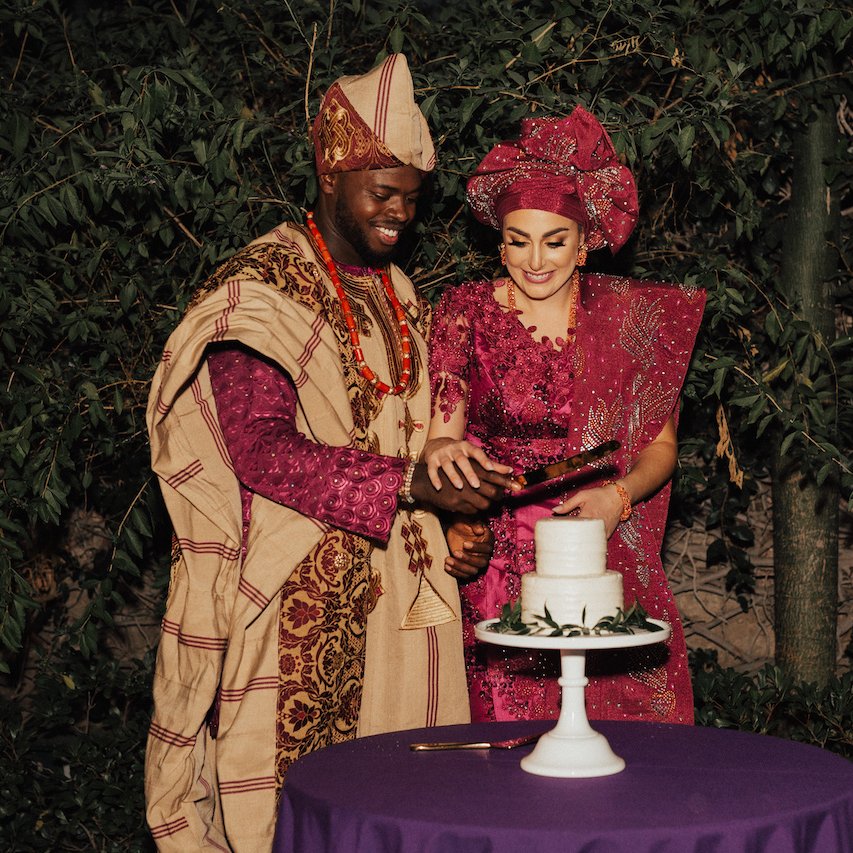
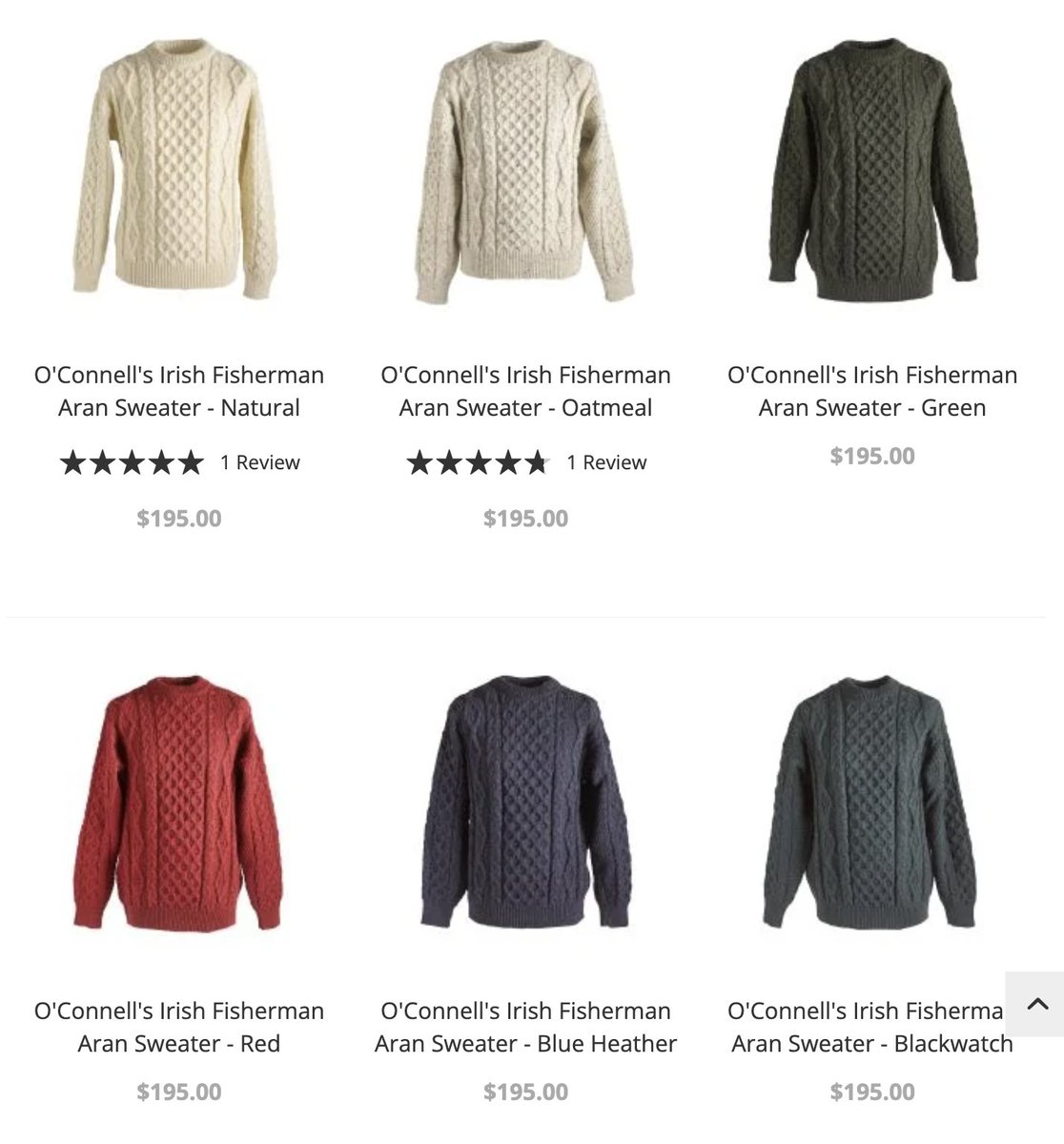
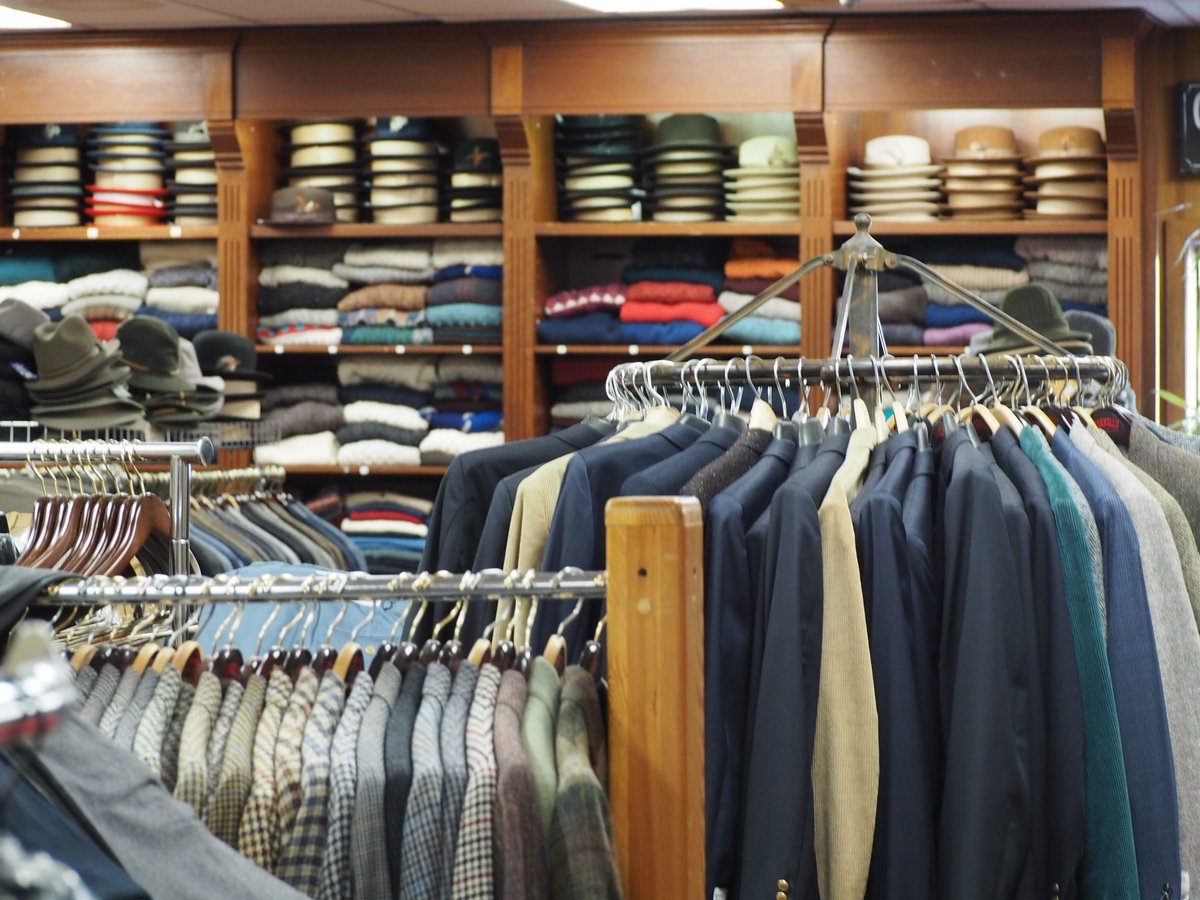
I get a lot of requests to "stick to fashion." IMO, clothing is a kind of social language and you can't understand how to dress better unless you consider the social, cultural, and even political dimension of clothes. 🧵 
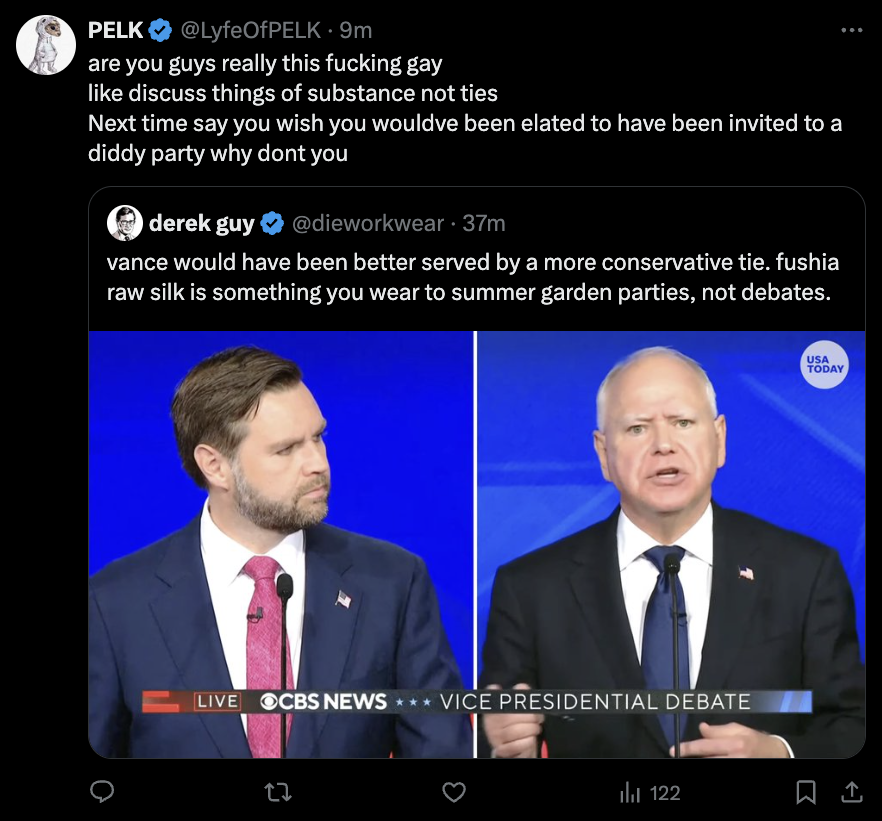
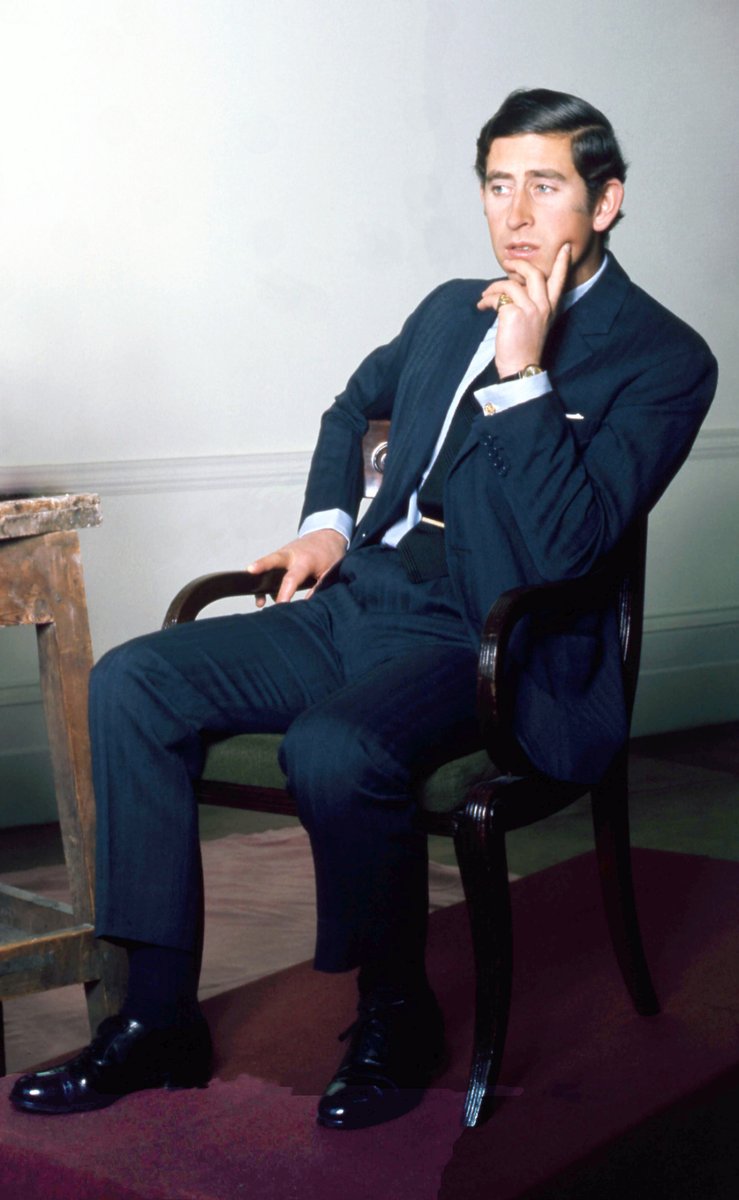
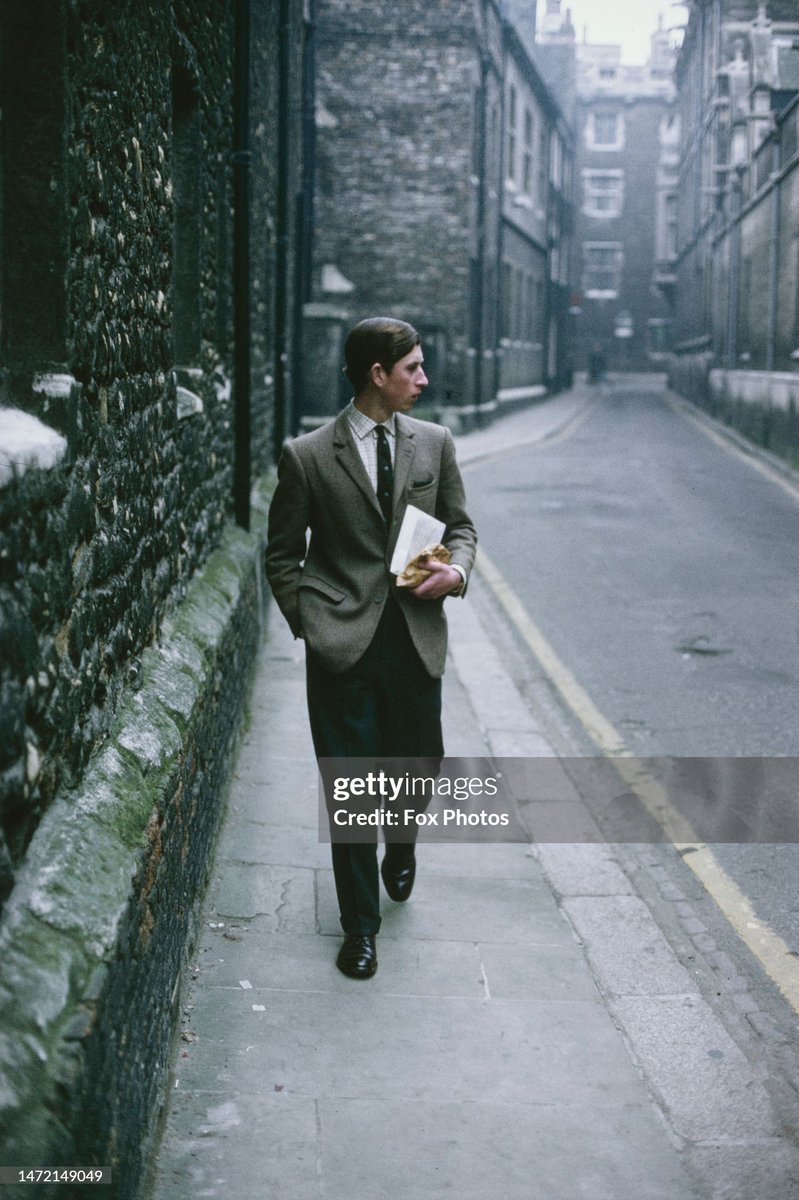
The reason why black oxfords are always "correct" with navy suits, and brown derbies sit comfortably alongside tweed, has nothing to do with color theory. It has to do with our notion of "good taste," which is just the preferences and habits of the ruling class pre-1980.
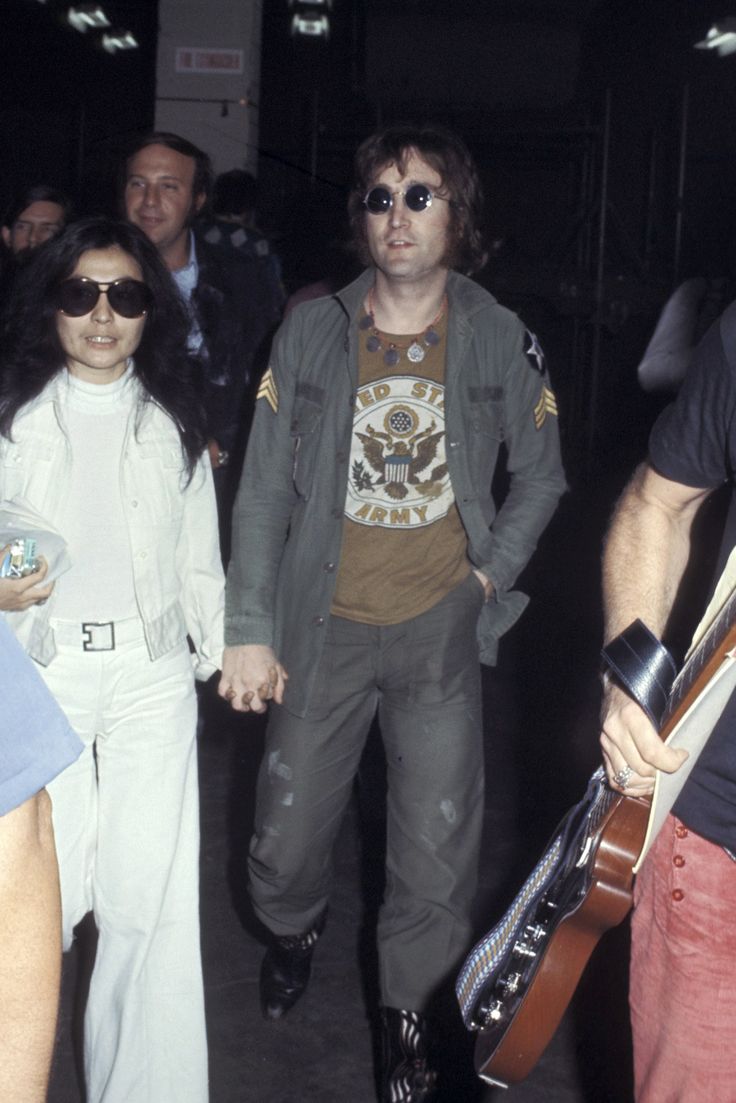
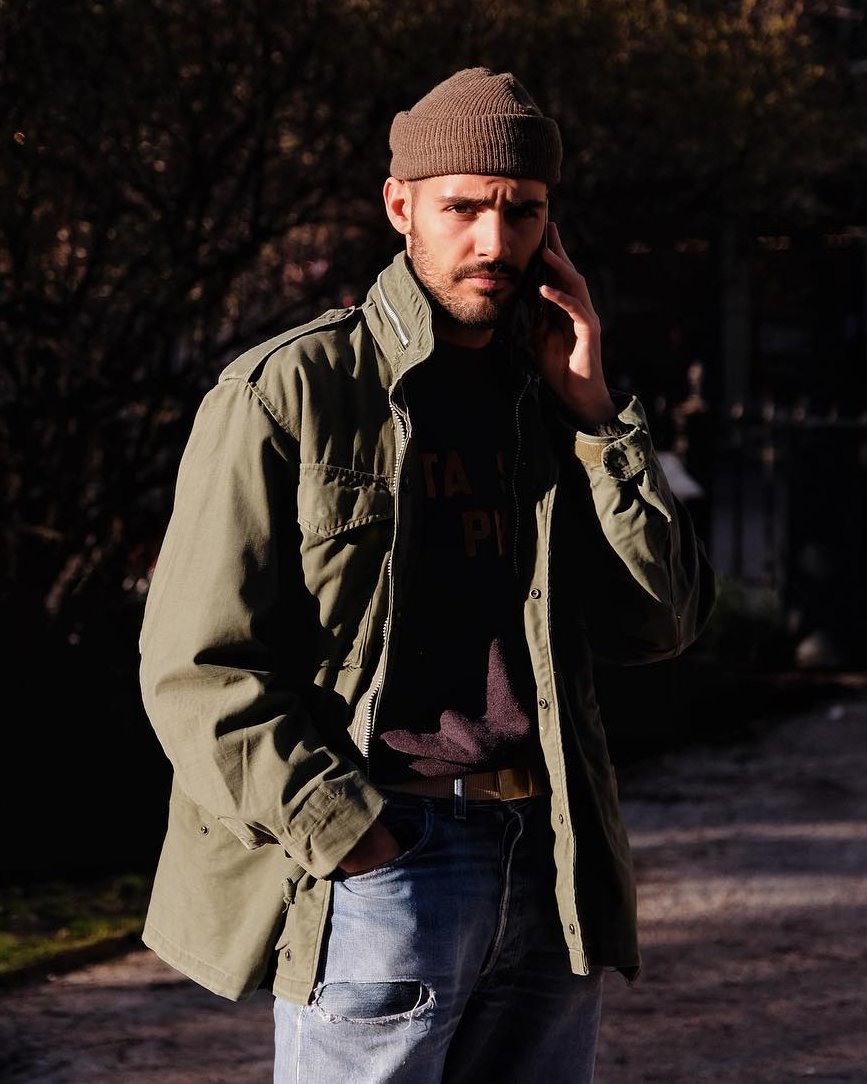
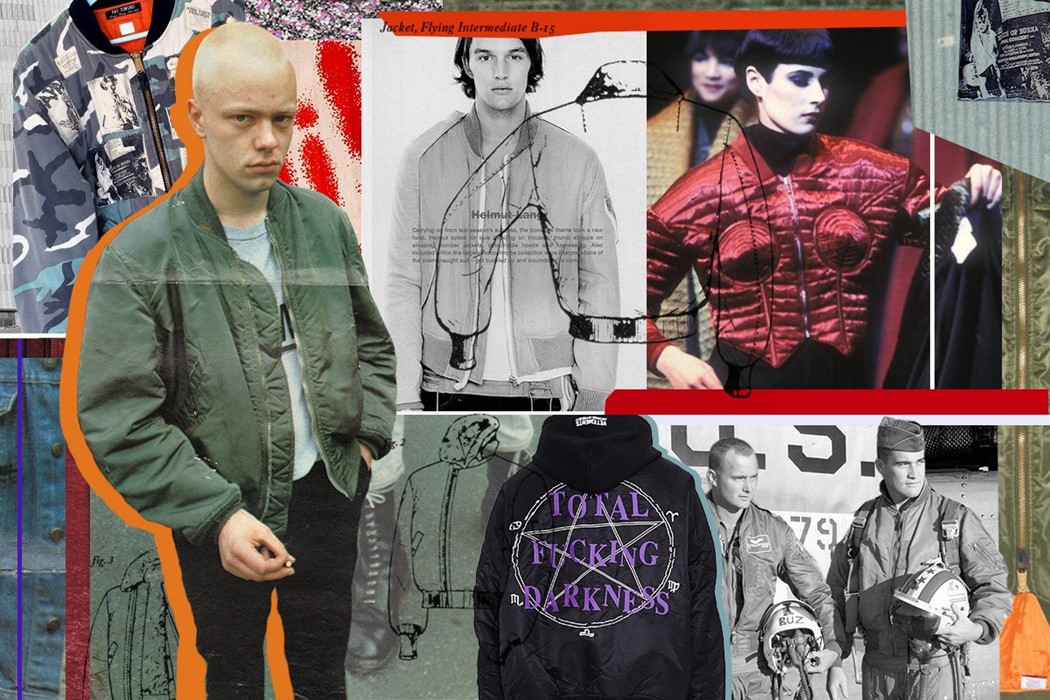
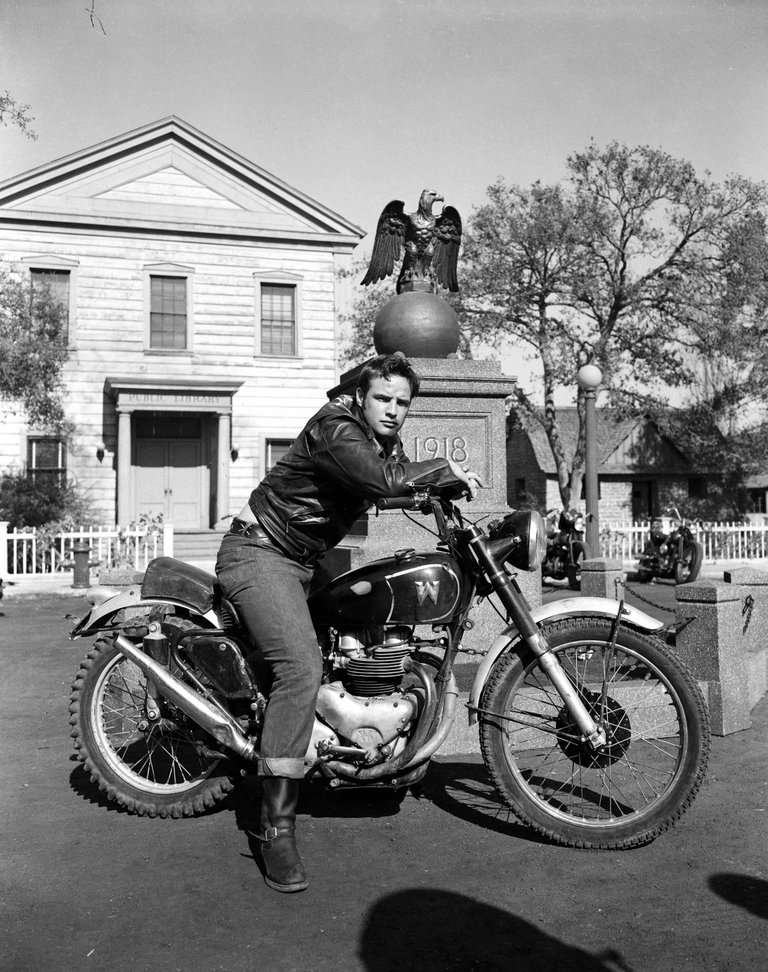
Similarly, the reason why military surplus field jackets— such as the M-43, M-51, and M-65—look good with sweatshirts, jeans, and graphic tees has to do with how anti-authoritarian youths turned Army jackets into a countercultural pose during the 1970s.
If you want to know how to wear a chore coat, you have to go back to the people who originally imbued style with cultural meaning, namely blue collar workers and artists such as Georges Braque.
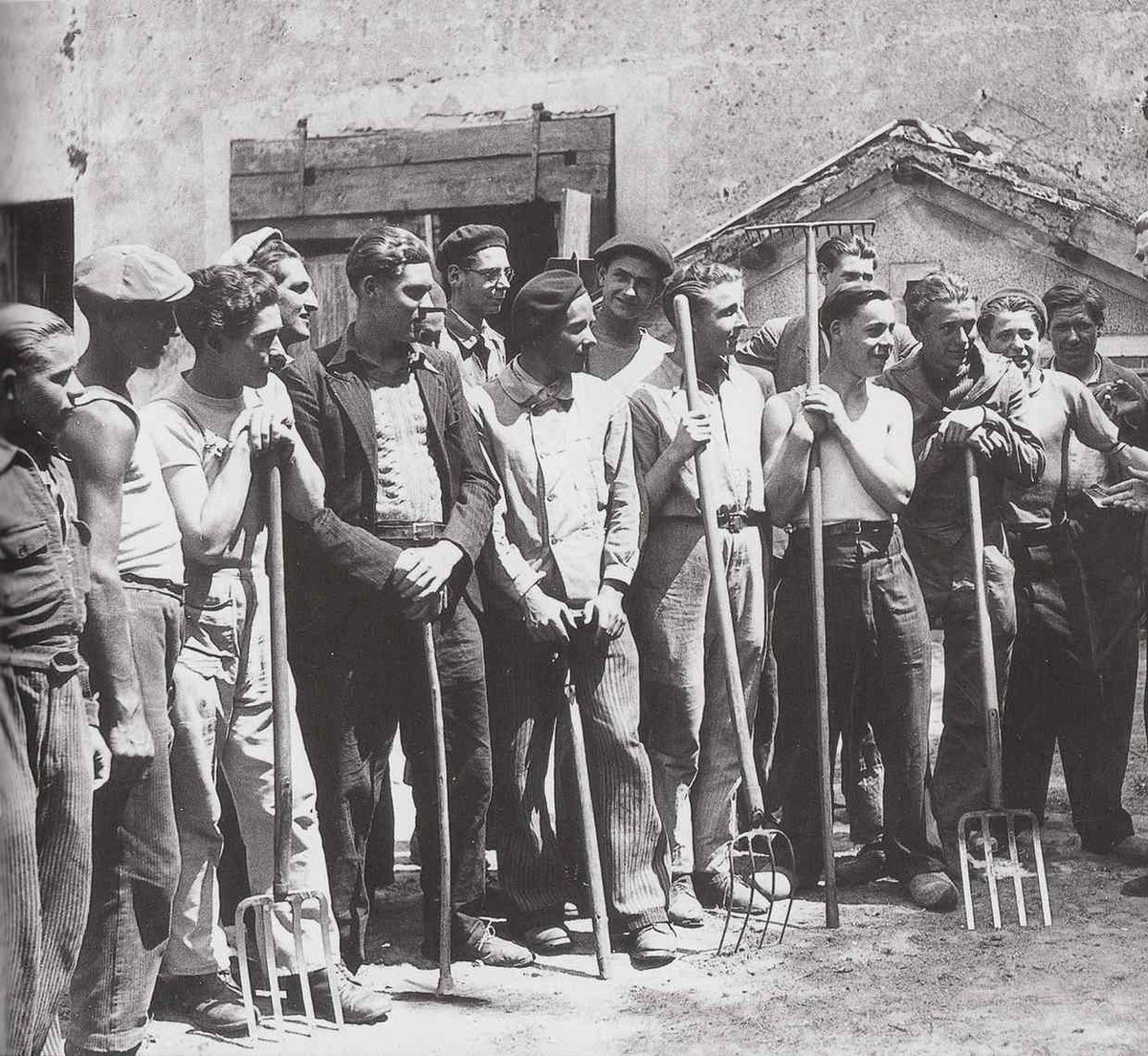

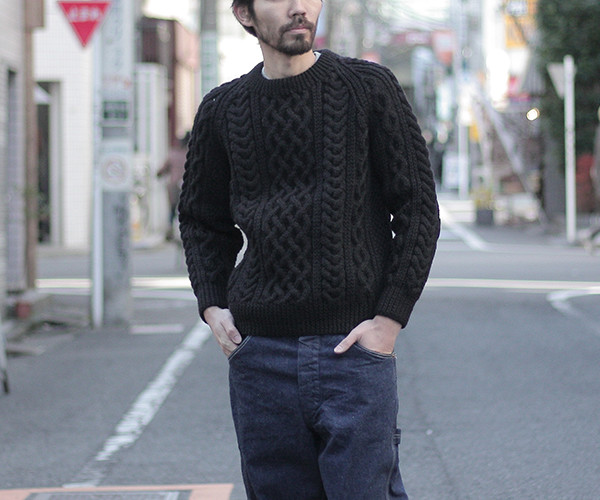
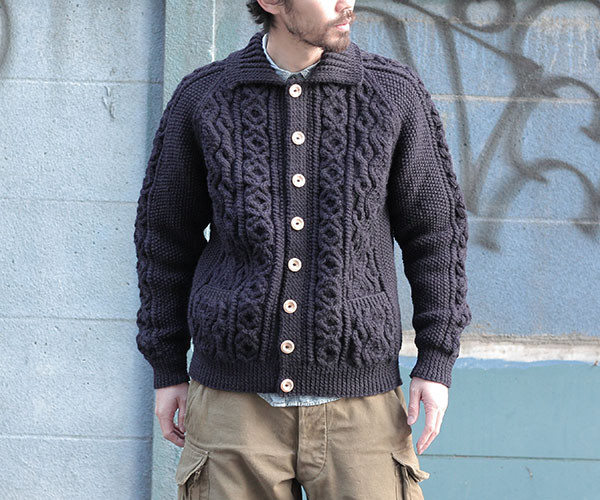
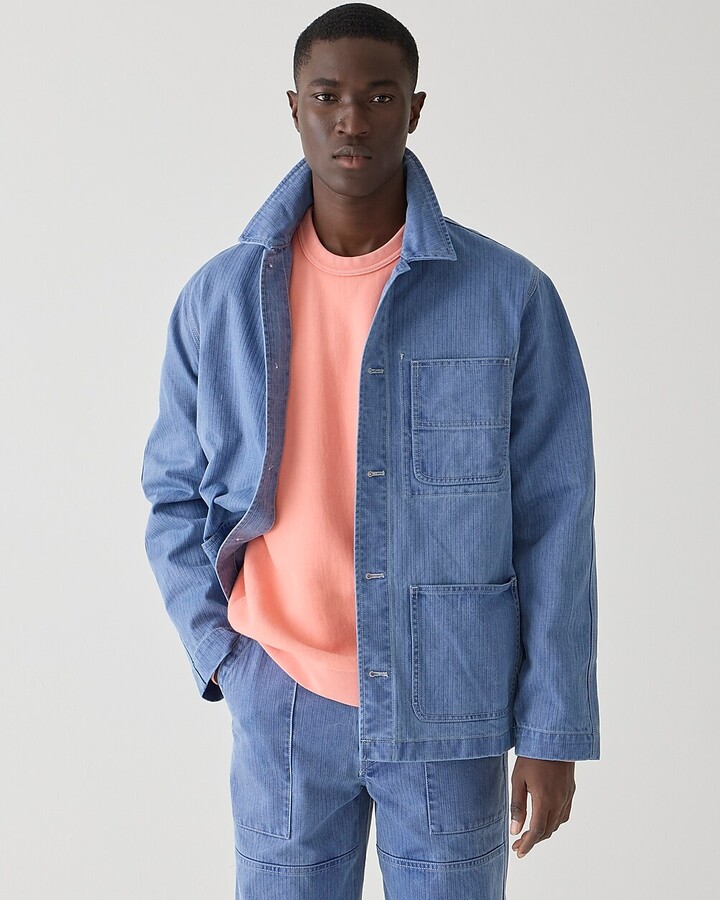
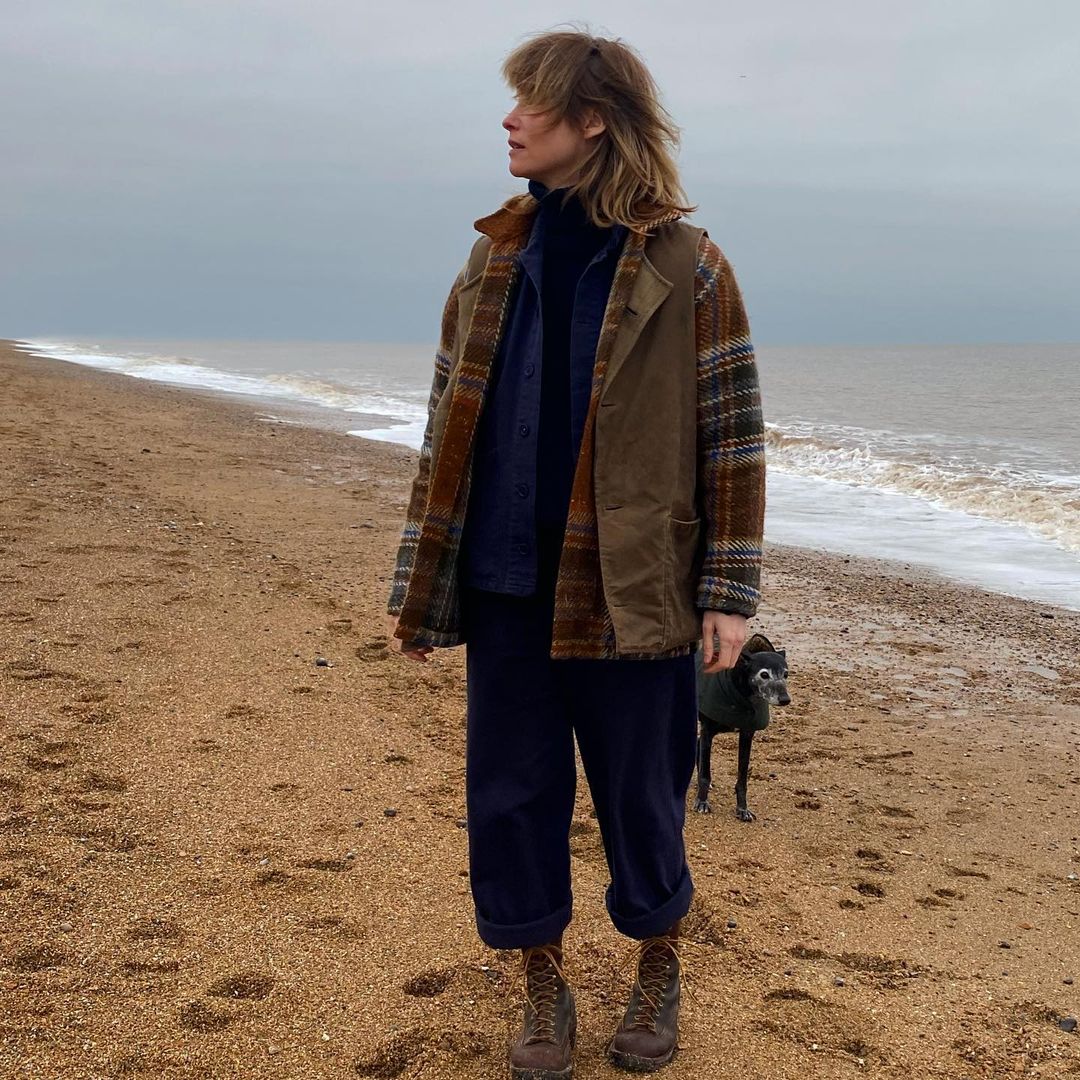
From this, we understand that chore coats look best when they're loose (as they were originally worn for work, and thus needed to allow for comfortable, free movement). The outfits below aren't historical reproductions, but they look cool bc the proportions are right.
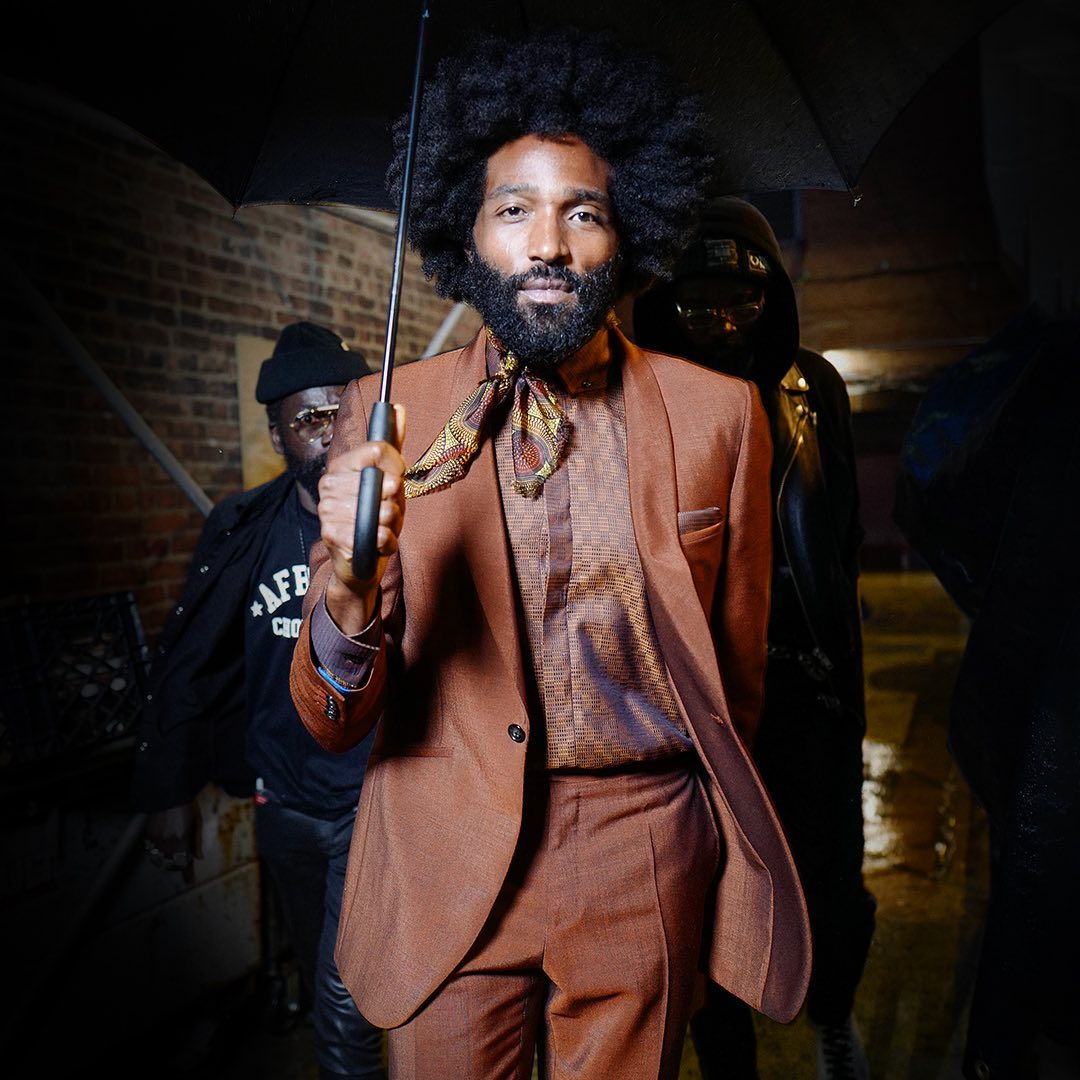
Knowing how to dress better may also include learning how to communicate gender, such as playing with ideas about femininity or masculinity. Think of dress more like writing a sentence; less like throwing paint on canvas.

Belgian shoes are these little dainty slip-ons with a feminine bow at the top. I think they look best on guys who look super masculine, as then the feminine shoes contrast with their gender expression. Or in outfits that have a bit of sexiness to them.

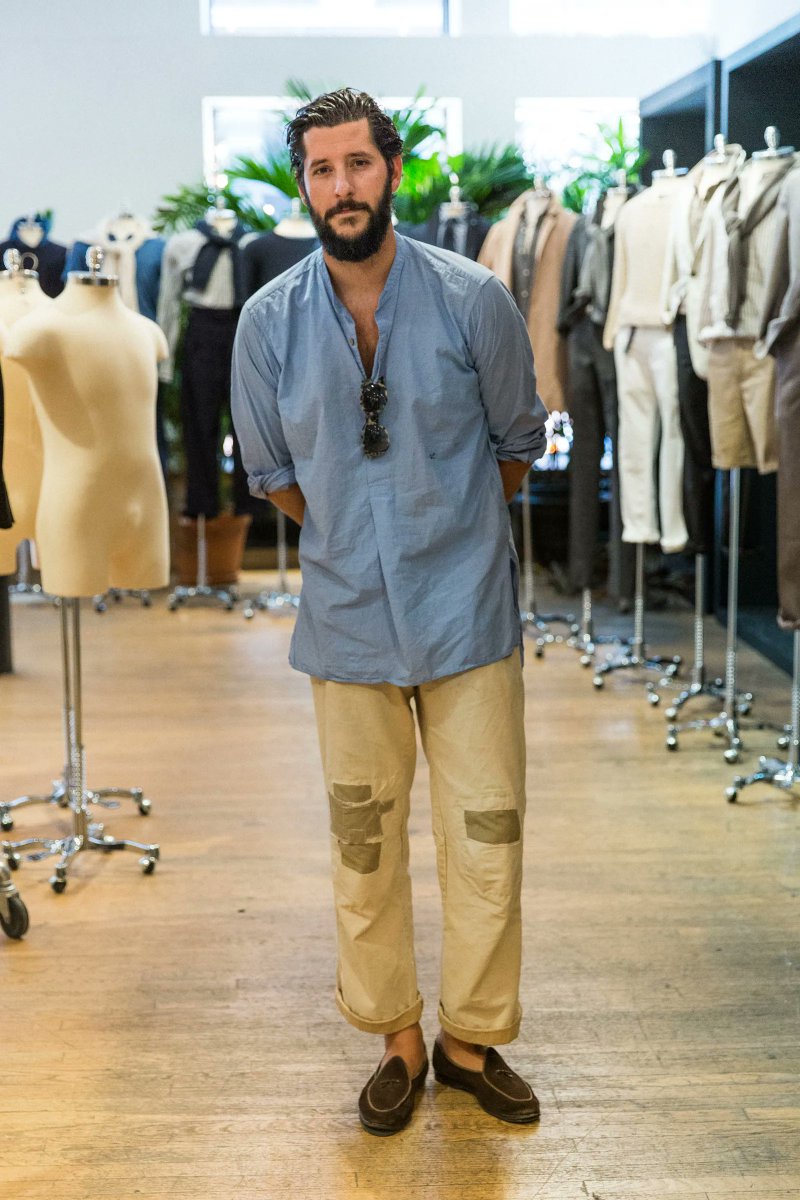

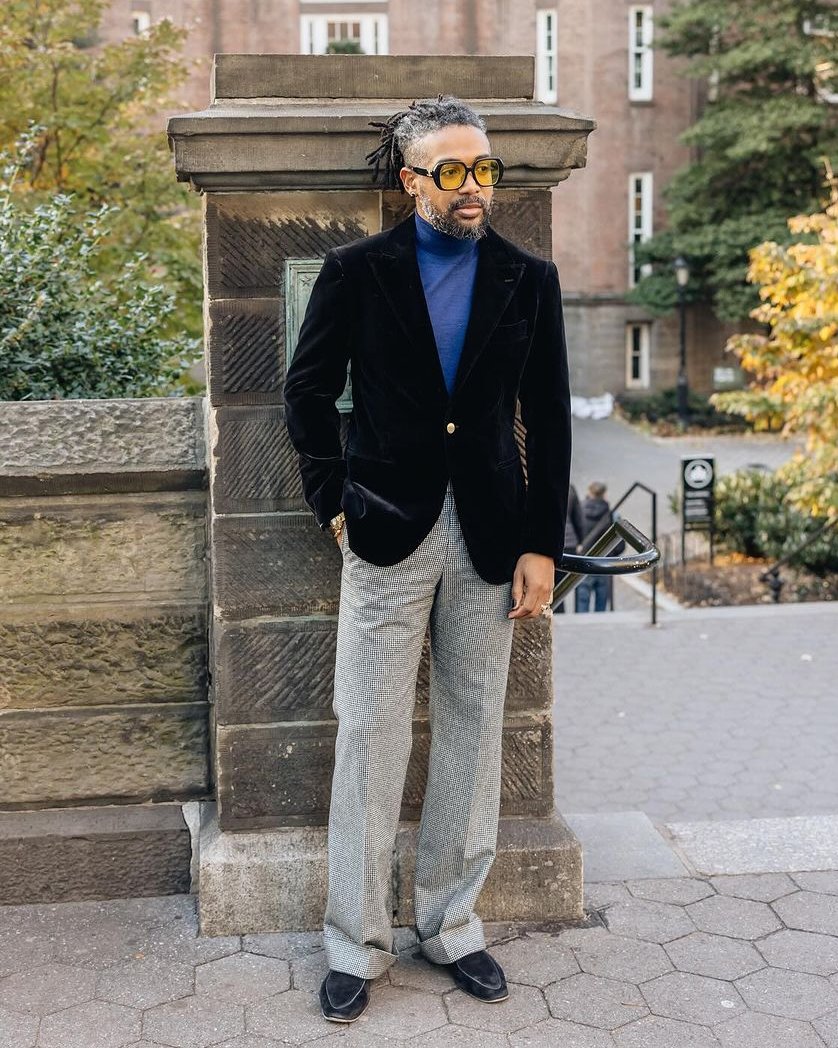
Such discussions require talking about gender!
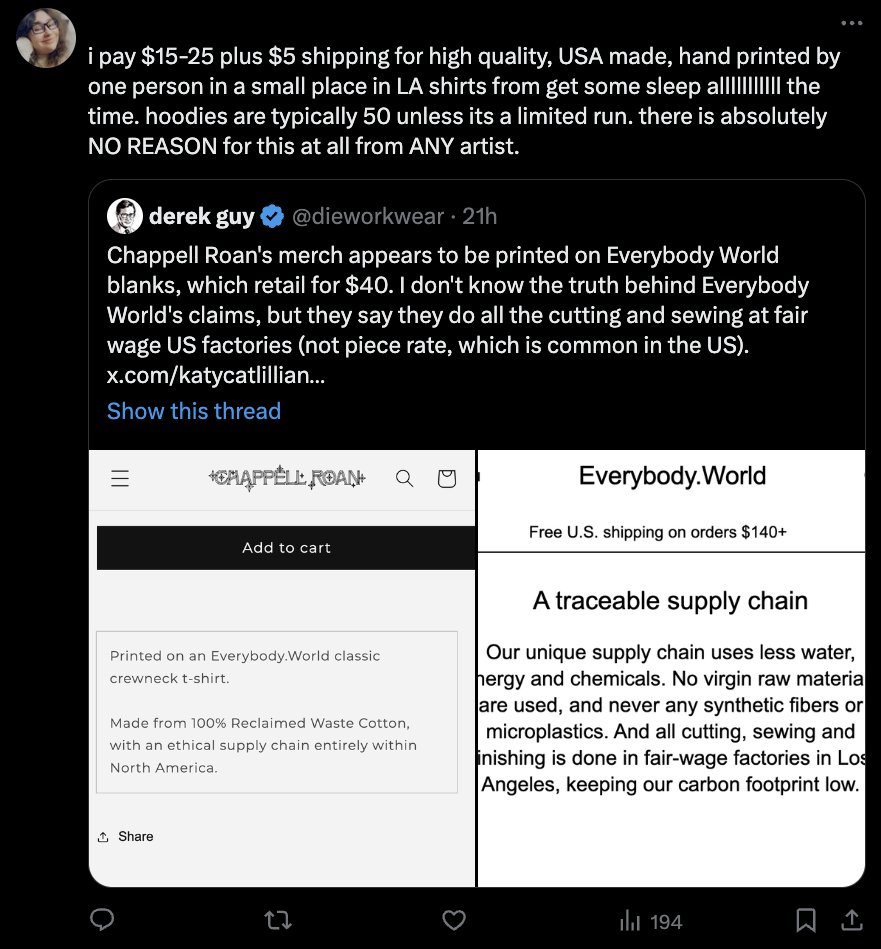
Similarly, there's the production of clothing, which is always going to be loaded with politics. If we agree that some groups imbue things with meaning, then some things are "cooler."
Similarly, there's the production of clothing, which is always going to be loaded with politics. If we agree that some groups imbue things with meaning, then some things are "cooler."
When buying Native American jewelry, I try to buy stuff made by Native American craftspeople, as I think that makes the pieces cooler (why get the cover band?). That's very much a political discussion.
Below: Chipeta Trading (vintage) and Maida Goods (modern)
Below: Chipeta Trading (vintage) and Maida Goods (modern)
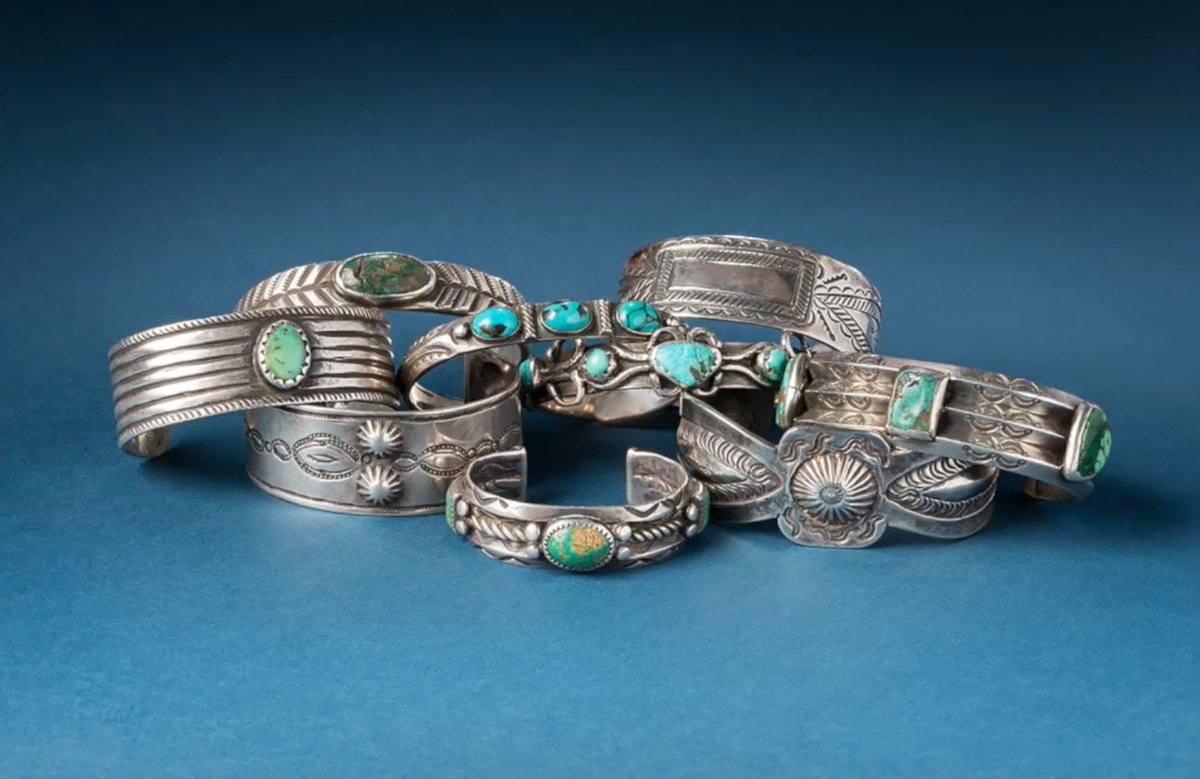
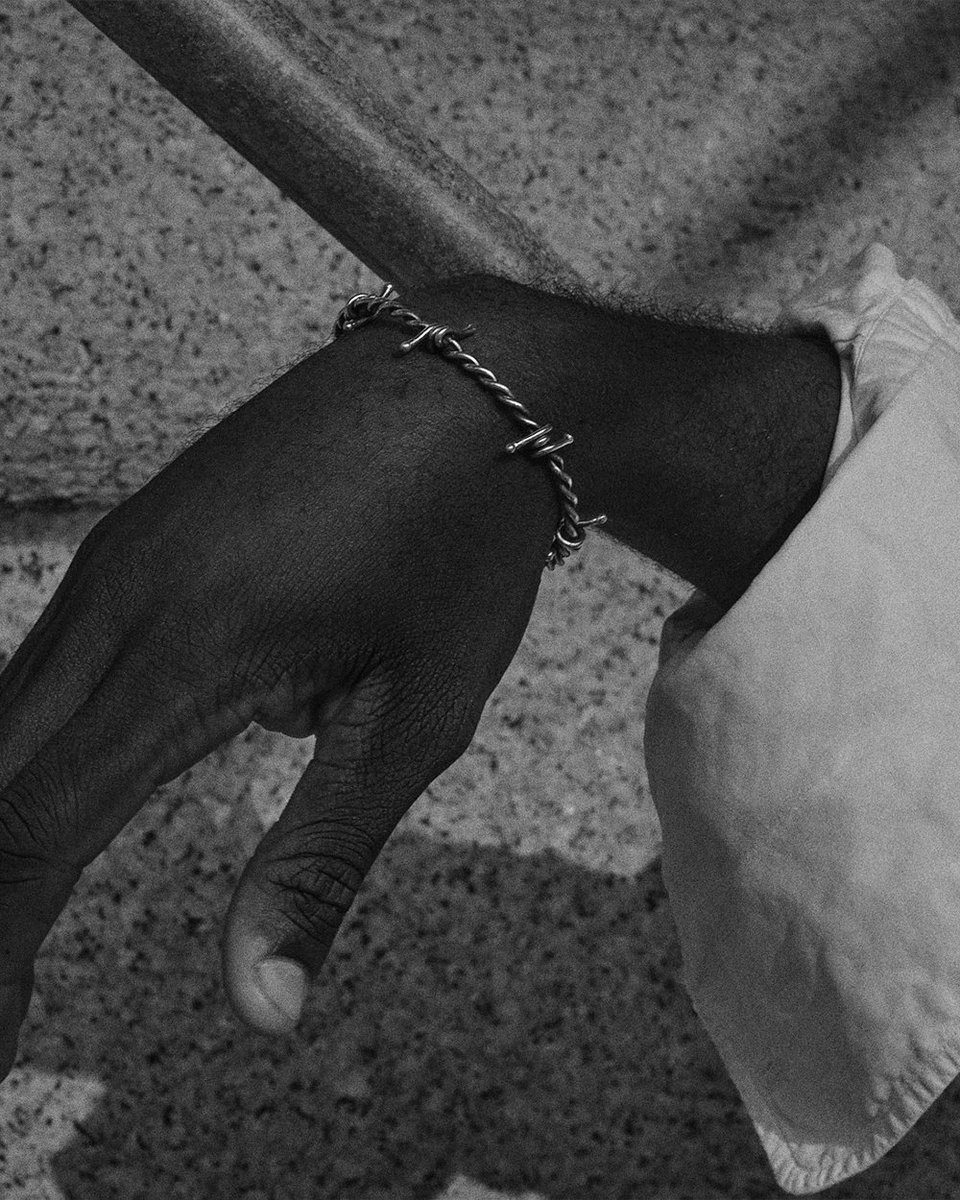
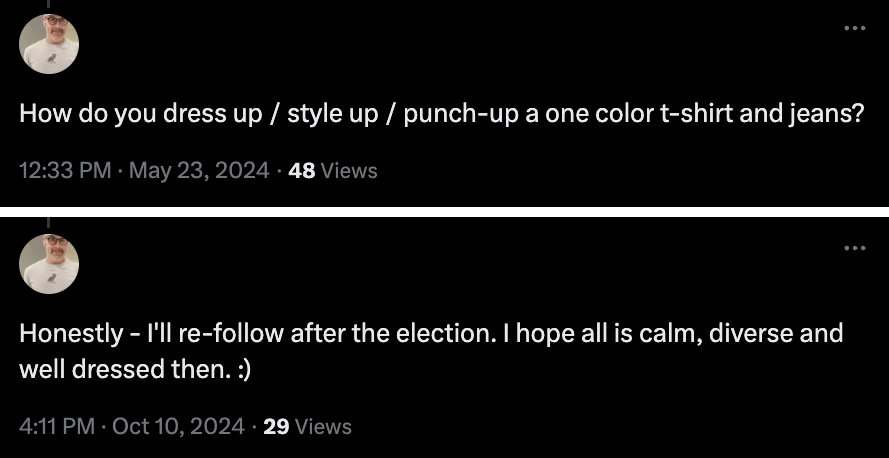
I can't answer how to "punch up" a plain t-shirt and jeans outfit because I don't know what you want to say! How do you identify? What do you want to express? This requires introspection, reflection on culture, and considerations about class, gender, and politics.

It's impossible to separate discussions of class, gender, and politics from clothes because clothes are inherently expressions about those dimensions. To understand how to dress better, you have to think about the history of social groups and creation of meaning.
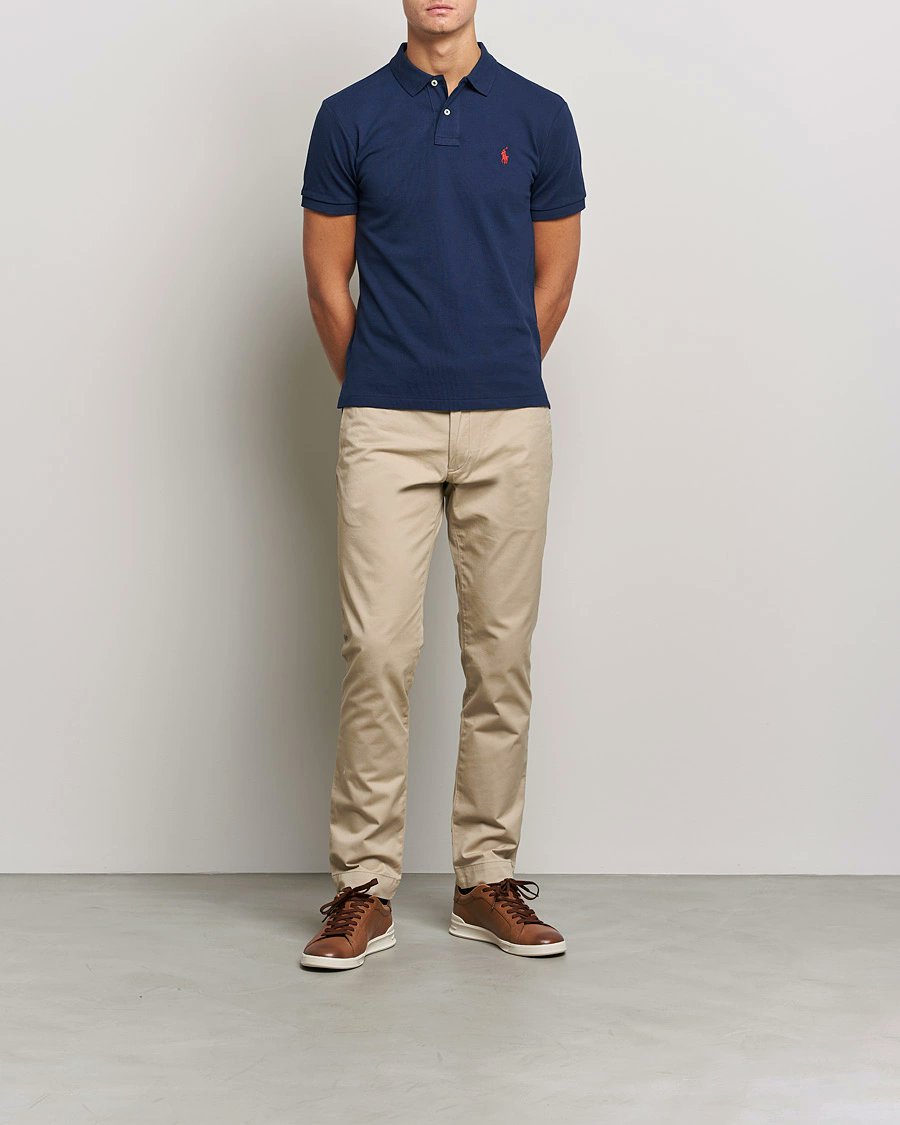
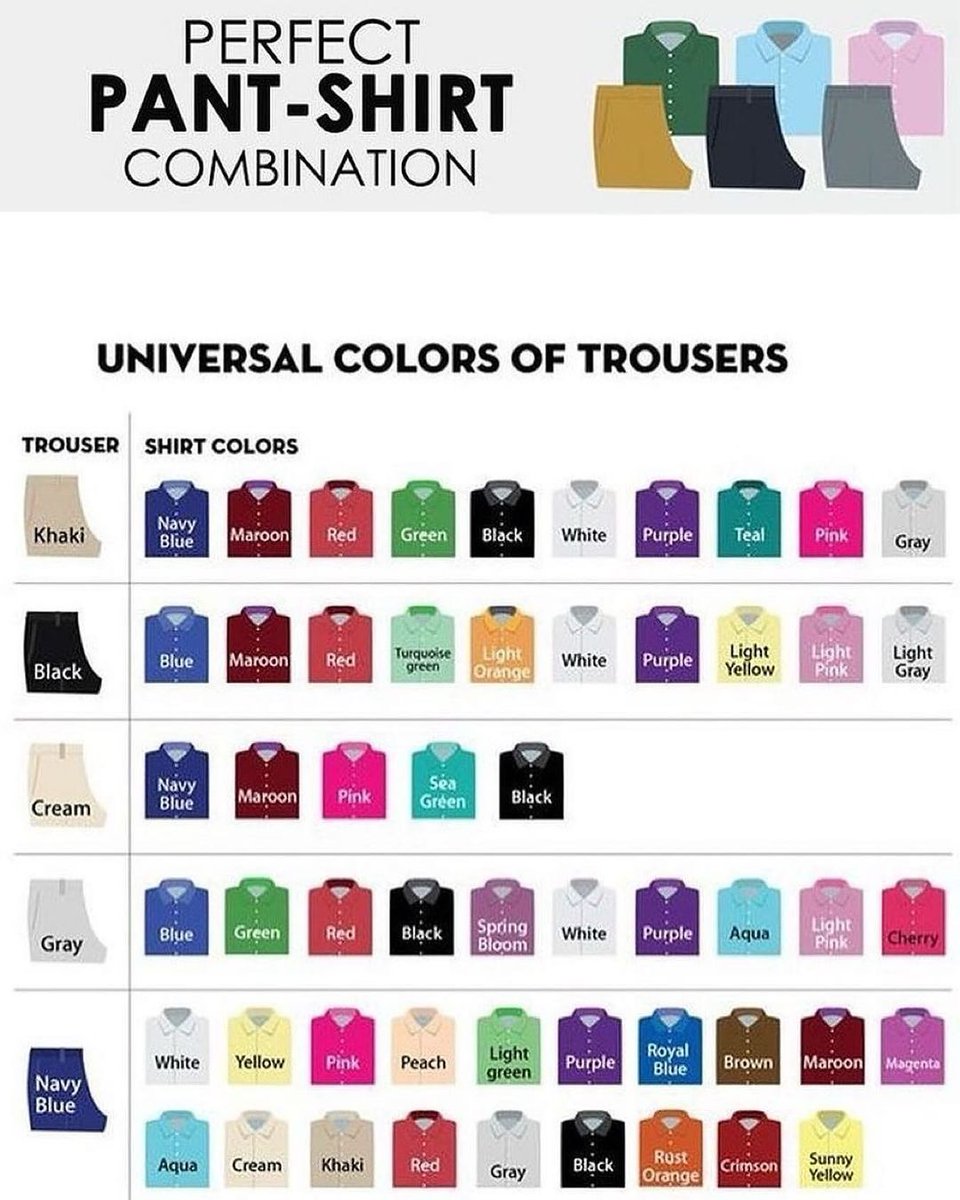
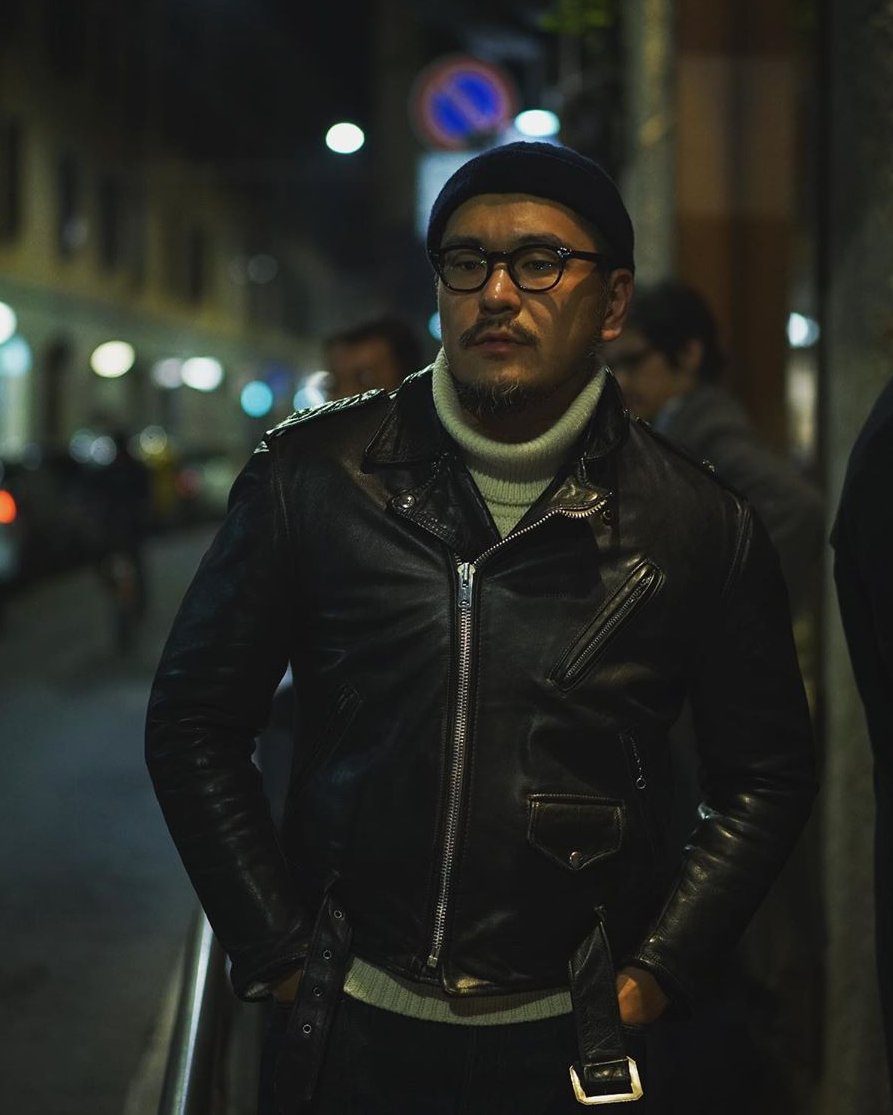
If you don't consider these things, you end up with bland outfits like the one below or those lame color charts that treat fashion as some pseudo-science (X color goes with Y color, A body type wears B shape). That stuff gets you nowhere.
Frankly, I find strict service writing (e.g., "how to dress better") and trend reporting both a bit dull. I think fashion is more interesting when you connect it to other things. This more holistic approach also helps you dress better, as then you know the meaning of style.
• • •
Missing some Tweet in this thread? You can try to
force a refresh