Yasmine Khosrowshahi Profile picture
Oct 15, 2024 15 tweets 4 min read Read on X
I distilled my 4 years of marketing lessons into minimalistic visuals.

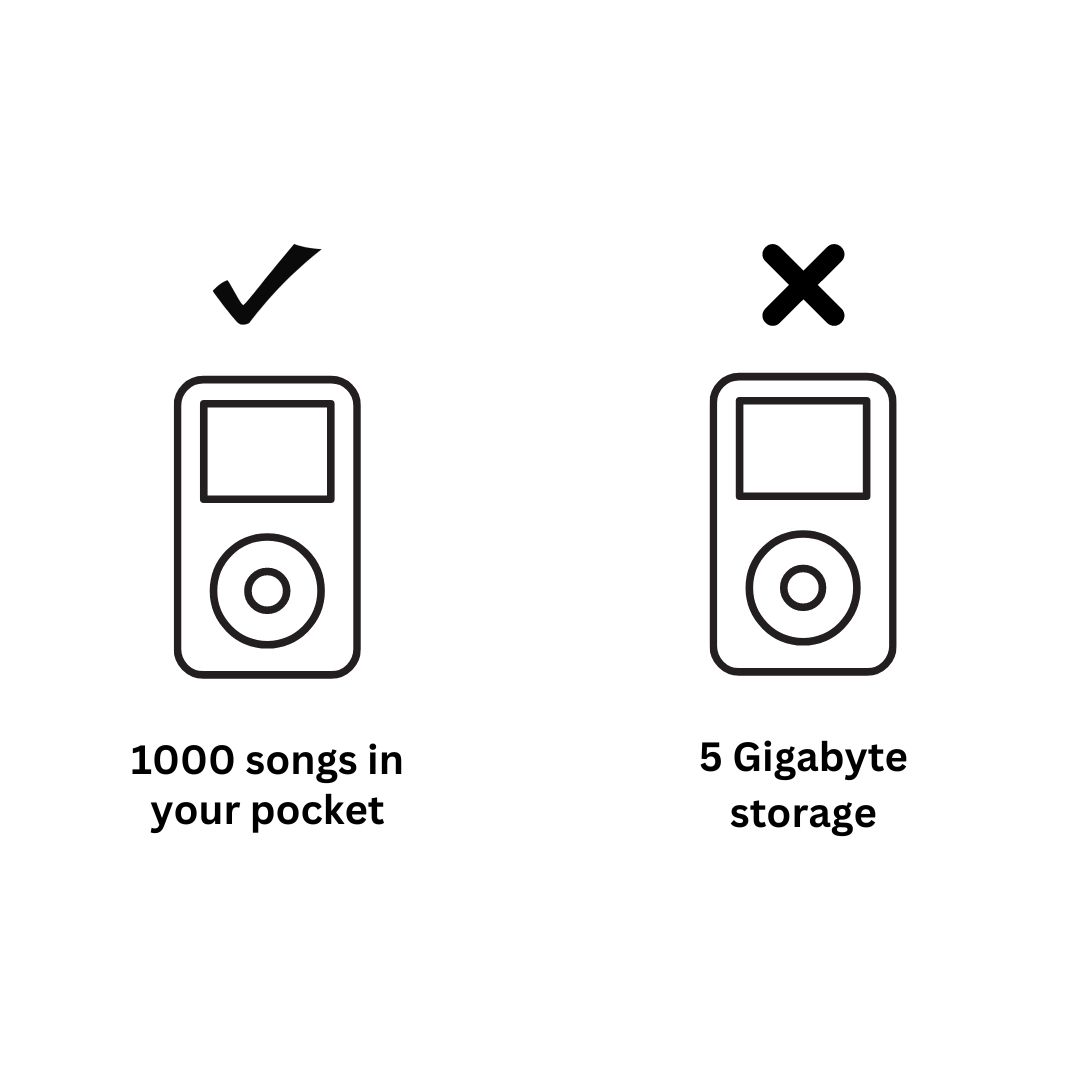
1. Sell Benefits. Not features. Image
2. Scarcity drives demand. Image
3. People don't care about your product. They care about what your product can do for them. Image
4. Marketing is not about which product you sell.
Marketing is about which story you tell. Image
5. What do you think you need to create content
V/S
What do you actually need to create content Image
6. Attract the audience with short-form content.
Keep the audience with long-form content. Image
7. Selling prevention is hard. Selling a cure is easy. Image
8. Do not order them to buy your stuff. Show them a dream. Image
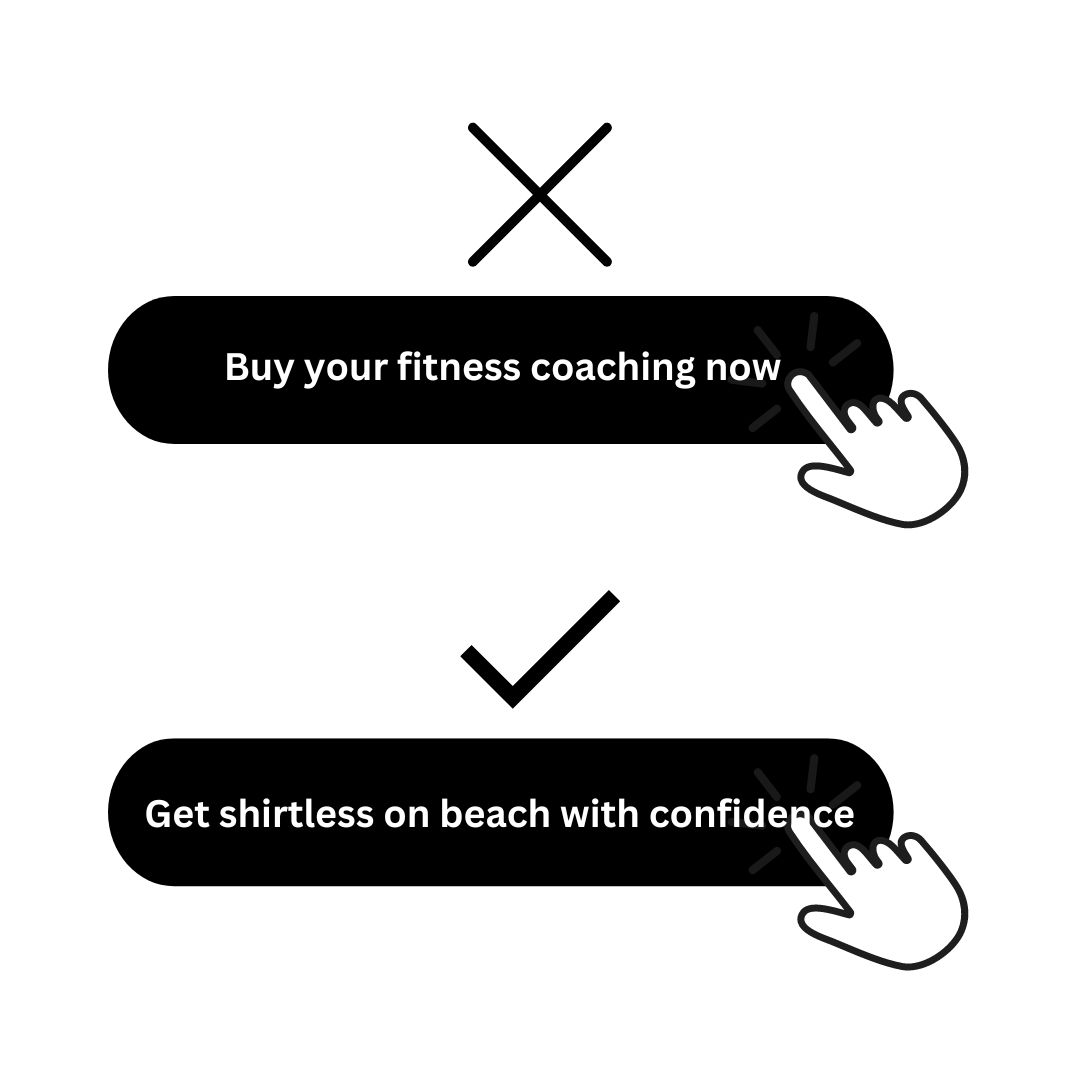
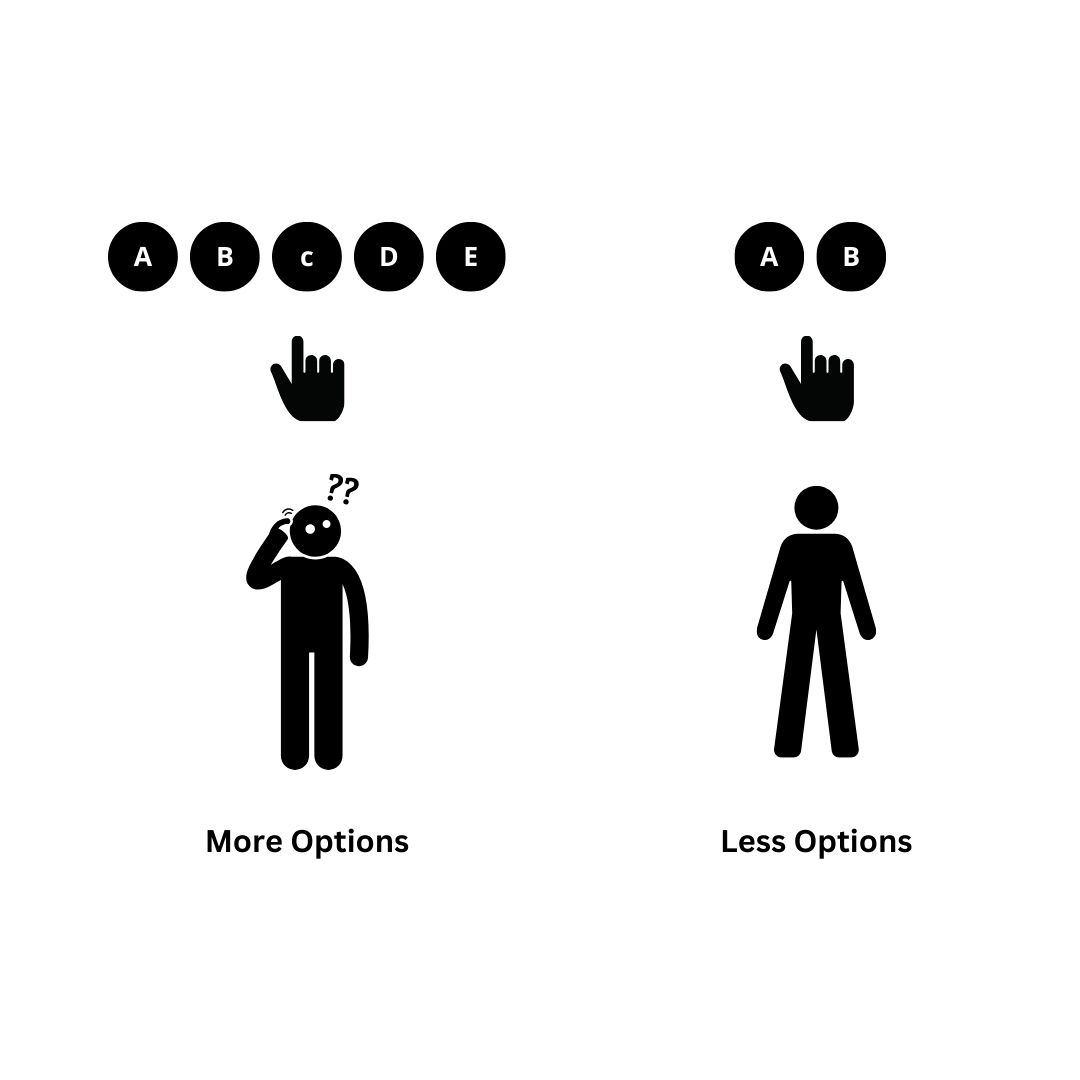
9. Don’t confuse your customers with too many options. Image
10. Your product should complete your customer’s life. Image
11. Good hook with average content goes viral.
Average hook with good content flops. Image
12. Big money is made by selling status. Image
I hope you've found this thread helpful.

Follow me @yasminekho for more.

Like/Repost the quote below if you can:
If you want to grow your brand & dominate social media then book a call with me.

Let's see if we're a perfect fit.
calendly.com/blueticksocial
If you want to grow your brand & dominate on Instagram & TikTok then book a call with me.

Let's see if we're a perfect fit.
calendly.com/blueticksocial

• • •

Missing some Tweet in this thread? You can try to force a refresh

 

Keep Current with Yasmine Khosrowshahi

Yasmine Khosrowshahi Profile picture

Stay in touch and get notified when new unrolls are available from this author!

Read all threads

This Thread may be Removed Anytime!

PDF

Twitter may remove this content at anytime! Save it as PDF for later use!

Try unrolling a thread yourself!

how to unroll video
  1. Follow @ThreadReaderApp to mention us!

  2. From a Twitter thread mention us with a keyword "unroll"
@threadreaderapp unroll

Practice here first or read more on our help page!

More from @yasminekho

Mar 23
In 2009, Stanford professor Robert Sapolsky explained why depression is not a mental problem but a biological breakdown.

He revealed:

- Why “just be strong” is nonsense
- Why stress rewires your future
- How biology + psychology collide

15 lessons on the science of depression:
1. Depression is not sadness

Sapolsky draws a brutal distinction:

Feeling low after bad news ≠ depression

Real depression is:

the inability to feel pleasure

Even when life improves, the brain cannot register it.
2. The most dangerous symptom is invisible

Depression’s core is anhedonia:

You can’t enjoy:

• success
• relationships
• beauty
• progress

A disease that removes pleasure from life is uniquely devastating.
Read 18 tweets
Mar 17
In 2018, Stanford professor Matt Abrahams gave a masterclass on why most people fail to communicate well.

He broke down:

- The structure every message needs
- Why audiences stop listening
- The psychology of attention

15 lessons that'll make your communication unforgettable:
1. Most communication fails because it has no clear goal

Before you speak, ask yourself 3 questions:

What should people know
What should they feel
What should they do

If you can’t answer these, your message will be forgettable.
2. Communication success isn’t “getting through it”

Most people judge their presentation like this:

“I survived.”

That’s not success.

Real success is when your audience:

• understands your message
• feels something
• takes action afterward
Read 17 tweets
Mar 6
In 2023, Stanford professor Matt Abrahams gave a masterclass on how to think fast & speak smartly on the spot.

He explained:
• Why anxiety destroys clarity
• How structure beats intelligence
• Secret to spontaneous charisma

12 lessons to master communication in real time:
1. Most communication happens spontaneously

Presentations are planned.

But real life isn’t.

Job interviews
Meetings
Feedback
Networking
Small talk

Your success often depends on how you respond in unexpected moments.
2. Anxiety is the biggest communication killer

Up to 85% of people feel nervous in high-stakes conversations.

Your body enters fight-or-flight mode:

• Dry mouth
• Fast heart rate
• Brain freeze
• Sweating

The problem isn’t competence.

It’s physiology.
Read 15 tweets
Feb 18
This 20-minute video reveals how MrBeast gets 100M+ views on every video.

He breaks down:
• Why most videos fail
• How to hack attention
• What the algorithm responds to
• How billions of views are engineered

11 lessons from MrBeast that will make you a better creator:
1. Your early videos are supposed to be bad

MrBeast is blunt about this because most people quit too early.

He says if you have under 1,000 subscribers, there’s a high probability your videos suck, and that’s normal.

Not because you’re untalented.
But because skill in content is earned through volume + iteration, not theory.

You don’t “plan” your way to good videos.
You upload your way there.
2. Make 100 videos before you judge yourself

Jimmy doesn’t believe in talent myths.

He believes in reps.

His rule is simple:
Make 100 videos. Improve one thing each time.

Script.
Editing.
Pacing.
Voice inflection.
Thumbnail clarity.
Title intrigue.

After video #100, evaluate yourself.

Anything before that is noise.
Read 13 tweets
Feb 4
In 2010, Stanford professor Robert Sapolsky gave a 1-hour masterclass on "Human Behavioral Biology."

He broke down how:
- Biology collapses moral
- Behavior changes w/o intention
- Mind & body rewrite each other

10 lessons that'll make you a master at human behavior:
1. Sudden moral collapse is often biological, not psychological

Sapolsky opens with a disturbing pattern:

A stable man suddenly becomes violent, reckless, and criminal.

Not a personality change
It's a brain change

Tumors, hormones, metabolic disruption... when biology shifts, behavior can flip overnight

Character doesn’t slowly erode
It can snap
2. The mind and body don’t influence each other, they loop

We like to separate “mental” and “physical” causes

Sapolsky dismantles this immediately

A thought can accelerate your heart
A hormone can erase inhibition
Fear can raise blood pressure
Blood chemistry can trigger rage

There is no top or bottom
Only feedback loops running in circles
Read 14 tweets
Apr 25, 2025
Nassim Taleb doesn't predict the future

He builds a life where the future can't hurt him.

How? By setting up asymmetric bets where he can’t lose.

Here’s how he uses optionality to win in business, life & investing: Image
1. What is Optionality?

Optionality means having choices that allow you to benefit from upside while limiting your downside.

Taleb defines it simply:

“If you have options, you don’t need to predict.”

It’s not about being right—
It’s about having the right to act when opportunity strikes.Image
2. Optionality is asymmetric by design

The idea:
Make small, low-risk bets that have massive upside and limited loss.

Examples:

An angel investment in a startup
A free newsletter that attracts business
Building skills that open future doors

You pay little. The reward can be life-changing.Image
Read 12 tweets

Did Thread Reader help you today?

Support us! We are indie developers!


This site is made by just two indie developers on a laptop doing marketing, support and development! Read more about the story.

Become a Premium Member ($3/month or $30/year) and get exclusive features!

Become Premium

Don't want to be a Premium member but still want to support us?

Make a small donation by buying us coffee ($5) or help with server cost ($10)

Donate via Paypal

Or Donate anonymously using crypto!

Ethereum

0xfe58350B80634f60Fa6Dc149a72b4DFbc17D341E copy

Bitcoin

3ATGMxNzCUFzxpMCHL5sWSt4DVtS8UqXpi copy

Thank you for your support!

Follow Us!

:(