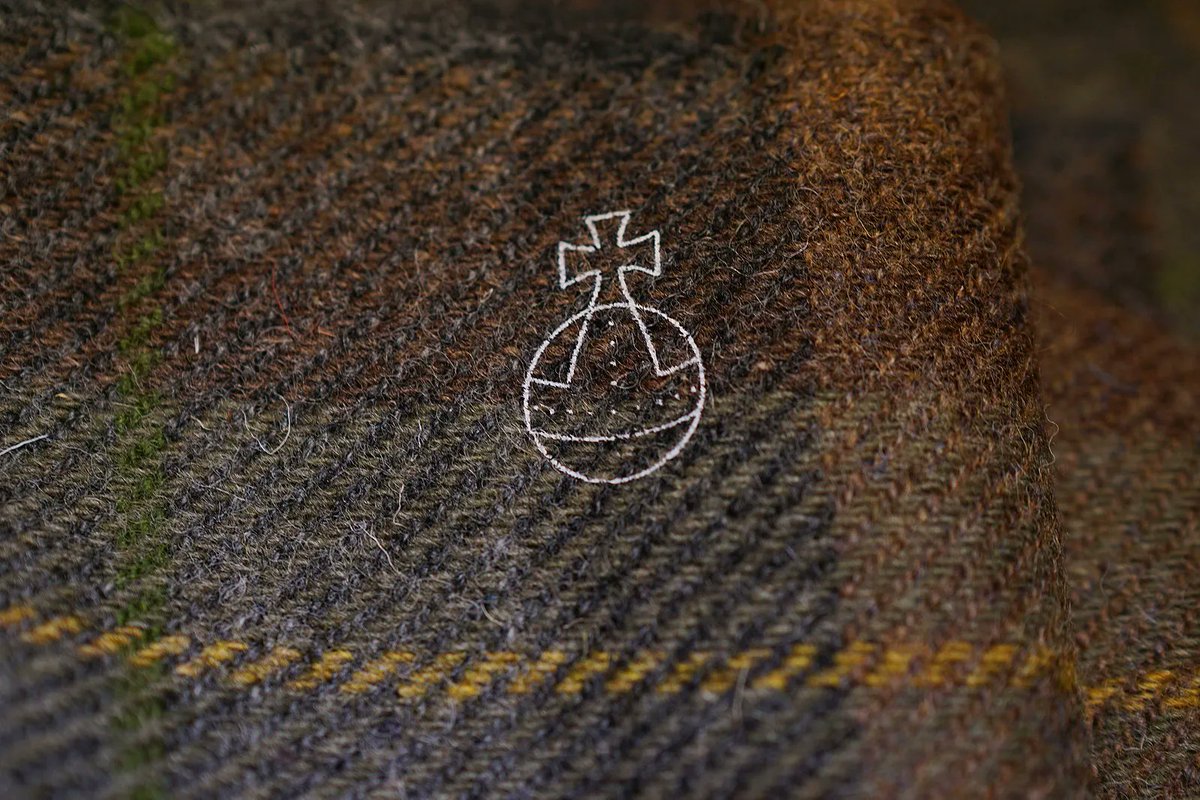
The Harris Tweed Act of 1993 doesn't stop other people from producing tweed. It only regulates who gets to use the Harris Tweed Orb logo, which is a trademarked symbol. Let me give you some examples. 🧵
https://twitter.com/nobodys_fool2/status/1848887864651608564
Below is Donegal tweed, which is called so because it's produced in the Donegal county of Ireland. Donegal tweed is most known for its signature flecks, which are created by spinning yarn with bits of felted wool, which glob onto the yarn like gum on a piano string. 

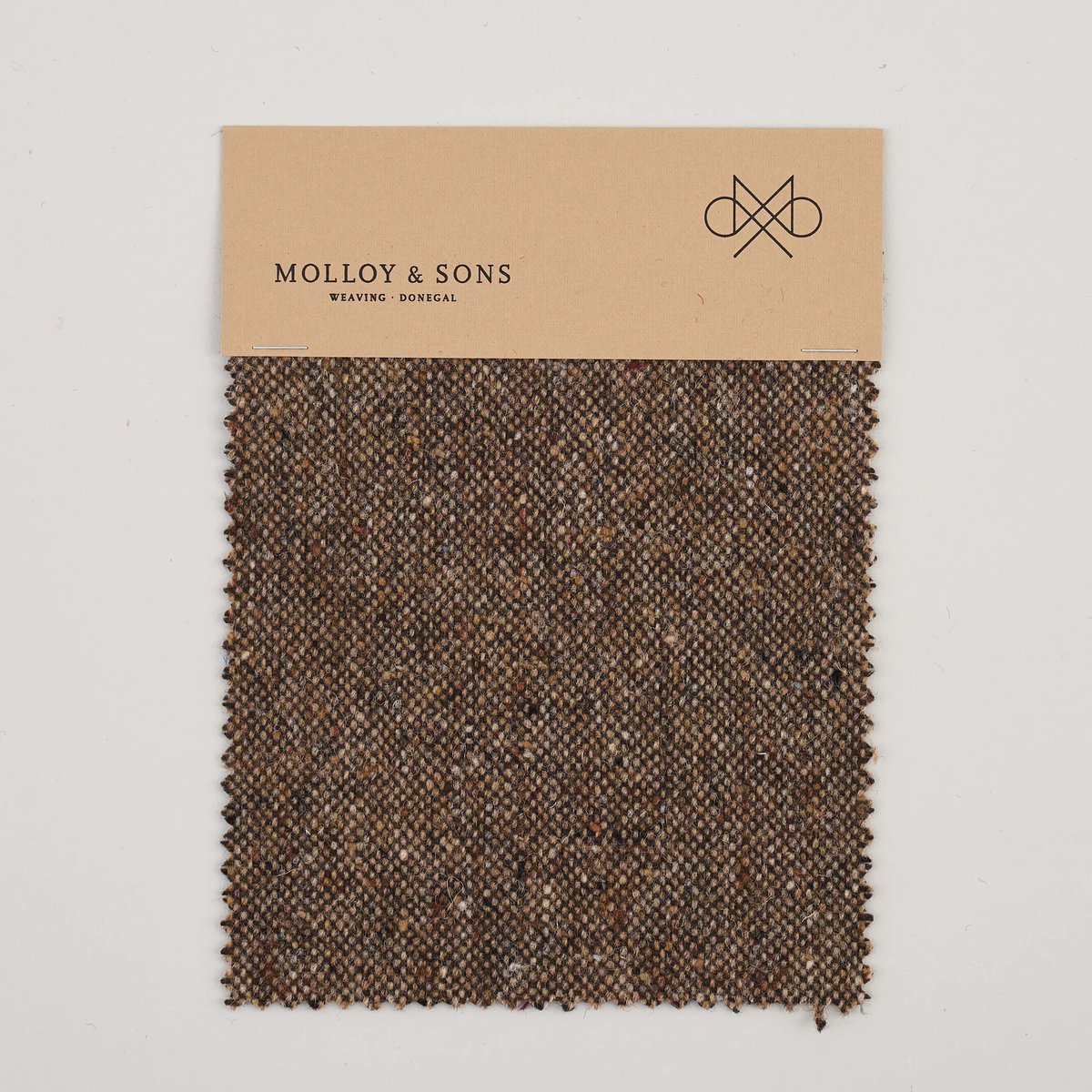
My favorite Donegal tweed producer is Molloy & Sons, a father-and-son team that produces for some of the best English, American, and Japanese brands, as well as bespoke tailors around the world. I love the fabric for its story as much as its physical qualities.
The nice thing about a Donegal tweed is that, much like a solid-colored grenadine tie, it adds visual interest to plain-colored outfits but won't clash with patterned ones. The tiny flecks sit somewhere between "patterns" and "solid colors." Great for sport coats.

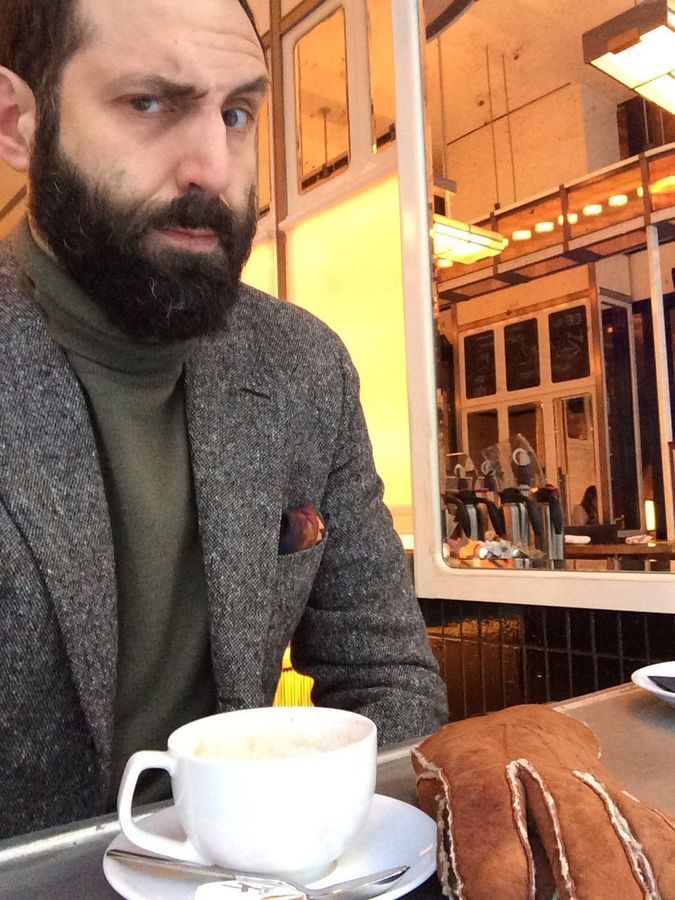
The problem with Donegal tweed is that the term is also used to describe any tweed with flecks. I believe the outfit on the right, while great, is made from an Italian-woven "Donegal tweed." The video on the right shows a Scottish-woven "Donegal tweed."

Again, all of those are great but what if you want something woven in the county after which the fabric was named? Oftentimes, it's hard to know where the fabric is from or who made it. When you're in a store, you only see the jacket.


That's where the Harris Tweed Orb comes in. In order to bear these labels, you have to meet three criteria: fabric was handwoven in the Outer Hebrides, finished in the Outer Hebrides, and made from wool dyed & spun in Outer Hebrides.


No one is "banning" competition. You can weave tweed right now in anywhere in the world, but you can't place that logo on it because it's regulated by the Harris Tweed Authority, much like slapping a Chanel logo on a bag.
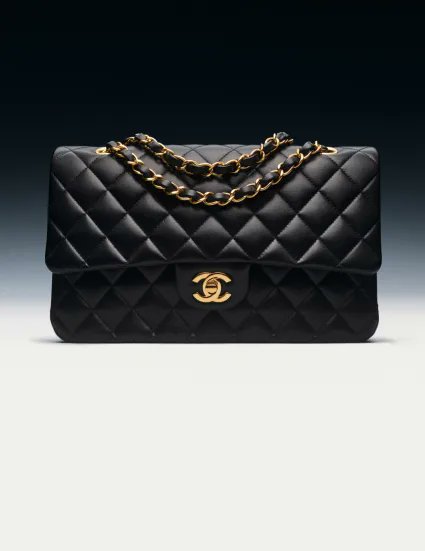
Why should you care where something is made, assuming it was made under ethical conditions? There's no reason you HAVE to. But some people care about provenance and regional craft traditions.
For instance, I love the craft of handsewn moccasins made in Maine. When I heard the owner of Arrow Moccasins passed away some years ago, I bought a few more from other craftspeople, knowing this a disappearing craft.
Video from Yuketen:
Video from Yuketen:
I also like that you can still get handknitted Arans from the Aran islands and Fair Isle sweaters made on the Fair Isles (those are produced on flat-bed knitting machines).
Pics via Old Stone Trade, Fair Isle with Marie, and Fair Isle Made in Fair Isle
Pics via Old Stone Trade, Fair Isle with Marie, and Fair Isle Made in Fair Isle


Such labeling connects consumers with specific craftspeople, which helps those regional traditions survive. When the market is flooded with all sorts of things and you have no idea how something was made, this doesn't help producers or consumers.
About fifteen years ago, I wanted to get hand-knotted tassels for a dressing gown, as I loved the versions that English tailors used to make for customers. Most dressing gowns nowadays have no tassels (pic 1). Or the tassels are attached by machine (pic 2).
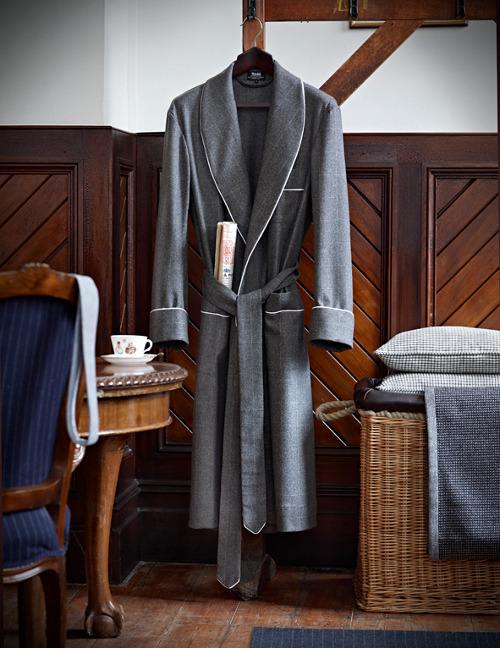
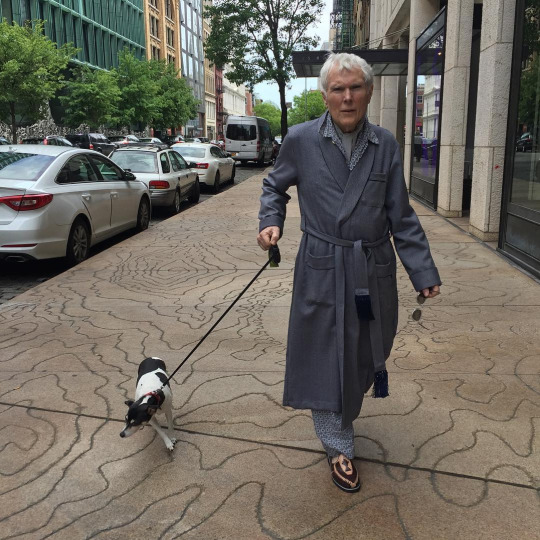
I called every bespoke shirtmaker on Jermyn Street (where these things were historically made). Budd Shirtmakers was the only one who had any left. Apparently, the last woman that made them had just retired and she had no apprentices. She made small box of em for future customers
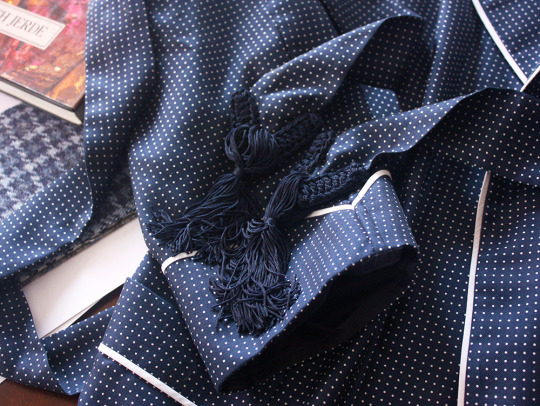
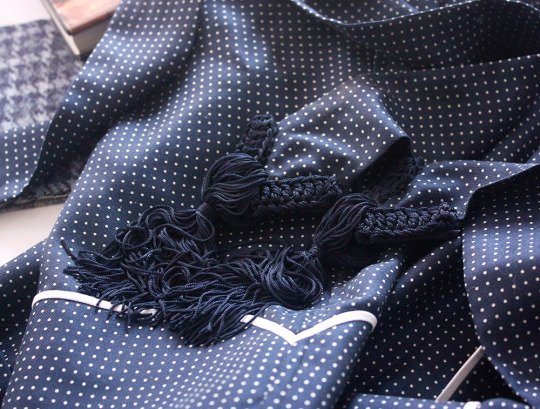
Perhaps someone has gone back to making them (I don't know, although demand for this sort of stuff is low). If you love certain crafts, particularly as they connect to regional traditions, it's worth trying to protect them, which is the point of stamping fabric with this orb.
• • •
Missing some Tweet in this thread? You can try to
force a refresh