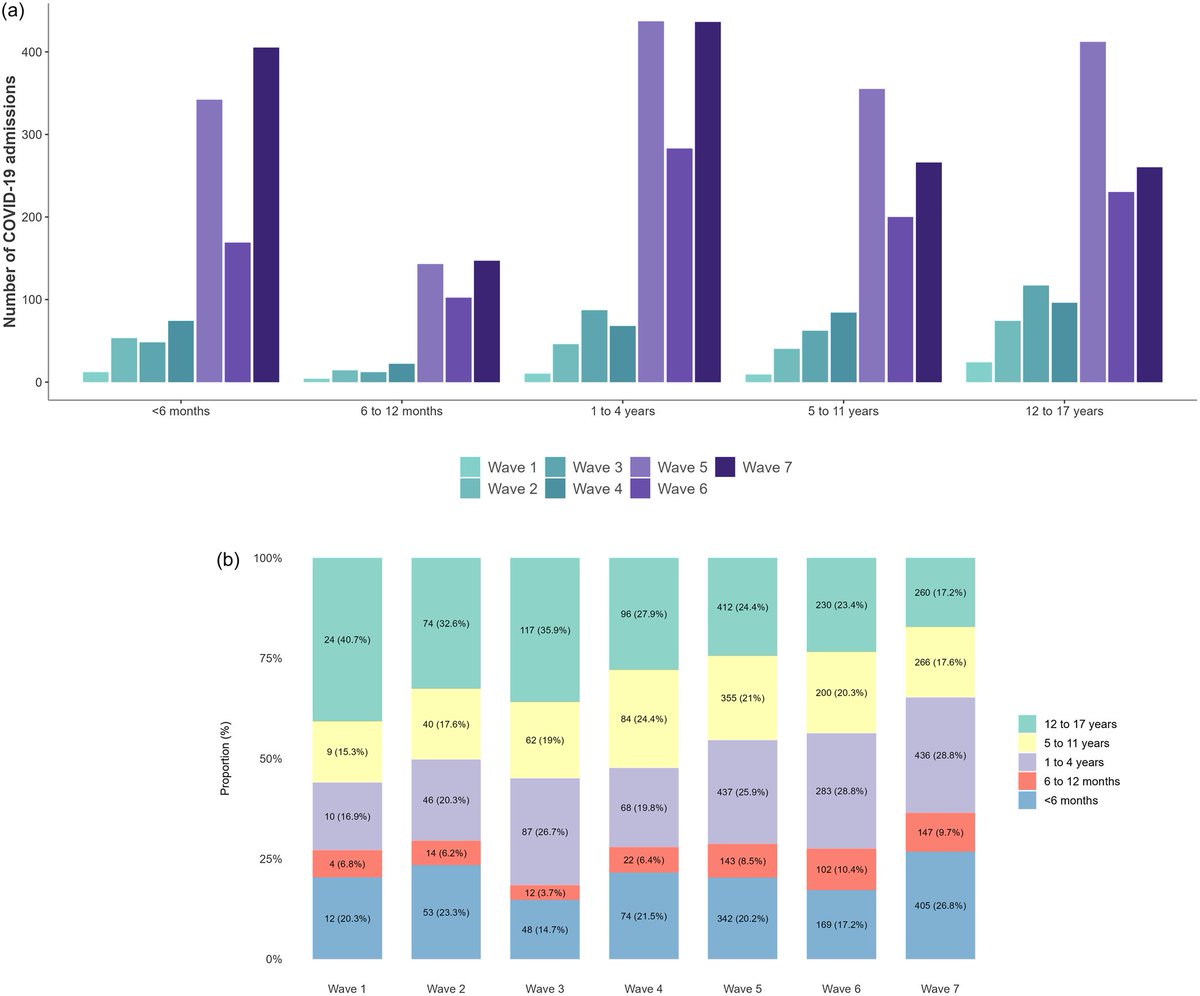
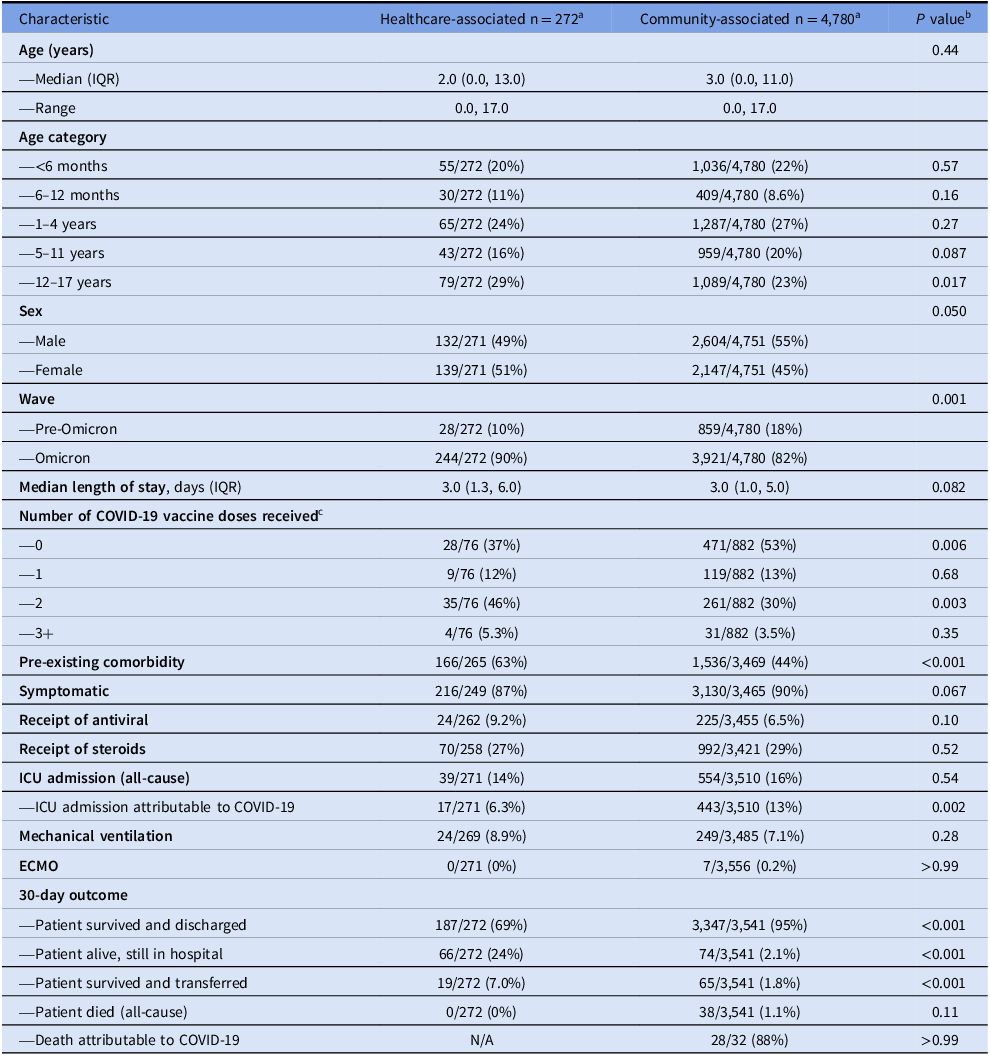
2) The study found that healthcare-associated COVID-19 infections in Canadian children significantly increased during the Omicron period, nearly doubling compared to earlier waves.
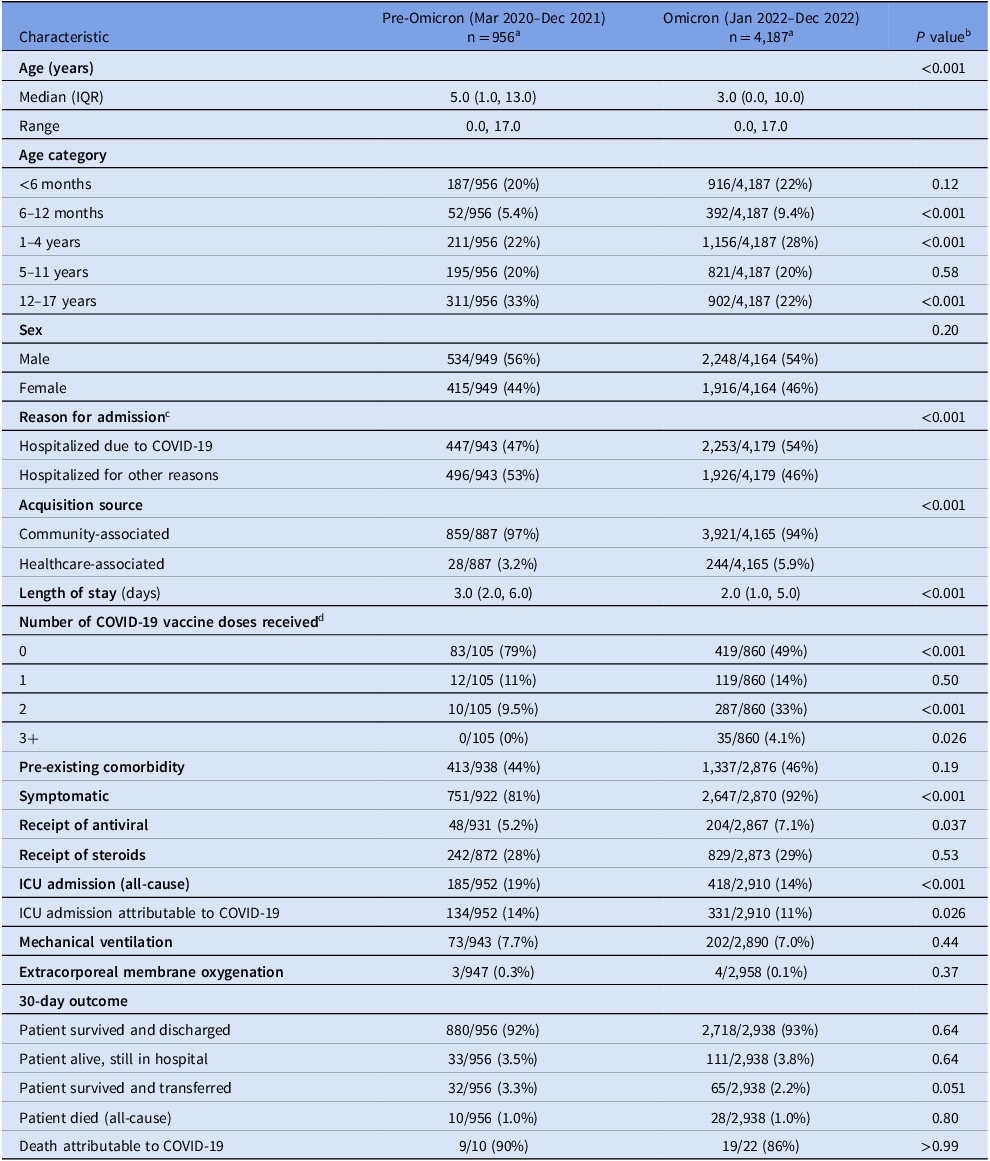
3) The rise in nosocomial COVID-19 cases highlights the critical importance of robust infection prevention and control measures in hospitals and other healthcare facilities. Protecting vulnerable pediatric patients from acquiring COVID-19 during their medical care ...
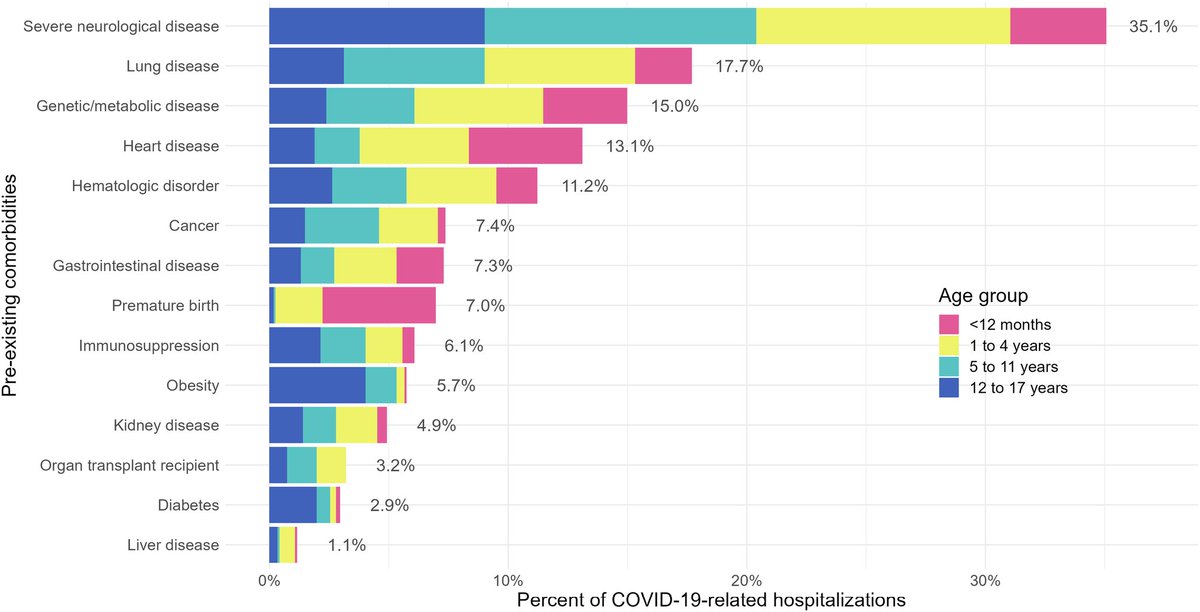
4) ...should be a top priority. The findings underscore the need for continued vigilance and adherence to best practices to limit the spread of COVID-19 within healthcare settings.
Thanks for reading π
β’ β’ β’
Missing some Tweet in this thread? You can try to
force a refresh

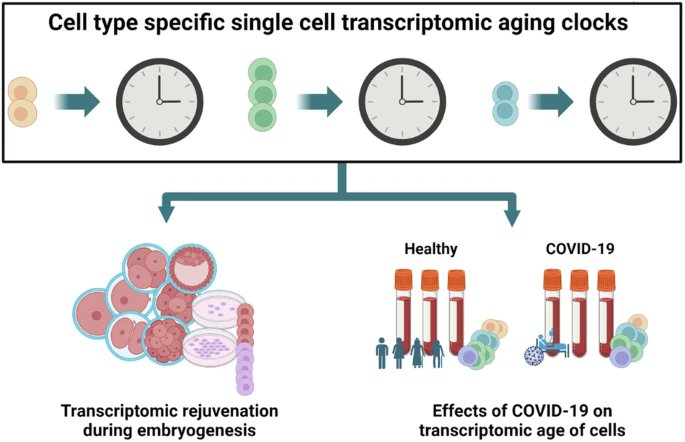
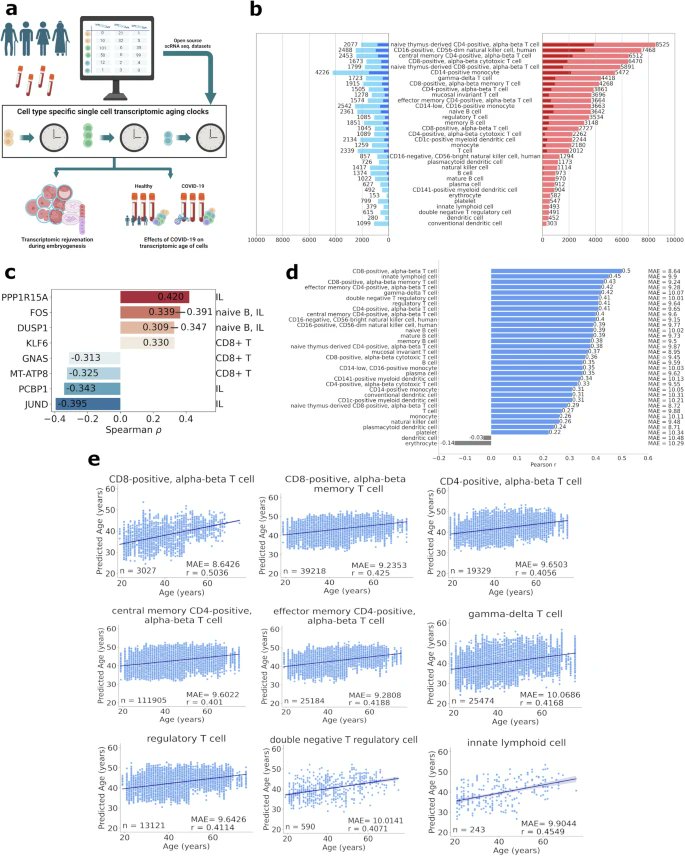
2) The study looked at the age of different types of immune cells in people with COVID-19. It found that the age of these cells can change in different ways during the infection.
In people with moderate COVID-19, some important immune cells actually seemed younger "rejuvenated"
3) This includes cells like classical monocytes, naive B cells, and naive T cells.
Now, this doesn't mean the individual cells themselves are getting younger. What it means is that the overall population of these cells appears younger.
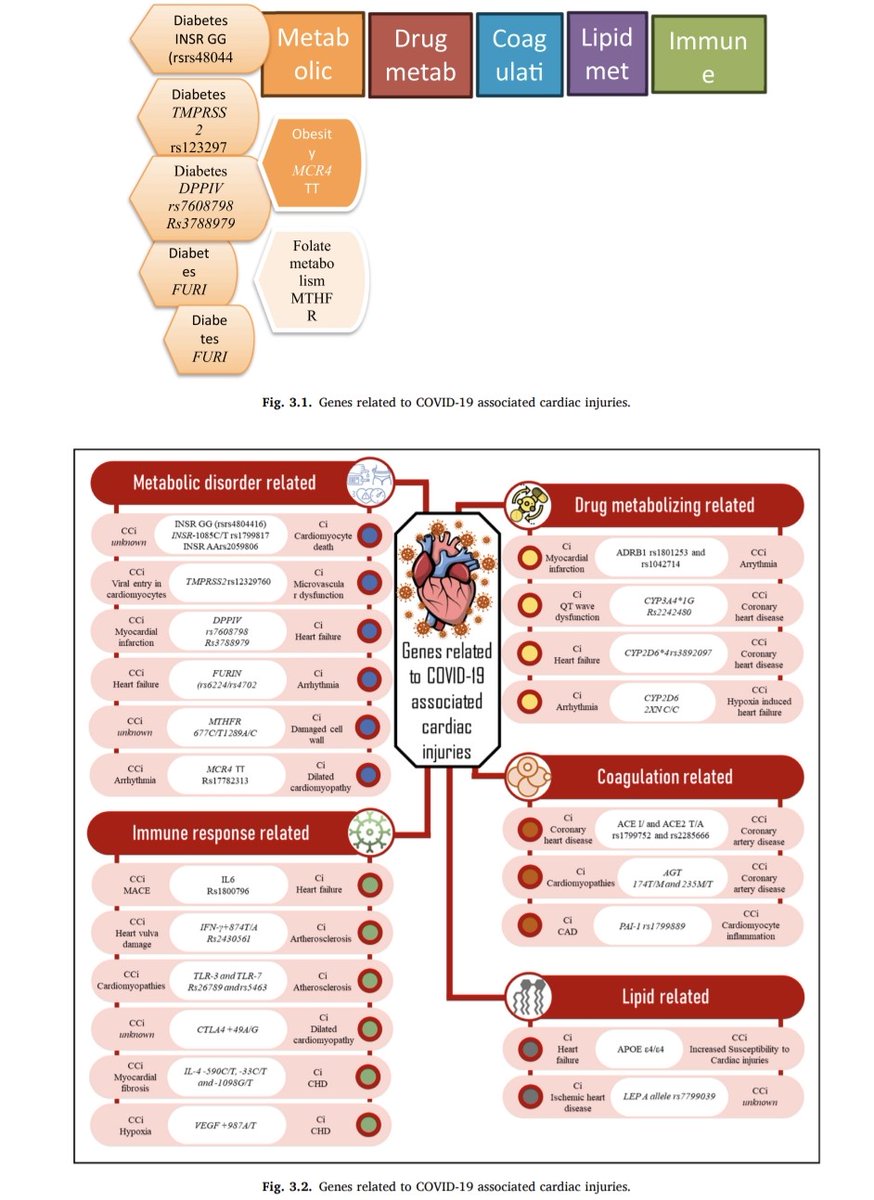
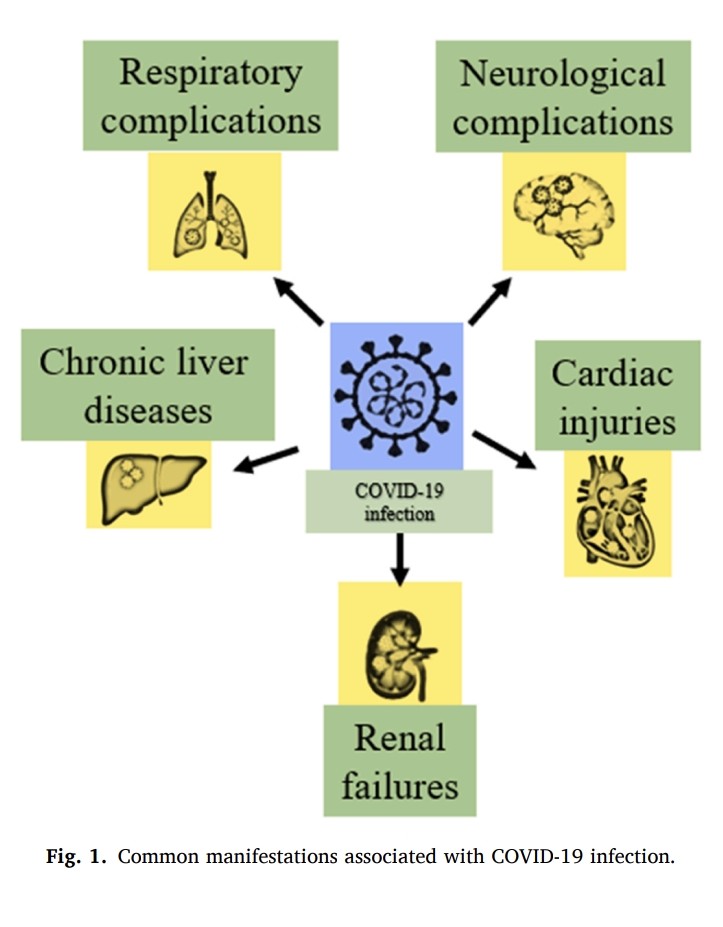
2) This review focuses on genes involved in metabolism, inflammation, and blood clotting.
Some of the important genes mentioned include:
- APOE, MTHFR - These genes play a role in how the body processes cholesterol and other fats, which can impact heart health.
3) - PAI-1, ACE2 - These genes are involved in blood clotting and the body's response to the COVID-19 virus and can influence the severity of heart complications.
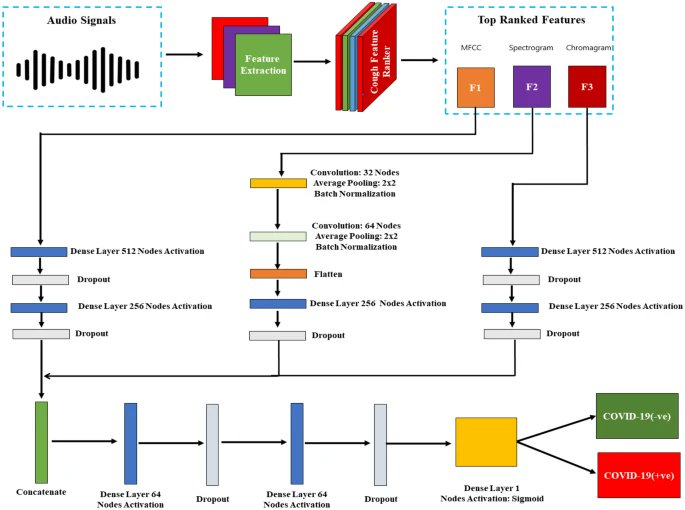
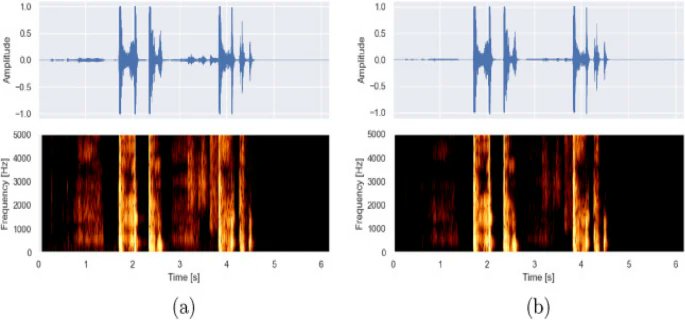
2) The Cough2COVID-19 framework uses advanced AI to accurately detect COVID-19 from cough sounds, overcoming limitations of traditional tests. It combines multiple deep learning models to analyze diverse audio features, outperforming individual approaches.
3) A novel algorithm identifies the most informative cough characteristics for COVID-19, enhancing the framework's efficiency and reliability. Tested across datasets, Cough2COVID-19 demonstrates superior performance ...
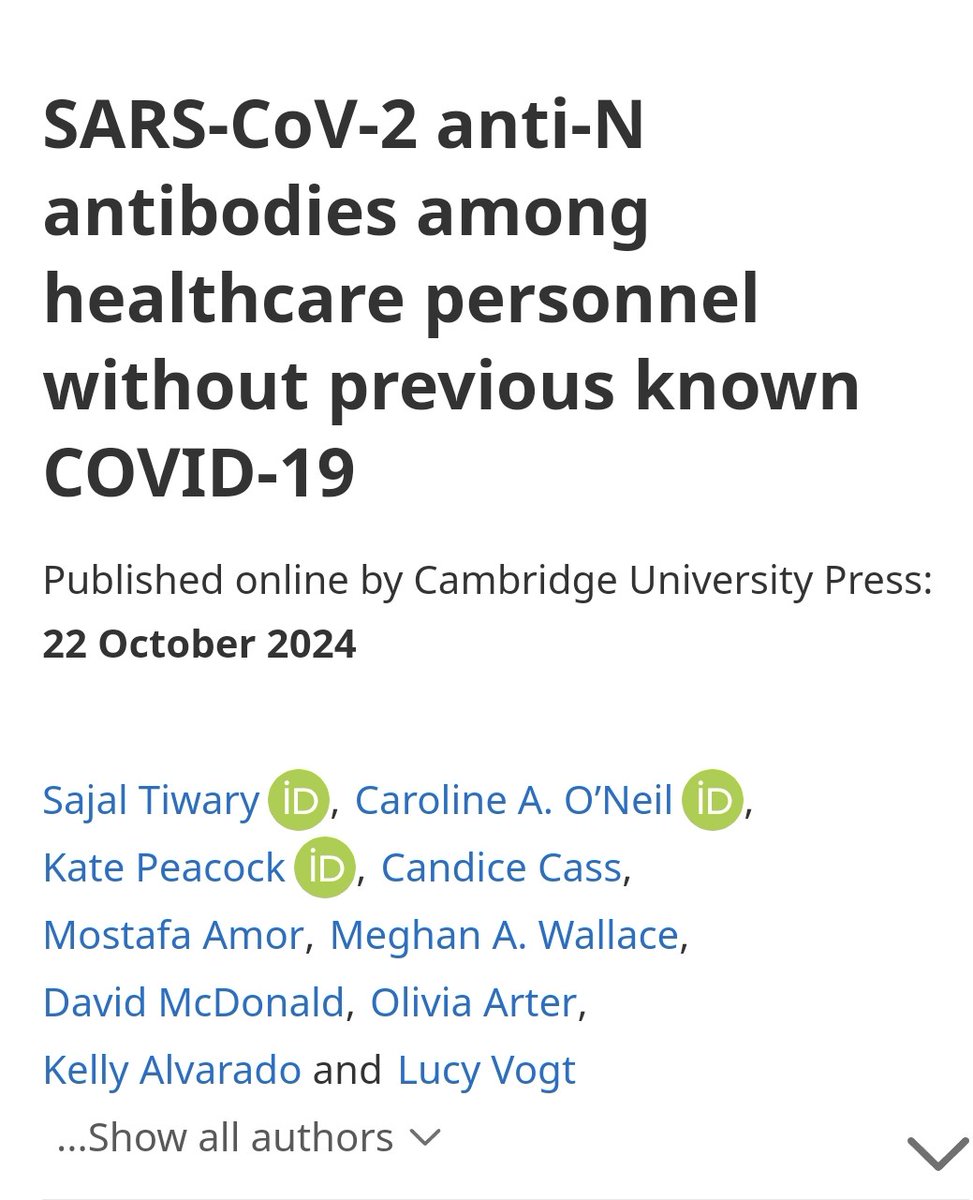
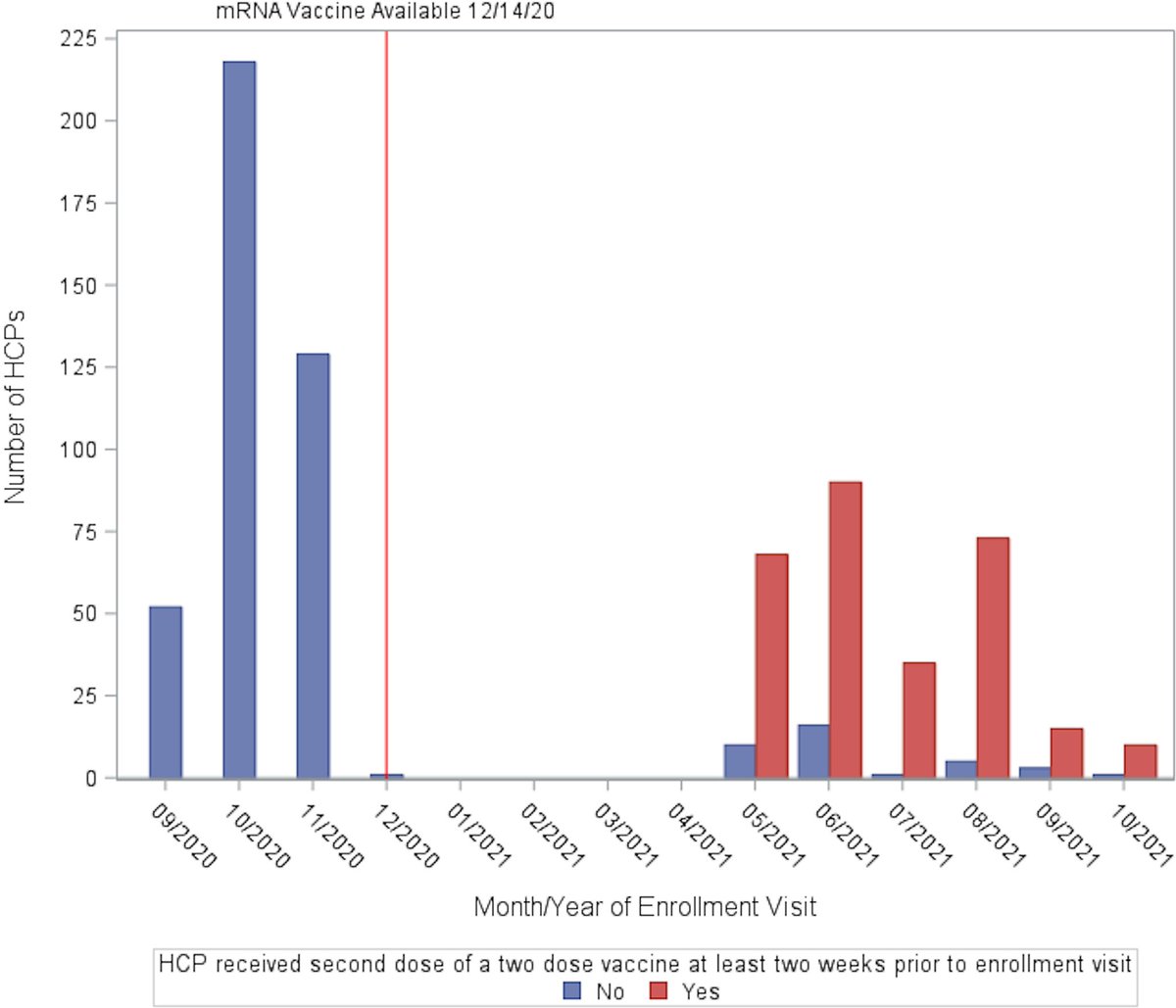
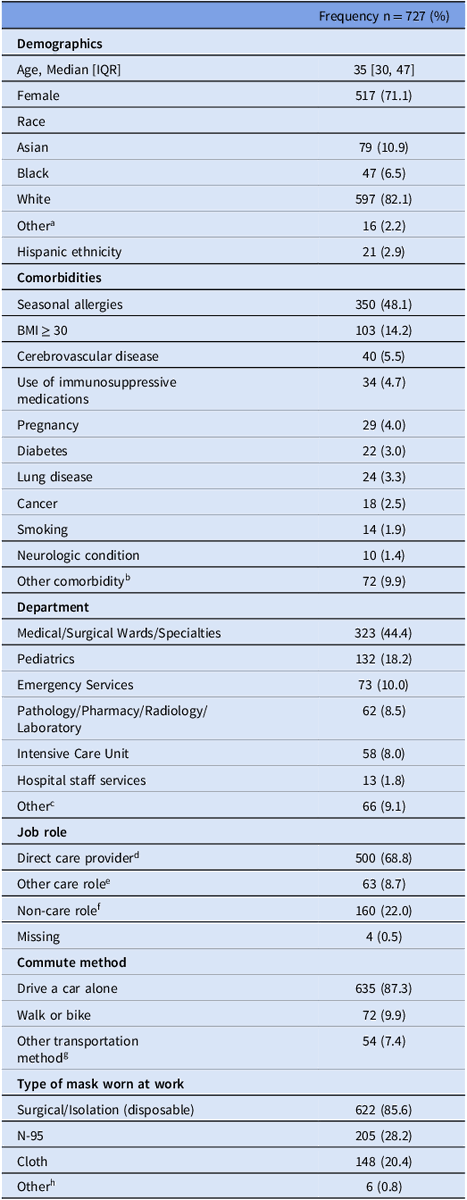
2) This study examined SARS-CoV-2 anti-nucleocapsid (anti-N) antibody seropositivity among healthcare personnel (HCP) without a history of COVID-19, both before and after the rollout of SARS-CoV-2 vaccines.
3) At enrollment, 3.7% of HCP were seropositive for SARS-CoV-2 anti-N antibodies. Seropositivity was associated with having had an illness believed to be COVID-19, as well as household and occupational exposures to COVID-19.
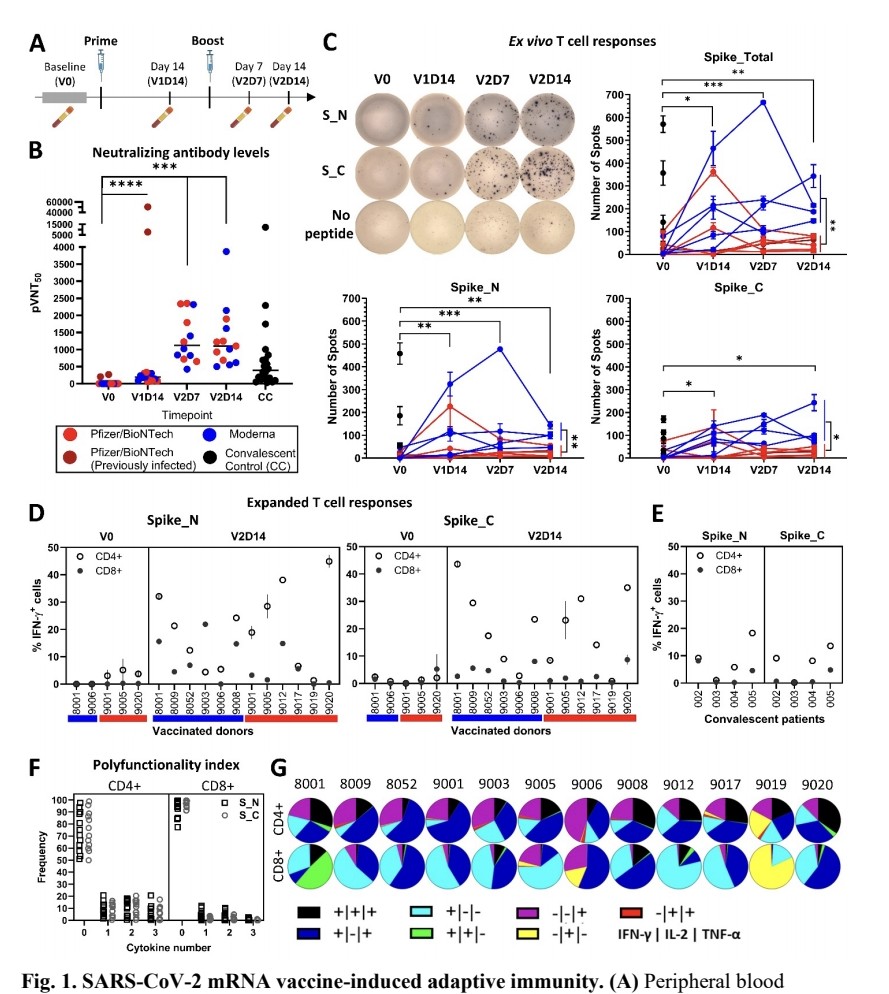
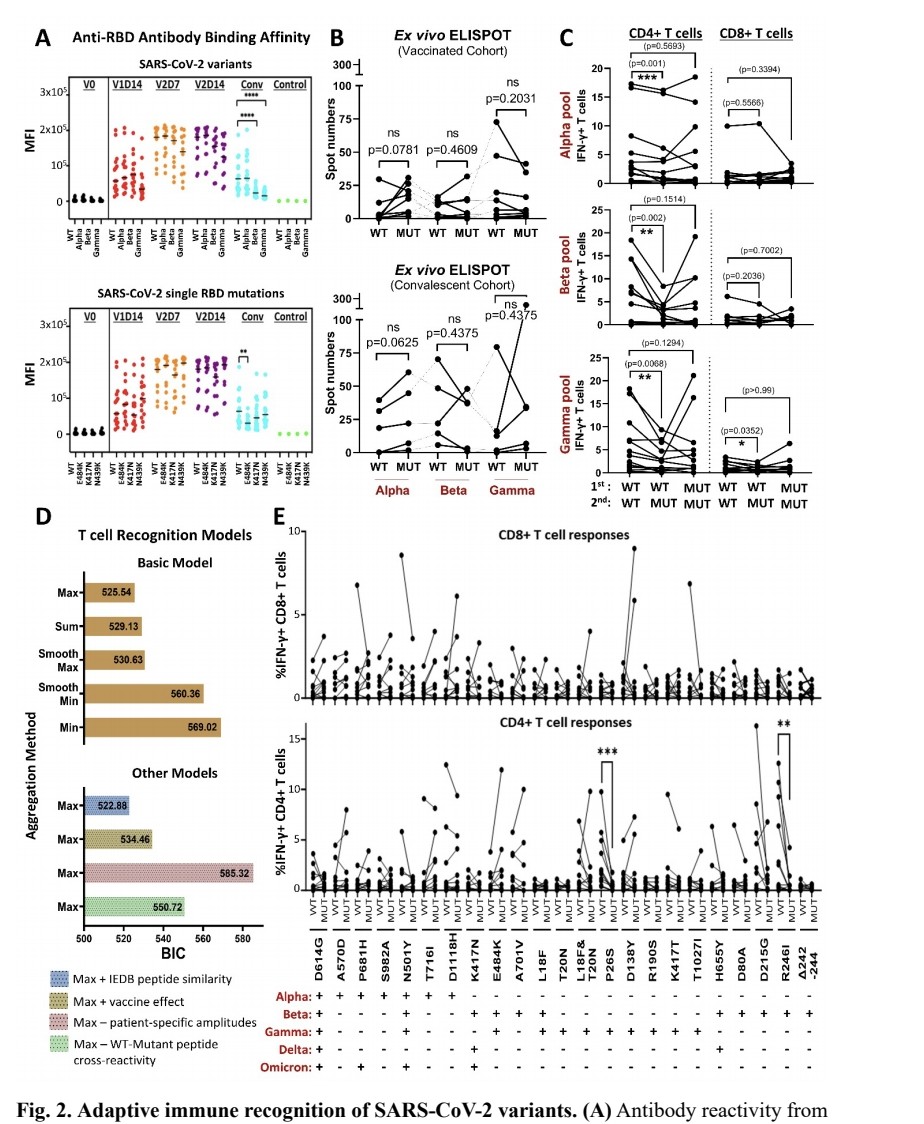
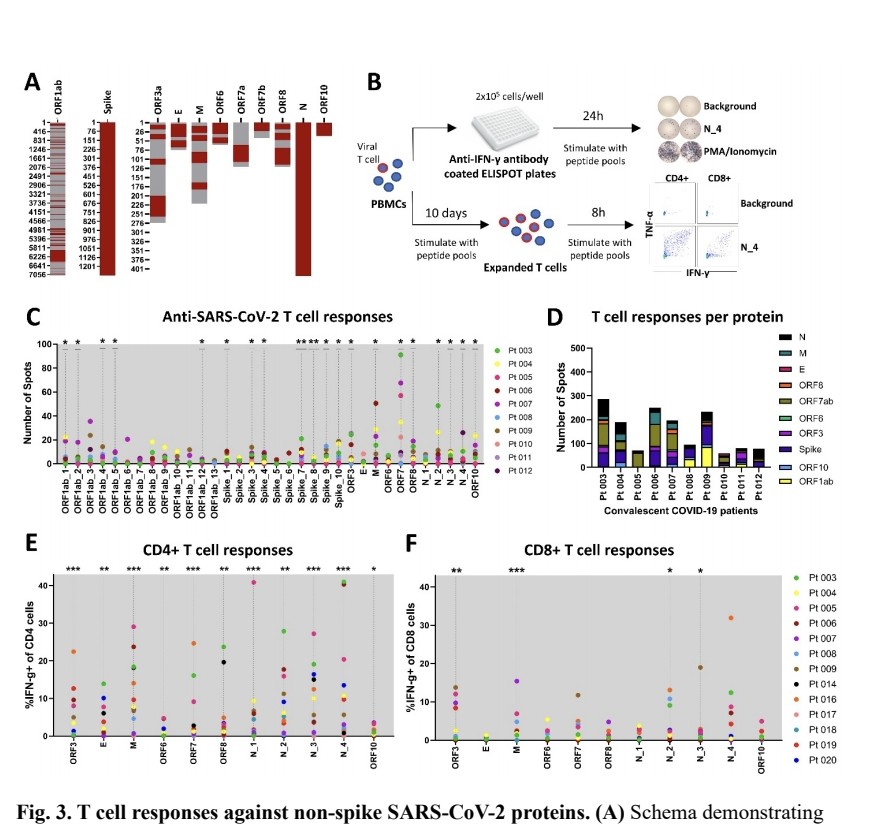
2) This study examined the immune responses generated by COVID-19 mRNA vaccines and in people who had COVID-19 before. It found that the vaccines quickly triggered strong T cell responses against the spike protein of the virus.
3) These T cells could recognize different variants of the virus, even as antibody responses declined.
The researchers also mapped T cell targets across other viral proteins, not just the spike. They found that many of these targets were in important, highly conserved regions..
2) The study compared the effects of the original SARS-CoV-2 Wuhan strain and the Omicron variant on disease outcomes and microbiome changes. The Wuhan strain caused higher mortality and more severe lung damage compared to Omicron.
3) Microbiome analysis revealed distinct shifts associated with each viral strain. Wuhan infection led to increased E. coli and decreased Erysipelotrichaceae in the lungs, potentially contributing to the observed cytokine storm and lung damage.