A NEW STRAIN of H5N1 FROM COWS has INFECTED some FARM WORKERS, and CAN SPREAD between MAMMALS, with AIRBORNE spread in ferrets, and is DEADLY in ANIMAL tests.
2) The study looked at a strain of the H5N1 bird flu virus that was passed from sick dairy cows to a farm worker. Even though the worker only had mild symptoms, the virus was found to be very dangerous in animal experiments.
3) Key findings:
- The virus could grow well in human lung cells, suggesting it could spread easily through the air. But it didn't grow as well in eye cells.
- The virus caused rapid / deadly infections when tested in mice and ferrets. All the ferrets infected with the virus died
4) - Remarkably, the virus was able to spread between ferrets through the air 17-33% of the time. This was more efficient than a previous cow virus strain.
- A specific mutation in the virus's genes (PB2-E627K) likely made it better at infecting mammals like humans.
5) - Another mutation (PB2-M631L) also helped the virus grow better in human cells.
- Importantly, the cow flu viruses were still sensitive to certain antiviral drugs, offering potential treatment options.
6) The study shows the pandemic risk from flu viruses that jump from livestock to humans. It highlights the need for close monitoring and control of these outbreaks.
Thanks for reading 🙏
• • •
Missing some Tweet in this thread? You can try to
force a refresh

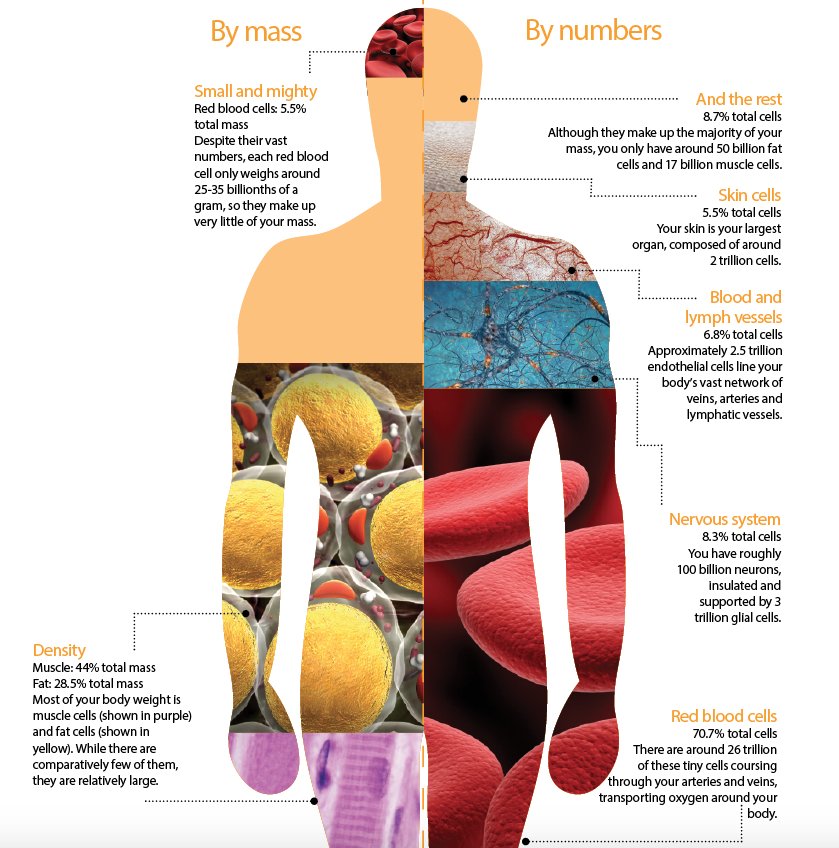
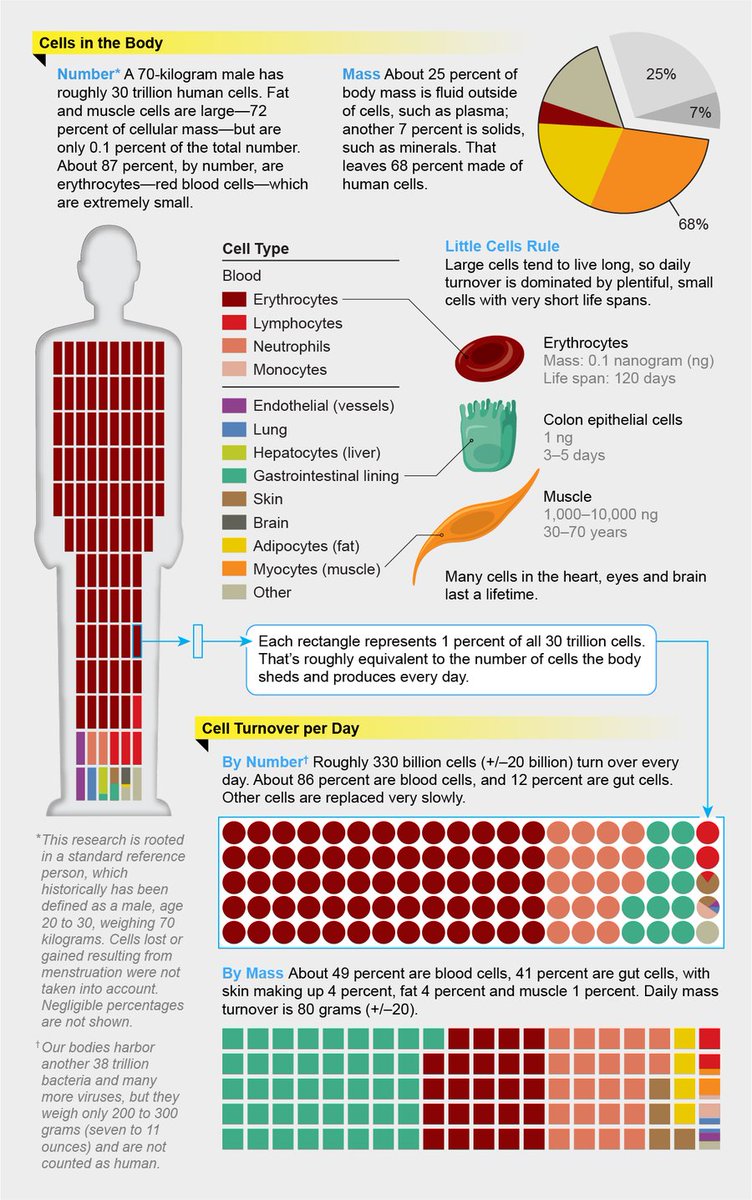
"70% to 90% of our CELLS are completely RENEWED in less than 5 YEARS!
So If we’re mostly "New", why are so many still struggling with SARS-CoV-2?
We will tackle this question, which is more complex than it seems, in several posts.
2) First, let's say a few words about cell renewal.
70% to 90% of our cells are renewed over time. This turnover occurs in various cell types, including skin, blood, and immune cells, allowing the body to replace damaged or aged cells. sciencefocus.com/the-human-body…
3) For instance, red blood cells have a lifespan of about 120 days, while skin cells regenerate every few weeks.
Even with significant cell renewal, aging persists due to changes in our DNA. sciencefocus.com/the-human-body…
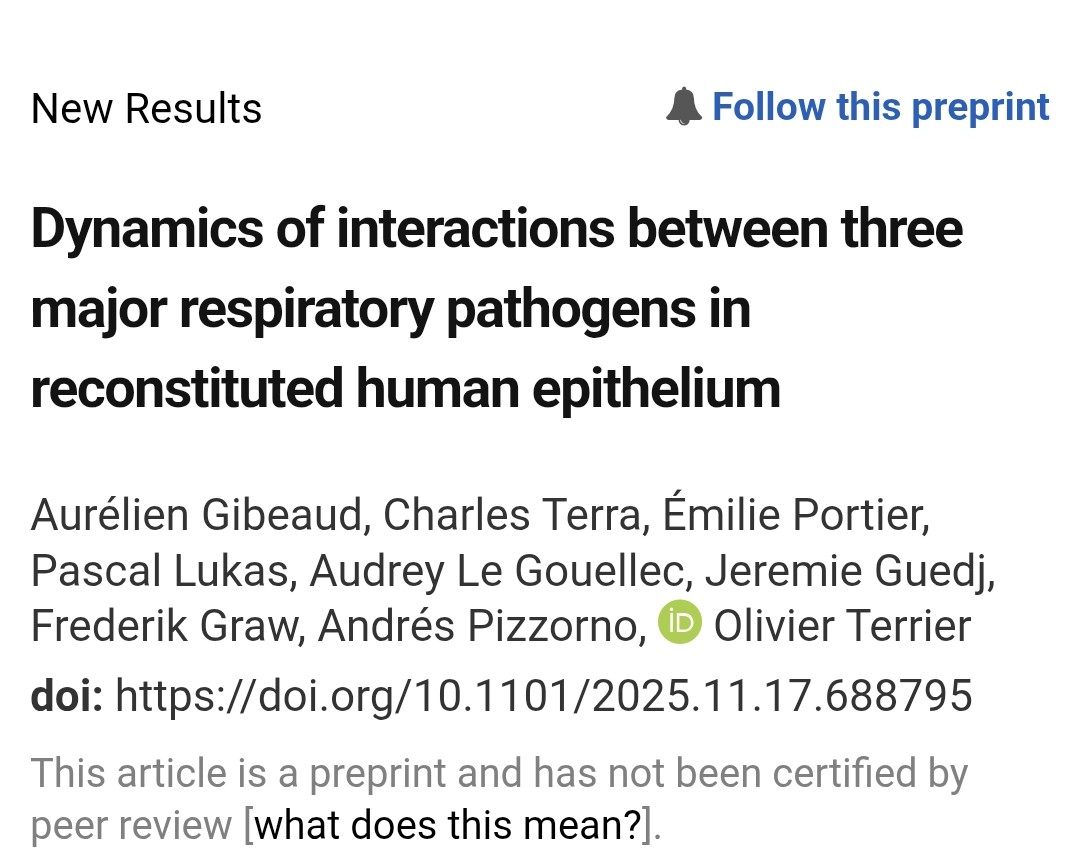
2) Co-infection occurs when a person is infected by more than one virus at the same time. This can lead to interesting and sometimes complex interactions between the viruses
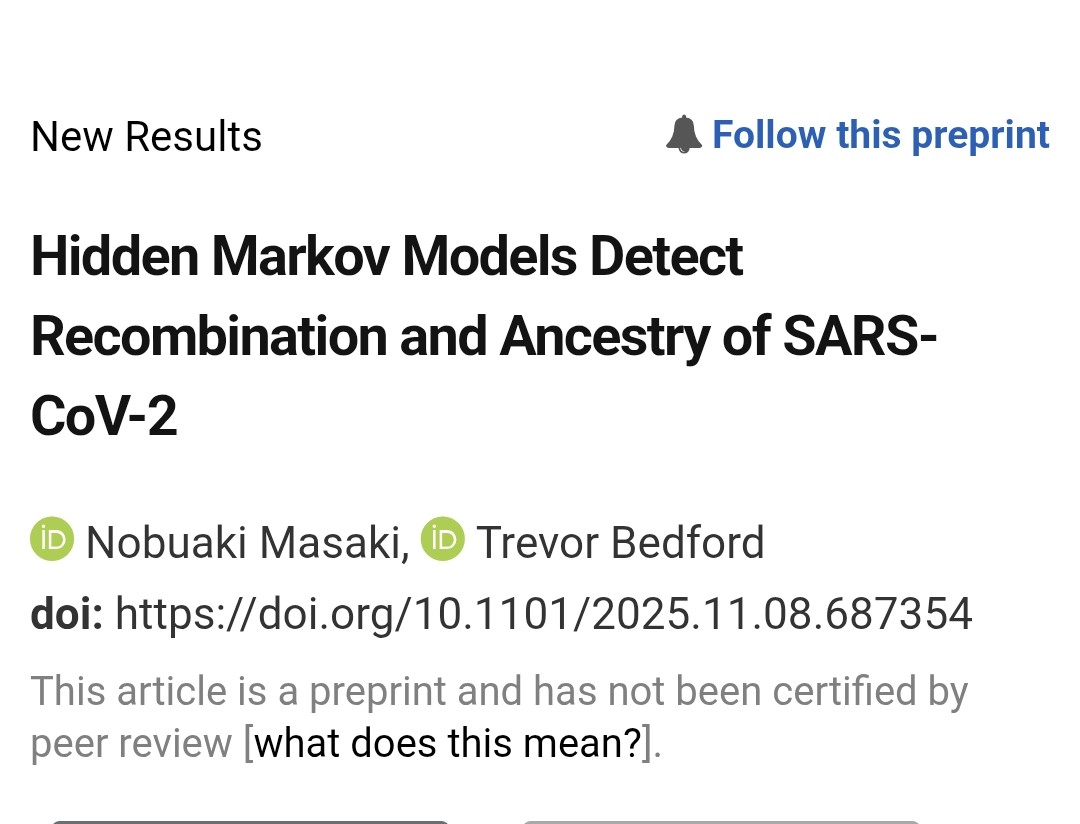
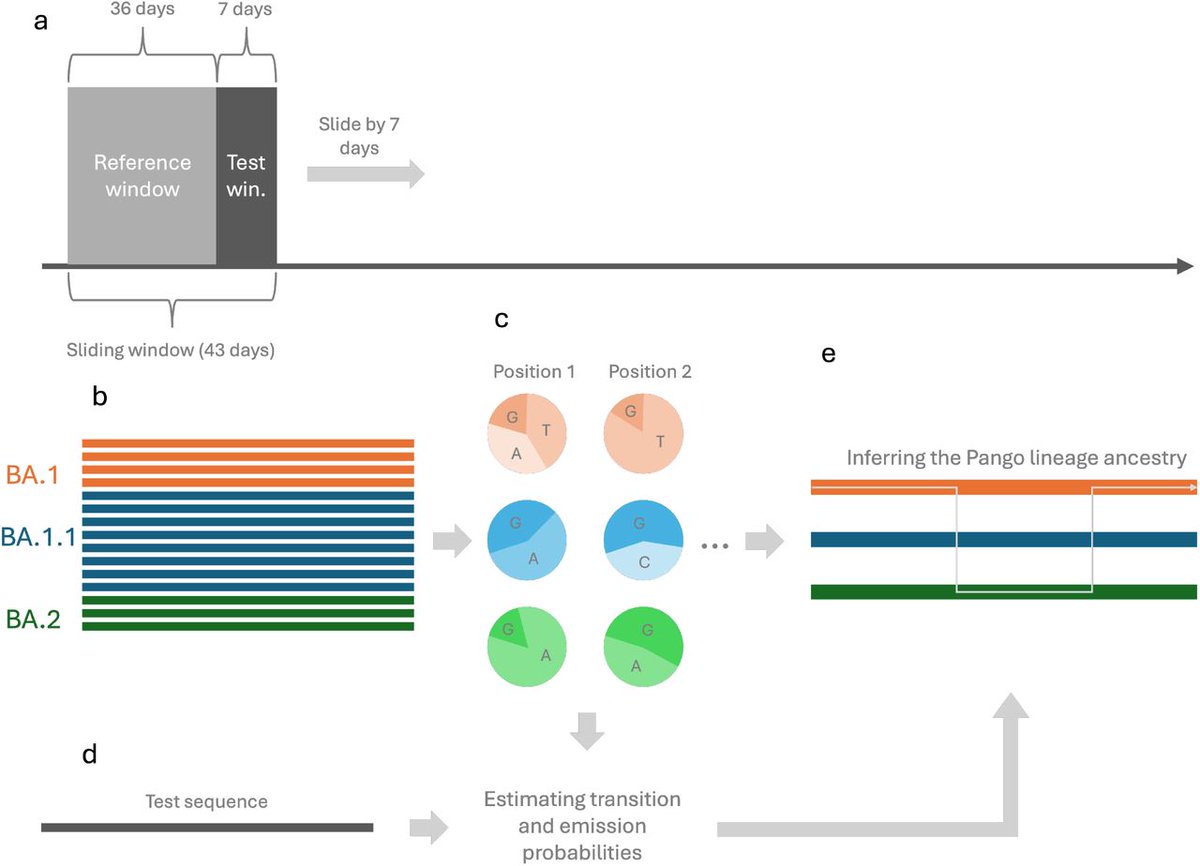
3) In one study about SARS-CoV-2, researchers found that when different versions of this virus infect the same person, they can mix their genetic material through a process called recombination. This means that the new version of the virus can have traits from both parent viruses
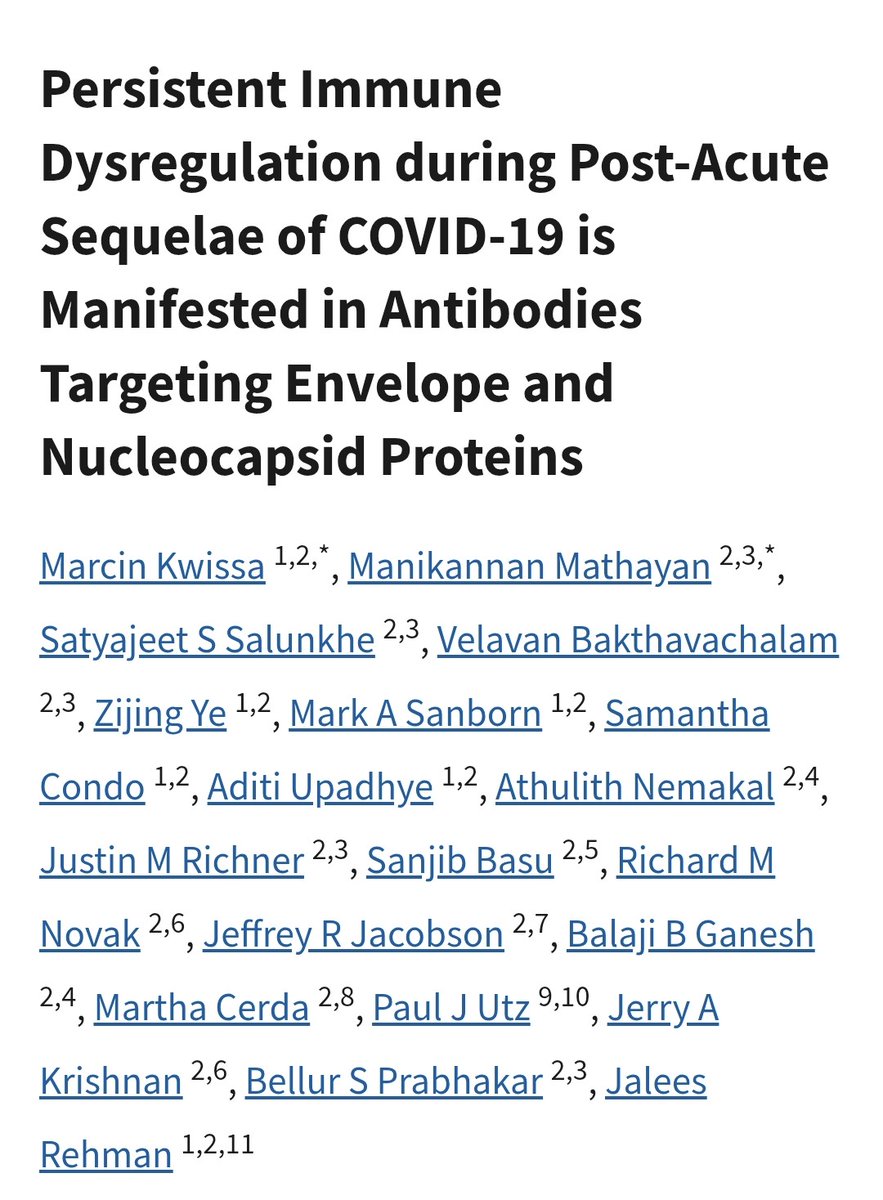
For more than three years, we have been emphasizing that the envelope protein is an essential component and that we cannot limit our focus to just the spike protein. We are now uncovering its role in long COVID.
3) The Envelope (E) protein of SARS-CoV-2 plays a crucial role for several reasons:
▶️ Virus Assembly and Release: The E protein is essential for the virus's assembly and budding from infected cells, contributing to its stability and infectivity.
In 2022, COVID-19 was the second leading cause of death globally, with the repercussions of the virus far from over. The lasting impact of the pandemic continues to affect lives around the world.
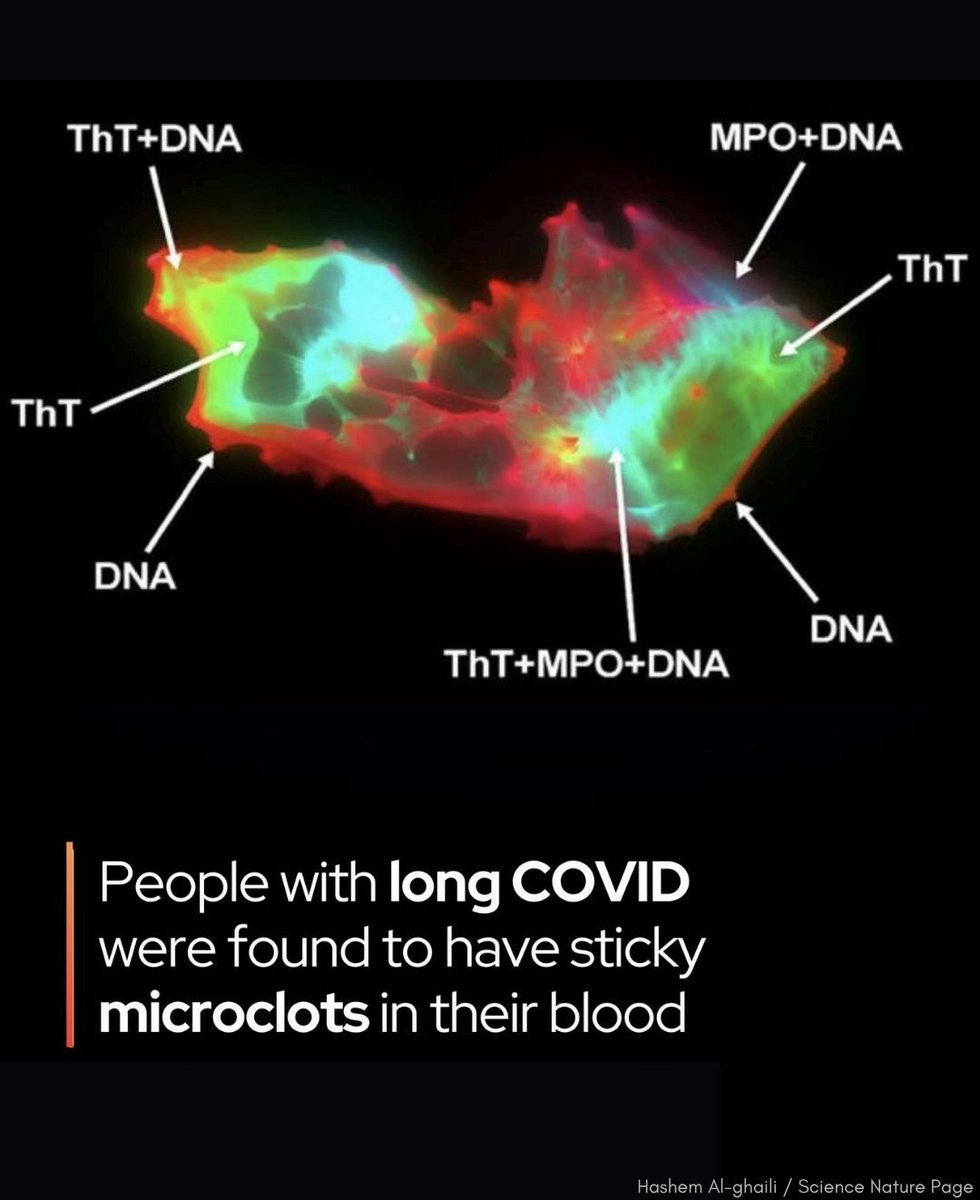
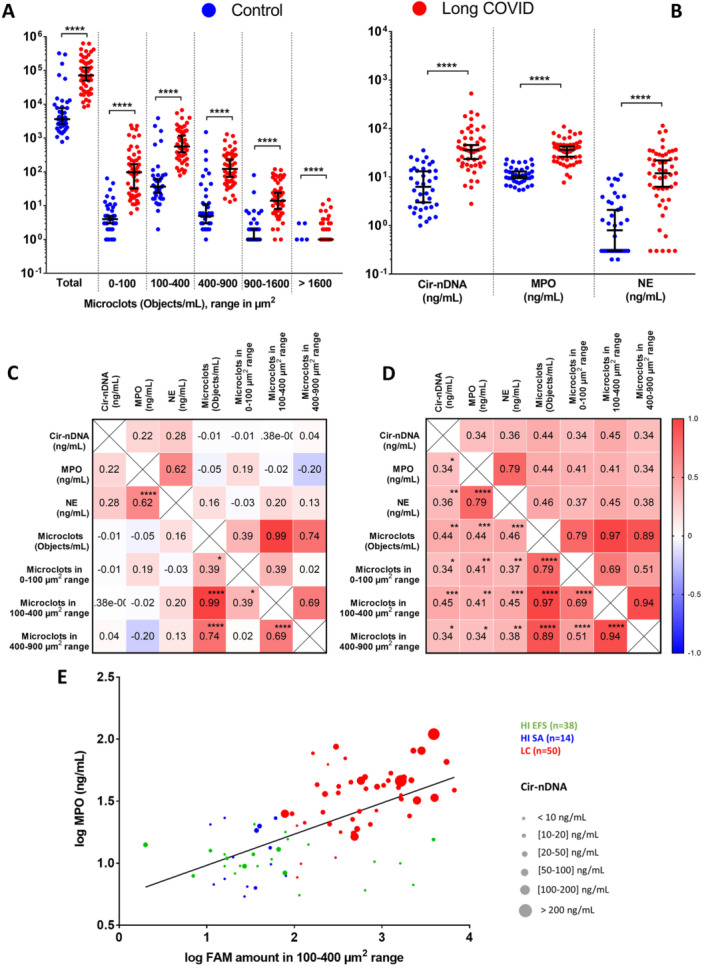
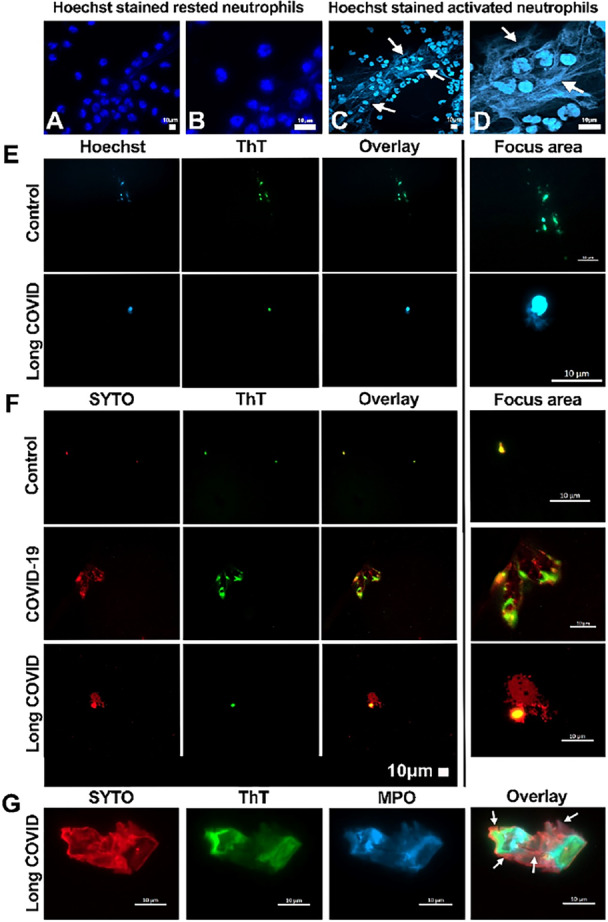
Recent research may have identified a key factor contributing to long COVID: microscopic clots intertwined with immune system debris in the blood. These unusual structures were found to be nearly 20 times more prevalent ...
2) ...in long COVID patients compared to healthy individuals. The clots, associated with neutrophil extracellular traps (NETs), suggest a potential biological marker for persistent symptoms.
3) These microclots could impede blood flow in small vessels, leading to issues like brain fog, fatigue, and shortness of breath.
Unlocking the Secrets: A Comprehensive Megathread on Key Virus Subtypes of Human and Avian Influenza !"🧵
First, a quick overview of the different subtypes:
HUMAN INFLUENZA
H1N1 : The 2009 pandemic strain, which continues to circulate
...
2) H3N2: Strain spreading fast actually and causing significant morbidity
H6N1: Notable for potential human impact.
AVIAN INFLUENZA :
H5N1: High pathogenicity, zoonotic concerns.
H3N8: Emerging strain of interest.
H7N9: Associated with human infections, sporadic outbreaks.
3) H5N8: Emerging strain with health implications.
H5N6: Recent cases in birds and humans.
H7N7: Impact on poultry and occasional human cases.
H9N2: Common in birds, history of human infections.