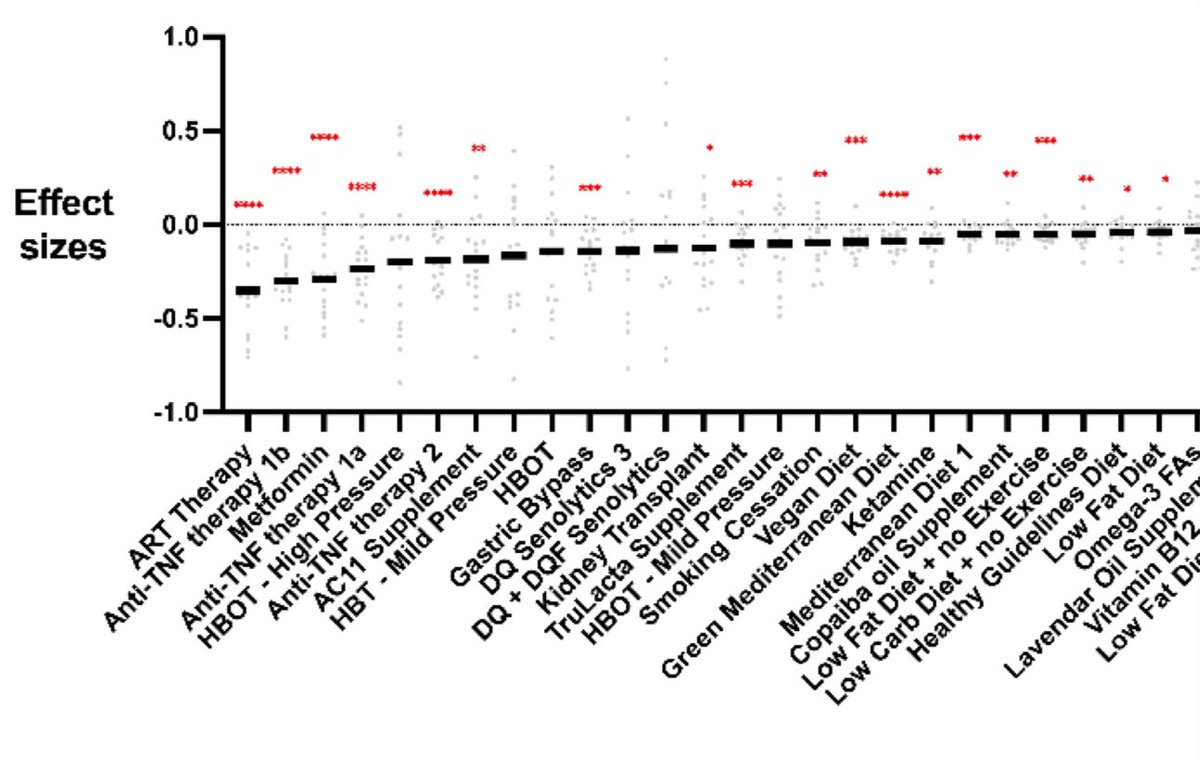
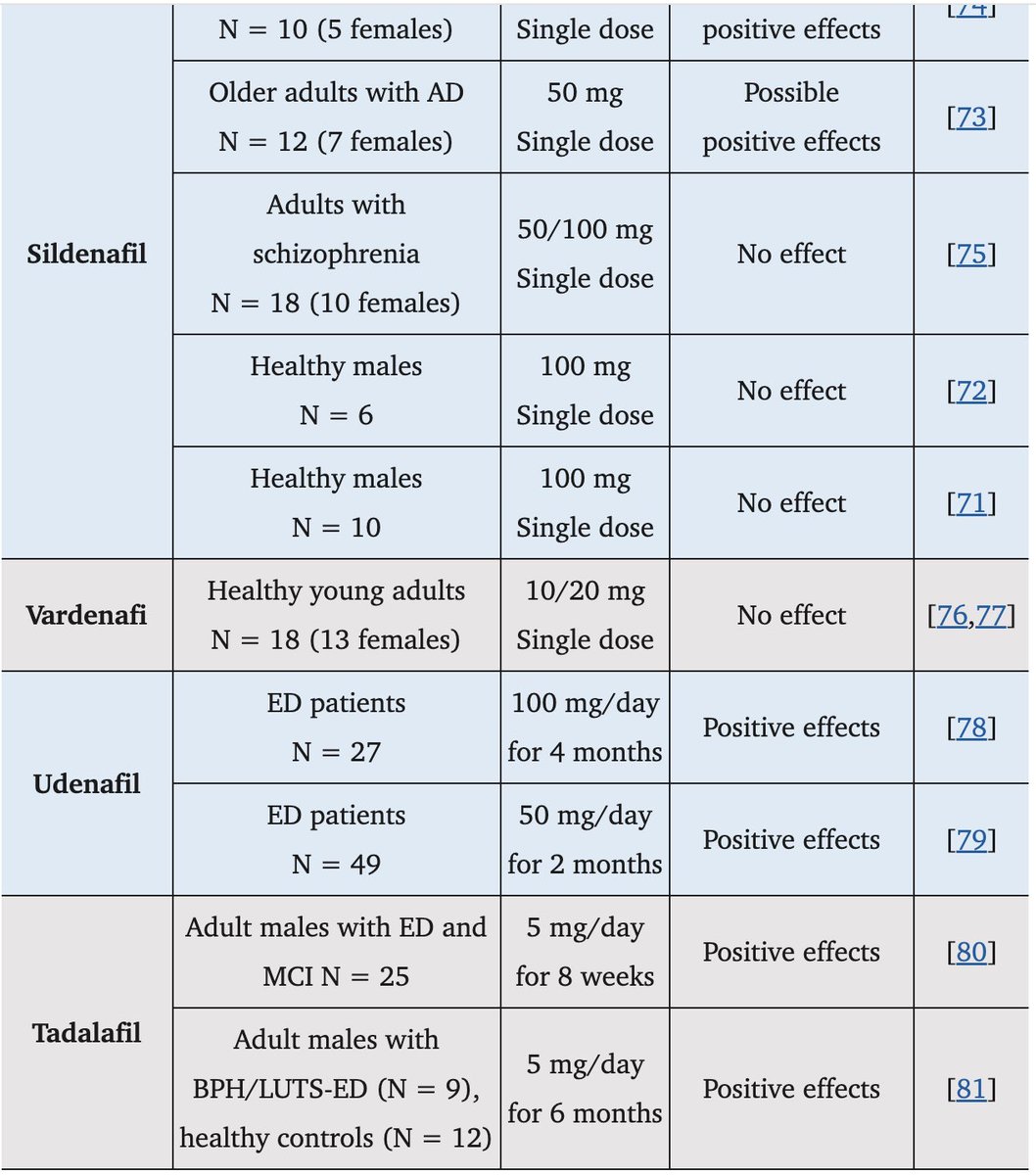
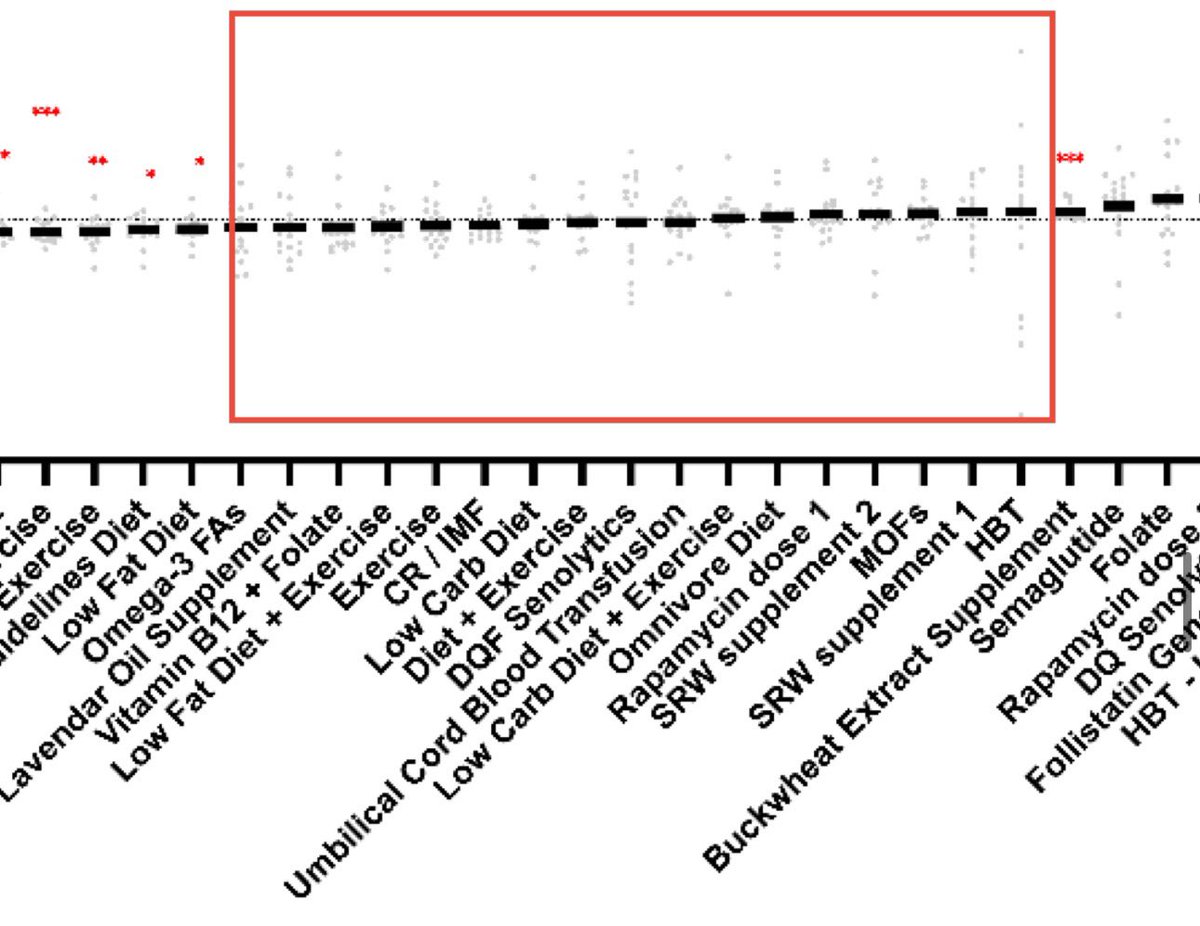
No effect: 1. Rapamycin 2. Omegas 3. Exercise 4. Vitamin B 5. CR/IF 6. Ozempic 7. Follistatin
More ⬇️
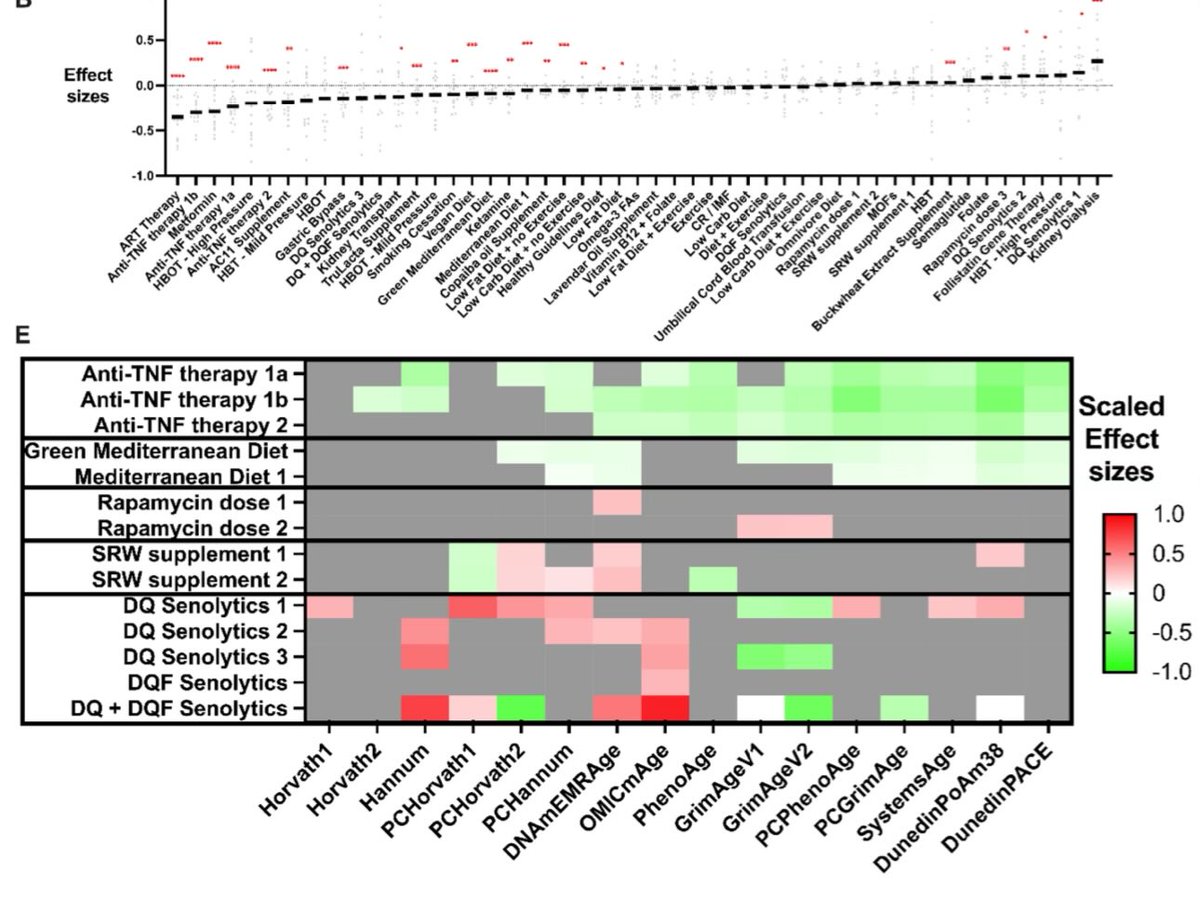
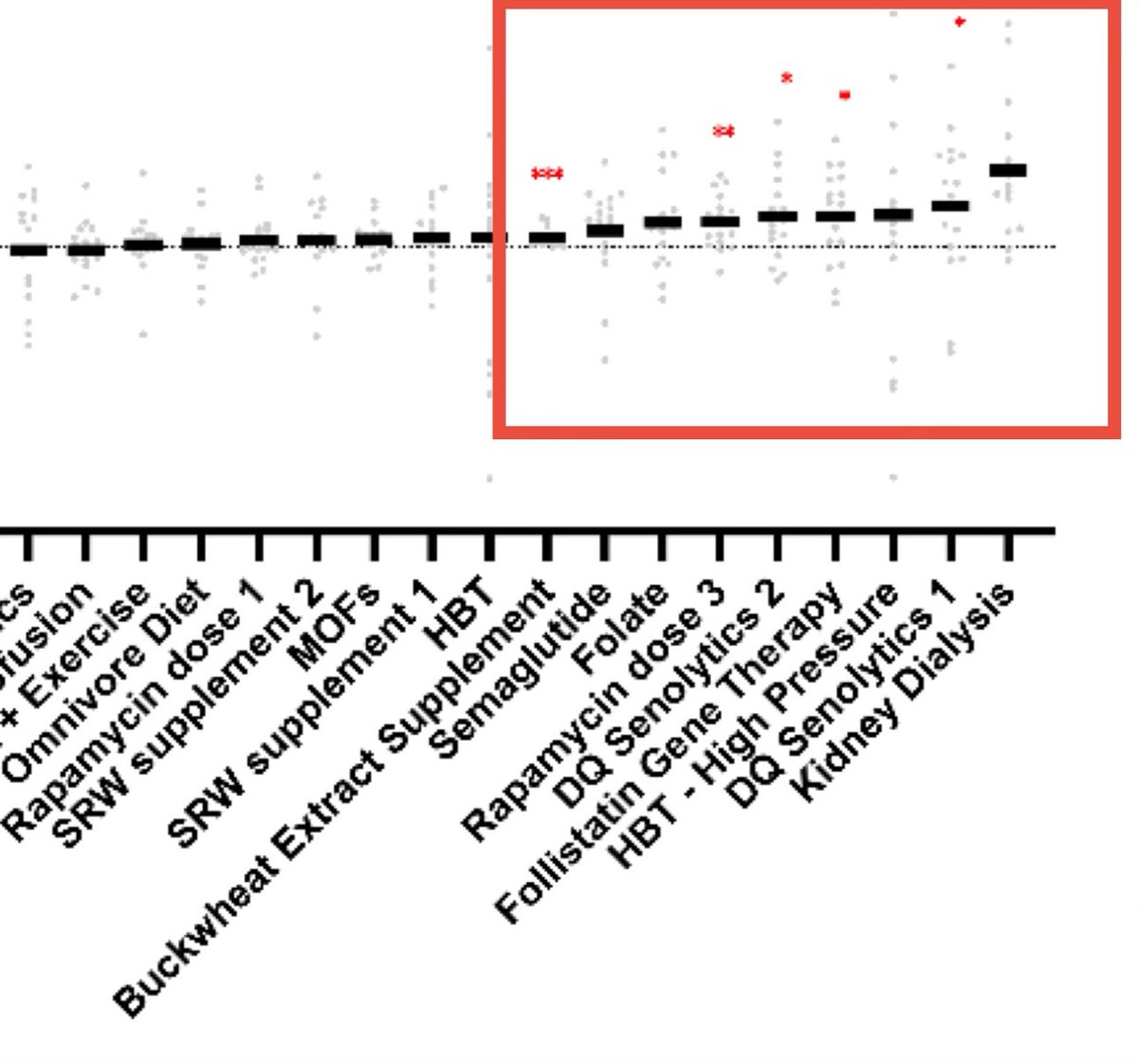
DNA methylation (DNAme) age reductions. Red asterisks represent statistical significance
* P<0.05; ** 0.01; *** 0.001
No effect on DNAme age:
Negative effect on DNAme age:
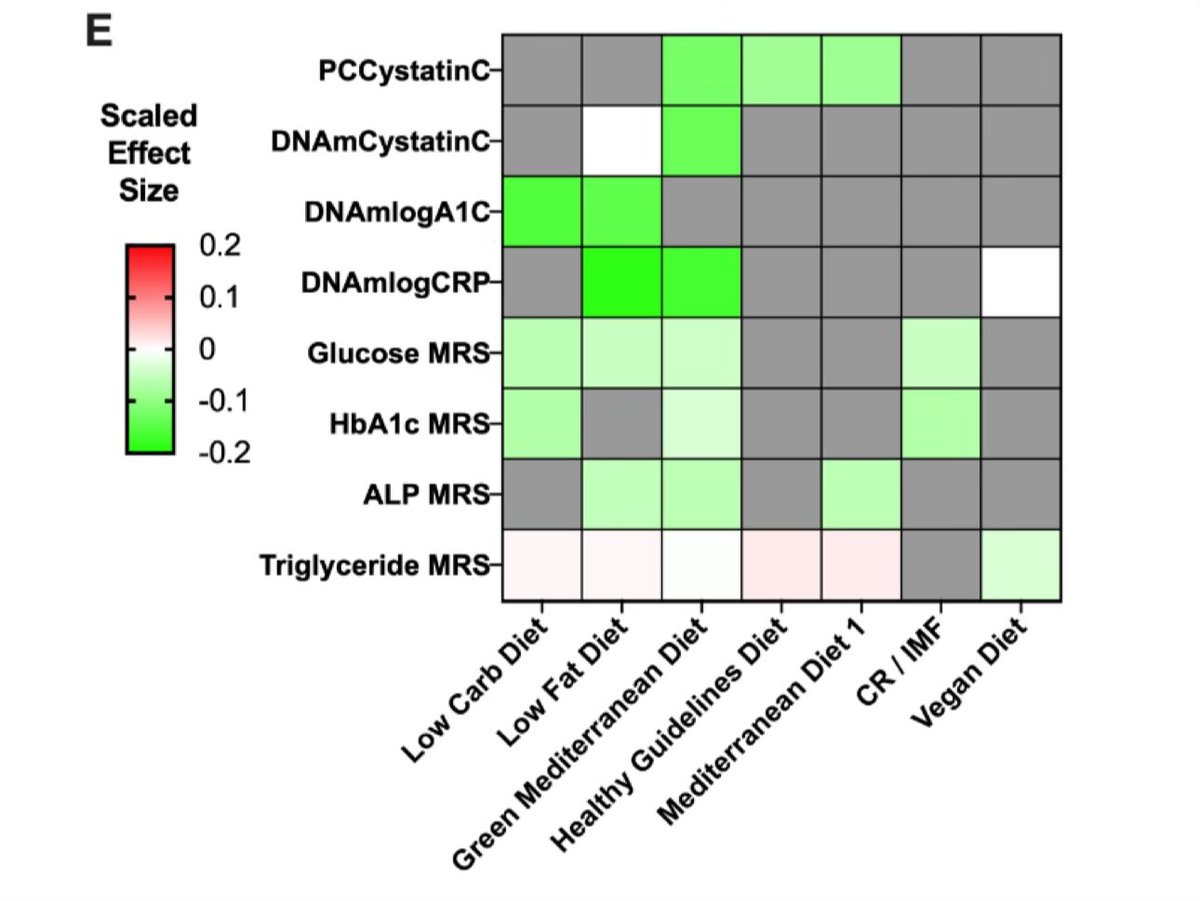
Blood biomarkers that serve as proxies for DNAme age and diets:
CystatinC - kidney function
HBA1c - glucose / diabetes
CRP - inflammation/ heart disease
ALK - liver / bone health
Triglycerides - serum fat / heart disease
From the Longevity Interventional Studies Community & lab of Albert Higgins Chen @YaleMed. The manuscript can be accessed @biorxivpreprint and has not yet been peer reviewed and might change during this process - like defining what “ART” is 🙏 biorxiv.org/content/10.110…
@YaleMed @biorxivpreprint Why might ketamine change DNAme? Ketamine can reduce methylation at specific sites within the BDNF gene, potentially improving brain health, which might positively affect other cells and blood biomarkers. Or maybe it acts via peripheral nerves 💪
• • •
Missing some Tweet in this thread? You can try to
force a refresh

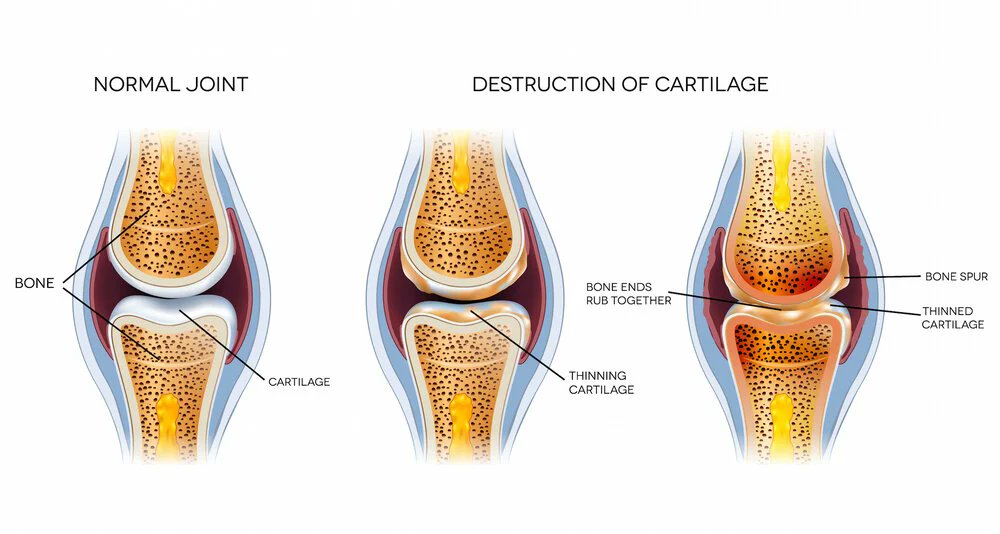
Osteoarthritis & back pain affects millions of people. Instead of managing symptoms, imagine rebuilding joints by making them young
New study shows the reprogramming gene combo OSK regrows joints in mice & effect depends on TET2 so it's epigenetic...🧵
While limited to mouse models, these findings add to a growing body of evidence that rejuvenation by epigenetic reprogramming may safely reverse aging-related decline in multiple tissues, or whole body one day
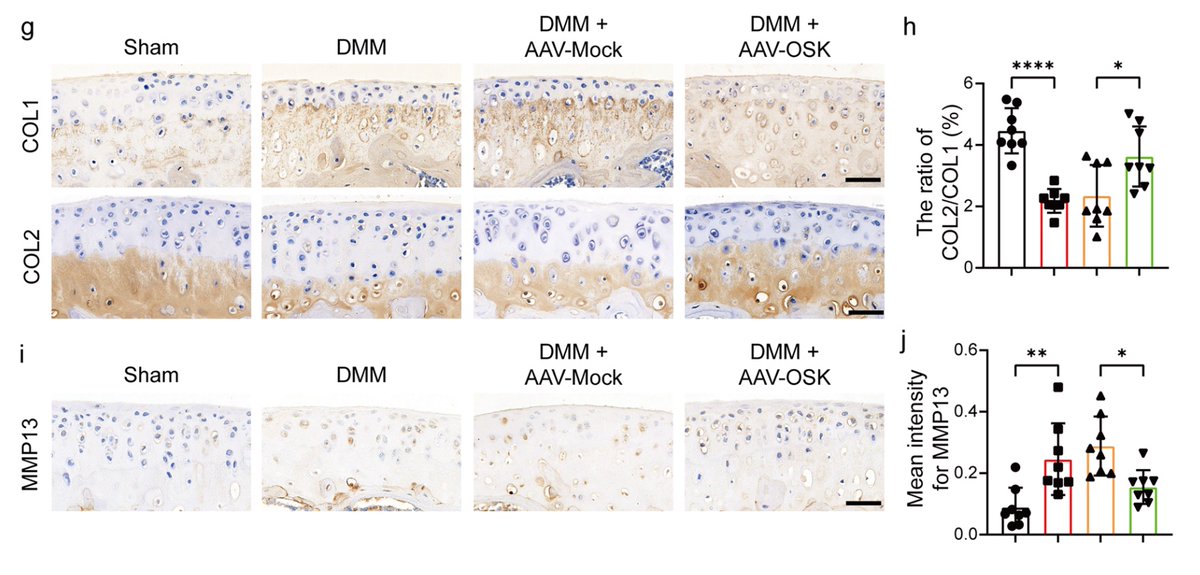
These experiments used local AAV-OSK delivery directly into the knee joint. Treated animals showed improved cartilage structure and reduced subchondral bone thickening compared with controls
According to ITOA, NAD declines with age, causing epigenetic changes & disease susceptibility
In 2010, we showed NAD-dependent enzyme, SIRT3, protects the heart 🐁
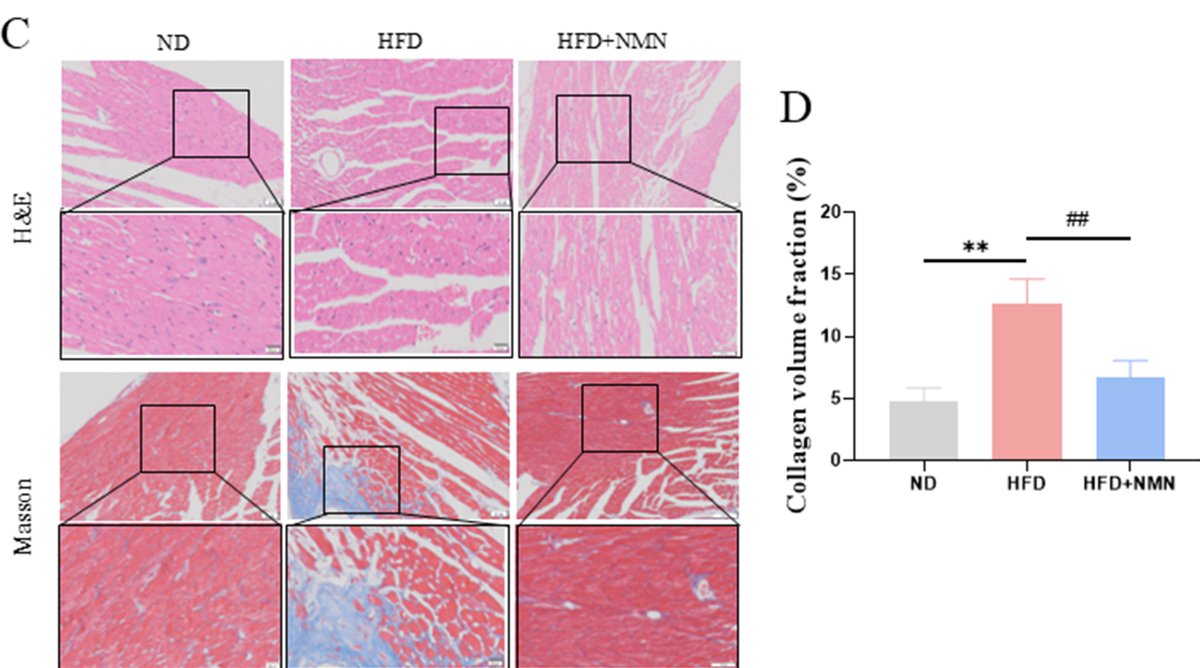
New study says NAD precursor NMN protects the heart via SIRT3 in mice fed a Western diet
Why's that important? 🧵
In the United States alone, about 1 in 5 deaths is due to cardiovascular disease. That’s roughly 700K-900K deaths per year. Globally, cardiovascular disease causes nearly 20 million deaths annually
Metabolic dysfunction is a major driver. In the US, ~40 percent of adults are obese and nearly 1 in 3 adults has metabolic syndrome
Globally, more than 500 million people are living with diabetes
Good news: Another study showing that fasting can help cancer patients. A 16 hour fast enhanced the cancer-killing activity of T cells and synergized with immunotherapy to reduce tumor size, ostensibly by causing cancer cells to release the amino isoleucine... 🧵
In the tumor microenvironment (TME), there was increased isoleucine processing and intracellular acetyl-coA, along with increase expression of genes involved in the starvation response, autophagy
There were also alterations in glutamine metabolism, a known source of energy for cancer cells
Amazing! Placing mice in low air pressure every other day slows hair loss, weight gain, osteoporosis & extends median lifespan by 12%. Ascribed to the killing of senescent, zombie cells
Could exercise, high altitude, or a drug have similar benefits? Let’s dig in🧵
Firstly, hypobaric (low) pressure should not to be confused with hyper-baric oxygen therapy (HBOT), which is also studied by longevity researchers, though there may be overlapping hormetic mechanisms between the two @NaturePortfolio
I’ve always wondered if living at a high altitude is healthier, but the evidence is weak. Maybe it needs to be pulsed: high pressure -> low pressure -> high pressure -> low pressure to induce hormesis
New study indicates that a decrease in nerve cell cholesterol caused by cortisol, inflammation & low SIRT1 activity may be a cause of major depression.
So, do statins exacerbate depression?
And since SIRT1 is NAD⁺-dependent, could NAD⁺ boosters treat or prevent depression? …🧵
Around 5–5.7% of adults worldwide experience depressive disorders at any given time. >280 million people!
Lifetime depression diagnoses in the U.S. have risen. ~29% report ever being diagnosed, up from ~20% a decade ago