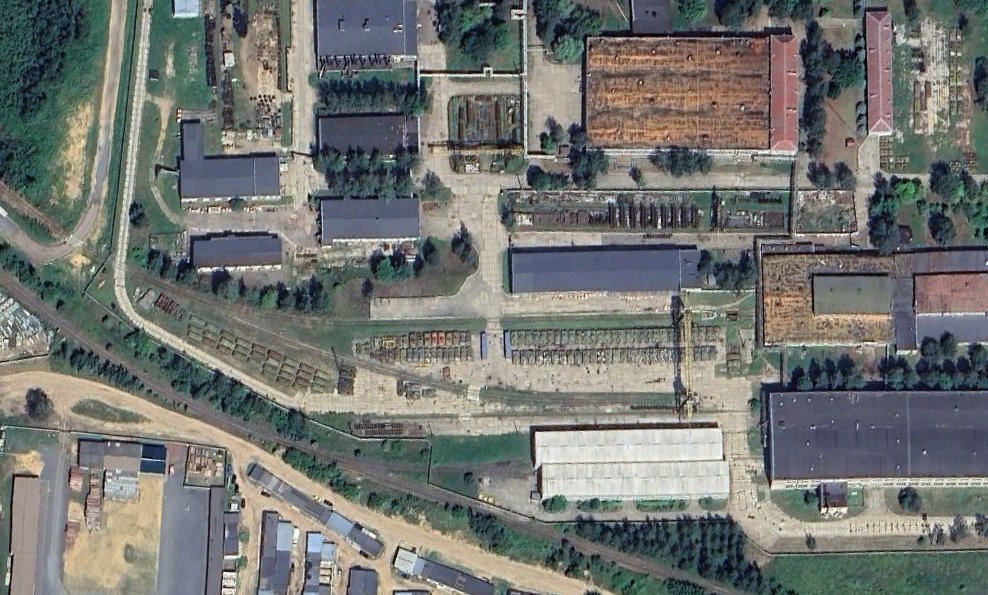
1/ Russian BMP refurbishment rate has peaked and is now slowing down. In today’s thread, we’ll explore repair plants and major BMP storage bases to uncover some trends. 

2/ First, let’s look at how many BMPs were taken from storage. Referring to Jompy’s spreadsheet on BMP-1/2/3: by mid-2024, 2,565 vehicles were taken from storage. docs.google.com/spreadsheets/d…
3/ These 2.5K units include almost all BMP-2/3s that were in storage and the best of the BMP-1s. Around 3,744 remain, with approximately 400 being PRPs and around 3.3K BMP-1s.
4/ That’s a huge number, but let’s look closely at what’s left and what Russian repair plants have been working on.
5/ Starting with 163 BTRZ, a repair plant less than 250 km from the frontline that specializes in BMP-1/2 repairs. In 2023, vehicle numbers here surged. Including the staging area nearby, there were around 520-550 BMPs.
6/ By September 2024, vehicle numbers had halved, indicating that the plant processed at least 250 BMPs. In 2016, it received a contract for BMP-2 repairs at a rate of 112 units per year. This rate has obviously increased since 2022.

7/ Not all of them were refurbished, though. The plant and staging area are littered with hulls, spare parts, and turrets. Repair rates likely doubled compared to prewar levels, but further increases require infrastructure expansion.
8/ Next is 103 BTRZ, known for refurbishing T-62s but also handling BMP-2s, though in smaller quantities. While they’ve worked through some backlog, there are no signs of new batches arriving.
9/ The 144 BTRZ mainly deals with BMDs for air assault divisions. BMD-2s, retired not long ago with newer equipment, were some of the most combat-ready vehicles.
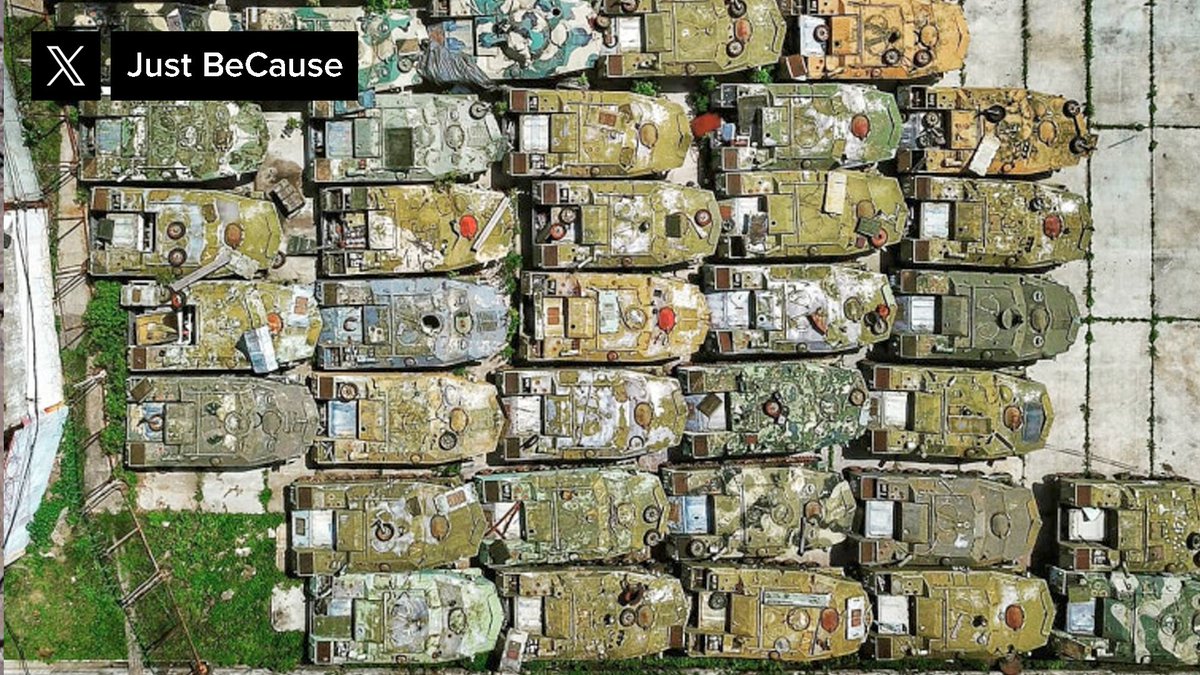
10/ The 560th plant was shown on Russian TV as propaganda, claiming that refurbishing these BMP's takes mere days. But fresh satellite images show none have been touched. If it only takes days, why the inactivity? No signs of new BMPs coming in from storage here.
11/ Other plants handle BMP-2s, like Kurganmash, or BMP-1s, like Rubtsovsk. Kurganmash primarily focuses on BMP-3s, while Rubtsovsk is smaller with limited capacity.
12/ You’d expect more batches of BMPs from storage flooding these plants, but what’s happening in reality? The best storage equipment is mostly refurbished, and what remains needs serious overhaul.
13/ Here are BMP-1s at the 111th base in Khalgaso. Some Russian sources say these vehicles were decommissioned after the Chechen wars, with lots still in 90s-2000s Russian camo and showing damage. Maybe it's bs, but this version must be considered.
14/ You’ve probably seen videos where someone takes a rusty, old retro watch and restores it to look brand new in a cool time-lapse. Now, imagine doing the same with a 50-year-old, 13-ton vehicle that hasn’t moved an inch outdoors for at least a decade.
15/ Most storage bases with large BMP quantities now have their remaining BMP-1s parked tightly after inspection, and looks like they’re unlikely to be deployed soon. "Just chilling".
16/ The 349th base, for example, has received BMPs from other locations and is either scrapping them for spare parts or attempting refurbishment on-site by consolidating multiple donor units. Either way, Covert Cabal's table shows the trend.
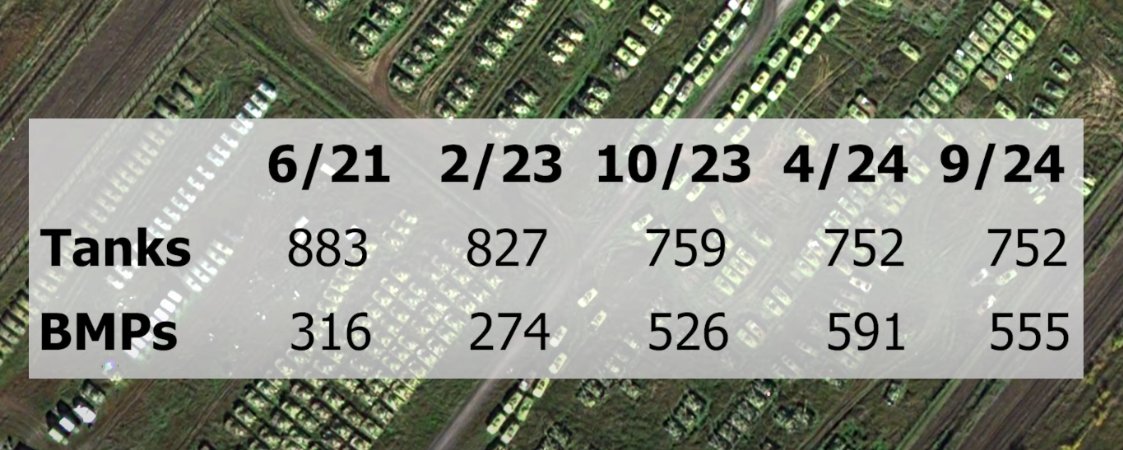
17/ Given its proximity to Kazakhstan, it’s possible new BMPs are arriving from southern countries like Tajikistan or Kazakhstan itself. I’ve been monitoring the largest storage base there, with no changes noted yet.

18/ Another possibility is that BMPs are moving from other bases through the 349th to Rubtsovsk, where BMP-1AMs are being produced. The route makes sense, as Rubtsovsk is nearby and connected by rail. I'll stick to this version.

19/ More details here:
20/ Now, onto BMP-3s. They began appearing at Kurganmash in 2022; by mid-2023, there were a good hundred, now down to about 20 units. Each has different camo, indicating they were produced pre-2022 and brought here for repair and upgrades from storage or active units.
21/ New BMP-3s have standard olive camo and additional SB3KDZ armor. This implies not all BMP-3s from Kurganmash are newly produced. They’re still working through the backlog, so from now on, they’ll have to produce brand-new units only instead of drawing from storage.
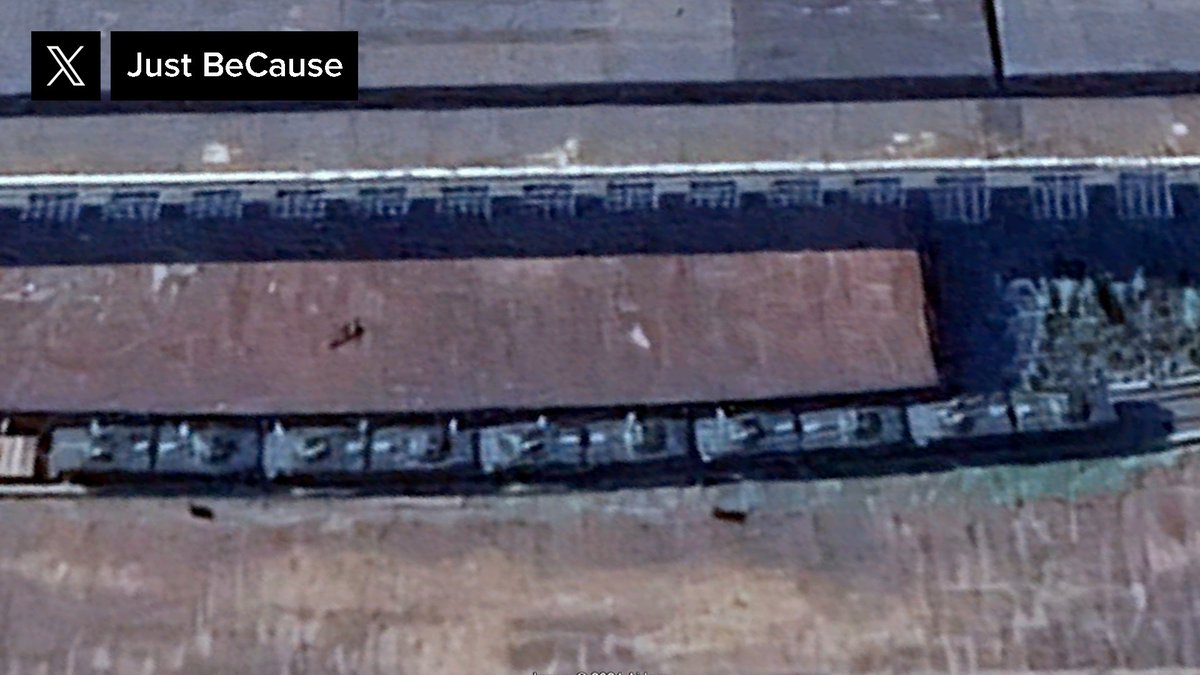
22/ Key Insights:
- Russia has worked through the best BMPs in storage. Refurbishing the rest will take more time, with many remaining units in poor shape and likely untouched.
- BMP-3 deployment rates will slow, as many vehicles coming from Kurganmash were produced before.
- Russia has worked through the best BMPs in storage. Refurbishing the rest will take more time, with many remaining units in poor shape and likely untouched.
- BMP-3 deployment rates will slow, as many vehicles coming from Kurganmash were produced before.
23/
- Russia may seek more armored vehicles from allies like North Korea, with potential deployment in 2025. Recent news of UAE-supplied armored vehicles supports this theory.
- Russia may seek more armored vehicles from allies like North Korea, with potential deployment in 2025. Recent news of UAE-supplied armored vehicles supports this theory.
24/ That’s it for now! If you enjoyed this work, consider supporting me on Buy Me a Coffee, with Patreon and PayPal links in my bio.
Alla prossima!buymeacoffee.com/justbecauseosi…
Alla prossima!buymeacoffee.com/justbecauseosi…
• • •
Missing some Tweet in this thread? You can try to
force a refresh