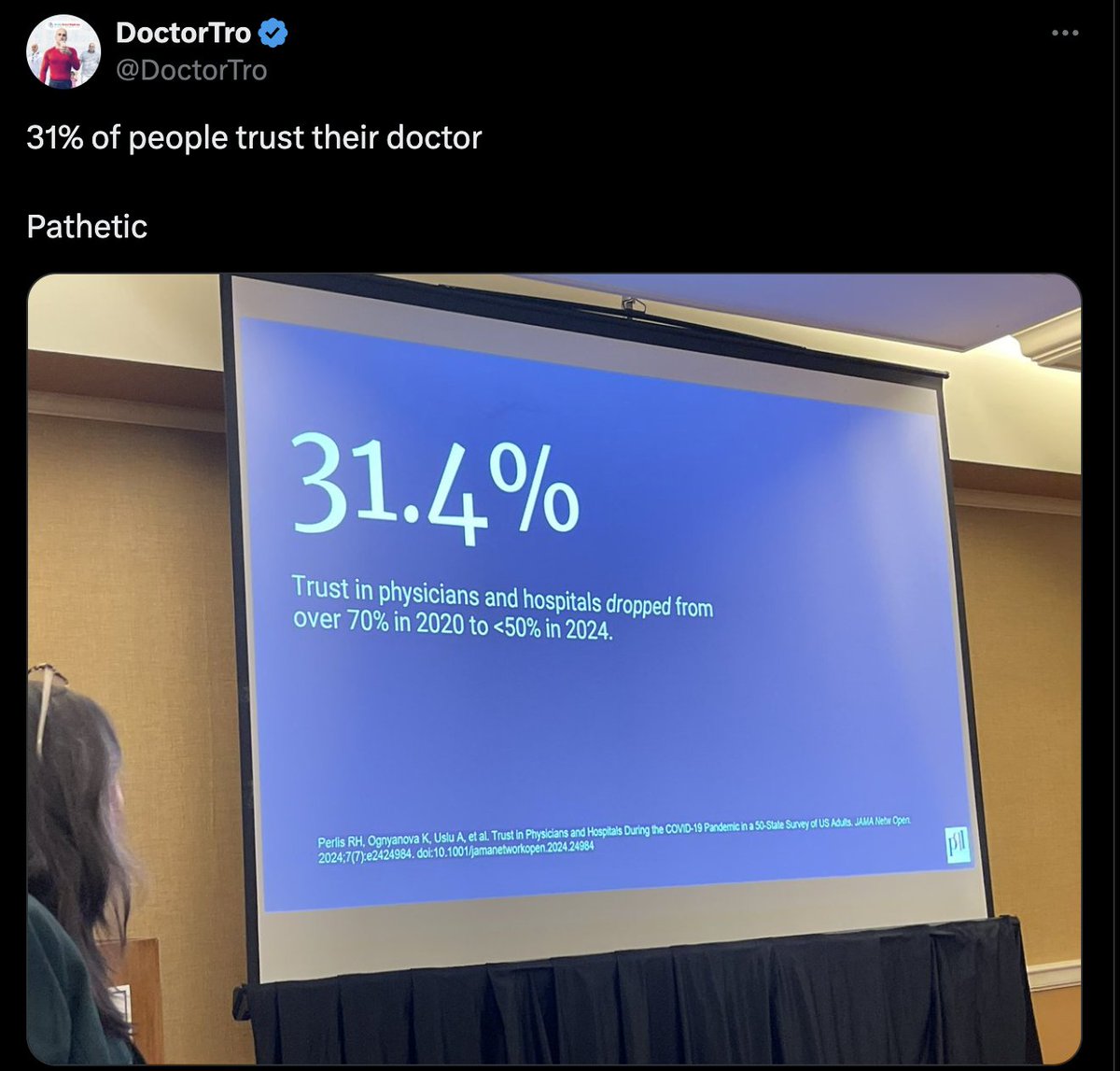
This claim is common and absurd, with anti-achievement rhetoric framed as if 1) the choice is between Mars and utopian welfare programs and 2) there's no good reason to go to the Red Planet
Both are entirely false; we should settle Mars and ignore as I'll show in the 🧵👇
Both are entirely false; we should settle Mars and ignore as I'll show in the 🧵👇

First is the anti-achievement welfare claim, which basically is this: any "extra" money needs to be thrown toward welfare, whether in "healthcare," food stamps, "free rent," or some other scheme
This comes up the most with space exploration and settlement, but really is attached to any achievement of note
At heart, it's an argument for favela world; according to the proponents of it, what doesn't matter is the human spirit, but rather the material conditions of the perpetually incompetent. So we shouldn't build cathedrals, make train stations aesthetically appealing, colonize Mars, or explore the Mariana Trench. Instead we should just pour one dumptruck of cash after another into the black pit of turning every Section 8 house into a mansion and every murder suspect into a chemical engineer in the name of "alleviating" conditions that are never going to change
This comes up the most with space exploration and settlement, but really is attached to any achievement of note
At heart, it's an argument for favela world; according to the proponents of it, what doesn't matter is the human spirit, but rather the material conditions of the perpetually incompetent. So we shouldn't build cathedrals, make train stations aesthetically appealing, colonize Mars, or explore the Mariana Trench. Instead we should just pour one dumptruck of cash after another into the black pit of turning every Section 8 house into a mansion and every murder suspect into a chemical engineer in the name of "alleviating" conditions that are never going to change

This was a feature of anti-space exploration/settlement protests as soon as the space program began, but particularly once it became and expensive process of landing on the moon
We even got the song "Whitey on the Moon," in which the mumbler behind the mic complains about his rent and contrasts that with the titanic achievement of landing on the lunar surface, arguing that society should instead care about his sister's rat bite and his rent. Funnily enough, there are healthcare lines in it
We even got the song "Whitey on the Moon," in which the mumbler behind the mic complains about his rent and contrasts that with the titanic achievement of landing on the lunar surface, arguing that society should instead care about his sister's rat bite and his rent. Funnily enough, there are healthcare lines in it

LBJ and Nixon evidently bought the ridiculous argument, as LBJ poured money into his "Great Society" money pit and then Nixon ended the Apollo missions in 1972, before the real work and progress on the Moon could start
Expense, of course, was blamed; meanwhile, the welfare schemes ballooned in cost and only made things worse
Expense, of course, was blamed; meanwhile, the welfare schemes ballooned in cost and only made things worse

And that's really the important thing: the programs funded by the cutting of human achievement just make everything worse
They don't cure the root causes of favela world, of crime and bastardy; they just try and fail, in quite expensive fashion, to alleviate the symptoms. And for that we get a worsening of everything, as seen with the Great Society: now the communities meant to be benefitted have gone from 80% two-parent homes to 80% out of wedlock birth, and all the crime that such conditions bring, particularly in terms of gang violence, petty crime, and drug dealing
They don't cure the root causes of favela world, of crime and bastardy; they just try and fail, in quite expensive fashion, to alleviate the symptoms. And for that we get a worsening of everything, as seen with the Great Society: now the communities meant to be benefitted have gone from 80% two-parent homes to 80% out of wedlock birth, and all the crime that such conditions bring, particularly in terms of gang violence, petty crime, and drug dealing

So, what is better: colonizing space (with benefits to be discussed below) or increasing crime and out of wedlock births? I'd say the former
And that's really the decision. The choice isn't between utopia and expensive space programs. The utopia is phantom and likely to go much the opposite way. Rather, it's between funding human achievement and subsidizing human vice. I'd say the former is better
And that's really the decision. The choice isn't between utopia and expensive space programs. The utopia is phantom and likely to go much the opposite way. Rather, it's between funding human achievement and subsidizing human vice. I'd say the former is better


The other thing is the welfare programs crowd ignores the benefits of space exploration and colonization
Take GPS, velcro, memory foam, current air and water purification technology, CAT scan technology, and advancements in home insulation technology
None would be here without the relatively restrained space program of the mid-twentieth century; imagine what would be achieved, all the little and big things that benefit life, with similar levels of investment and advancement today!
Take GPS, velcro, memory foam, current air and water purification technology, CAT scan technology, and advancements in home insulation technology
None would be here without the relatively restrained space program of the mid-twentieth century; imagine what would be achieved, all the little and big things that benefit life, with similar levels of investment and advancement today!
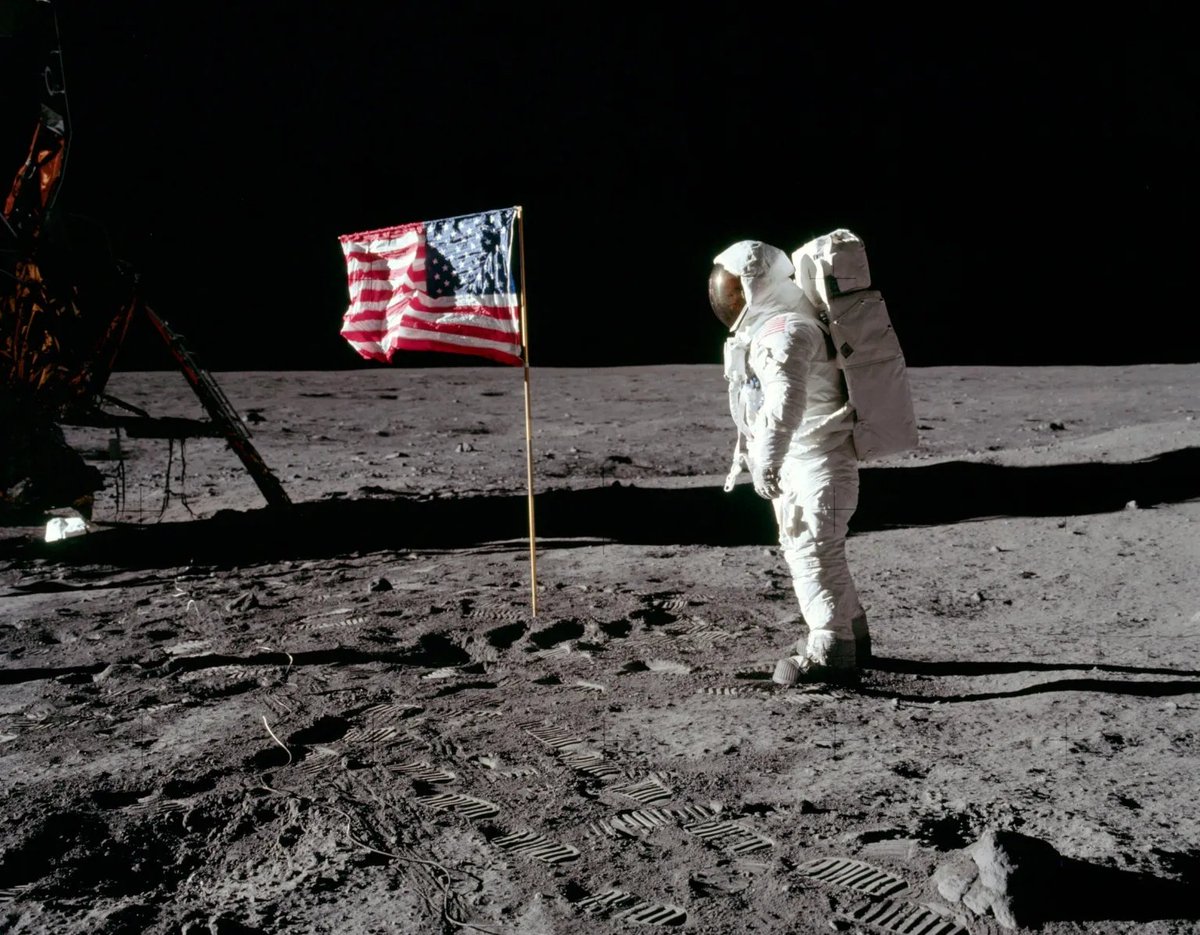
But that's just scratching the surface, the look at the present and the near future
The other thing is that the "green" movement would actually be possible with advanced space exploration
Mining on Earth, dirty and polluting, would be obviated by harvesting the minerals in asteroids and Mars. Robots and nuclear technology would have to advance tremendously, and would, providing cleaner energy and safer, cleaner labor. Mars could become the planet on which heavy industry happens, with Earth returning to a managed Arcadia free of new pollutants and the strain imposed by mass heavy industry
Meanwhile, everything related to those huge strides forward, from the semiconductors needed in asteroid-mining robotic units to terraforming Mars to make it useable for heavy industry would, like in Apollo, jump forward dramatically and have secondary, tertiary, and further removed benefits never even contemplated before the strides toward achievement began
@SpaceAgeHerr had a great podcast on some of the heavy industry aspects of this and what would be required to make it happen
The other thing is that the "green" movement would actually be possible with advanced space exploration
Mining on Earth, dirty and polluting, would be obviated by harvesting the minerals in asteroids and Mars. Robots and nuclear technology would have to advance tremendously, and would, providing cleaner energy and safer, cleaner labor. Mars could become the planet on which heavy industry happens, with Earth returning to a managed Arcadia free of new pollutants and the strain imposed by mass heavy industry
Meanwhile, everything related to those huge strides forward, from the semiconductors needed in asteroid-mining robotic units to terraforming Mars to make it useable for heavy industry would, like in Apollo, jump forward dramatically and have secondary, tertiary, and further removed benefits never even contemplated before the strides toward achievement began
@SpaceAgeHerr had a great podcast on some of the heavy industry aspects of this and what would be required to make it happen


Admittedly, that's all far in the future
But it's nearly possible even with current technology, and the strain imposed by trying to achieve it could and would pull everything else forward with it, as happened with Apollo
And just exploring Mars, just beginning to take a closer, human look at what's around us, is entirely possible now, as @robert_zubrin has noted in his books. We had the tech needed in the 90s, just not the will to use it; now SpaceX has made it all the more possible, all the more within our grasp
But it's nearly possible even with current technology, and the strain imposed by trying to achieve it could and would pull everything else forward with it, as happened with Apollo
And just exploring Mars, just beginning to take a closer, human look at what's around us, is entirely possible now, as @robert_zubrin has noted in his books. We had the tech needed in the 90s, just not the will to use it; now SpaceX has made it all the more possible, all the more within our grasp
The overarching benefit for humanity is that, unlike the welfare insanity proposed as the alternative, having a difficult to advance against frontier is a huge benefit to the human spirit
Just look at @elonmusk; he has a goal and a willingness to achieve it, the seemingly impossible task of, as a private citizen and private company, settling the Red Planet. Surely that was inconceivable to most in the early 2000s, but he saw the opportunity and challenge and grasped at it rather than running away. The result? Not only is he at the doorstep of landing on the Martian surface, but he's one of the very, very few billionaires, or even men, with a metaphorical chest. He's used his wealth not just to sit in splendor, but to bend the world to his will, to advance what he sees as needing advancement, from freedom of speech online to pushing Trump into office
Who else is like that? The other tech oligarchs backed down and shut down free speech online when the FBI did nothing more than send some nasty emails. The financiers and bankers are wealthy, but don't impart their will on the world; they just divert away a percentage of the accomplishments of others. Few industrial titans are left...other than Musk.
So nearly no one is. Perhaps Trump, in a different way. But nearly no one. Why? Because Musk has a frontier to fight against, something to accomplish. He's not stewing in his own wealth and pleasure, pointlessly consuming and sitting around, as members of his own class and the welfare recipients are known for. Instead he sleeps under cardboard in his office, when necessary, and has dramatically changed things in America as he readies to change things forever on Mars. That's different, that's a spirit
Just look at @elonmusk; he has a goal and a willingness to achieve it, the seemingly impossible task of, as a private citizen and private company, settling the Red Planet. Surely that was inconceivable to most in the early 2000s, but he saw the opportunity and challenge and grasped at it rather than running away. The result? Not only is he at the doorstep of landing on the Martian surface, but he's one of the very, very few billionaires, or even men, with a metaphorical chest. He's used his wealth not just to sit in splendor, but to bend the world to his will, to advance what he sees as needing advancement, from freedom of speech online to pushing Trump into office
Who else is like that? The other tech oligarchs backed down and shut down free speech online when the FBI did nothing more than send some nasty emails. The financiers and bankers are wealthy, but don't impart their will on the world; they just divert away a percentage of the accomplishments of others. Few industrial titans are left...other than Musk.
So nearly no one is. Perhaps Trump, in a different way. But nearly no one. Why? Because Musk has a frontier to fight against, something to accomplish. He's not stewing in his own wealth and pleasure, pointlessly consuming and sitting around, as members of his own class and the welfare recipients are known for. Instead he sleeps under cardboard in his office, when necessary, and has dramatically changed things in America as he readies to change things forever on Mars. That's different, that's a spirit

And that's why the "healthcare not space" argument is devilish
Pouring sums into the welfare program regime just make things worse, from the actual lives of the recipients to the degraded spirits of all involved
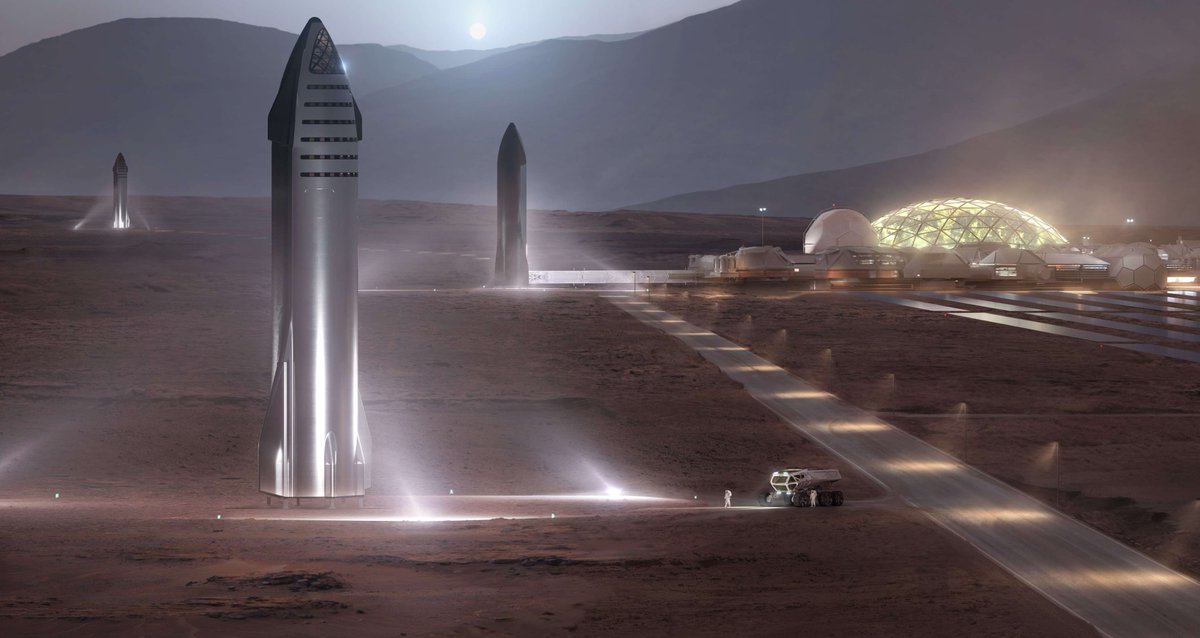
But achieving something, battling against and defeating the force of nature? That improves life while building the spirit, that's what Mars stands for
Pouring sums into the welfare program regime just make things worse, from the actual lives of the recipients to the degraded spirits of all involved
But achieving something, battling against and defeating the force of nature? That improves life while building the spirit, that's what Mars stands for
• • •
Missing some Tweet in this thread? You can try to
force a refresh