🧵~Versions of Ramayana authored by Kayasthas~
The timeless tale of Ramayana has been retold several times over millenia. On the occasion of #Diwali we present to you a thread on versions of the epic authored by Kayasthas in Sanskrit and regional languages.
Pictured: Ram, Sita and Lakshamana in the constitution of India by Nandalal Bose.
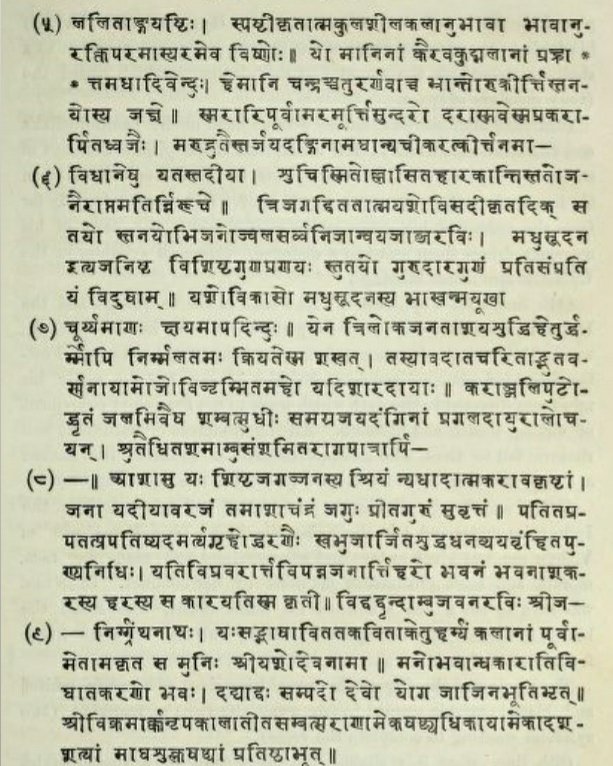
1. The Sanskrit text Ramacharitam authored by Sandhyakar Nandin of Bengal in the 12th century is a retelling of Ramayana which uses double entendre to also narrate the biographical sketch of the Pala king Ramapala.
The author was patronised by the Pala king Madanapala. A native of Varendra, ie North Bengal, he belonged to a family of hereditary ministers of the Pala kingdom. His father Prajapati Nandi was the Sandhi-Vigrahika or the Minister of Peace and War of Ramapala.
Ramacharita contains a detailed account of the Varendra rebellion that happened during the reign of Ramapala and as such is considered to be an important historical text. 1/n
The timeless tale of Ramayana has been retold several times over millenia. On the occasion of #Diwali we present to you a thread on versions of the epic authored by Kayasthas in Sanskrit and regional languages.
Pictured: Ram, Sita and Lakshamana in the constitution of India by Nandalal Bose.
1. The Sanskrit text Ramacharitam authored by Sandhyakar Nandin of Bengal in the 12th century is a retelling of Ramayana which uses double entendre to also narrate the biographical sketch of the Pala king Ramapala.
The author was patronised by the Pala king Madanapala. A native of Varendra, ie North Bengal, he belonged to a family of hereditary ministers of the Pala kingdom. His father Prajapati Nandi was the Sandhi-Vigrahika or the Minister of Peace and War of Ramapala.
Ramacharita contains a detailed account of the Varendra rebellion that happened during the reign of Ramapala and as such is considered to be an important historical text. 1/n

2. Rama-Vikrama, another text from 12th century Bengal is a Sanskrit play composed by the Bengali playwright Sagara Nandi. Unfortunately this text is lost and is only known from reference to this work in another text by the author. 2/n
3. Durgabari Ramayana is a 15th century lyrical composition in Assamese by Durgabar Kayastha based on an earlier Assamese Ramayana by Kaviraja Madhava Kandali. This composition is performed as Ojapali, a traditional performing art of Assam involving singing and folk dance. 3/n
4. The Jagamohan Ramayana is a 15th century Odia retelling of the epic by Jagamohan Dasa, a Karana Kayastha of Odisha. This version is presented as a dialogue between Shiva and Parvati. 4/n
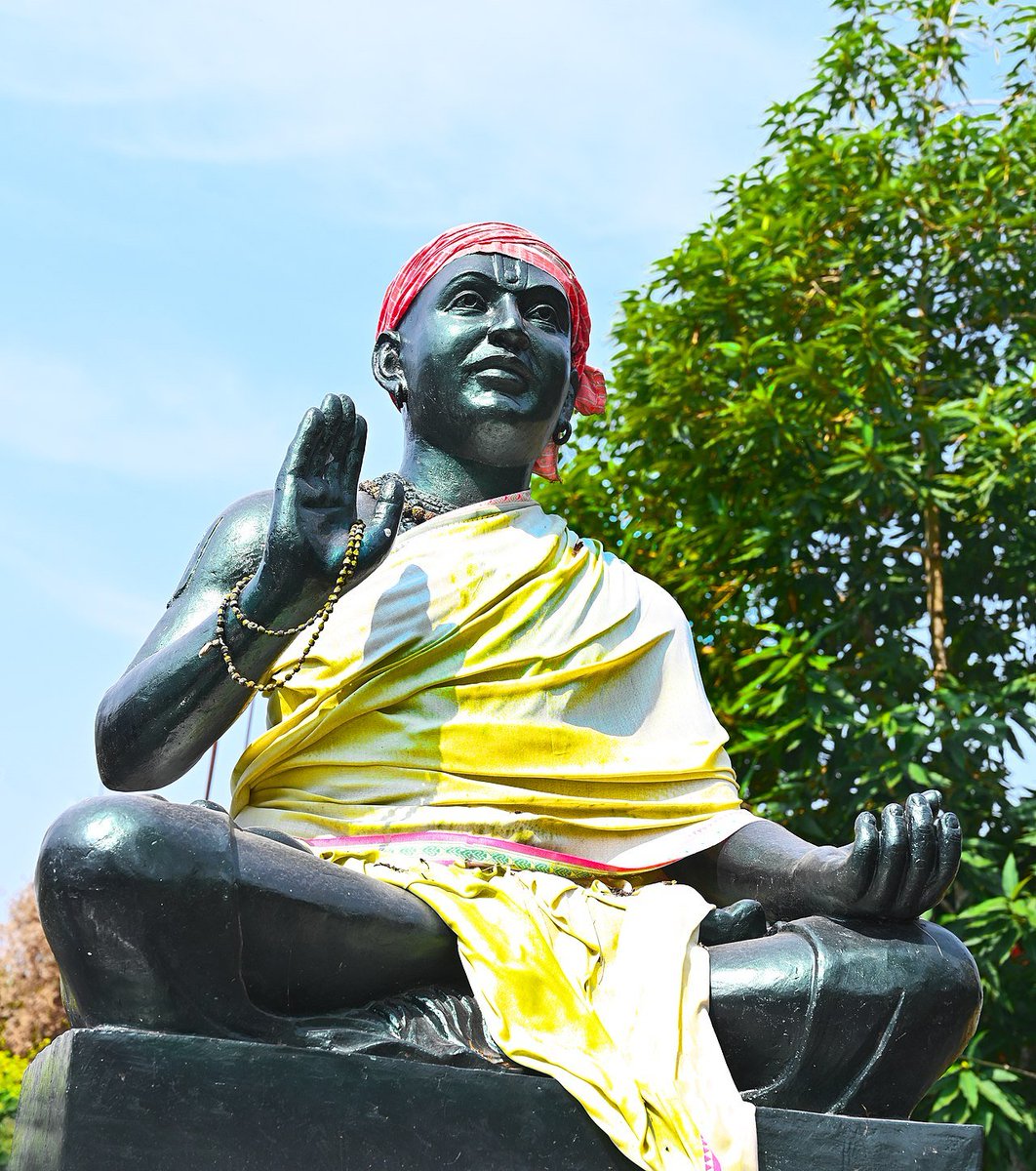
5. In the 16th century, a Srivastava Kayastha named Gobind Das translated the Valmiki Ramayana into Hindi during the reign of Akbar making it perhaps the earliest Hindi version of Ramayana. 5/n
6. Naval Singh, a Srivastava Kayastha and a poet of Brajbhasha patronised by the King of Samthar, authored several poetic works on the Ramayana in the 19th century. 6/n
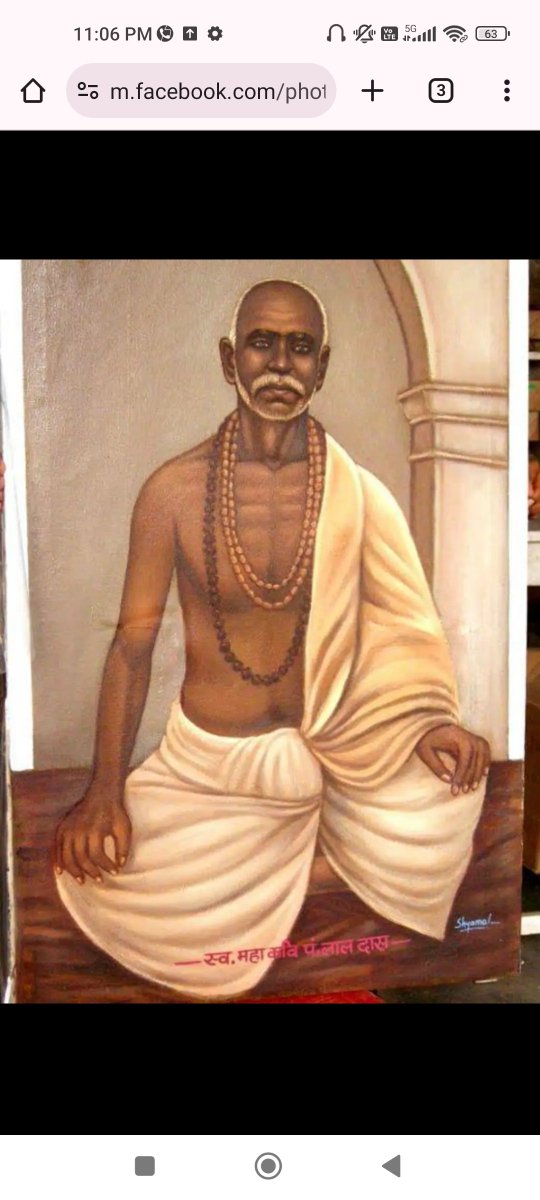
7. Janaki Ramayana is a 19th century version of the epic in Maithil, authored by Pandit Lal Das, a Karna Kayastha of Mithila. Unlike other versions of the Ramayana which have all focused on Lord Rama, in this version the protagonist is Mata Sita. This is perhaps the only such version in existence. The entire retelling of the epic is from the perspective of Sita focusing on her divinity.
8. Vijaya Nayaka Ramayana is a Bhojpuri version of the text authored by the poet and freedom fighter Raghuveer Naryana in the early 20th century. The original manuscript of the text is also in the Kaithi, aka Kayasthi script which was employed for writing Awadhi and Bhojpuri in the past. 8/n
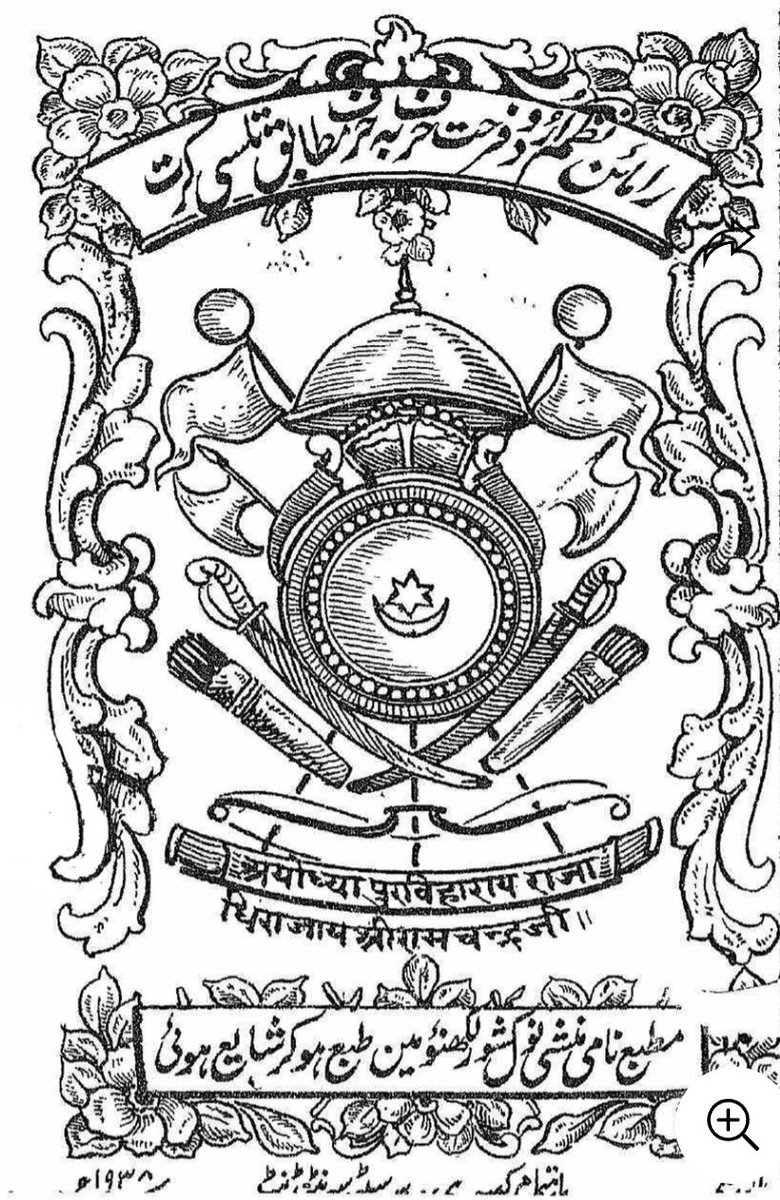
9. The later medieval Kayasthas were also known for their expertise in the Persian language. Several Farsi retelling of Ramayana have been authored by Kayasthas during this period. During 1623-24 CE, Girdhardas Kayastha rendered the amalgamation of Valmiki Ramayana and Tulasi Ramacharitamanas into a Persian Mathnawi, ie poetic version, dedicating it to the Mughal emperor Jahangir. 9/n
10. In AH 1097, circa 1685-6 CE, Kayasth Chandraman Bedil authored Farsi Ramayana titled "Nargisistan" during the reign of the Mughal emperor Aurangzeb. 10/n
11. Amar Singh, a Srivastava Kayastha from Allahabad, also translated the Ramayana into Farsi during the reign of the Mughal emperor Aurangzeb. This work is titled "Amar Prakash." At the end of the text he gives an account of his genealogy mentioning that one of his ancestors, Gobind Das Srivastava, had translated the Sanskrit Valmiki Ramayana into Hindi during the reign of Akbar. 11/n

12. Ramayan-e-Khushtar by Munshi Jagannath Srivastava Khushtar is widely considered to be the greatest retelling of the epic in Urdu. It was completed in the year 1852 and was dedicated to the Nawab of Awadh Wajid-Ali-Shah. 12/n

13. In 19th century Awadh, another Kayastha named Munshi Shankar Dayal Farhat, published his version of Urdu Ramayana titled Ramayan-e-Farhat. 13/n
14. We will end this thread with this verse from the Valmiki Ramayana:
यावत् स्थास्यन्ति गिरयः सरितश्च महीतले ।
तावद् रामायणकथा लोकेषु प्रचरिष्यति ॥
"As long as the mountains and rivers shall endure upon the earth,
So long will the tale of Ramayana be told among people."
Wishing everyone a Happy #Diwali2024 !
n/n
यावत् स्थास्यन्ति गिरयः सरितश्च महीतले ।
तावद् रामायणकथा लोकेषु प्रचरिष्यति ॥
"As long as the mountains and rivers shall endure upon the earth,
So long will the tale of Ramayana be told among people."
Wishing everyone a Happy #Diwali2024 !
n/n
@SVOjha @UdayMahurkar @Aatma_the_soul4 @HINDprehistory @ShreeHistory @nisheethsharan @sharmasatyan @KushagraAniket @Gaudeshwar @rashwet @GangesHistory @mujifren
@LykosPagan @arya_amsha @Saatvata @bvlldhist @BarooahNabaarun @Zoomerjeet @Jabalisamhita @kshetragnya @KayasthaFacts @tan
• • •
Missing some Tweet in this thread? You can try to
force a refresh