
Of course children aren't reading for pleasure anymore.
We've spent a decade sanitising literature, feeding kids politicised, socially progressive drivel. It's not shocking they've stopped reading it.
Short🧵on what's happened to publishing
We've spent a decade sanitising literature, feeding kids politicised, socially progressive drivel. It's not shocking they've stopped reading it.
Short🧵on what's happened to publishing
https://twitter.com/guardian/status/1853688474060124399
1/ It's basically impossible for a children's or young adult's book to get published without input from a 'sensitivity reader'.
These are EDI professionals who scour books for any hint of themes which might attract controversy.
These are EDI professionals who scour books for any hint of themes which might attract controversy.

2/ They come at books looking for ways to be offended. Most of them time they find problems. As a result, most books published today are sanitised, politically correct, and wooden.
@CartoonsHateHer has written interestingly on her experience of the modern publishing process
@CartoonsHateHer has written interestingly on her experience of the modern publishing process
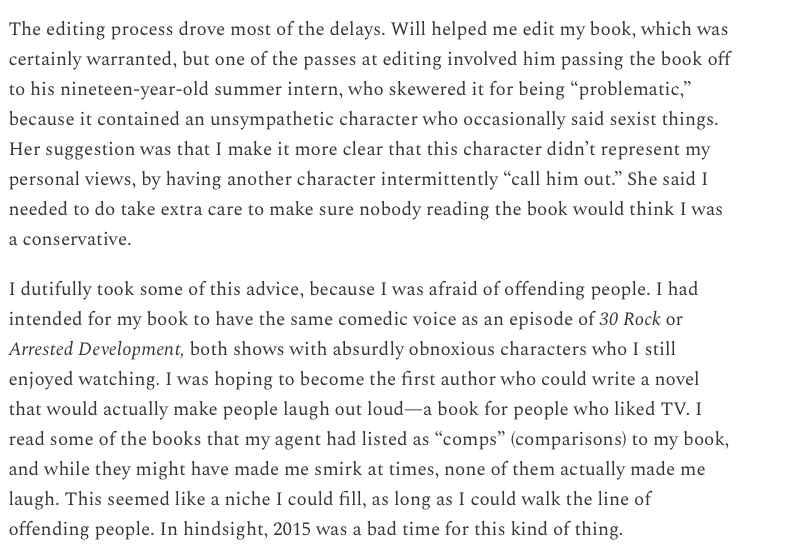
3/ Authors aren't even allowed to have villains who could come across as sexist / racist / homophobic / transphobic / culturally appropriative.
Children aren't pathetic and thin skinned. They can handle nuance and complexity. But publishers refuse to acknowledge this
Children aren't pathetic and thin skinned. They can handle nuance and complexity. But publishers refuse to acknowledge this
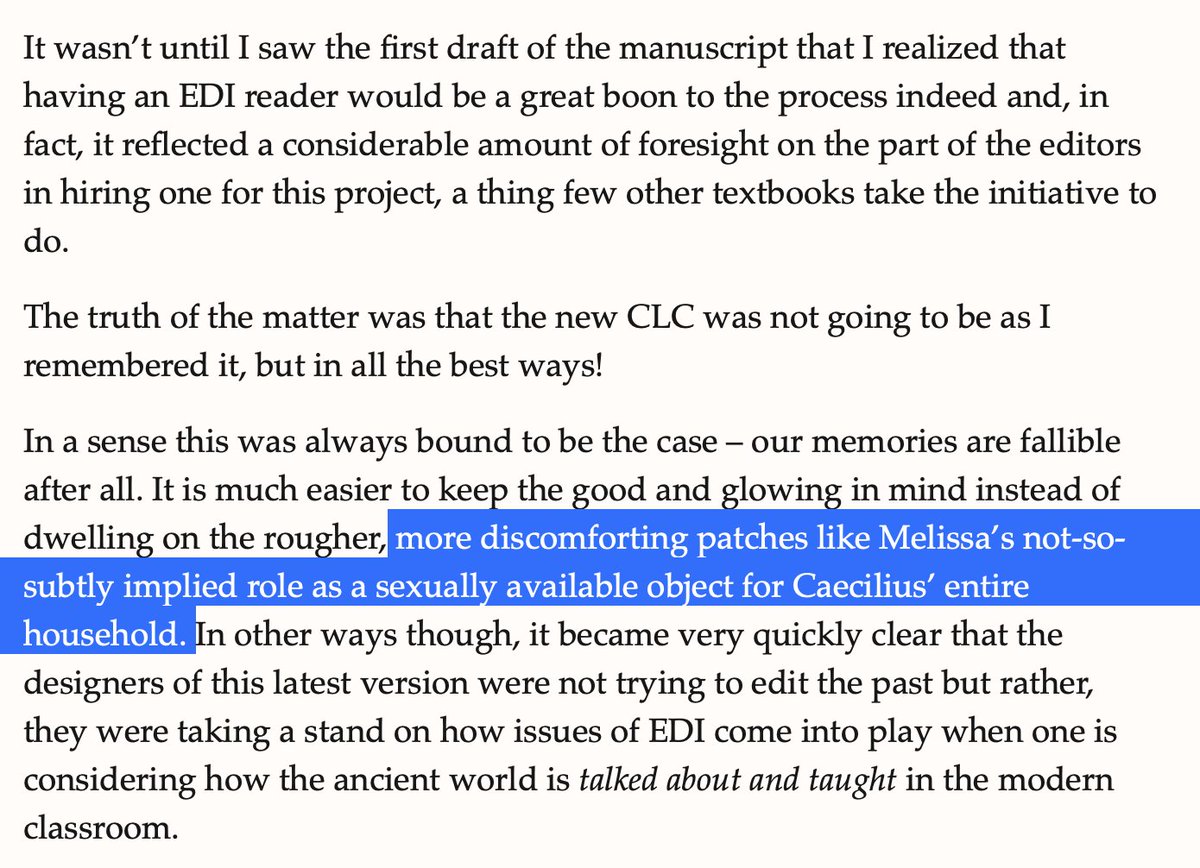
4/ Directly from a sensitivity reader's mouth: I found this passage from the Cambridge Latin Course Textbook's 'EDI Reader' equally fascinating and shocking.
Even textbooks have to be edited to ensure depictions of the ancient world live up to the standards of modern feminism.
Even textbooks have to be edited to ensure depictions of the ancient world live up to the standards of modern feminism.
5/ Not even the classics are safe. Sensitivity readers have scoured through treasured children's books.
Take a look at what they did to Roald Dahl's 'The Witches'. Which version would you rather read for pleasure?
Take a look at what they did to Roald Dahl's 'The Witches'. Which version would you rather read for pleasure?
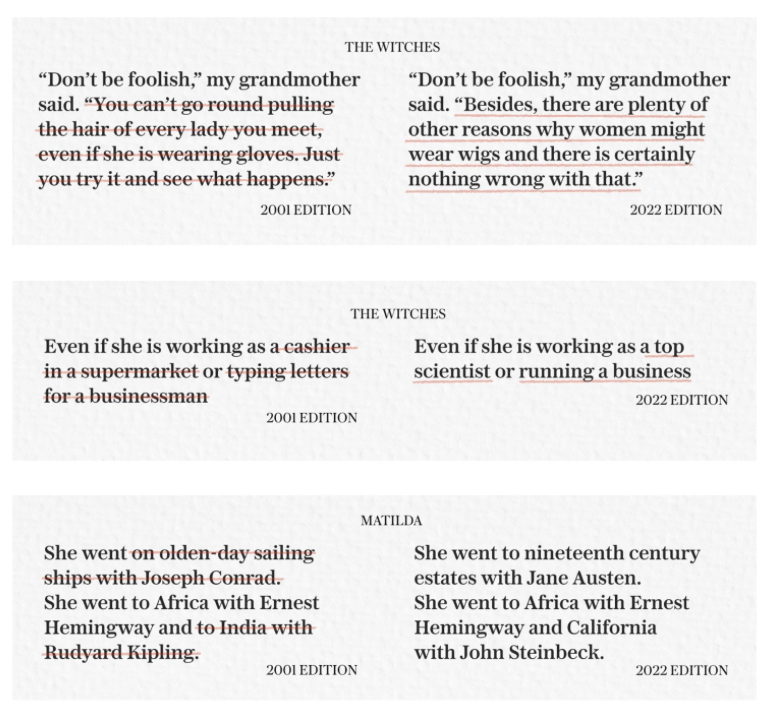
6/ Reading a book like this isn't pleasurable. Children know when they're being lectured - this is now the modern reading experience.
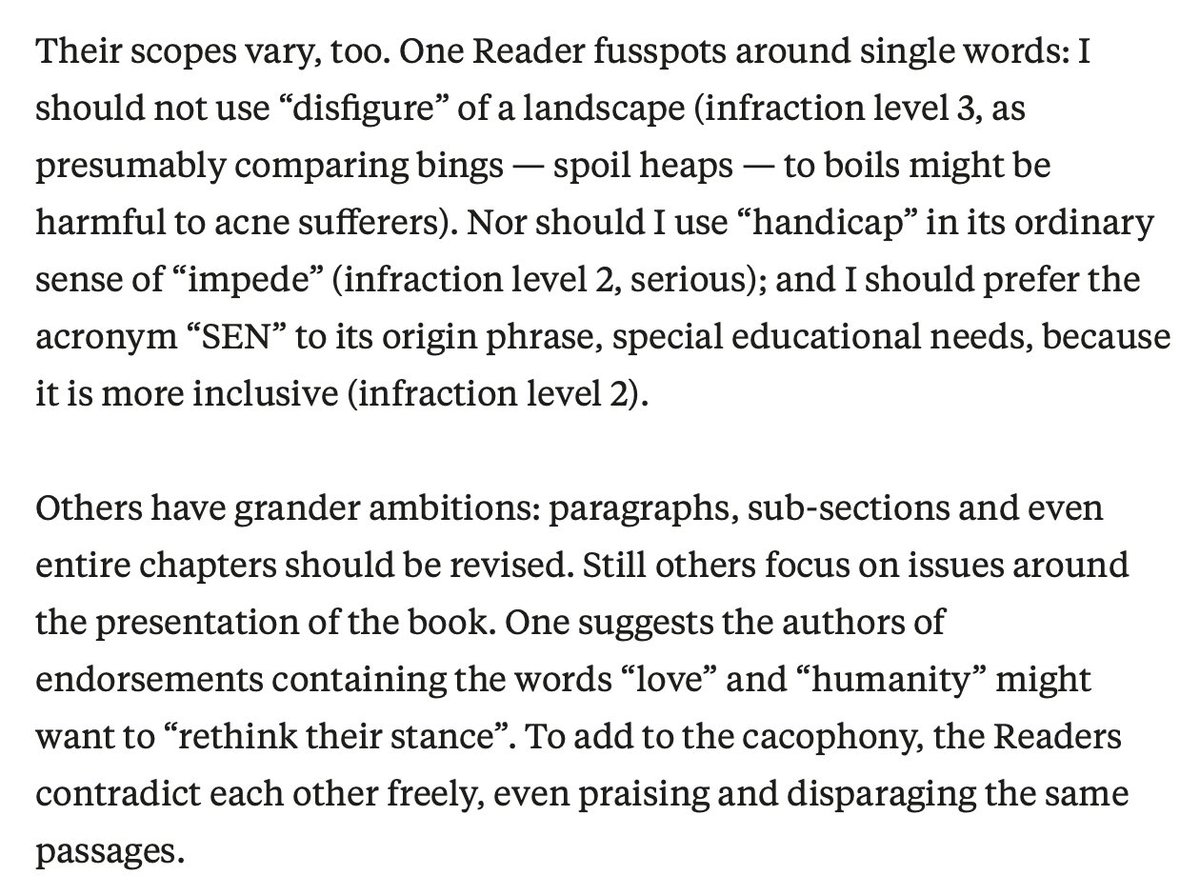
Kate Clanchy has written brilliantly on how sensitivity readers slowly and systematically tore her book to pieces.
Kate Clanchy has written brilliantly on how sensitivity readers slowly and systematically tore her book to pieces.
7/ Authors have also spoken out about the desire of publishers to put out 'political' stories.
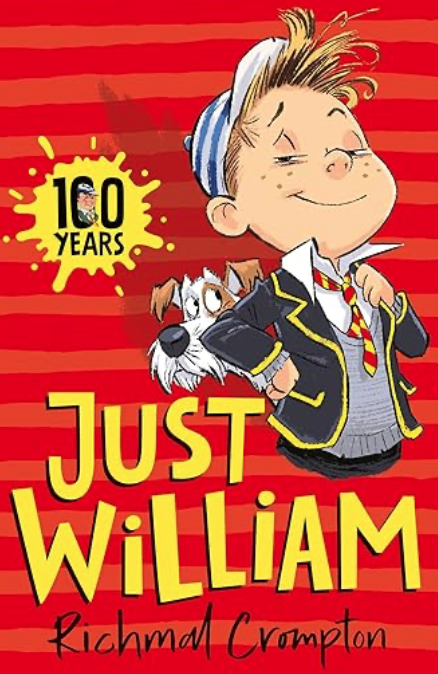
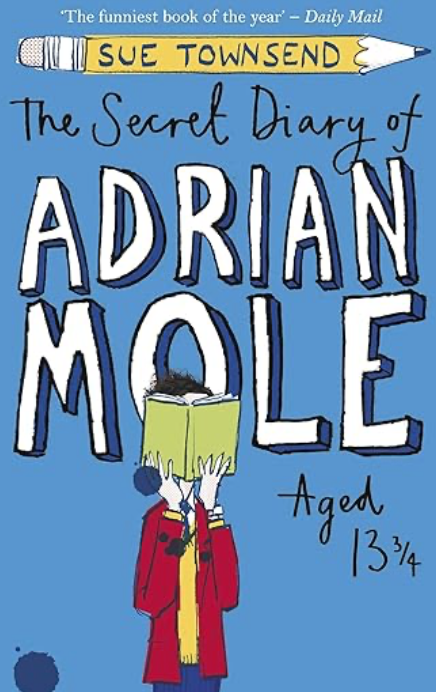
Gone are the days of 'Just William' and 'Adrian Mole' charting the lives of the average schoolboy.
Children's literature has been turned into political hectoring.
Gone are the days of 'Just William' and 'Adrian Mole' charting the lives of the average schoolboy.
Children's literature has been turned into political hectoring.
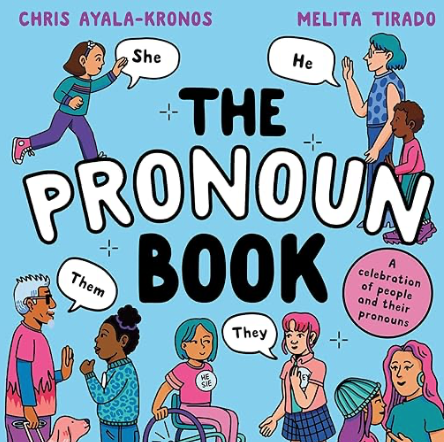
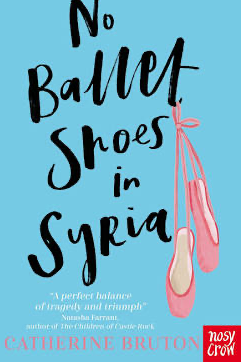
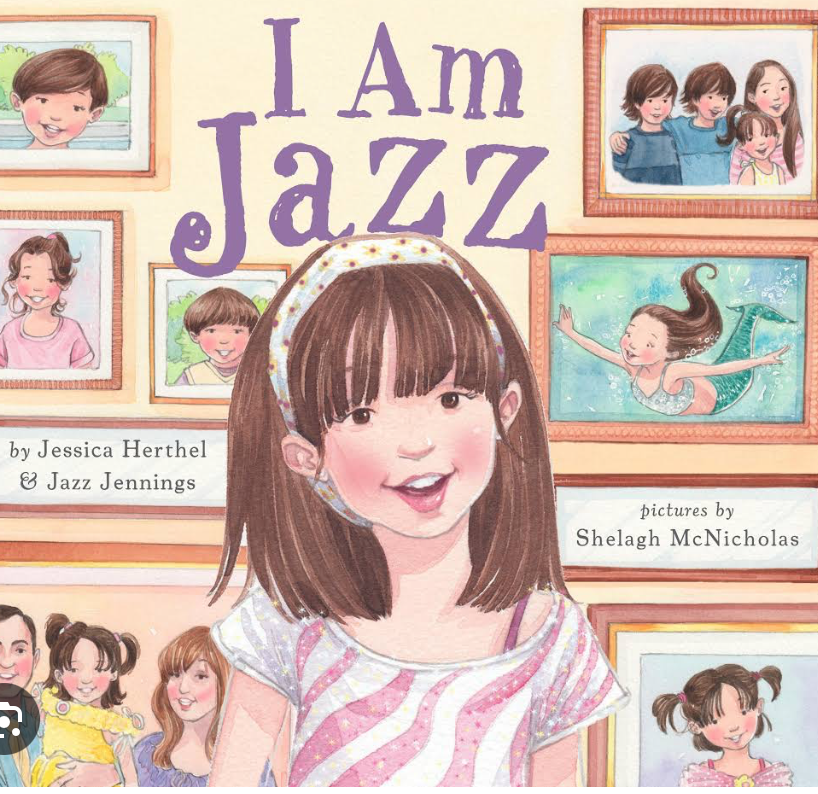
7/ A survey of some of the titles currently being aggressively marketed to children (of all ages)
The Pronoun Book
I am Jack (story of a transgender YouTube human rights campaigner)
No Ballet Shoes in Syria (story of a Syrian refugee fighting to stay in the UK)
The Pronoun Book
I am Jack (story of a transgender YouTube human rights campaigner)
No Ballet Shoes in Syria (story of a Syrian refugee fighting to stay in the UK)
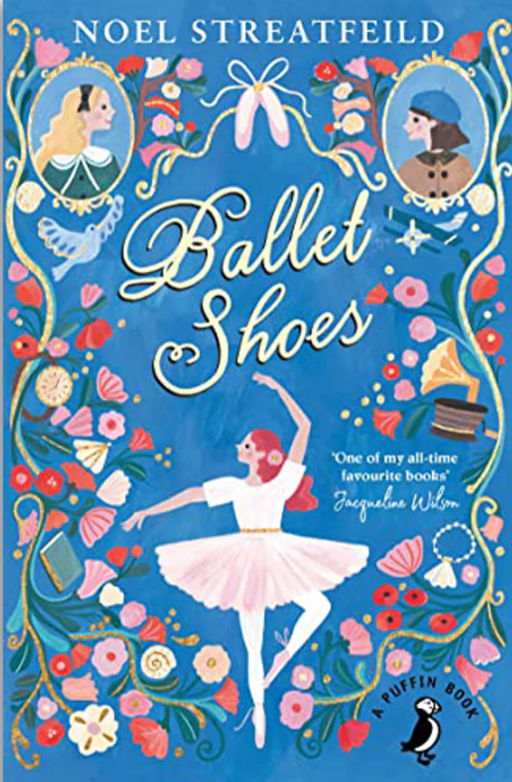
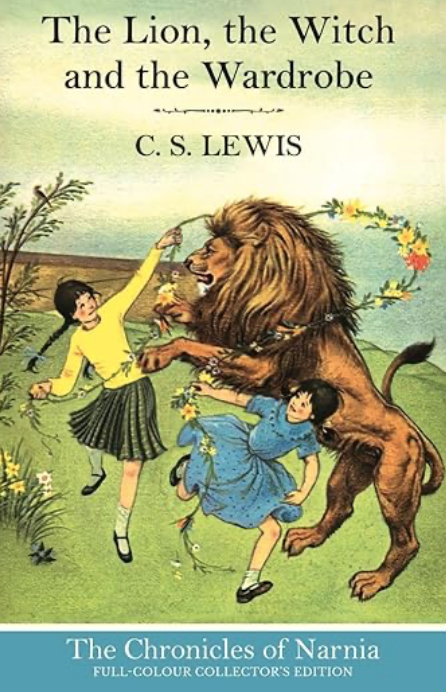
8/ Give children 'Ballet Shoes', 'The Lion the Witch and the Wardrobe', 'The Famous Five', anything by Tolkien, or the Railway Children and I guarantee they'll read them.
Give them sanitised slop, and I really can't blame them for turning to other activists.
Give them sanitised slop, and I really can't blame them for turning to other activists.
• • •
Missing some Tweet in this thread? You can try to
force a refresh






