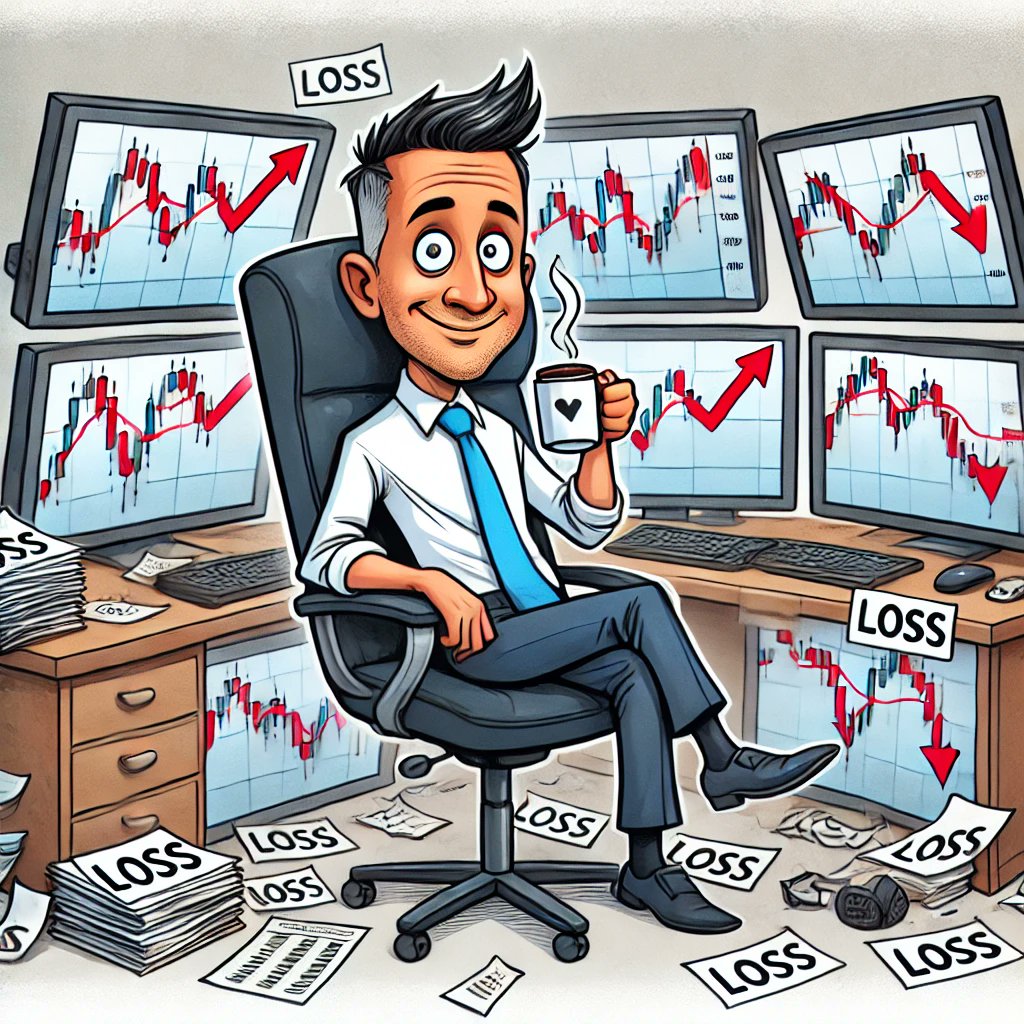
Focusing on the process means eliminating everything else 🧵
All you need to know are the conditions for clicking and just clicking itself.
How?
↓Thread 1/6
All you need to know are the conditions for clicking and just clicking itself.
How?
↓Thread 1/6
2/6
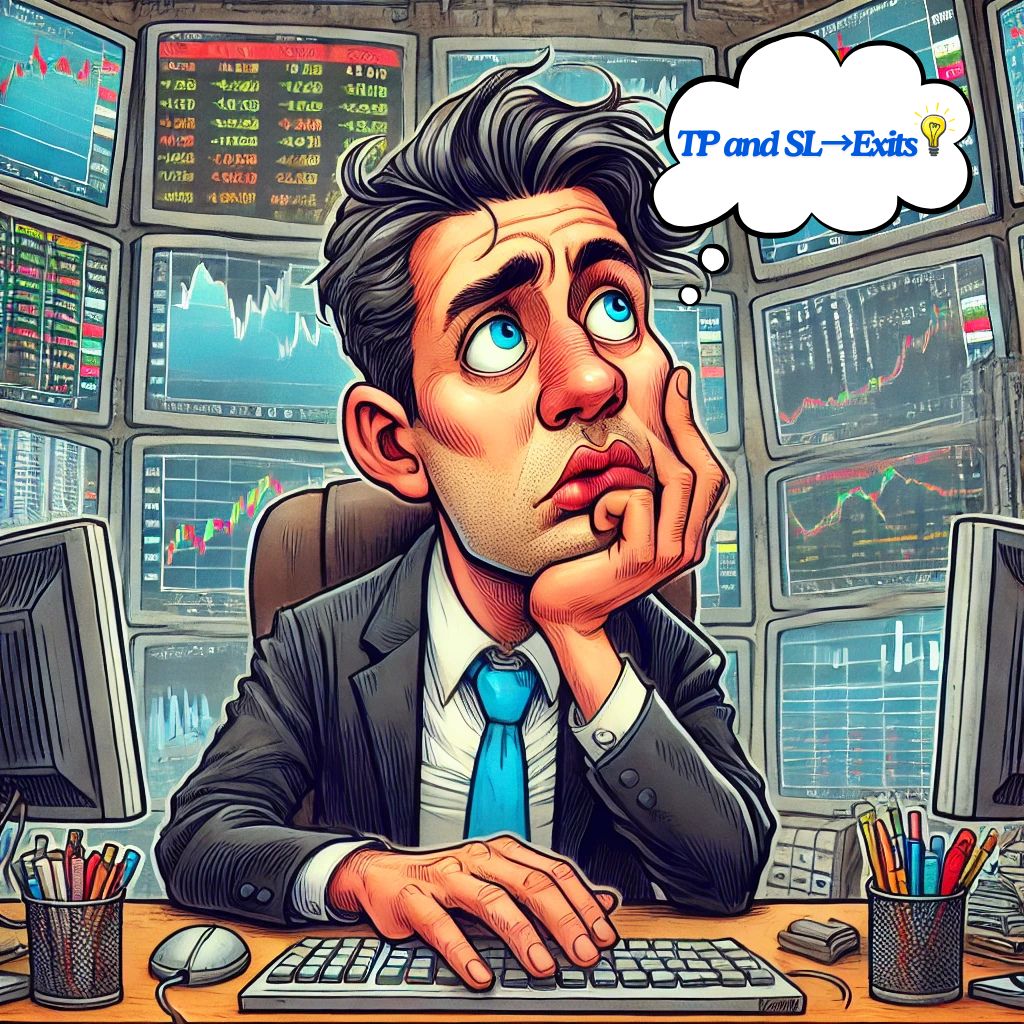
"Focusing on the process" means "eliminating everything besides the process."
Constantly watching charts without purpose or monitoring P/L during trades shouldn't be part of your process.
"Worrying about results" is not included in your process.
The win or loss of the trade you're about to make has nothing to do with your success.
You don't trade to win the trade right in front of you.
"Focusing on the process" means "eliminating everything besides the process."
Constantly watching charts without purpose or monitoring P/L during trades shouldn't be part of your process.
"Worrying about results" is not included in your process.
The win or loss of the trade you're about to make has nothing to do with your success.
You don't trade to win the trade right in front of you.
3/6
In chart analysis, you only check if it meets your system's rules, and if entry conditions are met, you just click without thinking.
After that, you only watch the chart to follow predetermined exit rules, and when conditions are met, you just click without thinking.
When making a buy entry, the subsequent click is called a "stop loss" if it's below the entry price, and "taking profit" if it's above - they're just different names for the same action you take.
These names don't matter and aren't your concern.
Stop fixating on names like "win," "loss," "profit-taking," or "stop-loss" - they're all just "exits."
If you set both stop-loss and take-profit orders simultaneously at entry, your job for that trade is finished at that point.
Price will eventually hit one of these orders, but which one it hits doesn't determine how well you did your job.
All that matters is starting trades by clicking according to rules and ending trades by clicking according to rules.
In chart analysis, you only check if it meets your system's rules, and if entry conditions are met, you just click without thinking.
After that, you only watch the chart to follow predetermined exit rules, and when conditions are met, you just click without thinking.
When making a buy entry, the subsequent click is called a "stop loss" if it's below the entry price, and "taking profit" if it's above - they're just different names for the same action you take.
These names don't matter and aren't your concern.
Stop fixating on names like "win," "loss," "profit-taking," or "stop-loss" - they're all just "exits."
If you set both stop-loss and take-profit orders simultaneously at entry, your job for that trade is finished at that point.
Price will eventually hit one of these orders, but which one it hits doesn't determine how well you did your job.
All that matters is starting trades by clicking according to rules and ending trades by clicking according to rules.
4/6
Your system's long-term results should be thoroughly backtested through a large sample size beforehand.
Risk management and position sizing must be included in the rules from the start.
These are part of your system because they allow you to safely collect sample size over time and utilize probability.
These shouldn't change based on your emotions, drawdowns, or immediate results.
This frees you from immediate results, leaving only the process.
Your system's long-term results should be thoroughly backtested through a large sample size beforehand.
Risk management and position sizing must be included in the rules from the start.
These are part of your system because they allow you to safely collect sample size over time and utilize probability.
These shouldn't change based on your emotions, drawdowns, or immediate results.
This frees you from immediate results, leaving only the process.
5/6
You need to become an employee who believes in the boss's pre-made plan and follows set rules without worrying about daily sales.
Your job isn't to break the boss's rules.
Don't hold unauthorized sales or change price tags just because there are few customers today.
Follow the boss's instructions every single day.
If you don't follow regulations, you become a risk and will be fired.
Thorough preparation and consistent adherence to it are the two important factors, and they need to be carried out in different modes.
Consider which phase you're in now.
Once you understand which phase has issues, your required actions should become clear.
You need to become an employee who believes in the boss's pre-made plan and follows set rules without worrying about daily sales.
Your job isn't to break the boss's rules.
Don't hold unauthorized sales or change price tags just because there are few customers today.
Follow the boss's instructions every single day.
If you don't follow regulations, you become a risk and will be fired.
Thorough preparation and consistent adherence to it are the two important factors, and they need to be carried out in different modes.
Consider which phase you're in now.
Once you understand which phase has issues, your required actions should become clear.
6/6
When what's decided is clear, and you understand your job is to thoroughly execute it continuously, there's nothing else to think about.
Only the process remains, and you don't need to think about anything else.
You just maintain 100% focus on your job alone.
I explain these concepts in detail in my book, so if you haven't read it yet, please do.
Link to my book ↓
a.co/d/3i4MC0H
If you enjoyed this thread, please support by giving it a repost.
Your support is what motivates me to post every day.
Thank you😊
When what's decided is clear, and you understand your job is to thoroughly execute it continuously, there's nothing else to think about.
Only the process remains, and you don't need to think about anything else.
You just maintain 100% focus on your job alone.
I explain these concepts in detail in my book, so if you haven't read it yet, please do.
Link to my book ↓
a.co/d/3i4MC0H
If you enjoyed this thread, please support by giving it a repost.
Your support is what motivates me to post every day.
Thank you😊
• • •
Missing some Tweet in this thread? You can try to
force a refresh