Can desalinated water deliver a future of infinite water?
Yes!
• It's cheap
• It will get even cheaper
• Limited pollution
• Some countries already live off of it
We can transform deserts into paradise. And some countries are already on that path:🧵
Yes!
• It's cheap
• It will get even cheaper
• Limited pollution
• Some countries already live off of it
We can transform deserts into paradise. And some countries are already on that path:🧵

Crazy fact:
Over half of Israel's freshwater is desalinated from the Mediterranean!
And the vast majority of its tap water is desalinated too!
And it costs less than municipal water in a city like LA!
Over half of Israel's freshwater is desalinated from the Mediterranean!
And the vast majority of its tap water is desalinated too!
And it costs less than municipal water in a city like LA!

It's not the only country. Saudi Arabia is the biggest desalinator in the world. 50% of its drinking water is desalinated. It's 30% in Singapore, a majority of water in the UAE...
What if we applied this, but at scale across the world?
What if we applied this, but at scale across the world?

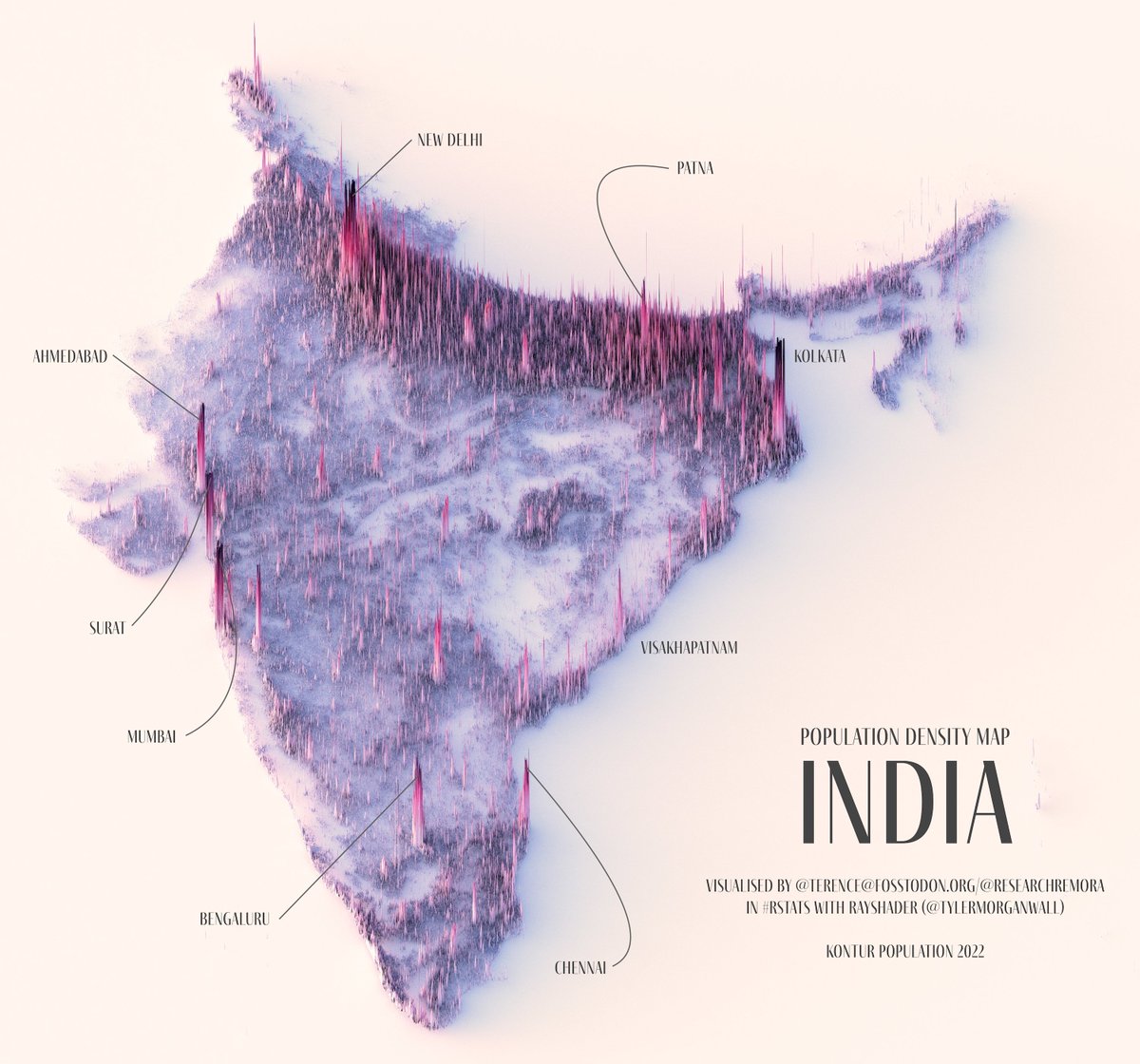
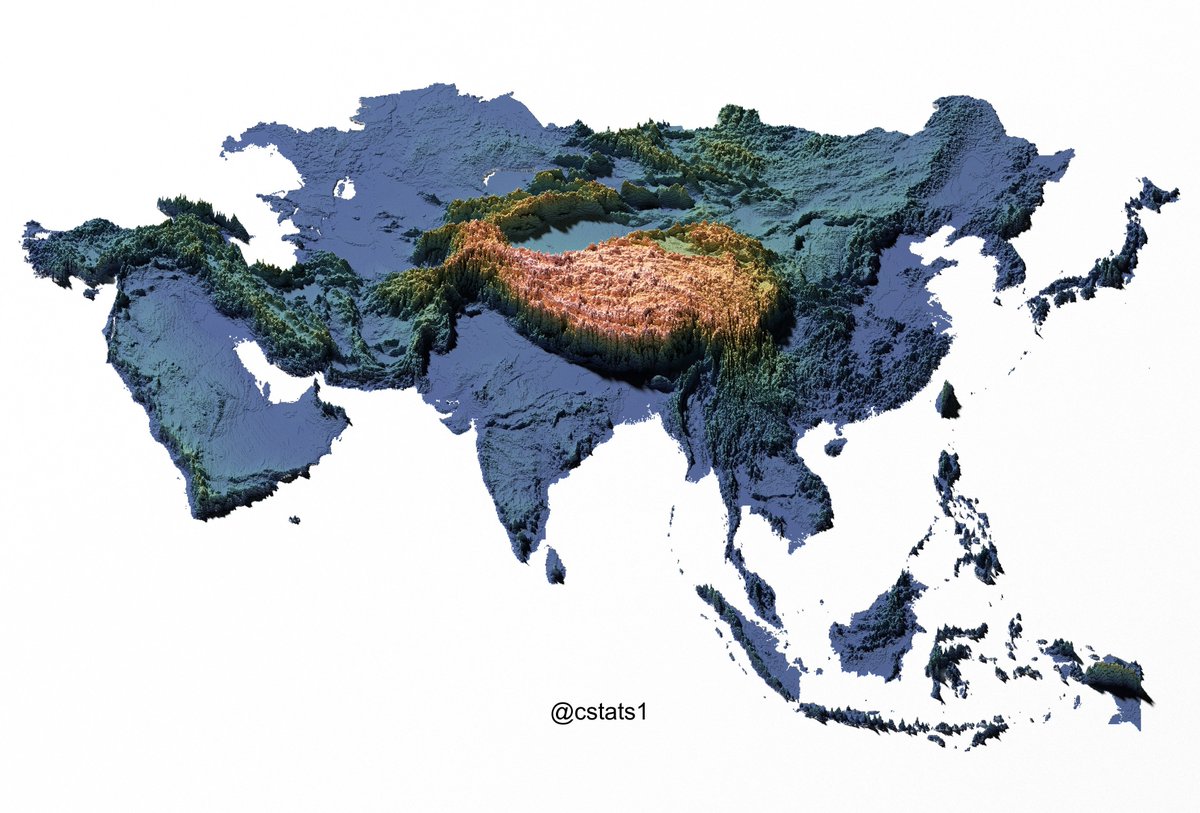
Look at all these deserts around the world. 15% of all land! They are empty of life—both human (population density map at the bottom) and of animal/plants. What if we watered them with desalinated seawater? Is it economically viable? What about pollution?

Today, the best desalination plants can produce one ton of water for only $0.40!

To give you a sense of the cost, this is the cost of tap water in different cities around the world
Water in Oslo costs 15x more than the cost of desalinating it!
Water in Oslo costs 15x more than the cost of desalinating it!

And since electricity is over a third of the cost, but its price is about to plummet thanks to solar and wind energy, within a decade we can expect desalination costs to reach $0.30/ton!

At this price, the cost of desalination is competitive even with the price of water for industrial purposes!

We could desalinate water & pump it into deserts. How far inland? Quite a lot!
It costs ~$0.05 to transport a ton of water 100 km inland or lift it up by 100 m.
So for $1/ton, you can send it 1200 km inland or 1200m up!
All this area of the Sahara could get freshwater!
It costs ~$0.05 to transport a ton of water 100 km inland or lift it up by 100 m.
So for $1/ton, you can send it 1200 km inland or 1200m up!
All this area of the Sahara could get freshwater!

In a country like Australia, everything but the white areas in the middle could receive desalinated freshwater!
(Even more if we made that depression in the middle into a sea, but that's for another day)
(Even more if we made that depression in the middle into a sea, but that's for another day)

All these deserts are close enough to the sea (and low enough) that a big share of them could be transformed into lush gardens

Now, we couldn't transform them into agricultural centers... Or could we?
Water for agriculture costs nothing to a few cents around the world. Eg in California's Imperial Valley, it's 1-2 cents. $0.40/ton is not competitive.
For some crops
Water for agriculture costs nothing to a few cents around the world. Eg in California's Imperial Valley, it's 1-2 cents. $0.40/ton is not competitive.
For some crops
Here are a few farm products and how much more they would cost if they used water at $0.40/ton
Cheese would cost $2.2 more per kg, so that's not viable
But tomato costs would only grow by $0.15/kg!
Cheese would cost $2.2 more per kg, so that's not viable
But tomato costs would only grow by $0.15/kg!

And if we use enclosed greenhouses or vertical farms, which save 95% of water, we could basically farm anything in deserts!
If we can make and transport cheap freshwater inland, millions of km2 of desert land can be transformed into new cities, touristic resorts, agricultural land, and even lush forests and new lakes. The limit is our imagination

And if you think we can't make freshwater lakes with desalinated water... Israel is already replenishing the Sea of Galilee with desalinated water from the Mediterranean!!

So yes, desalination promises to make the world better:
• It's cheap: $0.40/ton
• Will get cheaper: $0.30/ton
• This is cheap enough for all drinking & industrial uses
• Also for agricultural uses, with enclosed greenhouses
• We can make cities, resorts, lakes, forests...
• It's cheap: $0.40/ton
• Will get cheaper: $0.30/ton
• This is cheap enough for all drinking & industrial uses
• Also for agricultural uses, with enclosed greenhouses
• We can make cities, resorts, lakes, forests...
What about pollution?
Water quality?
They're not a problem, as I will cover in tomorrow's article:
unchartedterritories.tomaspueyo.com/subscribe
More details and sources for this thread in this week's article:
unchartedterritories.tomaspueyo.com/p/does-desalin…
Water quality?
They're not a problem, as I will cover in tomorrow's article:
unchartedterritories.tomaspueyo.com/subscribe
More details and sources for this thread in this week's article:
unchartedterritories.tomaspueyo.com/p/does-desalin…
• • •
Missing some Tweet in this thread? You can try to
force a refresh