People today often easily speak of “bad guys” during wars, as the pattern of the everlasting battle between Good and Evil is also ever-present.
What if I told you that some wars the Greeks and the Romans fought were against real child-sacrificing, demon-worshippers?🧵⤵️
What if I told you that some wars the Greeks and the Romans fought were against real child-sacrificing, demon-worshippers?🧵⤵️

This thread is not exactly mainstream history but more about connecting historic and mythical dots; read it as a fairytale with strange Eastern entities from the Middle East taking over Mediterranean civilizations and some strange patterns that cannot be overlooked.
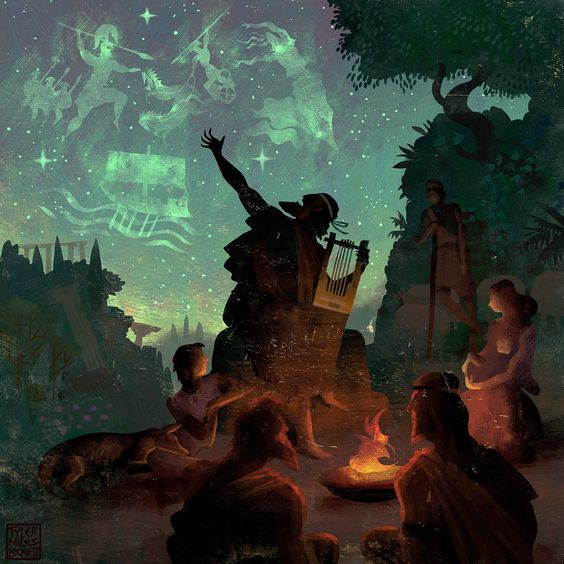
There was an abhorrent “deity”, called Moloch. The worship of Moloch (also spelled Molech, Milcom, or Malik) is historically associated with certain Semitic peoples, particularly in the ancient Near East.
The term "Moloch" likely refers not to a specific deity worshipped across all Semitic cultures, but rather to a ritualistic practice or a title associated with child sacrifice in specific contexts.
The term "Moloch" likely refers not to a specific deity worshipped across all Semitic cultures, but rather to a ritualistic practice or a title associated with child sacrifice in specific contexts.

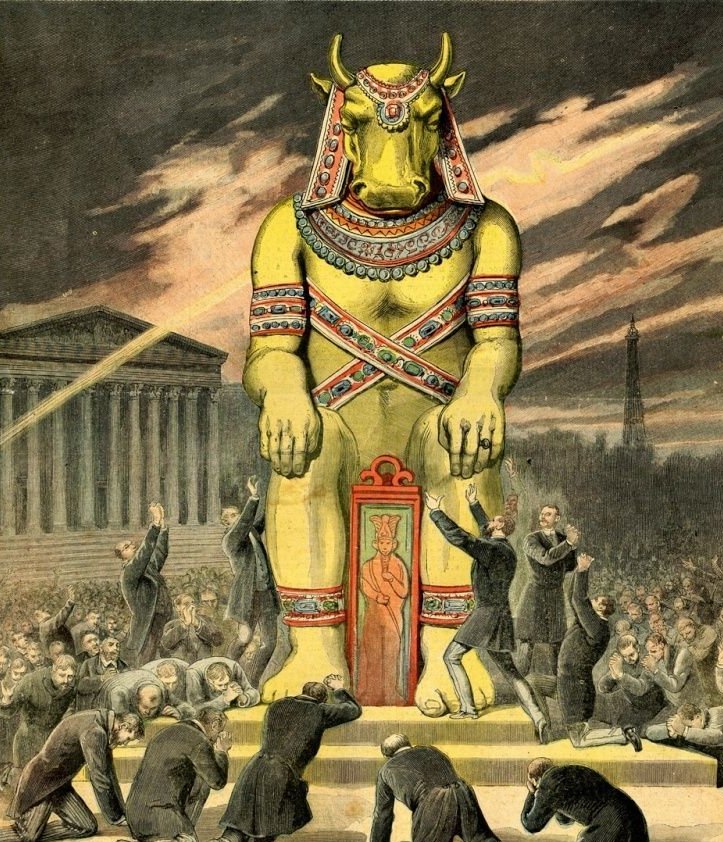
Moloch is a deity associated with sacrifice and fire, historically worshipped by the Canaanites. Often depicted as a giant hybrid with a human body and a bull’s head, Moloch demanded, according to ancient accounts, child sacrifices offered in fire rituals to ensure prosperity and protection.
The association with fire and sacrificial rites further aligns with biblical descriptions of offerings made "to pass through the fire to Moloch."
The association with fire and sacrificial rites further aligns with biblical descriptions of offerings made "to pass through the fire to Moloch."

Moloch is most famously mentioned in the Hebrew Bible as a deity to whom children were sacrificed by fire. This practice was condemned in the texts of Leviticus (18:21, 20:2–5), Deuteronomy (12:31, 18:10), and other passages. These abominable exhibits of devotion to such entities were terrifying as they were unclean and damnable.
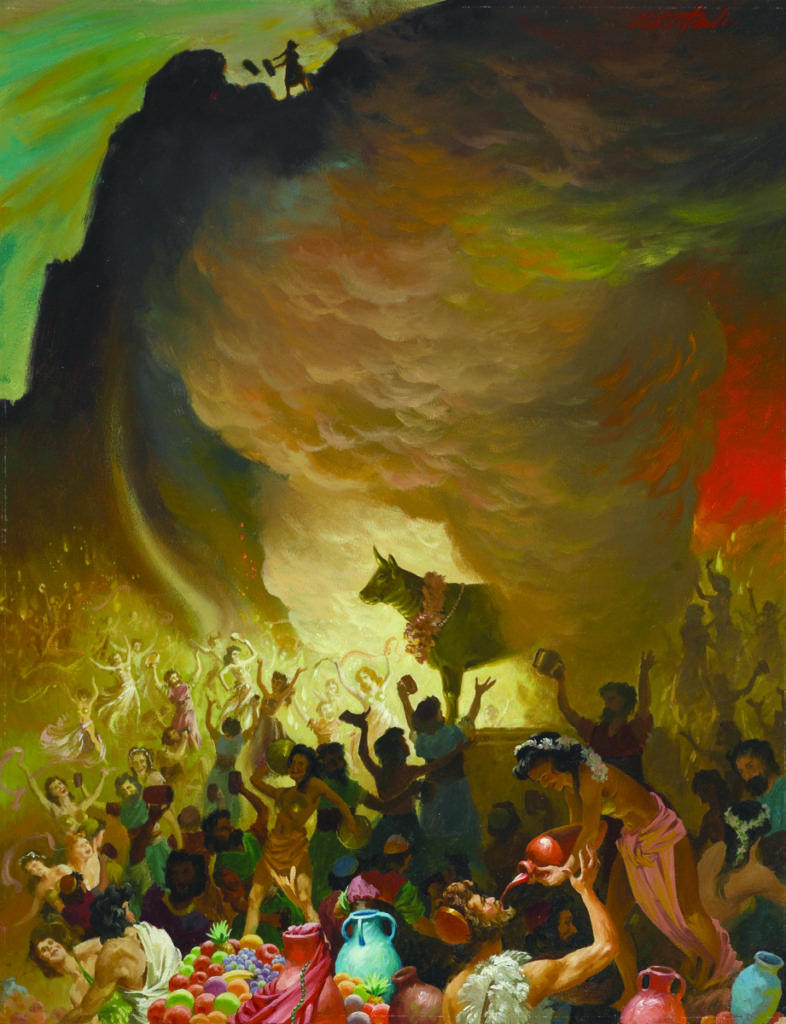
The Hebrew Bible presents the worship of Moloch as an abhorrent practice linked to foreign nations and a violation of Yahweh's covenant. The denunciation suggests that Israelites might have been tempted by or participated in such rites at certain points, prompting religious leaders to emphasize its prohibition.
We cannot forget that when Moses led the Israelites in the desert and while he was receiving the 10 commandments of God, the Israelites reverted back to worshipping the “bull idols” and performed damnable rites.
We cannot forget that when Moses led the Israelites in the desert and while he was receiving the 10 commandments of God, the Israelites reverted back to worshipping the “bull idols” and performed damnable rites.

We are probably not just talking about a specific entity but rather a whole “pantheon” of demons and such blood-demanding entities worshipped by those cultures, one of them being the Phoenicians. In Canaanite and Phoenician cultures, child sacrifice was part of the worship of deities like Baal and Moloch (both considered demons today).
Especially the Phoenicians were a seafaring Semitic people who spread these religious practices throughout the Mediterranean, with the Middle East and the city of Tyre being their base of operations.
Especially the Phoenicians were a seafaring Semitic people who spread these religious practices throughout the Mediterranean, with the Middle East and the city of Tyre being their base of operations.
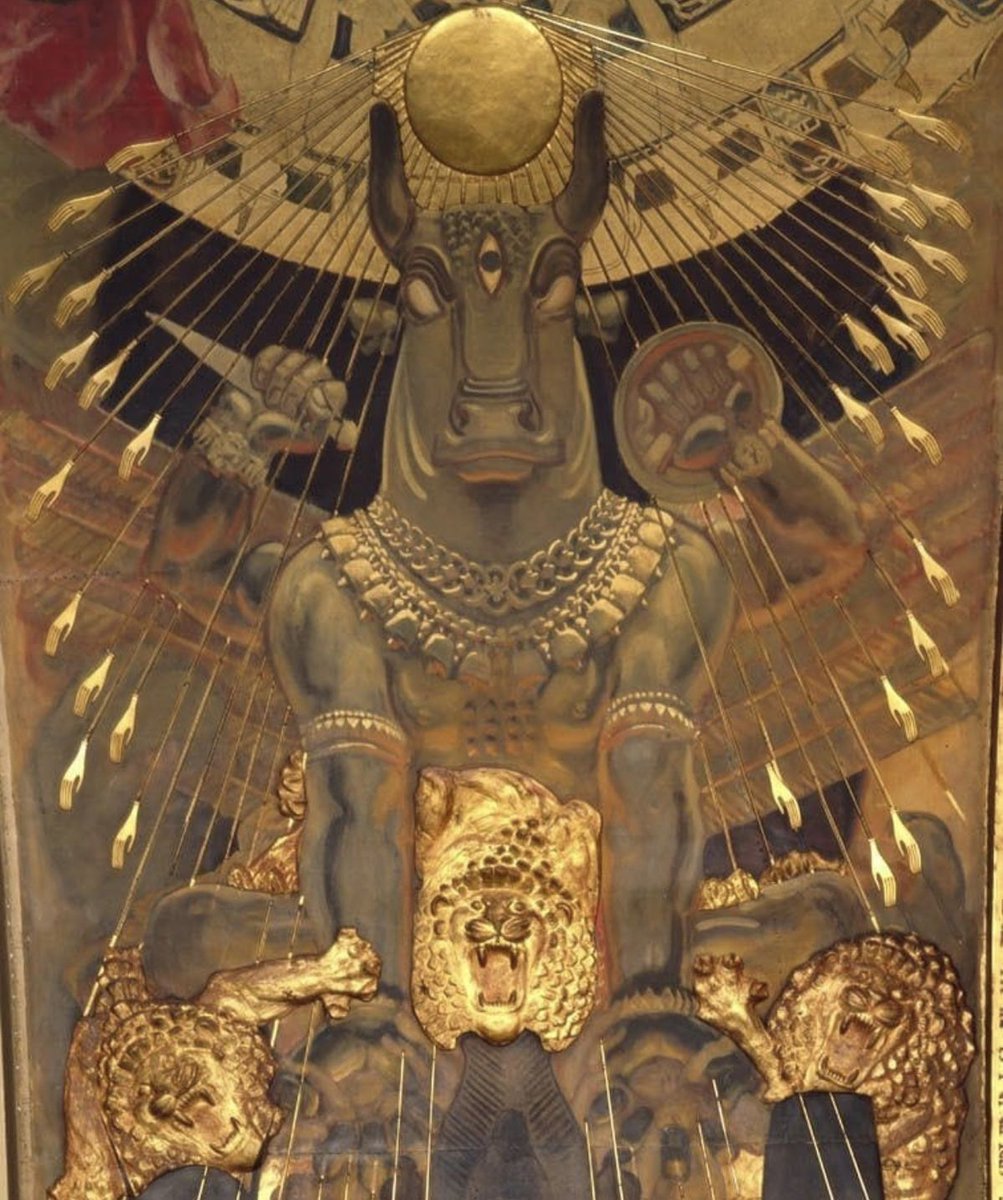
One of the cultures that they might have interacted with were the proto-Hellenic Minoans, in Crete. The Minoans thrived on Crete and nearby islands during the Bronze Age.
Their peak occurred during the period of the Palatial Crete (ca. 1900–1450 BC), overlapping with the time when child sacrifice and "Moloch-related" rituals were documented in the Levant and Mesopotamia.
Their peak occurred during the period of the Palatial Crete (ca. 1900–1450 BC), overlapping with the time when child sacrifice and "Moloch-related" rituals were documented in the Levant and Mesopotamia.
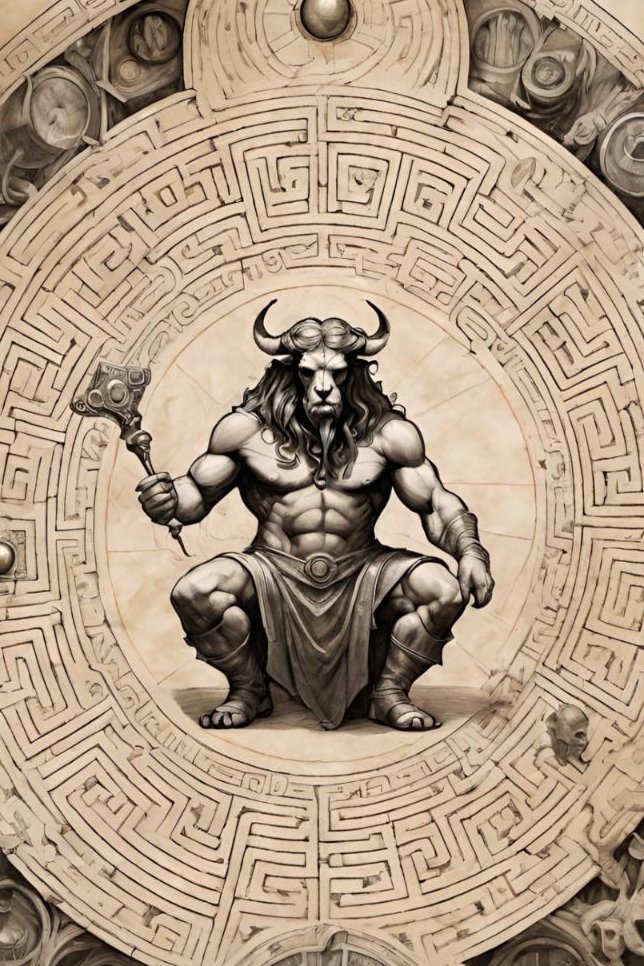
Minoan religion, like other ancient religions, involved sacrifices, though mostly animal. Archaeological evidence (e.g., the Anemospilia site) suggests the possibility of human sacrifices in extreme circumstances, such as during natural disasters but there is no direct historical link; but there is a mythical one: the Minotaur.
In Greek mythology, the Minotaur resided in the Labyrinth on Crete and was fed Athenian youths and maidens sent as tribute. This element of human sacrifice could echo historical practices or cultural fears regarding human offerings.
The myth is rooted in Minoan Crete, known for its advanced culture, religious practices, and enigmatic rituals. If elements of human sacrifice existed in Minoan religion (as some scholars argue, based on limited evidence), they might have inspired Greek stories after the fall of the Minoans and the rise of the Age of Heroes of Hellas.
In Greek mythology, the Minotaur resided in the Labyrinth on Crete and was fed Athenian youths and maidens sent as tribute. This element of human sacrifice could echo historical practices or cultural fears regarding human offerings.
The myth is rooted in Minoan Crete, known for its advanced culture, religious practices, and enigmatic rituals. If elements of human sacrifice existed in Minoan religion (as some scholars argue, based on limited evidence), they might have inspired Greek stories after the fall of the Minoans and the rise of the Age of Heroes of Hellas.
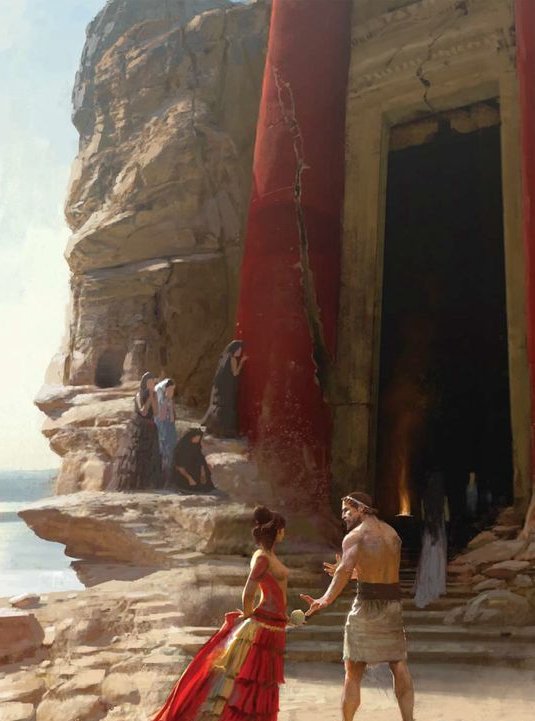

And a Hero came indeed to slay this monstrosity; Theseus, the prince of Athens, volunteered to be part of the tribute with the goal of slaying the Minotaur. Deep within the Labyrinth, he confronted the beast. The creature, described as immensely powerful and ferocious, posed a significant threat.
Using his masterful skills, Theseus engaged in a fierce battle with the beast. Despite the Minotaur's strength, Theseus managed to overpower and slay it, freeing Athens from this tyrannical tradition and getting rid of such a monster.
Using his masterful skills, Theseus engaged in a fierce battle with the beast. Despite the Minotaur's strength, Theseus managed to overpower and slay it, freeing Athens from this tyrannical tradition and getting rid of such a monster.

Much later, another great champion of Hellenism would allegedly face these “unclean” beasts. The term "unclean nations" in the context of Alexander the Great's campaigns typically refers to mythological or apocryphal accounts that emerged after his conquests, particularly in the medieval period.
A major source of these tales is the Alexander Romance, a collection of legends and stories about Alexander that evolved over centuries. Originally composed in Greek in the 3rd century, it was translated and adapted into numerous languages, incorporating elements from Christian, Jewish, and Islamic traditions.
In these stories, Alexander is depicted not only as a conqueror but as a divinely guided figure who encountered and interacted with mythical beings and exotic peoples.
A major source of these tales is the Alexander Romance, a collection of legends and stories about Alexander that evolved over centuries. Originally composed in Greek in the 3rd century, it was translated and adapted into numerous languages, incorporating elements from Christian, Jewish, and Islamic traditions.
In these stories, Alexander is depicted not only as a conqueror but as a divinely guided figure who encountered and interacted with mythical beings and exotic peoples.


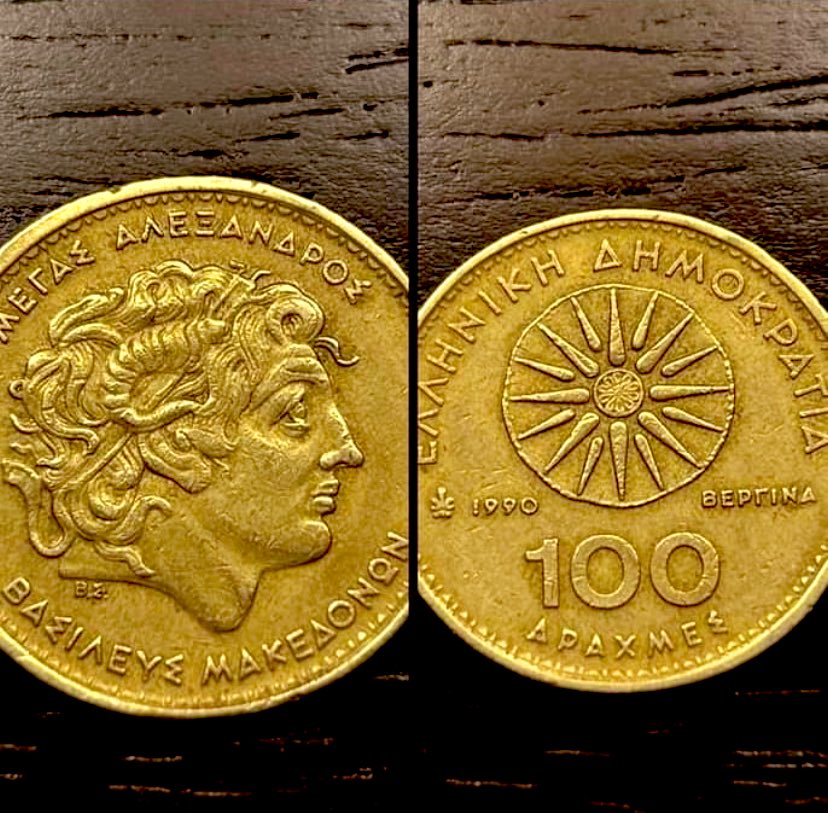
One of the most famous legends involves Alexander encountering "unclean nations" or barbaric tribes in the farthest reaches of his empire. These groups were often identified with the Gog and Magog mentioned in the Bible (Ezekiel 38–39, Revelation 20:7–8) and other apocalyptic literature.
According to these legends, Alexander supposedly built a great wall or gate to confine these wild and impure peoples in the remote mountains, often identified with the Caucasus or other distant regions.
Also do not forget that Alexander’s greatest siege and more fierce battle was the siege of Tyre (home of the Phoenicians that also founded Carthage).
According to these legends, Alexander supposedly built a great wall or gate to confine these wild and impure peoples in the remote mountains, often identified with the Caucasus or other distant regions.
Also do not forget that Alexander’s greatest siege and more fierce battle was the siege of Tyre (home of the Phoenicians that also founded Carthage).
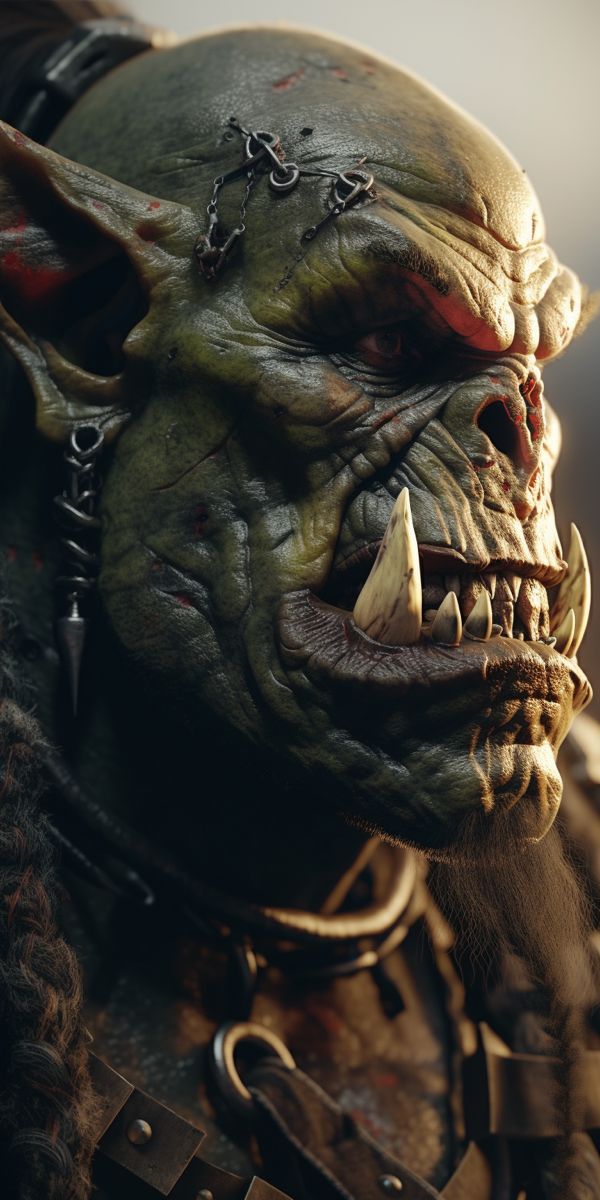

In Jewish and Christian apocalyptic texts, Gog and Magog are seen as hostile nations that will rise against God's people at the end of time.
In Islamic tradition, these nations are known as Yajuj and Majuj, mentioned in the Quran (18:93–98, Surah Al-Kahf) as being confined by a barrier built by a great king, often identified with Alexander or Dhul-Qarnayn (the "Two-Horned One").
In Islamic tradition, these nations are known as Yajuj and Majuj, mentioned in the Quran (18:93–98, Surah Al-Kahf) as being confined by a barrier built by a great king, often identified with Alexander or Dhul-Qarnayn (the "Two-Horned One").

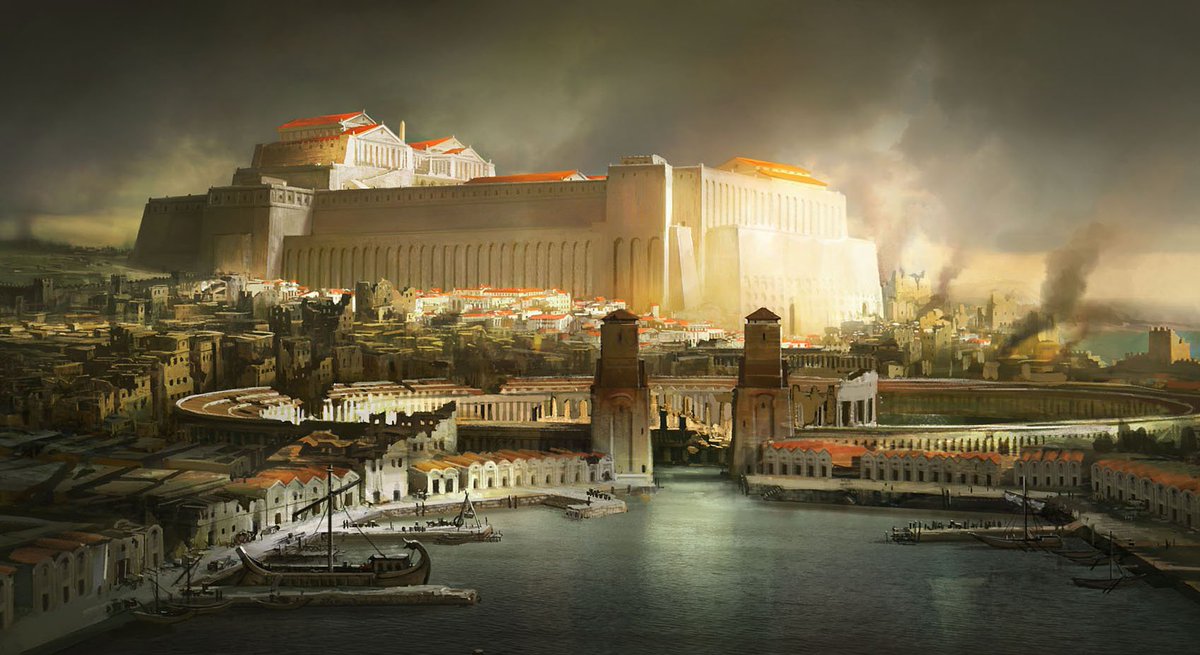
Another piece of this puzzle is met in Carthage; archaeological evidence and ancient inscriptions suggest that child sacrifice was practiced in the Levant during the second millennium BC, especially in cities like Carthage, which may have inherited such practices from Phoenician-Canaanite traditions.
The worship of Moloch or Baal in Carthage, particularly practices involving child sacrifice, is one of the most debated and controversial aspects of ancient Mediterranean religious history. Carthage, founded by Phoenician settlers from Tyre around 814 BC, inherited many of its religious customs from its parent city and other Canaanite traditions.
The worship of Moloch or Baal in Carthage, particularly practices involving child sacrifice, is one of the most debated and controversial aspects of ancient Mediterranean religious history. Carthage, founded by Phoenician settlers from Tyre around 814 BC, inherited many of its religious customs from its parent city and other Canaanite traditions.
Ritual sacrifices, including child offerings, were performed to appease these “gods”, particularly during times of crisis such as war, famine, or plague. These sacrifices were believed to ensure the prosperity of the community, protection from disaster, and divine favor.
The strongest evidence for child sacrifice in Carthage comes from the tophets, sacred precincts found in Carthage and other Phoenician settlements, such as Motya and Sardinia.
The strongest evidence for child sacrifice in Carthage comes from the tophets, sacred precincts found in Carthage and other Phoenician settlements, such as Motya and Sardinia.
The tophet was an open-air sanctuary where sacrifices were performed and the remains interred. Excavations have uncovered urns containing the cremated bones of infants and small animals, along with inscribed stelae dedicated to Baal Hammon and Tanit.
The remains in the urns suggest that young children, often newborns or very young infants, were burned in sacrificial rituals. Animal remains, particularly lambs or kids, are also present, possibly as substitutions for human offerings.
Inscriptions on the stelae frequently include the term mlk, which some scholars interpret as referring to the sacrificial ritual, while others believe it denotes a type of offering.
The remains in the urns suggest that young children, often newborns or very young infants, were burned in sacrificial rituals. Animal remains, particularly lambs or kids, are also present, possibly as substitutions for human offerings.
Inscriptions on the stelae frequently include the term mlk, which some scholars interpret as referring to the sacrificial ritual, while others believe it denotes a type of offering.
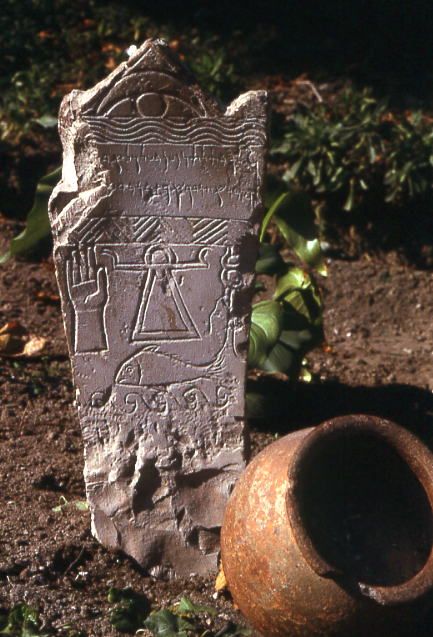
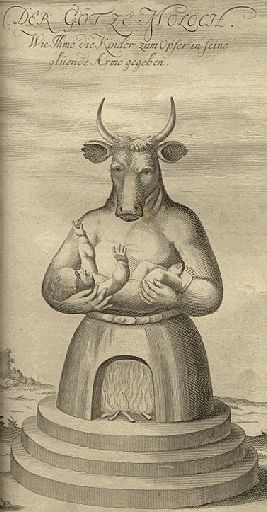
Greek and Roman authors, such as Diodorus Siculus, Plutarch, and Tertullian, provide vivid accounts of child sacrifice in Carthage. These accounts describe infants allegedly placed on the outstretched arms of bronze statues of Baal and then rolled into a fire below. The practice is described as both a public and religious act, performed to secure divine favor.
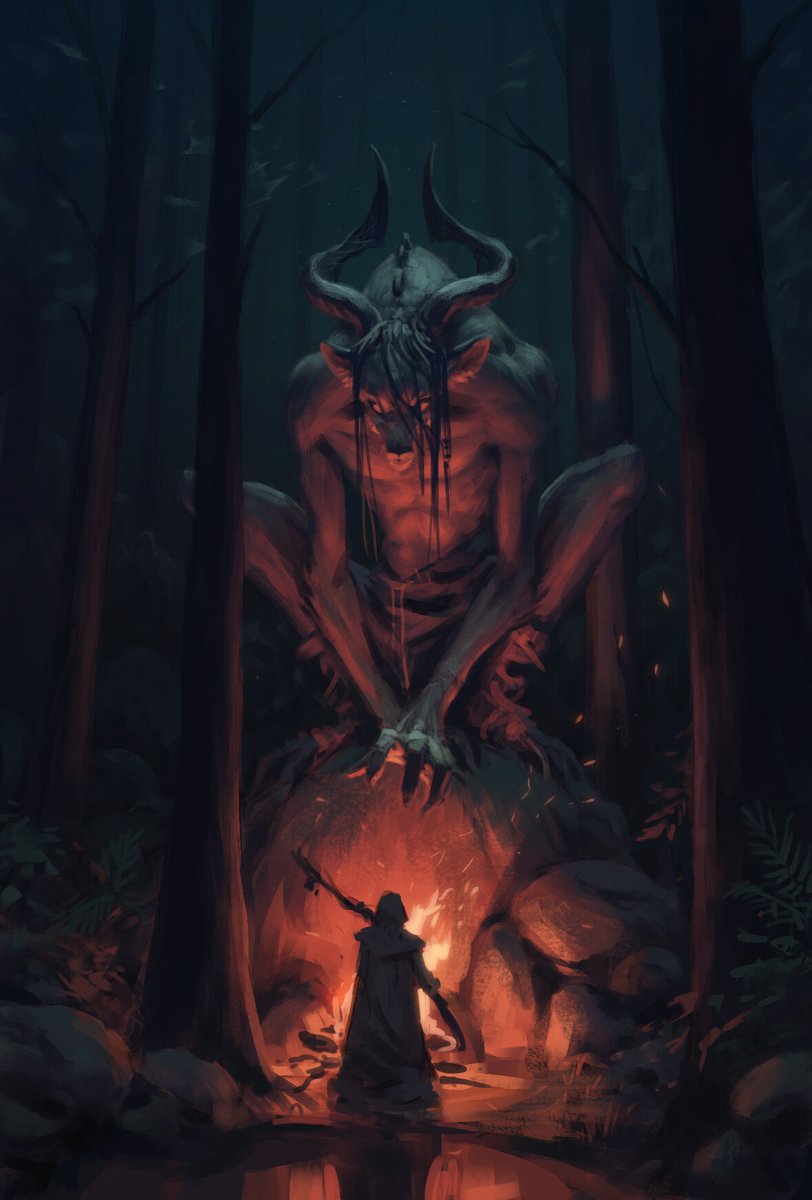
The Arch-enemies of Carthaginians were initially the Greeks and then the Romans who finished the job. Greeks viewed Carthage as a wealthy but culturally "inferior" and “unclean”, rooted in mercantilism rather than the "noble" ideals of Greek civilization. Carthage's reliance on mercenaries contrasted with the citizen-soldier ethos of Greek city-states, deepening animosities.
Initially, Carthaginians and Greeks clashed over control of key trade hubs and territories in the western Mediterranean, particularly in Sicily, Sardinia, and southern Italy.
The Sicilian Wars were a series of conflicts between Carthage and Greek city-states over control of Sicily. Key battles often pitted Carthaginian forces against Syracuse, the most powerful Greek city on the island.
Initially, Carthaginians and Greeks clashed over control of key trade hubs and territories in the western Mediterranean, particularly in Sicily, Sardinia, and southern Italy.
The Sicilian Wars were a series of conflicts between Carthage and Greek city-states over control of Sicily. Key battles often pitted Carthaginian forces against Syracuse, the most powerful Greek city on the island.
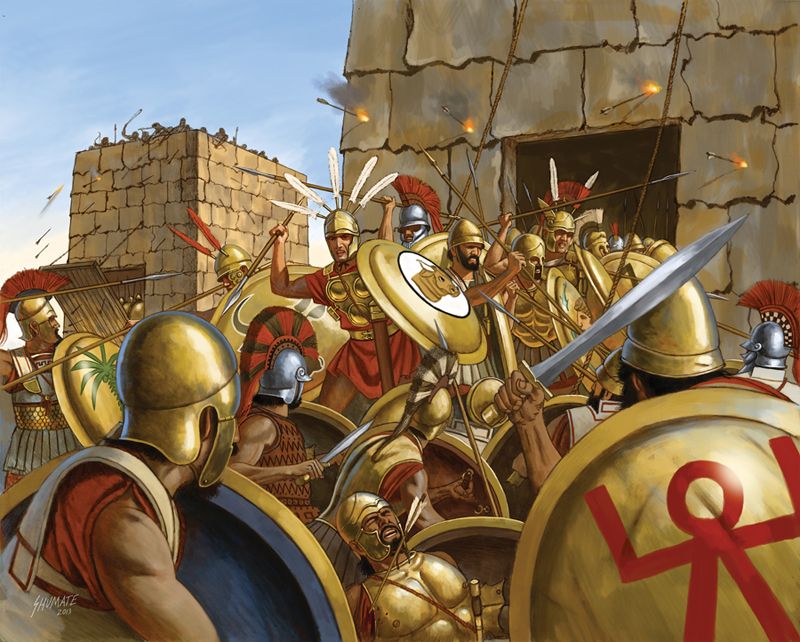
They clashed extremely hard in Battle of Himera (480 BC) where a Greek coalition led by Syracuse defeated the Carthaginians, preventing them from taking over the entire island. Then, Dionysius I of Syracuse led aggressive campaigns against Carthage, gaining and losing territory repeatedly.
Then came the Pyrrhic War (280–275 BC) when the Greek Pyrrhus of Epirus campaigned against Carthage and Rome, the Carthaginians defended their interests in Sicily, showcasing the island's strategic importance. But he left for Greece, leaving the Romans and Carthaginians to fight it out.
Then came the Pyrrhic War (280–275 BC) when the Greek Pyrrhus of Epirus campaigned against Carthage and Rome, the Carthaginians defended their interests in Sicily, showcasing the island's strategic importance. But he left for Greece, leaving the Romans and Carthaginians to fight it out.

Both Carthage and Rome sought control over key trade routes and territories, particularly Sicily and the western Mediterranean. Carthage’s wealth, derived from trade and its maritime power, made it a natural competitor for Rome, which was expanding as a land power.
Romans saw themselves culturally aligned with the Greeks; they viewed Carthage as a mercantile power lacking Roman virtues of honor, duty, and citizenship. Carthaginian reliance on mercenaries and its oligarchic governance further fueled Roman disdain.
But it was not just the expansionist agenda, but rather a clash of Civilizations, Cultures and Religions. It was indeed the West vs the East.
Romans saw themselves culturally aligned with the Greeks; they viewed Carthage as a mercantile power lacking Roman virtues of honor, duty, and citizenship. Carthaginian reliance on mercenaries and its oligarchic governance further fueled Roman disdain.
But it was not just the expansionist agenda, but rather a clash of Civilizations, Cultures and Religions. It was indeed the West vs the East.

The First Punic War (264–241 BC) was a protracted conflict between Rome and Carthage over control of Sicily, marking Rome's first major overseas war. Initially a land power, Rome built a navy to challenge Carthage’s maritime dominance, leading to fierce naval battles such as Mylae and Ecnomus, where Rome achieved surprising victories.
Despite setbacks on both sides, Rome’s resilience and eventual naval superiority culminated in the decisive Battle of the Aegates Islands (241 BC), forcing Carthage to sue for peace. Carthage ceded Sicily to Rome, marking the beginning of Roman expansion in the western Mediterranean.
Despite setbacks on both sides, Rome’s resilience and eventual naval superiority culminated in the decisive Battle of the Aegates Islands (241 BC), forcing Carthage to sue for peace. Carthage ceded Sicily to Rome, marking the beginning of Roman expansion in the western Mediterranean.
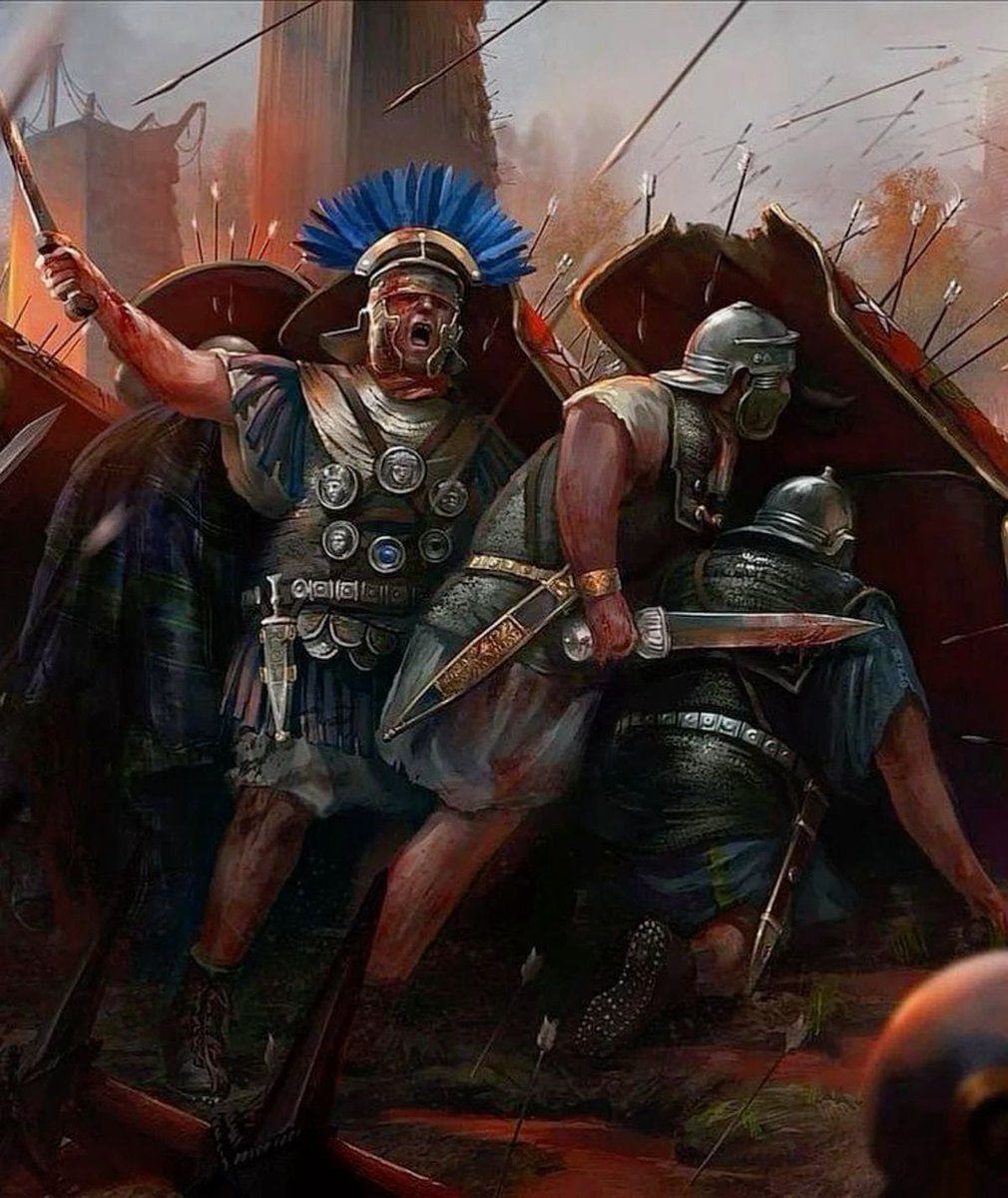
The Second Punic War was a monumental clash between Rome and Carthage, ignited by Carthage's expansion in Spain and Hannibal’s bold attack on Saguntum, a Roman ally. Hannibal led a daring invasion of Italy, crossing the Alps with his army and elephants, and won stunning victories at Trebia, Lake Trasimene, and Cannae, where he inflicted devastating losses on Rome.
However, he lacked the resources to capture the city itself. Rome, led by Scipio Africanus, turned the tide by taking the war to Spain and then to North Africa, defeating Hannibal at the Battle of Zama. Carthage lost its empire, and Rome emerged as the dominant power in the Mediterranean.
However, he lacked the resources to capture the city itself. Rome, led by Scipio Africanus, turned the tide by taking the war to Spain and then to North Africa, defeating Hannibal at the Battle of Zama. Carthage lost its empire, and Rome emerged as the dominant power in the Mediterranean.


Carthage remained a client state but Romans like Cato the Elder insisted Carthage should be completely and ultimately destroyed; why though?
During those moments of extreme crisis Diodorus Siculus claims that Carthaginians offered numerous children in a mass sacrifice to appease their gods.
Ultimately, Carthage’s resurgence led to the Third Punic War, where Rome destroyed the city entirely in 146 BC, enslaving its population and annexing its territory as the province of Africa. Rome’s treatment of Carthage was ruthless, cementing its dominance in the western Mediterranean.
During those moments of extreme crisis Diodorus Siculus claims that Carthaginians offered numerous children in a mass sacrifice to appease their gods.
Ultimately, Carthage’s resurgence led to the Third Punic War, where Rome destroyed the city entirely in 146 BC, enslaving its population and annexing its territory as the province of Africa. Rome’s treatment of Carthage was ruthless, cementing its dominance in the western Mediterranean.
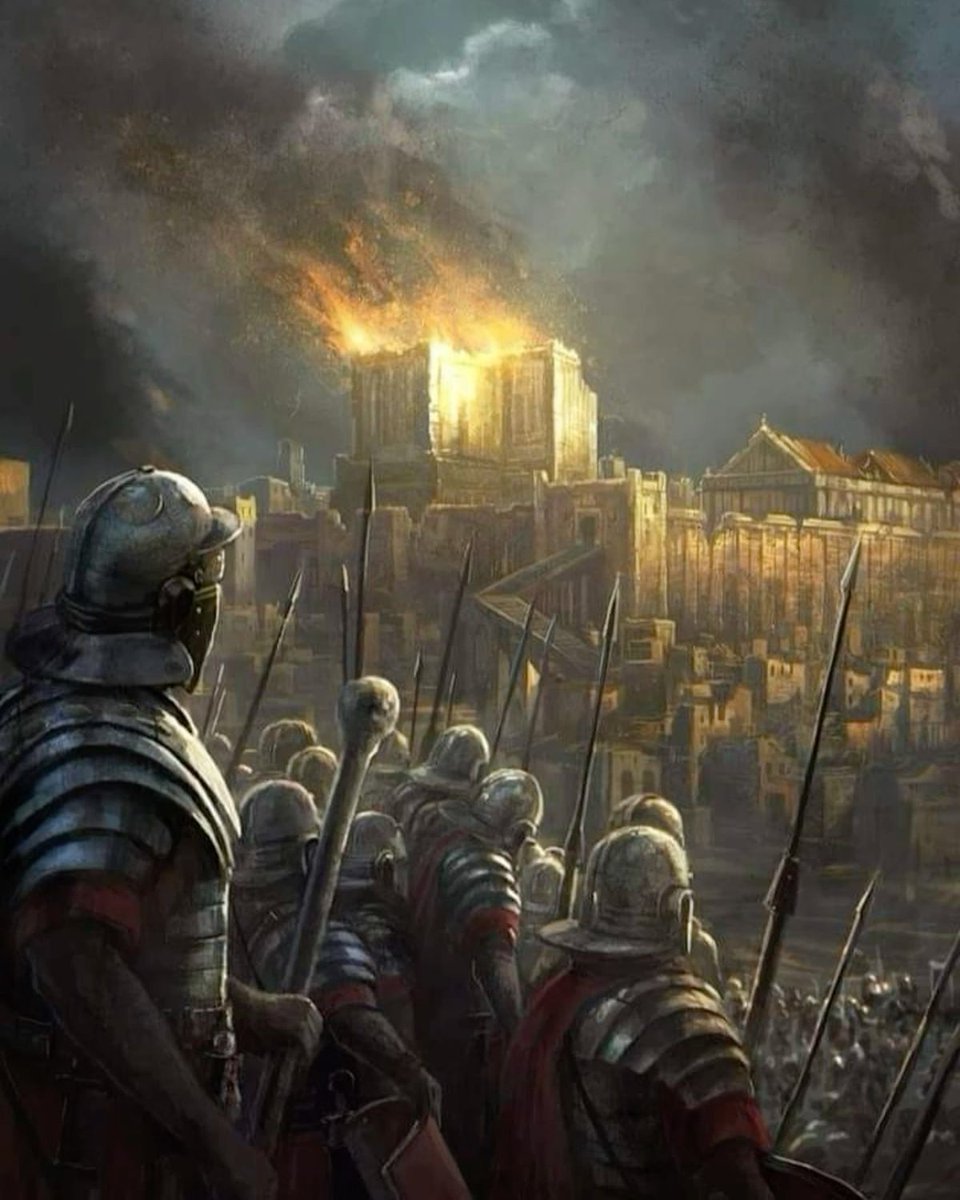
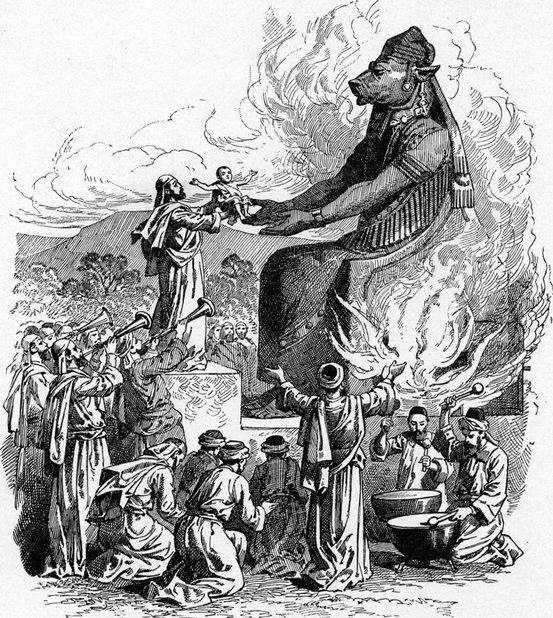
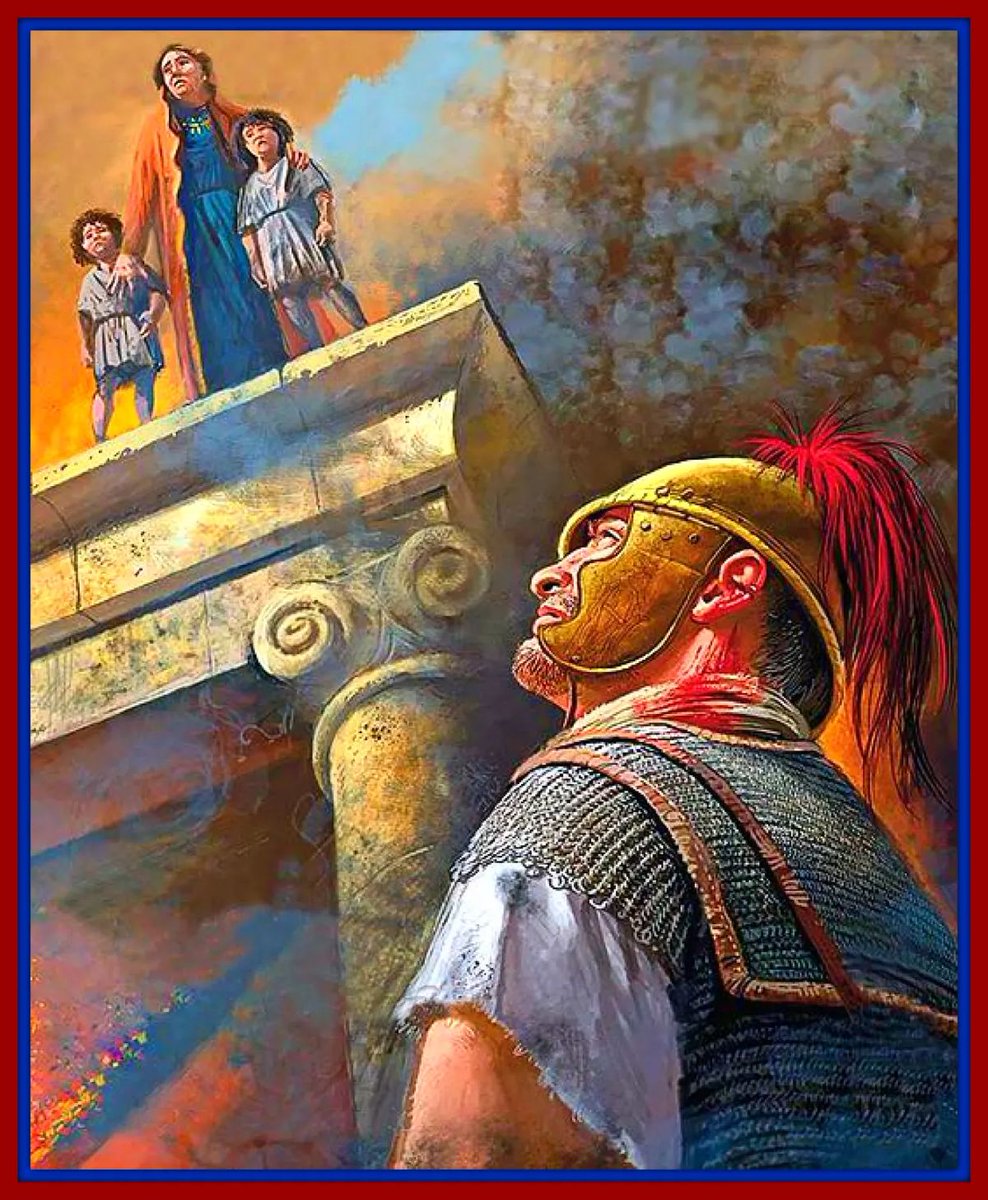
The city was systematically destroyed; its walls were torn down, temples were razed, and buildings were set ablaze. The claim that the Romans salted Carthage’s fields, rendering them infertile, is part of the legendary account of Carthage’s destruction.
They really wanted to purge that unclean land; they did, through fire and steel, banishing the worshipping of such demons back to darkness.
They really wanted to purge that unclean land; they did, through fire and steel, banishing the worshipping of such demons back to darkness.

As I stated at the start, this is not one of my historical threads; it's rather one where I’m connecting dots throughout history, through a different lens.
The worship of Baal and Moloch stands as a stark reminder of the deep cultural and religious divides that have shaped the history of Western civilization. For the Greeks, Romans, and later Western cultures, the practices associated with these deities were seen as barbaric and "unclean," standing in sharp contrast to the ideals of civic virtue and reason that defined their ethos. This lasted a while.
We see disturbingly that those unclean worshippers – and their masters – had a fixation around young children lives; maybe the battle between Good and Evil is everlasting indeed.
And it is still raging.
The worship of Baal and Moloch stands as a stark reminder of the deep cultural and religious divides that have shaped the history of Western civilization. For the Greeks, Romans, and later Western cultures, the practices associated with these deities were seen as barbaric and "unclean," standing in sharp contrast to the ideals of civic virtue and reason that defined their ethos. This lasted a while.
We see disturbingly that those unclean worshippers – and their masters – had a fixation around young children lives; maybe the battle between Good and Evil is everlasting indeed.
And it is still raging.
If you enjoyed this thread, follow me and subscribe for more material and exclusive insights.
You can find me on X and Substack.
You can find me on X and Substack.

• • •
Missing some Tweet in this thread? You can try to
force a refresh