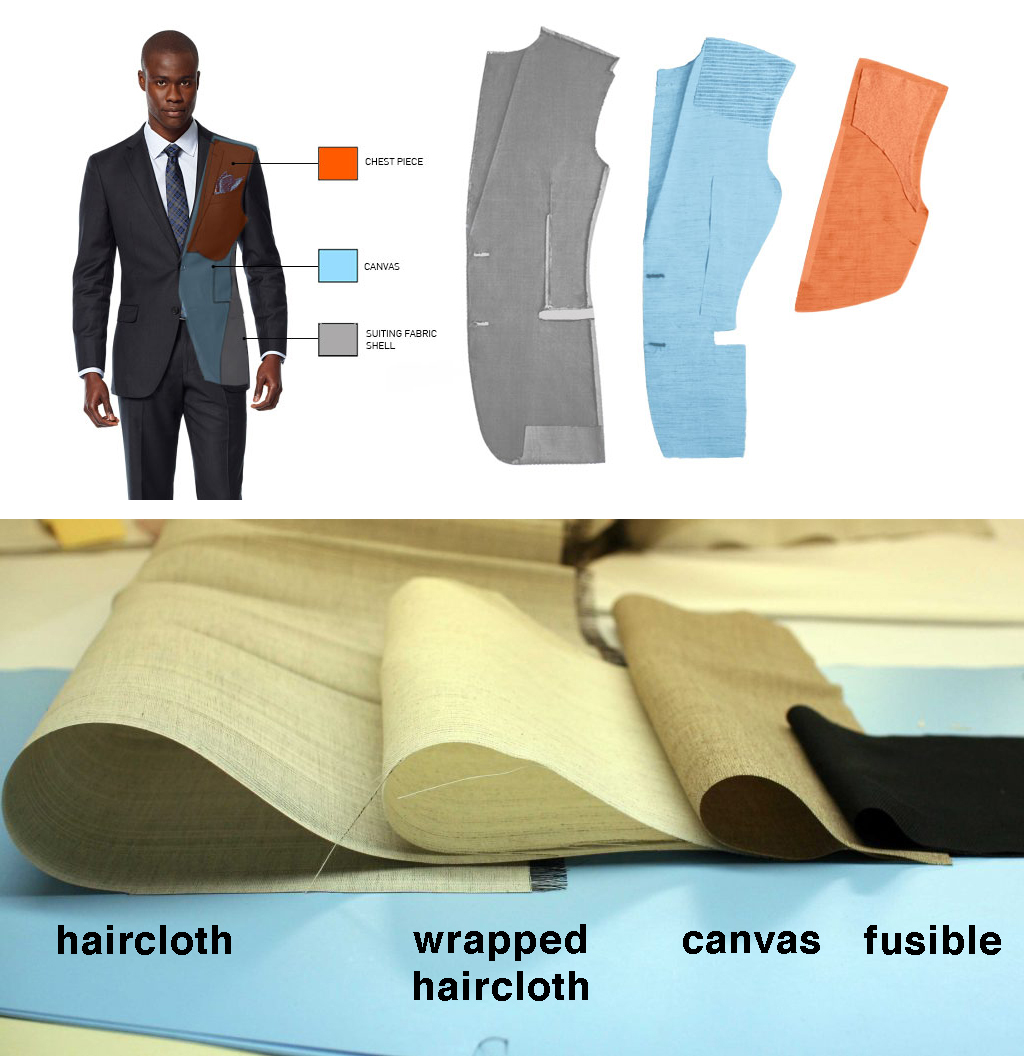
I often get asked if there's a "womenswear version" of me. Here's a thread addressing that, which includes a caveat and some resources. 🧵 

First, I think it's a bad idea to go into this looking for a "womenswear version" of me. You'll never find this, just as you won't find a menswear version of a womenswear content creator. Everyone has their unique voice and perspective, which is what makes this space interesting.


Instead, I think you should judge each person on their own terms. Do you find their output useful? By listening and following a bunch of people, you will get a richer, more interesting experience.
In this thread, I'll list some womenswear voices I follow. But there's a caveat!
In this thread, I'll list some womenswear voices I follow. But there's a caveat!


I'm not a woman and I don't wear womenswear. Your average woman will know more about womenswear than me bc they actually buy and wear the stuff. The following list is purely about the voices I follow as someone interested in menswear.


For instance, I follow womenswear to the degree that it helps me think and learn about concepts such as the use of texture or color, or how a black leather jacket can be styled in cool ways. For me, the barrier btw men's and women's style is not strict.


But this list is still very much filtered through the perspective of a menswear writer. I follow people if they help enrich my view of menswear, but I have no idea whether people who wear womenswear will enjoy the perspectives listed here.
Let's get into the list.
Let's get into the list.


First, there are four major writers I follow: @theprophetpizza and @RobinGivhan at The Washington Post, @VVFriedman at The New York Times, and @cathyhoryn at The Cut. IMO, their fashion criticism is always smart and worth reading. (Givhan even won a Pulitzer for her work).


Next, there are the blogs. @the_rosenrot has taught me a lot about avant-garde fashion. She covers designers such as Issey Miyake, Rei Kawakubo, Yohji Yamamoto, etc. Also lots of smart writing on feminism and capitalism in fashion
the-rosenrot.com
the-rosenrot.com


Although it's no longer updated, The Cutting Class is a great resource on the technical work that goes into creating beautiful clothes. IMO, once you learn the technical craft that goes into this stuff, it's hard not to be wow'd by such creations.
thecuttingclass.com
thecuttingclass.com
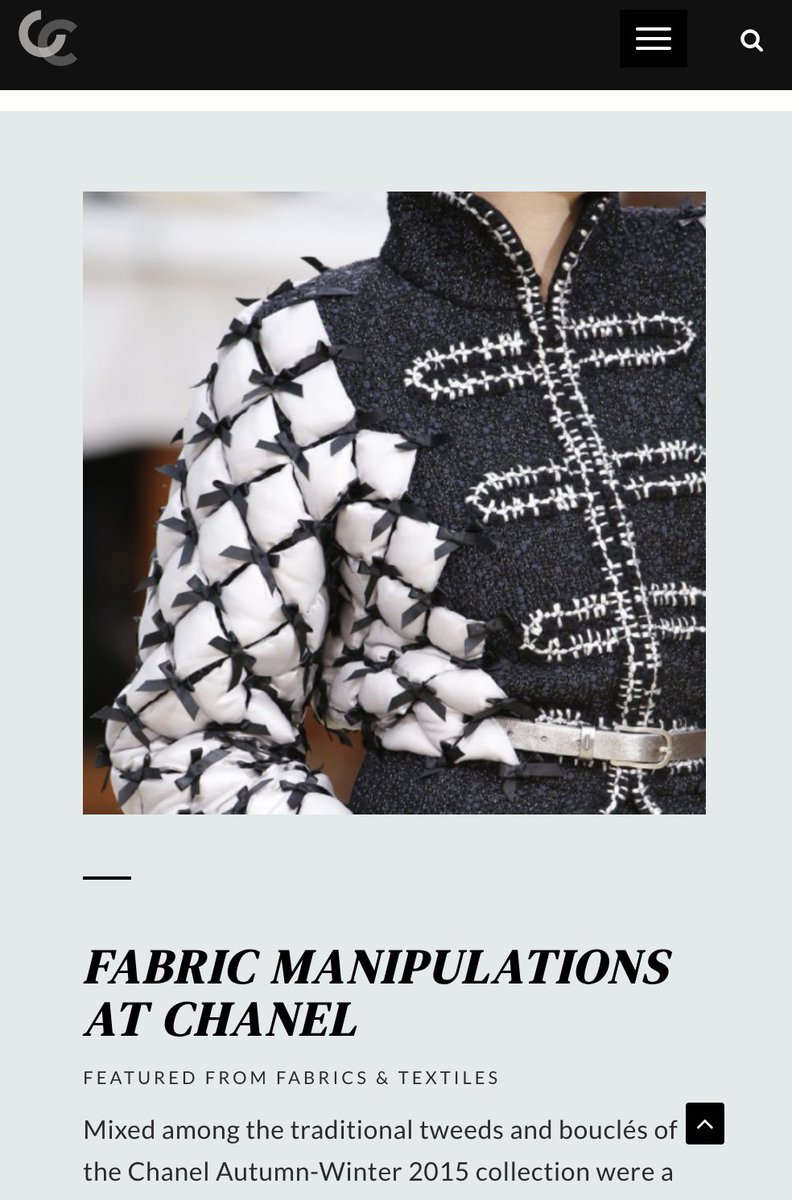

Next, there are some YouTube channels. My guess is that most people asking for recommendations just want basic, general advice on how to judge quality and fit. For that, I really like @JustineLeconteo channel, which is smart and accessible.
youtube.com/c/justinelecon…
youtube.com/c/justinelecon…
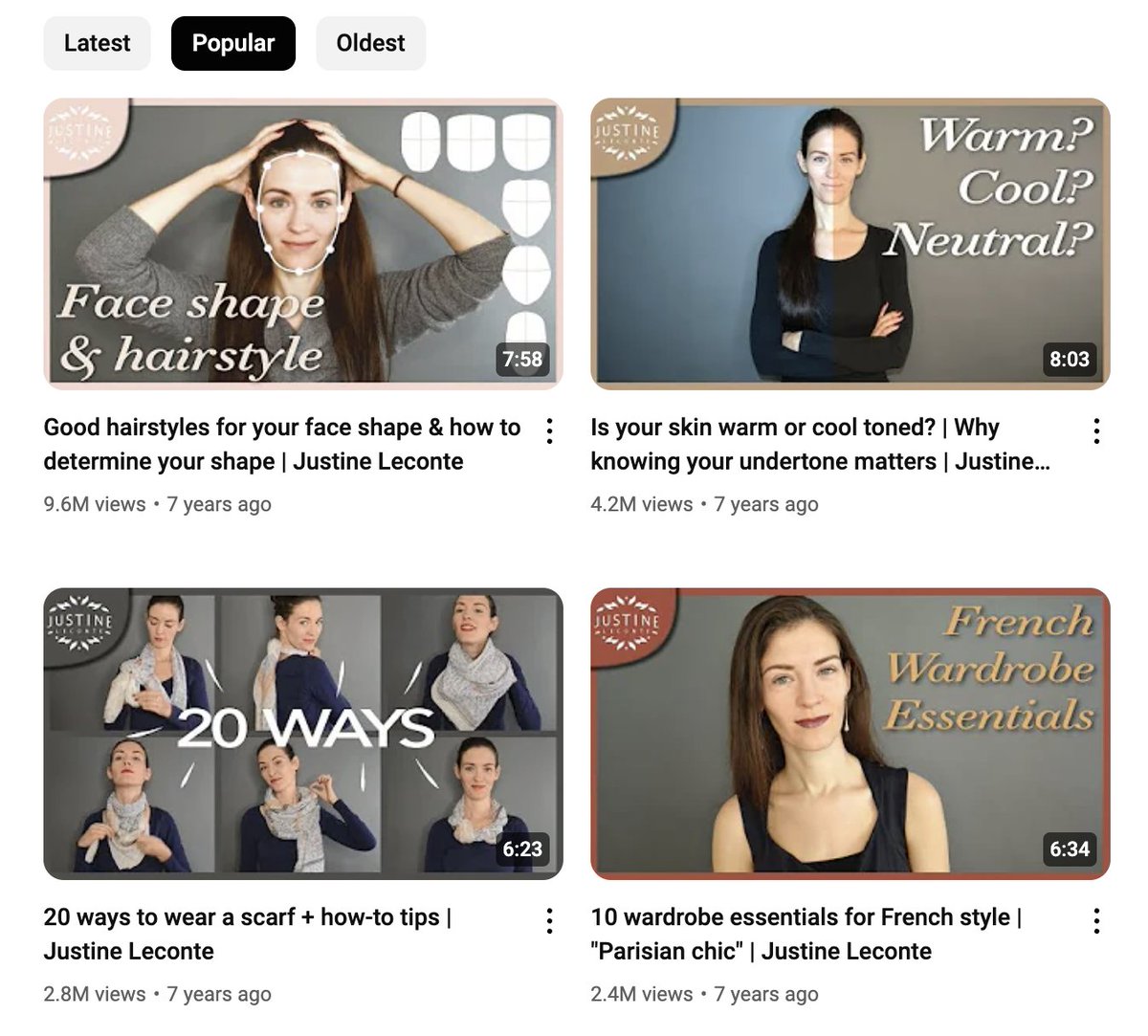
I've also been into @perciaverlin. You can see how the videos here aren't strictly gendered. Ideas such as "Tokyo fashion" and "city boy aesthetic" (which is basically Japanese Americana) can be worn by anyone.
youtube.com/@percish
youtube.com/@percish

They even have a video on "menswear for women." And guess what? That video has more recommendations to other content creators, such as the YouTube account madeyoulooks. I obvs find this sort of content interesting, as I write about masc clothing.

There are too many Instagram accounts to name. Some I like include: lisaingmarinelli, sommyyah, ponytailjournal, lilyyfarr, a_fushimi, emiliecsz, _nthea, jennalyonsnyc, librarians.wardrobe, shungacowgirl, and kiyanaknits. I find their outfits interesting/ inspiring


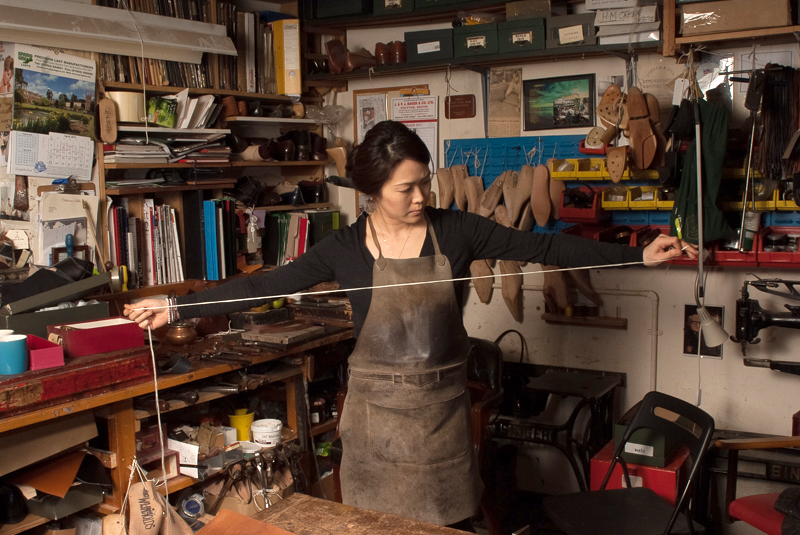
There are also certain makers, who, while not limited to womenswear, do occasionally make women's clothing. I follow them for their insights into women's tailoring. Such makers on IG include ninapenlington, carolineandrewlondon, and be_spokenbyjihae.
Andrea Cheong is also a great IG account that covers sustainability and quality in fashion. She often goes to stores and shows you what details to look for. You can find her on Instagram under the handle andreacheong_

Speaking of sustainability, I follow @CoraCHarrington, @elizabethlcline, @LizziePaton, and @DanaThomasParis on here. They are often talking about issues related to sustainability, labor rights, and ethics in fashion. Cline and Thomas have also written some great books


Finally, @trufelman produces my fav piece of online media covering fashion. Her podcast Articles of Interest is a brilliant look on everything from pockets to plaid, the industry of wedding dresses and perfumes, and history of Ivy style. A must-listen
99percentinvisible.org/aoi/
99percentinvisible.org/aoi/

There are also some newsletters I follow, such as @halemur's Maybe Baby, who used to write for Man Repeller. Although it's not really on fashion, but more culture stuff. I mostly follow it because I like her taste in things.

I'm sure I've forgotten some important people. Rachel Syme, for instance, doesn't exclusively cover fashion and aesthetics at The New Yorker, but I think she has great taste (esp in perfumes) and always read when she posts about those topics (such as recently).

My point is that, instead of looking for someone who does a "womenswear version" of what I do, I think you should explore the wide world of fashion critics and commentators. Lots of people are approaching things from their unique POV. And since womenswear as a market is huge ...
... that means there are A LOT of people covering it. Thus, it shouldn't be hard to curate a small list of people who speak to your interest. The list is purely about some of the people who inspire me as a menswear writer. Maybe you will find some of them useful.

• • •
Missing some Tweet in this thread? You can try to
force a refresh