Thread about Europooreans, or an attempt to asses the material well being disparity between the US and Europe without any monetary measures. Each one of these measures tells you something, but nothing tells you everything. 

AC. Are the rumors that Europe lacks AC true? Yes.

Cars. Americans have more vehicles per capita than every country in Europe.

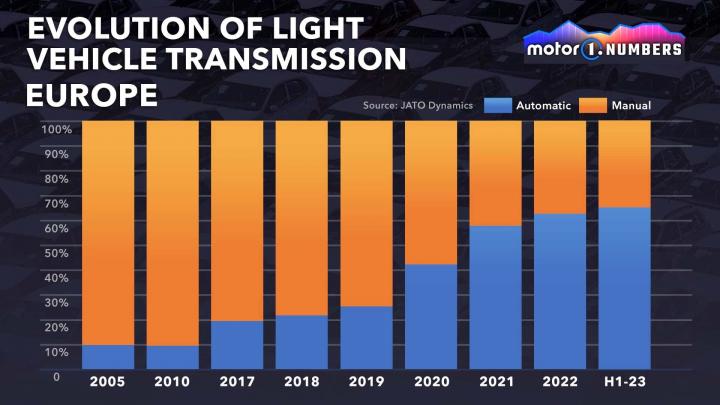
European cars are also much more likely to have manual transmissions than US cars.
American cars are also bigger: "in 2022 the average car sold in America weighed 1,857kg, almost 20% more than the average in Europe." economist.com/the-economist-…
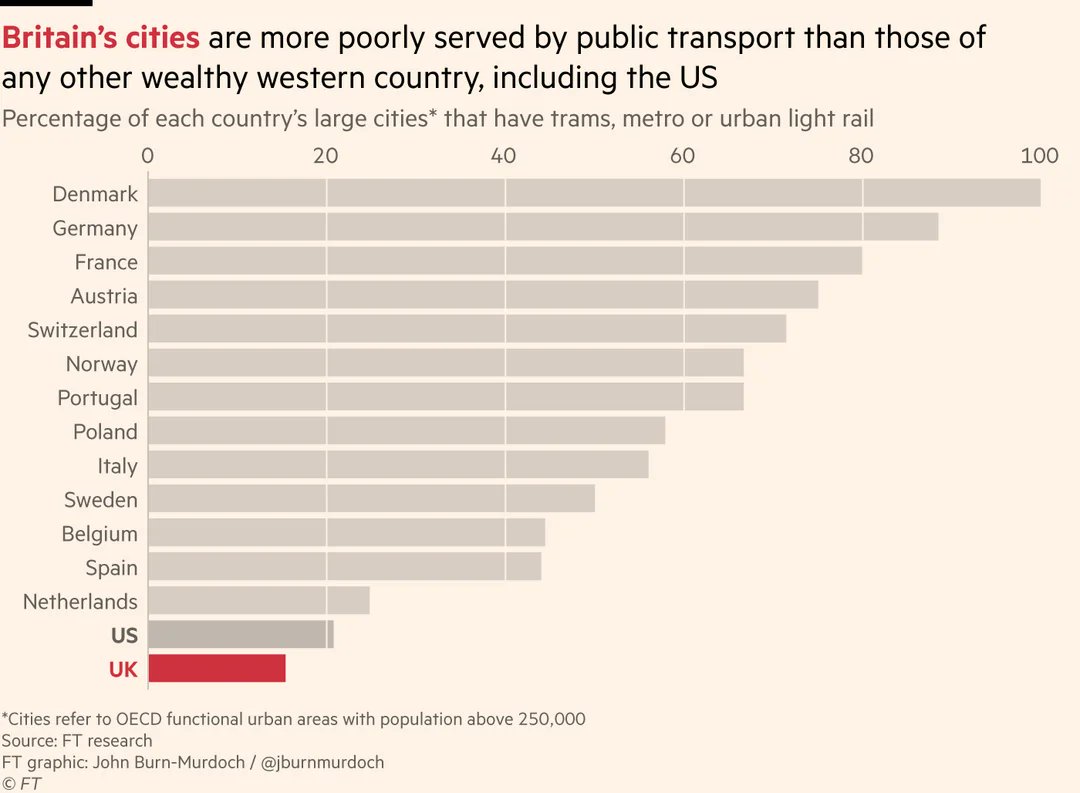
However, European cities have much better public transit:
Americans have larger houses than Europeans:

Survey from 2020 showed Europe had similar smartphone penetration to the US:

Large majorities of western European countries have streaming services, estimates for the US are similar.

Next there is the issue of Travel. 71% of Americans have left the country.
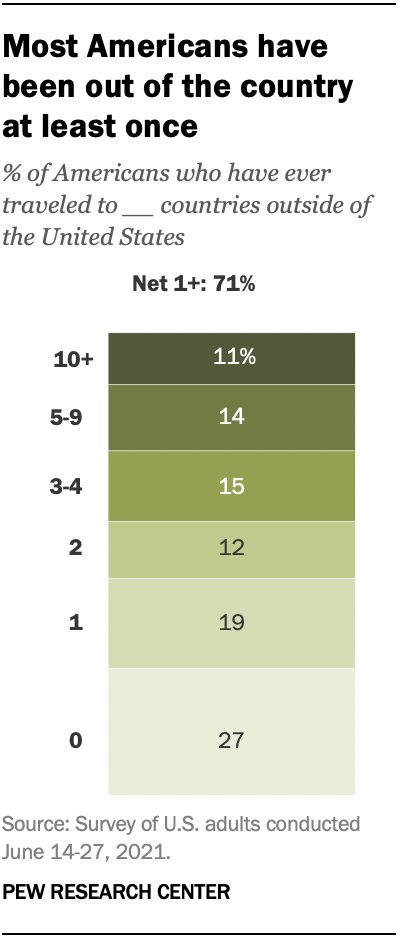
In comparison 37% of EU members have never left their country. web.archive.org/web/2022081106…

And in some ways countries in the EU are more similar to US states, and 89% of Americans have left their state: forbes.com/sites/lealane/…
It is true that Canadians and Australians are more likely to travel to 5 or more countries despite also being large isolated countries like the US.

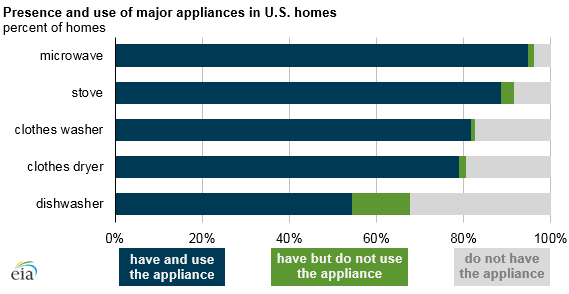
Looking at some appliances Americans are more likely to have dryers. A study from 2010 found on 35% of French had dryers compared to 80% of Americans. Estimates I could find put the number in Germany at around 50% and the UK at around 60%. archive.is/WJEnW
In 2015 around 45% of Europeans had a dishwasher. web.archive.org/web/2022032512…
In comparison in the US just under 70% had a dishwasher.
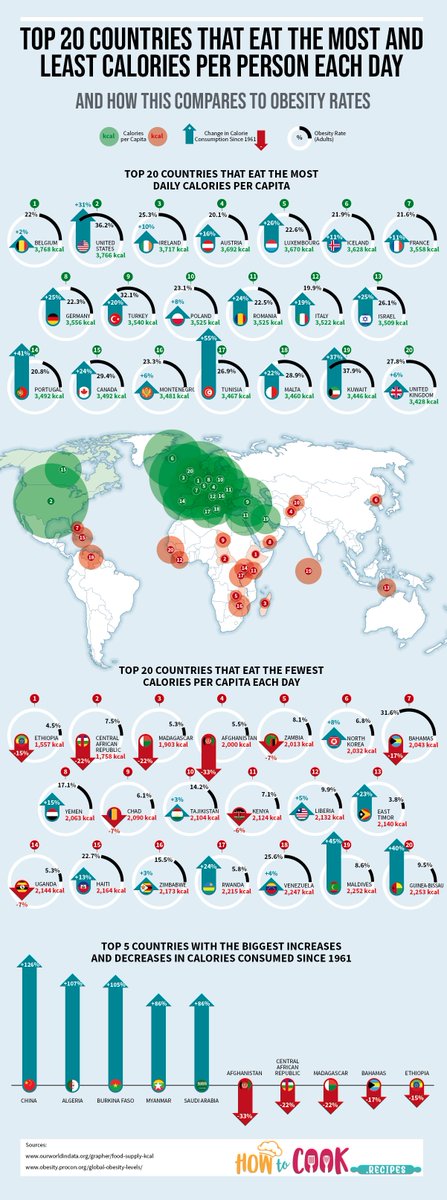
In terms of food, Americans are towards the top in terms of calories consumed.
Americans are also towards the top in meat consumption:

Americans consume more energy that Europeans:

Americans also produce more trash, which of course is evidence of consumption.

So in conclusion, Americans are more likely to have AC, dishwashers and dryers, consume more energy, produce more trash, likely travel more, eat more and eat more meat, drive more and bigger and better cars, and live in bigger houses.
In my opinion, the better things about living in Europe would be less crime, longer life expectancy, better public transportation, and this is more subjective but more beautiful and culturally rich cities filled with thinner more attractive people.
post inspired by @zebulgar Others who may be interested @cremieuxrecueil @Steve_Sailer @whyvert
@zebulgar @cremieuxrecueil @Steve_Sailer @whyvert @KirkegaardEmil
• • •
Missing some Tweet in this thread? You can try to
force a refresh