This view is quite common, and those holding it often feel justified since they see earned wealth as theirs to be spent, not stewarded
But this is the opposite of how we though when the West was great
The lives of George Washington and Andrew Jackson show a far better view🧵👇
But this is the opposite of how we though when the West was great
The lives of George Washington and Andrew Jackson show a far better view🧵👇
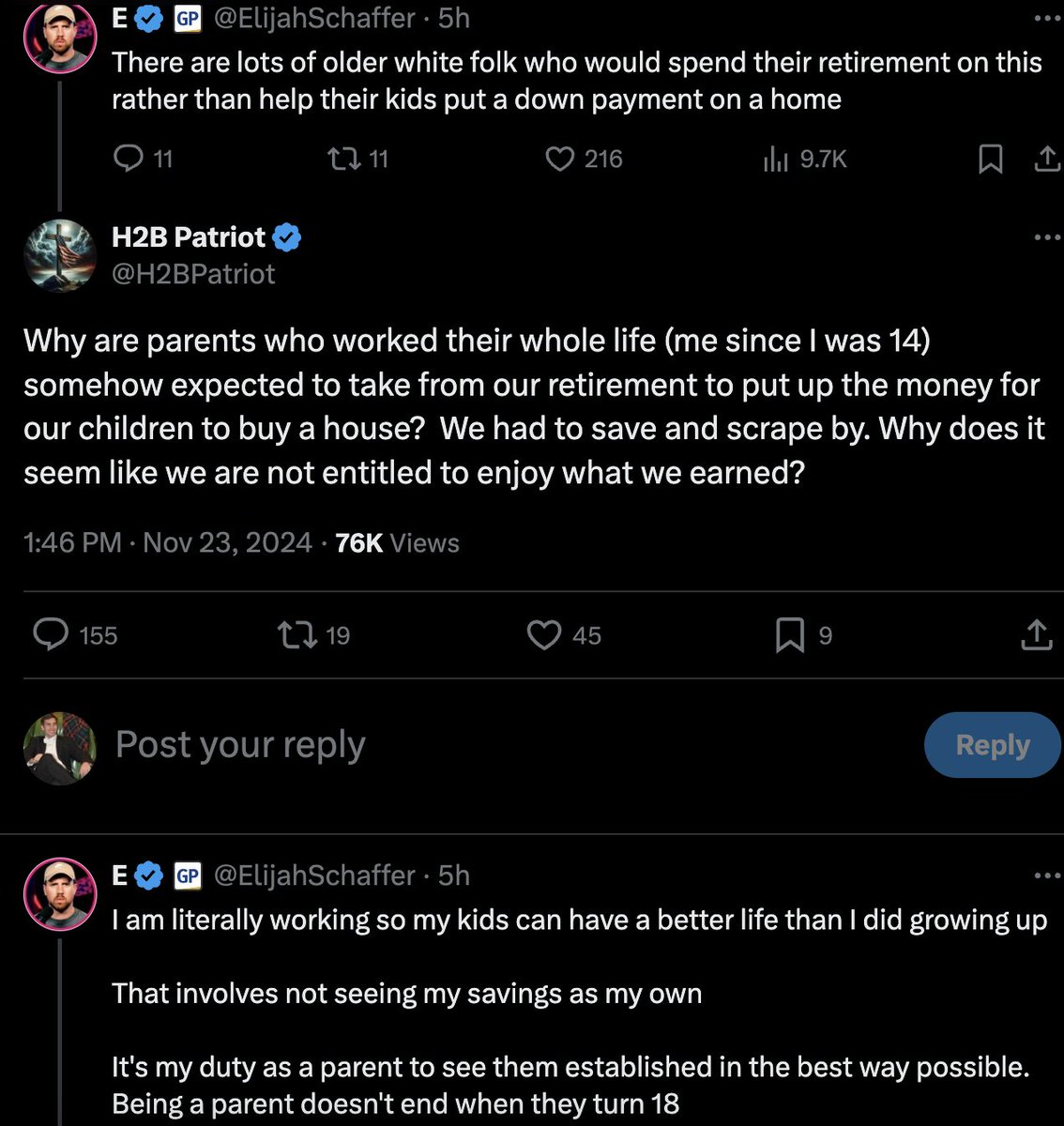
For context, the above exchange had to do with whether it is better to help children succeed and pass them wealth, or go on a pro-Israel cruise and be "entitled to enjoy" spending down the principal
To some extent that's reasonable, particularly after a long life of working
But, according to the Western mindset that pretty much every great man of the pre-World War I period held, importantly for this thread the Tidewater Gentry like George Washington and new men like Andrew Jackson, wealth isn't meant to be spent
Perhaps most of the income that can be generated on the principal can be, under that mindset, but the wealth itself shouldn't be. That's how one goes broke first slowly then suddenly, and is generally a good way to fade into oblivion
Instead, wealth, when earned or inherited, is meant to be stewarded not just for the next generation, but for the many next generations down the line
To some extent that's reasonable, particularly after a long life of working
But, according to the Western mindset that pretty much every great man of the pre-World War I period held, importantly for this thread the Tidewater Gentry like George Washington and new men like Andrew Jackson, wealth isn't meant to be spent
Perhaps most of the income that can be generated on the principal can be, under that mindset, but the wealth itself shouldn't be. That's how one goes broke first slowly then suddenly, and is generally a good way to fade into oblivion
Instead, wealth, when earned or inherited, is meant to be stewarded not just for the next generation, but for the many next generations down the line

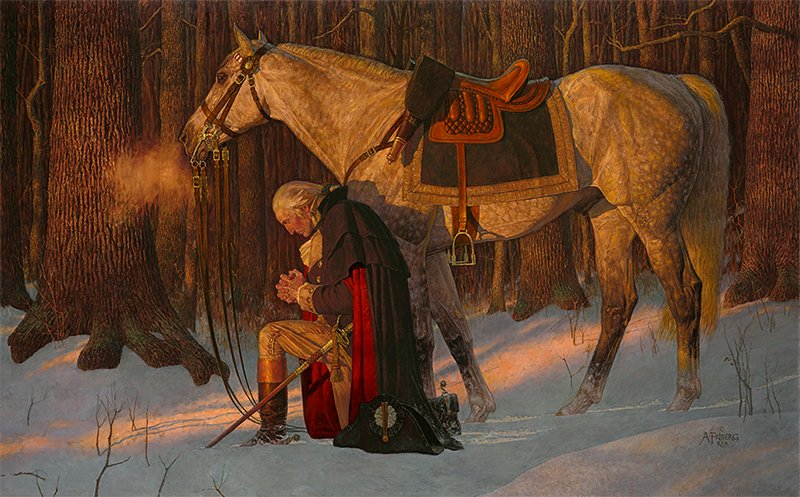
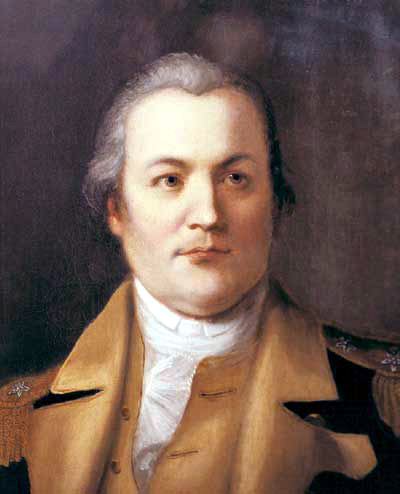
George Washington is great example of this mindset, and the biography Douglas Southall Freeman wrote of him tells the story well (the abridged Washington version is sufficient)
George Washington's family in the new world was founded by John Washington, son of a rector in Essex, and so no one particularly wealthy from birth, at least compared to the gentry and aristocracy. John Washington arrived in Virginia and soon started accumulating acreage by working hard and managing it prudently
So, because John accumulated and didn't spend it all in an orgy of consumption, his son, Lawrence Washington, was able to inherit both the Mattox Creek plantation (1,850 acres) and Little Hunting Creek (2,500 acres). The latter became Mount Vernon a few generations down the road
Lawrence had two sons, included amongst whom was his second son, Augustine Washington. He inherited about 1,000 acres on Bridges Creek, and came into more through Jane Butler, an orphan, who had inherited about 640 acres. Augustine went on to buy a great deal more land in his lifetime, always accumulating
One of Augustine's 10 children was George Washington, who, as an 11-year-old, inherited only the relatively small 150-acre Strother farm now known as Ferry Farm upon his father's death. George was supported in his adolescence and career by his brother Lawrence, who inherited the Mount Vernon plantion, which eventually came to Washington after the death of Lawrence and his widow. George worked as a surveyor as a young man, managing to accumulate 2,315 acres by 1752.
George Washington came into a great deal more landed wealth through his marriage to Martha, a Custis, who had a 1/3 dower interest in 18,000 acres. Over the next decade, Washington won access to, through purchase and rewards for military service, over 40k acres in the West and doubled the size of the Mt. Vernon plantation to 6500 acres. By the time he died, Washington owned 65,000 acres of land.
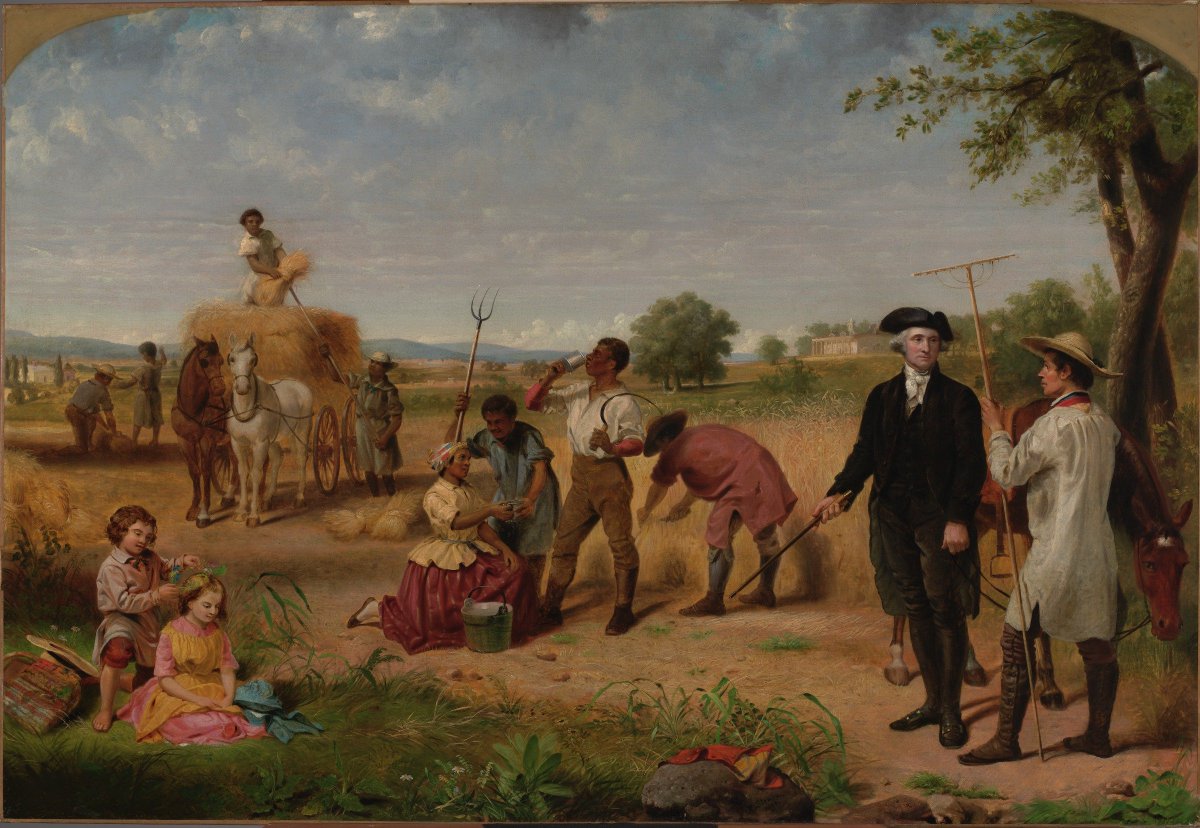
But landed wealth wasn't all. In addition to the chattel slaves, he owned everything from a fishing fleet to a grain mill. He prudently switched from tobacco to wheat early on, avoiding the usual trap of Virginia planters, and generally invested in business activities outside of agriculture. In doing so, he followed in the footsteps of his father Augustine, an early colonial iron forge entrepreneur.
All that was quite lucrative, though never managed at its best due to Washington's lifetime of service to his country, and one study estimates that his peak net worth was $587 million, including 300 slaves
George Washington's family in the new world was founded by John Washington, son of a rector in Essex, and so no one particularly wealthy from birth, at least compared to the gentry and aristocracy. John Washington arrived in Virginia and soon started accumulating acreage by working hard and managing it prudently
So, because John accumulated and didn't spend it all in an orgy of consumption, his son, Lawrence Washington, was able to inherit both the Mattox Creek plantation (1,850 acres) and Little Hunting Creek (2,500 acres). The latter became Mount Vernon a few generations down the road
Lawrence had two sons, included amongst whom was his second son, Augustine Washington. He inherited about 1,000 acres on Bridges Creek, and came into more through Jane Butler, an orphan, who had inherited about 640 acres. Augustine went on to buy a great deal more land in his lifetime, always accumulating
One of Augustine's 10 children was George Washington, who, as an 11-year-old, inherited only the relatively small 150-acre Strother farm now known as Ferry Farm upon his father's death. George was supported in his adolescence and career by his brother Lawrence, who inherited the Mount Vernon plantion, which eventually came to Washington after the death of Lawrence and his widow. George worked as a surveyor as a young man, managing to accumulate 2,315 acres by 1752.
George Washington came into a great deal more landed wealth through his marriage to Martha, a Custis, who had a 1/3 dower interest in 18,000 acres. Over the next decade, Washington won access to, through purchase and rewards for military service, over 40k acres in the West and doubled the size of the Mt. Vernon plantation to 6500 acres. By the time he died, Washington owned 65,000 acres of land.
But landed wealth wasn't all. In addition to the chattel slaves, he owned everything from a fishing fleet to a grain mill. He prudently switched from tobacco to wheat early on, avoiding the usual trap of Virginia planters, and generally invested in business activities outside of agriculture. In doing so, he followed in the footsteps of his father Augustine, an early colonial iron forge entrepreneur.
All that was quite lucrative, though never managed at its best due to Washington's lifetime of service to his country, and one study estimates that his peak net worth was $587 million, including 300 slaves
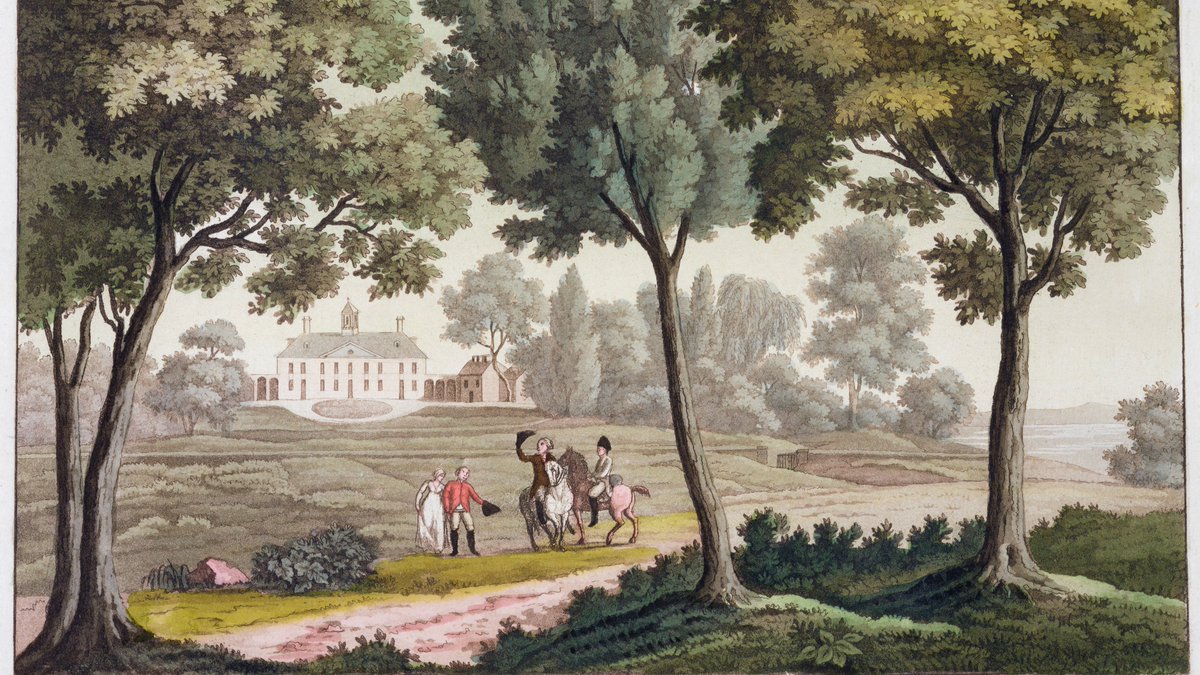
So, what can be gleaned from that is that the Washington family, which came to the New World not penniless but not rich either, didn't see wealth as something to be just spent. They enjoyed living off the income, but generally weren't selling land or businesses to "enjoy" it
Admittedly, George Washington, at some points, had to spend down some investments, such as Bank of England stock, because of the demands of hosting visitors at Mount Vernon. But, that was more public service as a prominent figure in the early Republic than pure pleasiure
But, with the rare exception of being the most important man in a fledgling republic you want to continue indefinitely, a reasonable and probably prudent way to spend and invest wealth, the Washingtons and their contemporaries saw wealth as something to be passed on. Thus, the family line remained landed, and George Washington was able to embark on a life of public service in no small part thanks to what he had inherited from those passing estates on rather than spending them away to nothing
Without that continual passing down of held estates and earning enough to buy new ones that could be passed on as well, the Washingtons not only became quite wealthy, but became integral to their country
Admittedly, George Washington, at some points, had to spend down some investments, such as Bank of England stock, because of the demands of hosting visitors at Mount Vernon. But, that was more public service as a prominent figure in the early Republic than pure pleasiure
But, with the rare exception of being the most important man in a fledgling republic you want to continue indefinitely, a reasonable and probably prudent way to spend and invest wealth, the Washingtons and their contemporaries saw wealth as something to be passed on. Thus, the family line remained landed, and George Washington was able to embark on a life of public service in no small part thanks to what he had inherited from those passing estates on rather than spending them away to nothing
Without that continual passing down of held estates and earning enough to buy new ones that could be passed on as well, the Washingtons not only became quite wealthy, but became integral to their country
Andrew Jackson is another interesting example of this mindset, applied in a different context
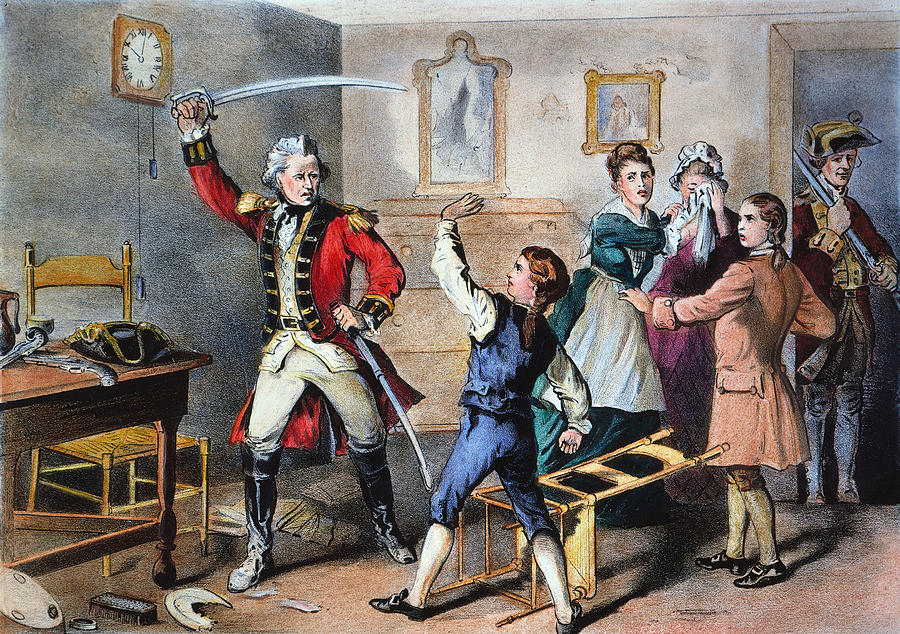
Though a descendant of the Scots-Irish gentry, Andrew came out of the Revolution with nothing. He inherited nothing, his mother and brother were dead, and also unlike Washington he had no landed family members to rely on. And he had a head wound from a British officer
But he was bright, tough as nails, and willing to work. First a saddler, then a teacher of sorts, Jackson eventually became a lawyer in North Carolina and moved into what became Tennesse
Though a descendant of the Scots-Irish gentry, Andrew came out of the Revolution with nothing. He inherited nothing, his mother and brother were dead, and also unlike Washington he had no landed family members to rely on. And he had a head wound from a British officer
But he was bright, tough as nails, and willing to work. First a saddler, then a teacher of sorts, Jackson eventually became a lawyer in North Carolina and moved into what became Tennesse
Jackson quickly skyrocketed through the social ranks in frontier Tennessee. Using what he earned as a lawyer as capital, Jackson became a slave trader and land speculator, building his fortune
Then, in 1796, he and his new wife Rachel Donelson acquired their first plantation, Hunter's Hill, which sat on 640 acres in the Nashville vicinity
As political involvement continued, Jacson remained further involved in speculation. Eventually, he sold Hunter's Hill and 25,000 acres to buy the 420-acre Hermitage plantation. With that, he moved on from speculation and turned into a cotton planter and merchant. As usual, his drive and intelligence ensured his success and he soon became a planter of 1,000 acres, one of the largest cotton planters in Tennessee
Jackson, like Washington, became quite wealthy over time, with his wealth estimated at around $160 million, mainly in land and slaves
Then, in 1796, he and his new wife Rachel Donelson acquired their first plantation, Hunter's Hill, which sat on 640 acres in the Nashville vicinity
As political involvement continued, Jacson remained further involved in speculation. Eventually, he sold Hunter's Hill and 25,000 acres to buy the 420-acre Hermitage plantation. With that, he moved on from speculation and turned into a cotton planter and merchant. As usual, his drive and intelligence ensured his success and he soon became a planter of 1,000 acres, one of the largest cotton planters in Tennessee
Jackson, like Washington, became quite wealthy over time, with his wealth estimated at around $160 million, mainly in land and slaves
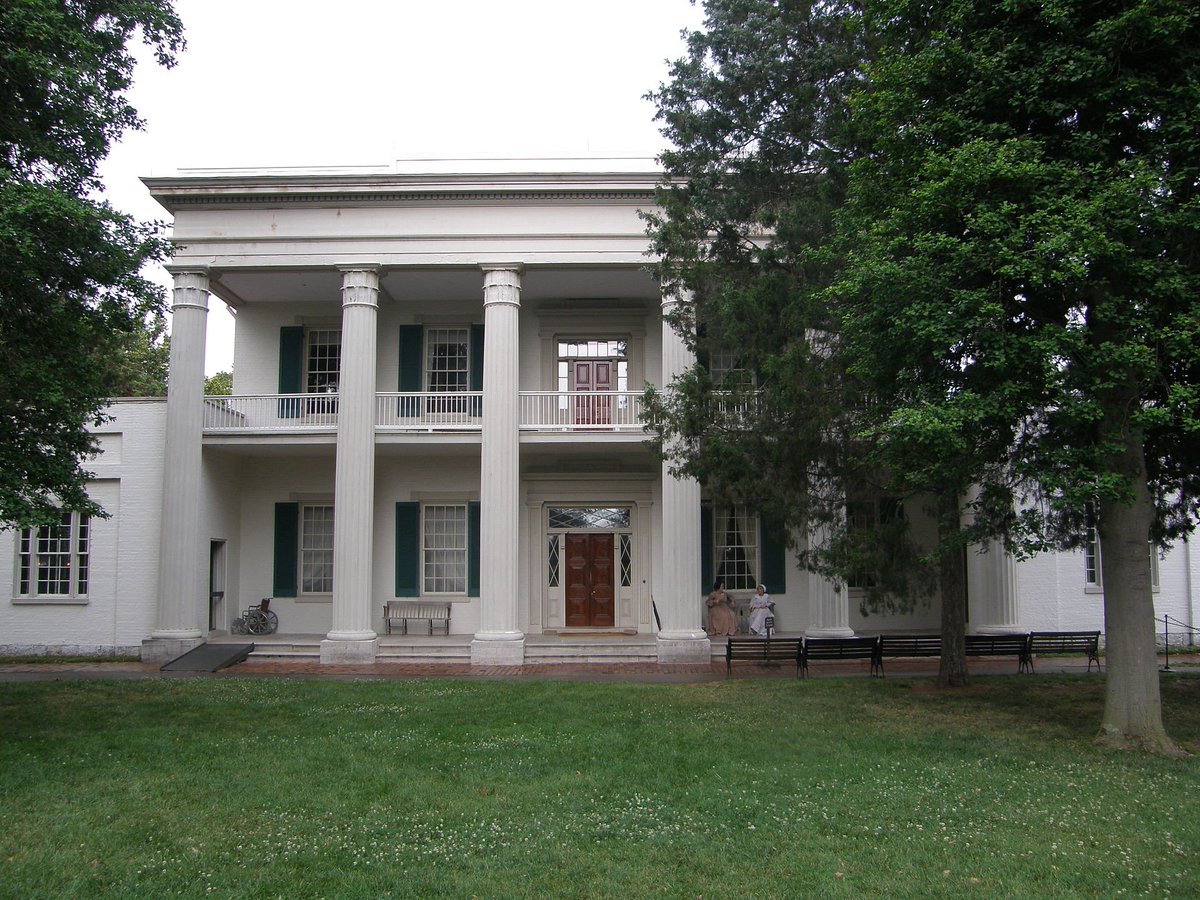
As with Washington, Jackson didn't just use his wealth to become ever-wealther
Instead, he used it to serve his country, first as a military leader who defeated the British and conquered Florida, then as a politician who freed America from the Second Bank and kept the union together during its early growing pains
Further, he aimed to pass his wealth on so that his adopted son Andrew Jackson Jr. could have an easier time of it than he, though Jr. turned out to be a ne'er-do-well and lost it
Instead, he used it to serve his country, first as a military leader who defeated the British and conquered Florida, then as a politician who freed America from the Second Bank and kept the union together during its early growing pains
Further, he aimed to pass his wealth on so that his adopted son Andrew Jackson Jr. could have an easier time of it than he, though Jr. turned out to be a ne'er-do-well and lost it
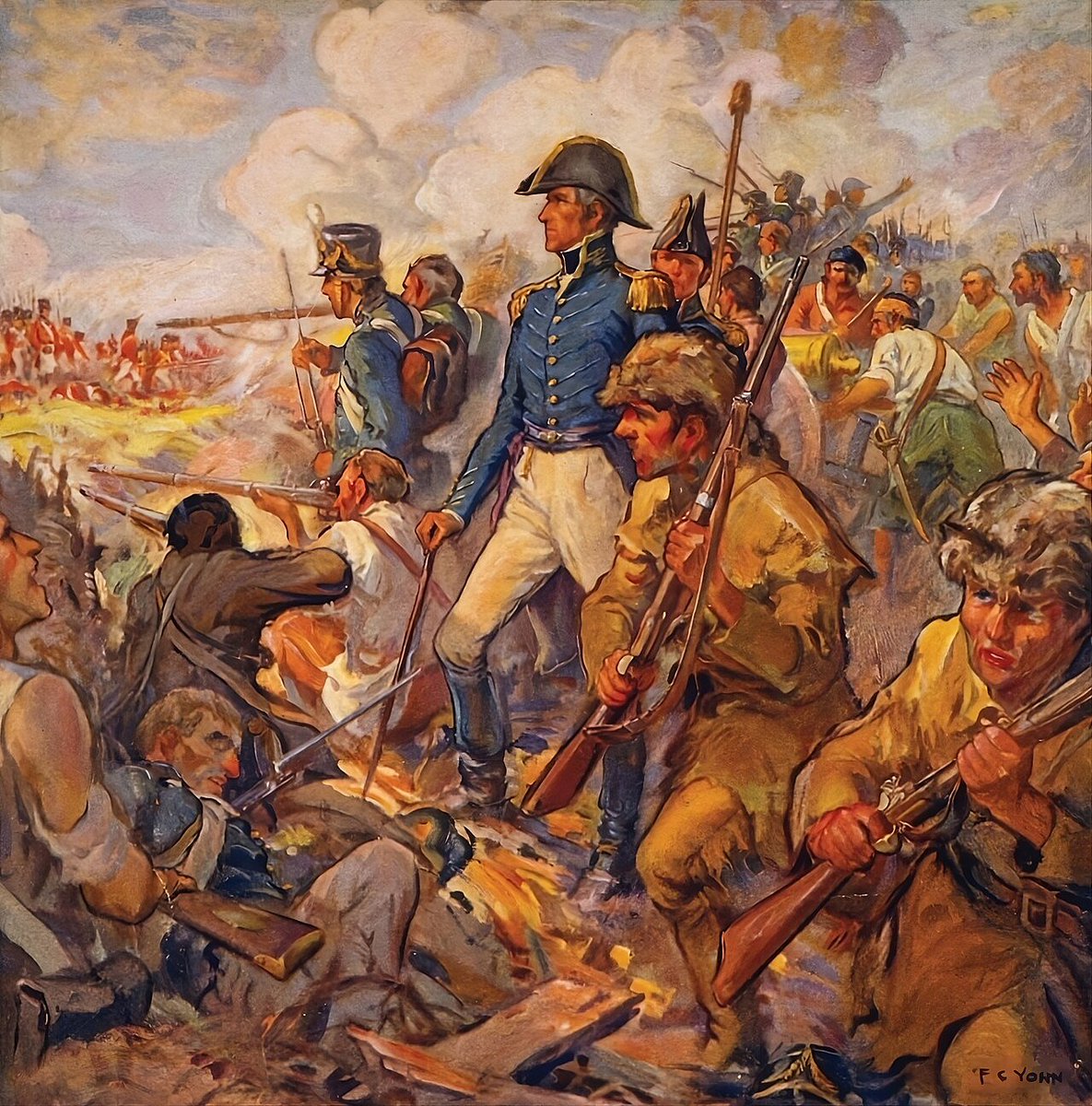

Importantly, neither Jackson nor Washington squandered their wealth, though the Washington family was better at keeping it over the long term
Instead, they first accumulated wealth and prestige with a passion, then used it to serve their country and help their families
Aiding children getting a start, aiding family members and friends in need, and so on. The Jacksons, for example, not only provided financial aid for their two adopted kids throughout life, but served as guardians for five white children, four of whom were of a deceased friend, and 3 Creek children. That wasn't cheap, but was what they saw life and wealth as being about
Instead, they first accumulated wealth and prestige with a passion, then used it to serve their country and help their families
Aiding children getting a start, aiding family members and friends in need, and so on. The Jacksons, for example, not only provided financial aid for their two adopted kids throughout life, but served as guardians for five white children, four of whom were of a deceased friend, and 3 Creek children. That wasn't cheap, but was what they saw life and wealth as being about
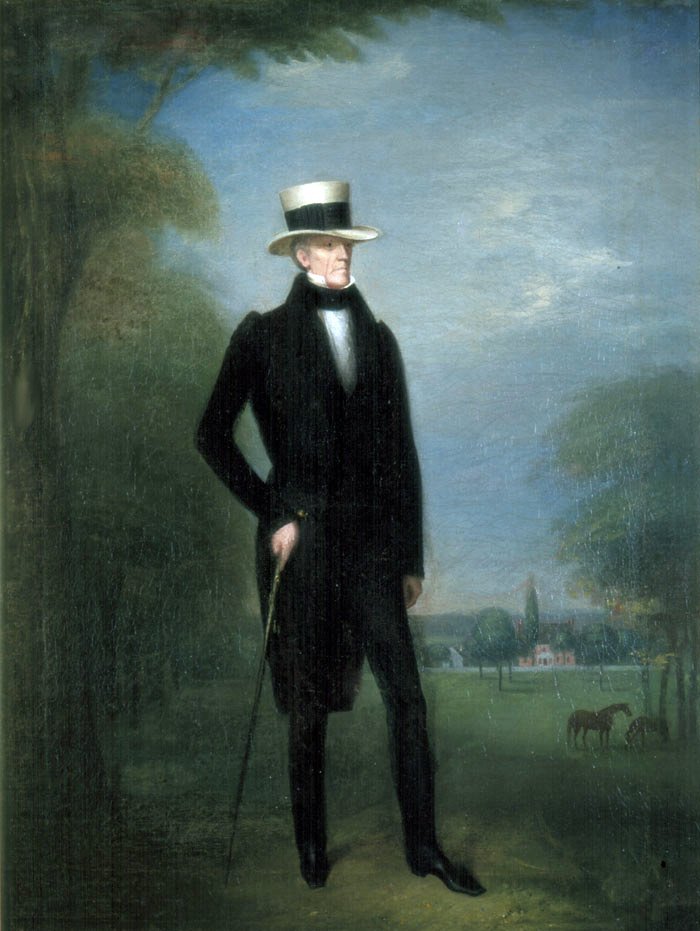
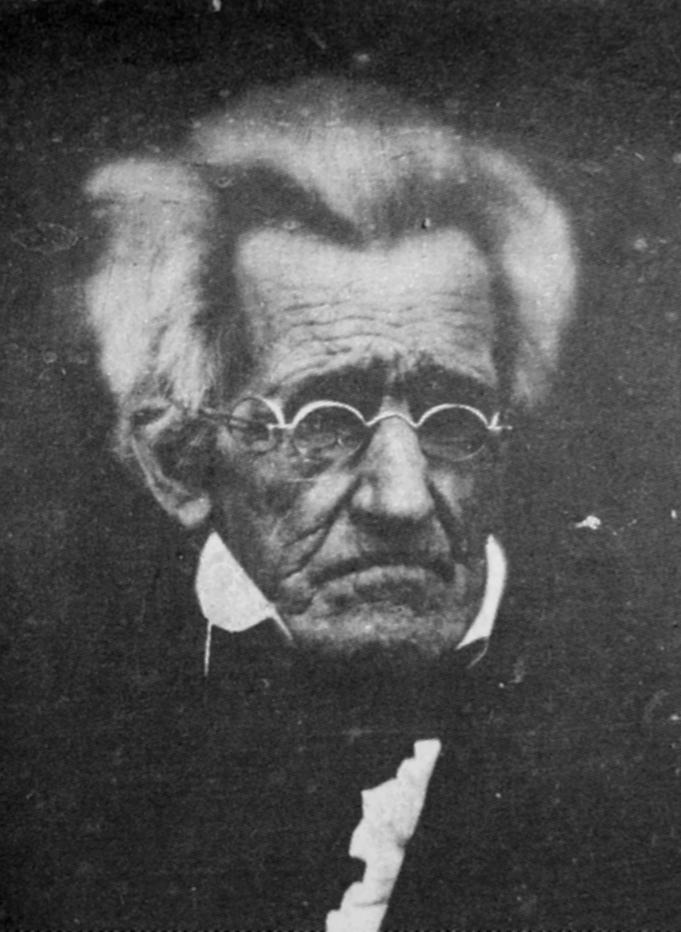
That's a very different attitude about wealth than most moderns
Namely, wealth was seen as being useful for making service possible and family comfortable, not to just to be in service to accumulating ever more. Children, friends, orphans, churches were always helped, because that's what should be done and what it all was for
This is the sort of mindset about wealth I spoke about with @JohannKurtz in Episode 1 of the Old World and @NormanDodd_knew commented upon in Episode 2. Wealth has a point, and it's not pointless consumption and endless pleasure
Namely, wealth was seen as being useful for making service possible and family comfortable, not to just to be in service to accumulating ever more. Children, friends, orphans, churches were always helped, because that's what should be done and what it all was for
This is the sort of mindset about wealth I spoke about with @JohannKurtz in Episode 1 of the Old World and @NormanDodd_knew commented upon in Episode 2. Wealth has a point, and it's not pointless consumption and endless pleasure

The other thing is that "retirement" is something of a modern innovation, even for the wealthy. It's an attempt to live like a layabout version of gentry at the end, whatever the cost to family of doing so
Washington was still surveying his estate on horseback when he caught the cold that killed him as an old man. Jackson was still lobbying for the annexation fo Texas and attempting to aid Van Buren in the election when he died
Neither were just wasting away life on the golf green and cruises while waiting to die, even if the equivalent of such things were engaged in within reason. Washington loved fox hunting, for example. But that wasn't the point of life, nor what dominated it. Building, sparring, aiding was, whether young or old
Washington was still surveying his estate on horseback when he caught the cold that killed him as an old man. Jackson was still lobbying for the annexation fo Texas and attempting to aid Van Buren in the election when he died
Neither were just wasting away life on the golf green and cruises while waiting to die, even if the equivalent of such things were engaged in within reason. Washington loved fox hunting, for example. But that wasn't the point of life, nor what dominated it. Building, sparring, aiding was, whether young or old

People were never really taught this, as that mindset really died in the muddy fields of Flanders and the resultant death and income taxation. Much was eviscerated in those awful decades
So, they shouldn't be "blamed," and blame isn't the point, in any case. But changing the mindset to something more productive should be
Being "entitled to enjoy" is a historically odd mindset that only the layabouts and feckless spenders ever really pretended to believe, whether old money or new. Pleasure was the natural result of having one's family, life, estate, etc. in order. Pleasurable activities, like hunting, were seen as important for living a good life but certainly not meant to get in the way of helping one's family, particularly parents or children
So, they shouldn't be "blamed," and blame isn't the point, in any case. But changing the mindset to something more productive should be
Being "entitled to enjoy" is a historically odd mindset that only the layabouts and feckless spenders ever really pretended to believe, whether old money or new. Pleasure was the natural result of having one's family, life, estate, etc. in order. Pleasurable activities, like hunting, were seen as important for living a good life but certainly not meant to get in the way of helping one's family, particularly parents or children
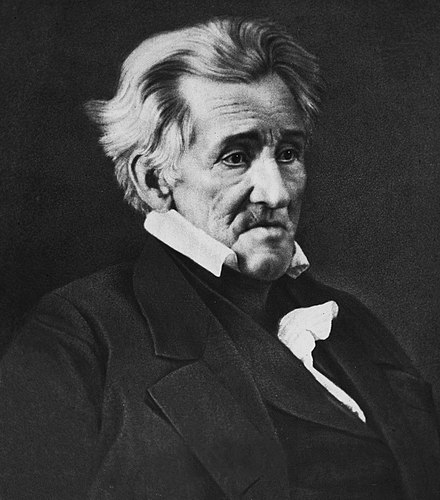
In fact, the idea that enjoyment should take precedence over helping one's children get a start in life or parents out of financial spot would have been seen, in all but the rarest circumstance, as an idea so odious it was near-heretical
Not all lived up to that standard, of course. Light Horse Harry Lee comes to mind, and the dissipated aristocracy of England. But it was the standard nonetheless, and the residula feeling it was right is why we cringe when we see exchanges like the one at the top
Not all lived up to that standard, of course. Light Horse Harry Lee comes to mind, and the dissipated aristocracy of England. But it was the standard nonetheless, and the residula feeling it was right is why we cringe when we see exchanges like the one at the top
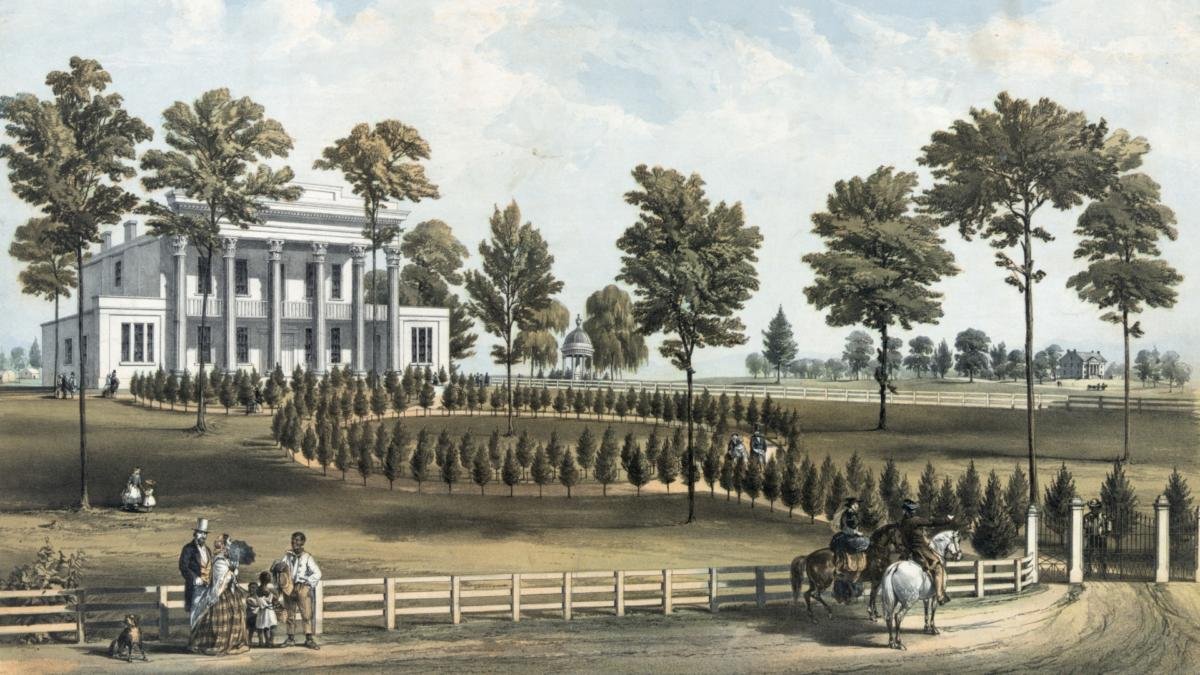
Civilization only thrives when old men plant trees in the shade of which they will never grow old
When they stop planting them, or yet worse sell them to go on a cruise, things start to fall apart, as they now are...
When they stop planting them, or yet worse sell them to go on a cruise, things start to fall apart, as they now are...

• • •
Missing some Tweet in this thread? You can try to
force a refresh