Oxford anthropologist J.D. Unwin studied 86 societies and civilizations to see why some collapse and others don't.
What did he find?
That sexual debauchery leads to the collapse of a civilization within 3 generations. (thread) 🧵
What did he find?
That sexual debauchery leads to the collapse of a civilization within 3 generations. (thread) 🧵

Unwin defined four categories of cultures. Each is differentiated in its pursuit of art, engineering, literature, agriculture, etc.
1. Dead - these cultures are only focused on the day-to-day needs of life. They don't care about higher questions and so do not progress.
2. Superstitious - these cultures develop beliefs that help them explain the natural world. This can be represented in the special treatment of the dead.
3. Deistic - characterized by belief in gods or a god. This requires more imagination and higher-order thinking
4. Rationalistic - characterized by rational thinking. This was the category with the most human flourishing.
Next, Unwin defined sexual ethics and restraint into two categories.
1. Dead - these cultures are only focused on the day-to-day needs of life. They don't care about higher questions and so do not progress.
2. Superstitious - these cultures develop beliefs that help them explain the natural world. This can be represented in the special treatment of the dead.
3. Deistic - characterized by belief in gods or a god. This requires more imagination and higher-order thinking
4. Rationalistic - characterized by rational thinking. This was the category with the most human flourishing.
Next, Unwin defined sexual ethics and restraint into two categories.

Unwin's two categories of sexual ethics and restraint:
- Prenuptial - this was measured on a scale from complete sexual freedom to "remain a virgin until married."
- Postnuptial - how easy is it to get a divorce? How many wives can a man have? How faithful are the women expected to be?
What did he find?
- Prenuptial - this was measured on a scale from complete sexual freedom to "remain a virgin until married."
- Postnuptial - how easy is it to get a divorce? How many wives can a man have? How faithful are the women expected to be?
What did he find?
The single most influential factor in a civilization's longevity and success is prenuptial chastity.
If people were expected to remain virgins until marriage, the culture was more likely to have all of the markers of human flourishing.
They were more likely to be an "advanced" civilization.
If people were expected to remain virgins until marriage, the culture was more likely to have all of the markers of human flourishing.
They were more likely to be an "advanced" civilization.
What was the best combination, resulting in a culture that exceeds other cultures?
You probably won't be surprised.
Prenuptial chastity combined with absolute monogamy. Absolute monogamy means one spouse for life.
You probably won't be surprised.
Prenuptial chastity combined with absolute monogamy. Absolute monogamy means one spouse for life.

Why was prenuptial chastity the most important?
In cultures where virginity was no longer expected, within three generations, the following disappeared:
- absolute monogamy
- deism
- rational thinking
In cultures where virginity was no longer expected, within three generations, the following disappeared:
- absolute monogamy
- deism
- rational thinking
Without prenuptial chastity, people usually regress into the lowest "dead" category as they become interested only in their own wants and needs.
They become slaves to their appetites.
Cultures that have embraced total sexual freedom collapse within three generations.
They might limp along for a time, powered by some momentum, but eventually, they are conquered or taken over by another culture.
They become slaves to their appetites.
Cultures that have embraced total sexual freedom collapse within three generations.
They might limp along for a time, powered by some momentum, but eventually, they are conquered or taken over by another culture.

In the West, the sexual revolution started in the late 1960's. Three generations (~40 years each) from then would put us in the 2070s.
Are we on the way to collapse?
The evidence points to "yes."
Are we on the way to collapse?
The evidence points to "yes."
You cannot have both sexual freedom and progress.
Unwin: "Any human society is free to choose either to display great energy or to enjoy sexual freedom; the evidence is that it cannot do both for more than one generation."
Unwin: "Any human society is free to choose either to display great energy or to enjoy sexual freedom; the evidence is that it cannot do both for more than one generation."
Sexual freedom unleashes all sorts of demons on a society.
Couple it with modern medicine, which basically baptizes sexual debauchery with antibiotics and abortion, and you have an acceleration of collapse.
Slaves are too busy having orgies to be truly productive.
Couple it with modern medicine, which basically baptizes sexual debauchery with antibiotics and abortion, and you have an acceleration of collapse.
Slaves are too busy having orgies to be truly productive.
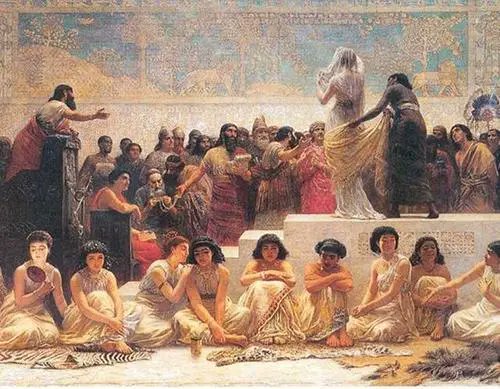
It turns out that marriage is not just a private contract between two individuals.
It has ramifications for the entire community and culture.
How a society views and treats marriage determines whether or not it will keep things like indoor plumbing and modern dentistry.
What two (or more) people do together in the bedroom is not, indeed, a private matter.
Writ large, it has consequences for that entire civilization.
It has ramifications for the entire community and culture.
How a society views and treats marriage determines whether or not it will keep things like indoor plumbing and modern dentistry.
What two (or more) people do together in the bedroom is not, indeed, a private matter.
Writ large, it has consequences for that entire civilization.
Likewise, porn is cultural cancer.
It rots the bones.
A healthy civilization, or one that wants to progress, will want to eradicate it or push it to the fringes of society. Porn leads to other debaucheries.
It rots the bones.
A healthy civilization, or one that wants to progress, will want to eradicate it or push it to the fringes of society. Porn leads to other debaucheries.

Looking at the current state of our culture, is there any hope to avoid collapse? It looks bleak.
Even recently, close to a pandemic, we've even people engaging in orgies and other risky sexual behavior, despite a new disease called monkeypox.
They really are slaves to their passions.
Even recently, close to a pandemic, we've even people engaging in orgies and other risky sexual behavior, despite a new disease called monkeypox.
They really are slaves to their passions.
The good news: a culture can be turned around. Massive repentance can bear fruit.
But based on the data, it also takes three generations for improvements to start showing up.
Sexual ethics is a powerful rudder, but it is still a rudder on a huge, lumbering ship. Better start turning the wheel.
But based on the data, it also takes three generations for improvements to start showing up.
Sexual ethics is a powerful rudder, but it is still a rudder on a huge, lumbering ship. Better start turning the wheel.
If you liked this thread, subscribe to the Foundation Father newsletter.
Practical tips on fatherhood, masculinity, and homeschooling sent every week.
And you get a free gift for signing up.
foundationfather.com/about
Practical tips on fatherhood, masculinity, and homeschooling sent every week.
And you get a free gift for signing up.
foundationfather.com/about
I've been informed the first picture is actually Aldous Huxley. Whoops.
I was looking for a higher-res photo and trusted Google too quickly.
I was looking for a higher-res photo and trusted Google too quickly.
• • •
Missing some Tweet in this thread? You can try to
force a refresh