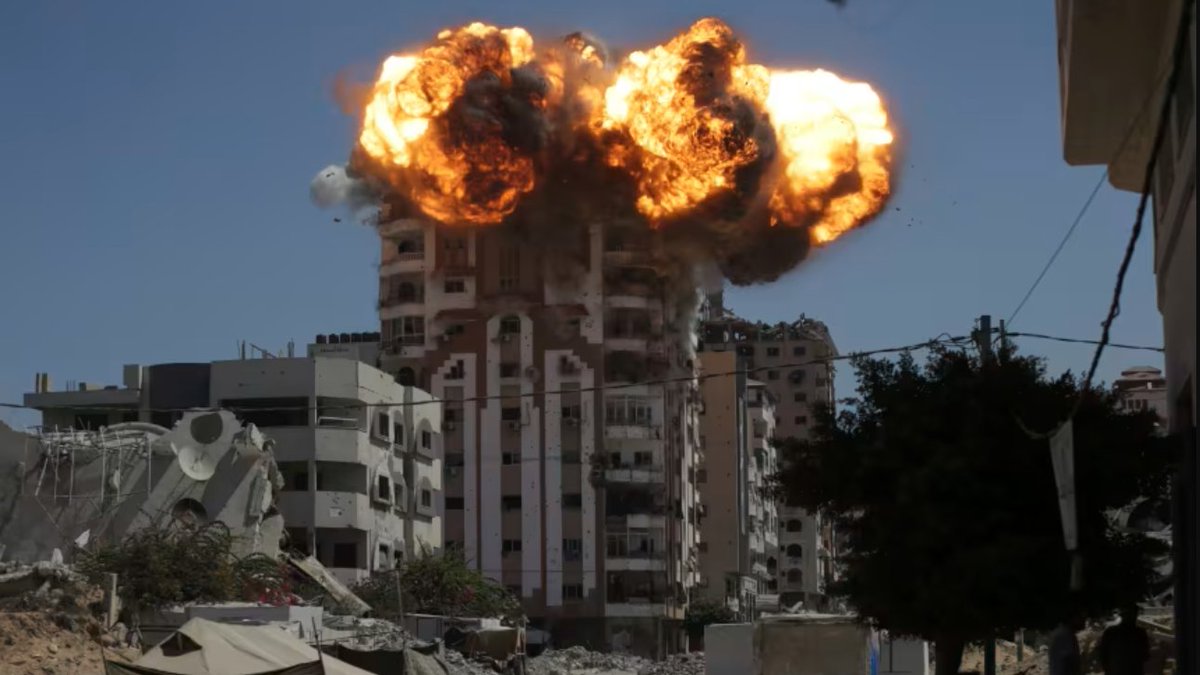
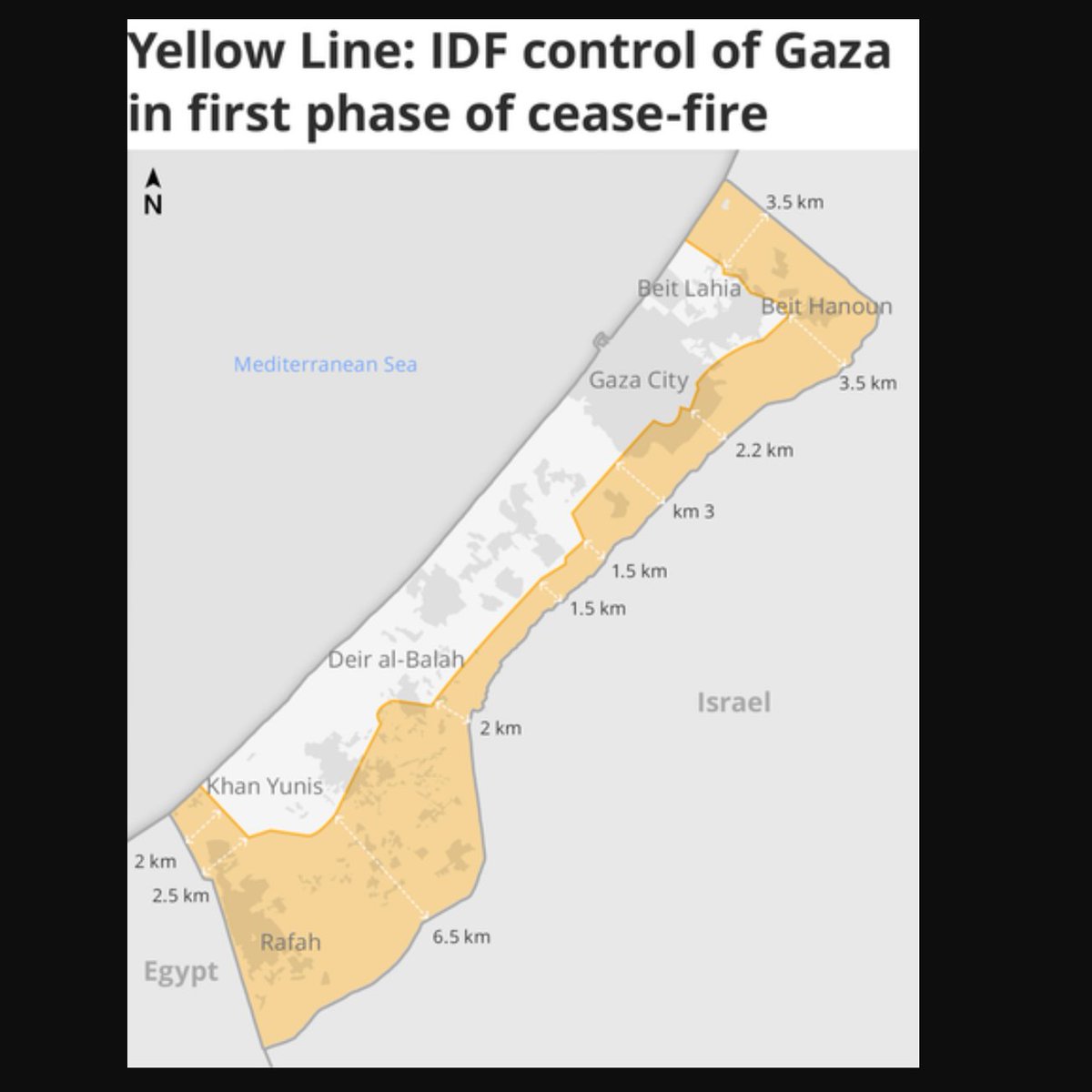
Why would Israel sign a ceasefire with Lebanon when it has reduced Hezbollah from a mighty army to a disjointed rabble? Why not "finish the job"? The reason is simple: Israel’s primary goal—neutralizing Hezbollah as a strategic threat and thereby leaving Iran exposed—has been achieved to its satisfaction. The extra benefit is not worth the marginal cost—to Israel, but not to Lebanon.
Most Israelis oppose the decision and would prefer that Israel finish the job. The Lebanese—many of whom, including a significant number of Shia, now want Hezbollah gone—seem even more disappointed.
Hezbollah posed four major threats to Israel. Let’s break them down and examine if and how they’ve been neutralized. (1/6)
Most Israelis oppose the decision and would prefer that Israel finish the job. The Lebanese—many of whom, including a significant number of Shia, now want Hezbollah gone—seem even more disappointed.
Hezbollah posed four major threats to Israel. Let’s break them down and examine if and how they’ve been neutralized. (1/6)

1. The Most Serious Threat: Border Breach and Mass Infiltration
Hezbollah had the capability to secretly amass up to 15,000 fighters near the border, ready to breach it in a surprise attack akin to the events of October 7. Such an operation, while suicidal for most attackers, would have inflicted massive damage on Israel. Tens of thousands of civilians could have been killed, and military bases overrun.
This threat has been completely eliminated. Hezbollah’s infrastructure in the first-line border villages, as well as its main forward bases in Khiam and Bint Jbeil, has been captured and systematically destroyed. These installations, which took 25 years to build, have been rendered unusable. Under total surveillance, Hezbollah has no chance of rebuilding them, making an asymmetric invasion impossible. (2/6)
Hezbollah had the capability to secretly amass up to 15,000 fighters near the border, ready to breach it in a surprise attack akin to the events of October 7. Such an operation, while suicidal for most attackers, would have inflicted massive damage on Israel. Tens of thousands of civilians could have been killed, and military bases overrun.
This threat has been completely eliminated. Hezbollah’s infrastructure in the first-line border villages, as well as its main forward bases in Khiam and Bint Jbeil, has been captured and systematically destroyed. These installations, which took 25 years to build, have been rendered unusable. Under total surveillance, Hezbollah has no chance of rebuilding them, making an asymmetric invasion impossible. (2/6)

2. The Short-Range Rocket Threat
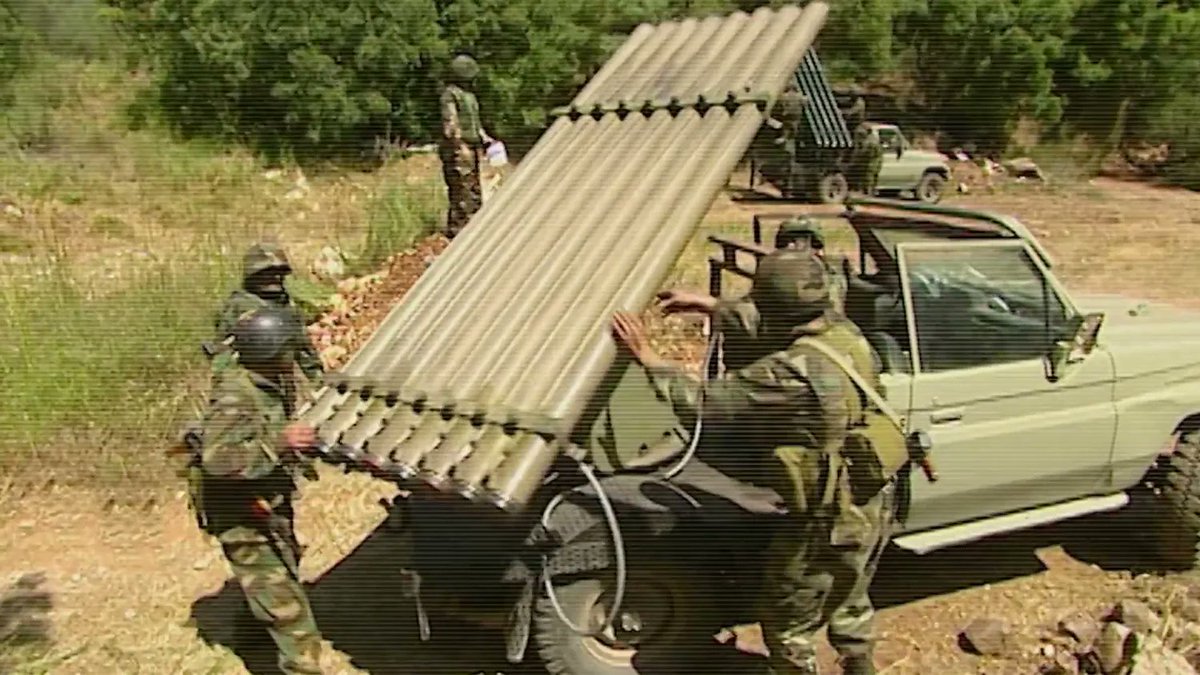
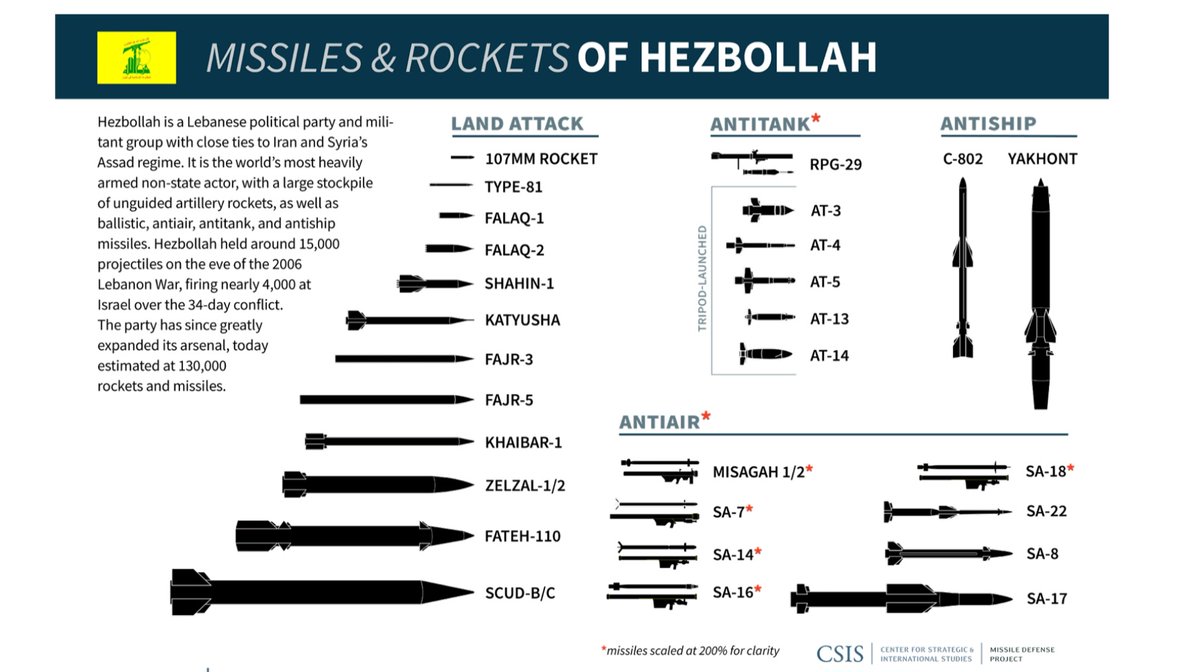
Hezbollah was believed to have approximately 100,000 short-range rockets capable of harassing northern Israel. However, most of these rockets—and the personnel trained to operate them—have been neutralized. Hezbollah has been reduced to firing small, sporadic volleys of around 25 rockets per day.
While some rockets remain hidden in garages or under shrubbery, they no longer pose a strategic threat. These rockets are highly inaccurate, guided only by rudimentary tools like compasses and protractors. They miss their targets by an average of 1,000 meters and have minimal blast radius. Unable to overwhelm Israel’s defenses, they have proven ineffective. For every 1,000 rockets fired, only one civilian is killed on average. (3/6)
Hezbollah was believed to have approximately 100,000 short-range rockets capable of harassing northern Israel. However, most of these rockets—and the personnel trained to operate them—have been neutralized. Hezbollah has been reduced to firing small, sporadic volleys of around 25 rockets per day.
While some rockets remain hidden in garages or under shrubbery, they no longer pose a strategic threat. These rockets are highly inaccurate, guided only by rudimentary tools like compasses and protractors. They miss their targets by an average of 1,000 meters and have minimal blast radius. Unable to overwhelm Israel’s defenses, they have proven ineffective. For every 1,000 rockets fired, only one civilian is killed on average. (3/6)
3. The Long-Range Missile and Drone Threat
Hezbollah was thought to have around 20,000 long-range missiles and drones, most stored and launched from the Bekaa Valley, over 100 kilometers from Israel’s borders.
The majority of these have been destroyed. The remaining missiles are highly inaccurate, with a circular error probable (CEP) exceeding 1,000 meters, meaning half land more than a kilometer from their intended target. Unless fired in massive volleys to overwhelm the Iron Dome, these missiles never posed a strategic threat. Launching such large barrages is a highly visible process, allowing Israel to detect and preemptively strike. Even if fired in large quantities, these missiles are primarily terror weapons; destroying a strategic target like a power station would require firing thousands due to their inaccuracy.
While the drones are accurate, Israel has quickly ramped up its countermeasures. (4/6)
Hezbollah was thought to have around 20,000 long-range missiles and drones, most stored and launched from the Bekaa Valley, over 100 kilometers from Israel’s borders.
The majority of these have been destroyed. The remaining missiles are highly inaccurate, with a circular error probable (CEP) exceeding 1,000 meters, meaning half land more than a kilometer from their intended target. Unless fired in massive volleys to overwhelm the Iron Dome, these missiles never posed a strategic threat. Launching such large barrages is a highly visible process, allowing Israel to detect and preemptively strike. Even if fired in large quantities, these missiles are primarily terror weapons; destroying a strategic target like a power station would require firing thousands due to their inaccuracy.
While the drones are accurate, Israel has quickly ramped up its countermeasures. (4/6)
4. Hezbollah as a Deterrent for Iran
The combined threats outlined above constituted Hezbollah’s primary raison d’être: serving as Iran’s deterrent against Israeli or American attacks on its strategic assets. With the first threat completely eradicated and the second and third reduced to mere nuisances, this deterrent has been rendered impotent.
This became glaringly obvious in October when Israel struck numerous Iranian sites, and Hezbollah was unable to mount a meaningful response. (5/6)
The combined threats outlined above constituted Hezbollah’s primary raison d’être: serving as Iran’s deterrent against Israeli or American attacks on its strategic assets. With the first threat completely eradicated and the second and third reduced to mere nuisances, this deterrent has been rendered impotent.
This became glaringly obvious in October when Israel struck numerous Iranian sites, and Hezbollah was unable to mount a meaningful response. (5/6)
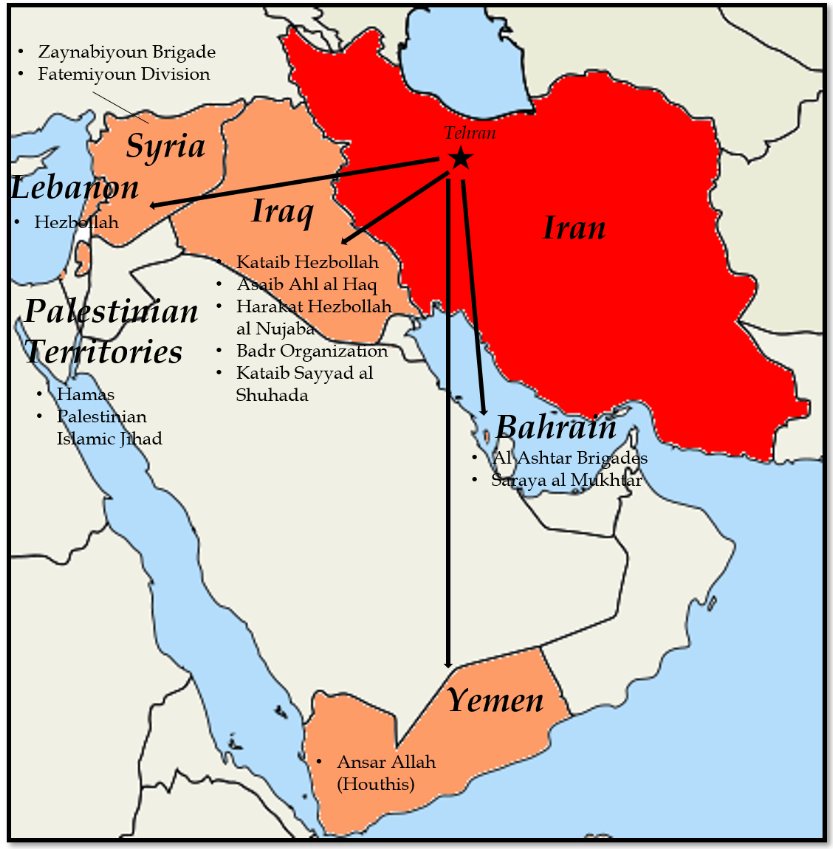
While eradicating Hezbollah entirely would be desirable, doing so would require Israel to conquer and occupy most of Lebanon—a costly endeavor that would benefit Lebanon far more than Israel. Instead, Israel can return to its pre-invasion strategy of attrition, where Hezbollah, as the weaker party, will always lose in the long run.Hezbollah has been reduced by 80–90% in strength, and its masters in Tehran have been humiliated. Rebuilding will be a slow and difficult process, especially given Israel’s intelligence capabilities. Meanwhile, Israel continues to widen its strategic advantage.Hezbollah’s propaganda machine will undoubtedly spin this catastrophe as a victory, and victory celebrations will likely take place in the ruins of Dahiyeh. However, Israel has eliminated the parts of Hezbollah that posed a threat. It is now up to Lebanon to take a stand and reclaim its future.While eradicating Hezbollah entirely would be desirable, doing so would require Israel to conquer and occupy most of Lebanon—a costly endeavor that would benefit Lebanon far more than Israel. Instead, Israel can return to its pre-invasion strategy of attrition, where Hezbollah, as the weaker party, will always lose in the long run.
Hezbollah has been reduced by 80–90% in strength, and its masters in Tehran have been humiliated. Rebuilding will be a slow and difficult process, especially given Israel’s intelligence capabilities. Meanwhile, Israel continues to widen its strategic advantage.
Hezbollah’s propaganda machine will undoubtedly spin this catastrophe as a victory, and victory celebrations will likely take place in the ruins of Dahiyeh. However, Israel has eliminated the parts of Hezbollah that posed a threat. It is now up to Lebanon to take a stand and reclaim its future. (6/6)
Hezbollah has been reduced by 80–90% in strength, and its masters in Tehran have been humiliated. Rebuilding will be a slow and difficult process, especially given Israel’s intelligence capabilities. Meanwhile, Israel continues to widen its strategic advantage.
Hezbollah’s propaganda machine will undoubtedly spin this catastrophe as a victory, and victory celebrations will likely take place in the ruins of Dahiyeh. However, Israel has eliminated the parts of Hezbollah that posed a threat. It is now up to Lebanon to take a stand and reclaim its future. (6/6)
So, while we can expect Hezbollah to fire off piles of weapons in the next hours to make a big show of how they are "the victor", and Ali Mortada will be saying "Hello my enemies, we destoryed 500 tanks..." ignore it all.
Wish Lebanon good luck. Thread:
Wish Lebanon good luck. Thread:
https://x.com/Saul_Sadka/status/1861441416242626952?s=19
Here is a useful chart of 1,720 Hezbollah death posters from the last 55 days of the ground incursion alone. The real number is far higher since many are dead in the field, others under rubble, and not everyone gets a poster. At least 3,000 Hezbollah fighters died.
During the same period, the IDF lost 56 men. Meaning, Israel—the attacking force who would usually be expected to die at a 3-1 ratio or more—inflicted 60-1 kills on Hezbollah.
Oh, and despite the Hezbollah claims of destroying 100 tanks, they haven't produced a single image of a destoeyed tank.
During the same period, the IDF lost 56 men. Meaning, Israel—the attacking force who would usually be expected to die at a 3-1 ratio or more—inflicted 60-1 kills on Hezbollah.
Oh, and despite the Hezbollah claims of destroying 100 tanks, they haven't produced a single image of a destoeyed tank.

• • •
Missing some Tweet in this thread? You can try to
force a refresh