Sometime during the early 20th century, American outdoorsman Leon Leonwood Bean faced a problem: how do you keep your feet dry while hunting in wilderness of western Maine? Waders are fine in the water but you don't always want to be wearing those on dry land.
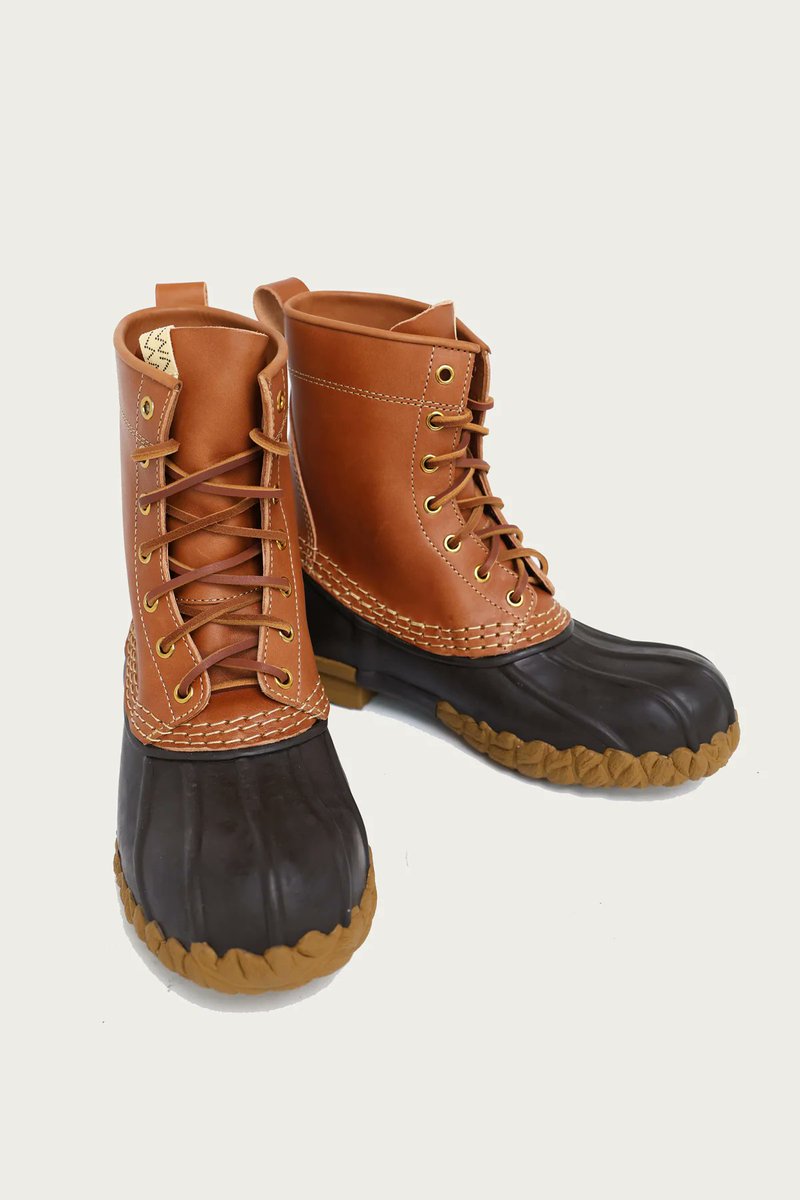
So he came up with a hybrid: a hunting boot that had the flexibility of a traditional leather upper but with the water-resistance of rubber footwear. First made in his basement, the two parts were combined with triple-line stitching to ensure they'd never separate.
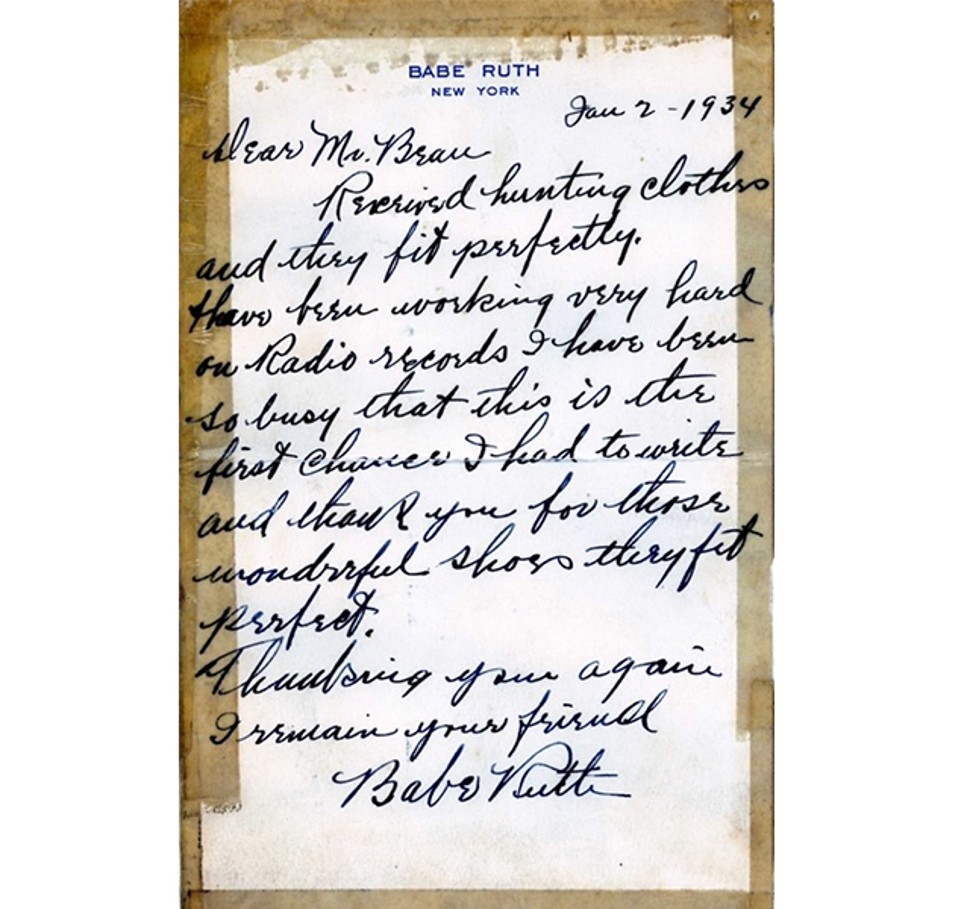
Leon Leonwood Bean debuted his Maine Hunting Shoe through his company LL Bean in 1912. They were a hit with sportsmen; even Babe Ruth was a fan. "Thank you for those wonderful shoes, they fit perfect," Ruth wrote Bean in a letter. "I remain your friend."
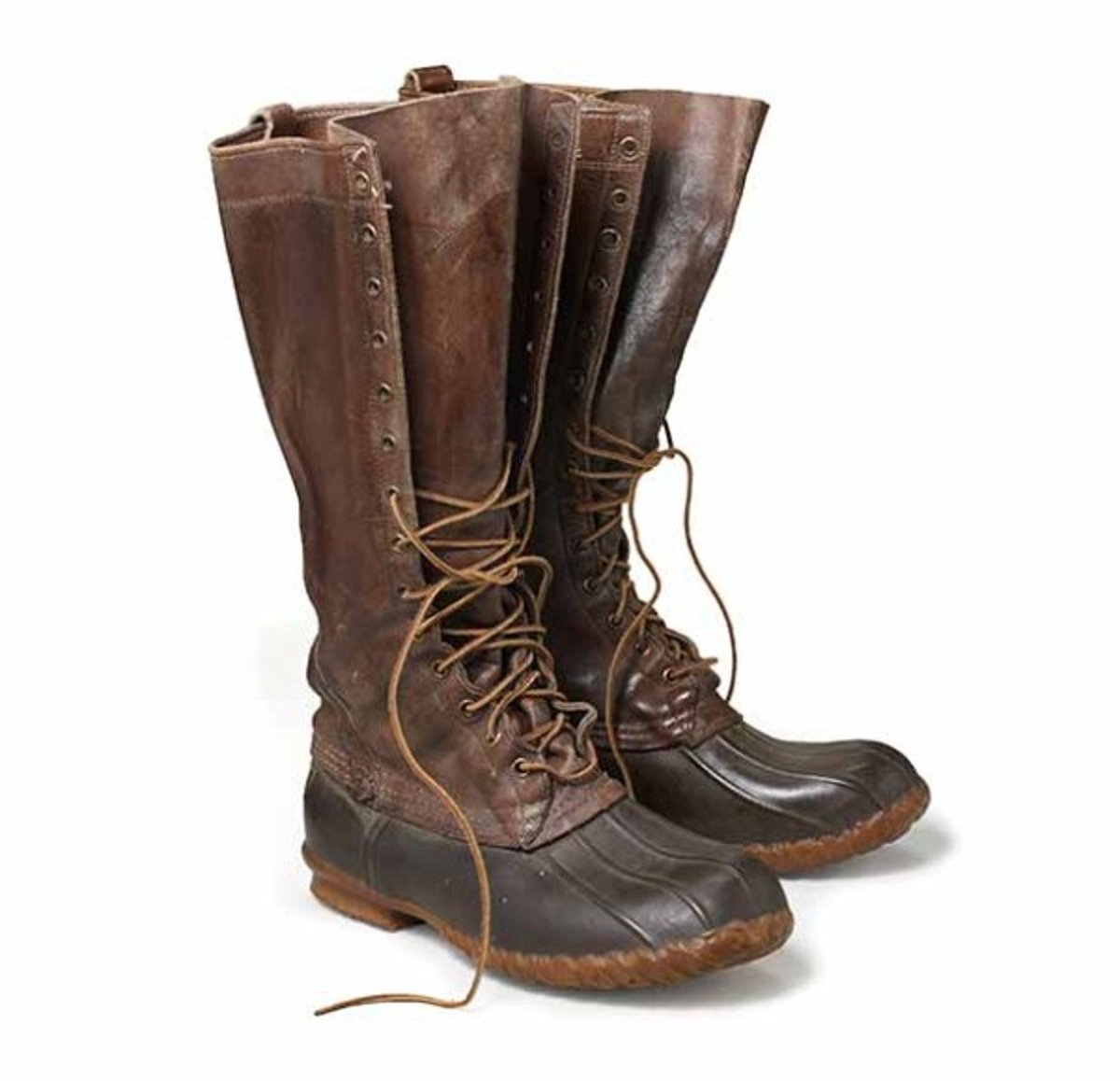
Over the next 50 years or so, LL Bean—much like other outdoor clothing brands—expanded and became more of a lifestyle company, a dynamic that environmental and cultural historian Rachel Gross brilliantly explores in her book Shopping All The Way to the Woods.

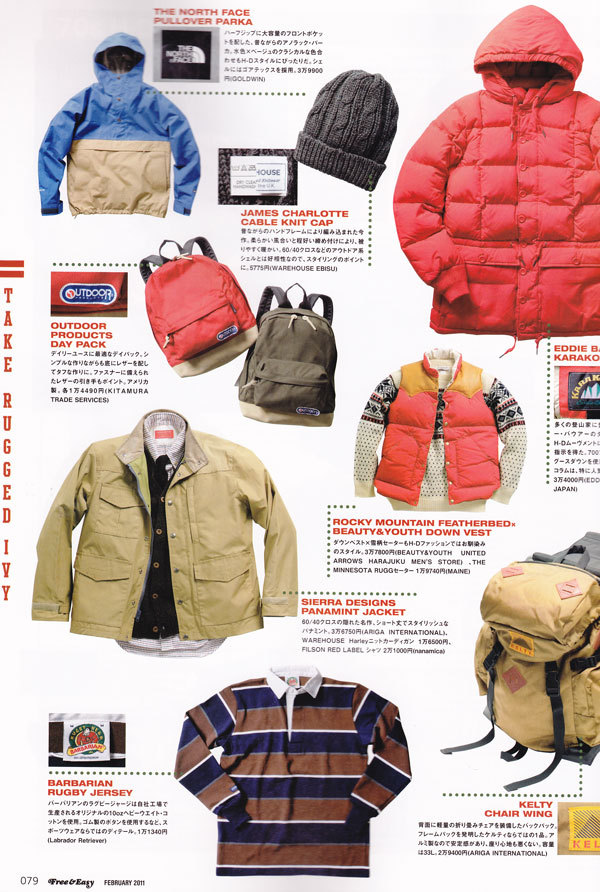
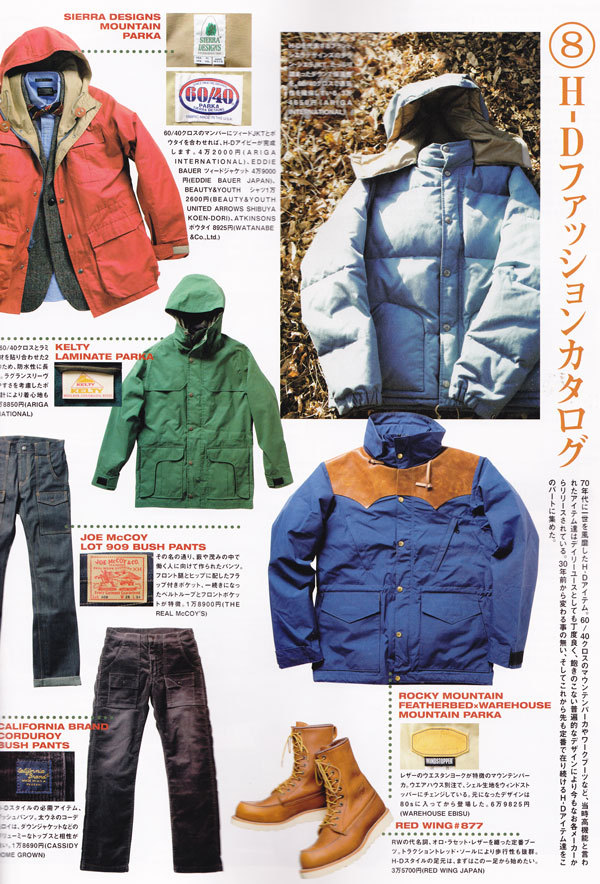
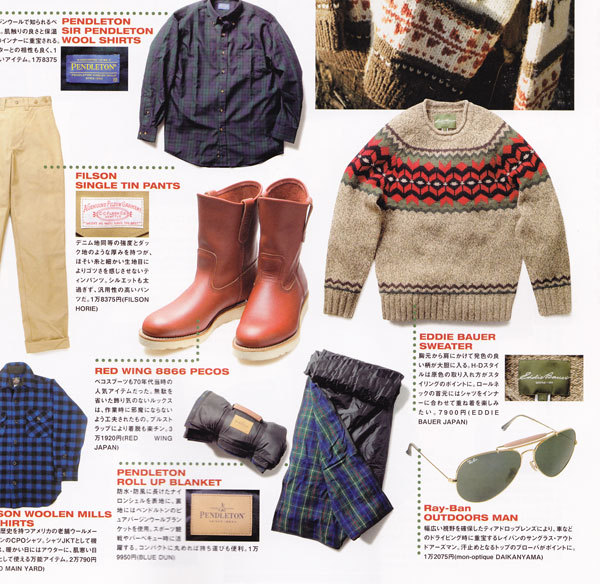
That means the boots were no longer just part of the standard kit for Maine hunters, but rather preppy students across the Midwest and Northeast. In his book Ametora, David Marx calls this style Rugged Ivy, as it was the outdoorsy counterpart to academic tweeds and blazers.
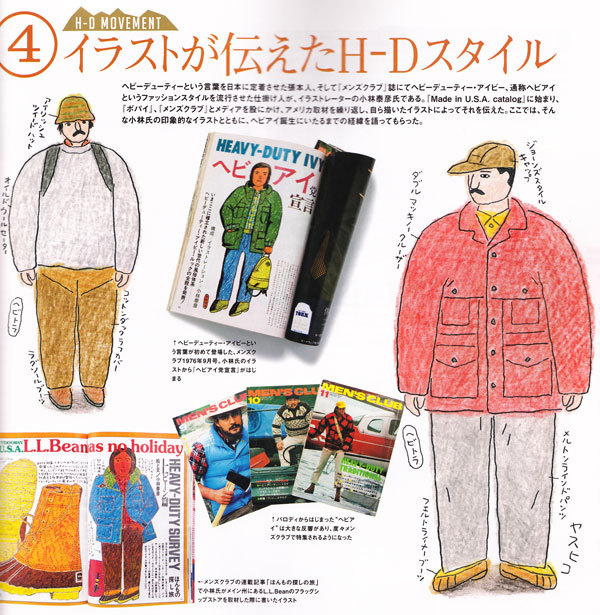
Yes, much of this look was based on outdoorsy apparel built for function, but the styles were now about semiotics. They were worn for cultural identity, often signaling that the person aspired to have a connection with the outdoors. LL Bean boots were part of this look.
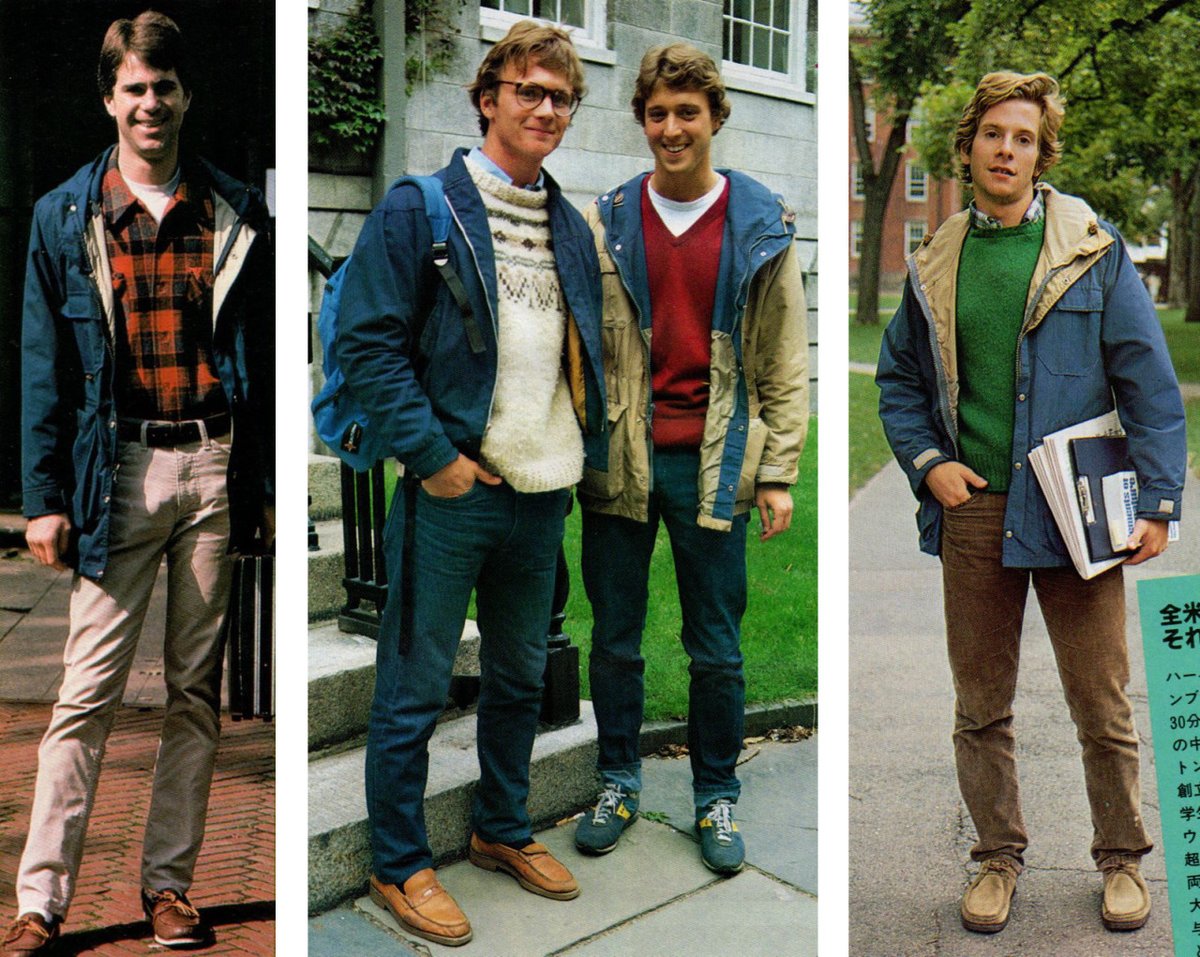
After about the 1980s, a lot of classic American style died in the US. I'm talking about classic tailoring, workwear, 1970s outdoor style, Rugged Ivy, and the like. Americans moved on to other trends. But the style lived on in Japan, where it became part of menswear culture.
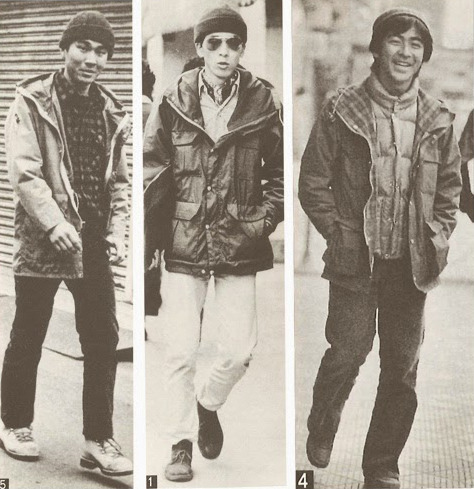
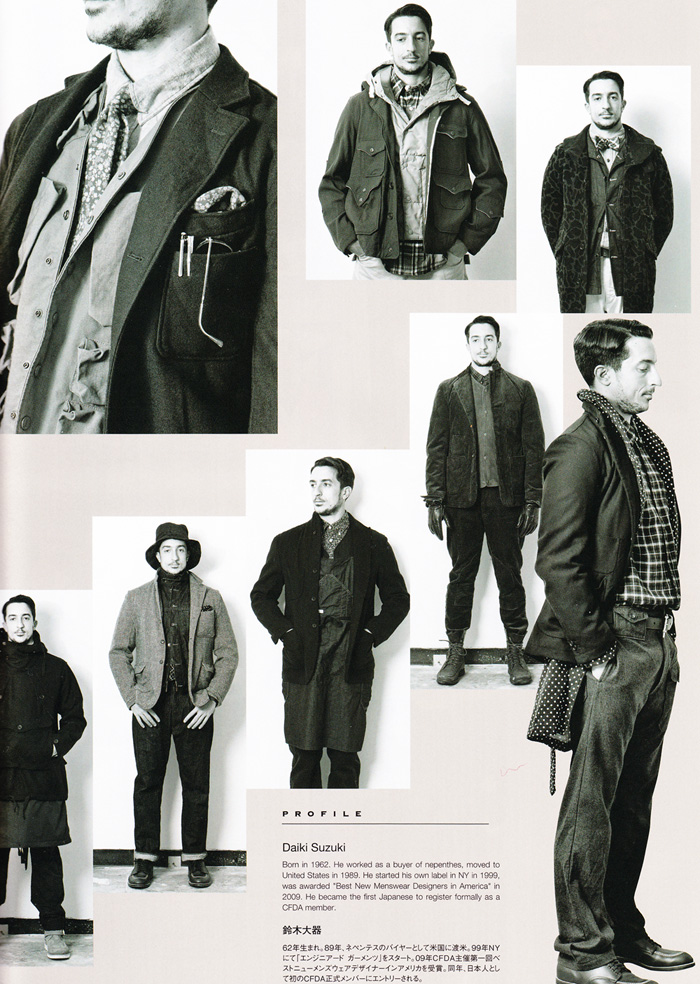
So it's no surprise that the best Americana brands nowadays are not based in the US, but rather Japan. That's where you find both a true commitment to the original spirit of that mid-century look, as well as innovation. See how Engineered Garments riffs off American workwear.
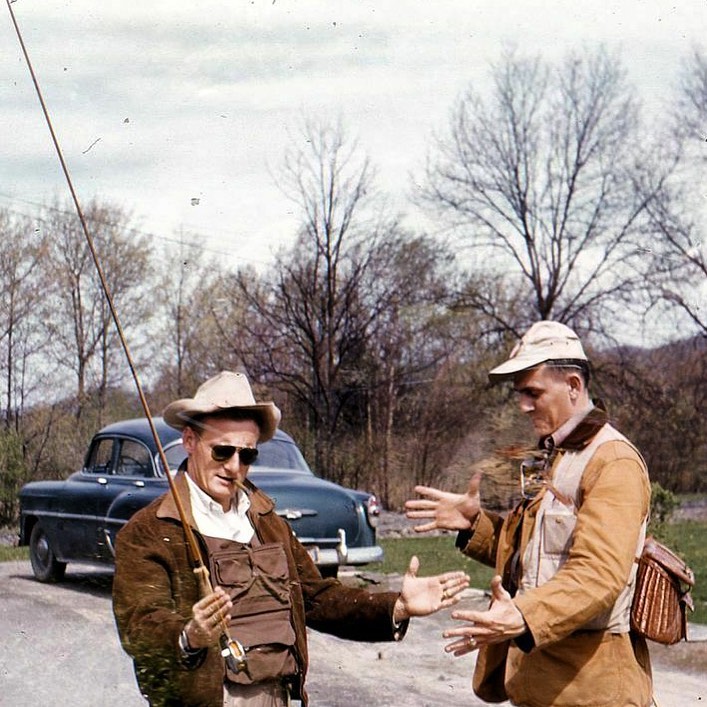
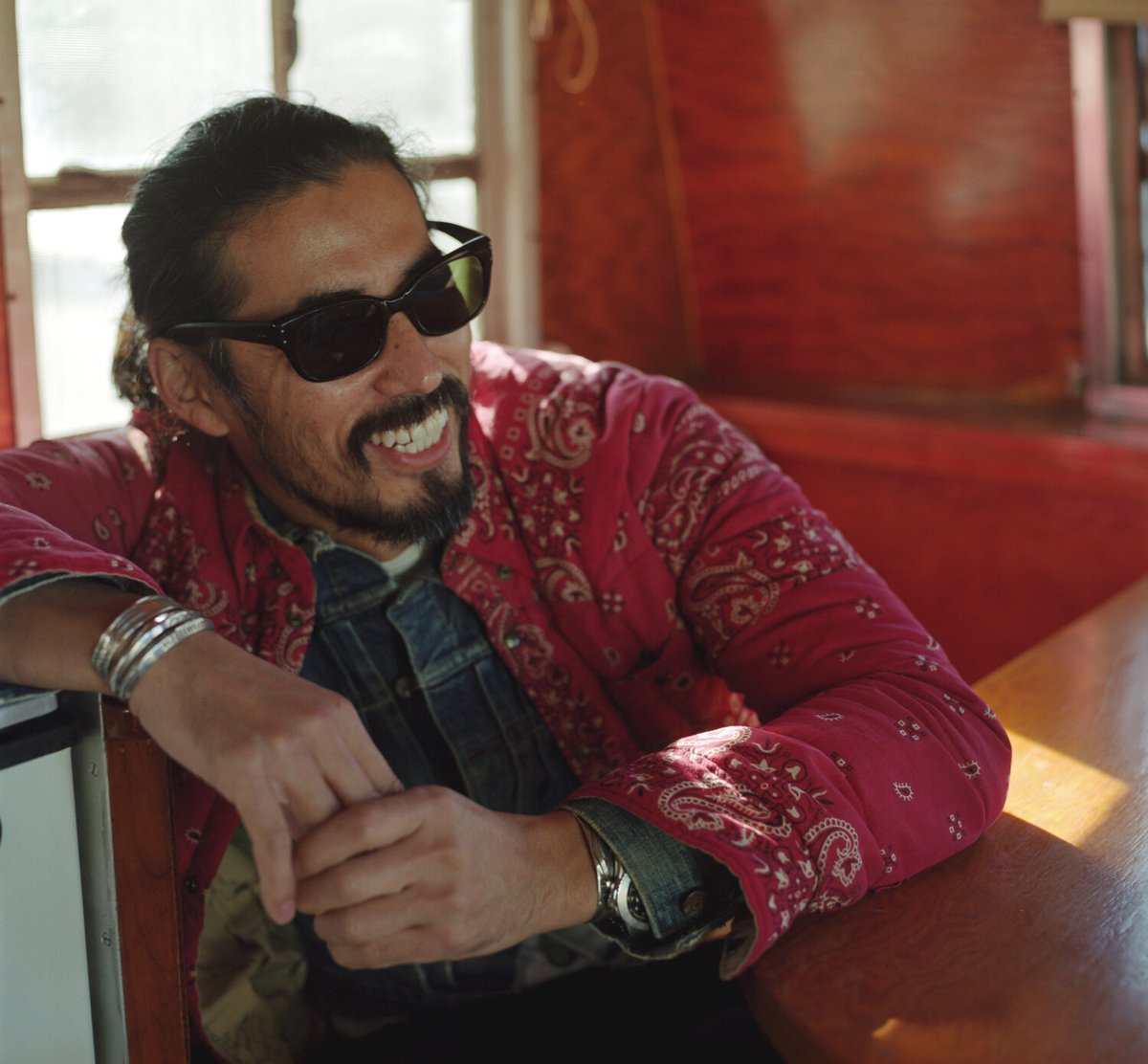
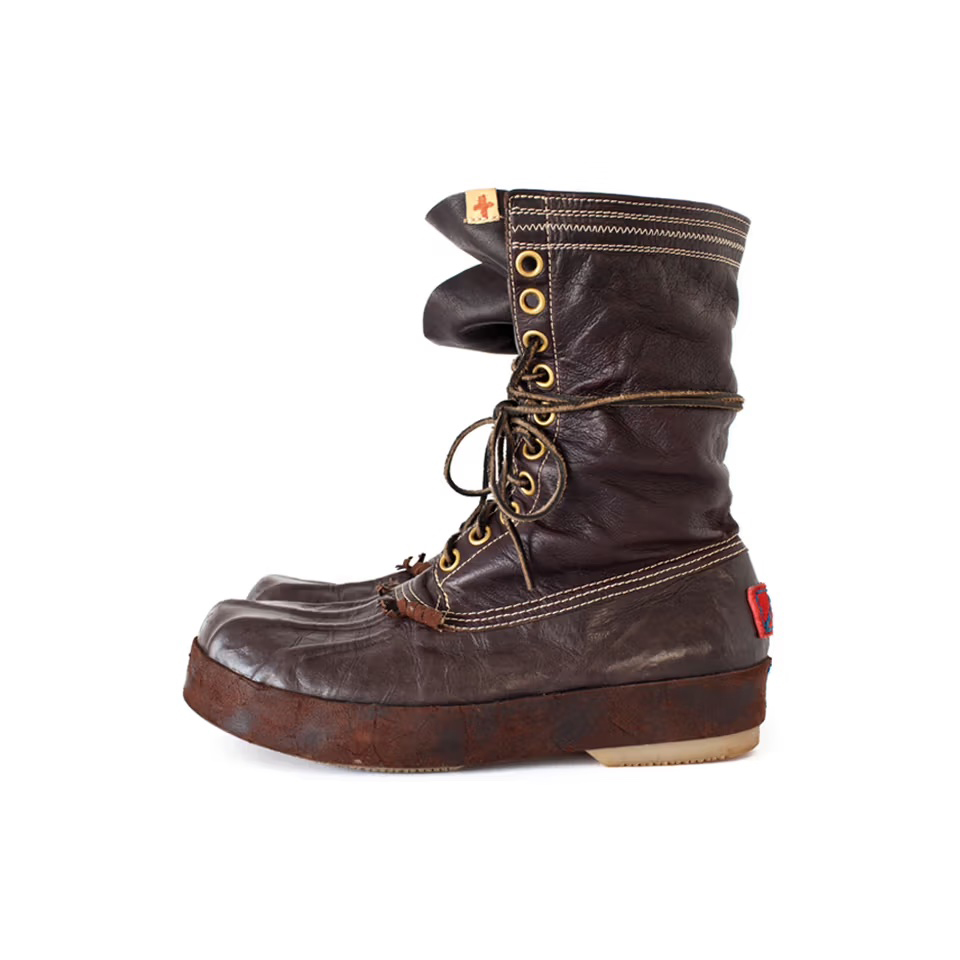
Visvim, the company that made the boot in the original tweet, is one of the many Japanese brands focused on heritage American styles. To be honest, sometimes I think the brand runs a little on how cool the founder, Hiroki Nakamura, looks. Everyone wants to look like him.
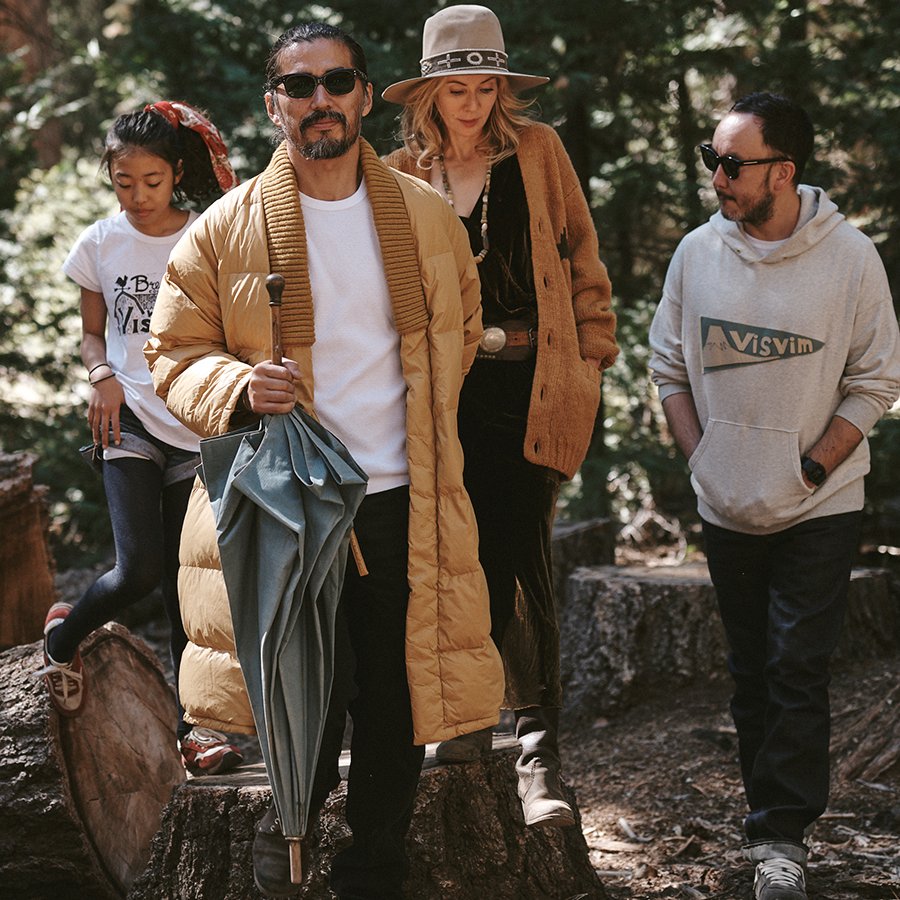
Visvim's prices are a running joke in menswear circles because prices seem to go up every year. They are stratospherically high and seem to only be getting more out of reach. But I will say: when you actually get to handle the items, there's a lot of impressive detailing.
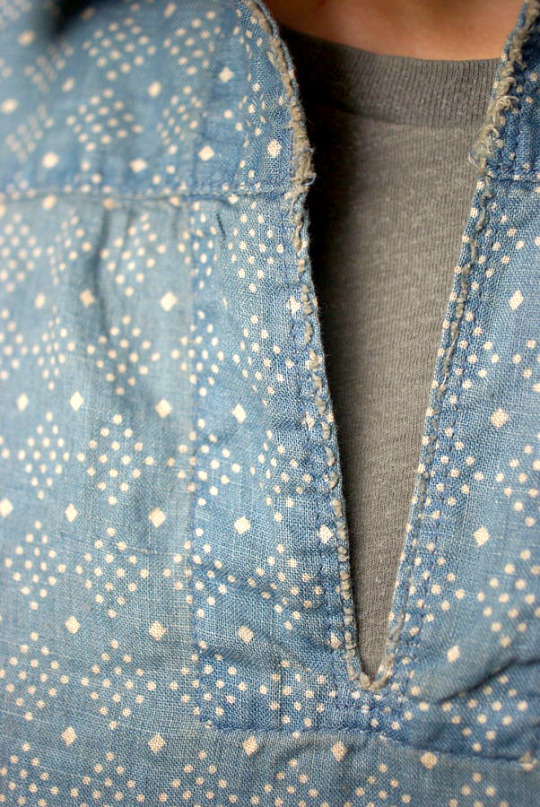
Some fabrics are handwoven, hand-dyed, and hand screen printed. One can squabble about the value of these methods. I've argued on forums that their "handmade Goodyear welt" doesn't add much bc it still has gemming. But there's still a craft element in their collections.
So yes, these shoes are "ugly." They look alien, bulbous, and bulky. But they're an offbeat Japanese version of a classic American hunting shoe. To me, they tell a story about how classic American style has been preserved by enthusiasts in Japan who love the look more than us.
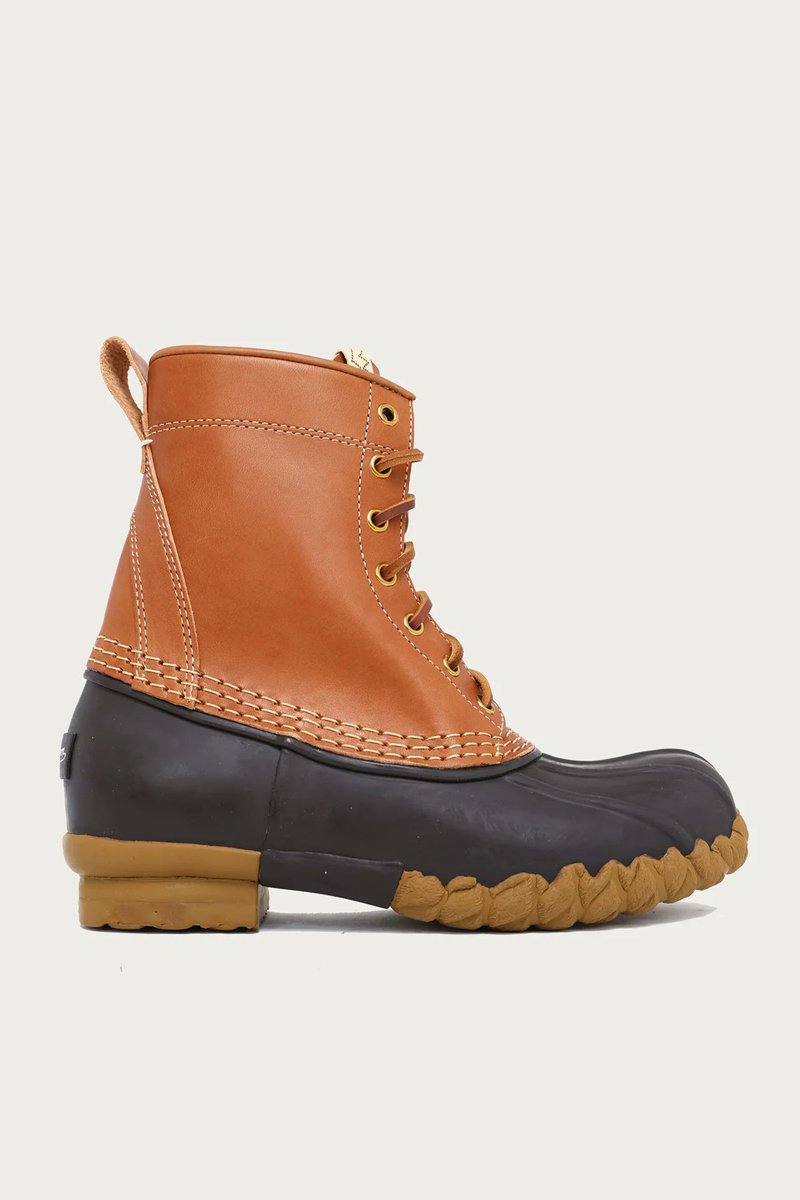
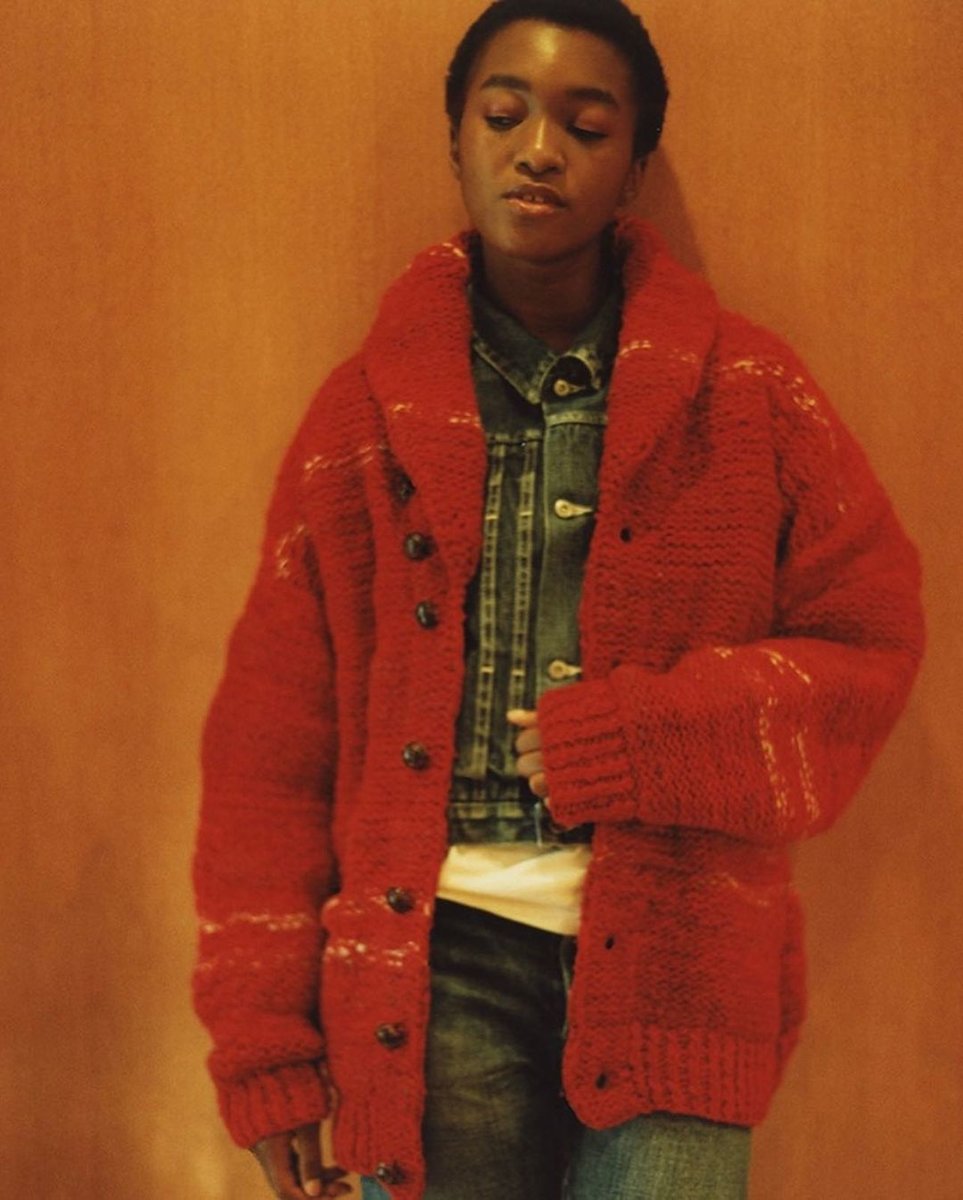
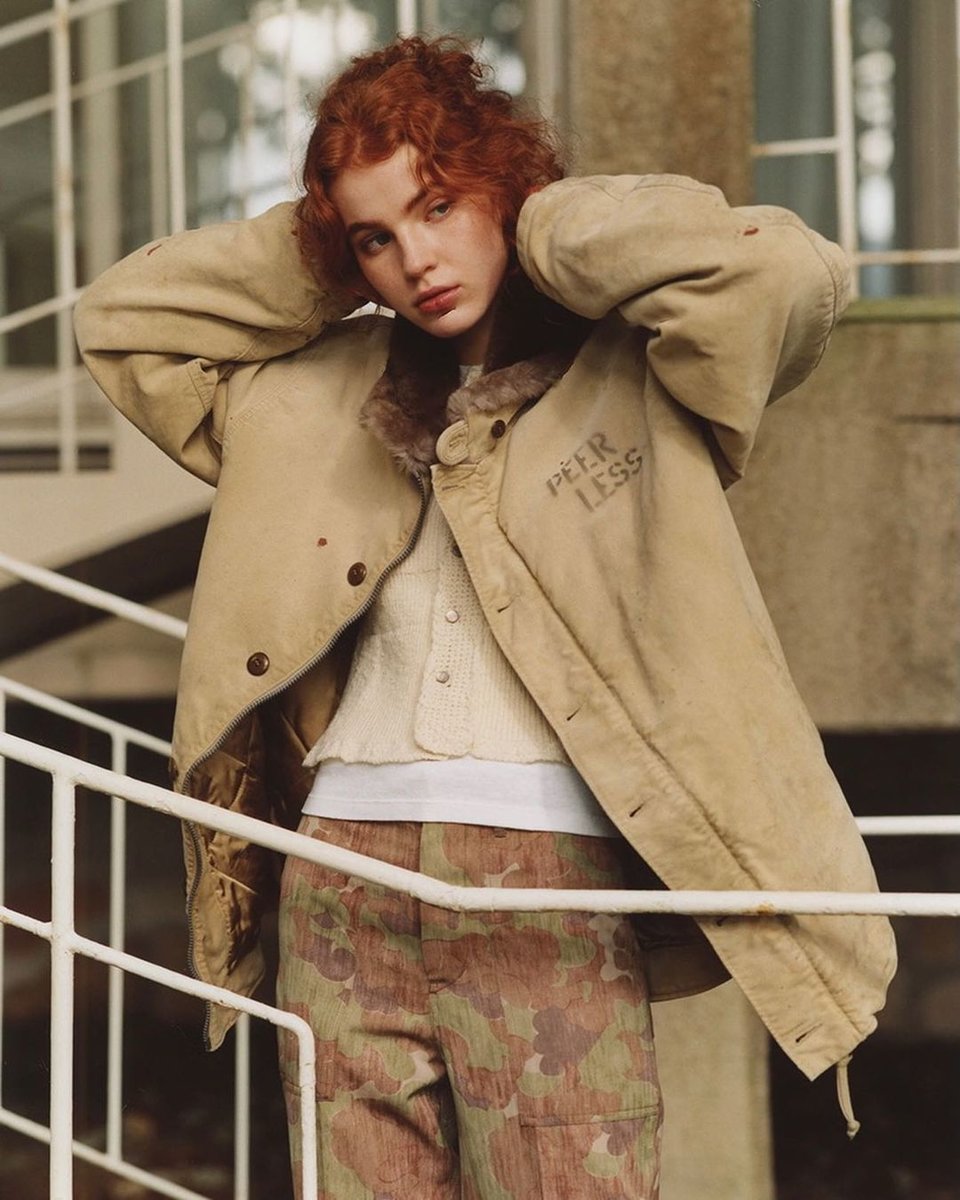
I also think they can look great in the right outfits: chore coats, deck jackets, fatigues, wide legged jeans, duffle coats, and Cowichan knits. The chunkier proportions play better if all the other things in your outfit are similarly riffs on classic Americana.
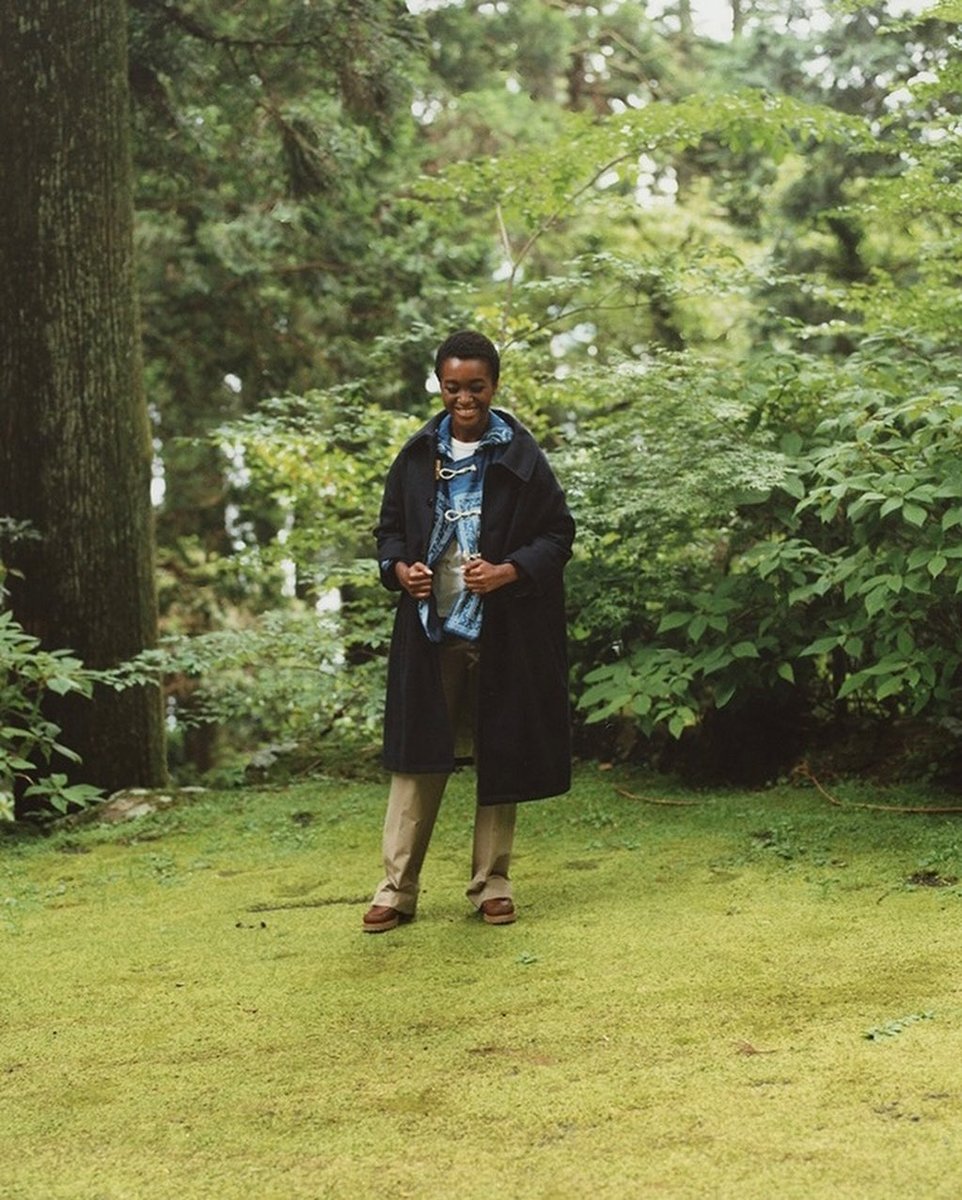
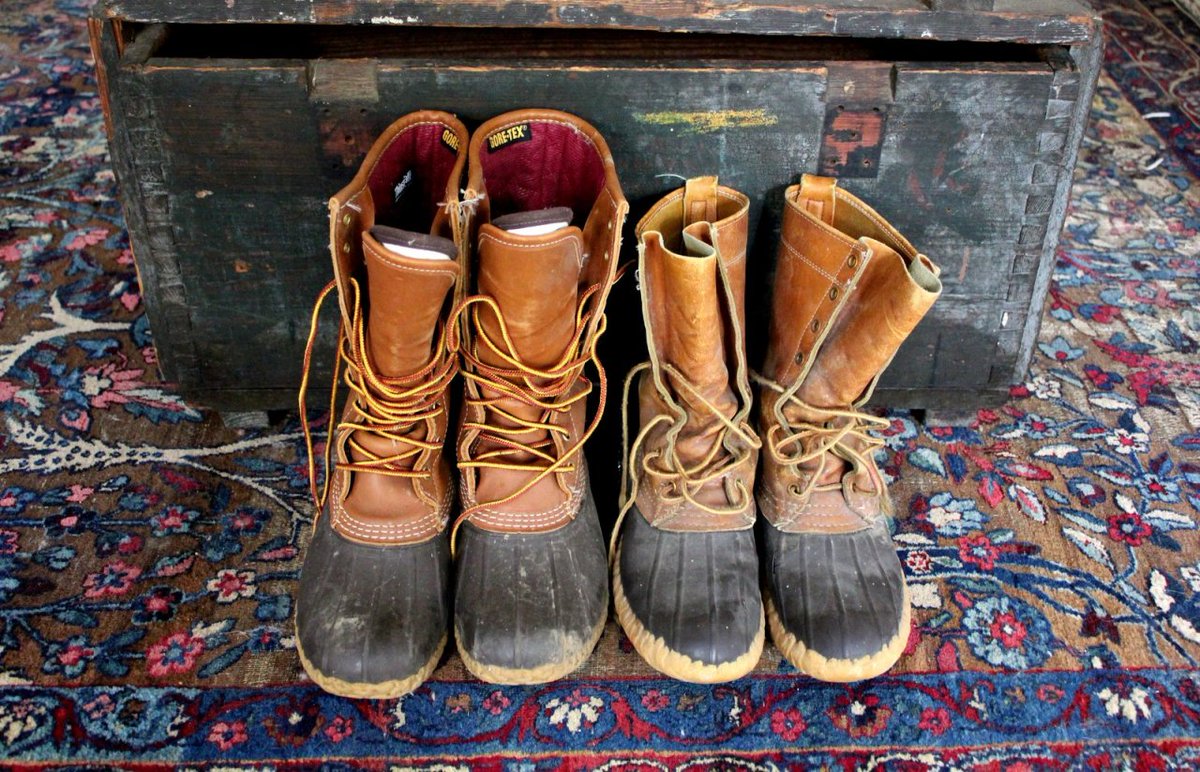
For guys who love that style but don't want to look preppy, Visvim's decoy duck boot can be a fun alternative to the original (pic 1). Their have more of a streetwear/ workwear/ fashiony feel. They also do a version with a thicker sole, although that's more directional (pic 2)
someone trying to be friendly at a party: "what are thooossee?"
me: "i'll tell you what are these. 🧵"
• • •
Missing some Tweet in this thread? You can try to
force a refresh

After this post went viral, I called Caroline Groves, a world-class bespoke shoemaker, to discuss how women's shoes are made. I normally don't talk about womenswear, but I found the information interesting, so I thought I would share what I learned here. 🧵
Footwear is broadly broken into two categories: bespoke and ready-to-wear. In London, bespoke makers, including those for women, are largely focused on traditional styles, such as wingtip derbies and loafers. Emiko Matsuda is great for this.
In Paris, there's Massaro, a historic firm that has been operating since 1894, now owned by Chanel. Their designs are less about creating the women's equivalent of traditional men's footwear and more about things such as heels or creative styles. Aesthetic is still "traditional."
Earlier today, Roger Stone announced his partnership with a menswear company, where together they've released a collection of tailored clothing items.
Here is my review of those pieces. 🧵
The line is mostly comprised of suits and sport coats, supplemented with dress shirts and one pair of odd trousers (tailor-speak for a pair of pants made without a matching jacket). Suits start at $1,540; sport coats are $1,150. One suit is $5,400 bc it's made from Scabal fabric
Let's start with the good points. These are fully canvassed jackets, meaning a free floating canvas has been tacked onto the face fabric to give it some weight and structure. This is better than a half-canvas and fully fused construction, but requires more time and labor.
Here is a guide breaking down what goes into quality men's footwear. This is focused on men's shoes, as women's shoes, depending on the style, will have different construction techniques and thus standards. 🧵
First, let's set a standard. What does it mean for a pair of shoes to be "good quality?" In this thread, I define that standard to be two things:
— Do the shoes age well?
— Can they be easily repaired?
In short, you should want and be able to wear the shoes for a long time.
We'll start with the part most people see: the uppers.
Quality uppers are made from full grain leather, which shows the natural grain of the hide (pic 1). Low quality uppers will be made from corrected grain, where bad leather has been sanded and given a chemical coating (pic 2)
When I was on a menswear forum, one of my most controversial opinions was that certain coats look better when they're worn open, while others look better when they're closed.
For instance, which of these two outfits look better to you? 🧵
If you shop for an overcoat today, there's a good chance you'll land on a single breasted. As suits and sport coats have receded from daily life, the types of outerwear that men historically wore with them have also slowly disappeared.
If you look at the past, men had all sorts of designs to wear over their tailored clothing: polos, Ulsters, Balmacaans, Chesterfields, paletots, wrap coats, etc. They were offered in a wider range of materials: gabardine, camelhair, covert, heavy tweeds, etc.
The reason why this looks off is bc the coat is built from many layers of material — haircloth, canvas, and padding — which sits on top of another jacket with similar structure. This can make you look a bit like a linebacker. If you find this to be the case, switch to a raglan 🧵
A raglan is defined by its sleeve construction. Most coats have a set-in sleeve, which is to say the sleeve attached to a vertical armhole, much like a shirt. A raglan, by contrast, has a diagonal seam running from the neck to armpit. Historically, this was put on raincoats.
A raglan construction is a bit more waterproof that its set-in sleeve counterpart because there's not vertical seam in which water can sit and eventually penetrate. But most importantly, it's completely devoid of padding. This results in a softer, rounder shoulder line. Compare:
If you mainly wear suits and sport coats, then you will want a simple dress watch on a leather strap. Remember that the spirit here is elegance, so the watch should also be elegant. Certain dress chronos can also work, such as the Vacheron Constantin 4072 in pic 4
If your wardrobe leans a bit more rugged — bombers, boots, raw denim — then you'll want a similarly rugged tool watch. Something like a dive watch or G-Shock. These larger watches will look more at home with your visually heavy clothes. Although small military watches also work