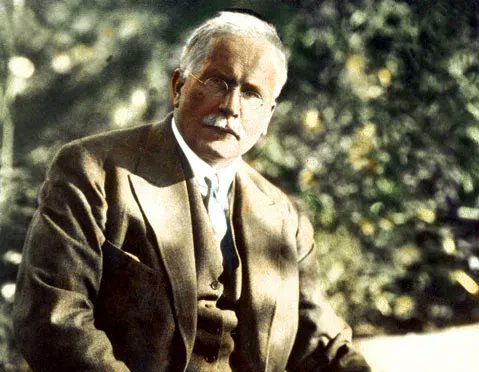
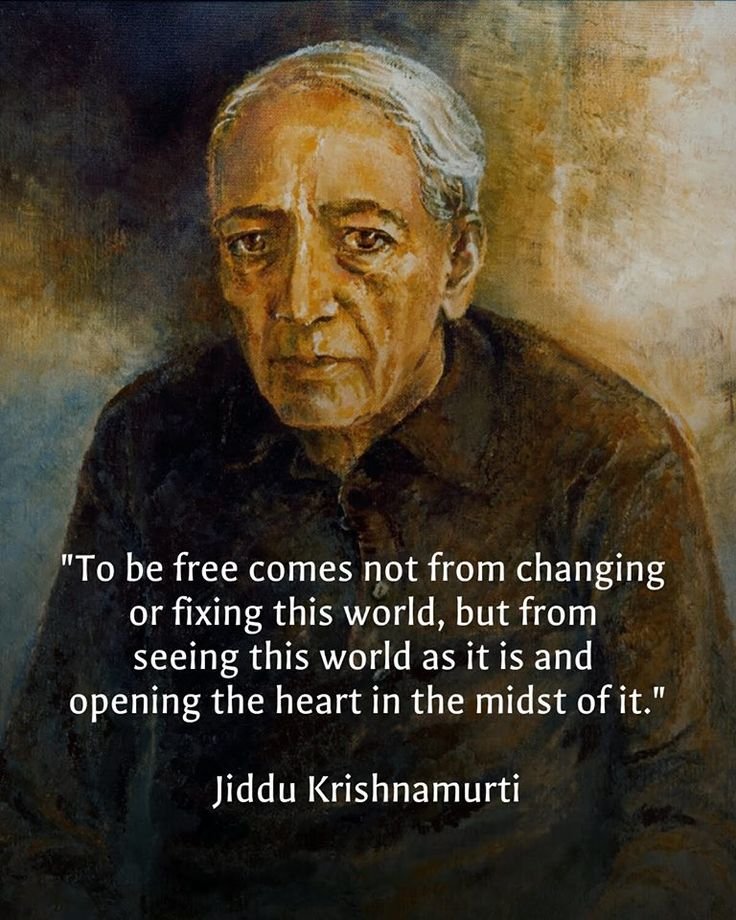
This man who heals what doctors can't:
Jiddu Krishnamurti.
It's impossible to be psychologically trapped, stressed, or anxious after understanding his teachings.
Here's his 5-step approach to unlocking mental freedom: 🧵
Jiddu Krishnamurti.
It's impossible to be psychologically trapped, stressed, or anxious after understanding his teachings.
Here's his 5-step approach to unlocking mental freedom: 🧵

At age 14, the Theosophical Society declared Krishnamurti the next World Teacher.
By 27, he was set to lead one of the largest spiritual organizations in the world.
Then he did something that shocked everyone...
By 27, he was set to lead one of the largest spiritual organizations in the world.
Then he did something that shocked everyone...
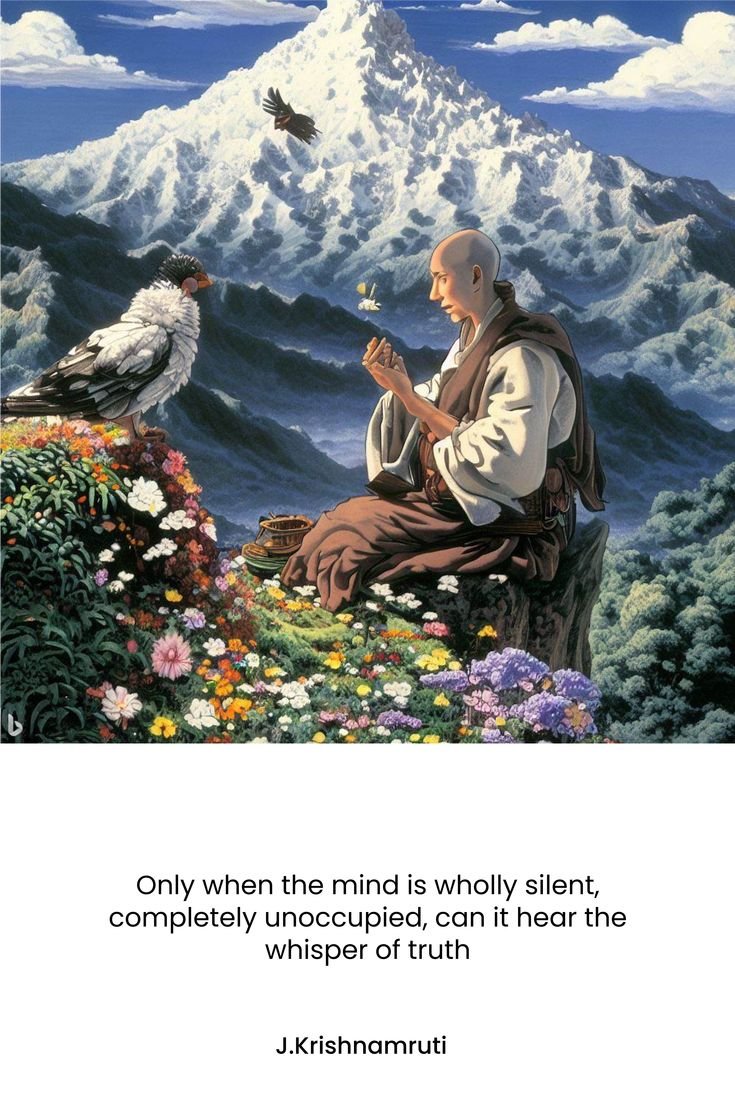
He rejected it all.
"Truth is a pathless land," he declared. "No guru, method, or system can lead you to it."
He dissolved the organization, returned the money and properties, and spent the next 60 years teaching a radical approach to psychological freedom.
Here are his 5-steps to unlocking your mind:
"Truth is a pathless land," he declared. "No guru, method, or system can lead you to it."
He dissolved the organization, returned the money and properties, and spent the next 60 years teaching a radical approach to psychological freedom.
Here are his 5-steps to unlocking your mind:
Step 1: Stop Seeking
Most people trapped in anxiety and stress are desperately searching for solutions.
But Krishnamurti found that seeking itself creates tension and anxiety. The more you chase peace of mind, the more it eludes you.
The first step is to stop all seeking and simply observe.
Most people trapped in anxiety and stress are desperately searching for solutions.
But Krishnamurti found that seeking itself creates tension and anxiety. The more you chase peace of mind, the more it eludes you.
The first step is to stop all seeking and simply observe.
Step 2: Direct Perception
Don't analyze your thoughts. Don't judge them. Don't try to change them.
Simply watch them without any filter of past knowledge or desire for change.
This pure observation, he discovered, has more power than years of therapy or meditation.
Don't analyze your thoughts. Don't judge them. Don't try to change them.
Simply watch them without any filter of past knowledge or desire for change.
This pure observation, he discovered, has more power than years of therapy or meditation.
Step 3: Understanding Fear
Krishnamurti found that anxiety isn't the problem – it's our resistance to it and our circumstances.
When you fully face your fears without trying to escape them, something remarkable happens:
The observer (you) and the observed (fear) dissolve into pure awareness.
Krishnamurti found that anxiety isn't the problem – it's our resistance to it and our circumstances.
When you fully face your fears without trying to escape them, something remarkable happens:
The observer (you) and the observed (fear) dissolve into pure awareness.
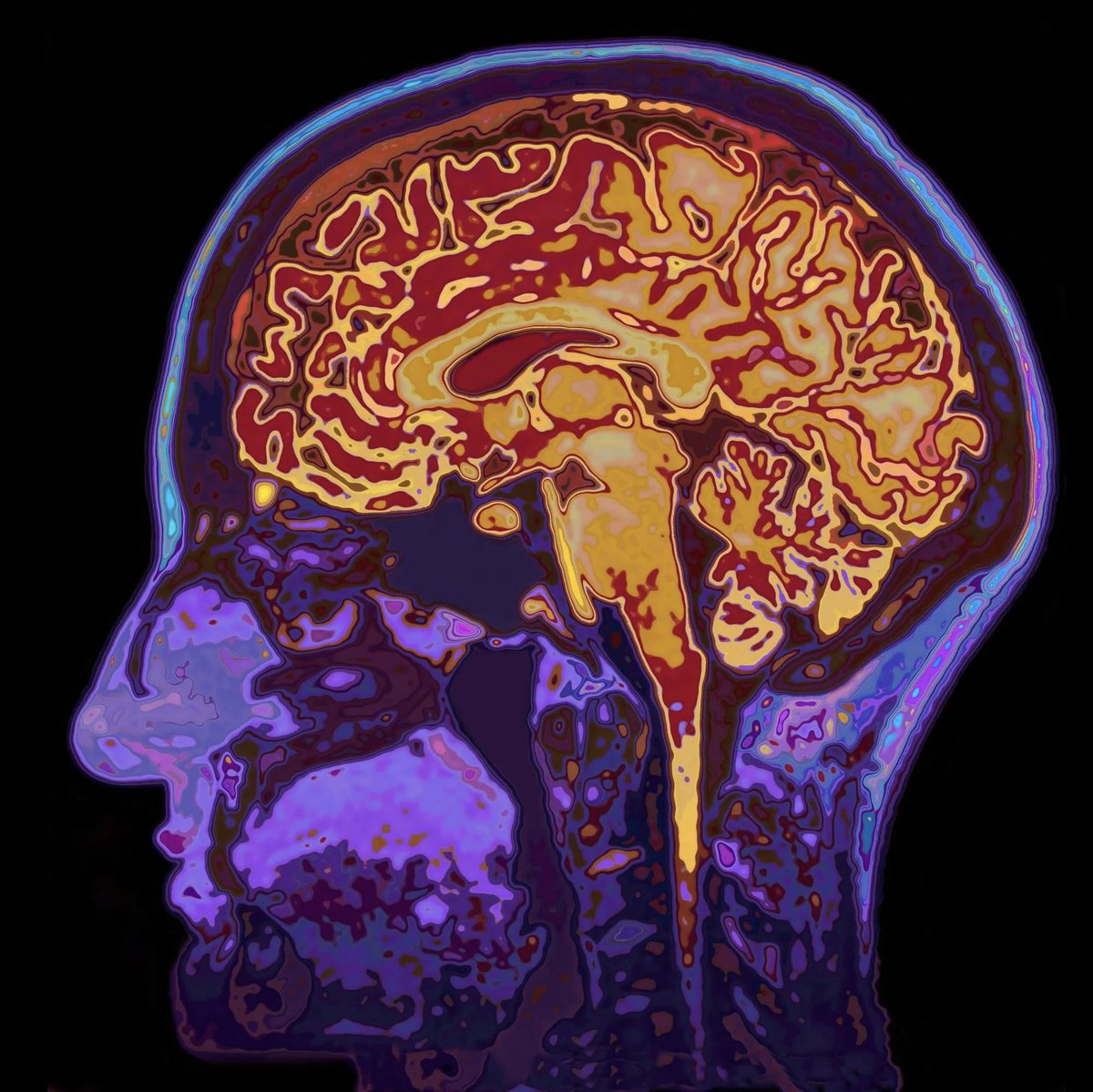
Brain research now confirms:
Direct observation of emotions without trying to change them activates the prefrontal cortex and reduces amygdala activity.
Science is catching up to what Krishnamurti taught decades ago.
Direct observation of emotions without trying to change them activates the prefrontal cortex and reduces amygdala activity.
Science is catching up to what Krishnamurti taught decades ago.
Step 4: The End of Time
Most psychological suffering comes from thoughts moving between the past and the future.
Krishnamurti's insight: Psychological time is the root of fear.
When you're fully present, not seeking to become something else, anxiety cannot exist.
Most psychological suffering comes from thoughts moving between the past and the future.
Krishnamurti's insight: Psychological time is the root of fear.
When you're fully present, not seeking to become something else, anxiety cannot exist.
Step 5: Freedom From the Known
Your mind is conditioned by society, culture, and past experiences.
True psychological freedom comes when you see this conditioning in action – not by trying to replace it with new conditioning.
Seeing IS the transformation.
Your mind is conditioned by society, culture, and past experiences.
True psychological freedom comes when you see this conditioning in action – not by trying to replace it with new conditioning.
Seeing IS the transformation.

Bruce Lee was heavily influenced by this approach.
"Empty your mind," he said, echoing Krishnamurti.
Aldous Huxley called him "one of the most impressive minds he had ever met."
Modern mindfulness and therapy are just catching up to his insights. Listen to this:
"Empty your mind," he said, echoing Krishnamurti.
Aldous Huxley called him "one of the most impressive minds he had ever met."
Modern mindfulness and therapy are just catching up to his insights. Listen to this:
The beauty of Krishnamurti's approach:
• No expensive therapy
• No complex techniques
• No years of practice
• No dependency on teachers
Just radical self-understanding through careful observation of your own mind.
• No expensive therapy
• No complex techniques
• No years of practice
• No dependency on teachers
Just radical self-understanding through careful observation of your own mind.
The mind is subtle. The conditioning runs deep.
While Krishnamurti emphasized self-understanding, he recognized the value of dialogue and support.
Having someone to guide you through this process of self-discovery is invaluable.
While Krishnamurti emphasized self-understanding, he recognized the value of dialogue and support.
Having someone to guide you through this process of self-discovery is invaluable.
As a Ph.D. psychology grad from @UTAustin and a Postdoc at @Harvard, I can help you unlock your mental barriers for greater success.
So, if you feel lost, confused, or stressed out with your current life, schedule a free discovery call:
calendly.com/lorwen_consult…
So, if you feel lost, confused, or stressed out with your current life, schedule a free discovery call:
calendly.com/lorwen_consult…
Being able to reframe stress, anxiety, overthinking is deeply important for the modern overworked society.
Grab your free reframe toolkit now to unlock your mind: lorwenstudios.kit.com/the-stress-sur…
Grab your free reframe toolkit now to unlock your mind: lorwenstudios.kit.com/the-stress-sur…
After 30 years of bridging Western psychology and Eastern wisdom at Harvard, the most powerful solutions were always the simplest.
Follow me @LORWEN108 for more threads like this on merging ancient wisdom with modern science.
Follow me @LORWEN108 for more threads like this on merging ancient wisdom with modern science.

• • •
Missing some Tweet in this thread? You can try to
force a refresh