The rebels are now advancing towards Hama, Syria, and are only 40km away from the strategic city of Homs. But who are these rebels? Who is their leader? And what might they do if they took control of Syria? 1/13 🧵
The rebels are led by Hayat Tahrir al-Sham (HTS), an organization founded in 2017 by Abu Mohammad al-Jawlani. Jawlani had previously founded the terrorist group Jabhat al-Nusra with support from the leader of ISIS, Baghdadi. 2/13
But Baghdadi and Jawlani had different styles: In 2012, both Baghdadi (ISIS) and Jawlani (Al Nusra) captured American journalists. ISIS publicly beheaded Steven Sotloff and James Foley. Al Nusra held Theo Pandos for two years before releasing him in 2014. 3/13
Unlike Baghdadi, Jawlani understood that public brutality was politically counterproductive. After all, it was ISIS' sickening attacks that mobilized global opposition, ultimately leading to their demise. 4/13
But Al Nusra was also increasingly isolated, designated a terrorist organization by several key powers, including the US. It was in no position to lead the Syrian rebels. So Jawlani rebranded in 2017, forming the outwardly more moderate HTS. 5/13
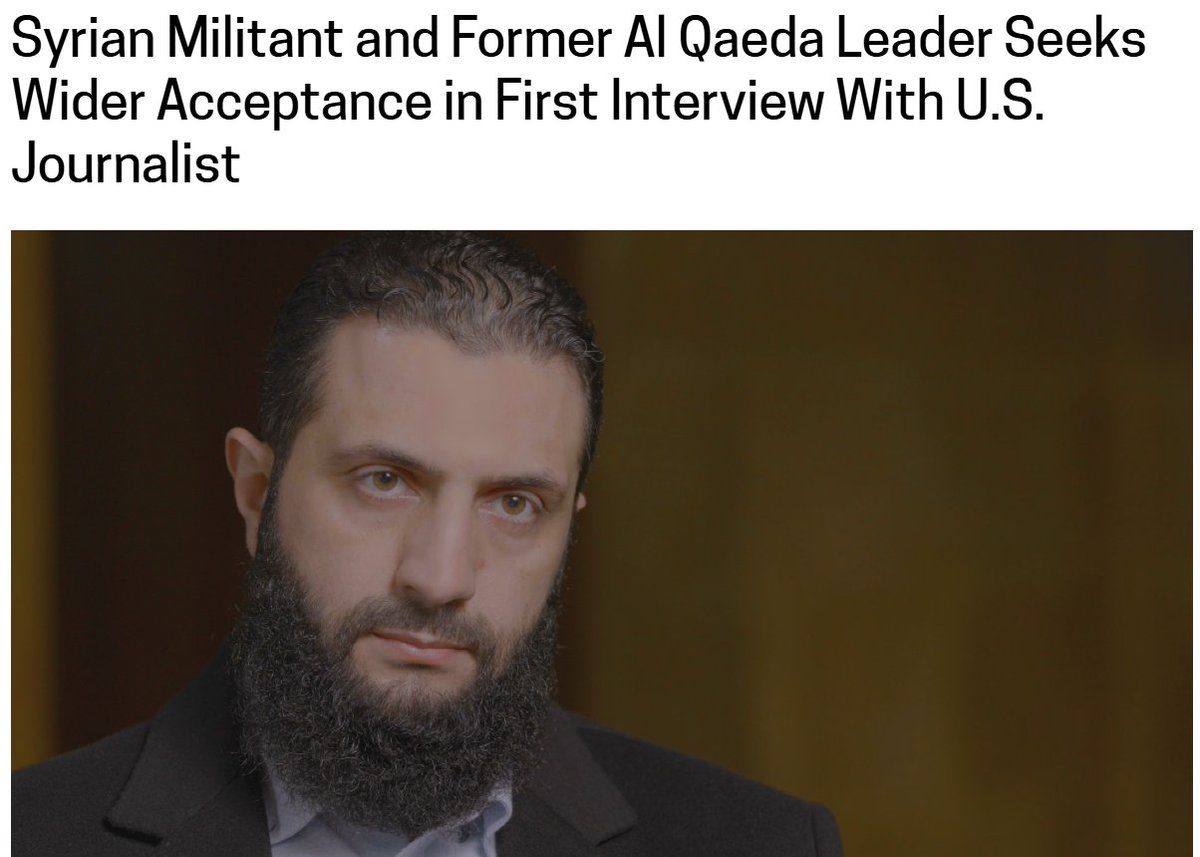
Since then, HTS has campaigned to be removed from the US terrorist list by avoiding targeting civilians, granting freedoms to Christians, and ditching its global jihadist agenda for a local one that seeks to impose Islamic Sharia Law “only” in Syria. 6/13
In 2021, US Ambassador Jeffrey admitted that the US was no longer targeting Jawlani for assassination and was communicating with HTS through indirect channels. To some in the West, HTS became “the best of bad options.” 7/13

But HTS’ Ideology, like its former flag, is just as black and white as ISIS. While they may differ in style and strategy, both organizations ultimately aim to impose Islamic Sharia Law globally through a brutal war of Jihad. 8/13
The so-called freedoms offered to Christians in HTS territory are a mirage: while St. Joseph's church in Qunaya is allowed to run, its outdoor crosses were removed, along with statues of Madonna, St. Joseph, and St. Anthony. The ringing of church bells is forbidden. 9/13
HTS has confiscated over 500 properties from Christians and has violently converted the Druze population north of Aleppo to Sunni Islam, massacring those who attempted to resist. 10/13
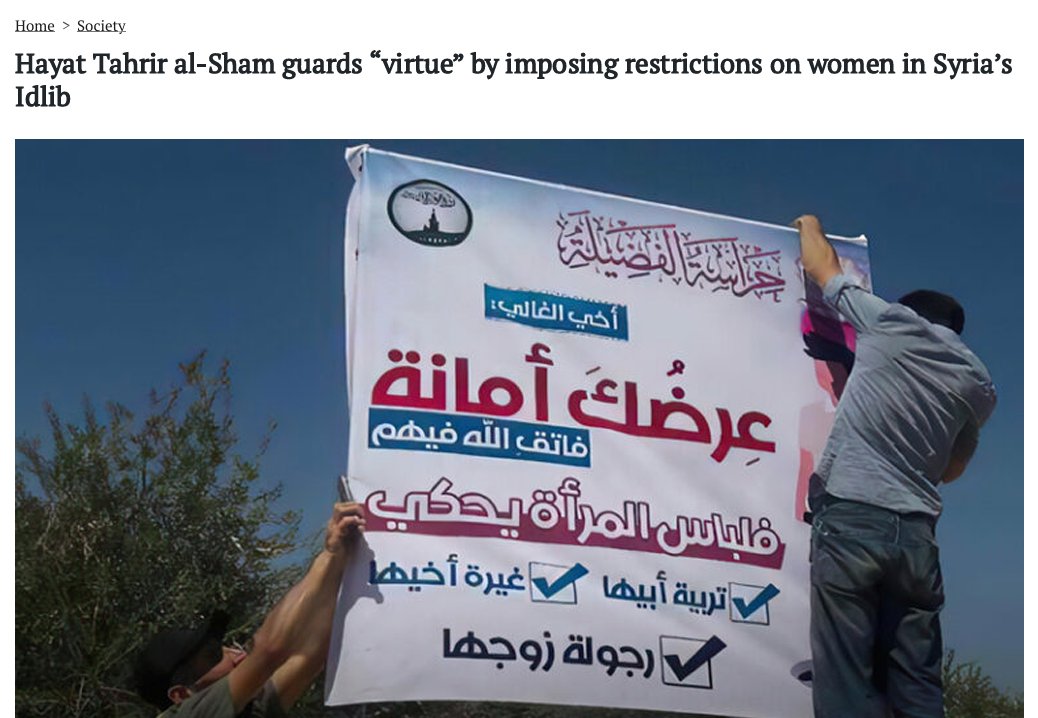
Wherever it rules, HTS imposes strict “Hisbah” patrols that beat up and imprison women who violate the dress code or are caught traveling without a supervising male. While HTS outwardly speaks of liberating Syrians, internally, it speaks of enslaving them. 11/13
In this way, HTS is similar to Hamas: For years, Hamas pretended to be moderate, fighting for economic conditions in Gaza. This deception was "Political Jihad". When it found the opportunity, Hamas carried out brutal ISIS-style massacres in Israel at the expense of Gaza. 12/13
Hayat Tahrir al-Sham, in English, stands for "Organization for Liberation of the Levant.” To some, they may seem like freedom fighters struggling against Assad's brutal dictatorship. But they are no better than Assad. As Kissinger said, “It's a pity both sides can't lose”. 13/13
• • •
Missing some Tweet in this thread? You can try to
force a refresh

At least six U.S. B-2 bombers are now stationed at Diego Garcia air base in the Indian Ocean. This is important because the B-2 is the only aircraft that can deliver the massive GBU-57, one of the only bombs that can destroy Iran’s nuclear sites at Natanz and Fordow.
🧵 1/6
Diego Garcia air base is over 2,000 miles from Iran, making it an ideal location — far enough to give the U.S. Navy time and space to defend its strategic B-2 bombers from Iranian missiles and drones, yet close enough for the B-2 to strike targets deep within Iran. 2/6
Carrying two GBU-57 bombs that weigh over 13 tons each, the B-2 has a range of over 4,500 miles. The nine KC-135 air refueling tankers also stationed at Diego Garcia give these stealth bombers the range to conduct bombing raids on Iran from any direction. 3/6
Last night, the Alawite minority in Syria revolted against Jolani's regime (HTS). Alawite generals organized a surprise assault, briefly taking the strategic port cities of Tartus and Latakia.
Jolani's regime is fighting to regain control.
🧵1/5
The Alawite territory is surrounded by mountains, accessible only through a few roads. Thousands of Jolani's fighters drove in to quell the rebellion, only to be ambushed by Alawite insurgents.
The Alawites killed dozens and captured 37 of Jolani's men. 2/5
By dawn, Jolani's regime (HTS) managed to regain control of these two cities, taking revenge against Alawite families associated with the revolt.
Alawite forces are still holding some of the territory. 3/5
Israel is now enforcing a siege on the Gaza Strip following Hamas' refusal to release the hostages. While existing food supplies could last for months, Israel can destroy Gaza's fuel depots.
Without fuel, Gaza will plunge into darkness.
Here's how this could unfold: 🧵1/4
To make matters worse for Gaza, the US has fast-tracked a $2 billion sale of 35,529 MK-84 bombs to Israel. One MK-84 bomb can destroy a building; 35,529 can level entire cities in the Gaza Strip. 2/4
An additional $295M shipment of D9 bulldozers has also been released. Israel uses these bulldozers to demolish buildings in Gaza that were rigged with explosives by Hamas. By bulldozing these structures, Israeli soldiers avoid walking into Hamas traps. 3/4
Israeli forces are preparing to advance toward Damascus, Syria, to defend the Druze suburb of Jaramana, currently under attack by the Syrian regime (HTS).
Druze reinforcements have arrived in Jaramana with support from the Israeli Air Force.
Here's how this could unfold: 1/4
Yesterday, clashes erupted between the Syrian regime, led by HTS, and Druze forces in Damascus. The Druze are a religious minority that has faced persecution in the past by HTS.
Israel has vowed to protect them.
2/4
Last week, Israel announced it will attack any HTS-affiliated forces that move south of Damascus. 3/4
Iran is now weeks away from enriching enough 90% Uranium-235 to build a nuclear weapon. It is developing warheads at the Parchin complex. If not stopped, Iran could conduct its first nuclear test in 2025.
Where are Iran’s nuclear facilities, and can Israel destroy them? 1/11
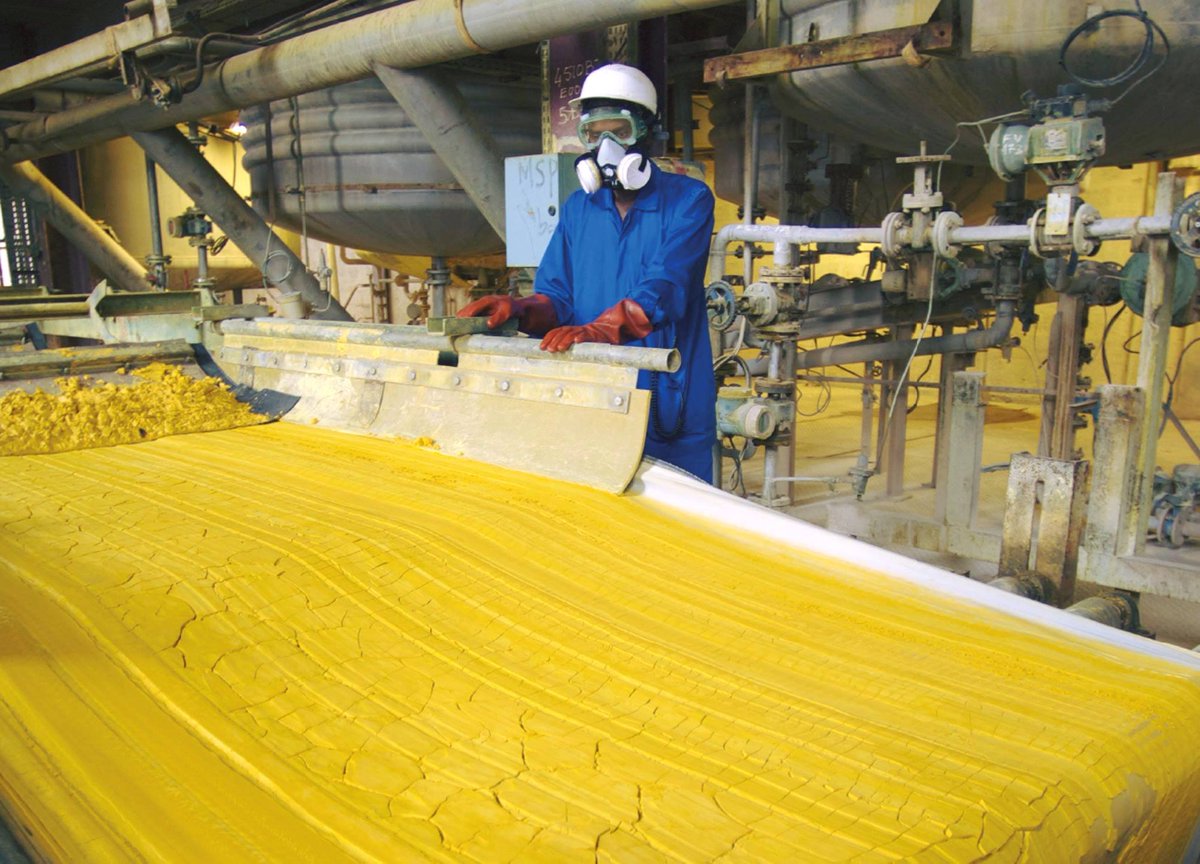
Iran sources uranium ore from the Saghand and Gchine mines. It then mills it into “yellowcake” powder — 99% Uranium-238 and ~1% Uranium-235. Only U-235 can sustain the chain reaction that causes a nuclear explosion. The uranium must be enriched. 2/11
Enrichment starts at the Isfahan facility, where uranium is converted into a gaseous form. From there, it is sent to Natanz and Fordow, where thousands of centrifuges spin at supersonic speeds, separating U-235 from U-238. With each rotation, Iran inches closer to the bomb. 3/11
Israel has now destroyed Syria's air defenses, dropping 1,800 bombs on over 500 targets in a few hours. This means Israel can use Syria’s airspace more freely, turning Syria into a springboard for attacking Iran. 🧵1/6
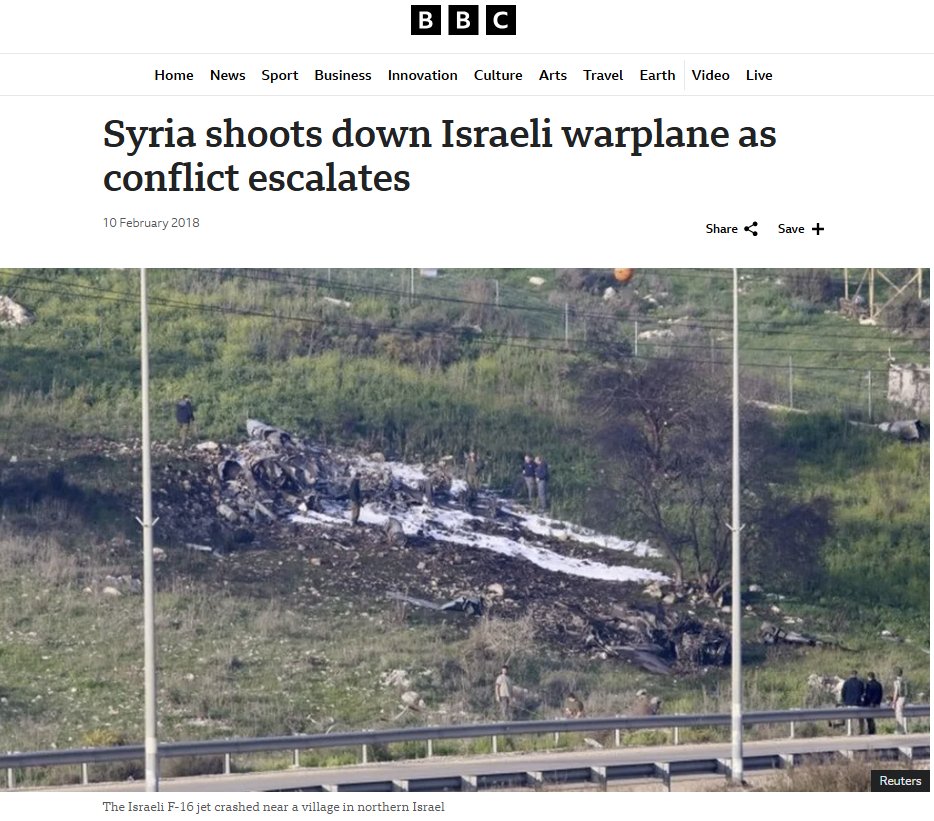
Syria used to possess the most densely concentrated array of air defense batteries in the world. Dozens of Russian-made SA-17, SA-22, SA-6, SA-8, and SA-5 batteries launched hundreds of missiles at Israeli fighter jets over the past decade, downing an Israeli F16I in 2018. 2/6
Generations of Israeli fighter pilots were raised memorizing the range of Syrian SA-5 missiles (180 miles) and studying the vulnerabilities of the MiG-29 (weak radar and a small fuel tank). No longer. The nemesis of the Israeli Air Force has been completely destroyed. 3/6