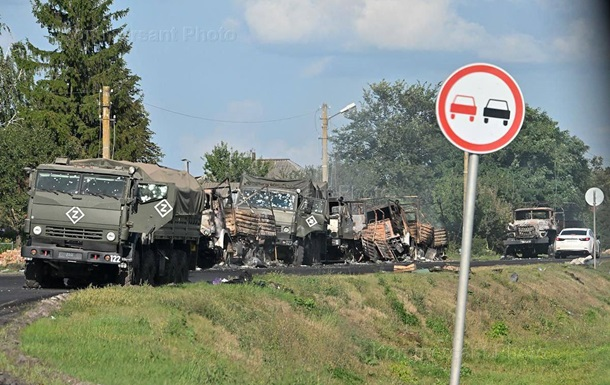
Russia continues to advance and achieve local successes in the areas of Pokrovsk and Kurakhove. However, it is difficult to call this a success, as it comes at a huge cost in Russian losses. In this sense, the report differs little from previous ones from this section of the
1/22
1/22

front. But the main events of recent days are, of course, in Syria. The regime of Bashar al-Assad has fallen, and it took only a few days for this to happen. Bashar al-Assad was the last dictator from the era of the Arab Spring. Ben Ali, Hosni Mubarak, Abdelaziz Bouteflika,
2/22
2/22

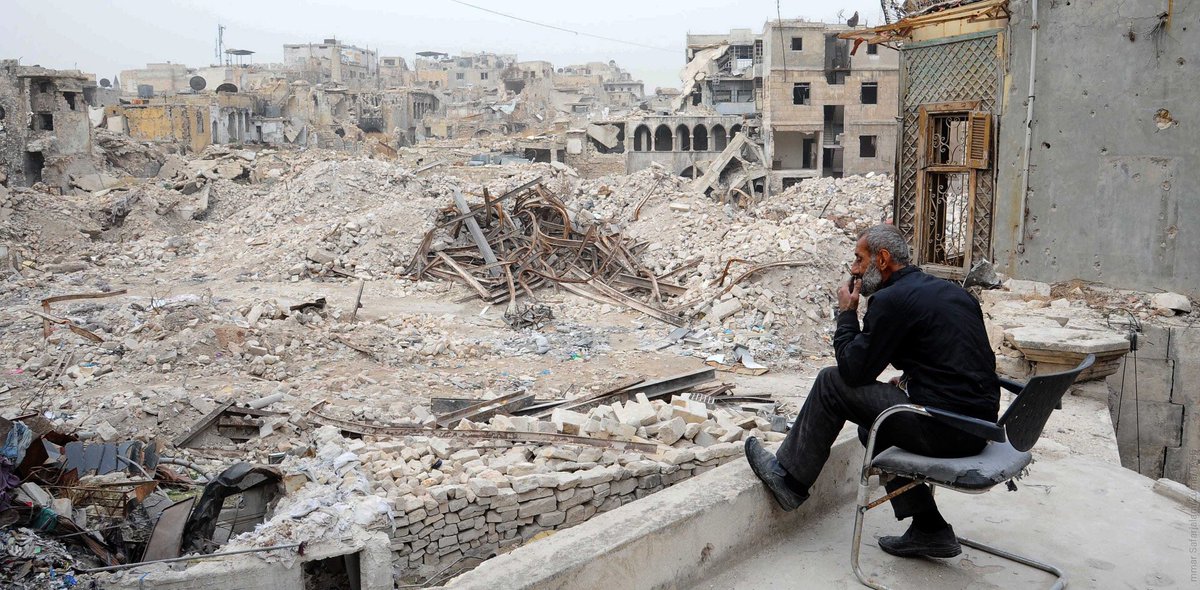
Muammar Gaddafi – for various reasons, they are no longer in power. Among all the countries of the Middle East and North Africa, Syria saw the highest number of casualties and destruction. Protests, which escalated into a civil war, began in 2011. Losing power and control,
3/22
3/22
Assad turned to Russia and Iran for help. The rapid advance of ISIS and the seizure of significant territory in Syria and Iraq in the summer of 2014 provided a pretext for U.S. military intervention. From September 2014, the U.S. and its allies began conducting airstrikes
4/22
4/22
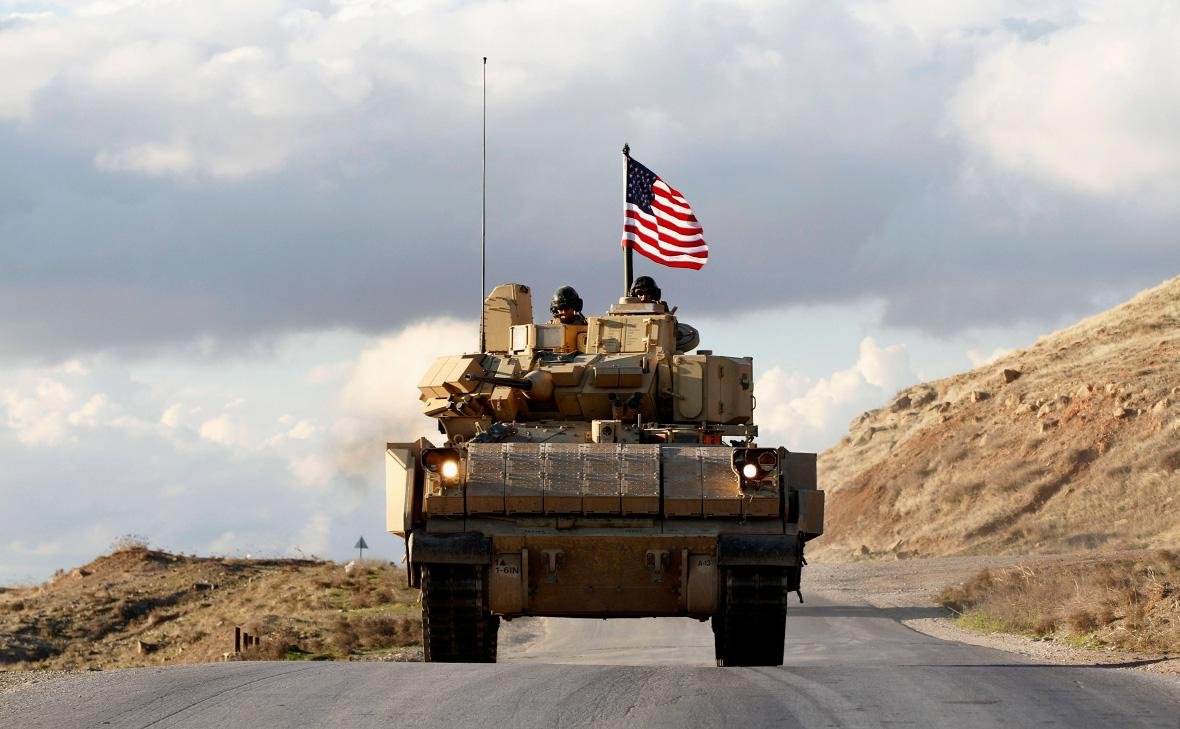
against Islamist positions in Syria and also provided weapons and training to so-called "moderate opposition" forces. On September 30, 2015, with the agreement of President Bashar al-Assad, the Russian Aerospace Forces launched a military operation in Syria, operating in
5/22
5/22

close coordination with government forces. In October 2015, with the support of the U.S.-led international coalition, the Syrian Democratic Forces (SDF) military alliance was formed to fight ISIS, with Kurdish self-defense units forming its core. The war became one of the
6/22
6/22
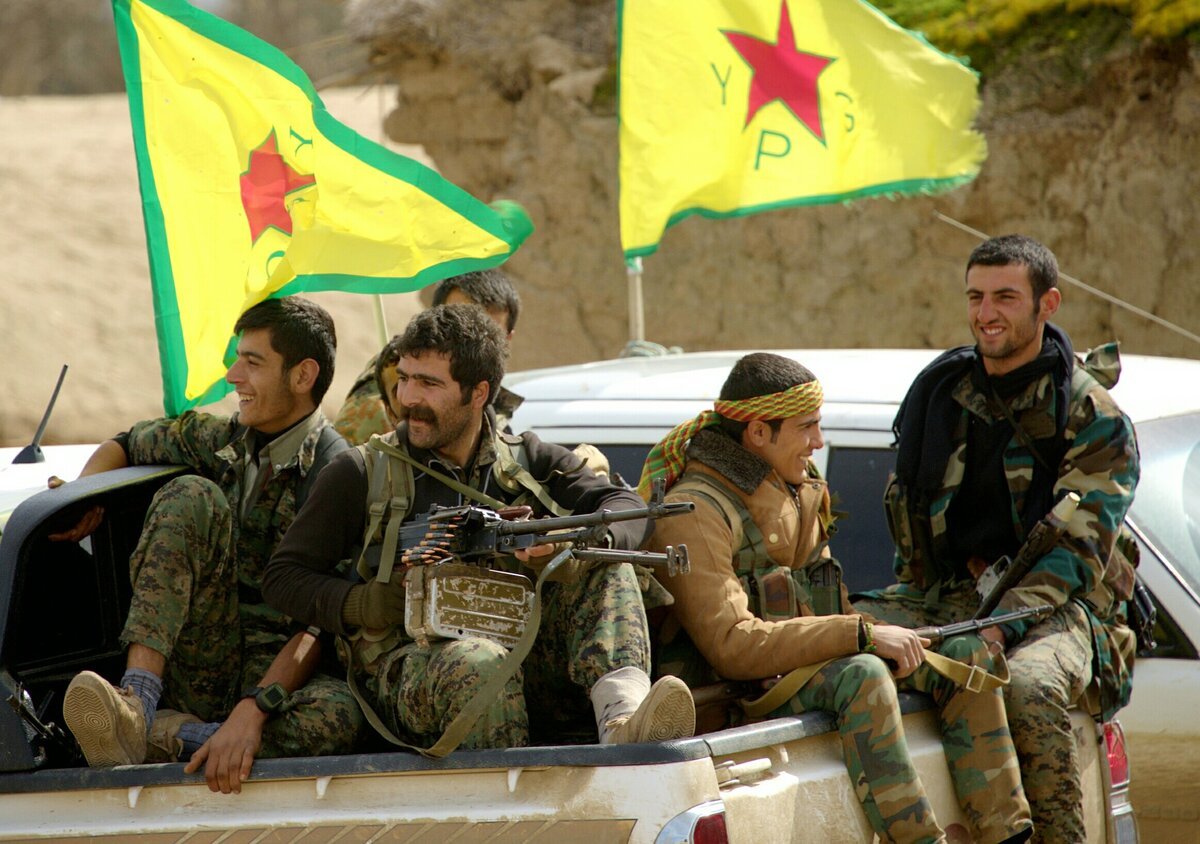
main causes of the European migration crisis, triggering a mass exodus of refugees from Syria. The conflict was marked by fierce fighting, indiscriminate shelling of settlements, mass killings, and numerous war crimes against civilians. The country's economy and
7/22
7/22

infrastructure suffered colossal damage. By the time Assad’s regime fell, the number of victims had exceeded 300,000 people. Unlike in 2011 and 2015, this time Russia and Iran were unable to come to Assad's aid, as they were preoccupied with their own problems — Russia
8/22
8/22

with Ukraine and Iran with Israel. The fall of Assad's regime is a severe blow to Russia, and it's not just about the loss of equipment, military bases, ports, and soldiers, some of whom were surrounded and unable to evacuate from Syria. Of course, the fall of Assad's regime
9/22
9/22

does not mean the victory of democracy in the country. The rebels who defeated the government army consist of former ISIS militants, but it is unlikely that extremists ever truly become "former." It is quite possible that one dictatorship will simply be replaced by another,
10/22
10/22

but the fall of Assad's regime is a signal to the world that Russia is weak and a reminder that dictatorships, built over years, can collapse in a matter of days. It also signals that Putin is not eternal. Russia's intervention in Syria was not only aimed at maintaining
11/22
11/22
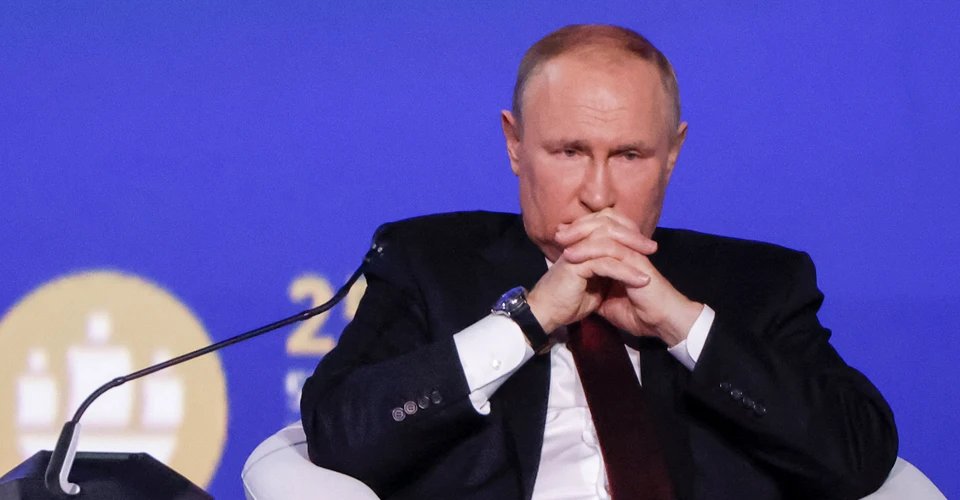
access to the region's oil and gas resources but also at demonstrating strength and influence on the international stage. The inability to save Assad's regime, though Russia apparently did manage to rescue Assad and his family by granting them asylum, reveals Russia's lack
12/22
12/22
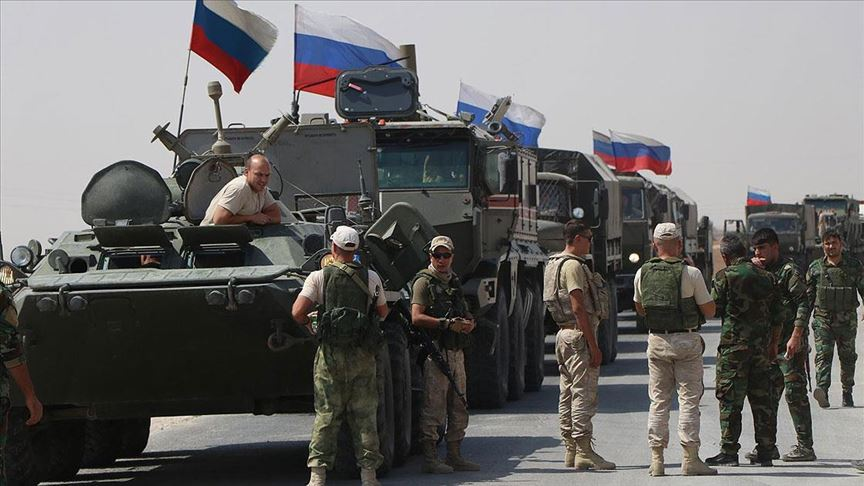
of serious resources beyond those it deploys in Ukraine. This means that Moldova, Abkhazia, and South Ossetia — all these regions may break away from Moscow's influence if sufficient pressure is applied. Currently, the people of Georgia are engaged in a struggle for
13/22
13/22

parliamentary control and independence. Although they have not yet won, "Georgian Dream" is also unable to suppress the protests, and Russia cannot help them with anything other than hiring local "titushki". Russia still has currency reserves, which it can use to support
14/22
14/22

its candidates in Georgia and Romania, but at this stage, Russian allies are increasingly facing resistance. Elections in Romania have been rescheduled, and in Georgia, it's too early to declare a victory for "Georgian Dream." However, once again returning to Syria, with
15/22
15/22

sufficient resources and proper organization, everything can change in a matter of hours or days. The same applies to Ukraine. Russia is weak and unable to withstand superior forces. The Armed Forces of Ukraine do not have superiority, and if the West had not delayed
16/22
16/22

the supply of weapons, the war would have long since ended. The collapse of the front in Syria did not prompt Russia to use nuclear weapons, even though U.S. aviation assisted certain anti-Assad forces. Similarly, Russia is unlikely to resort to nuclear weapons if the front
17/22
17/22

in Ukraine collapses. Putin's regime was already hanging by a thread from collapse when Prigozhin marched on Moscow. Prigozhin lacked the courage to finish what he started, but a Syrian-style scenario was possible back in 2023. If Ukraine had had the resources to
18/22
18/22
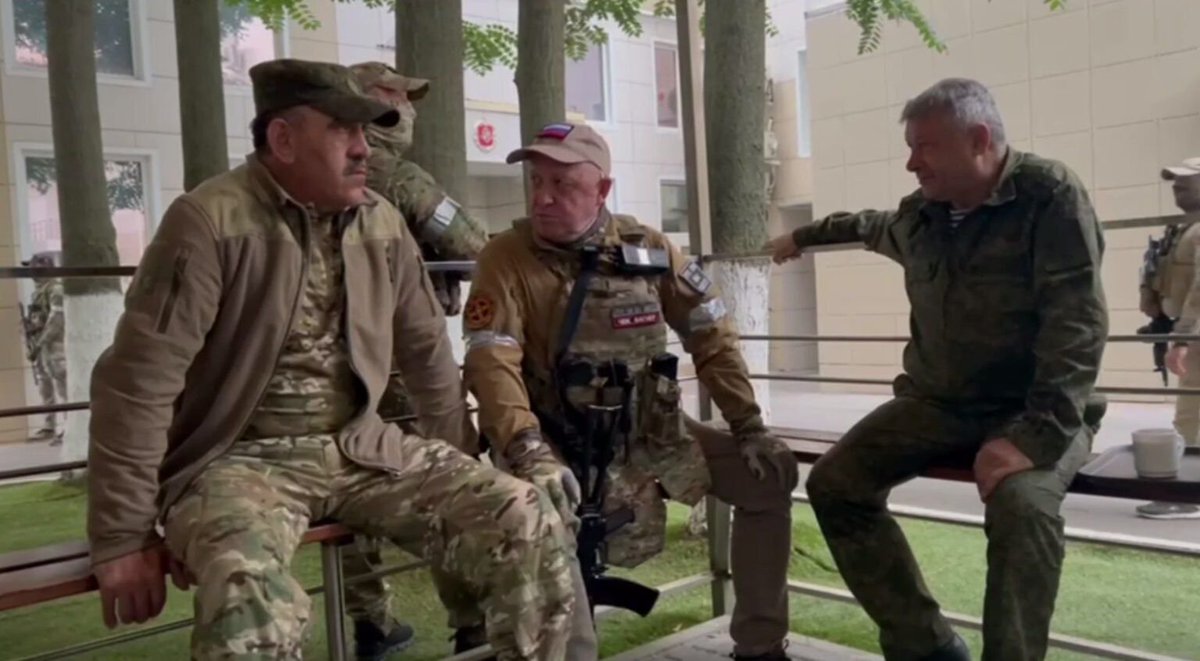
simultaneously pressure Russian forces in Ukraine, we would have seen Russians fleeing. As soon as Ukraine has the necessary amount of weaponry to launch a serious offensive, there will be a repeat of the Kherson scenario, and Ukrainians will only see the flashing heels of
19/22
19/22

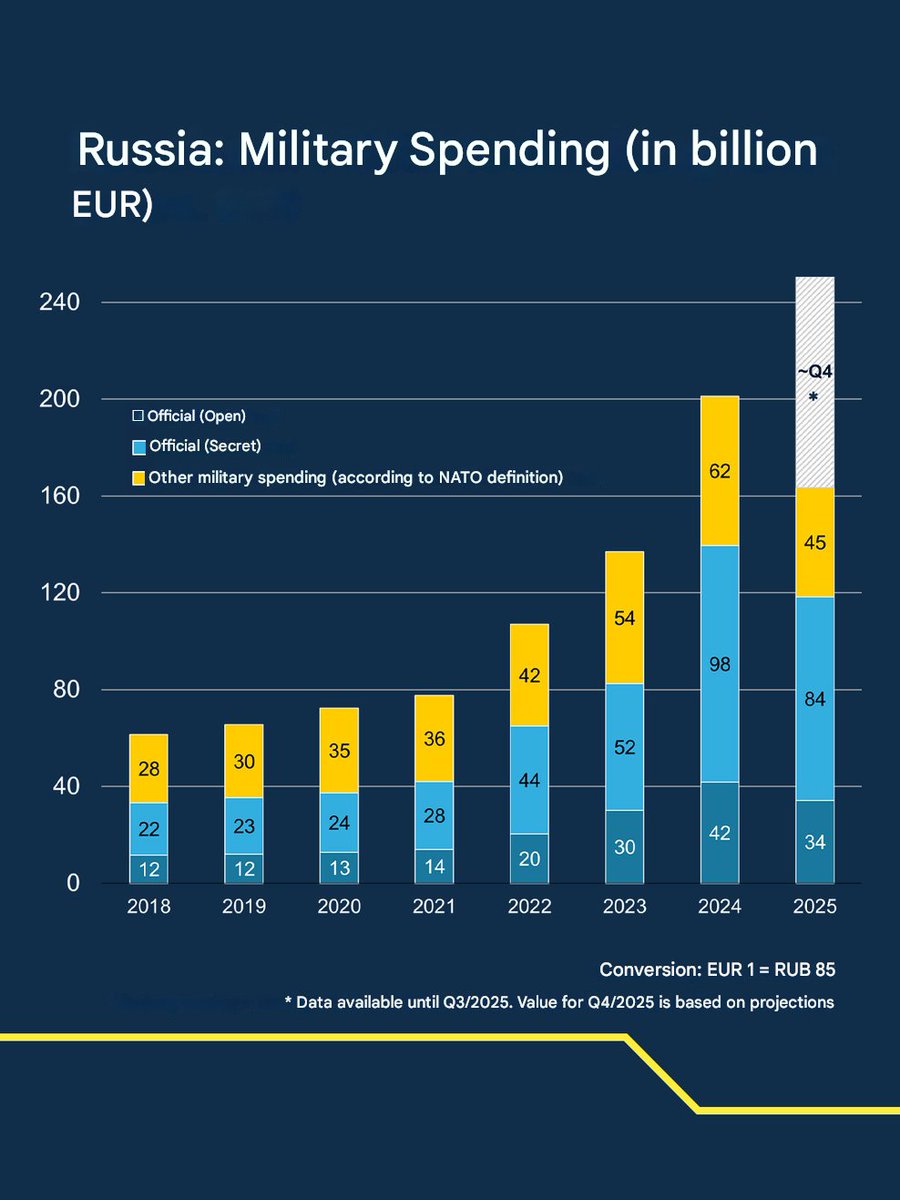
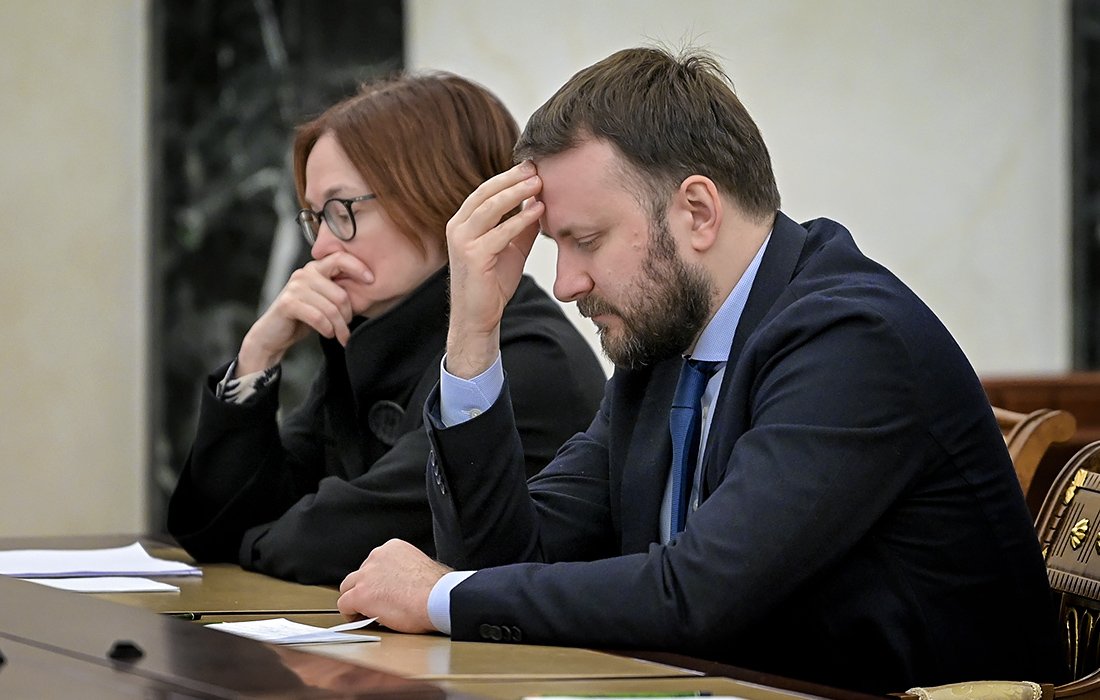
fleeing Russian soldiers. In December, the Central Bank of Russia will once again raise the key interest rate. The Russian economy is slowing down, and it has no means to replenish the resources being consumed in the offensive near Kurakhove. Once the Russian offensive
20/22
20/22

runs out of steam, there is a high chance that they will lack the resources to defend what they have already captured. The end of Russia is near. Closer than they think, but Ukraine is still far from victory.
21/22
21/22

Ukraine needs weapons, and perhaps the flight of Russians from Syria will serve as another signal to increase support for Kyiv.
22/22
22/22

• • •
Missing some Tweet in this thread? You can try to
force a refresh