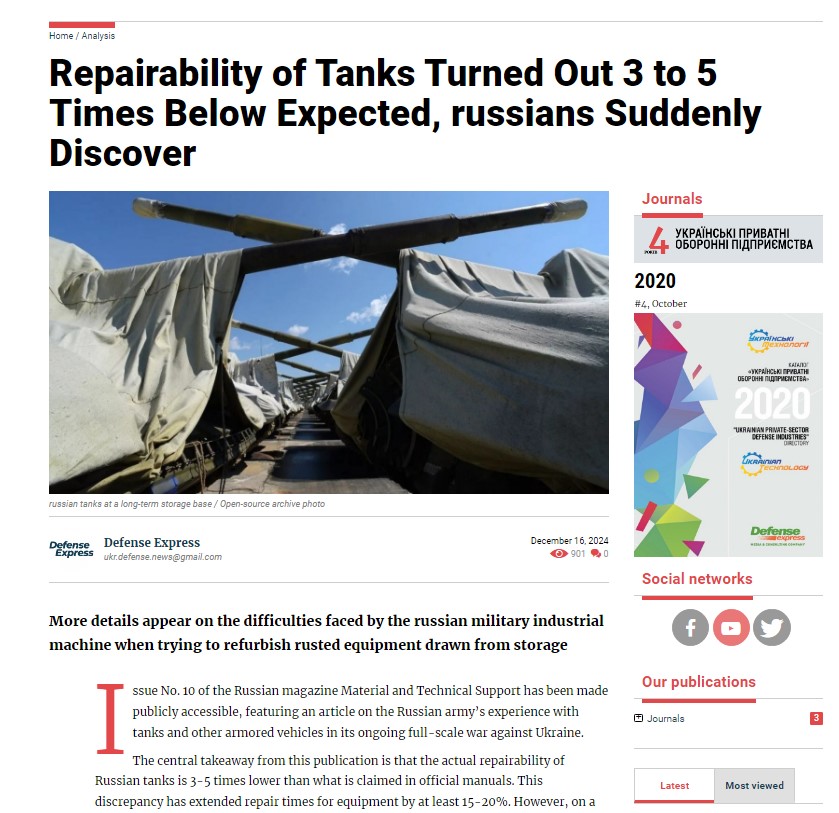
Ukraine’s claims to have produced 100 Peklo (Hell) cruise missiles over the past three months.
This works out to about 1.1 Peklo a day, but manufacturing production lines don't work like that.
Peklo Manufacturing 🧵
1/
pravda.com.ua/eng/news/2024/…
This works out to about 1.1 Peklo a day, but manufacturing production lines don't work like that.
Peklo Manufacturing 🧵
1/
pravda.com.ua/eng/news/2024/…
The infographic figure below is a typical commercial production line curve.
Ukraine's stated production and use of the Peklo (Hell) cruise missile marks it as being on the 'start of production to market entry' ramp up part of the curve below.
2/
Ukraine's stated production and use of the Peklo (Hell) cruise missile marks it as being on the 'start of production to market entry' ramp up part of the curve below.
2/

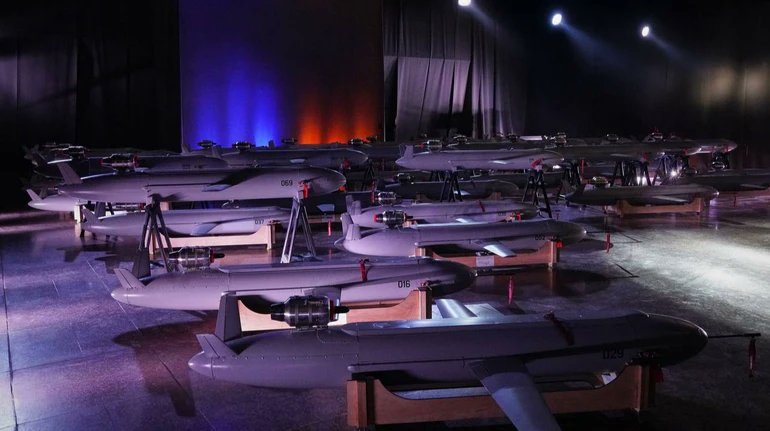
Over two dozen Peklo were shown in this public unveiling by Ukraine, which is over 1/4 of the stated production to date.
How many were pre-production prototypes or low rate initial pilot production models isn't knowable.
3/
How many were pre-production prototypes or low rate initial pilot production models isn't knowable.
3/
https://x.com/With__Ukraine/status/1865117102761189879
A ramp up production curve implies a AFU production rate something like the following:
1st month - 10 Peklo drone-missiles
2nd Month - 30 Peklo drone-missiles
3rd month - 60 Peklo drone-missiles
4/
1st month - 10 Peklo drone-missiles
2nd Month - 30 Peklo drone-missiles
3rd month - 60 Peklo drone-missiles
4/
How high the Peklo ramp up will get to isn't knowable. Ukraine wants 30,000 drone missile & other missiles produced a year in 2025.
At 60 a month, the Peklo would be 720 of that 30K number.
I'm expecting 360 a month is the Peklo's ultimate production rate target.
5/
At 60 a month, the Peklo would be 720 of that 30K number.
I'm expecting 360 a month is the Peklo's ultimate production rate target.
5/
Ukraine doesn't control its air space, so any manufacturing of the Peklo has to be highly dispersed with a final assembly line either in Western Ukraine or Poland.
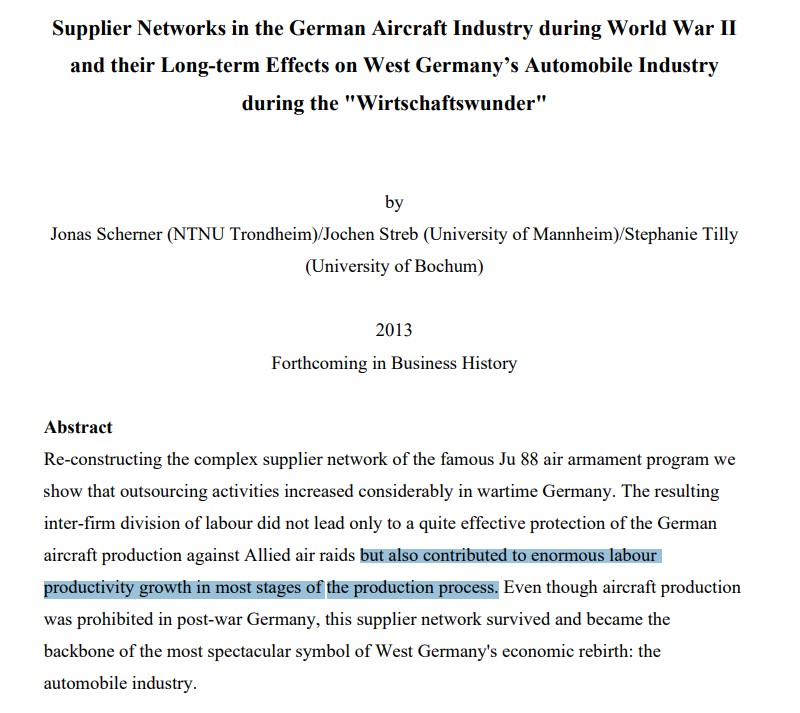
I expect, based on the WW2 German aircraft industry example, the assembly line is in Western Ukraine.
5/
I expect, based on the WW2 German aircraft industry example, the assembly line is in Western Ukraine.
5/
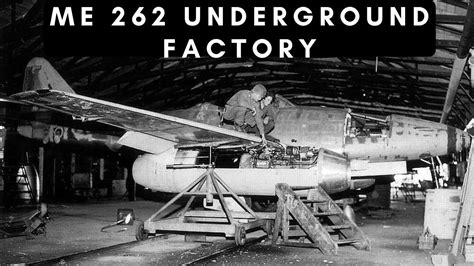
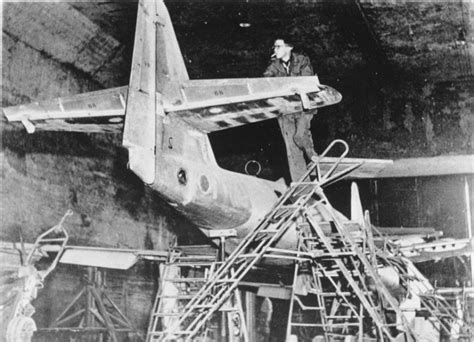
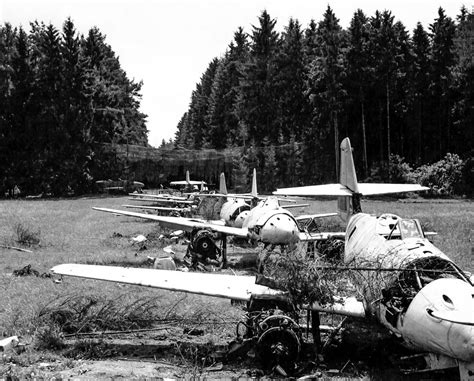
Recent scholarship on German WW2 aircraft industrial Mfg dispersal showed the massive outsourcing efforts hugely increased the productivity of the Nazi economy.
These supply chain efforts layed the foundations of the "German economic miracle"
6/
madoc.bib.uni-mannheim.de/36784/1/Schern…
These supply chain efforts layed the foundations of the "German economic miracle"
6/
madoc.bib.uni-mannheim.de/36784/1/Schern…
Unlike WW2 Nazi aircraft, the Peklo included widely dispersed manufacturing with 3D/additive manufacturing techniques and simple/quick assembly & testing in the product design.
(photo H/T @TheDeadDistrict)
7/
(photo H/T @TheDeadDistrict)
7/
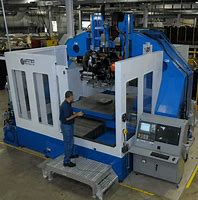
All high end 3D/AD manufacturing units - like this Fabrisonic SonicLayer 7200 industrial ultrasonic metal printer with integrated CNC tools - need is a flat piece of concrete, electricity and metal printer media.
Any 'big box strip mall or warehouse will suffice for Peklo.
8/
Any 'big box strip mall or warehouse will suffice for Peklo.
8/
This dispersed drone-missile manufacturing effort by Ukraine is one of the biggest reasons why Russia's strategic bombing campaign is systematically going after Ukraine's power grid.
No Electricity = No Drone-missiles.
9/
No Electricity = No Drone-missiles.
9/
https://x.com/Eu_news_facts/status/1868234943492497668
Why Ukraine has not mirrored Russia's anti-power grid strategic bombing campaign to reduce Russian missile & drone production is a question that has yet to be answered.🤔
10/10 End
10/10 End
https://x.com/secretsqrl123/status/1821315935900139771
@threadreaderapp unroll please
• • •
Missing some Tweet in this thread? You can try to
force a refresh