Moving on, here's part 3 of my thoughts on the 2024 China Military Power report. We'll start with the PRC's nuclear forces.
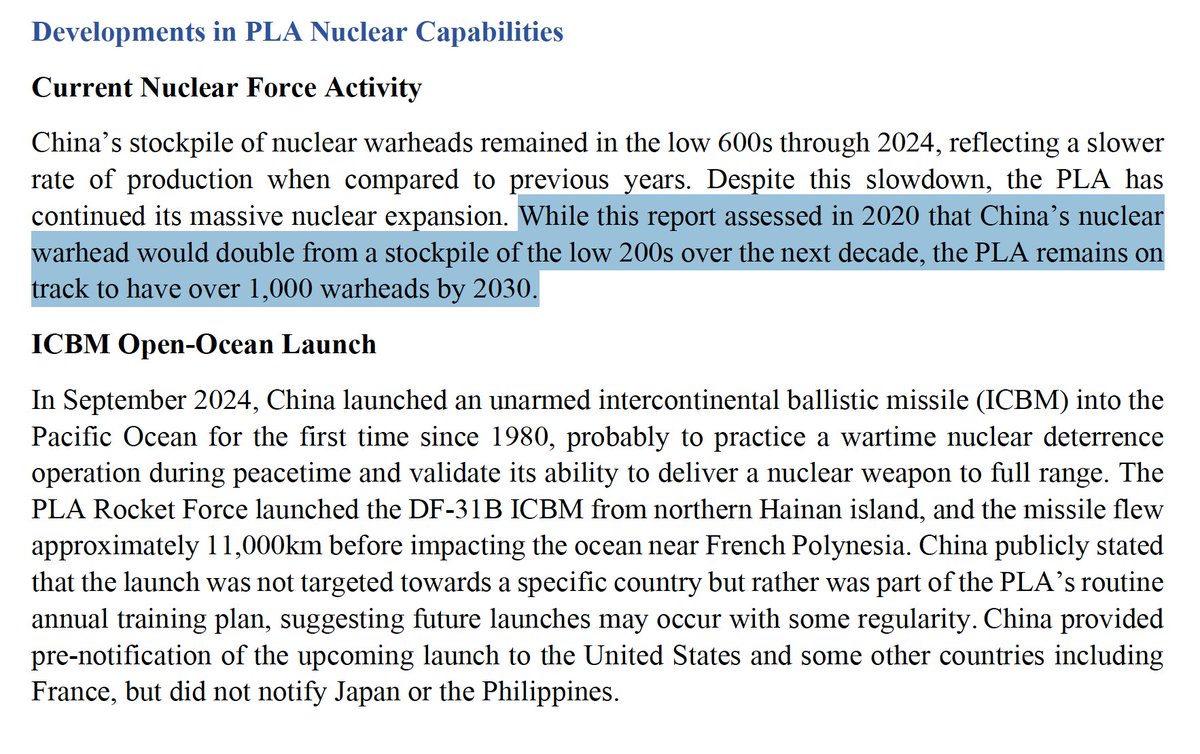
Overall, DoD estimates the PRC has 600+ warheads. Last year's report said 500, with 1000 expected by 2030, so this 20% increase isn't really a surprise. 🤷♂️
Overall, DoD estimates the PRC has 600+ warheads. Last year's report said 500, with 1000 expected by 2030, so this 20% increase isn't really a surprise. 🤷♂️

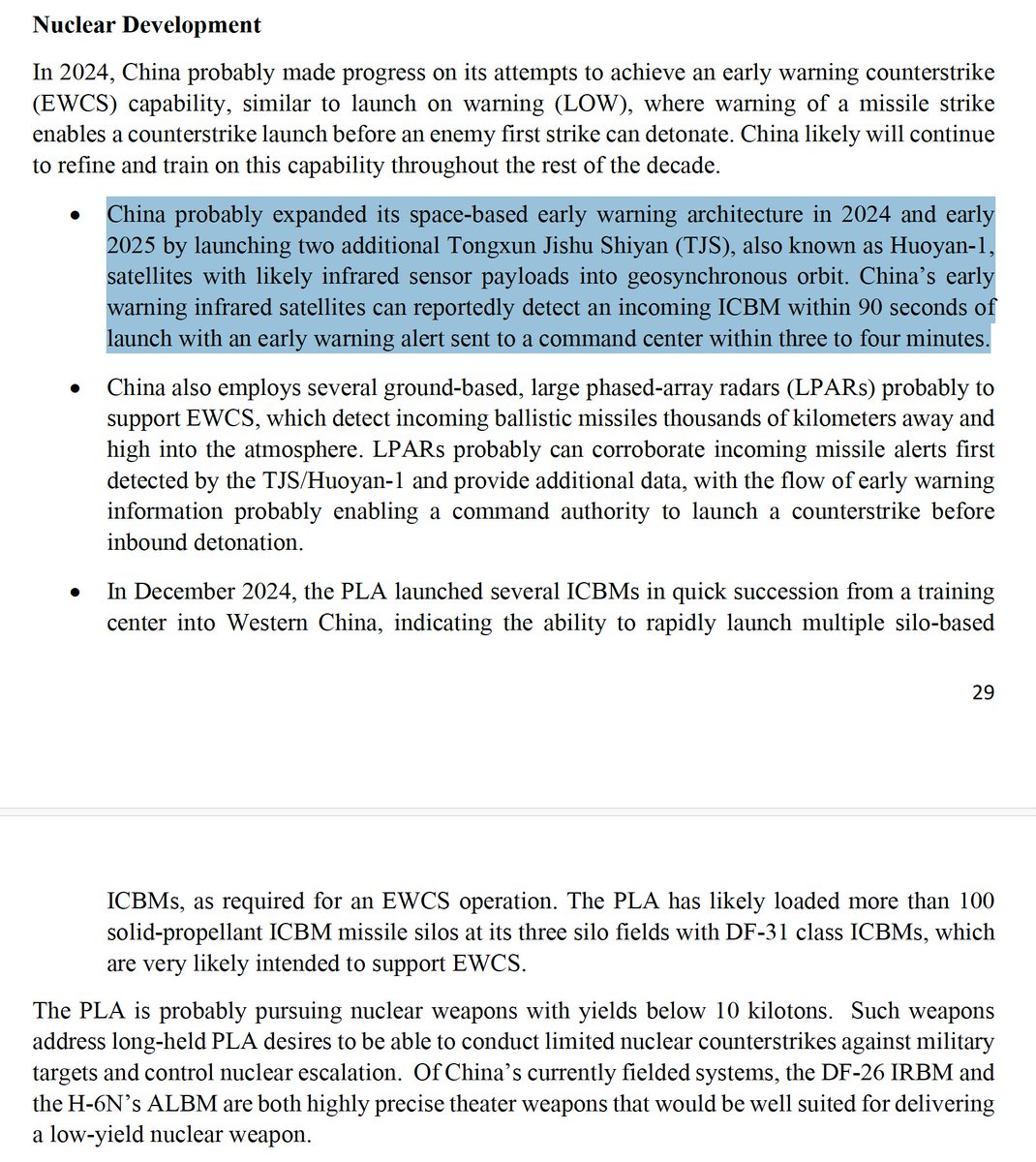
We also get news the PLARF is doubling the size of the DF-5 liquid-fueled ICBM silo force.
We also get a new discussion of possible reasons for the massive nuclear expansion: in part due to concerns about US BMD (note: not US nuclear modernization).
We also get a new discussion of possible reasons for the massive nuclear expansion: in part due to concerns about US BMD (note: not US nuclear modernization).

While US BMD could have something to do with it, I think there's more to it: Xi has said China will have a "world-class" military, and this is probably part of that.
Also, a robust nuclear force is insurance against a US nuclear response to large-scale PRC conventional strikes.
Also, a robust nuclear force is insurance against a US nuclear response to large-scale PRC conventional strikes.
In other nuclear news, the report says once again that the PLAN is building more Type 094 SSBNs, which surprised me in last year's report. I haven't seen any other evidence of this, but they'd be inside Huludao's building halls, so no surprise there.
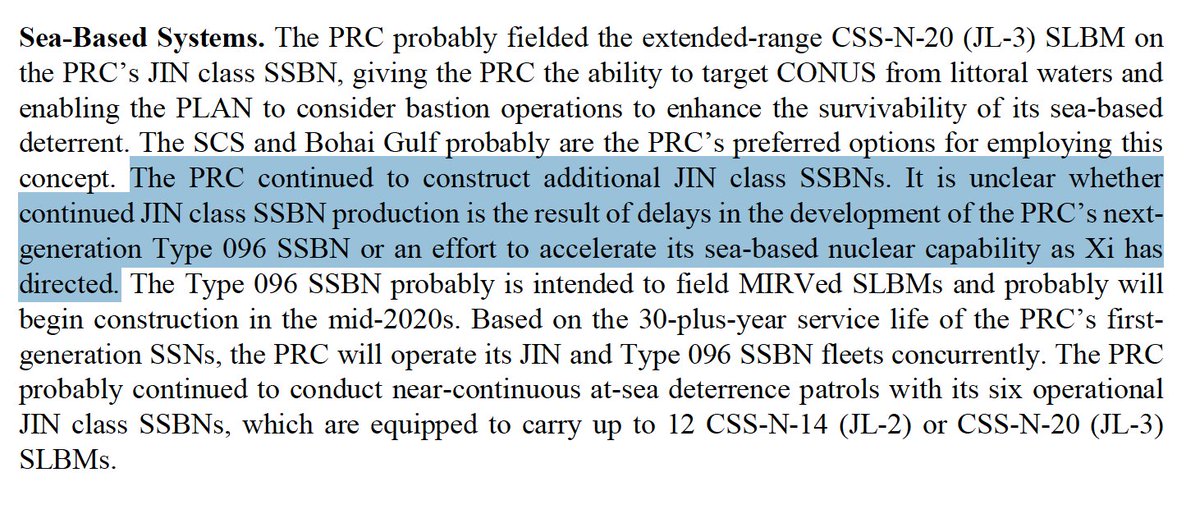
To support the PRC's nuclear force expansion, it looks like they've completed 1 of 2 breeder reactors for bomb fuel production (last year they were both still under construction).

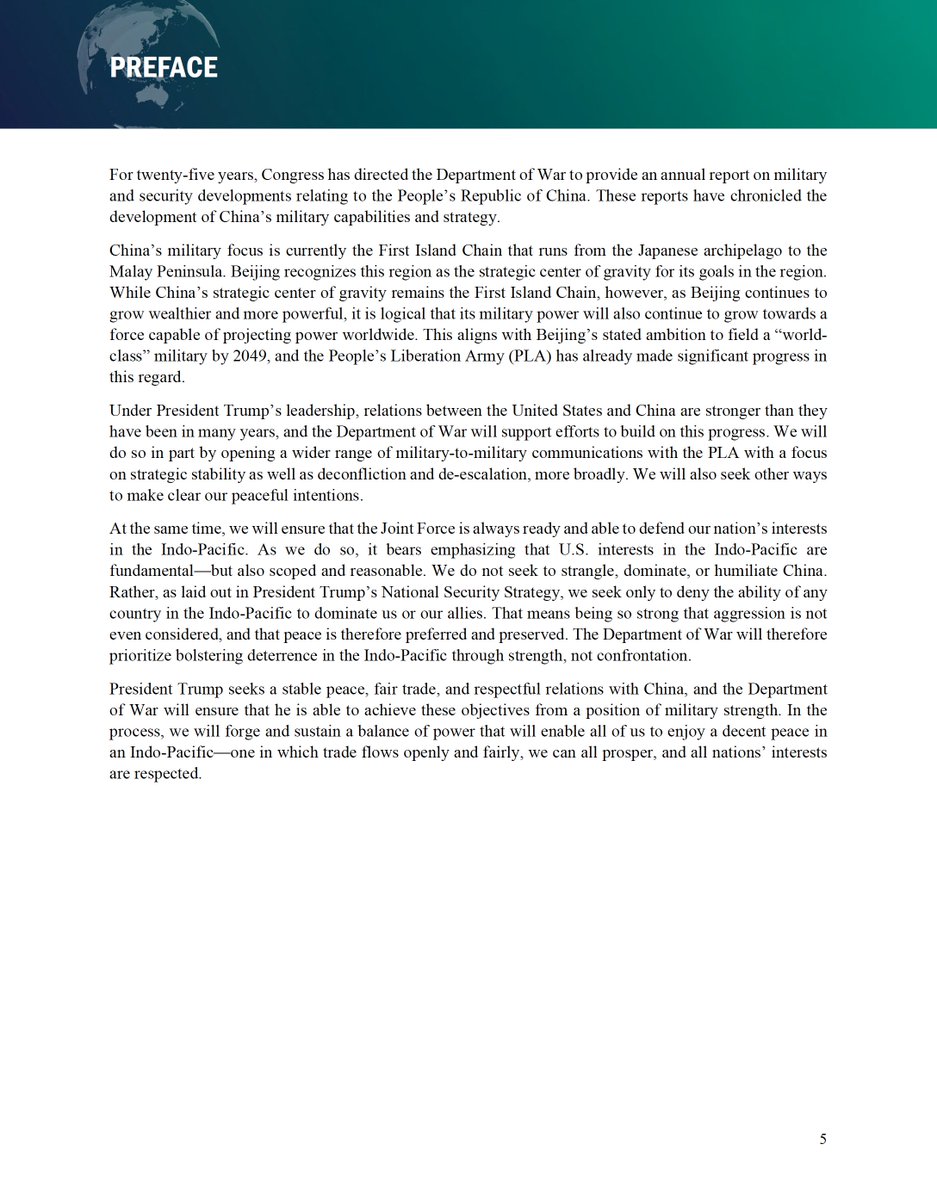
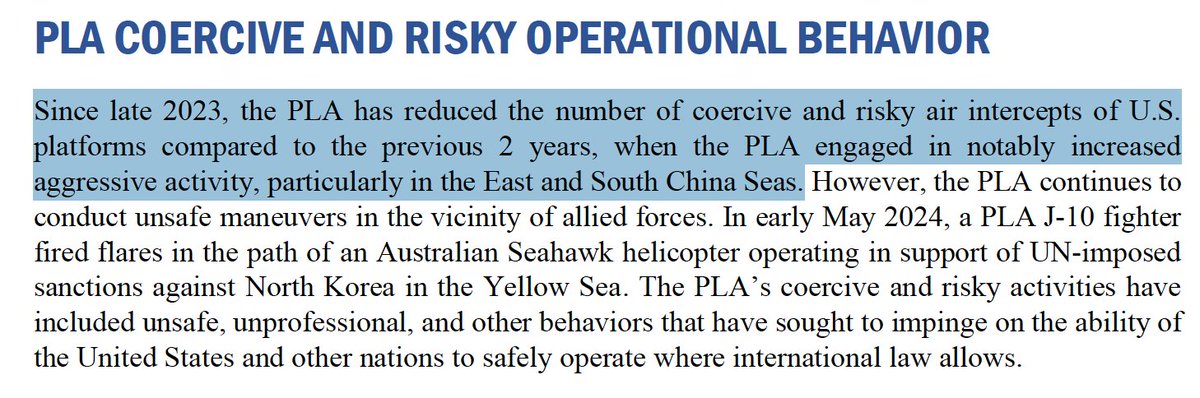
On the good news front, DoD has seen less coercive and risky behavior compared to the previously (though that could of course change any day).
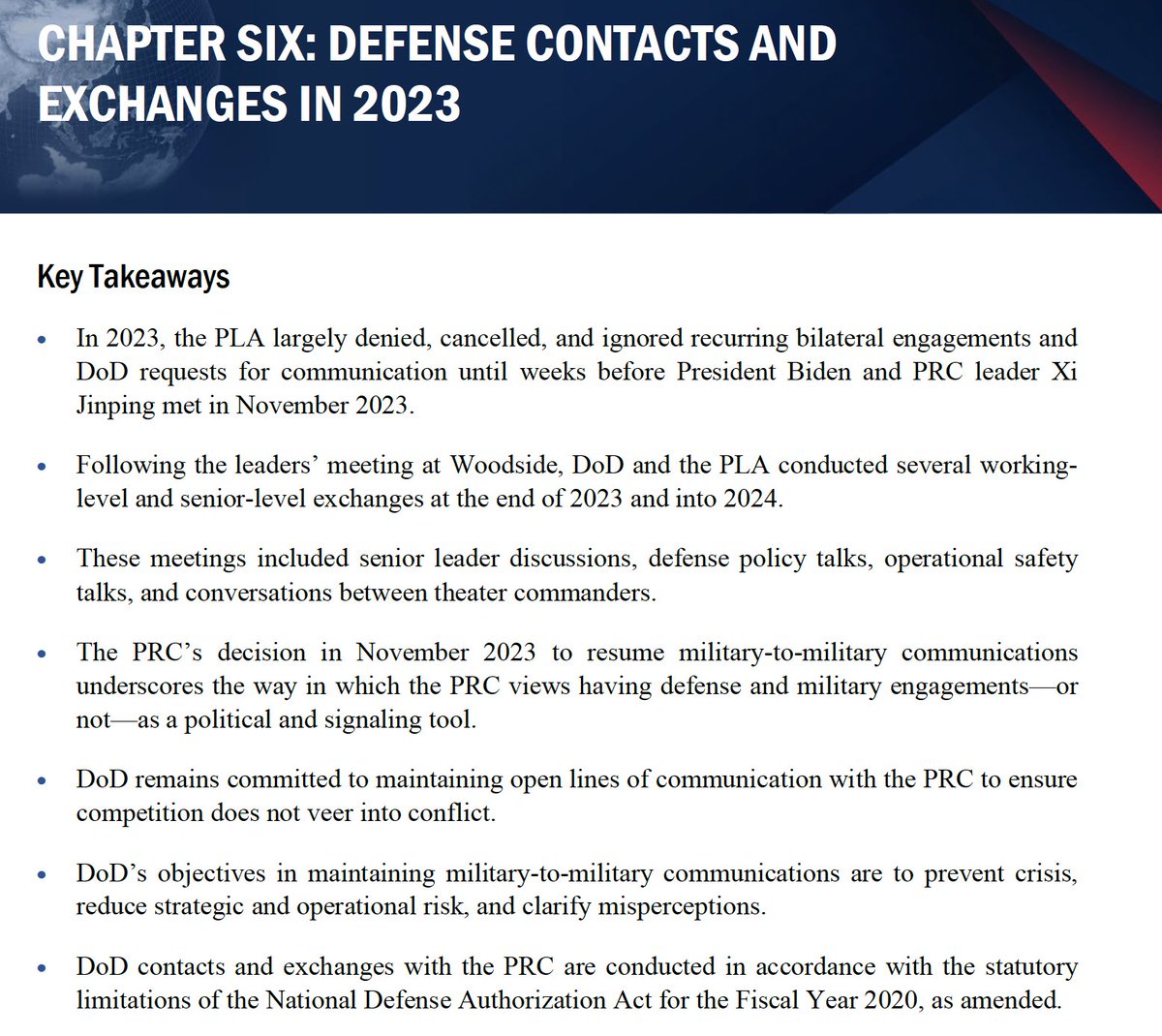
Ditto on recent improvements to US-PRC defense contacts:
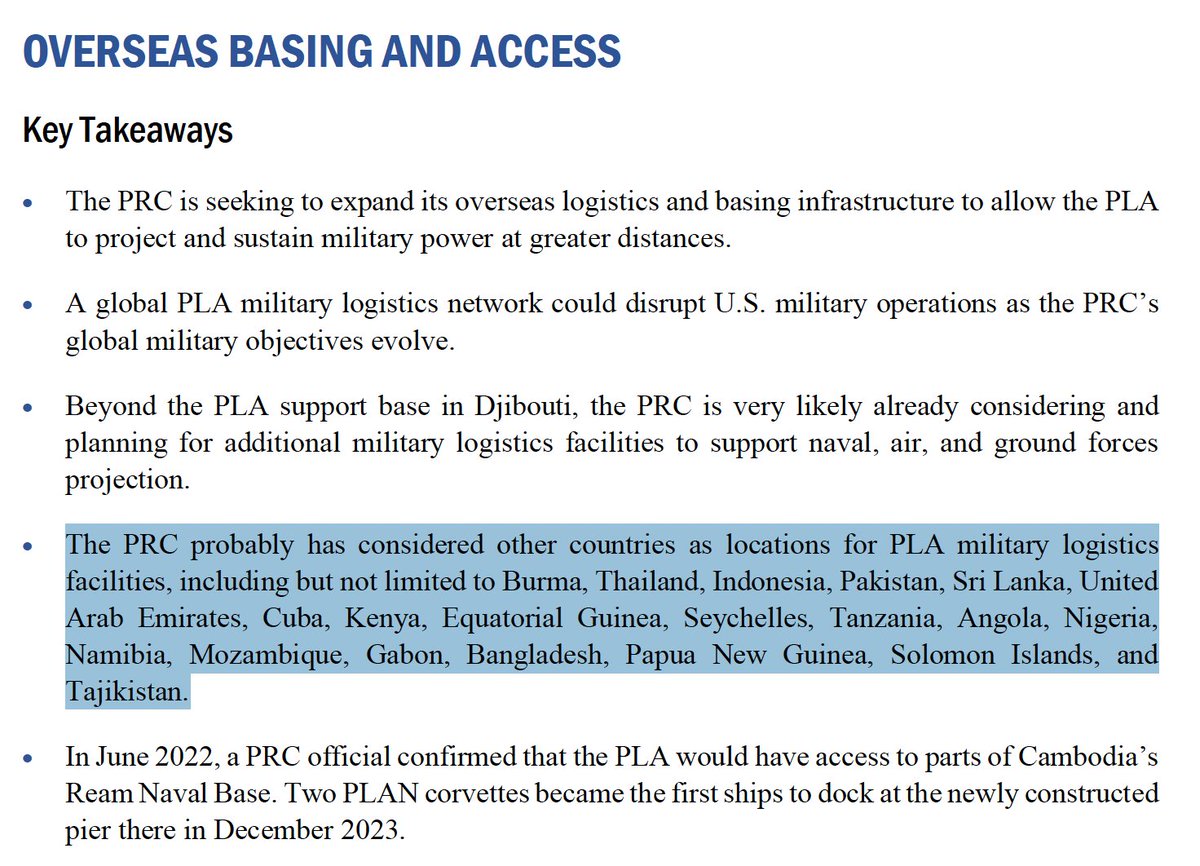
On the list of potential future PLA basing sites, DoD adds Cuba (didn't we have a crisis about that once?) and Gabon.
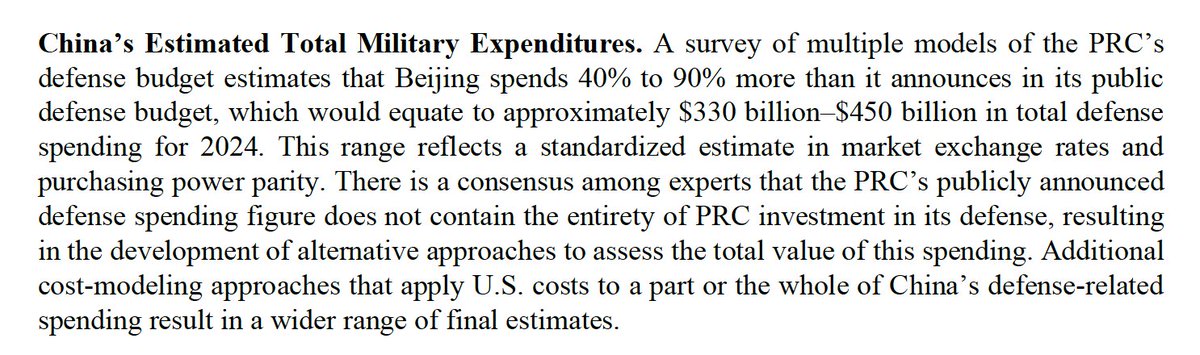
And on the topic of PRC defense spending, DoD now gives a specific estimate of a total budget of $330B-450B, 40-90% more than the official PLA budget.
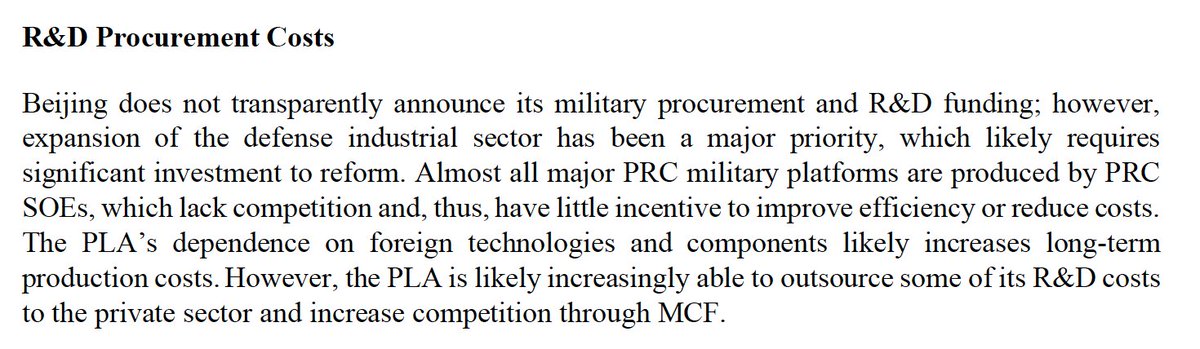
DoD does note that the PRC defense industry is somewhat inefficient and lacks competition, though of course...
...some could say that about others, like a US defense industry that shrank post-Cold War US defense industry that shrank from 51 prime contractors to five. theatlantic.com/politics/archi…
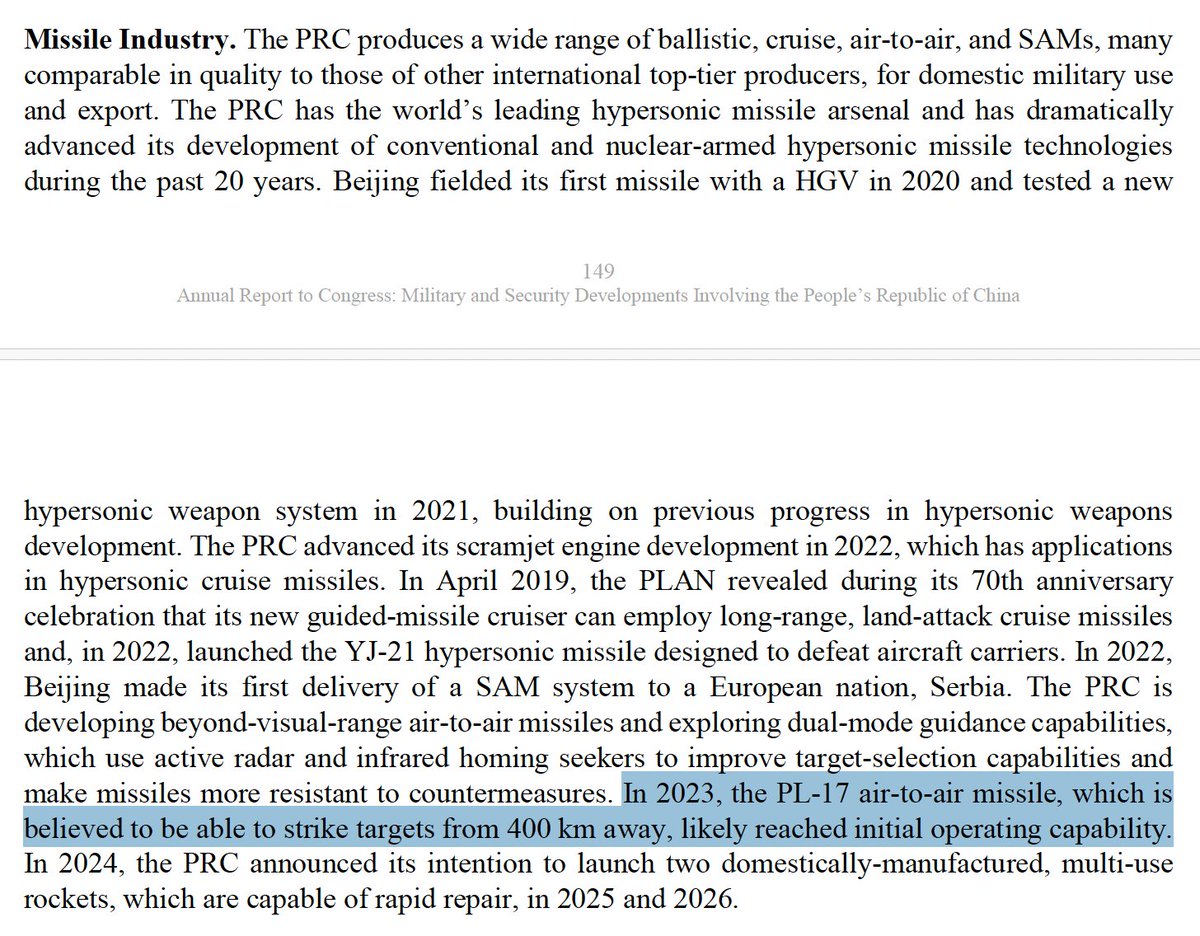
In a discussion of the PLA missile industry, we get a nugget that the PL-16 super-long-range air-to-air missile has entered service, with a range of 400km(!).
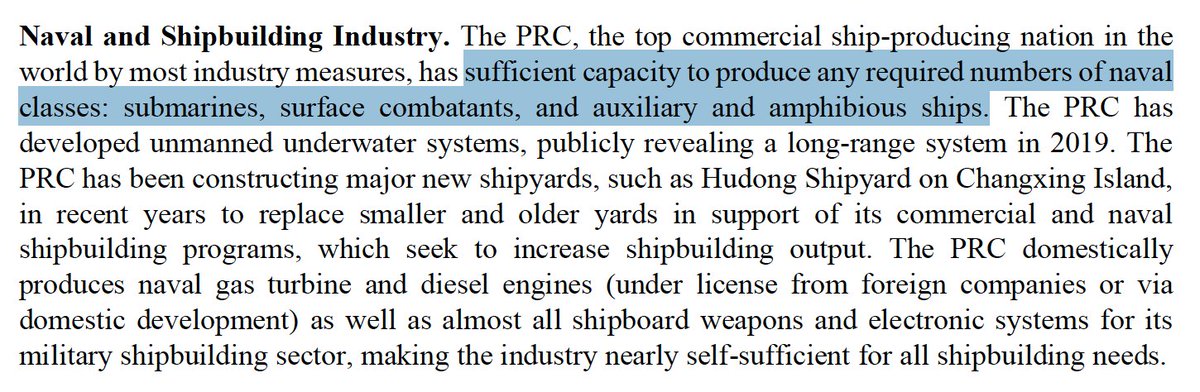
Regarding the PRC shipbuilding industry, DoD says it has sufficient capacity to produce "any required numbers" of warships, auxiliaries, and amphibs.
IMO it's worth remembering the US entered WWII with zero amphibs & did D-Day <3 years later, with a smaller industry than China.
IMO it's worth remembering the US entered WWII with zero amphibs & did D-Day <3 years later, with a smaller industry than China.
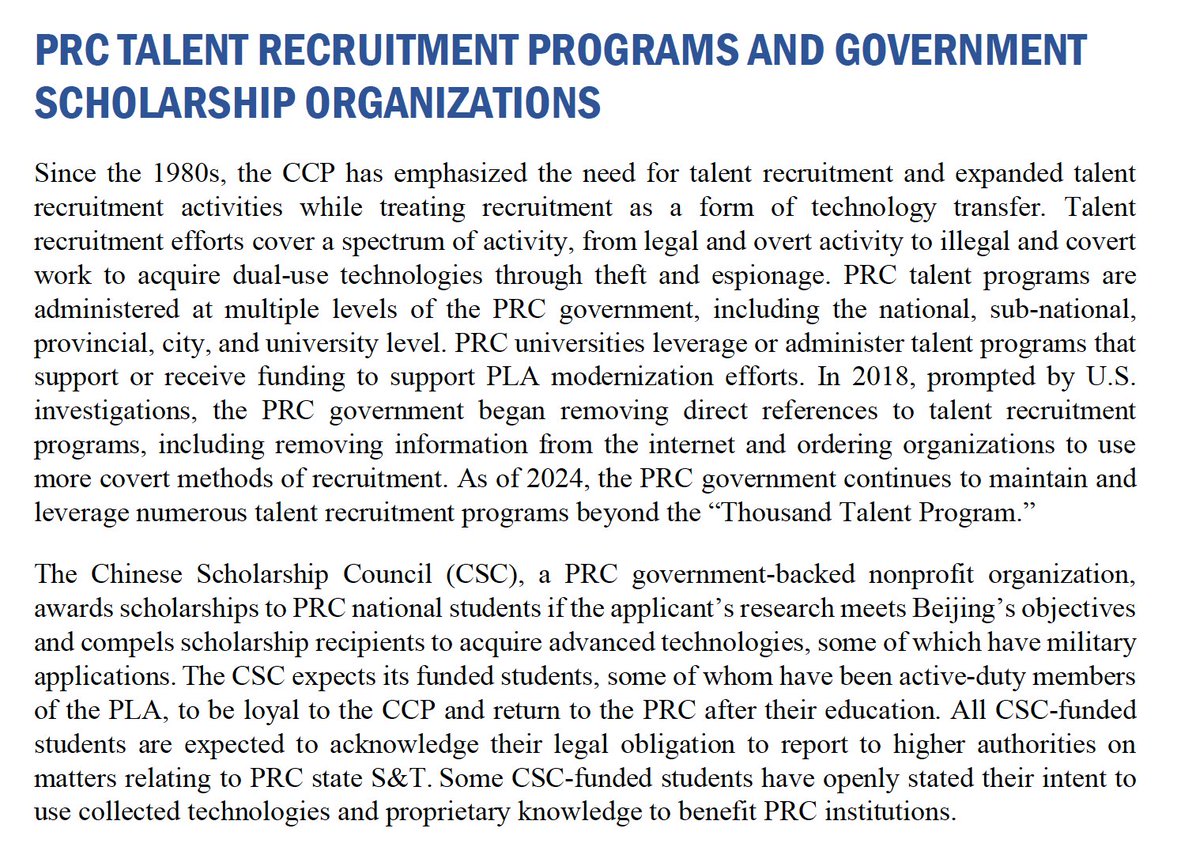
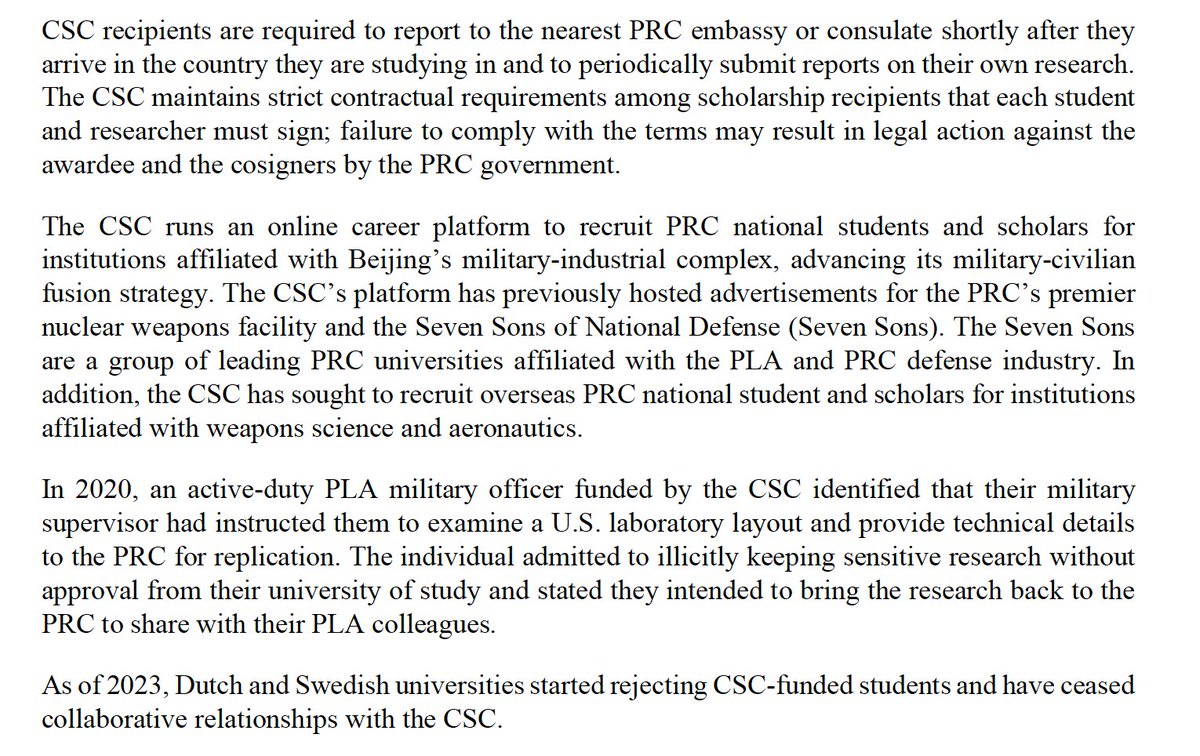
A new section provides details on the PRC's talent recruitment program, which should be a warning to those entities taking on PRC-funded scholarship students.
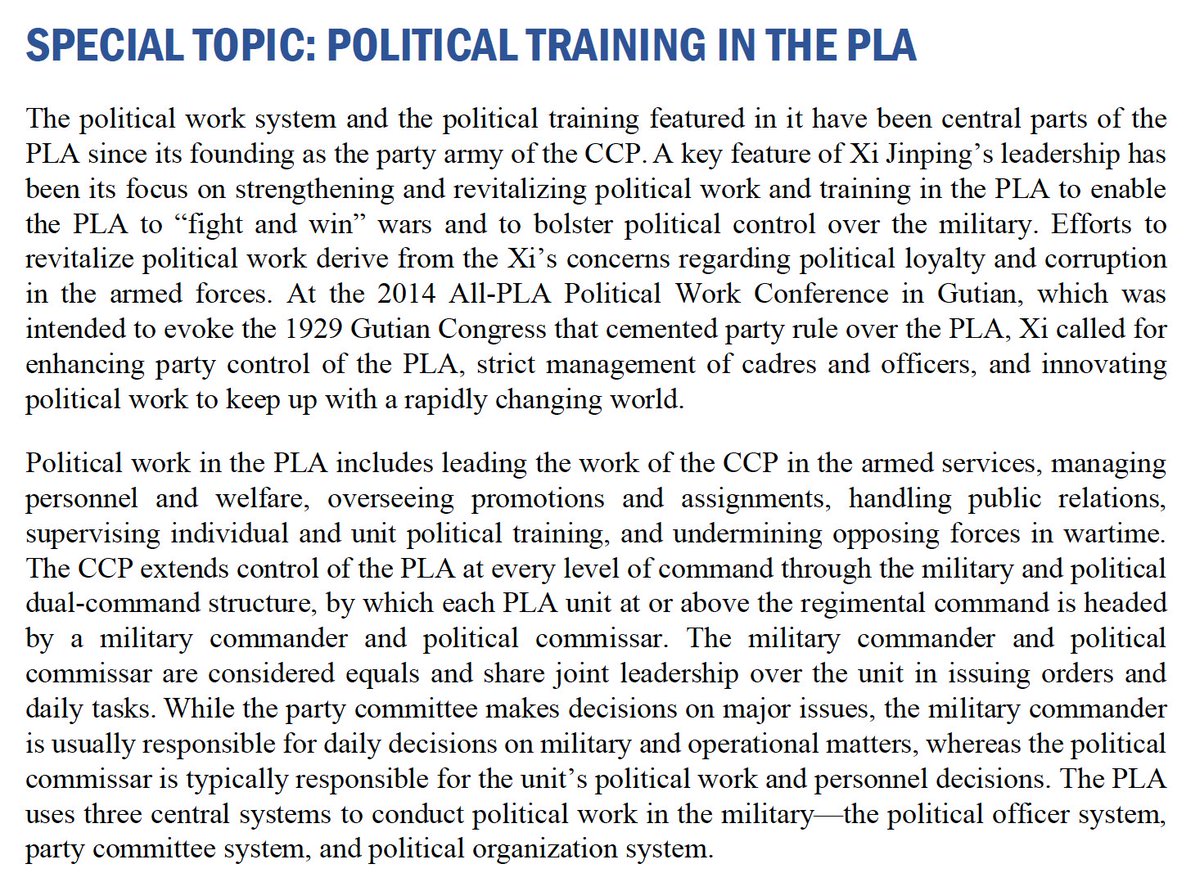
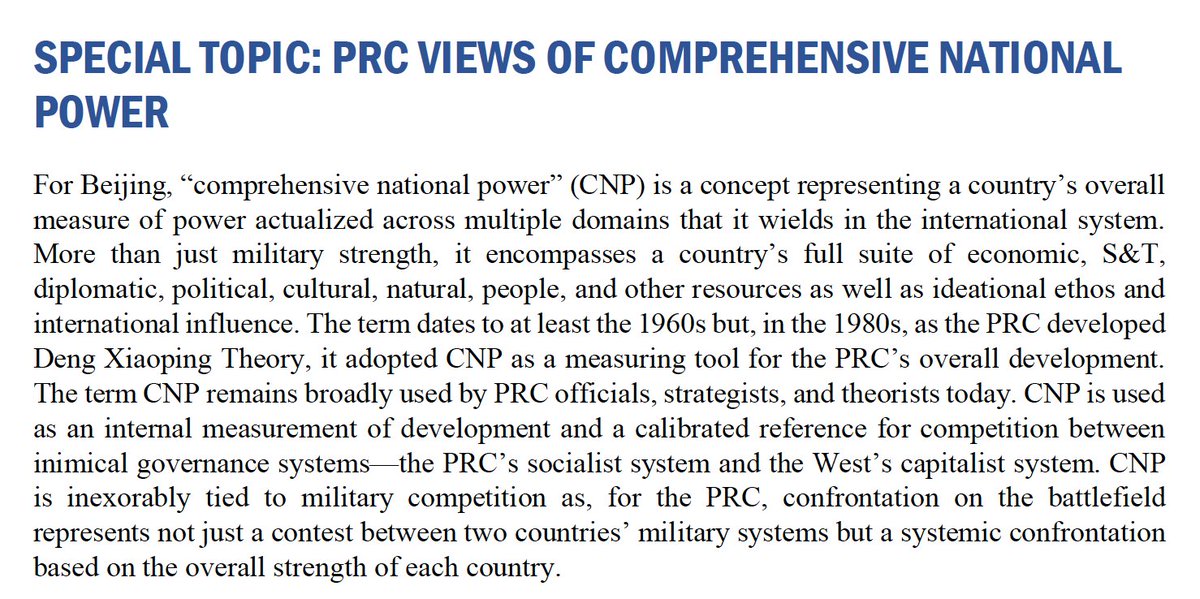
There are also new special topic sections on PLA corruption, political training, and the PRC concept of Comprehensive National Power, all of which are worth looking at (for analysts).

Ok, I think that's enough for now. I hope that folks found this summary useful.
OUT
OUT
• • •
Missing some Tweet in this thread? You can try to
force a refresh