I asked X: "Which book changed your perspective on life more than any other?"
After THOUSANDS of replies, these were the top 50.
The ultimate 2025 reading list… (bookmark this) 🧵
After THOUSANDS of replies, these were the top 50.
The ultimate 2025 reading list… (bookmark this) 🧵

Note: Titles within each section are ordered roughly by how frequently they were suggested.
By FAR the most popular suggestion of all was the Holy Bible — so here are the top theological works...
By FAR the most popular suggestion of all was the Holy Bible — so here are the top theological works...
Theology:
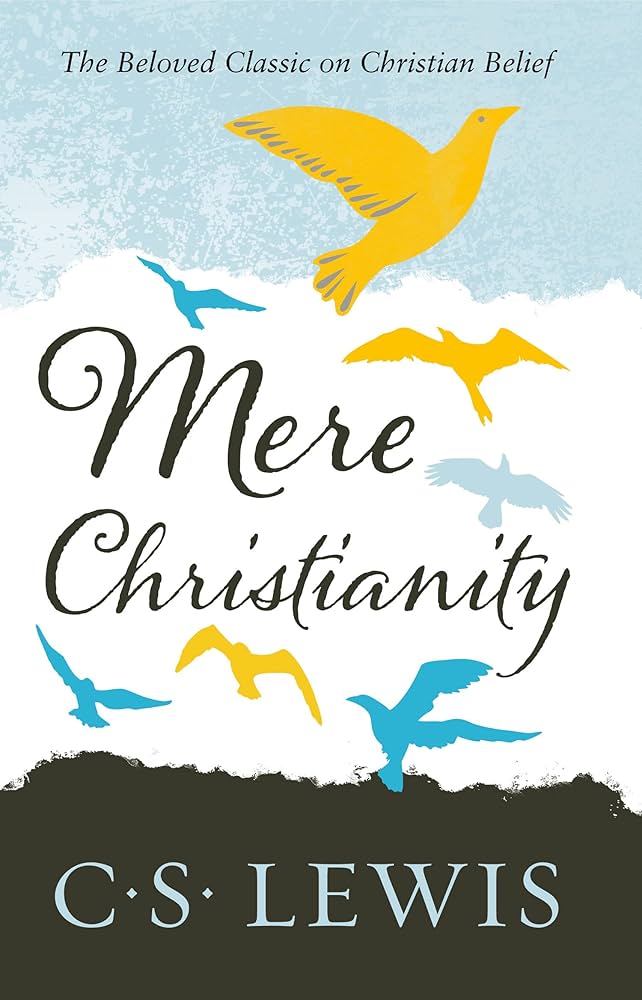
1. Mere Christianity, C.S. Lewis
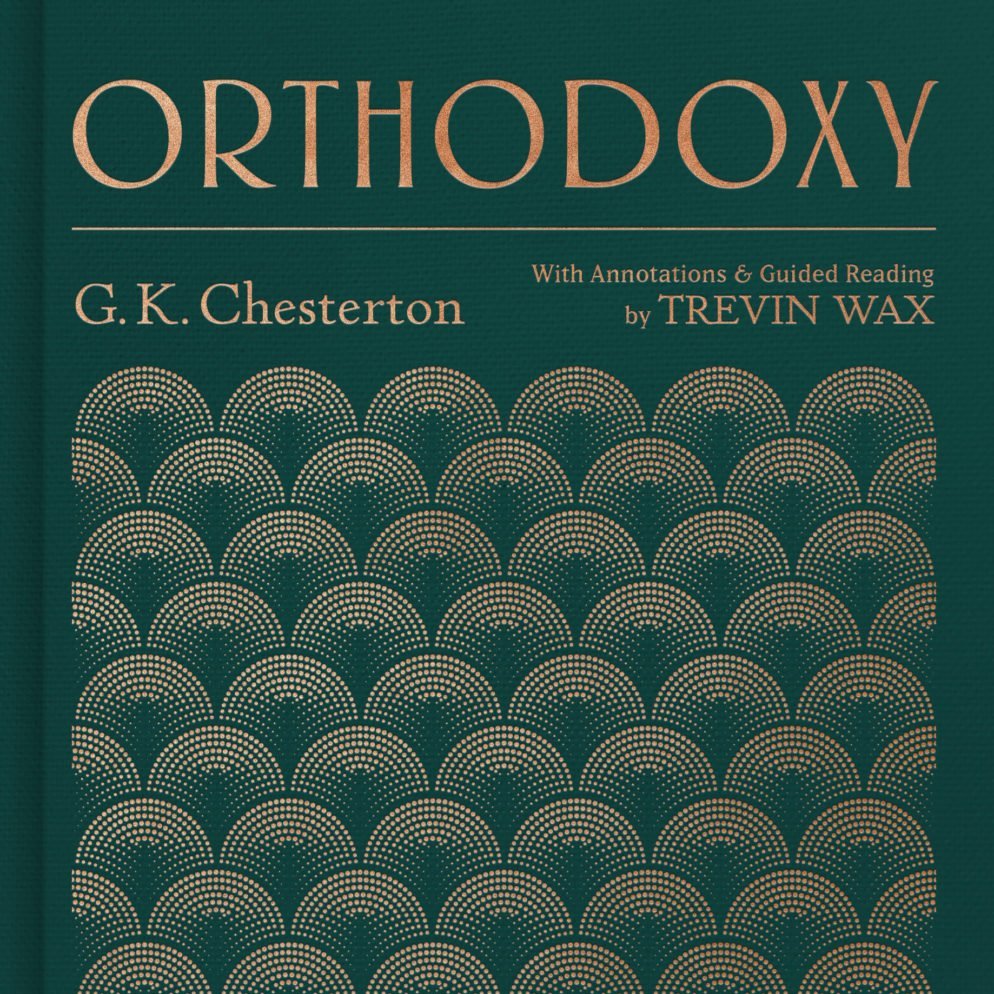
2. Orthodoxy, G.K. Chesterton
3. The City of God, Augustine of Hippo
4. Summa Theologica, Thomas Aquinas
5. Confessions, Augustine of Hippo
1. Mere Christianity, C.S. Lewis
2. Orthodoxy, G.K. Chesterton
3. The City of God, Augustine of Hippo
4. Summa Theologica, Thomas Aquinas
5. Confessions, Augustine of Hippo
Philosophy / Political Theory (Part 1):
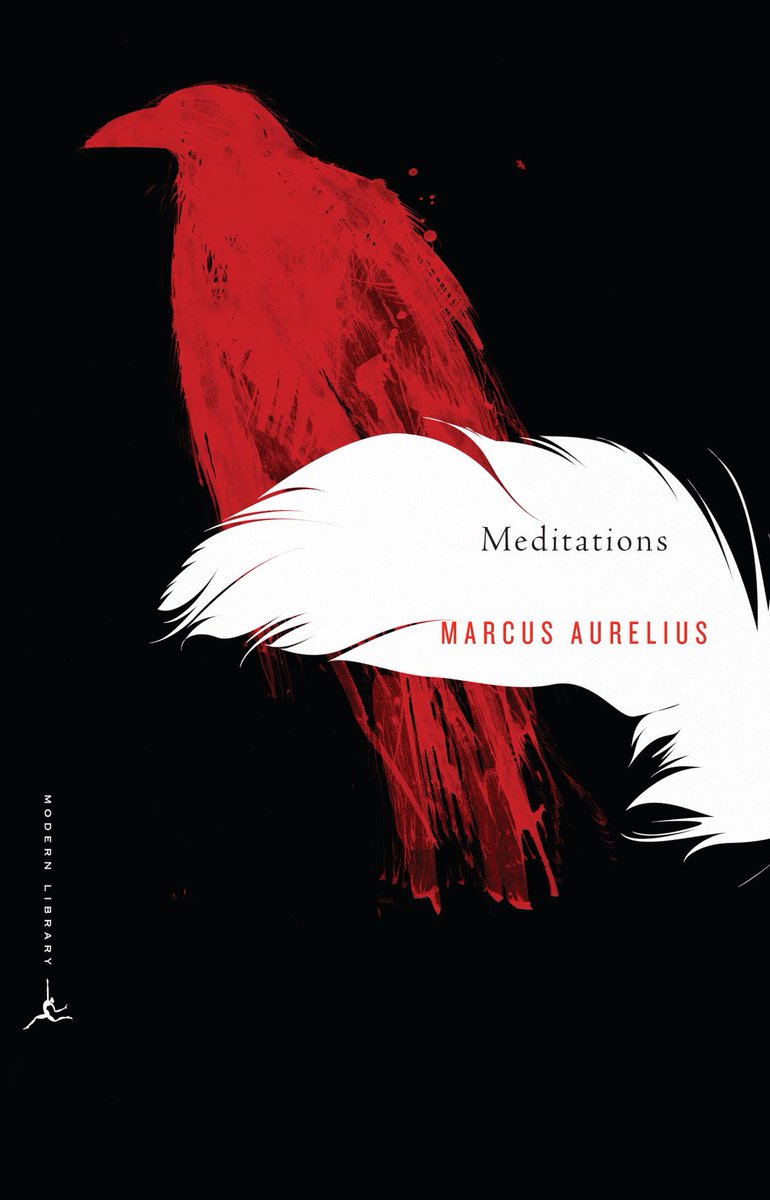
6. Meditations, Marcus Aurelius
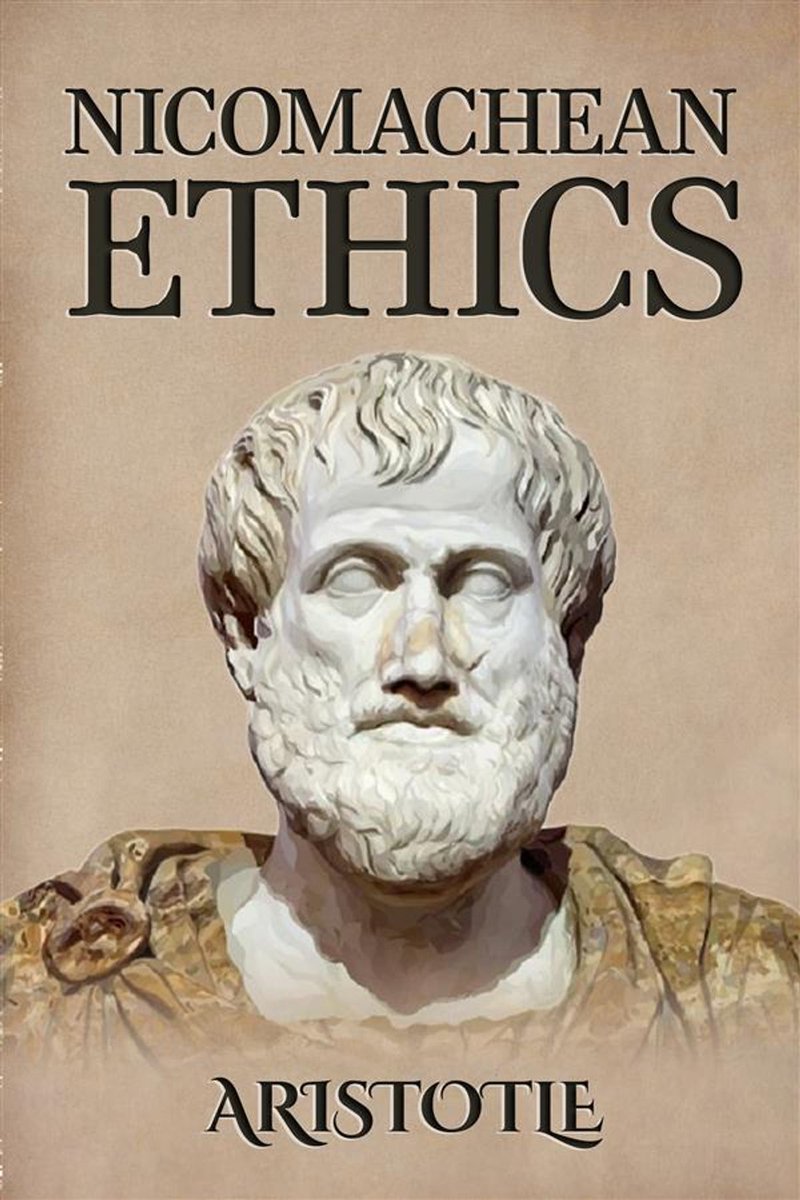
7. Nicomachean Ethics, Aristotle
8. Letters from a Stoic, Seneca
9. The Republic, Plato
10. Tao Te Ching, Laozi
6. Meditations, Marcus Aurelius
7. Nicomachean Ethics, Aristotle
8. Letters from a Stoic, Seneca
9. The Republic, Plato
10. Tao Te Ching, Laozi
Philosophy / Political Theory (Part 2):
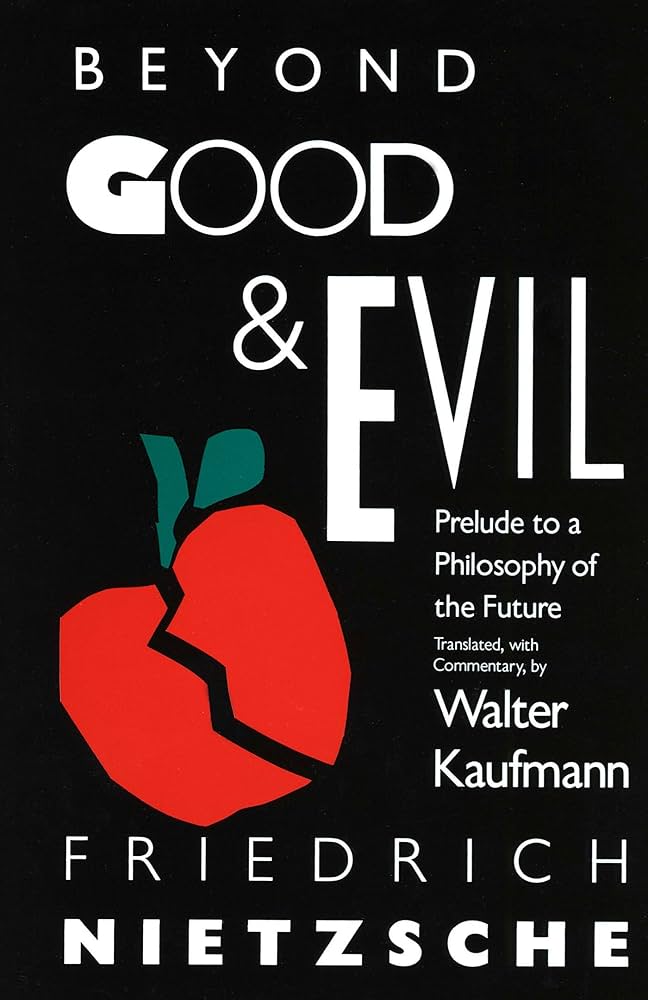
11. Beyond Good and Evil, Friedrich Nietzsche
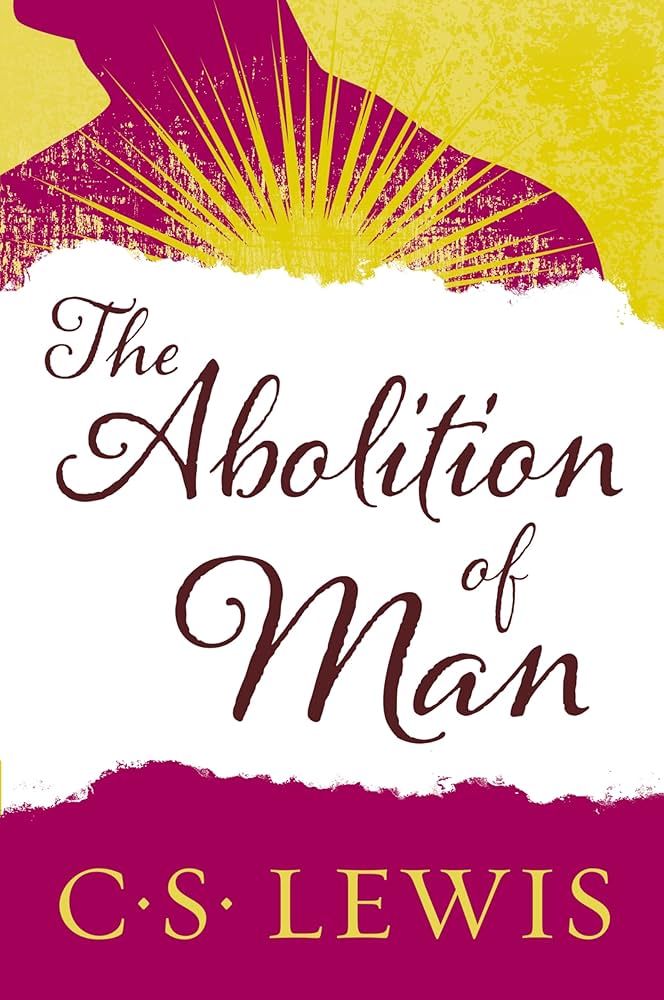
12. The Abolition of Man, C.S. Lewis
13. The Prince, Niccolò Machiavelli
14. The Federalist Papers, Hamilton / Madison / Jay
15. The Symposium, Plato
11. Beyond Good and Evil, Friedrich Nietzsche
12. The Abolition of Man, C.S. Lewis
13. The Prince, Niccolò Machiavelli
14. The Federalist Papers, Hamilton / Madison / Jay
15. The Symposium, Plato
Psychology / Self Improvement:
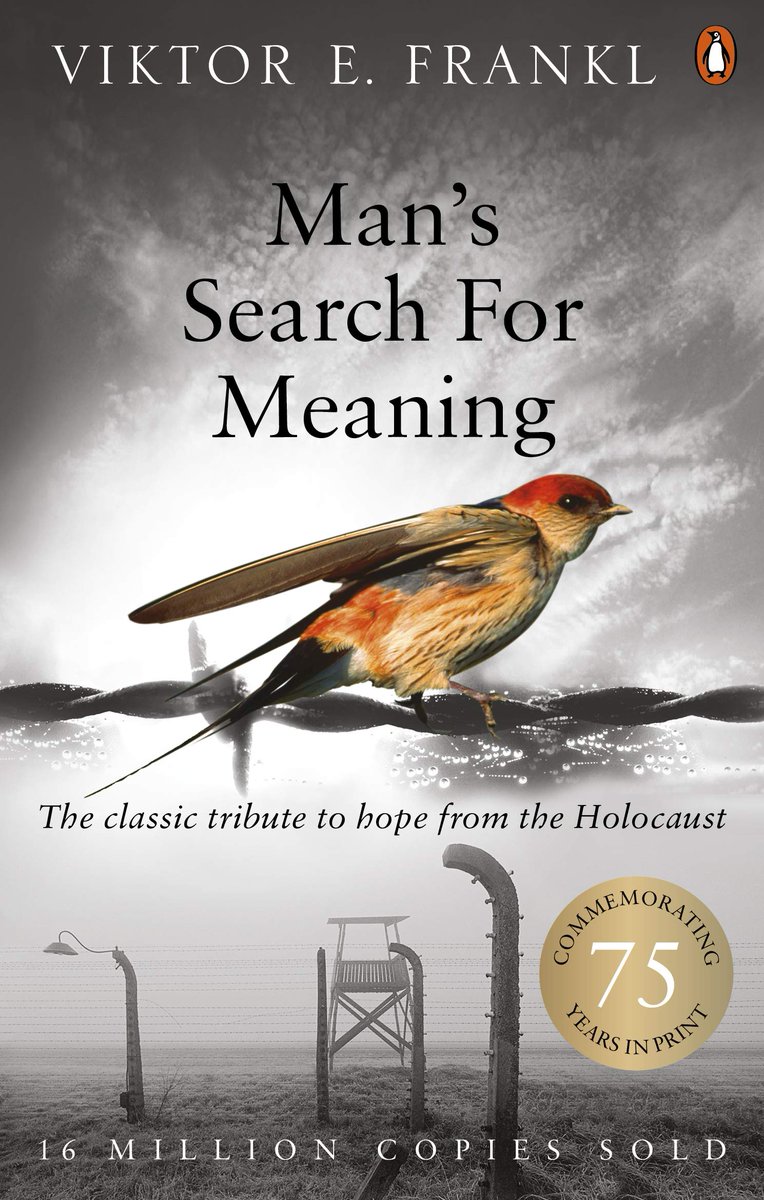
16. Man's Search for Meaning, Viktor Frankl
17. The 48 Laws of Power, Robert Greene
18. The Road Less Traveled, M. Scott Peck
19. How to Win Friends and Influence People, Dale Carnegie
20. The 7 Habits of Highly Effective People, Stephen Covey
16. Man's Search for Meaning, Viktor Frankl
17. The 48 Laws of Power, Robert Greene
18. The Road Less Traveled, M. Scott Peck
19. How to Win Friends and Influence People, Dale Carnegie
20. The 7 Habits of Highly Effective People, Stephen Covey

Economics / Personal Finance:
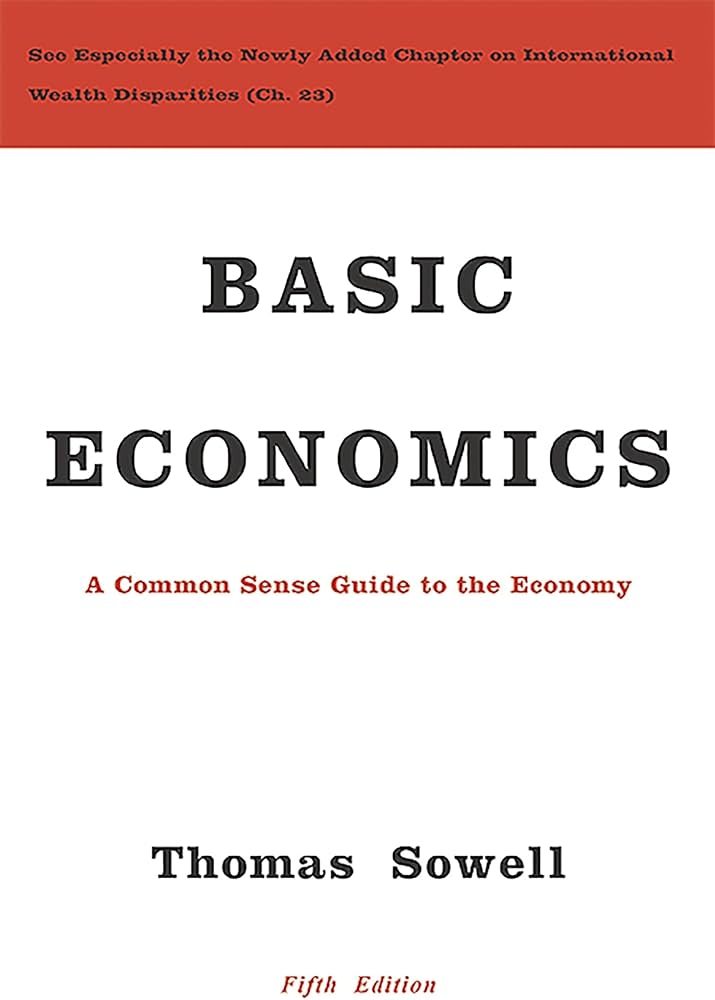
21. Basic Economics, Thomas Sowell
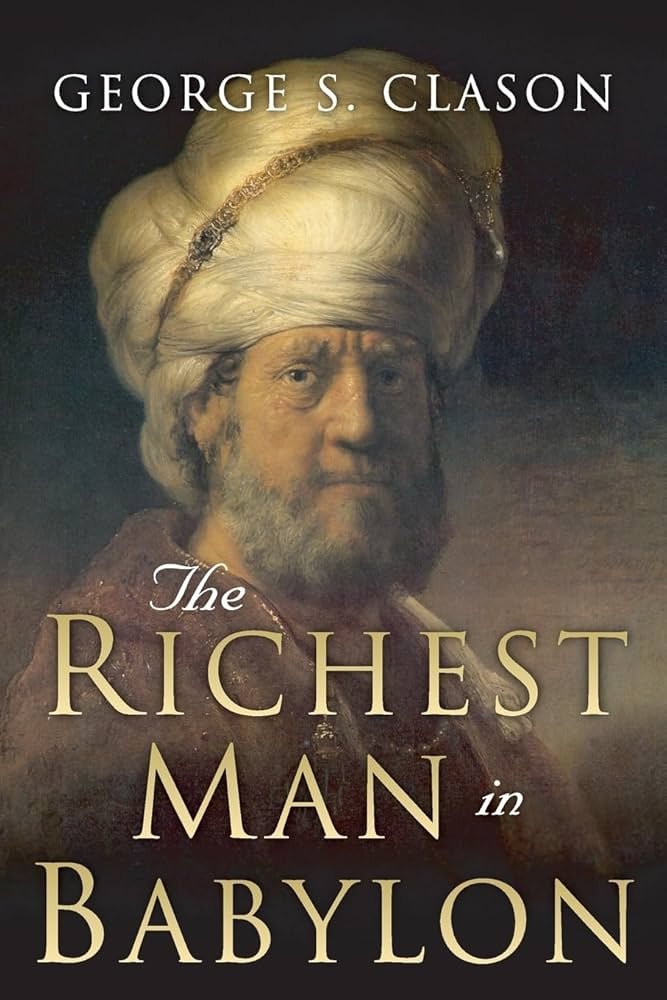
22. The Richest Man in Babylon, George S. Clason
23. The Creature from Jekyll Island, G. Edward Griffin
24. Rich Dad Poor Dad, Robert Kiyosaki
25. Think and Grow Rich, Napoleon Hill
21. Basic Economics, Thomas Sowell
22. The Richest Man in Babylon, George S. Clason
23. The Creature from Jekyll Island, G. Edward Griffin
24. Rich Dad Poor Dad, Robert Kiyosaki
25. Think and Grow Rich, Napoleon Hill
Fiction (Part 1):
Dostoevsky, Orwell and Rand dominated suggestions. The most common as follows...
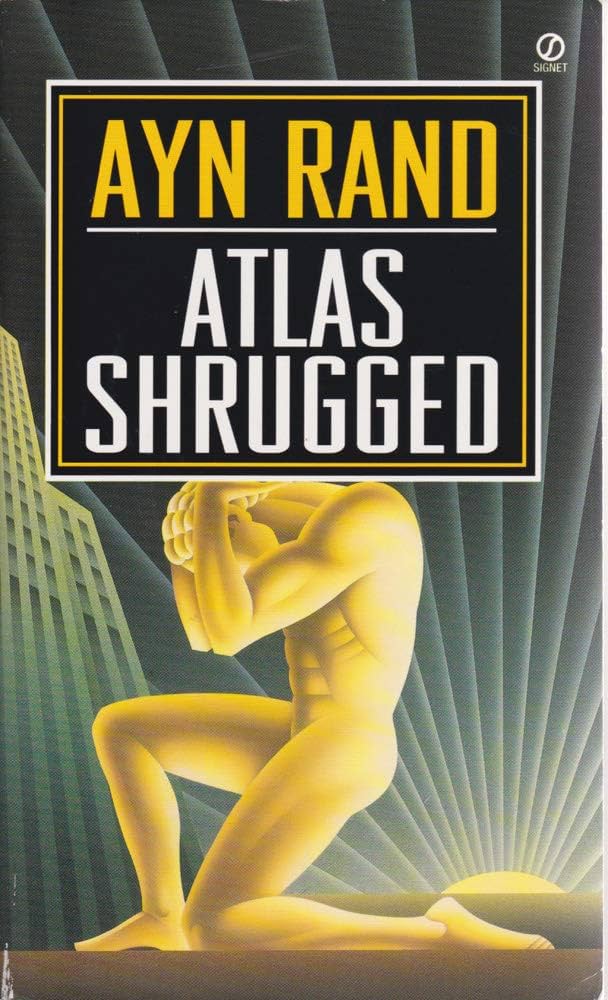
26. Atlas Shrugged, Ayn Rand
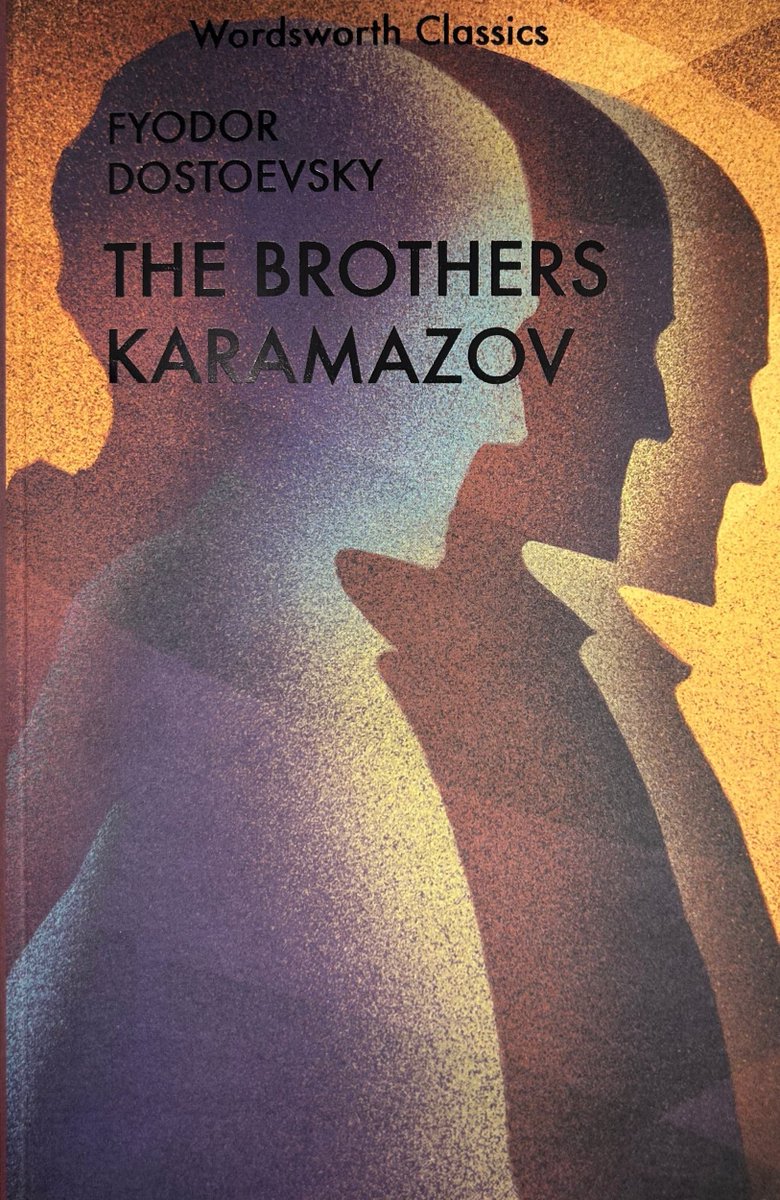
27. The Brothers Karamazov, Fyodor Dostoevsky
28. 1984, George Orwell
29. Demons, Fyodor Dostoevsky
30. To Kill a Mockingbird, Harper Lee
Dostoevsky, Orwell and Rand dominated suggestions. The most common as follows...
26. Atlas Shrugged, Ayn Rand
27. The Brothers Karamazov, Fyodor Dostoevsky
28. 1984, George Orwell
29. Demons, Fyodor Dostoevsky
30. To Kill a Mockingbird, Harper Lee
Fiction (Part 2):
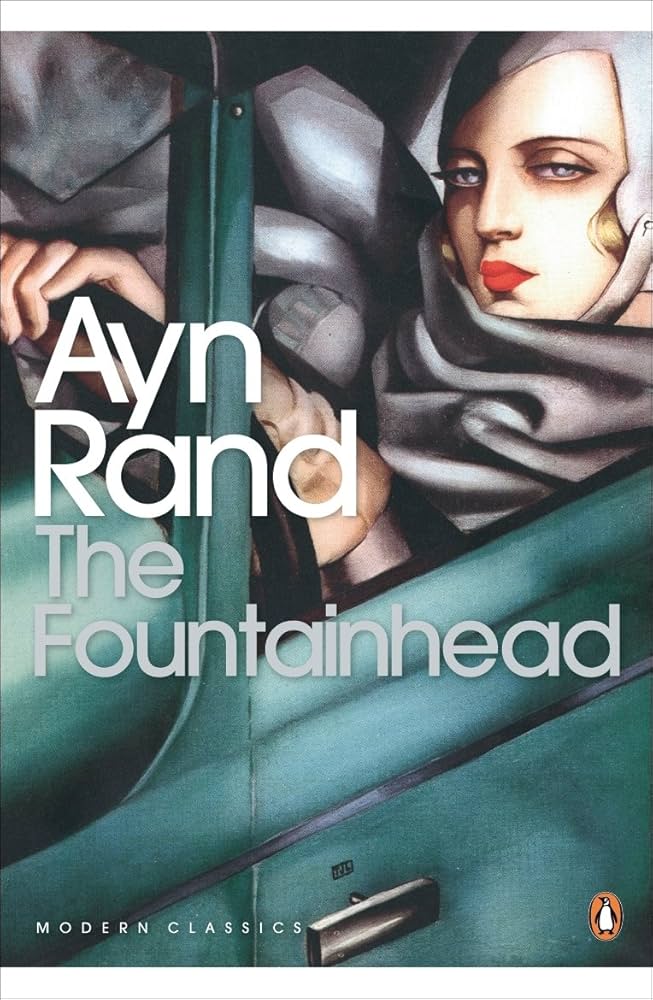
31. The Fountainhead, Ayn Rand
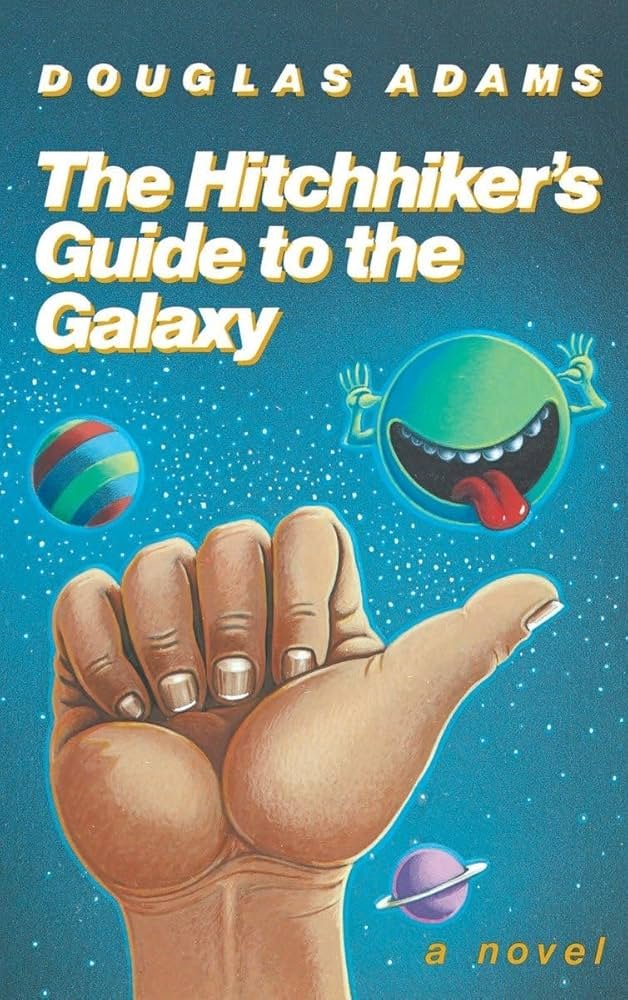
32. The Hitchhiker's Guide to the Galaxy, Douglas Adams
33. Animal Farm, George Orwell
34. On the Road, Jack Kerouac
35. Crime and Punishment, Fyodor Dostoevsky
36. The Alchemist, Paulo Coelho
31. The Fountainhead, Ayn Rand
32. The Hitchhiker's Guide to the Galaxy, Douglas Adams
33. Animal Farm, George Orwell
34. On the Road, Jack Kerouac
35. Crime and Punishment, Fyodor Dostoevsky
36. The Alchemist, Paulo Coelho
Fiction (Part 3):
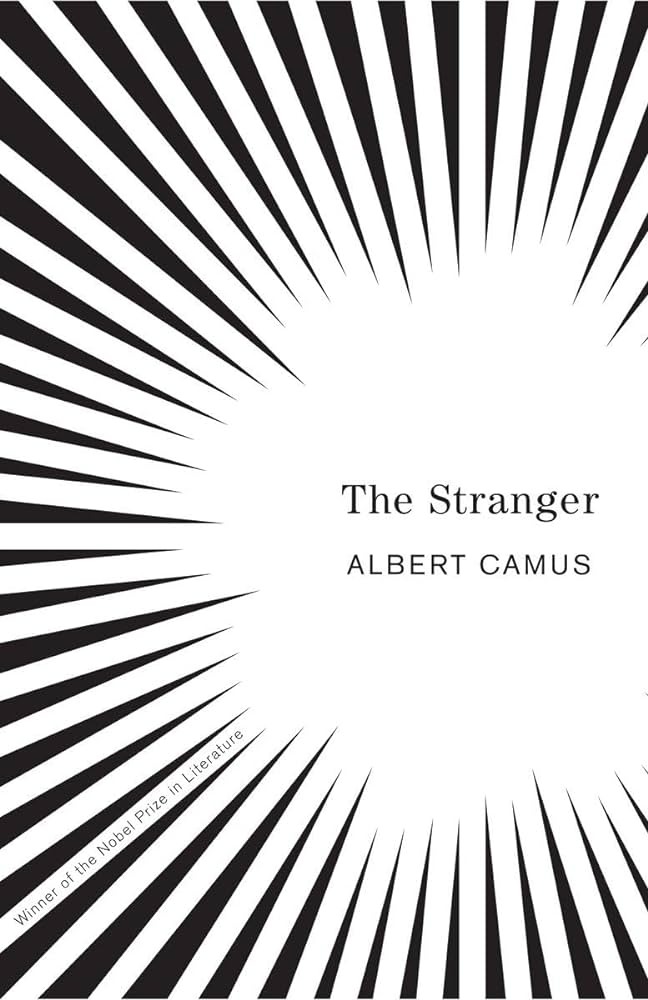
37. The Stranger, Albert Camus
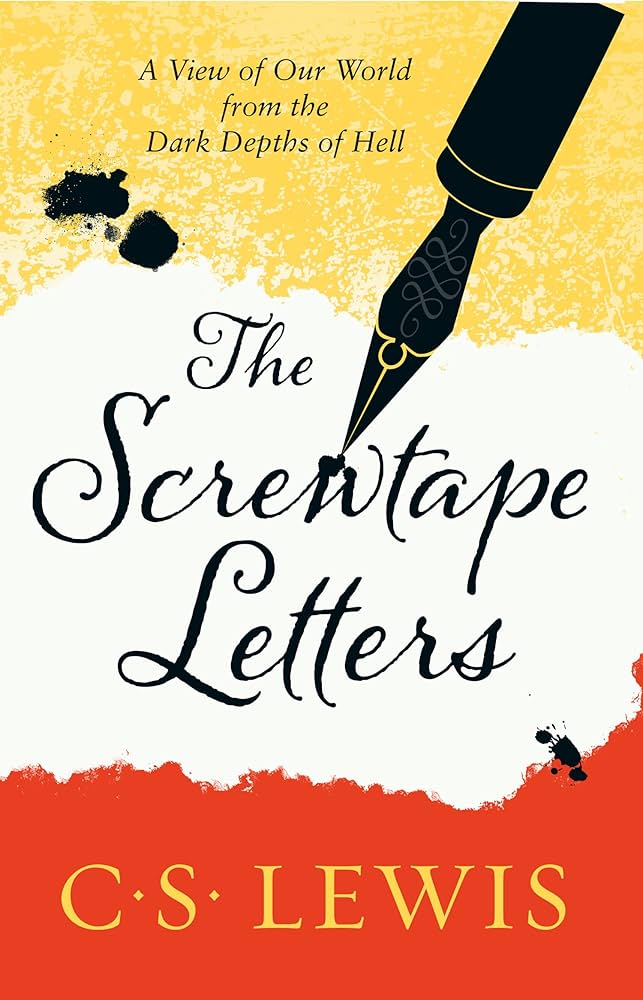
38. The Screwtape Letters, C.S. Lewis
39. The Lord of the Rings, J.R.R. Tolkien
40. Dune, Frank Herbert
41. The Old Man and the Sea, Ernest Hemingway
42. Brave New World, Aldous Huxley
37. The Stranger, Albert Camus
38. The Screwtape Letters, C.S. Lewis
39. The Lord of the Rings, J.R.R. Tolkien
40. Dune, Frank Herbert
41. The Old Man and the Sea, Ernest Hemingway
42. Brave New World, Aldous Huxley
Classical / Medieval Poetry:
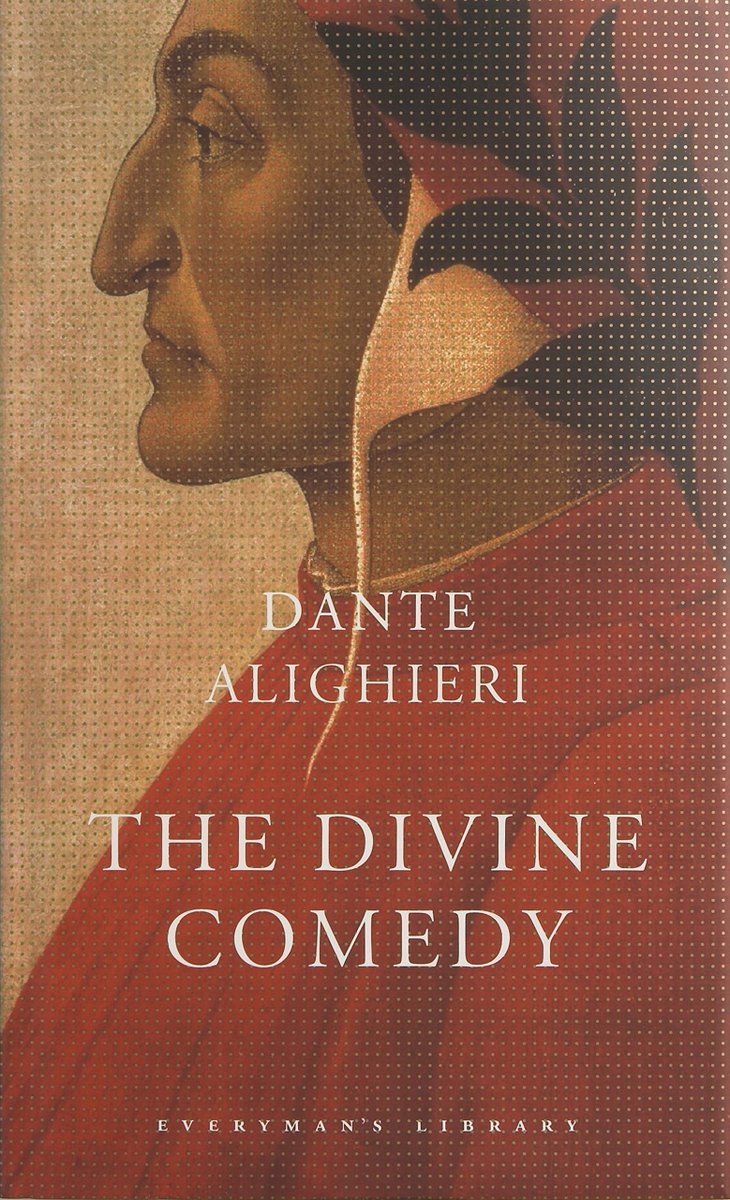
43. The Divine Comedy, Dante Alighieri
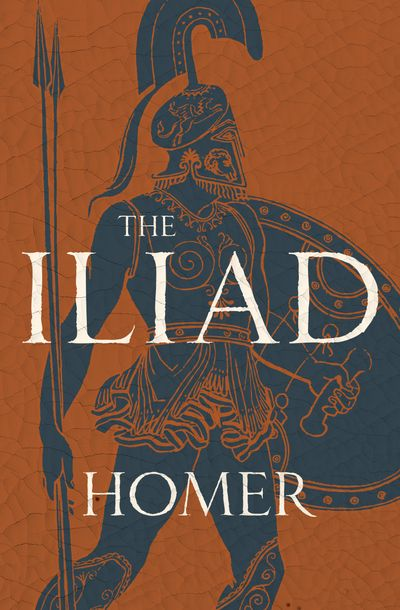
44. The Iliad, Homer
45. The Odyssey, Homer
46. Metamorphoses, Ovid
43. The Divine Comedy, Dante Alighieri
44. The Iliad, Homer
45. The Odyssey, Homer
46. Metamorphoses, Ovid
History & Other Non-Fiction:
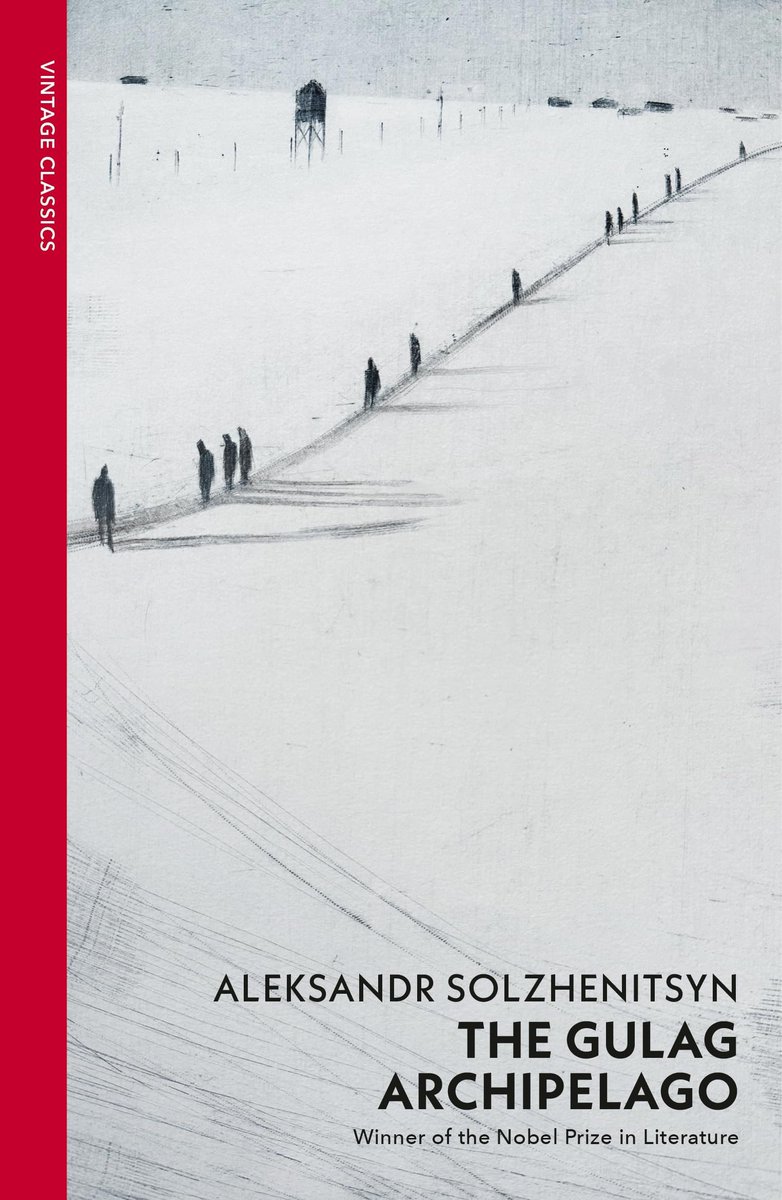
47. The Gulag Archipelago, Aleksandr Solzhenitsyn
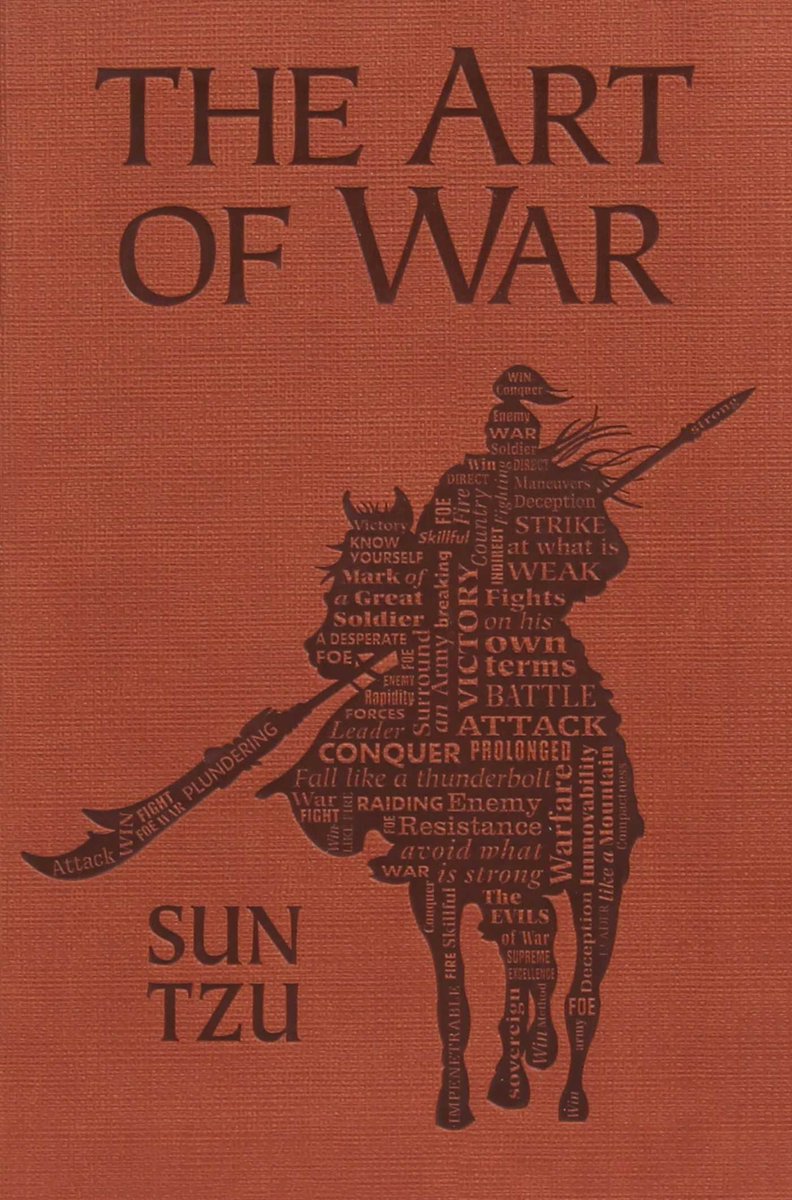
48. The Art of War, Sun Tzu
49. Histories, Herodotus
50. The Decline of the West, Oswald Spengler
47. The Gulag Archipelago, Aleksandr Solzhenitsyn
48. The Art of War, Sun Tzu
49. Histories, Herodotus
50. The Decline of the West, Oswald Spengler
We break down history's greatest books in our free newsletter.
Tomorrow we discuss Paradise Lost — and the even richer, darker Italian poem that inspired it...
100,000+ people read our newsletter every week!
culture-critic.com/welcome
Tomorrow we discuss Paradise Lost — and the even richer, darker Italian poem that inspired it...
100,000+ people read our newsletter every week!
culture-critic.com/welcome
• • •
Missing some Tweet in this thread? You can try to
force a refresh