How was writing invented? And why?
Here’s the story of how the growing trade networks and complex administration of the earliest civilization evolved into the world’s first writing system. 🧵 1/13
#Sumerian #cuneiform #Babylonian #Mesopotamia #counting #numbers #numerals #archaeology #trade #history #linguistics #writing #language
Here’s the story of how the growing trade networks and complex administration of the earliest civilization evolved into the world’s first writing system. 🧵 1/13
#Sumerian #cuneiform #Babylonian #Mesopotamia #counting #numbers #numerals #archaeology #trade #history #linguistics #writing #language
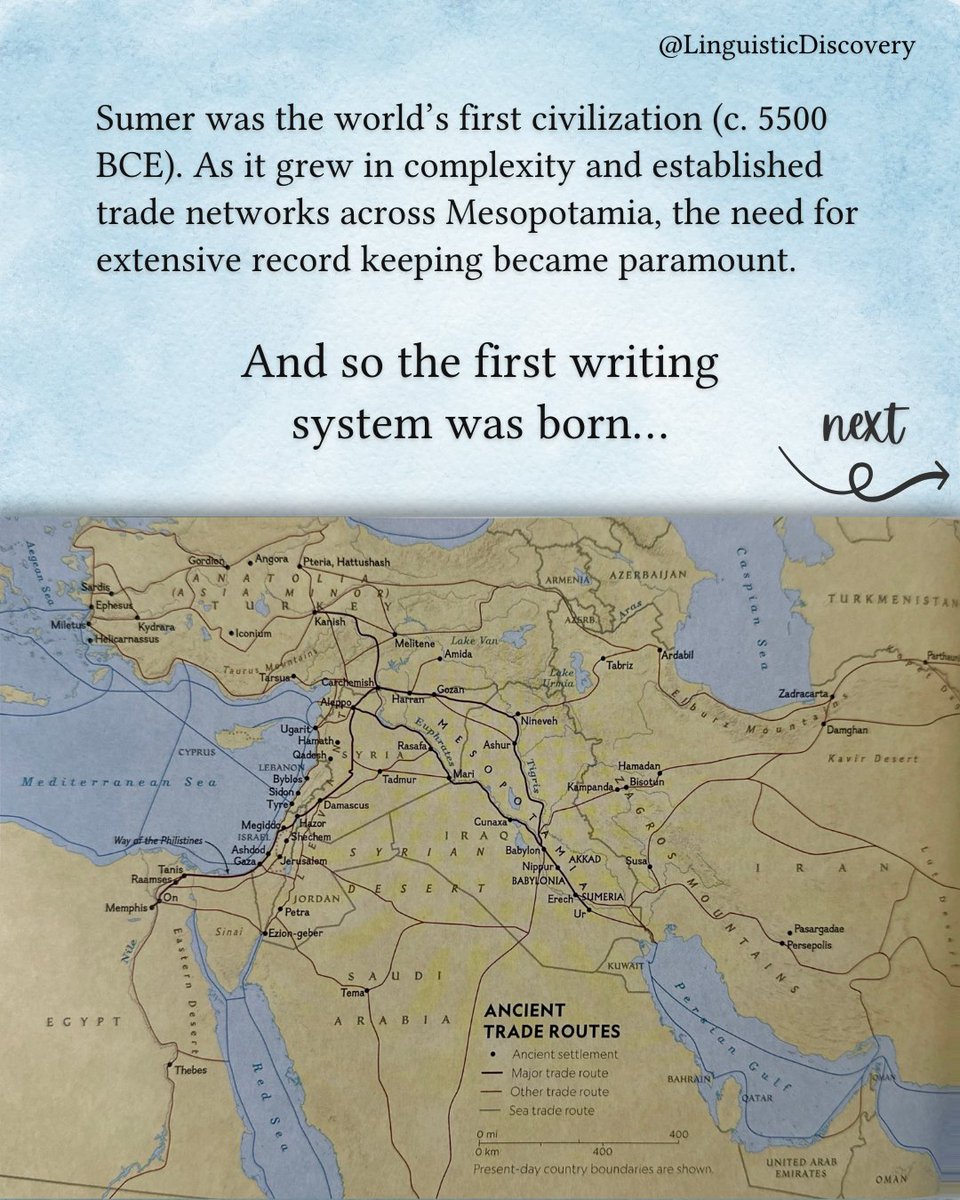
2/13
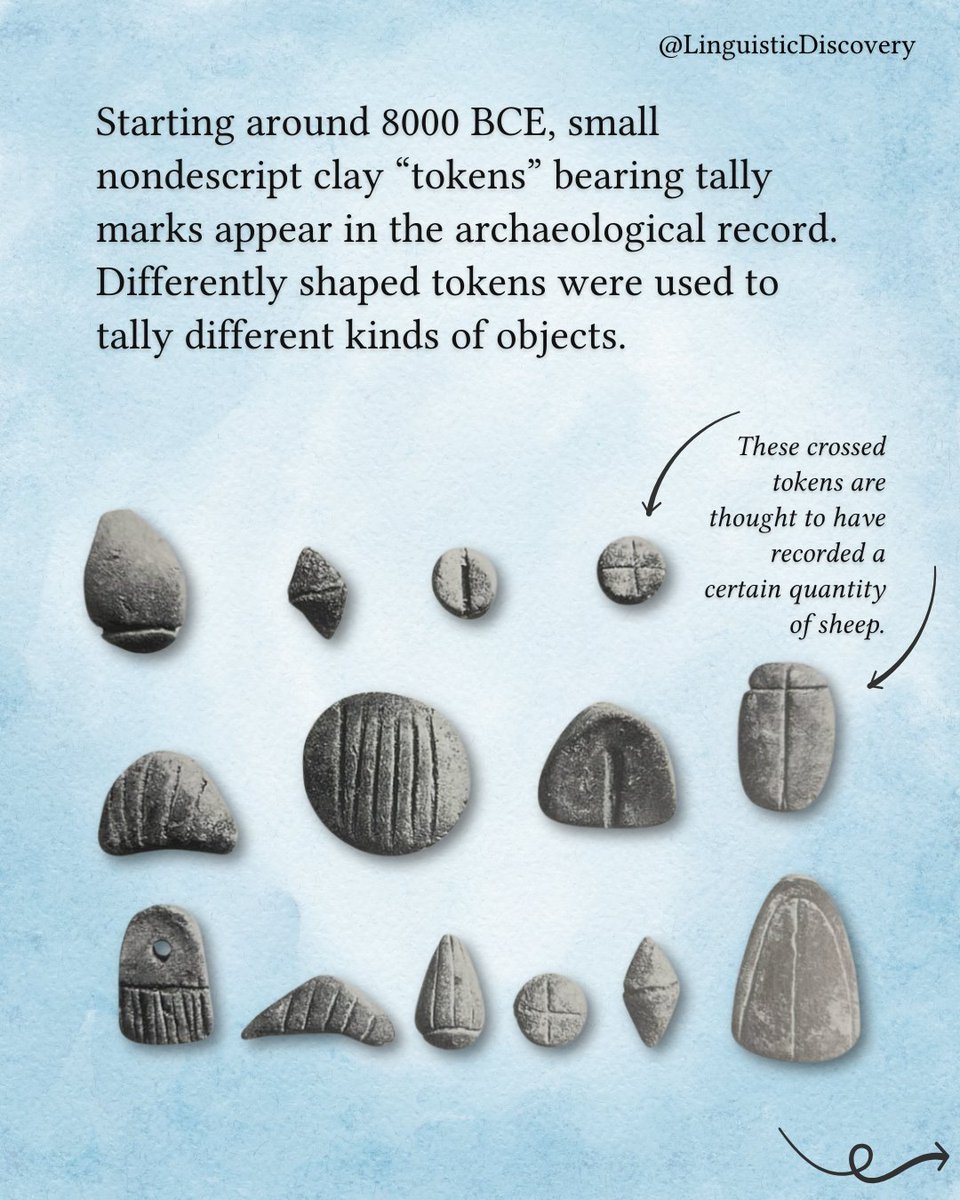
3/13
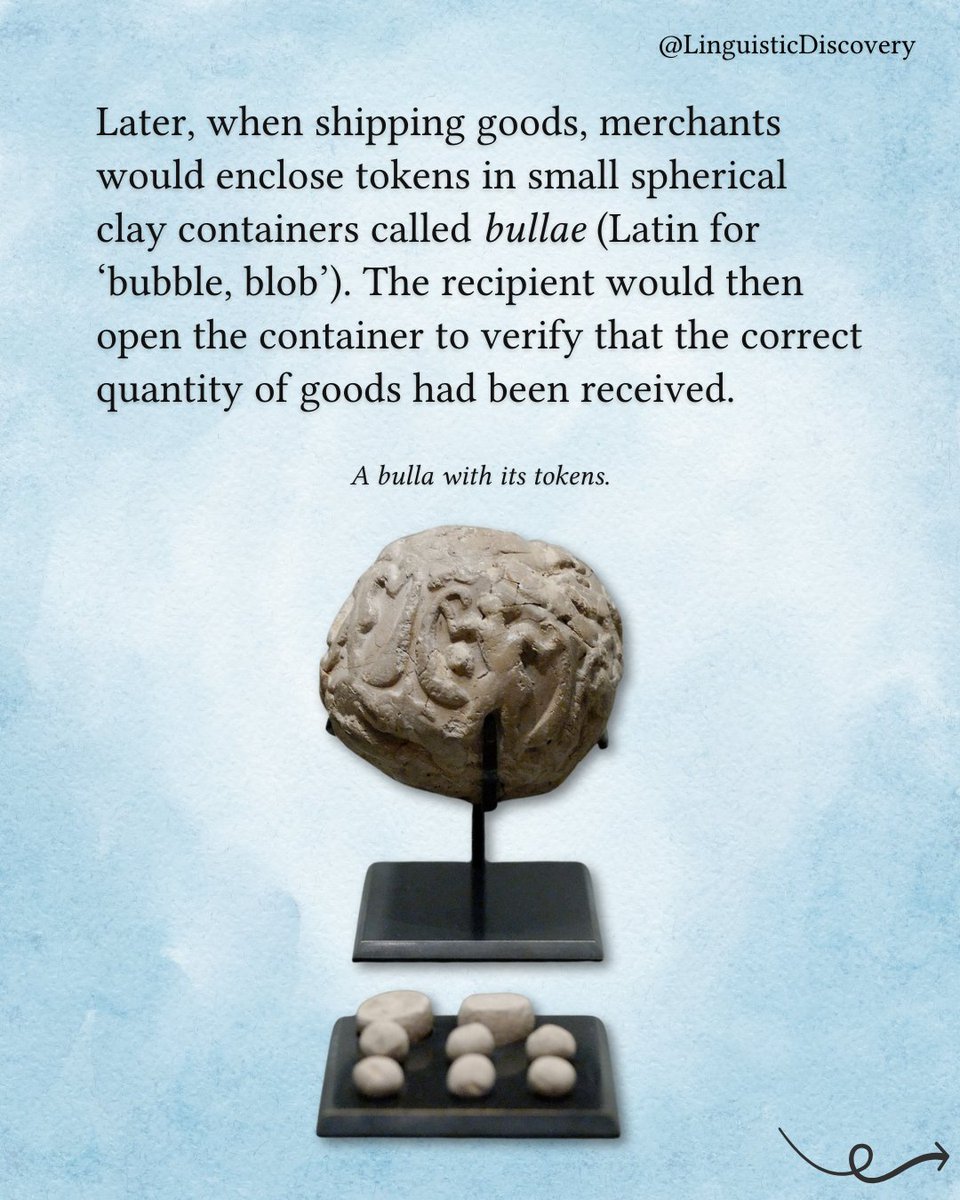
4/13
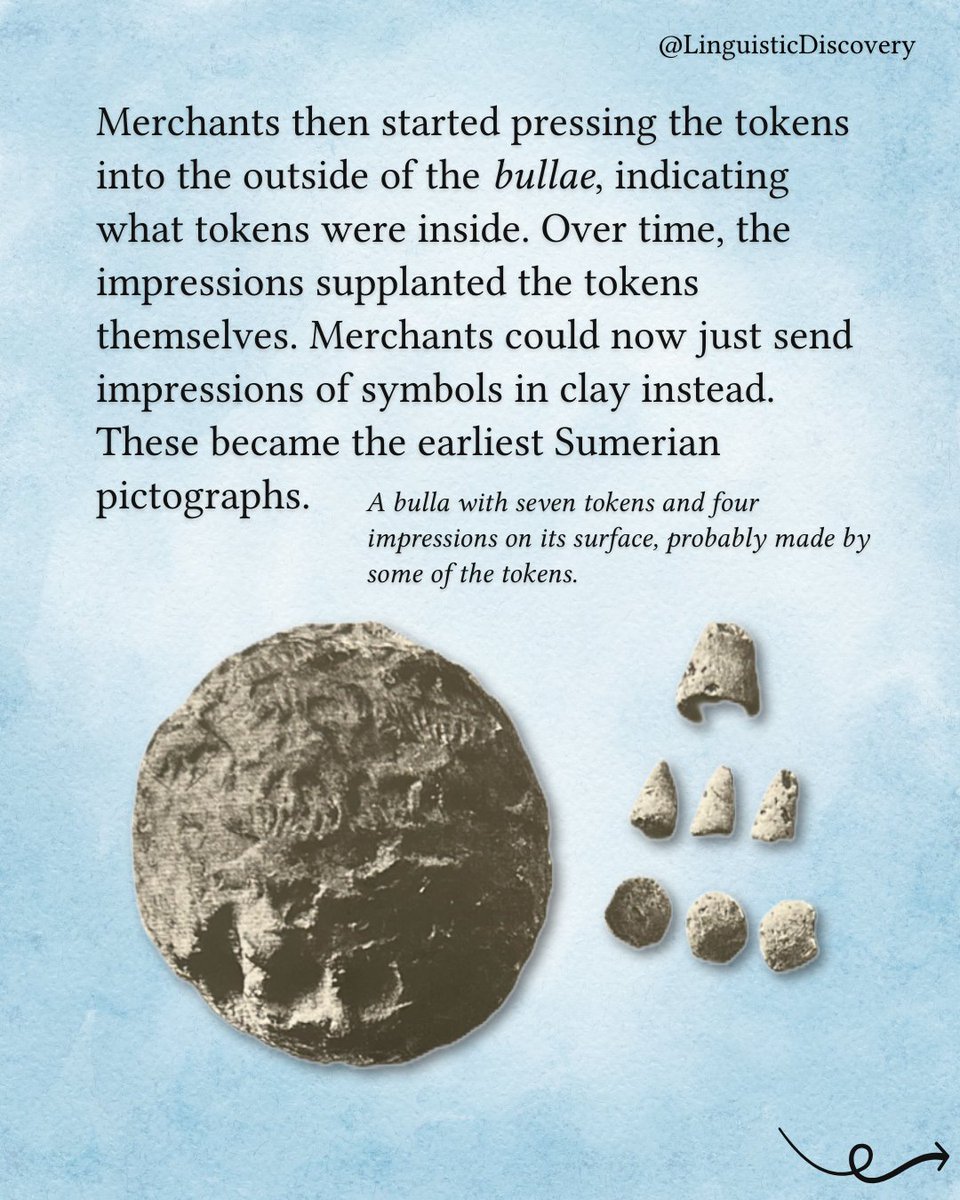
5/13
6/13
7/13
8/13
9/13
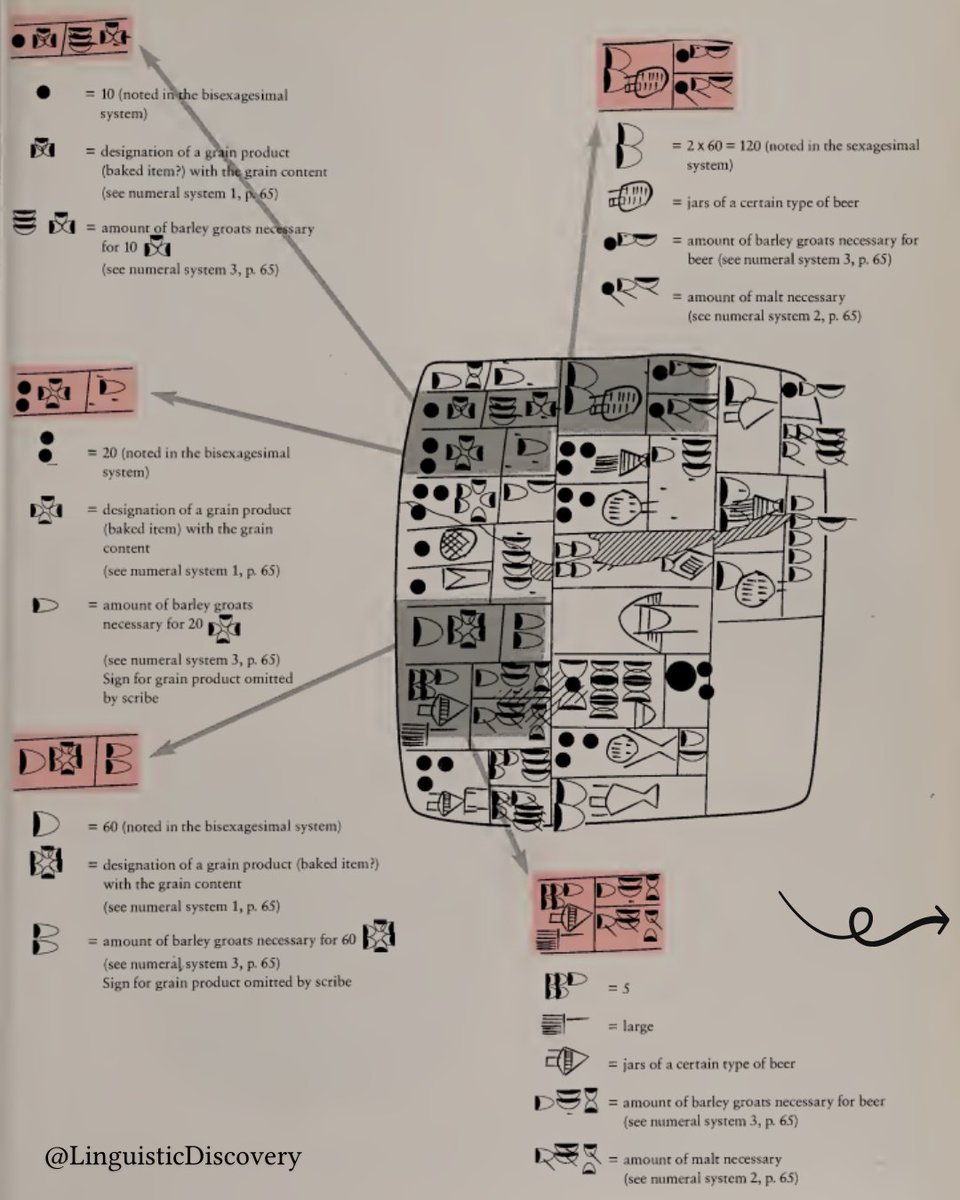
10/13

11/13
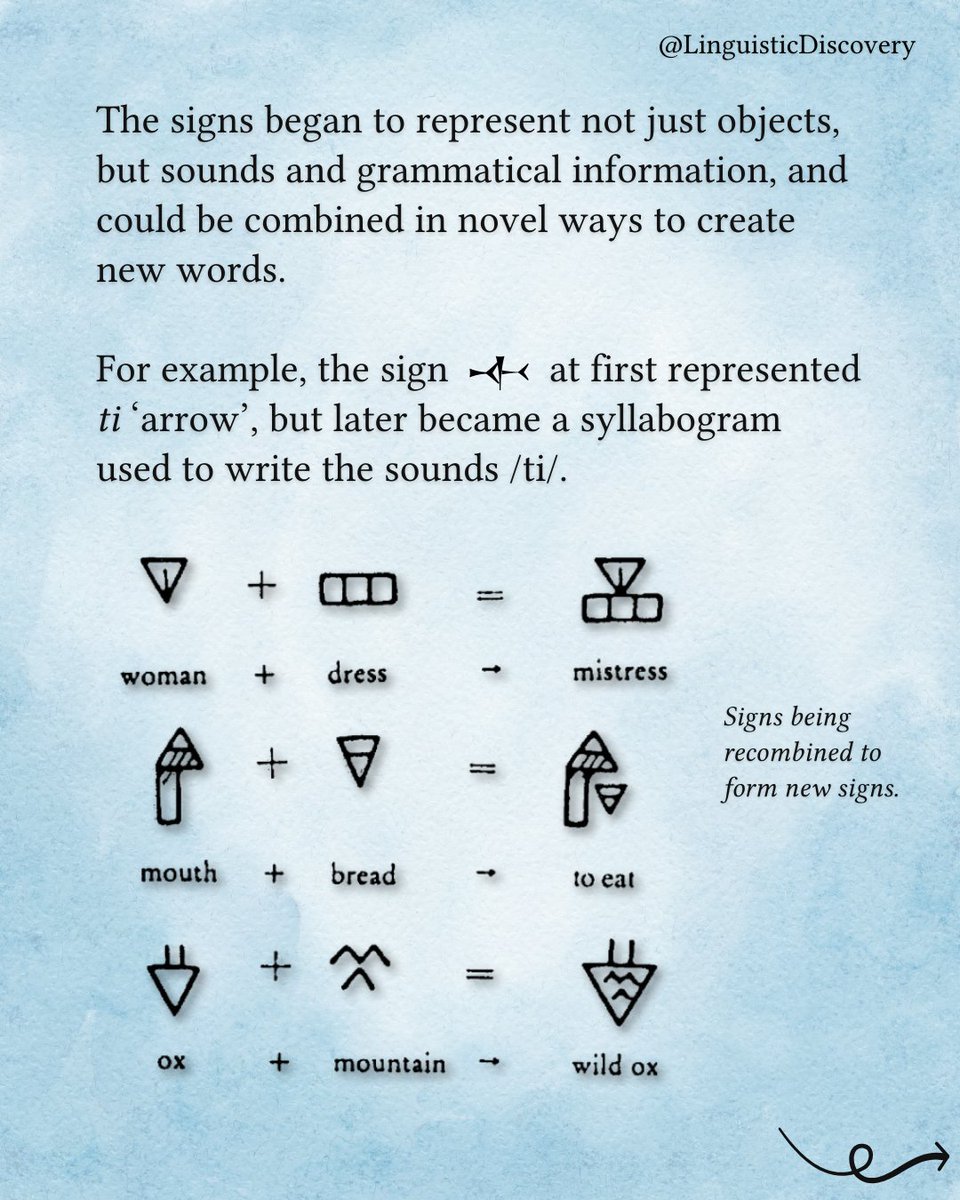
12/13
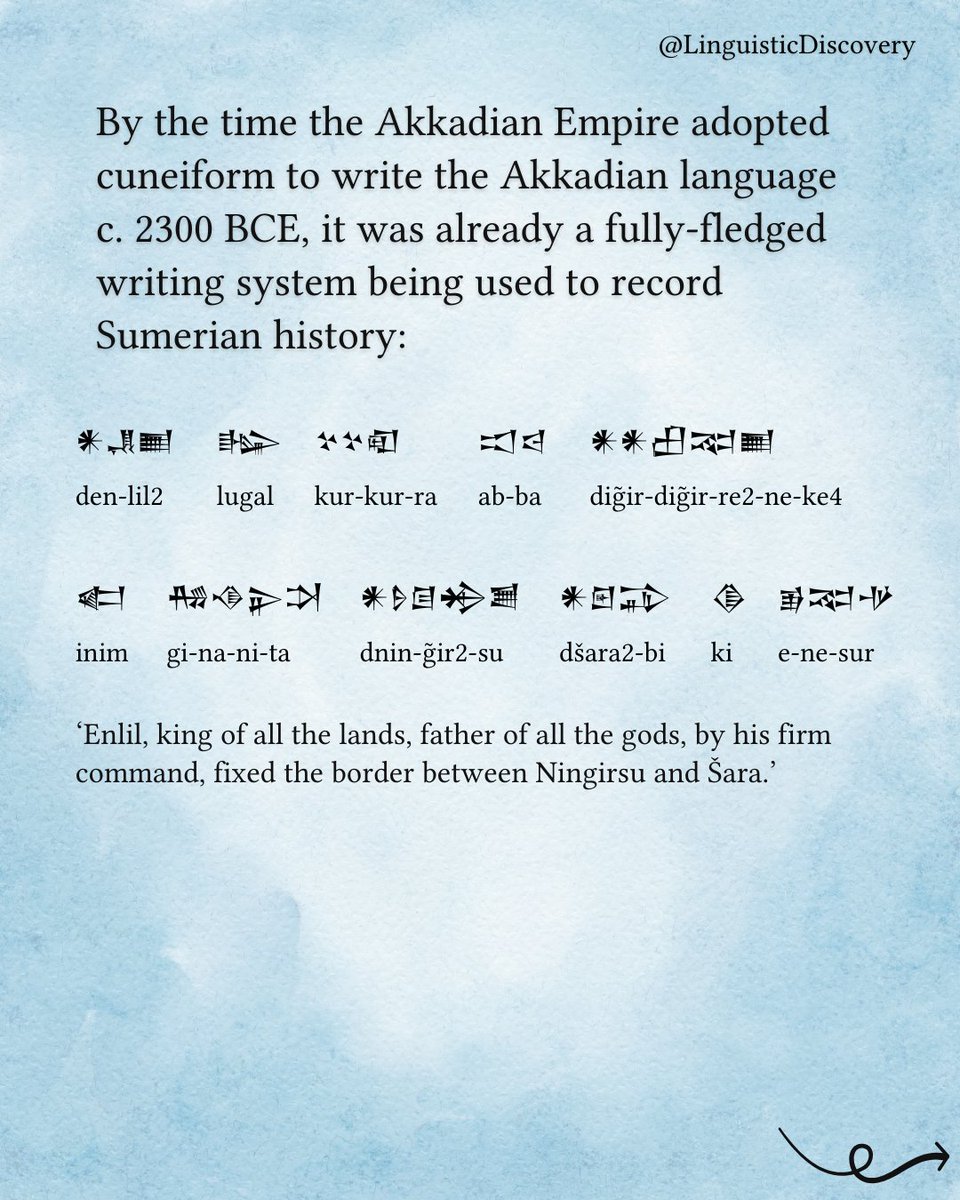
If you enjoyed this thread and want to help me educate the world about language diversity and the science of language, consider becoming a patron!
Perks include:
👀 early access to articles/videos
➕ bonus articles/videos for subscribers only
🆓 ad-free videos
💝 support the channel!
Price: $5/month (USD)
13/13patreon.com/LinguisticDisc…
Perks include:
👀 early access to articles/videos
➕ bonus articles/videos for subscribers only
🆓 ad-free videos
💝 support the channel!
Price: $5/month (USD)
13/13patreon.com/LinguisticDisc…
• • •
Missing some Tweet in this thread? You can try to
force a refresh