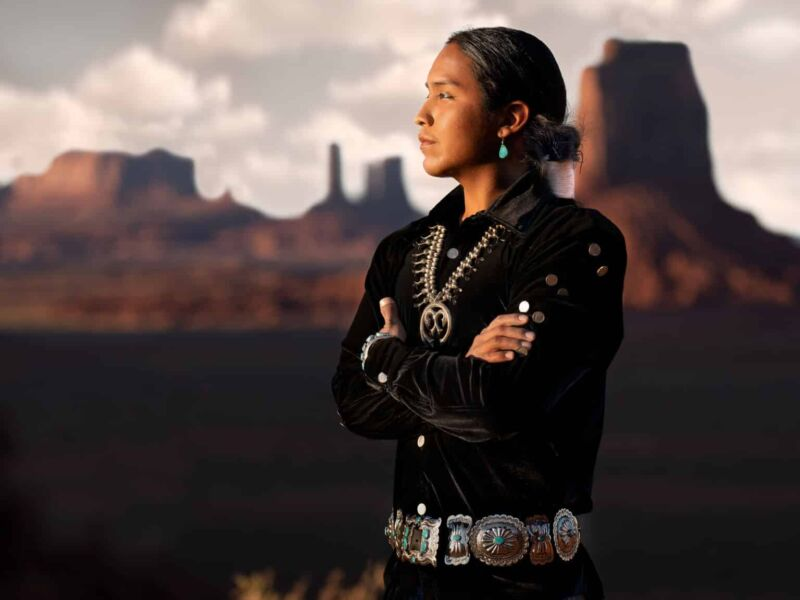
The story of real brown "Americans". Their rituals resemble those of Bharat, and they believe they have emerged from beneath the world.
The Navajo, the original Americans, are the most populous of all Native American peoples in the United States, with approximately 300,000 individuals living in New Mexico, Arizona, and Utah and the insignifant to the invaders.
As for the mixed Spaniards who label themselves as "white Americans," they must return to Spain. Tag them who call themselves as Americans. Also Tag the original American and support them
P.S. 12,000 years ago, Asia and America were connected and could be reached by foot.
1/12
The Navajo, the original Americans, are the most populous of all Native American peoples in the United States, with approximately 300,000 individuals living in New Mexico, Arizona, and Utah and the insignifant to the invaders.
As for the mixed Spaniards who label themselves as "white Americans," they must return to Spain. Tag them who call themselves as Americans. Also Tag the original American and support them
P.S. 12,000 years ago, Asia and America were connected and could be reached by foot.
1/12
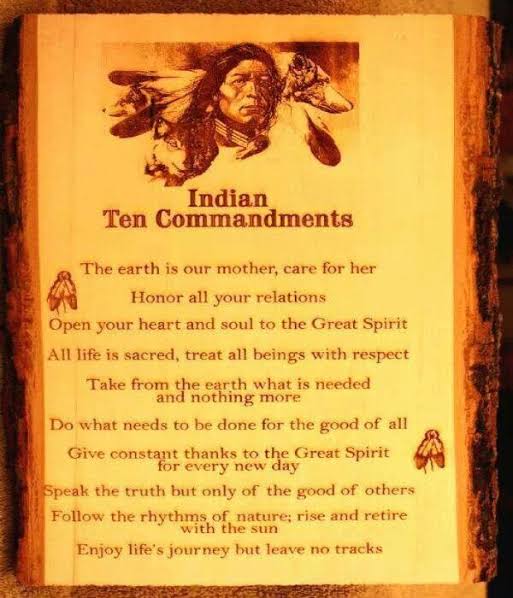
Indian Ten Commandments:
- The earth is our mother, care for her.
- Honor all your relations.
- Open your heart and soul to the Great Spirit.
- All life is sacred, treat all beings with respect.
- Take from the earth what is needed and nothing more.
- Do what needs to be done for the good of all.
- Give constant thanks to the Great Spirit for every new day.
- Speak the truth but only of the good of others.
- Follow the rhythms of nature; rise and retire with the sun.
- Enjoy life's journey but leave no tracks.
The above commandments are similar to Hindu beliefs of nature lover.
2/12
- The earth is our mother, care for her.
- Honor all your relations.
- Open your heart and soul to the Great Spirit.
- All life is sacred, treat all beings with respect.
- Take from the earth what is needed and nothing more.
- Do what needs to be done for the good of all.
- Give constant thanks to the Great Spirit for every new day.
- Speak the truth but only of the good of others.
- Follow the rhythms of nature; rise and retire with the sun.
- Enjoy life's journey but leave no tracks.
The above commandments are similar to Hindu beliefs of nature lover.
2/12
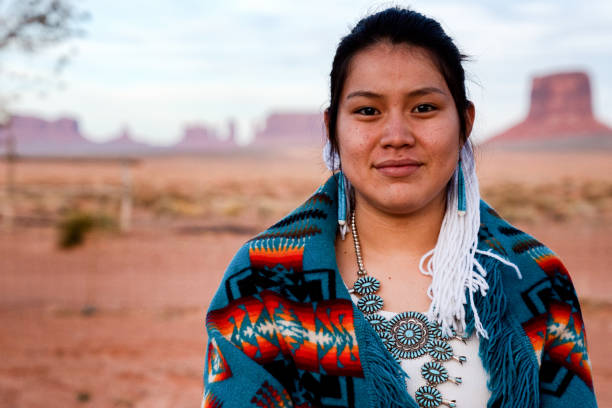
For years, the Navajo defended their land against Mexican and New Mexican slave traders and livestock raiders. In 1848, the U.S. Army arrived. Between 1863 and 1866, the army marched about 11,500 Diné people 400 miles to a desolate reservation at Bosque Redondo in New Mexico. In 1868, the Navajo became the only Native Nation to use a treaty to escape removal and return to their home. This treaty was written on paper taken from an army ledger book. Article 2 is the crucial one that defines the Navajo reservation.
3/12
3/12
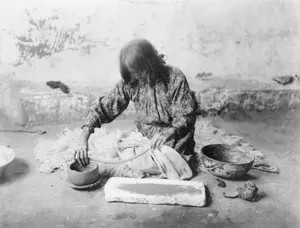
Pueblo Rebellion, (1680), carefully organized revolt of Pueblo Indians (in league with Apaches), who succeeded in overthrowing Spanish rule in New Mexico for 12 years. A traditionally peaceful people, the Pueblos had endured much after New Mexico’s colonization in 1598. Catholicism was forced on them by missionaries who burned their ceremonial pits (kivas), masks, and other sacred objects. Indians were tried in Spanish courts and received severe punishments—hanging, whipping, dismemberment (of hands or feet), or condemnation to slavery
4/12
4/12
Novajo language was so unknown that during WWI and especially WWII, Native American soldiers used their native languages as codes to send sensitive military messages over open radio waves.
5/12
5/12

Navajo food includes flat bread (chapati), fried bread (Indian Bhatura)
6/12
6/12
https://twitter.com/752342352664989696/status/1214294972855455744
Navajo nation has banned genetic studies may be due to their commandment of 'leave no trace of life'.7/12

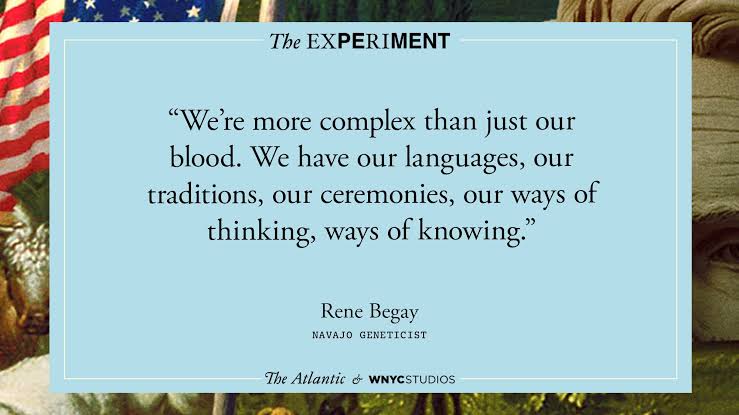
Of late however, Novajo people have given some survey and likely to turn to agreement for further genetic studies @Rene_Begay for the update.
8/12
8/12
https://twitter.com/47528398/status/1466432777289703426
In 1940 by a proclamation, Novajo dropped #Swastika their sacred symbol because it was desecrated by Hitler.
10/12
10/12

Novajo people's starking similarity with Sanatan beliefs raises curiosity to know their ancestory Novajo could be Indian who migranted thousands of years ago as were Gypsies. Gypsies also migrated from India to rest of the world long back
11/12
11/12
https://twitter.com/64098246/status/1254030847314812930
I hope you are enjoying my contents. Please subscribe my YouTube channel youtube.com/@gemsofindology and support us.
Please RT and like first tweet of this thread so it reaches to the ones who may not know this.
12/12 x.com/64098246/statu…
Please RT and like first tweet of this thread so it reaches to the ones who may not know this.
12/12 x.com/64098246/statu…
• • •
Missing some Tweet in this thread? You can try to
force a refresh