The dessert that protects against diabetes, cavities, inflammation and even cancer.
You won't believe the incredible benefits of RAW HONEY:
You won't believe the incredible benefits of RAW HONEY:
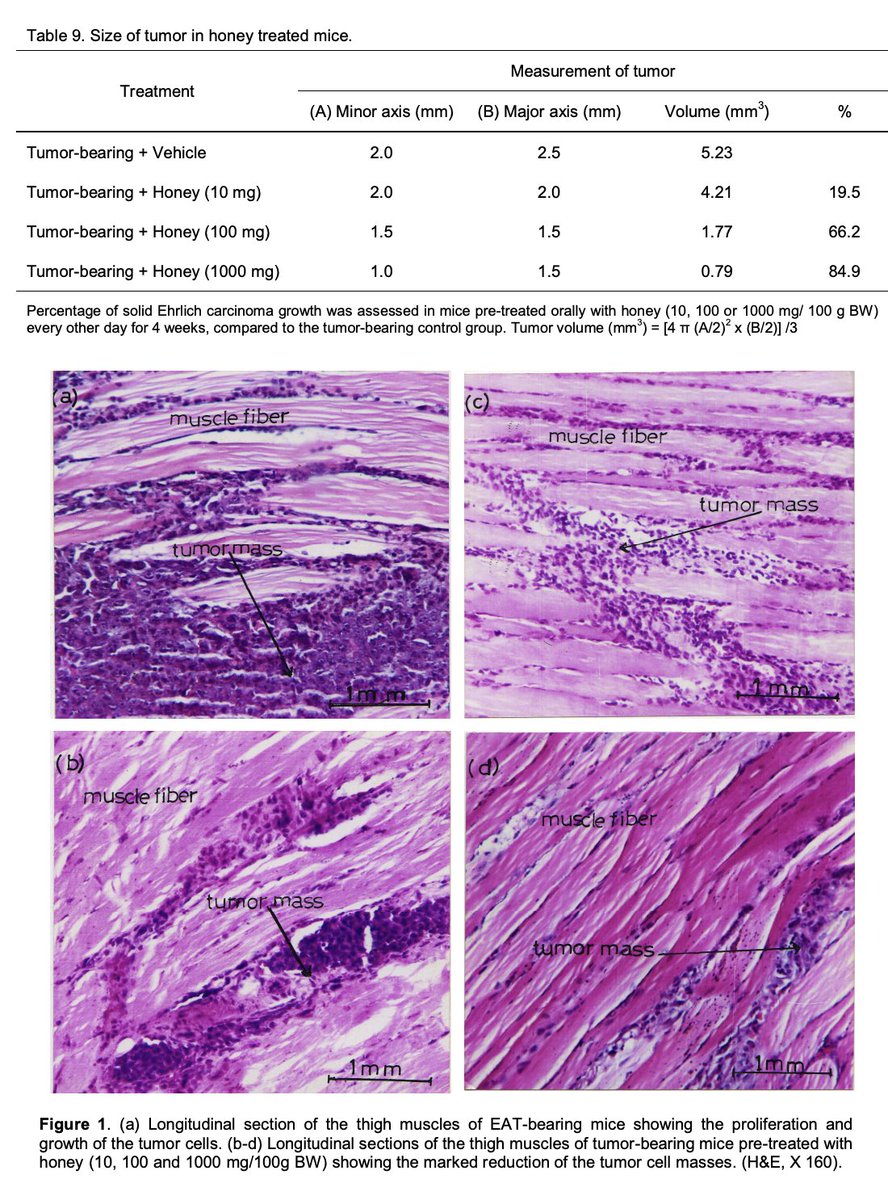
Raw honey shrinks tumors by 85%.
Honey improved anti-cancer immunity by:
• Improving phagocytic activity (macrophages)
• Stimulated B & T cell production in bone marrow
• Increased antibody production
due to its unique phenolic compounds.
A broad spectrum immune enhancer.
Honey improved anti-cancer immunity by:
• Improving phagocytic activity (macrophages)
• Stimulated B & T cell production in bone marrow
• Increased antibody production
due to its unique phenolic compounds.
A broad spectrum immune enhancer.
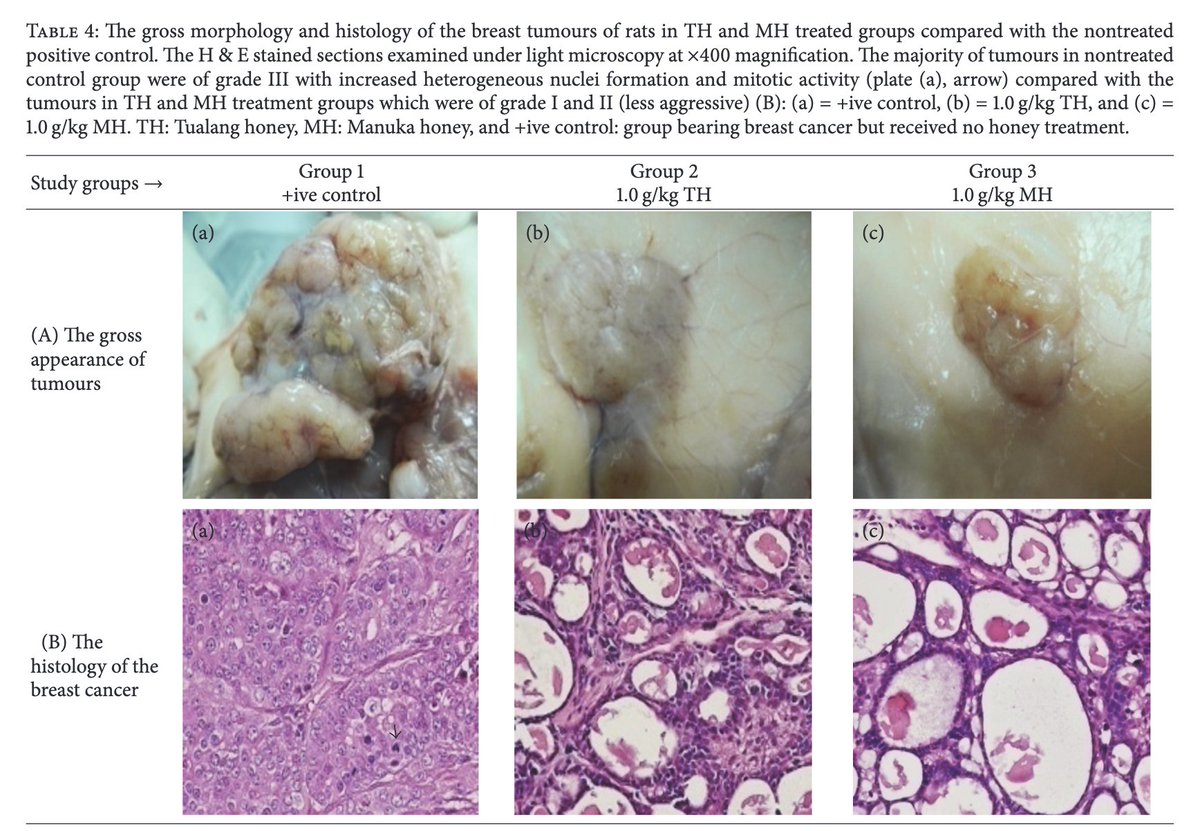
Raw honey shrinks tumors (breast cancer).
Cancer thrives in a highly inflammatory and high estrogen environment.
Honey reduces the inflammation due to its unique phenolic compounds - in turn lowering estrogen and tumor growth by ~50%.
Cancer thrives in a highly inflammatory and high estrogen environment.
Honey reduces the inflammation due to its unique phenolic compounds - in turn lowering estrogen and tumor growth by ~50%.
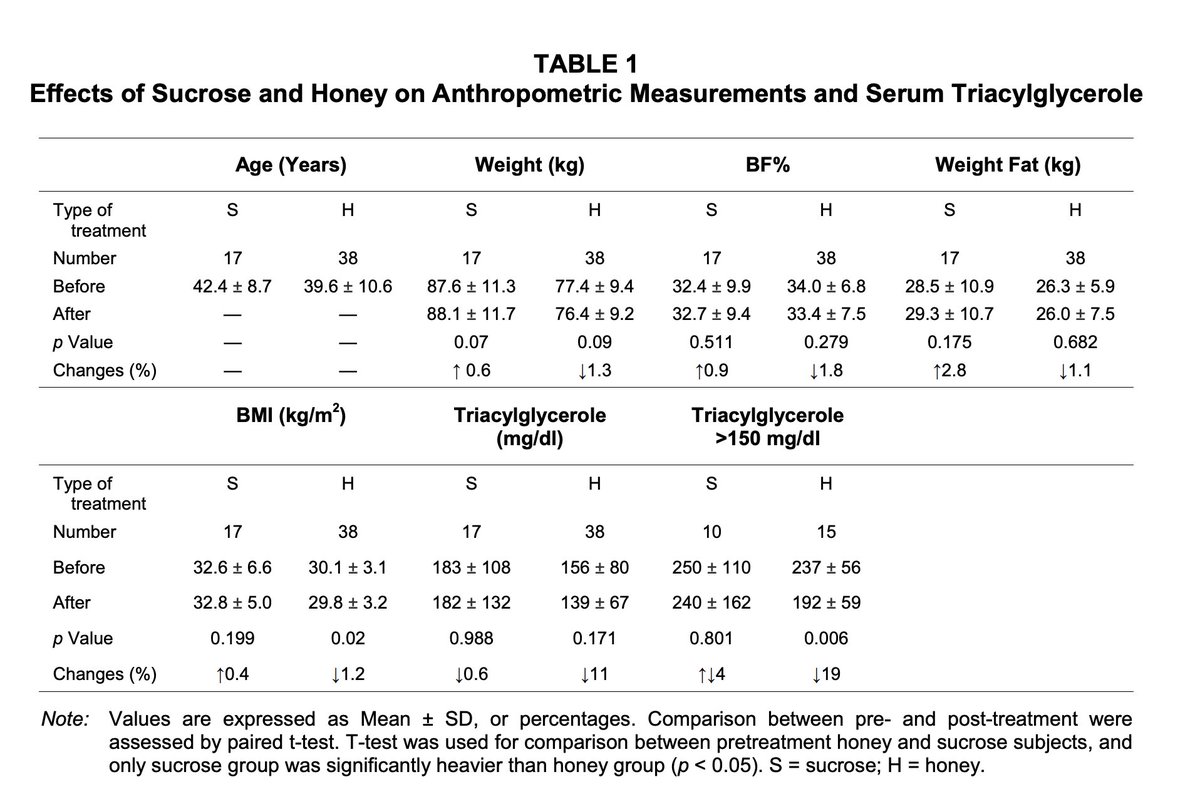
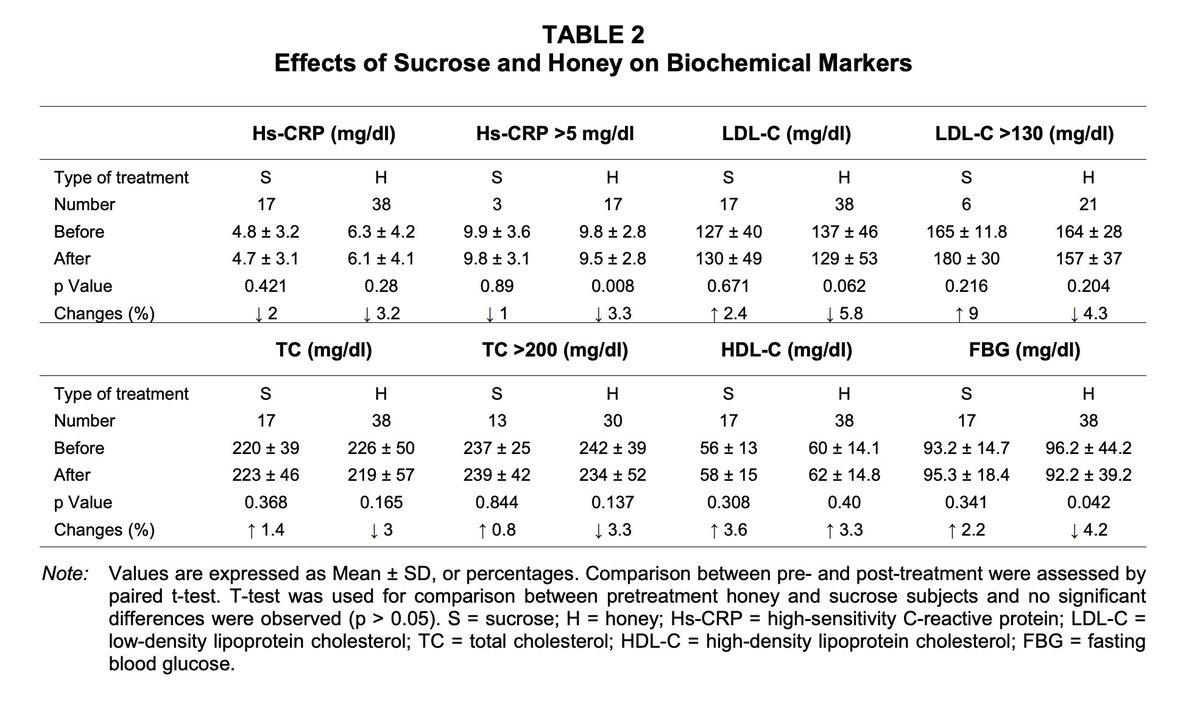
One study showed swapping 70g of sugar for raw honey:
☆ Sheds fat
☆ Lowers blood sugar
☆ Cuts triglycerides
☆ Dampens inflammation (CRP)
Yes, honey is more than "just sugar." Far more, in fact.
☆ Sheds fat
☆ Lowers blood sugar
☆ Cuts triglycerides
☆ Dampens inflammation (CRP)
Yes, honey is more than "just sugar." Far more, in fact.
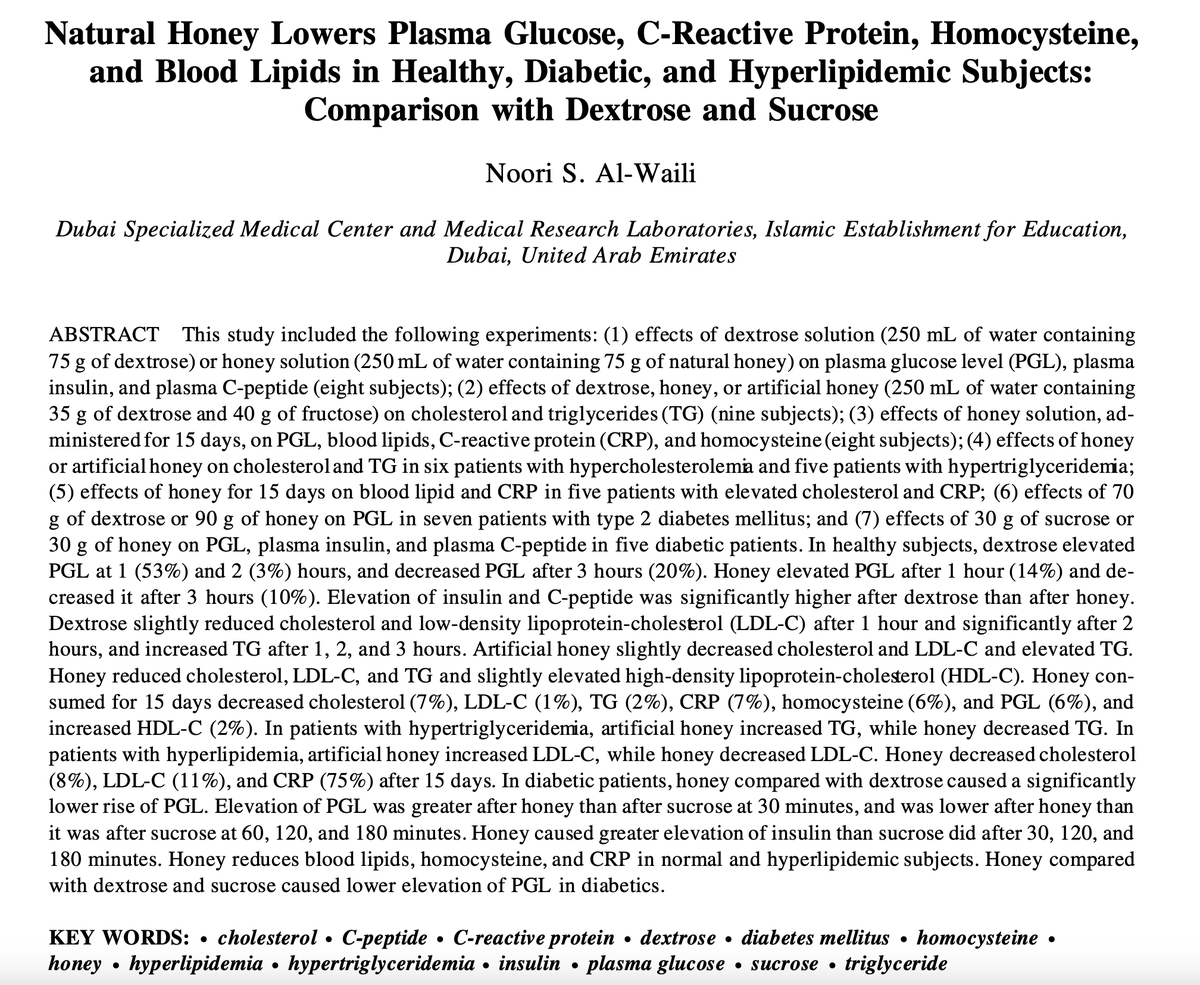
Raw honey lowers inflammation by 75%.
➣ CRP (measure of inflammation) slashed
➣ Reduces blood sugar
➣ Lowers homocysteine (inflammatory toxin)
even in diabetics.
Amazing what can happen when the body gets plenty of antioxidant support.
➣ CRP (measure of inflammation) slashed
➣ Reduces blood sugar
➣ Lowers homocysteine (inflammatory toxin)
even in diabetics.
Amazing what can happen when the body gets plenty of antioxidant support.
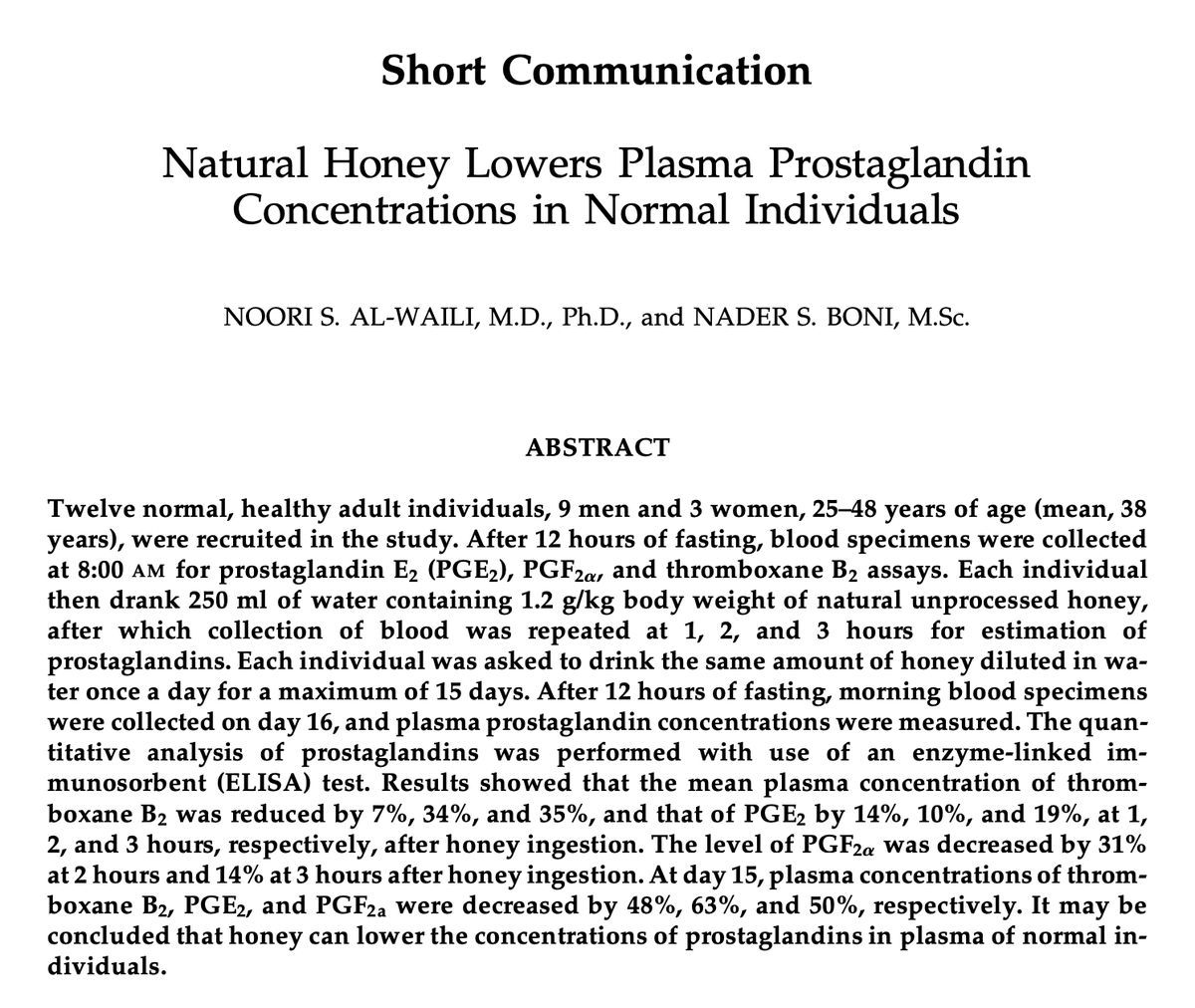
Raw honey rapidly lowers inflammation.
Within HOURS of consumption, the levels of prostaglandins (inflammatory compounds) drop in response to raw honey.
That's a lot of honey too, ~70-100g.
Within HOURS of consumption, the levels of prostaglandins (inflammatory compounds) drop in response to raw honey.
That's a lot of honey too, ~70-100g.
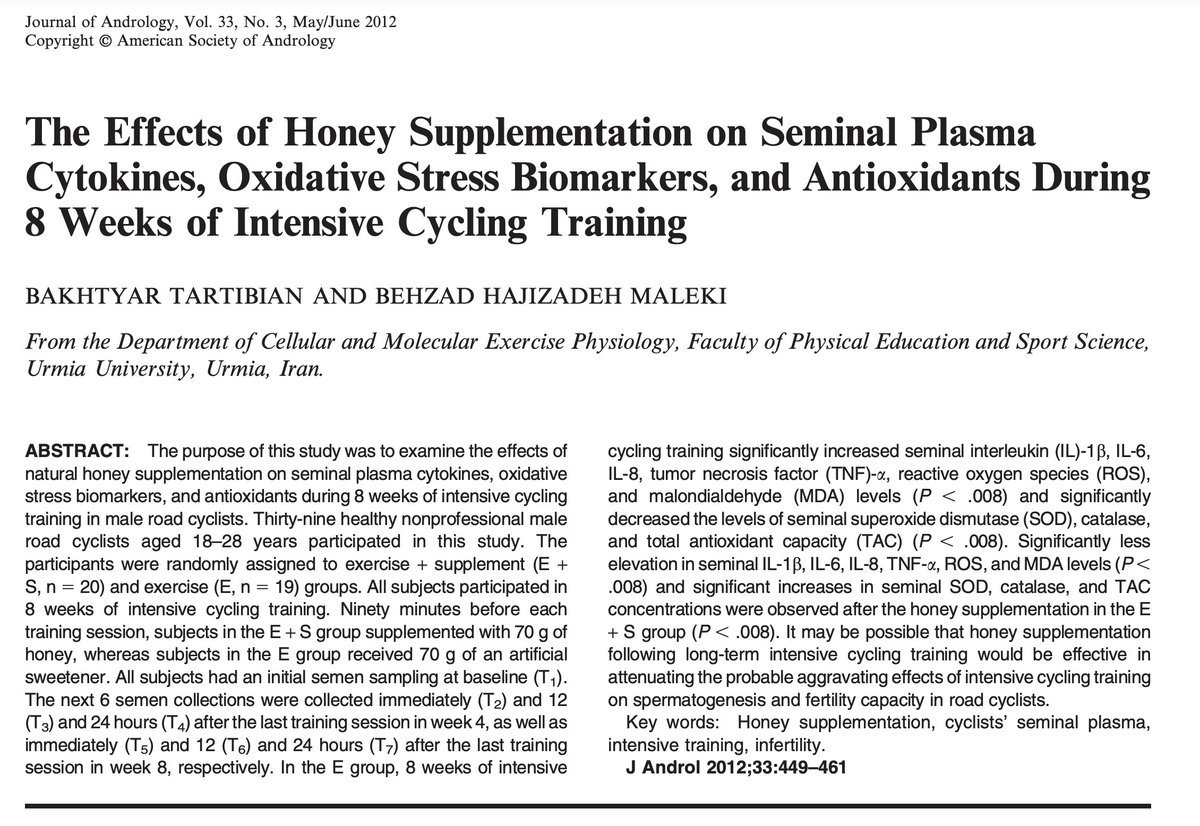
Raw honey improves male fertility.
Chronic exhaustive exercise can:
• Worsen sperm quality
• Lower sperm count
• Induce seminal inflammation + oxidative stress
yet, consuming HONEY with it blunts these effects.
Chronic exhaustive exercise can:
• Worsen sperm quality
• Lower sperm count
• Induce seminal inflammation + oxidative stress
yet, consuming HONEY with it blunts these effects.
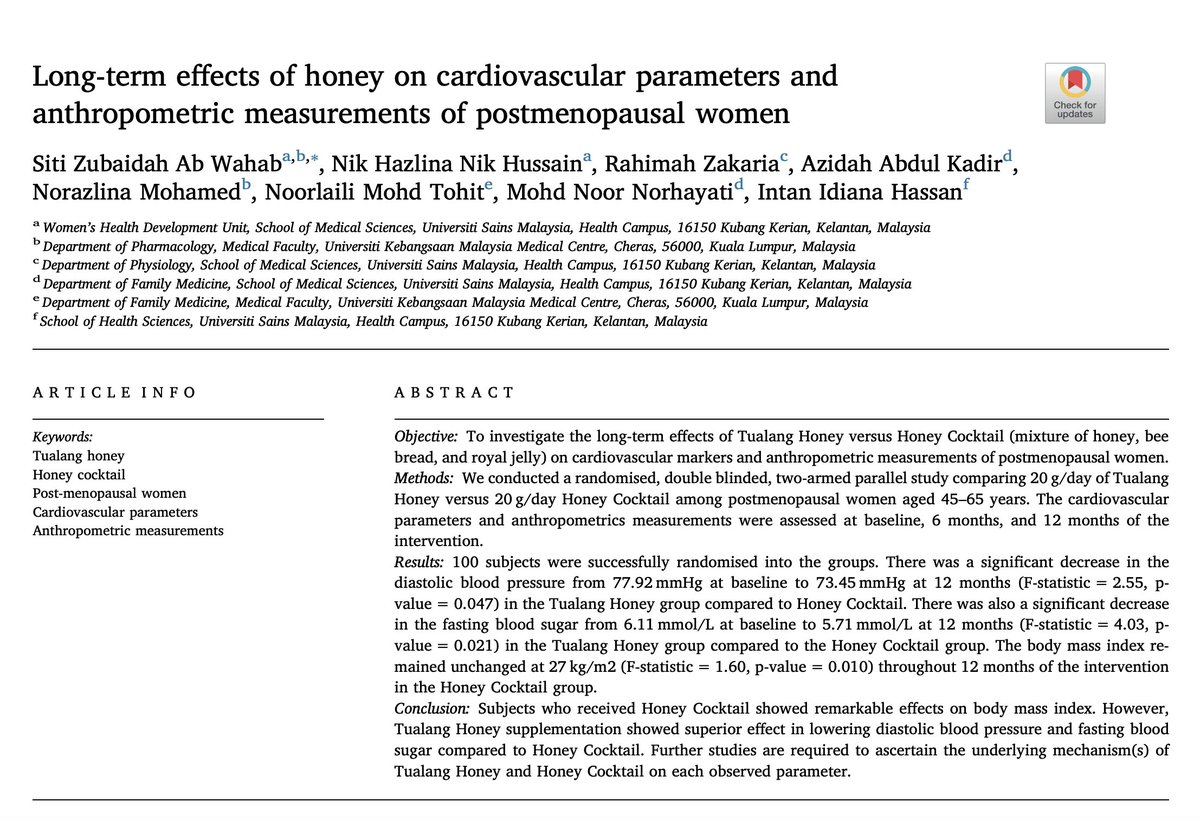
1 tsp of raw honey a day lowers blood pressure.
High blood pressure is another condition driven by inflammation and insulin resistance.
Raw honey combats both and lowers blood pressure.
High blood pressure is another condition driven by inflammation and insulin resistance.
Raw honey combats both and lowers blood pressure.
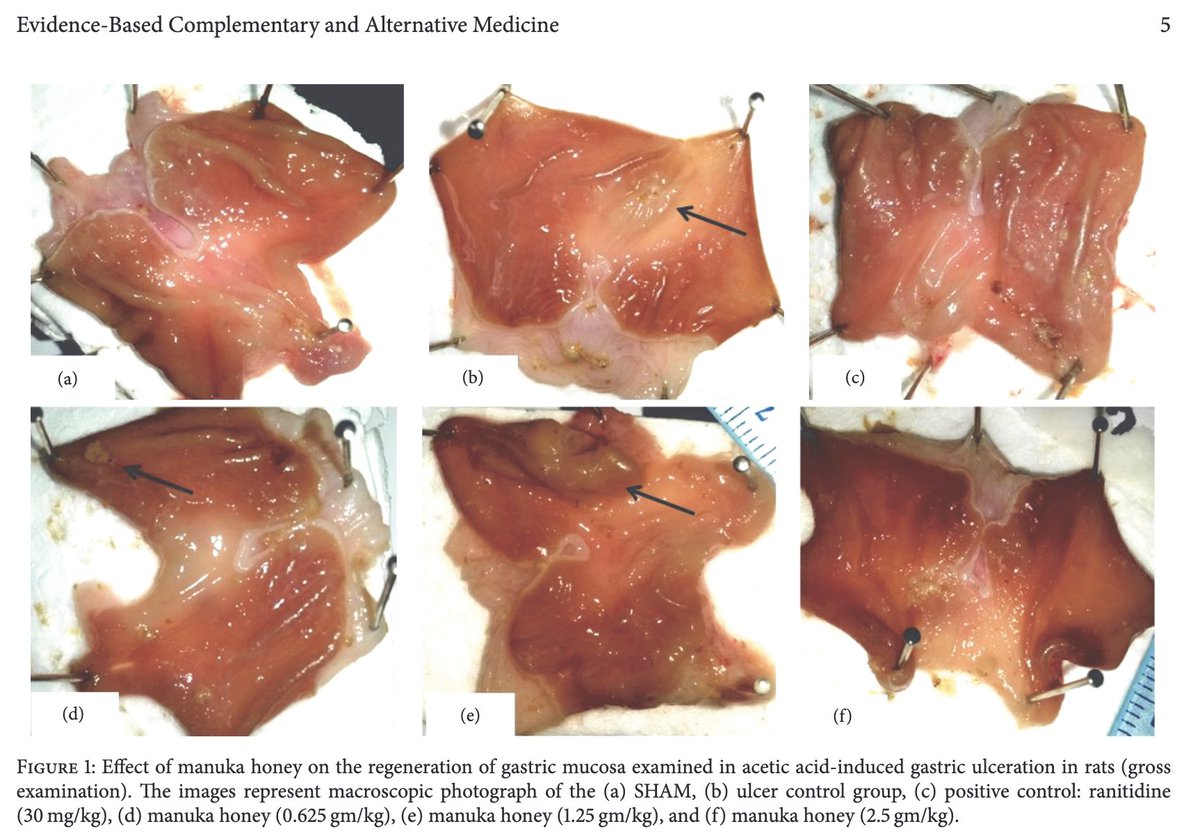
Manuka honey reverses stomach ulcers.
Most doctors treat ulcers with acid reducing agents - but this only acts as a band-aid in the short term, since we need the acid for digestion.
Ulcers are really an issue of inflammation in the stomach - something honey combats.
Most doctors treat ulcers with acid reducing agents - but this only acts as a band-aid in the short term, since we need the acid for digestion.
Ulcers are really an issue of inflammation in the stomach - something honey combats.
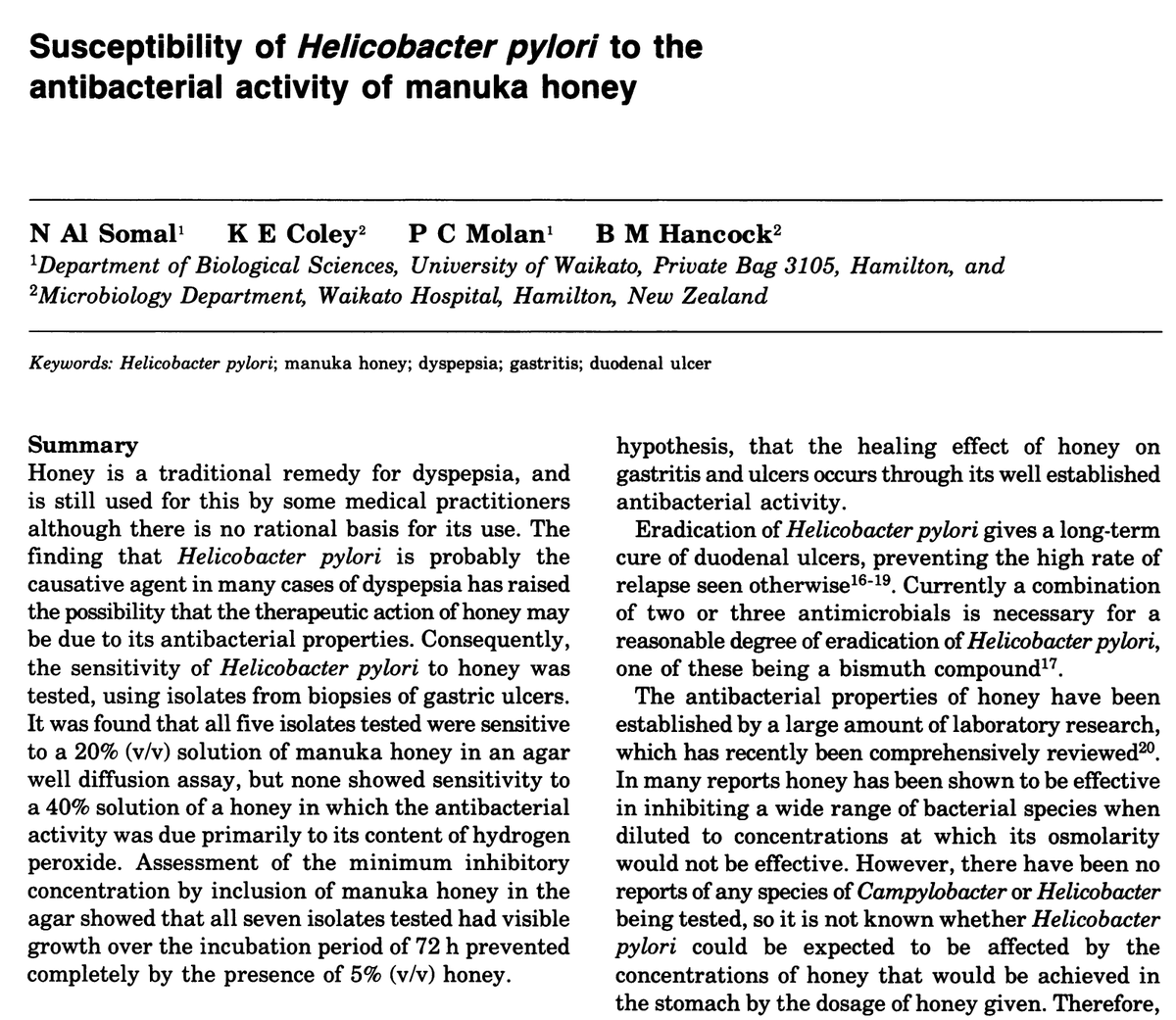
Raw honey destroys H. Pylori.
Another reason why honey has benefits for the stomach is its potent antibacterial properties.
H. Pylori is a common cause of reflux, indigestion and stomach ulcers,
but raw honey has compounds like hydrogen peroxide and phenolics to kill it.
Another reason why honey has benefits for the stomach is its potent antibacterial properties.
H. Pylori is a common cause of reflux, indigestion and stomach ulcers,
but raw honey has compounds like hydrogen peroxide and phenolics to kill it.
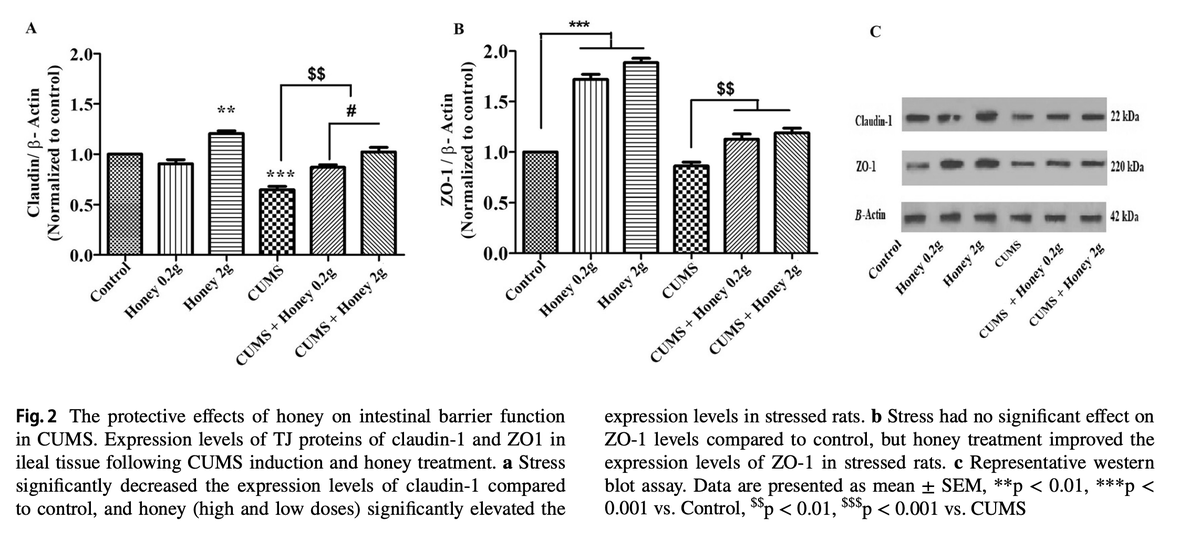
Raw honey also prevents leaky gut.
Chronic stress can deplete tight junction proteins that keep the gut sealed and prevent inflammation.
Raw honey's:
☆ Antibacterial
☆ Anti-inflammatory
☆ Antioxidant
properties help to replenish these proteins.
Chronic stress can deplete tight junction proteins that keep the gut sealed and prevent inflammation.
Raw honey's:
☆ Antibacterial
☆ Anti-inflammatory
☆ Antioxidant
properties help to replenish these proteins.
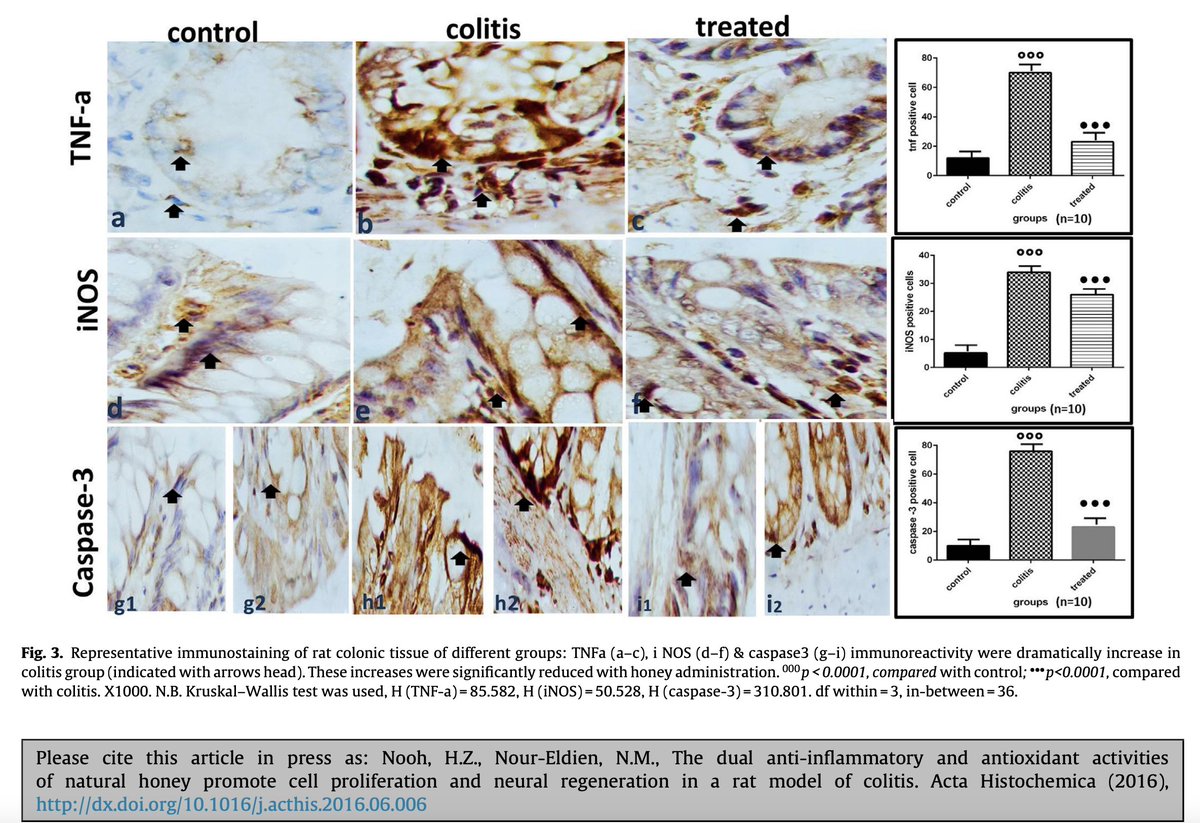
In fact, raw honey can even slow down inflammatory bowel disease progression.
Here, raw honey reduced the amounts of inflammatory mediators:
◇ TNFα
◇ Nitric oxide
while reducing cell death in the colon.
A GREAT option for people with gut issues.
Here, raw honey reduced the amounts of inflammatory mediators:
◇ TNFα
◇ Nitric oxide
while reducing cell death in the colon.
A GREAT option for people with gut issues.
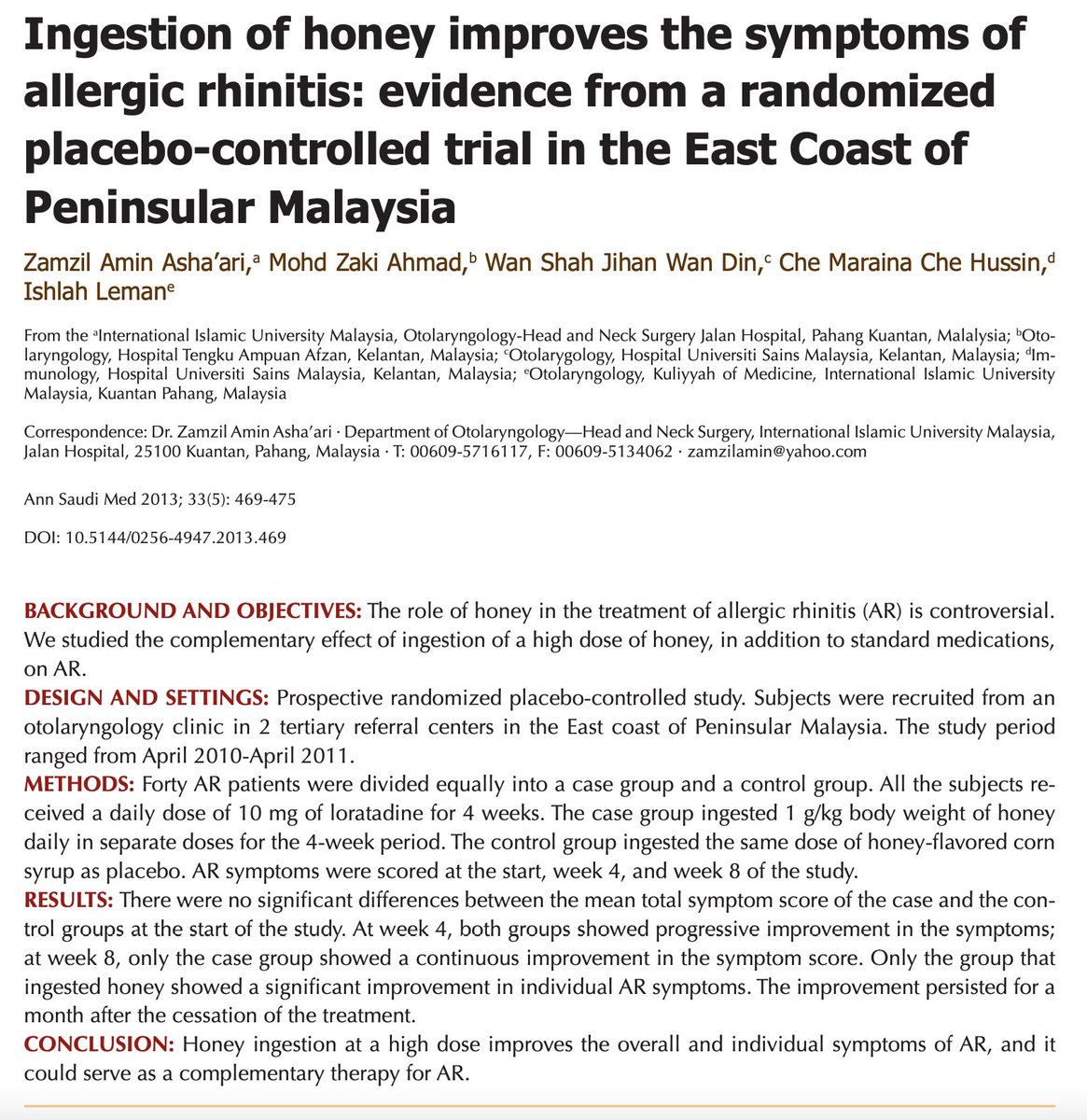
Raw honey improves allergies.
3-5 tsp of honey / day improved sniffles, sneezing, & more
Raw honey has tons of bioactive compounds that:
‣ Inhibit mast cell histamine release
‣ Blunt inappropriate IgE responses
‣ Lowers production of inflammatory cytokines
3-5 tsp of honey / day improved sniffles, sneezing, & more
Raw honey has tons of bioactive compounds that:
‣ Inhibit mast cell histamine release
‣ Blunt inappropriate IgE responses
‣ Lowers production of inflammatory cytokines
Manuka honey treats eczema.
Topical application of this medicinal superfood substantially improved signs / symptoms of eczema.
Manuka is particularly concentrated in bioactive compounds with healing properties.
Topical application of this medicinal superfood substantially improved signs / symptoms of eczema.
Manuka is particularly concentrated in bioactive compounds with healing properties.

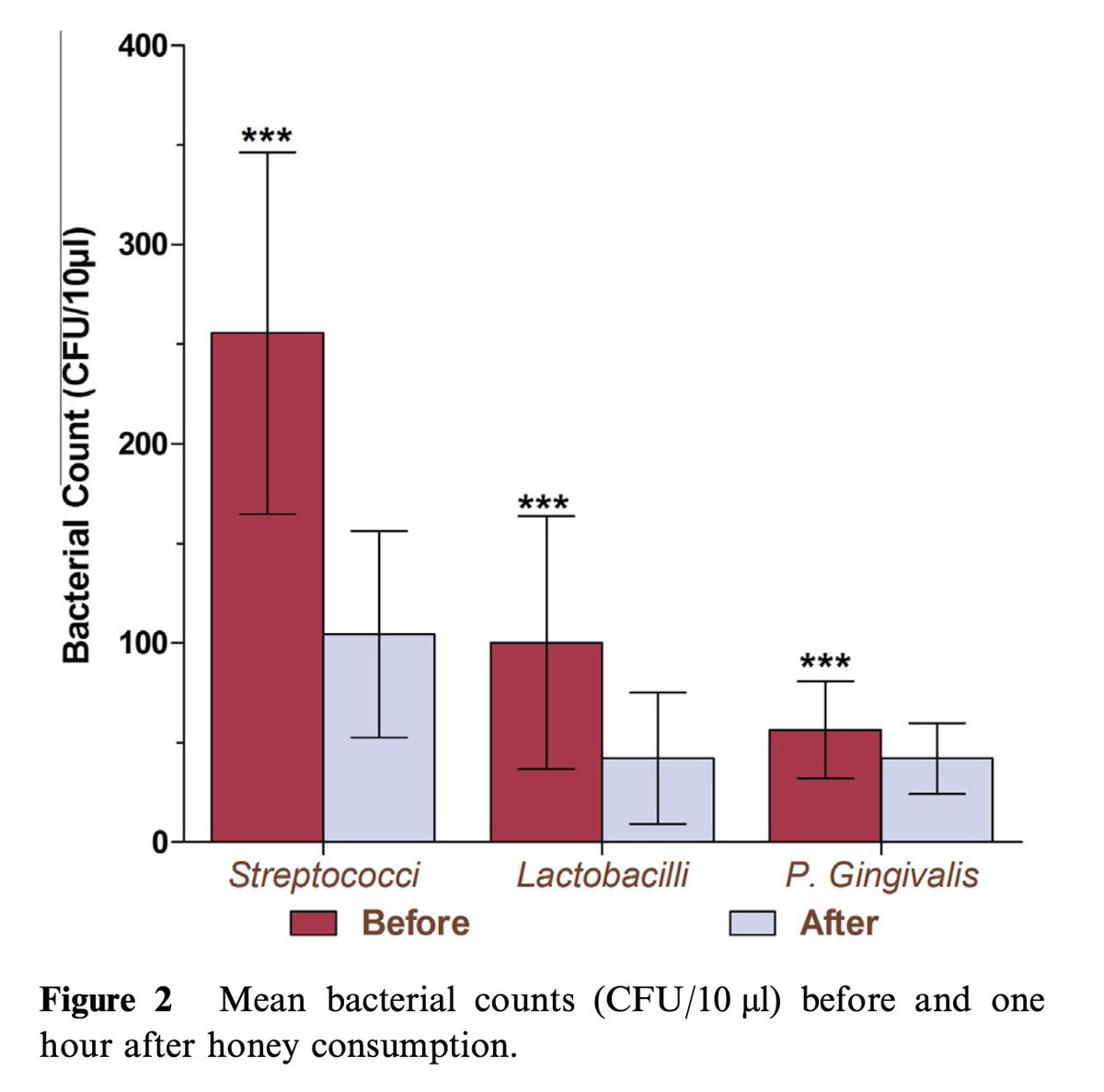
Raw honey markedly effective against cavity causing bacteria.
Acid producing bacteria, the culprit behind tooth decay:
☻ Strep Mutans
☻ Lactobacillus
were cut by more than HALF after consumption of raw honey.
The gingivitis causing bacteria, P. Gingivalis did as well.
Acid producing bacteria, the culprit behind tooth decay:
☻ Strep Mutans
☻ Lactobacillus
were cut by more than HALF after consumption of raw honey.
The gingivitis causing bacteria, P. Gingivalis did as well.
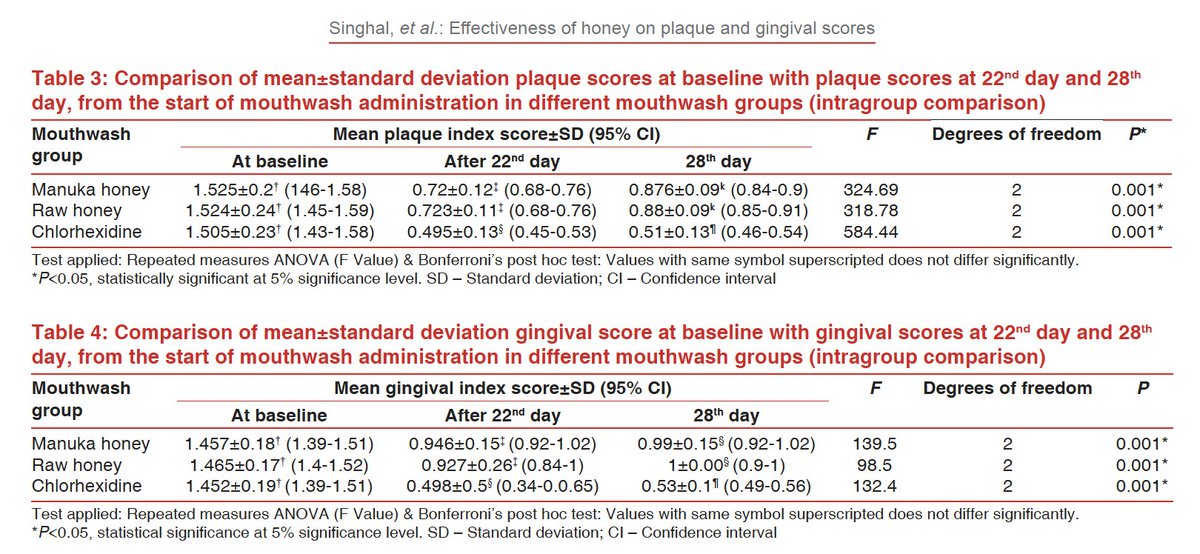
A raw honey mouthwash reduces dental plaque + gingivitis.
If you consume fresh, raw honey, you'll notice it has this cleansing feeling in your mouth.
That's due to its potent antimicrobial effects, even disrupting the biofilms that constitute plaques.
Absolutely incredible.
If you consume fresh, raw honey, you'll notice it has this cleansing feeling in your mouth.
That's due to its potent antimicrobial effects, even disrupting the biofilms that constitute plaques.
Absolutely incredible.
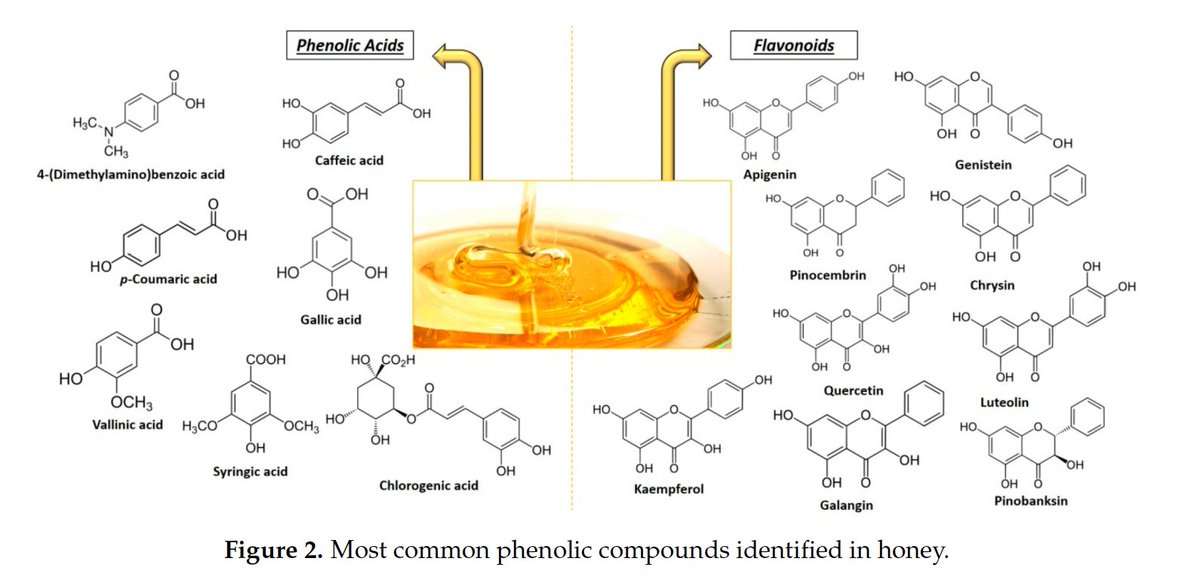
The real magic of raw honey lies in its phenolic bioactives.
These are compounds that can scavenge free radicals - which downstream drive inflammation.
These can also oppose estrogen and have antimicrobial benefits.
100s of these in raw honey and they're still being discovered.
Typically, the darker the honey, the more concentrated it is in these compounds.
There's a reason it's been used as medicine for so long.
These are compounds that can scavenge free radicals - which downstream drive inflammation.
These can also oppose estrogen and have antimicrobial benefits.
100s of these in raw honey and they're still being discovered.
Typically, the darker the honey, the more concentrated it is in these compounds.
There's a reason it's been used as medicine for so long.
Raw honey is AWESOME for your overall health, but it probably won't be enough to fully achieve your health goals.
If YOU want personalized help from us with any of your health goals, click where it says “schedule a free call” here: prism.miami
If YOU want personalized help from us with any of your health goals, click where it says “schedule a free call” here: prism.miami
Thank you for reading through this, hopefully you enjoyed.
Give this post a retweet here if you did, to spread the love.
Give this post a retweet here if you did, to spread the love.
https://x.com/Outdoctrination/status/1874517872216584662
• • •
Missing some Tweet in this thread? You can try to
force a refresh