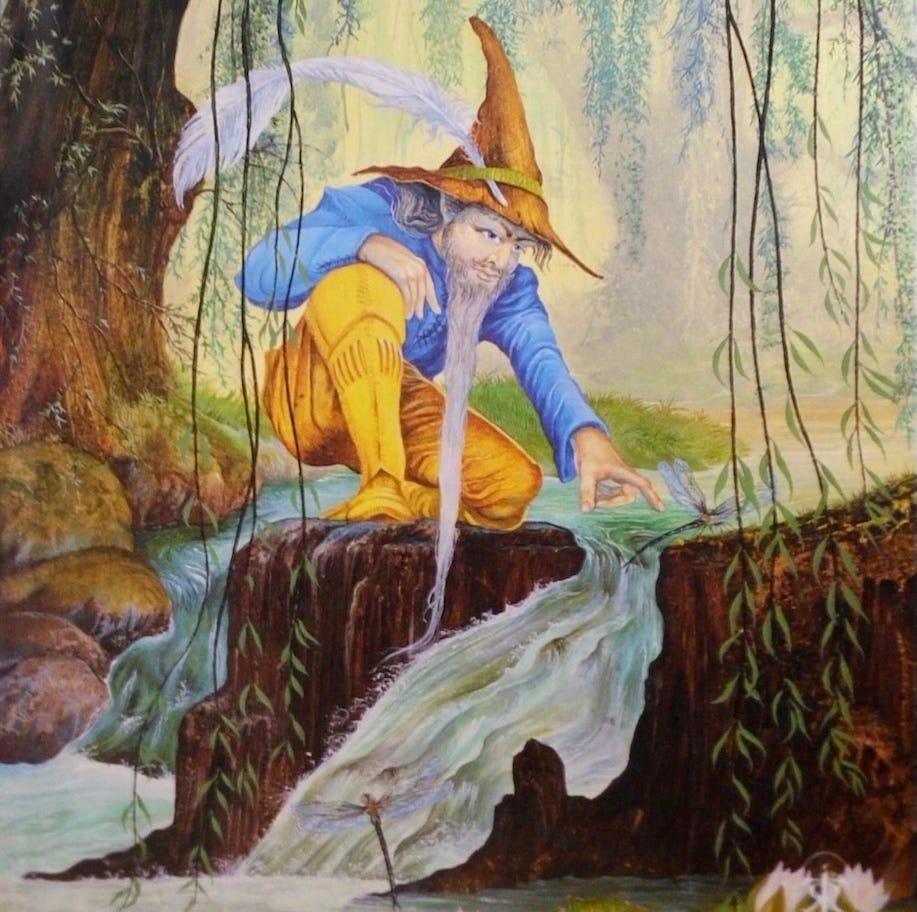
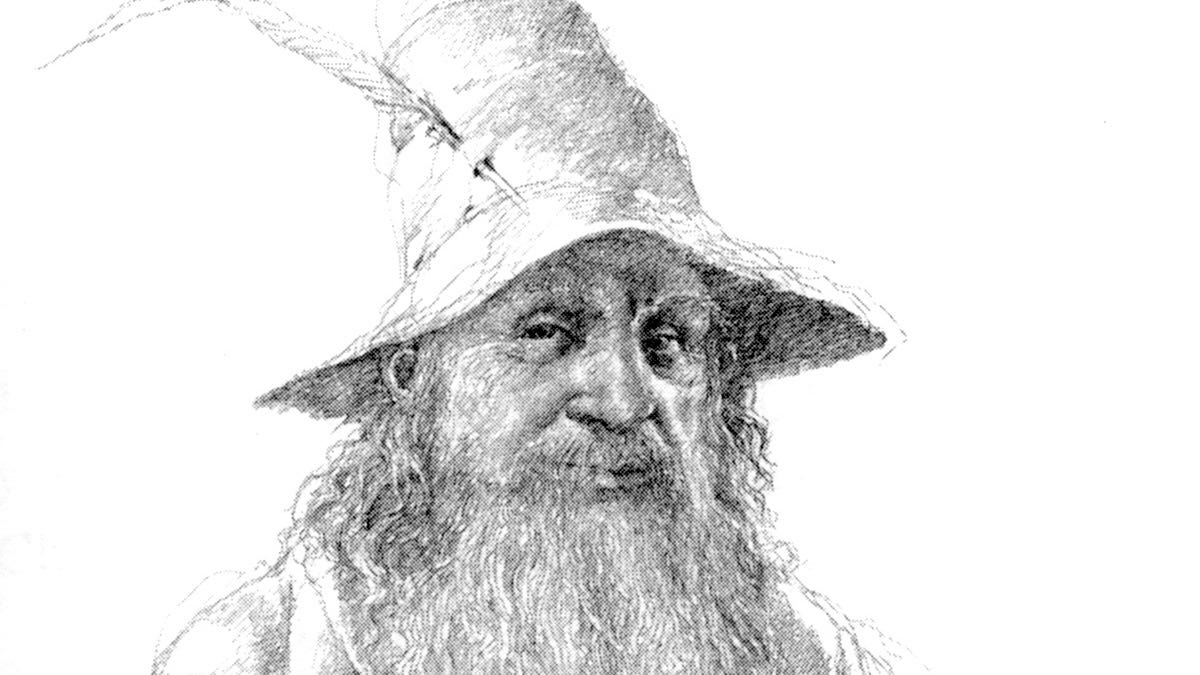
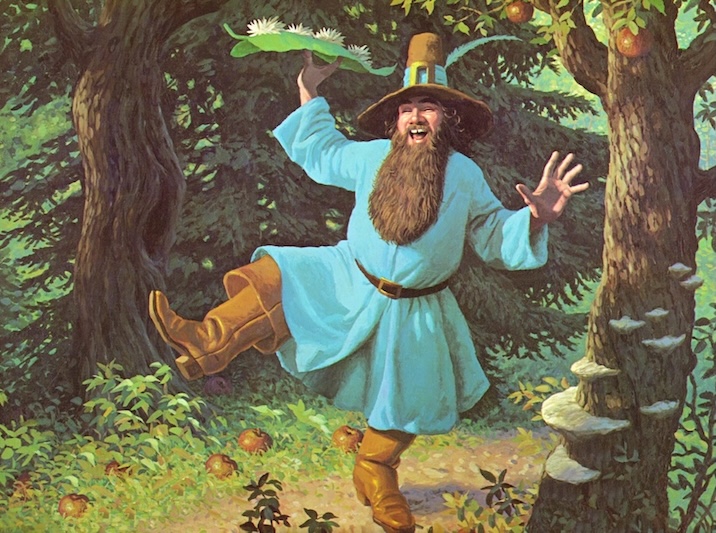
Today is J.R.R. Tolkien's birthday.
Tolkien penned some of our civilization's greatest works, but you may not know *why* he did — or how.
His stories are so enduringly real because he actually lived them... (thread) 🧵
Tolkien penned some of our civilization's greatest works, but you may not know *why* he did — or how.
His stories are so enduringly real because he actually lived them... (thread) 🧵

This was Tolkien's resume before authoring any books:
• Linguist (spoke ~15 languages)
• Conlanger (invented 15 more of his own)
• Soldier (fought at the Somme in WW1)
• Professor (Anglo-Saxon studies at Oxford)
• Code-breaker (recruited for WW2)
• Linguist (spoke ~15 languages)
• Conlanger (invented 15 more of his own)
• Soldier (fought at the Somme in WW1)
• Professor (Anglo-Saxon studies at Oxford)
• Code-breaker (recruited for WW2)

In fact, he only published his first book at age 45 (The Hobbit), and LOTR was released in his 60s.
Why do his stories feel so timeless and real? Because he lived them himself...
Why do his stories feel so timeless and real? Because he lived them himself...
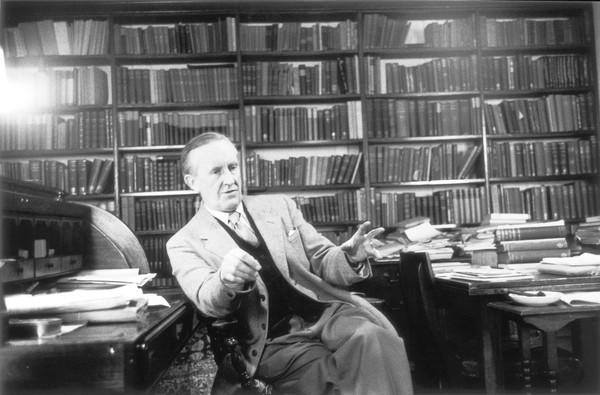
Languages were his early fascination — he started inventing them as a schoolboy of 12.
Elvish was created long before he penned books, and his stories written to give them a world to breathe in.
Elvish was created long before he penned books, and his stories written to give them a world to breathe in.


Tolkien was of course a devout Catholic, orphaned in childhood and motivated through life by his faith.
Languages and scripture came together nicely, and he even once translated the Book of Jonah for the Jerusalem Bible.
Languages and scripture came together nicely, and he even once translated the Book of Jonah for the Jerusalem Bible.

He knew how to infuse Christian ideas into stories without heavy-handed moralizing, and disliked allegory for this reason.
His messages instead lie mostly in the background: in characters of virtue and small acts of courage.
His messages instead lie mostly in the background: in characters of virtue and small acts of courage.

But Tolkien's stories are relatable ultimately because they're real.
He fought on one of the most brutal fronts of WW1, and saw friends perish in the Dead Marshes before he wrote them.
He fought on one of the most brutal fronts of WW1, and saw friends perish in the Dead Marshes before he wrote them.

Realizing that ordinary people suffered most in war, he made them the rightful heroes of his own tales.
It's the small hobbits who destroy the One Ring, rendering all the great wars meaningless...
It's the small hobbits who destroy the One Ring, rendering all the great wars meaningless...

And for all the might and machinery of war, that isn't what defeats evil — a small act of mercy wins in the end.
Bilbo spares Gollum's life, an action which leads to the Ring's eventual end.
Bilbo spares Gollum's life, an action which leads to the Ring's eventual end.

Fighting in WW1 and living through WW2 also taught him the cyclicality of history.
Sauron was only the coming of a second dark force (after Melkor). We never learn from evil, and when we overcome it, we "thereby breed new Saurons."
Sauron was only the coming of a second dark force (after Melkor). We never learn from evil, and when we overcome it, we "thereby breed new Saurons."

Tolkien hated Disney for their sugar-coated approach to storytelling.
The Hobbit was written for children, but it contains hardship, horror, evil and death. He saw it necessary to retain challenging elements because of what he endured.
The Hobbit was written for children, but it contains hardship, horror, evil and death. He saw it necessary to retain challenging elements because of what he endured.

He also witnessed the industrialization of England and despised it.
The peaceful countryside of his childhood fell prey to industrialism, which he resisted via storytelling (like the satisfying siege of the Ents on Isengard).
The peaceful countryside of his childhood fell prey to industrialism, which he resisted via storytelling (like the satisfying siege of the Ents on Isengard).

Tolkien wanted us to reject the grind of modernity and live simpler lives, surrounded by beauty.
“I am in fact a Hobbit (in all but size),” he wrote. “I like gardens, trees and unmechanized farmlands; I smoke a pipe, and like good plain food.”
“I am in fact a Hobbit (in all but size),” he wrote. “I like gardens, trees and unmechanized farmlands; I smoke a pipe, and like good plain food.”

And when he finally penned his books, he did so in order to create a mythology for his beloved England.
He knew that cultures need foundational stories to guide them, and besides the legends of King Arthur, England lacked the mythology of other traditions.
He knew that cultures need foundational stories to guide them, and besides the legends of King Arthur, England lacked the mythology of other traditions.

The Lord of the Rings and its legendarium were thus reflections of a truly rich life story and philosophy.
Tolkien's stories feel so real because they're the culmination of experiencing just about everything life has to offer...
Tolkien's stories feel so real because they're the culmination of experiencing just about everything life has to offer...

If you enjoy threads like this, I go deeper in my FREE newsletter — including on Tolkien!
Do NOT miss tomorrow's email.
100,000+ people read it: art, history and culture 👇
culture-critic.com/welcome
Do NOT miss tomorrow's email.
100,000+ people read it: art, history and culture 👇
culture-critic.com/welcome
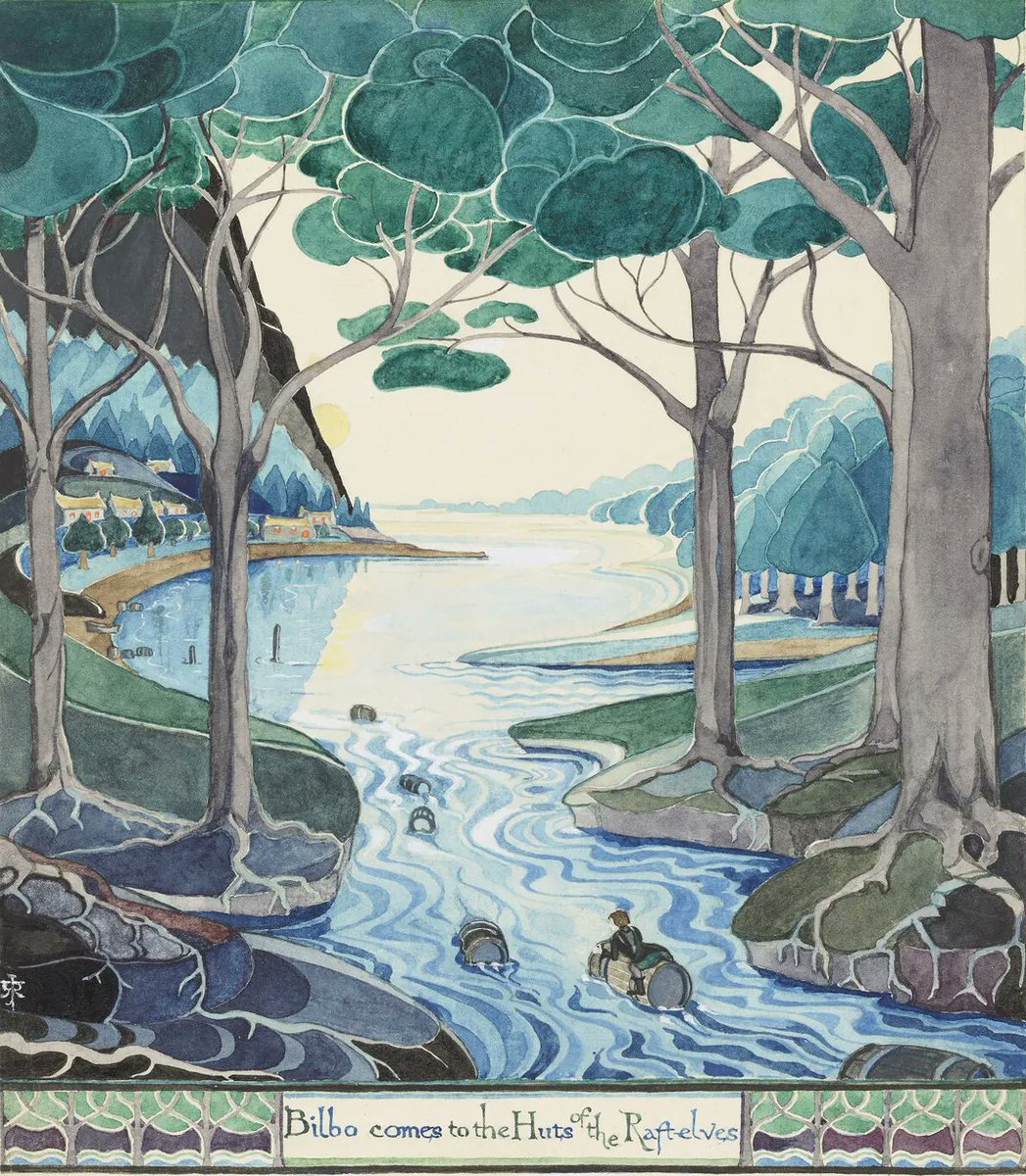
Something else you may not know about him: he was a master illustrator.
He made these watercolors for The Hobbit in 1937...
He made these watercolors for The Hobbit in 1937...



• • •
Missing some Tweet in this thread? You can try to
force a refresh