Found interesting data on NMN’s effects on skin, hidden in a paper about a molecule found in broccoli 🥦 Some surprising results… 🧵 

The paper makes no mention of NMN in the title or abstract, so I was surprised to see NMN studied so extensively…

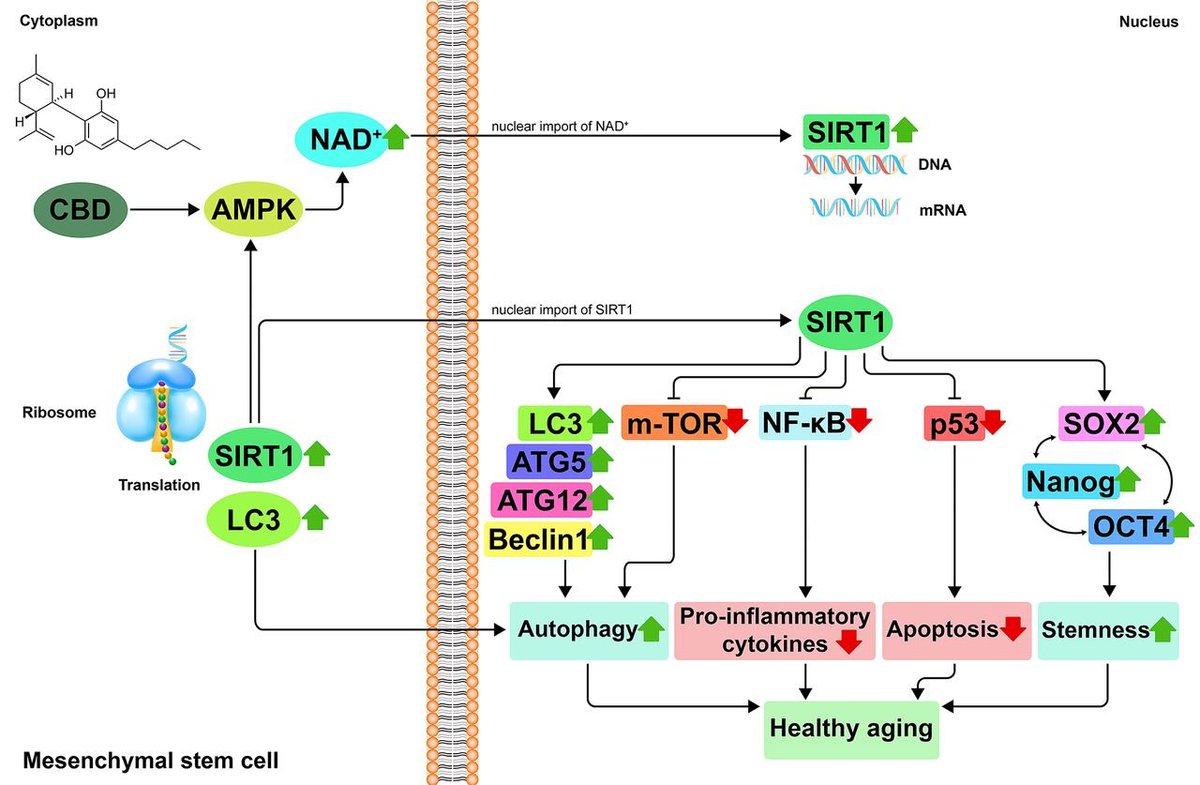
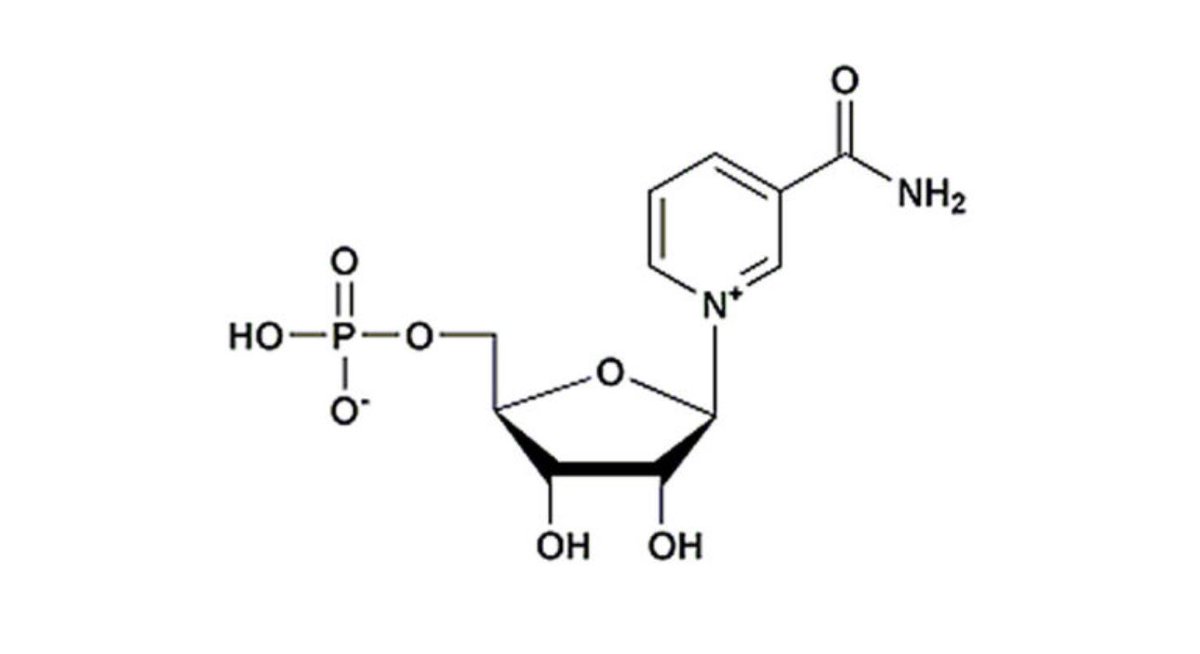
You probably know that NMN stands for nicotinamide mono-nucleotide. It is a precursor that cells use to make NAD+, the fuel for Sirtuin enzymes (SIRT1-7) and many other reactions…

Sirtuins control the epigenome and proteins that reduce DNA damage, fat accumulation, inflammation, and defend against tissue deterioration…
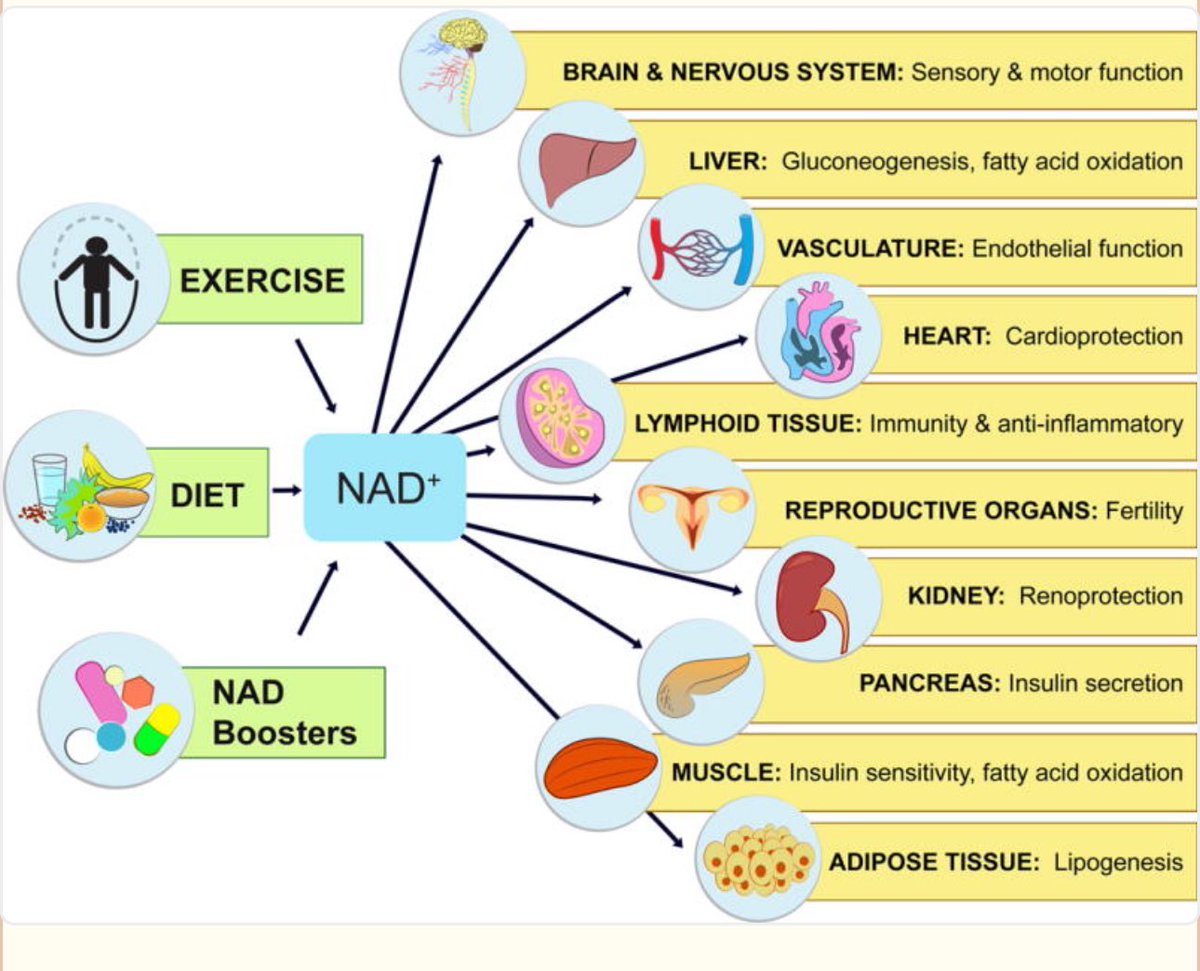
As we age, tissues make less and degrade more NAD, so we have less fuel for Sirtuins…
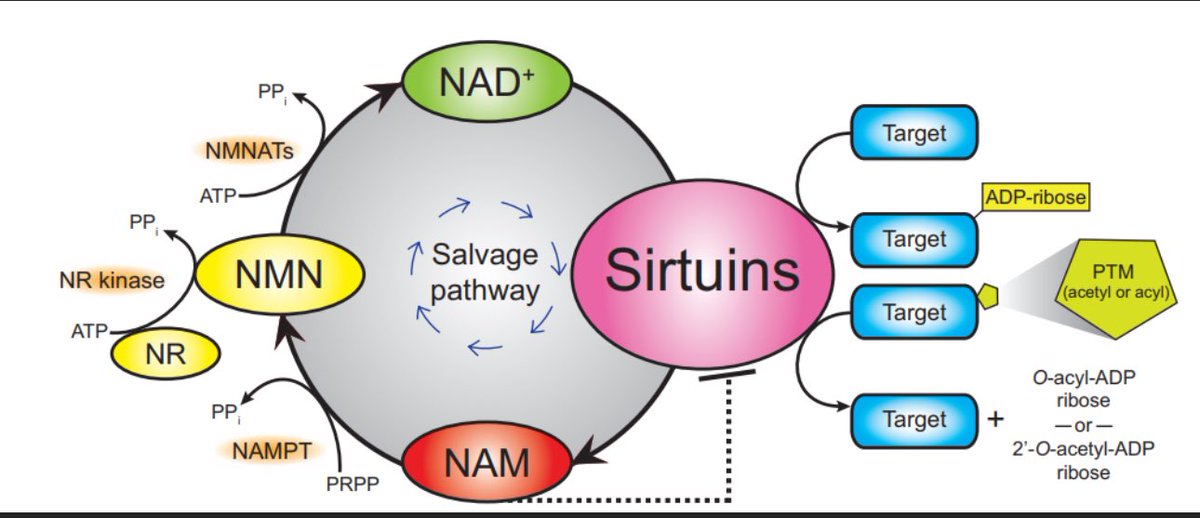
NMN, which raises NAD levels, has been tested in dozens of animal experiments and even some human trials…

Human studies so far look promising, with apparent reductions in bad cholesterol (LDL), blood pressure, body weight, and triglycerides…@BrighamWomens

Which brings us to the study by Bo Zhang and colleagues, who used NMN as a “positive control” to test rejuvenation of mouse skin…
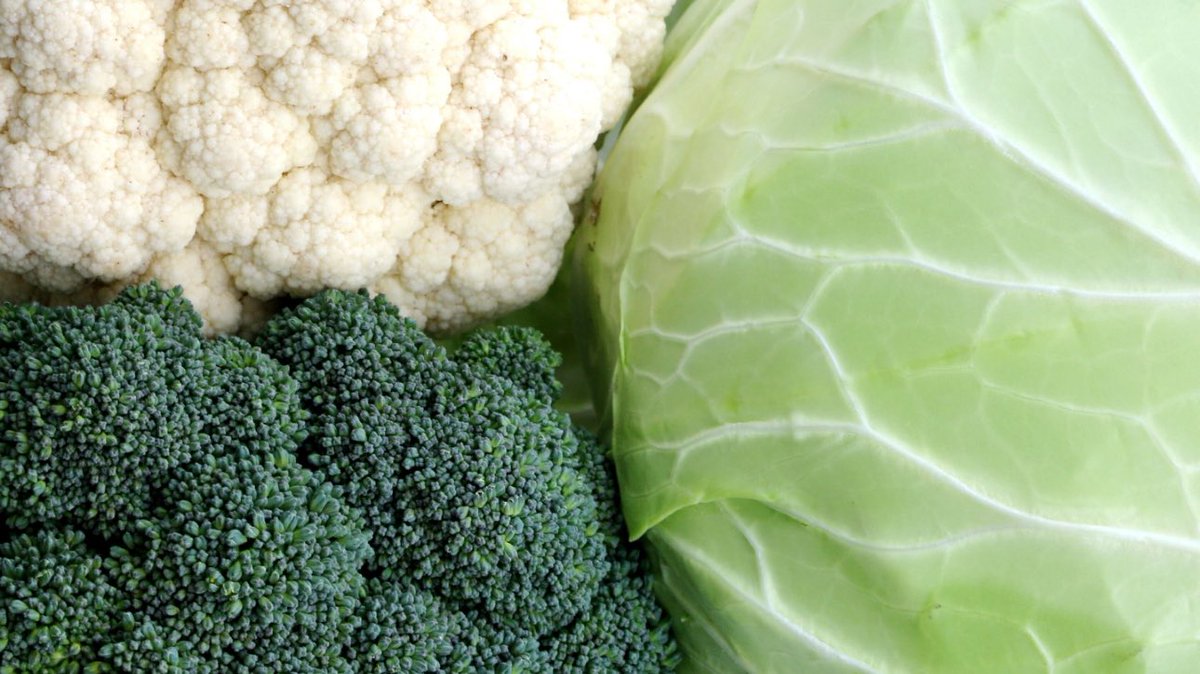
Their primary goal was to test, on prematurely aged skin, the effect of sulfuraphane, a molecule found in cruciferous vegetables like broccoli and Brussels sprouts 🥦…
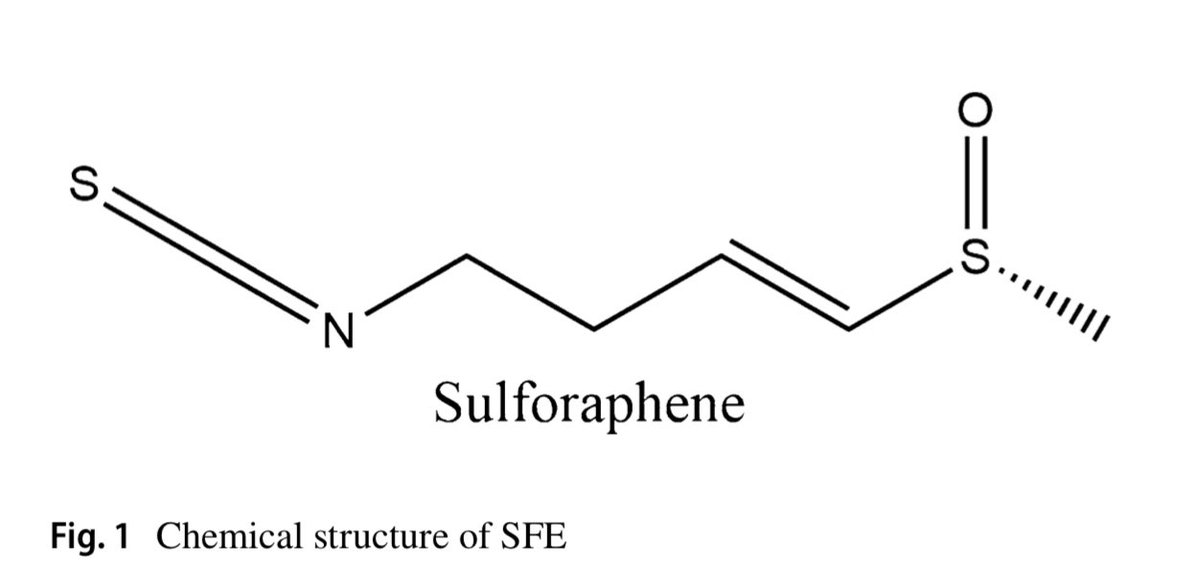
Sulforaphane has a sulfur smell because of the sulfur atom in its structure. It is one of the many molecules in cabbage and its descendants that smell like rotten eggs...
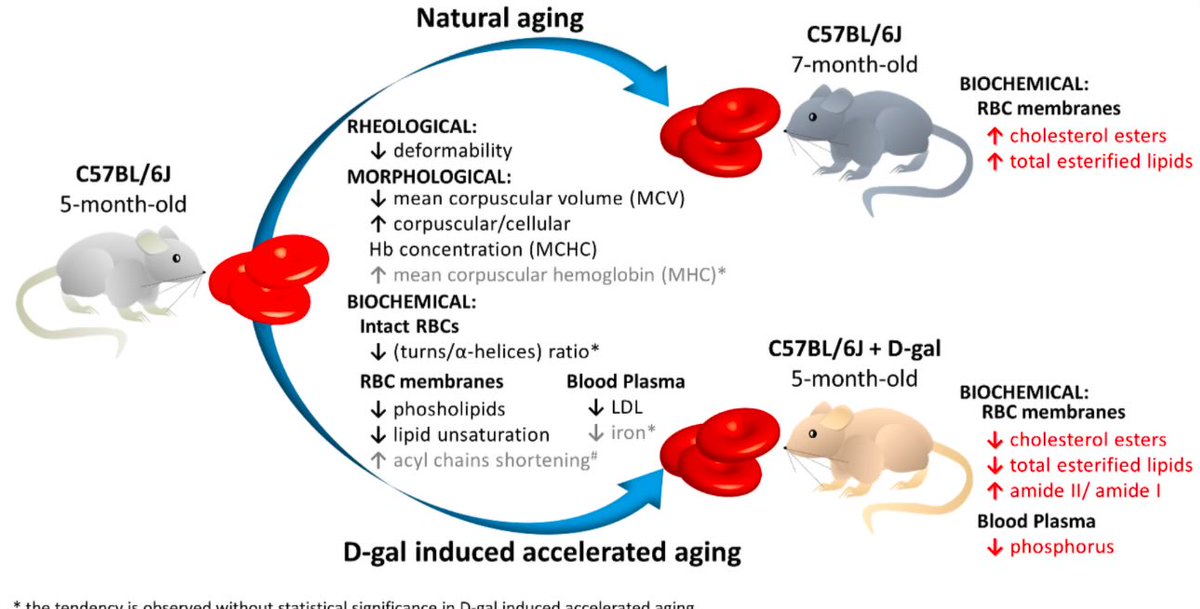
Their skin aging model was to inject the skin of mice with D-galactose for 8 weeks, which caused glycation of proteins and inflammation…
Sulfuraphane was given at 50 mg/kg body-weight and NMN at 100. For a 70 kg person this might be approximately 1/2 a gram NMN a day, dividing by 12 for allometric scaling …
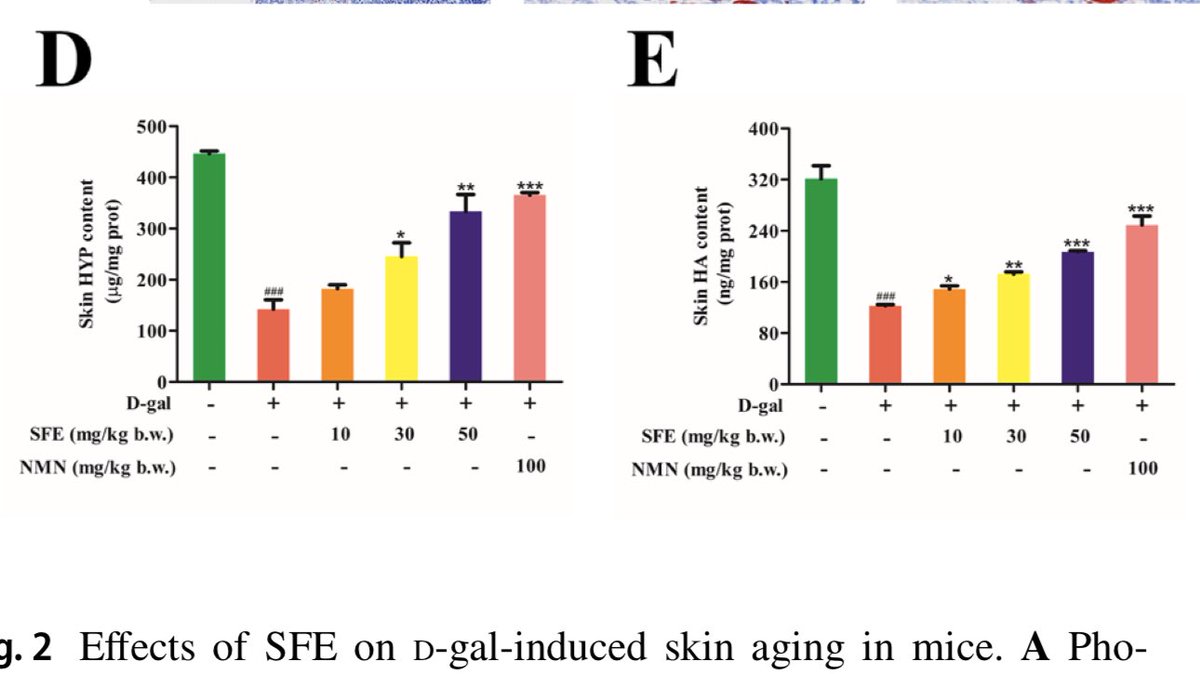
In both treatment groups, there was evidence or protection from D-galactose with more hydroxyproline and hyaluronic acid (HA)…
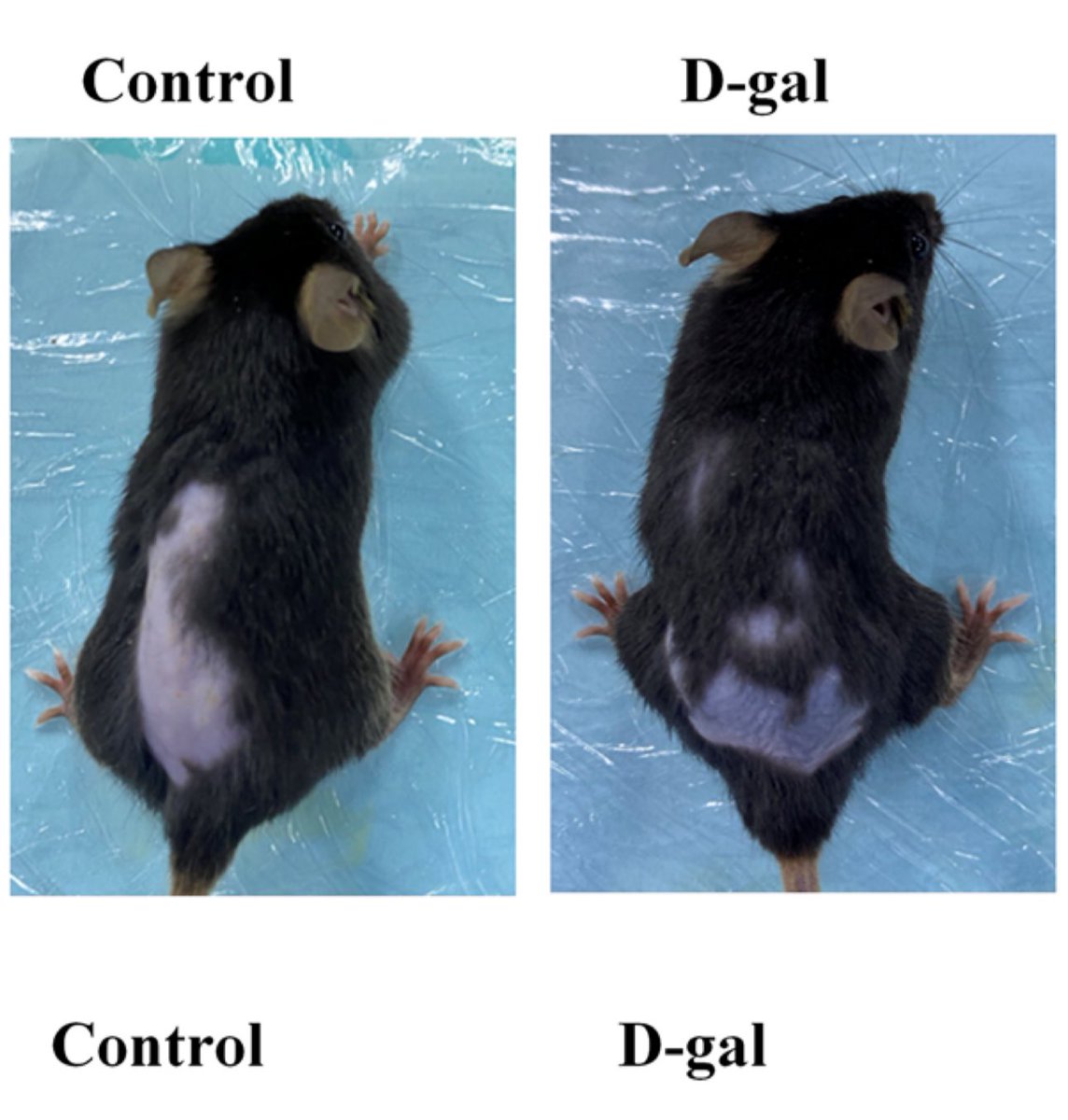
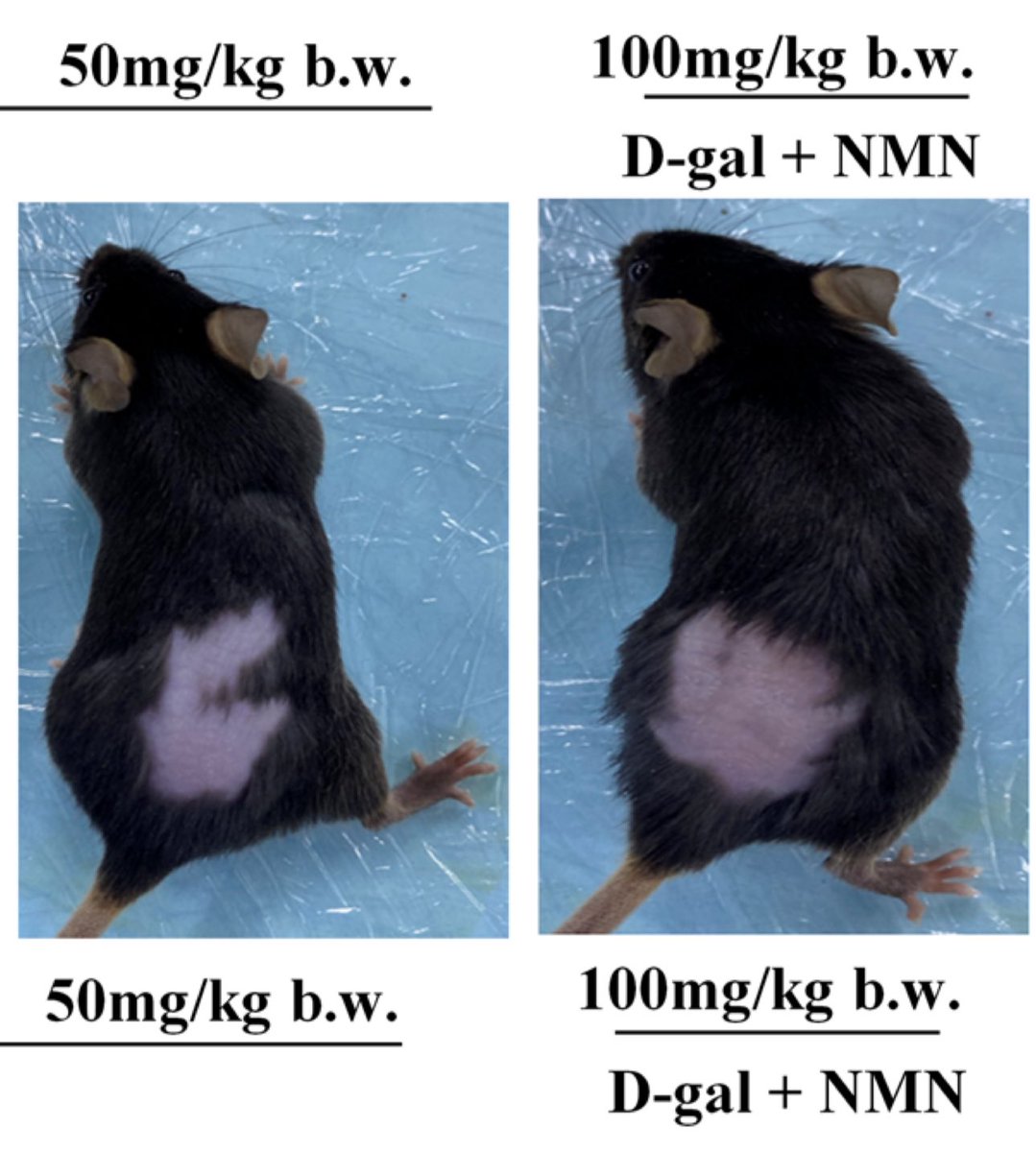
Less wrinkled appearance…
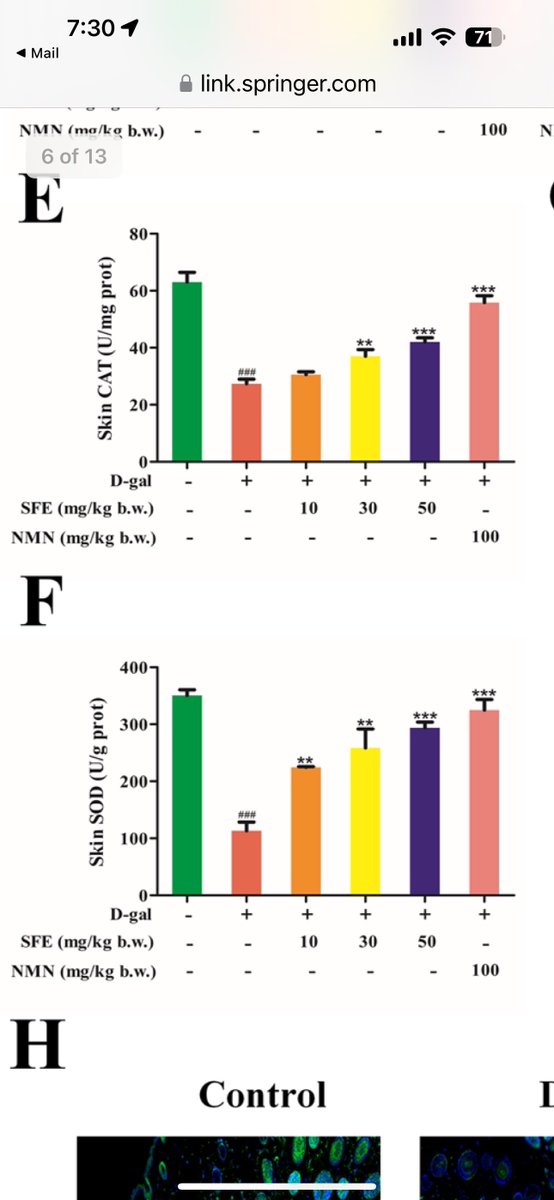
More antioxidant enzymes, such as catalase and SOD…
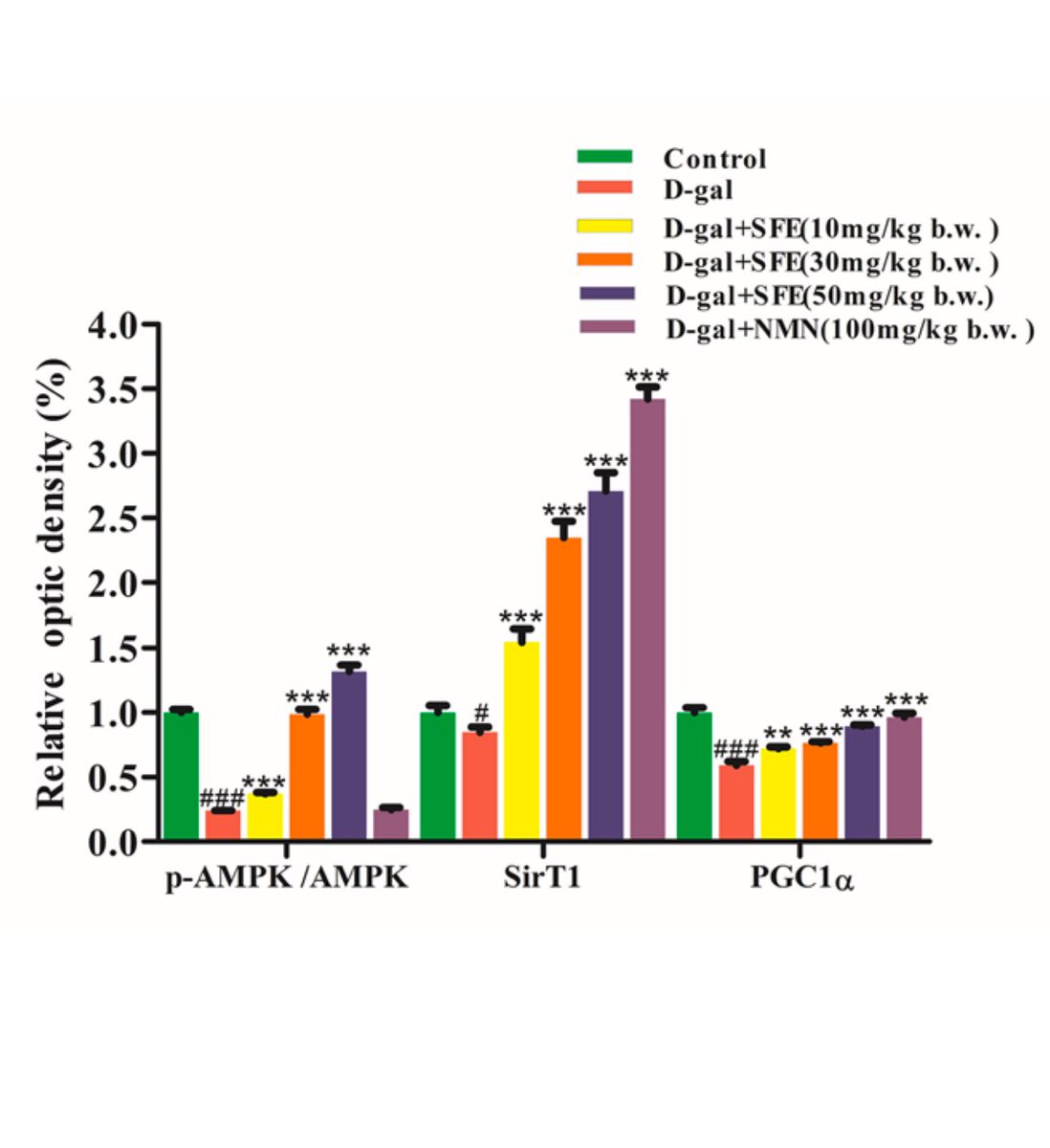
Interestingly, NMN boosted the levels of SIRT1 the most, while sulfuraphane boosted activated (phospho-) AMPK, another enzyme linked to health (purple and blue bars)…
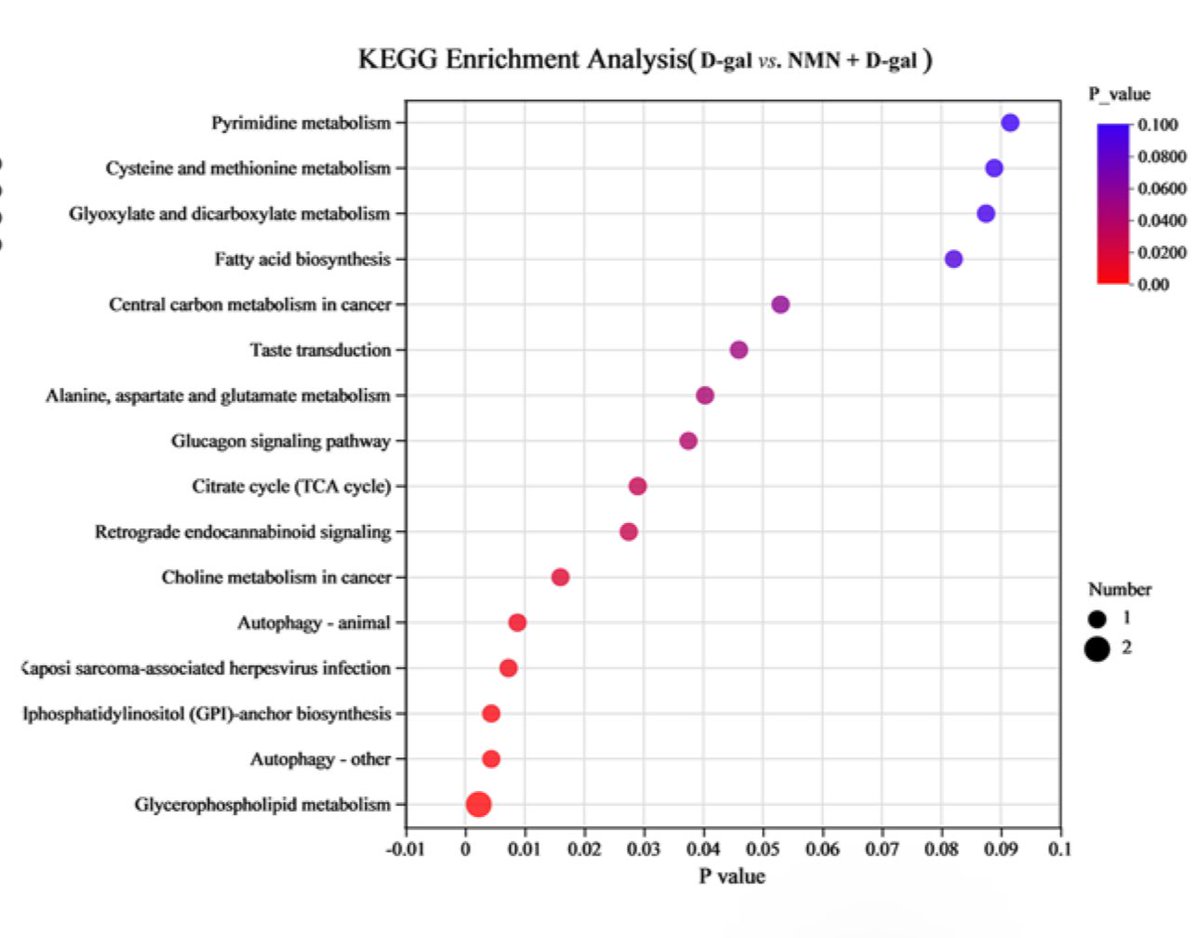
and the types of metabolic pathways altered by NMN were really interesting, including autophagy and oxidative metabolism…

Skin inflammatory cytokines ended up at levels similar to the untreated control mice for both treatments, including TNF-alpha…

So, does this mean eating cruciferous vegetables is a good thing for skin? Most nutritionist would say YES! They are packed with nutrients and sulfuraphane. The molecule can also be taken as a supplement…
Previous work indicated sulfuraphane’s ability to activate the Nrf2 defense pathway is beneficial to mouse skin
sciencedirect.com/science/articl…
sciencedirect.com/science/articl…
As for NMN, these data fit with previous studies showing skin health is improved, including the rate of rodent skin wound healing…
sciencedirect.com/science/articl…
sciencedirect.com/science/articl…
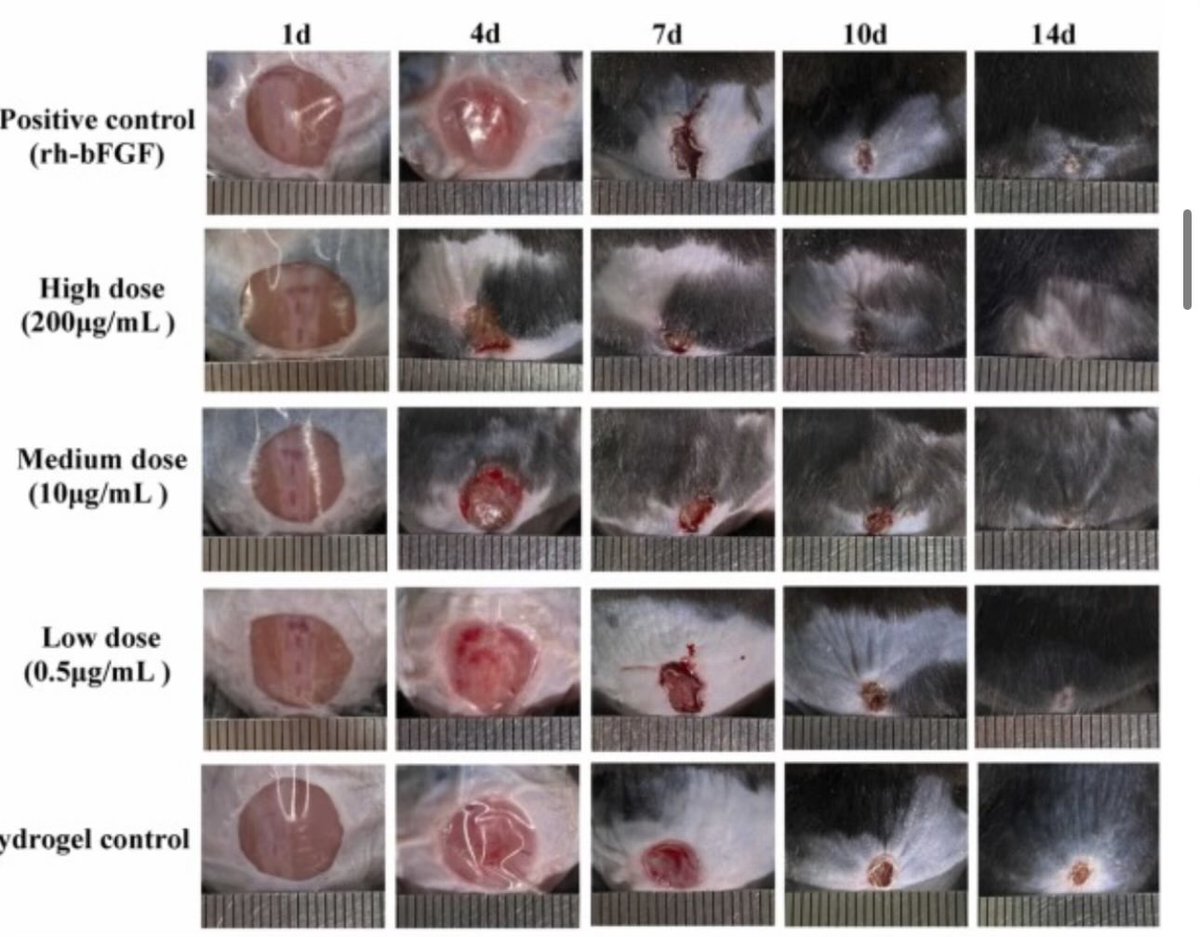
Given NMN and sulfuraphane had differential effects on AMPK and SIRT1 it would be interesting trying the combination on mice or human skin!
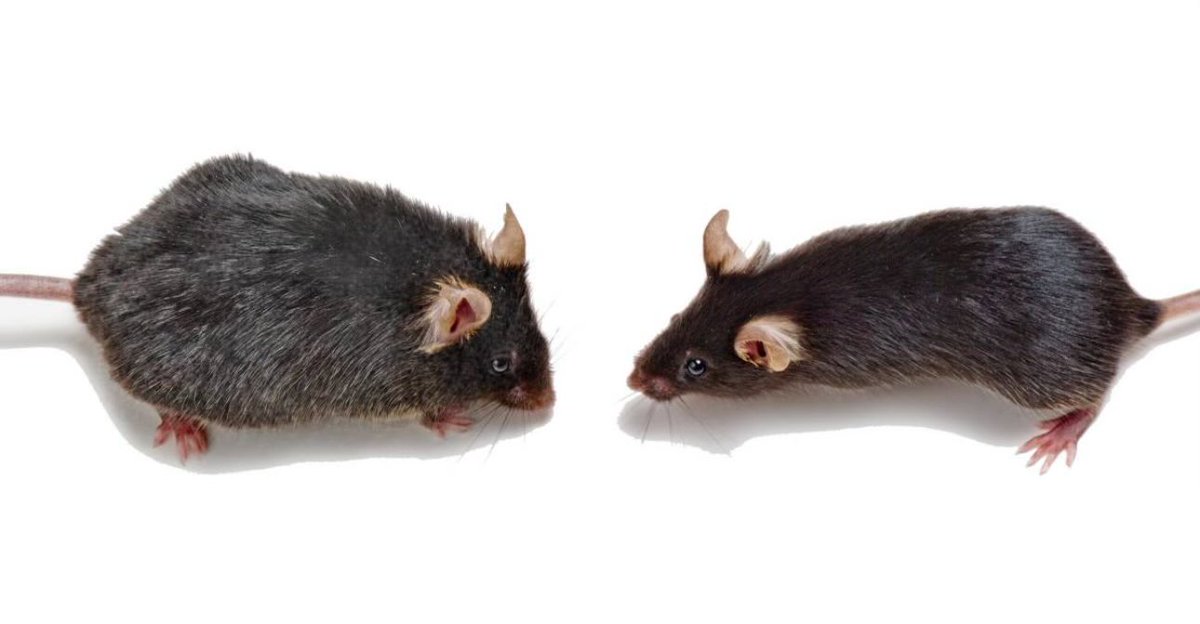
Fun fact: Brussels sprouts are named after Brussels, Belgium, where they were cultivated from wild cabbages in the 1200s. In the 1500s, they spread across Europe, despite their taste 👅
Thanks for reading this post all the way down
https://twitter.com/davidasinclair/status/1875365710526083243
Here’s a link to the primary source
link.springer.com/article/10.100…
link.springer.com/article/10.100…
• • •
Missing some Tweet in this thread? You can try to
force a refresh