
Joe Rogan Shuts Down Mark Zuckerberg’s Bogus Claim About COVID
Mark Zuckerberg’s attempt to rebrand himself as a free speech absolutist seemed to be working—until he made this fatal error at the end.
🧵 THREAD
Mark Zuckerberg’s attempt to rebrand himself as a free speech absolutist seemed to be working—until he made this fatal error at the end.
🧵 THREAD

Mark Zuckerberg is making some big moves at Meta, and on the surface, it all looks great: elimination of fact-checkers, rollback of DEI initiatives, and less censorship.
Zuckerberg delivered a strong pitch for his renewed enthusiasm for free speech—until he exposed himself at the end.
Episode #2255 of The Joe Rogan Experience started off strong when Zuckerberg declared that modern censorship efforts are driven by ideology rather than a commitment to the truth.
He openly questioned Facebook’s role as the “truth decider” for billions, calling it a dangerous and ideological position to take.
“I kind of think after having gone through that whole exercise it’s something out of 1984, one of these books where it really is a slippery slope,” Zuckerberg said.
Zuckerberg delivered a strong pitch for his renewed enthusiasm for free speech—until he exposed himself at the end.
Episode #2255 of The Joe Rogan Experience started off strong when Zuckerberg declared that modern censorship efforts are driven by ideology rather than a commitment to the truth.
He openly questioned Facebook’s role as the “truth decider” for billions, calling it a dangerous and ideological position to take.
“I kind of think after having gone through that whole exercise it’s something out of 1984, one of these books where it really is a slippery slope,” Zuckerberg said.
The conversation got even more interesting when Zuckerberg threw the Biden administration under the bus, revealing that they pressured his company to censor true information—and even memes—about vaccine safety.
“They pushed us super hard to take down things that were honestly true… they basically pushed us and said anything that says that vaccines might have side effects you basically need to take down,” Zuckerberg explained.
“They pushed us super hard to take down things that were honestly true… they basically pushed us and said anything that says that vaccines might have side effects you basically need to take down,” Zuckerberg explained.
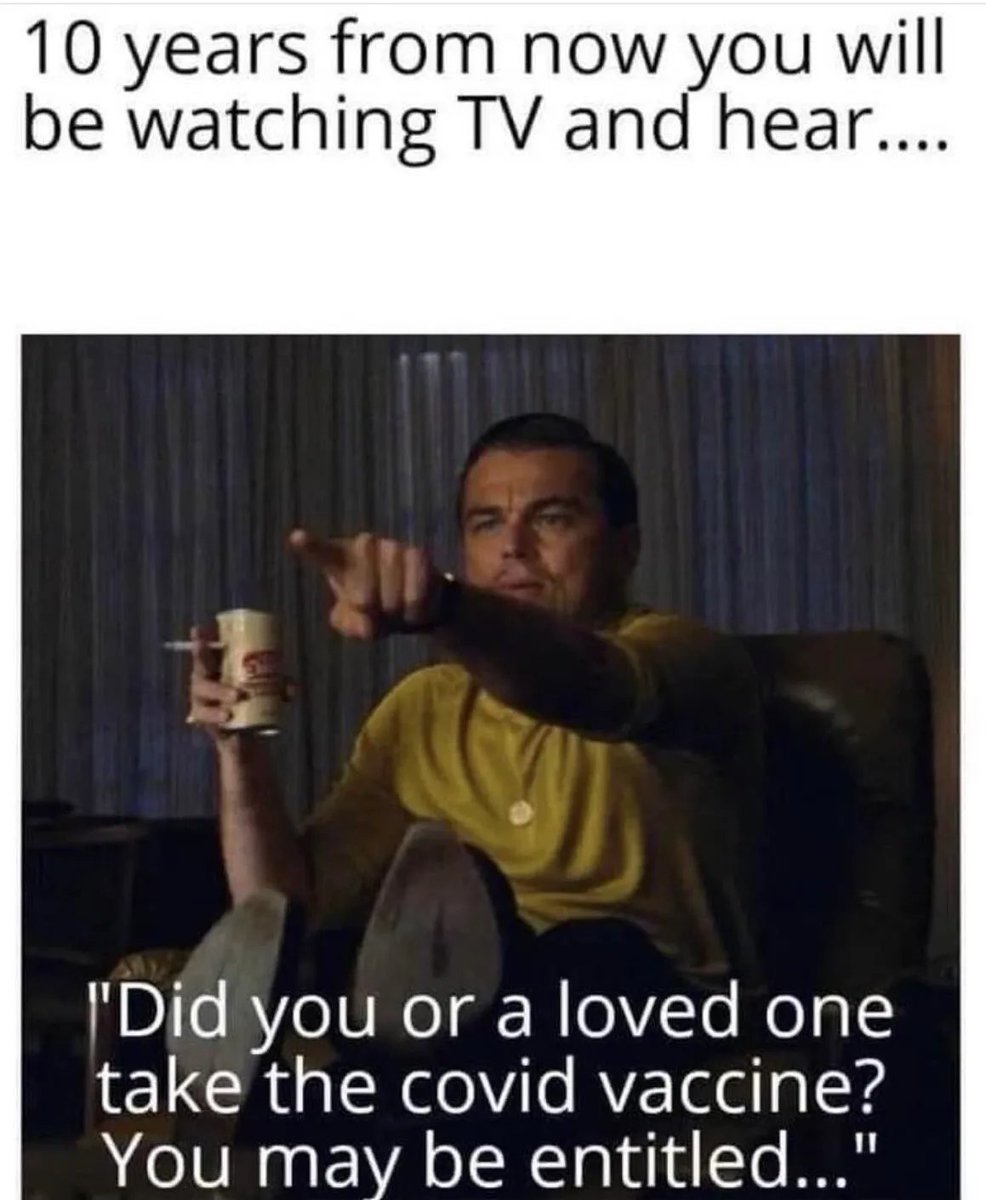
“They want us to take down this meme of Leonardo DiCaprio looking at a TV, talking about how 10 years from now or something, you’re going to see an ad that says, ‘If you took a COVID vaccine, you’re eligible for this kind of payment,’” Zuckerberg continued.
“We just said, ‘No, we’re not going to take down humor and satire. We’re not going to take down things that are true.’”
“We just said, ‘No, we’re not going to take down humor and satire. We’re not going to take down things that are true.’”
Zuckerberg made the argument that attempts to censor what are called “misinformation” and “hate speech” have gone “too far.”
He referred to Pete Hegseth’s belief that women shouldn’t serve in certain combat roles, explaining that such a statement would be censored under Meta’s old content moderation policies.
“Until we updated our policies, that wouldn’t have been a thing that you could have said on our platforms because it would call for the exclusion of a protected category of people,” Zuckerberg said.
“If it’s okay to say on the floor of Congress, you should probably be able to debate it on social media,” he argued.
He referred to Pete Hegseth’s belief that women shouldn’t serve in certain combat roles, explaining that such a statement would be censored under Meta’s old content moderation policies.
“Until we updated our policies, that wouldn’t have been a thing that you could have said on our platforms because it would call for the exclusion of a protected category of people,” Zuckerberg said.
“If it’s okay to say on the floor of Congress, you should probably be able to debate it on social media,” he argued.
As the conversation continued, Zuckerberg even suggested that the Biden administration is guilty of illegal acts to censor speech.
“I don’t think that the pushing for social media companies to censor stuff was legal,” he said.
“Having people in the administration calling up the guys on our team and yelling at them and cursing and threatening repercussions if we don’t take down things that are true is like, it’s pretty bad.”
“I don’t think that the pushing for social media companies to censor stuff was legal,” he said.
“Having people in the administration calling up the guys on our team and yelling at them and cursing and threatening repercussions if we don’t take down things that are true is like, it’s pretty bad.”
While you’re here, don’t forget to follow (@VigilantFox) and hit the bell 🔔 for more threads like this one.
Bolstering his commitment to free speech even further, Zuckerberg praised UFC president Dana White, suggesting his addition to Meta’s board of directors will be exactly what the company needs to rise up and resist censorship efforts from outside forces.
“He’ [White] has got a strong backbone. And I think part of what the conversation that I had with him around joining our board was, okay, like, we have a lot of governments and folks around the world putting a lot of pressure on our company, and we need some strong people who are going to help advise us on how to handle some of these situations,” Zuckerberg explained.
“I could spend all my time doing that, but I’m not even a politician. I just want to spend my time building things. Right? So, I think Dana’s gonna be great.”
“He’ [White] has got a strong backbone. And I think part of what the conversation that I had with him around joining our board was, okay, like, we have a lot of governments and folks around the world putting a lot of pressure on our company, and we need some strong people who are going to help advise us on how to handle some of these situations,” Zuckerberg explained.
“I could spend all my time doing that, but I’m not even a politician. I just want to spend my time building things. Right? So, I think Dana’s gonna be great.”
Zuckerberg’s interview was going exceptionally well—he was hitting all the right notes, earning nods of approval from Rogan where it counted most.
But the momentum came to a screeching halt when Zuckerberg made a COVID censorship claim that struck a nerve with @JoeRogan.
While Zuckerberg acknowledged he didn’t agree with the Biden administration’s harsh tactics to push vaccination, he argued that censoring voices and concerns about vaccine safety was done for the purpose of a greater good—suggesting it was free from “personal political gain.”
Rogan, armed with a deep understanding of what actually transpired during COVID, quickly set the record straight and exposed the glaring flaws in Zuckerberg’s claim.
“I still think it’s good for more people to get the vaccine,” Zuckerberg said. “I’m not sure in that case how much of it [censorship] was like a personal political gain that they were going for. I think that they had a kind of goal that they thought was in the interests of the country. And the way they went about it, I think, violated the law.”
“Well, there’s a bunch of problems with that,” Rogan retorted before laying out a quick history of the incentives behind censoring speech about vaccine safety.
“There’s the emergency use authorization that they needed in order to get this pushed through. And you can’t have that without valid therapeutics being available. And so they suppressed valid therapeutics. So they’re suppressing real information that would lead to people being healthy and successful in defeating this disease.
“And they did that so that they could have this one solution. And this was Fauci’s game plan. I mean, this is the movie Dallas Buyers Club. That’s Fauci in that movie. That was with the AIDS crisis. This is the exact same game plan that was played out with the COVID vaccine.
“They pushed one solution, this only one, suppressed all therapeutics through propaganda, through suppressing monoclonal antibodies, like all of it. And that was done, in my opinion, for profit. And they did that because it was extremely profitable. The amount of money that was made was extraordinary during that time,” Rogan explained.
But the momentum came to a screeching halt when Zuckerberg made a COVID censorship claim that struck a nerve with @JoeRogan.
While Zuckerberg acknowledged he didn’t agree with the Biden administration’s harsh tactics to push vaccination, he argued that censoring voices and concerns about vaccine safety was done for the purpose of a greater good—suggesting it was free from “personal political gain.”
Rogan, armed with a deep understanding of what actually transpired during COVID, quickly set the record straight and exposed the glaring flaws in Zuckerberg’s claim.
“I still think it’s good for more people to get the vaccine,” Zuckerberg said. “I’m not sure in that case how much of it [censorship] was like a personal political gain that they were going for. I think that they had a kind of goal that they thought was in the interests of the country. And the way they went about it, I think, violated the law.”
“Well, there’s a bunch of problems with that,” Rogan retorted before laying out a quick history of the incentives behind censoring speech about vaccine safety.
“There’s the emergency use authorization that they needed in order to get this pushed through. And you can’t have that without valid therapeutics being available. And so they suppressed valid therapeutics. So they’re suppressing real information that would lead to people being healthy and successful in defeating this disease.
“And they did that so that they could have this one solution. And this was Fauci’s game plan. I mean, this is the movie Dallas Buyers Club. That’s Fauci in that movie. That was with the AIDS crisis. This is the exact same game plan that was played out with the COVID vaccine.
“They pushed one solution, this only one, suppressed all therapeutics through propaganda, through suppressing monoclonal antibodies, like all of it. And that was done, in my opinion, for profit. And they did that because it was extremely profitable. The amount of money that was made was extraordinary during that time,” Rogan explained.
So, what’s really going on with Mark Zuckerberg? Has he truly had a “come to Jesus” moment, recognizing the flaws of his past ways?
Time will tell, but voices like Stephen A. Smith aren’t convinced, suggesting Zuckerberg’s recent moves are more about self-preservation than a genuine commitment to free speech.
“You [Zuckerberg] went about the business of literally limiting conservative voices of vax skeptics along with other people,” Smith rebuked during a recent appearance on NewsNation.
The reason why Zuckerberg is making this free speech stunt now, Smith says, is because he is terrified of getting in Trump’s “path over the next [four] years.”
Smith concluded that Zuckerberg’s actions fall in line with political self-preservation, calling it predictable and calculated.
Time will tell, but voices like Stephen A. Smith aren’t convinced, suggesting Zuckerberg’s recent moves are more about self-preservation than a genuine commitment to free speech.
“You [Zuckerberg] went about the business of literally limiting conservative voices of vax skeptics along with other people,” Smith rebuked during a recent appearance on NewsNation.
The reason why Zuckerberg is making this free speech stunt now, Smith says, is because he is terrified of getting in Trump’s “path over the next [four] years.”
Smith concluded that Zuckerberg’s actions fall in line with political self-preservation, calling it predictable and calculated.
While it would be wonderful to believe that Zuckerberg is a changed man, one should remain skeptical about his true intentions.
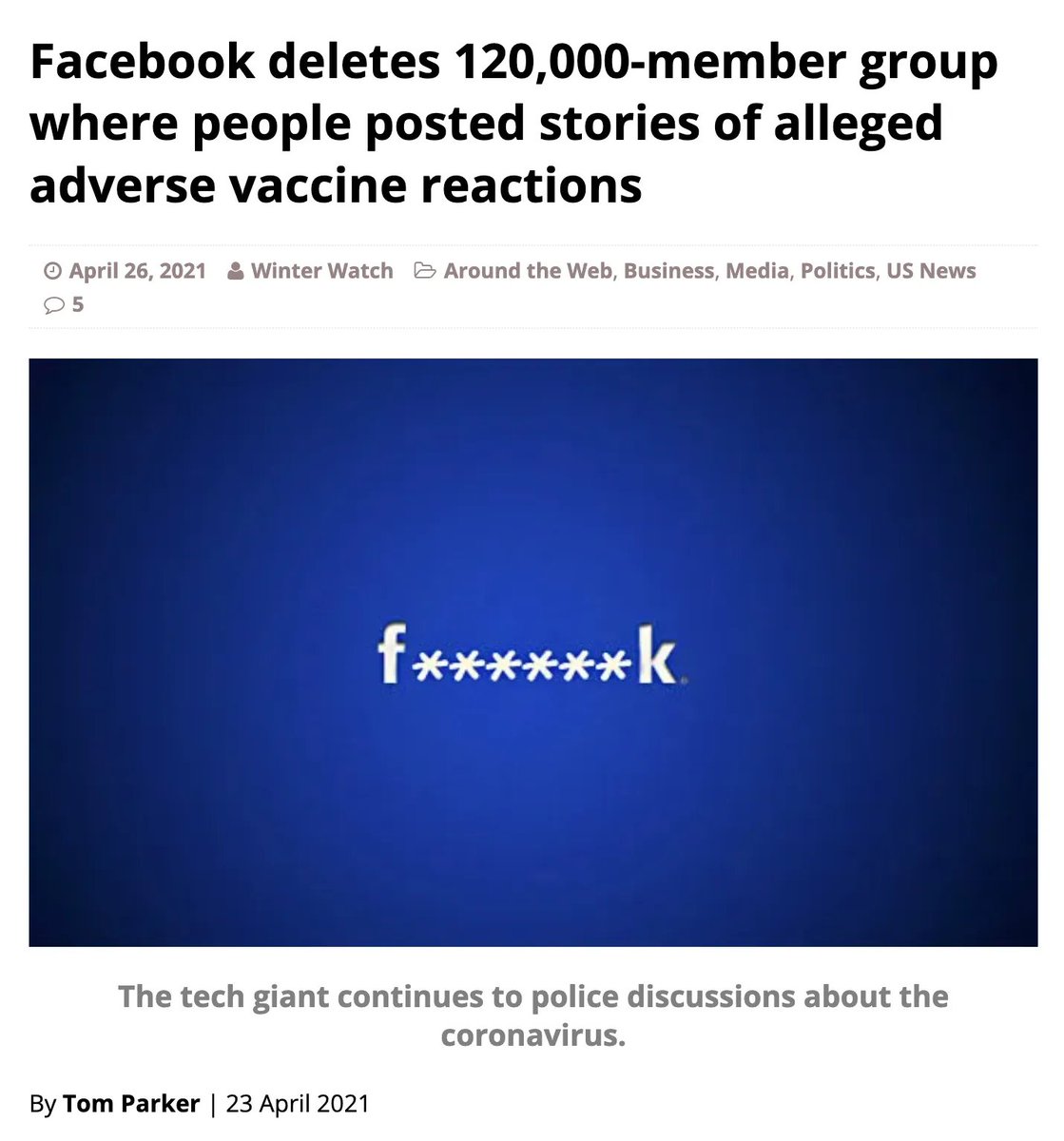
After all, his company was behind some of the worst censorship crimes, like deleting vaccine injury groups when those people needed support from their peers the most.
After all, his company was behind some of the worst censorship crimes, like deleting vaccine injury groups when those people needed support from their peers the most.
@joerogan But that’s just me. Listen to the full conversation for yourself on @JoeRogan’s YouTube channel.
@joerogan Thanks for reading! If you enjoyed this post, please do me a quick favor and follow this page (@VigilantFox) for more threads like this one.
In other news, Mel Gibson has made some bombshell medical claims. This could threaten the entire cancer industry:
In other news, Mel Gibson has made some bombshell medical claims. This could threaten the entire cancer industry:
https://x.com/VigilantFox/status/1877565280013938833
• • •
Missing some Tweet in this thread? You can try to
force a refresh






