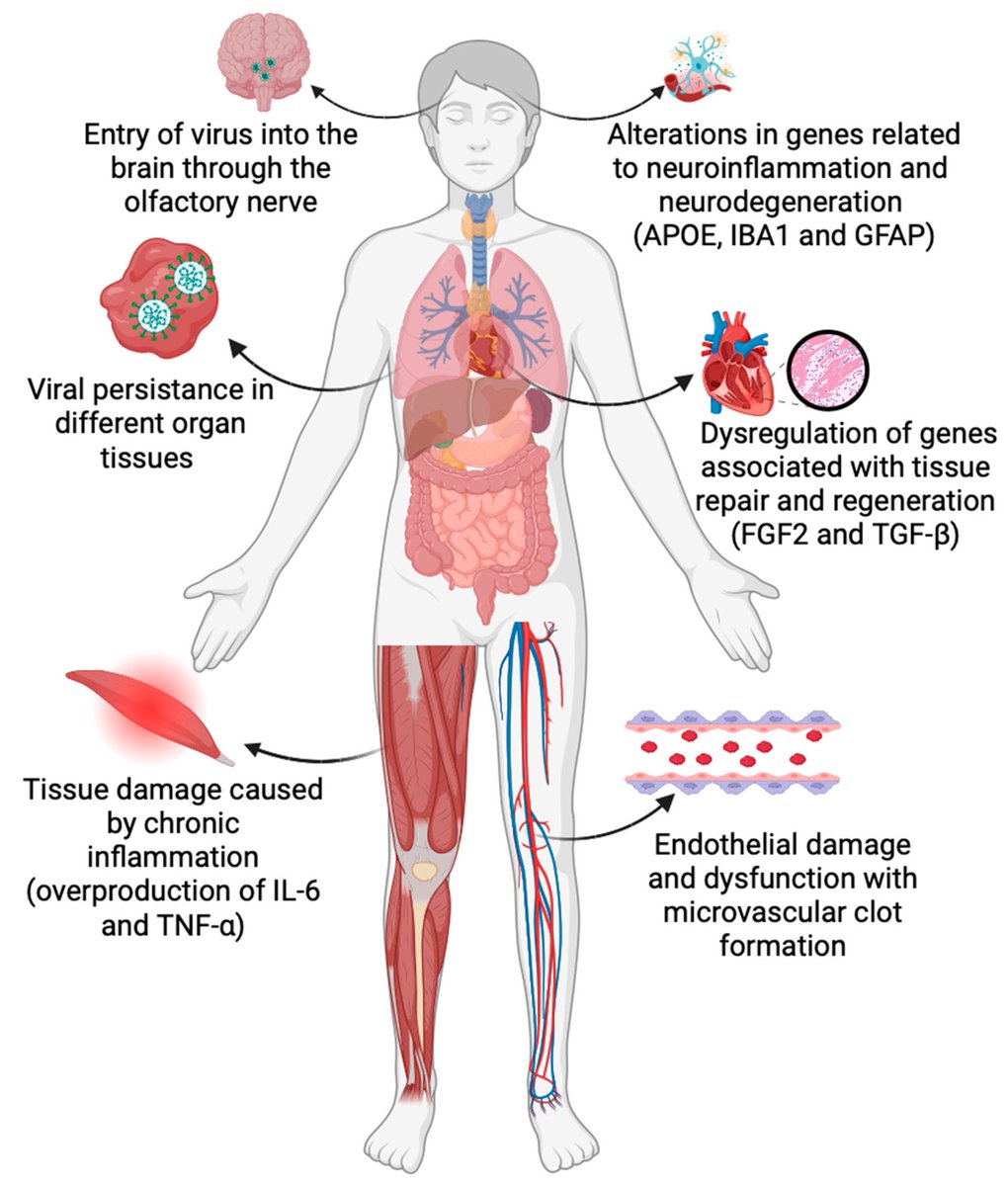
A new Systematic Review has confirmed Cardiovascular involvement with #LongCovid (LC).
The researchers found that LC is associated with a pro-atherogenic lipid profile, marked by increased atherogenic components and decreased protective lipid biomarkers. 1/
Cardiovascular involvement is frequently reported in LC, often accompanied by a spectrum of related symptoms. Dysregulated lipid profiles and elevated atherogenic indices have been implicated in LC. 2/
The findings underscore significance of routine lipid profiling in individuals with LC to detect & manage dyslipidaemia early. Timely implementation of lipid-lowering therapies is crucial for mitigating atherogenic progression & decreasing risk of cardiovascular events. 3/
These results necessitate further investigation into the mechanisms of lipid dysregulation in LC and the development of targeted therapeutic strategies to enhance patient outcomes and long-term cardiovascular health. 4/4
Microthrombus formation is associated with COVID-19 severity; however, the detailed mechanism remains unclear.
🔥 A NEW study finds that it is the neutrophils adhesion to vessel walls that impairs pulmonary circulation in COVID-19 pathology 1/
Researchers investigated mouse models with severe pneumonia caused by SARS-CoV-2 infection by using our in vivo two-photon imaging system. 2/
In the lungs of SARS-CoV-2-infected mice, increased expression of adhesion molecules in intravascular neutrophils prolonged adhesion time to the vessel wall, resulting in platelet aggregation and impaired lung perfusion. 3/
A NEW study finds significant correlations between specific autoantibodies, particularly those targeting G protein-coupled receptors & renin‒angiotensin system (RAS) molecules, and the clinical manifestations of COVID-19 such as fever, muscle aches, anosmia, and dysgeusia. 1/
Using a cross-sectional analysis of 244 individuals, researchers applied multivariate analysis of variance, principal component analysis, and multinomial regression to examine the relationships between AAB levels and key symptoms. 2/
Significant correlations identified between specific auto-antibodies (AABs) & Covid19 symptoms. Notably, anti-AGTR1 antibodies, which contribute to endothelial glycocalyx (eGC) degradation, a process reversed by losartan, have emerged as strong predictors of core symptoms. 3/
A new role of T cells that could revolutionise the vaccine development!
🔥 Scientists have discovered that T cells—WBC that can destroy harmful pathogens—can completely prevent viral infection, to an extent previously thought only possible due to neutralizing antibodies. 1/
These findings, shown experimentally for the first time in human studies, reshape our understanding of how our immune system works, paving the way for the design of more effective vaccines. 2/
Traditionally, experts have considered neutralizing antibodies as the ultimate form of protection against viral diseases. These antibodies bind to viruses to prevent them from infecting cells, such that clinical and lab investigations would find no trace of infection. 3/
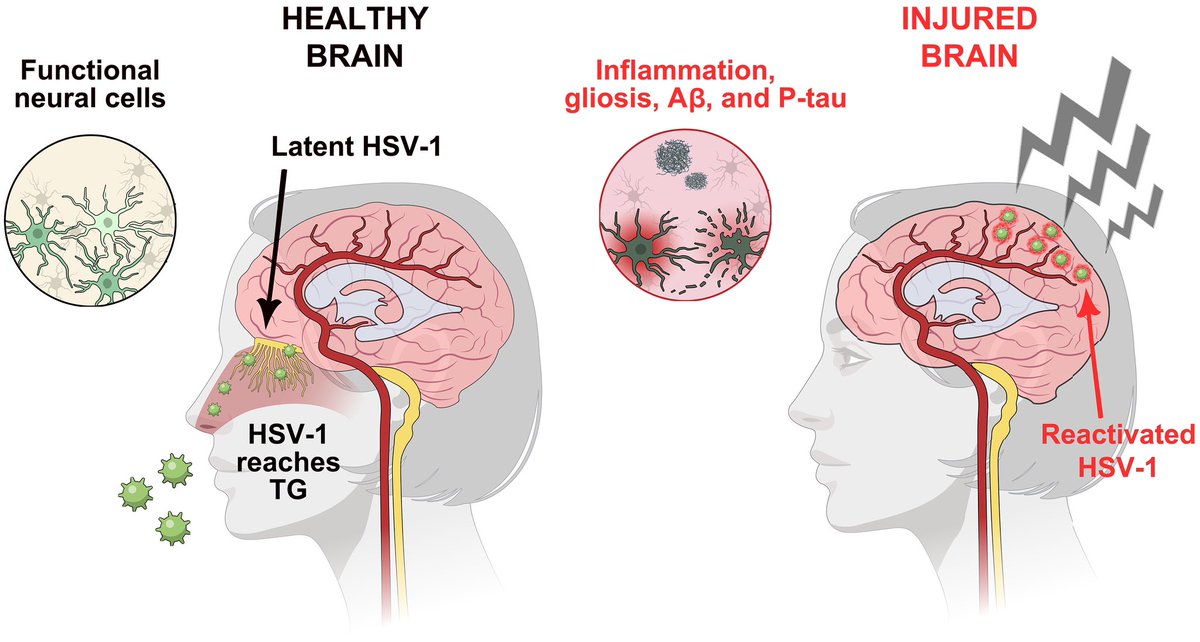
According to a NEW study head trauma may activate latent viruses, leading to neurodegeneration!
Researchers have now uncovered mechanisms that may connect the dots between trauma event and the emergence of neurodegenerative diseases. 1/
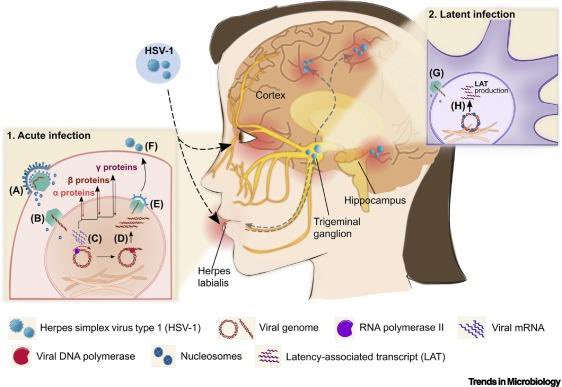
Infection with herpes simplex virus type 1 (HSV-1) is common, lifelong, and often in a latent state with periodic reactivation. It is a risk factor for neurodegenerative disease and dementia in some individuals, as are repeated head injuries like concussions. 2/
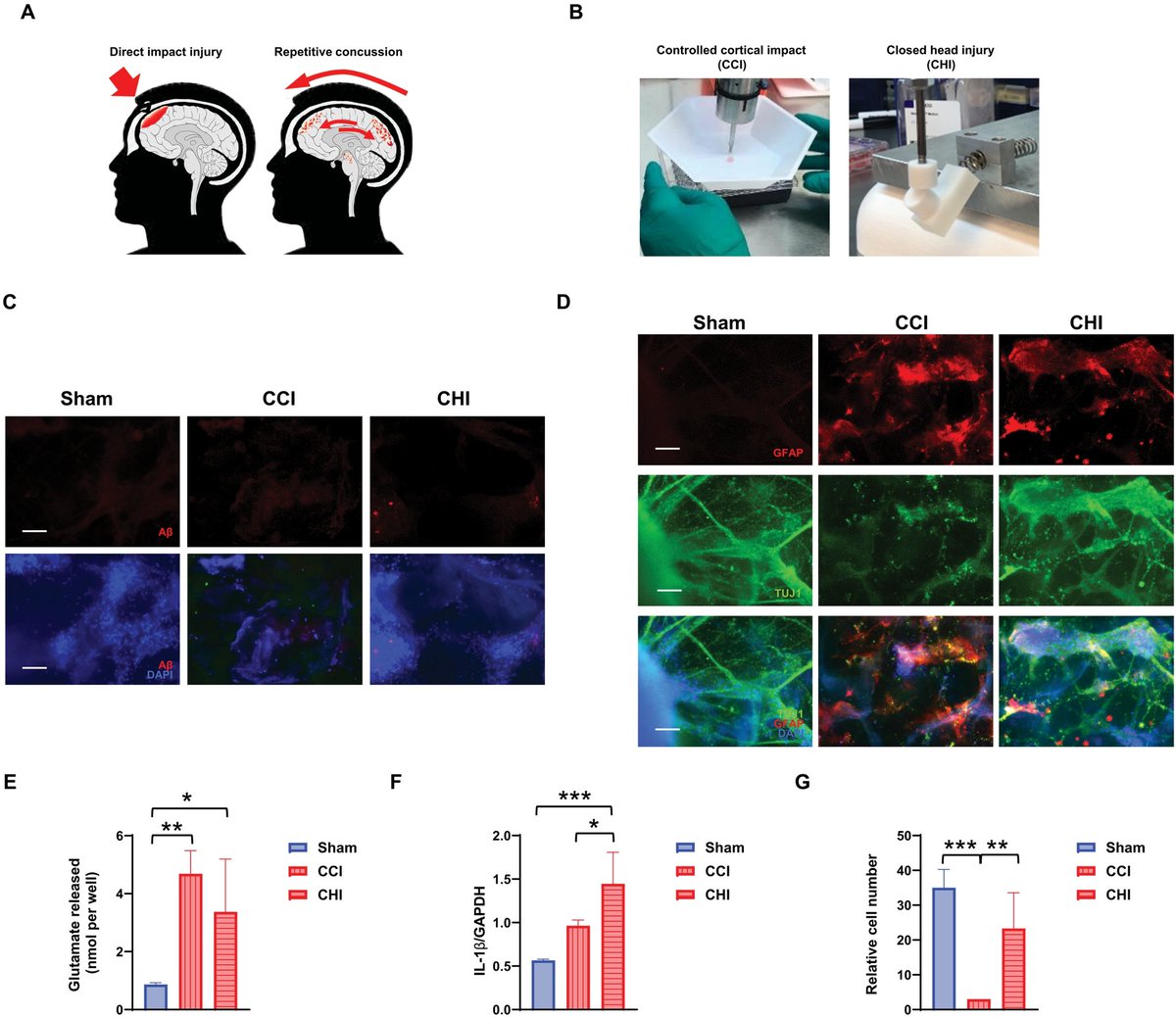
The researchers found that latent HSV-1 was reactivated by repeated mechanical injury to mimic concussions in a three-dimensional human brain tissue model. 3/
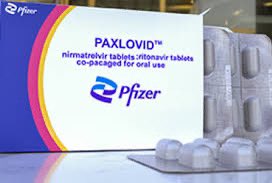
A long course of Paxlovid appears to help some patients with #LongCOVID, according to a case series by UC San Francisco researchers that suggests this treatment option holds promise for some of those struggling with debilitating symptoms. 1/
These results are at odds with recent research that has failed to show #Paxlovid can alleviate persistent symptoms of the disease. The researchers said more study is needed to find out which patients may benefit from the drug and how long it should be given. 2/
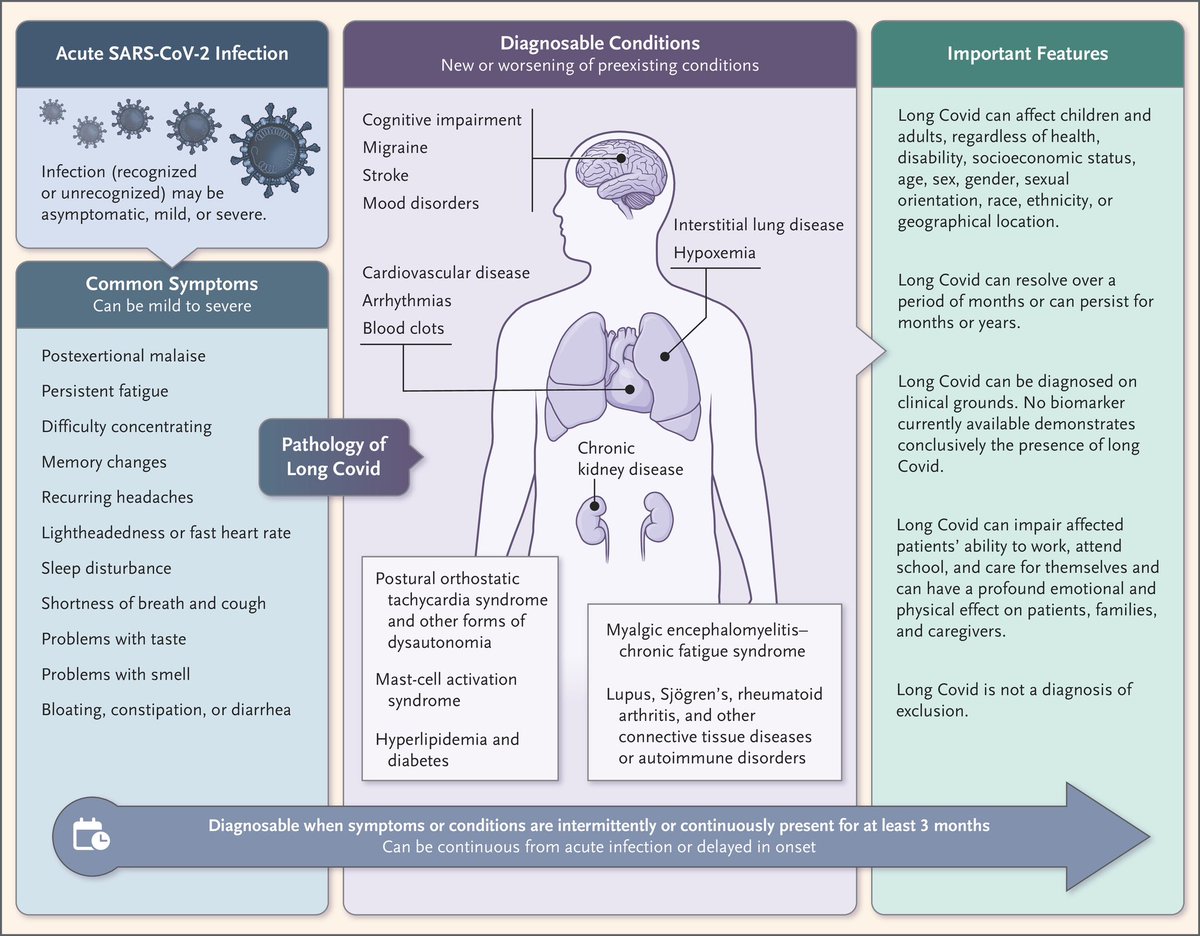
With >200 symptoms ascribed to the condition, longCOVID has remained difficult to define, diagnose or treat. Researchers are still trying to understand the biological mechanisms that underlie the disorder; and UCSF has launched the world's first long COVID tissue bank. 3/
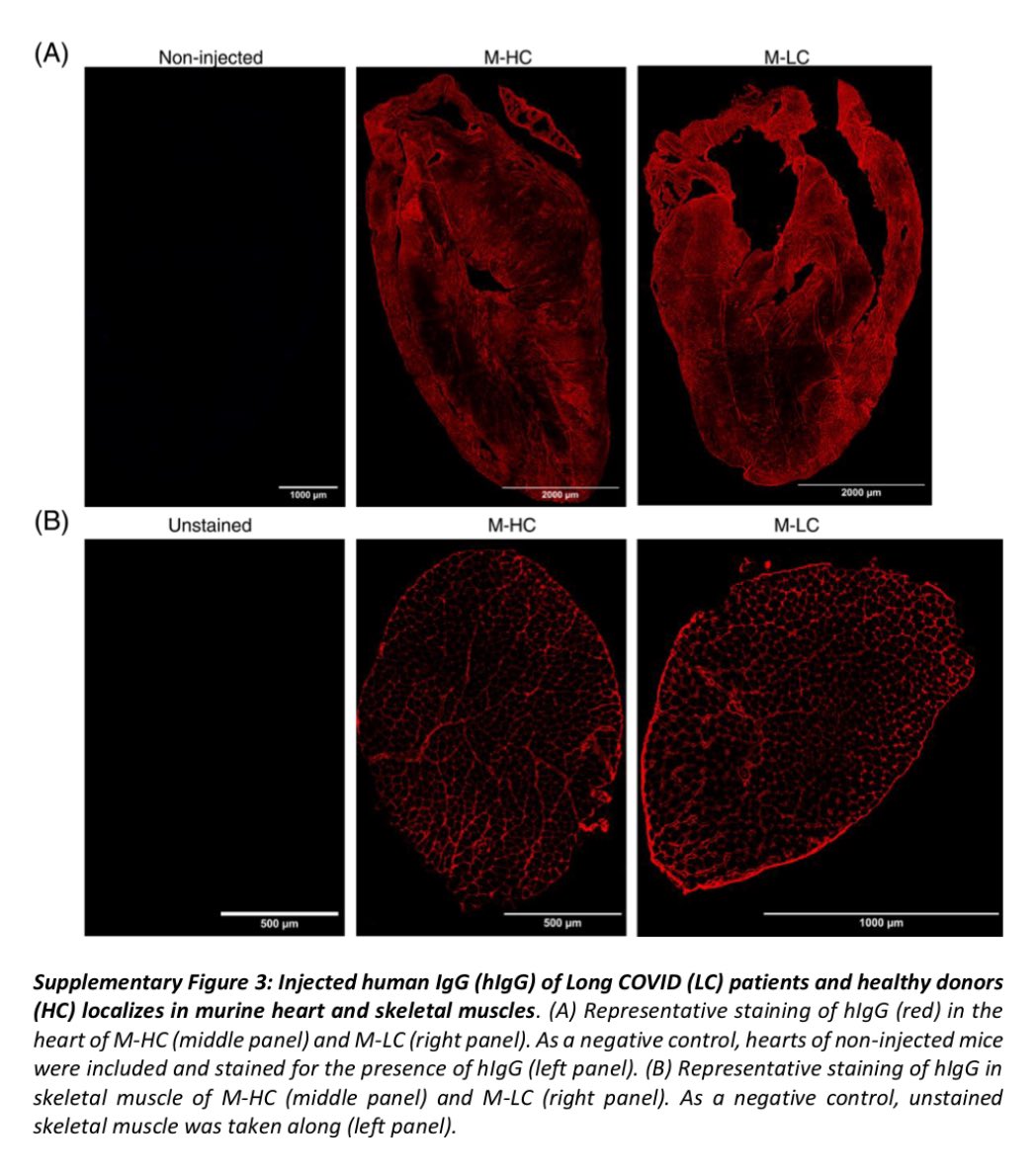
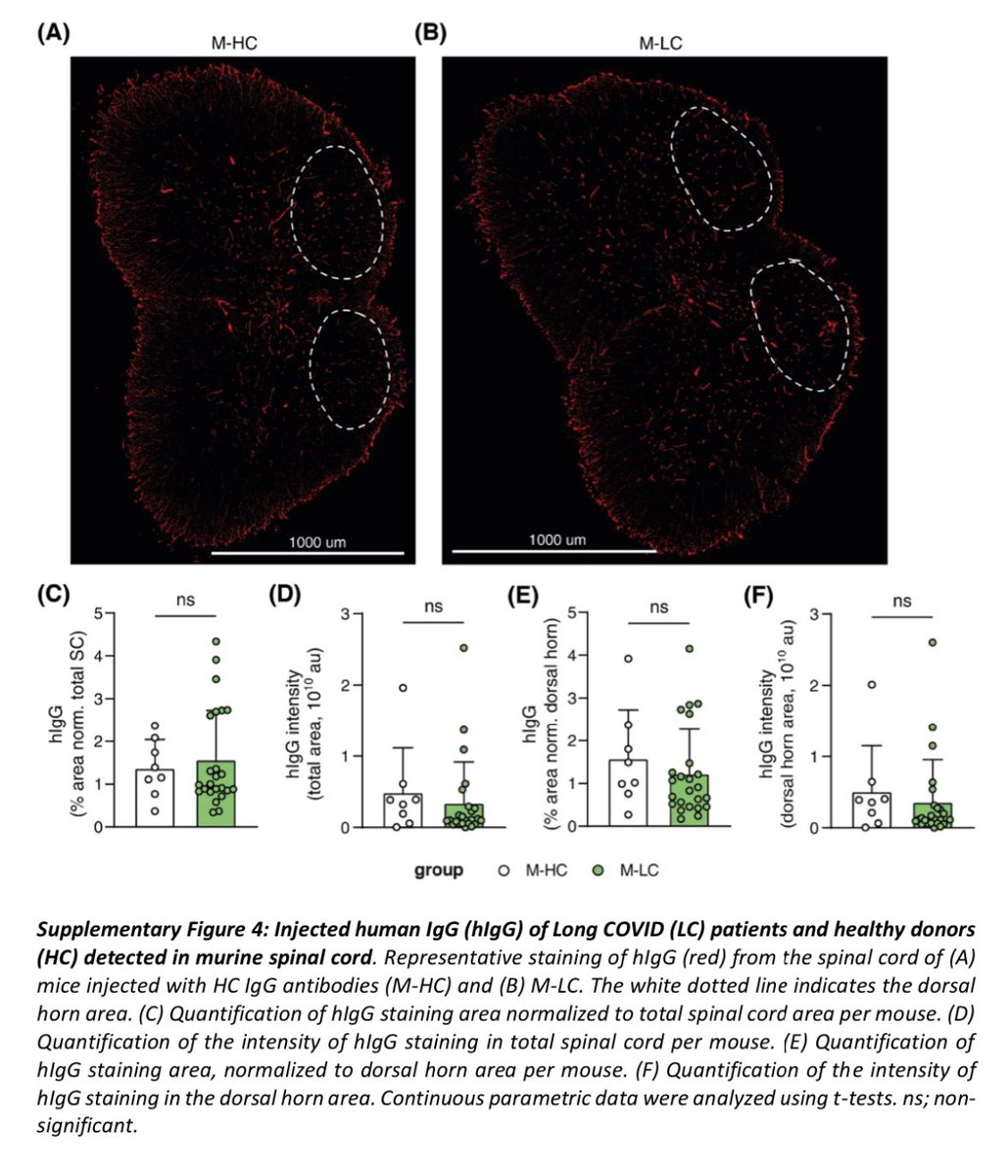
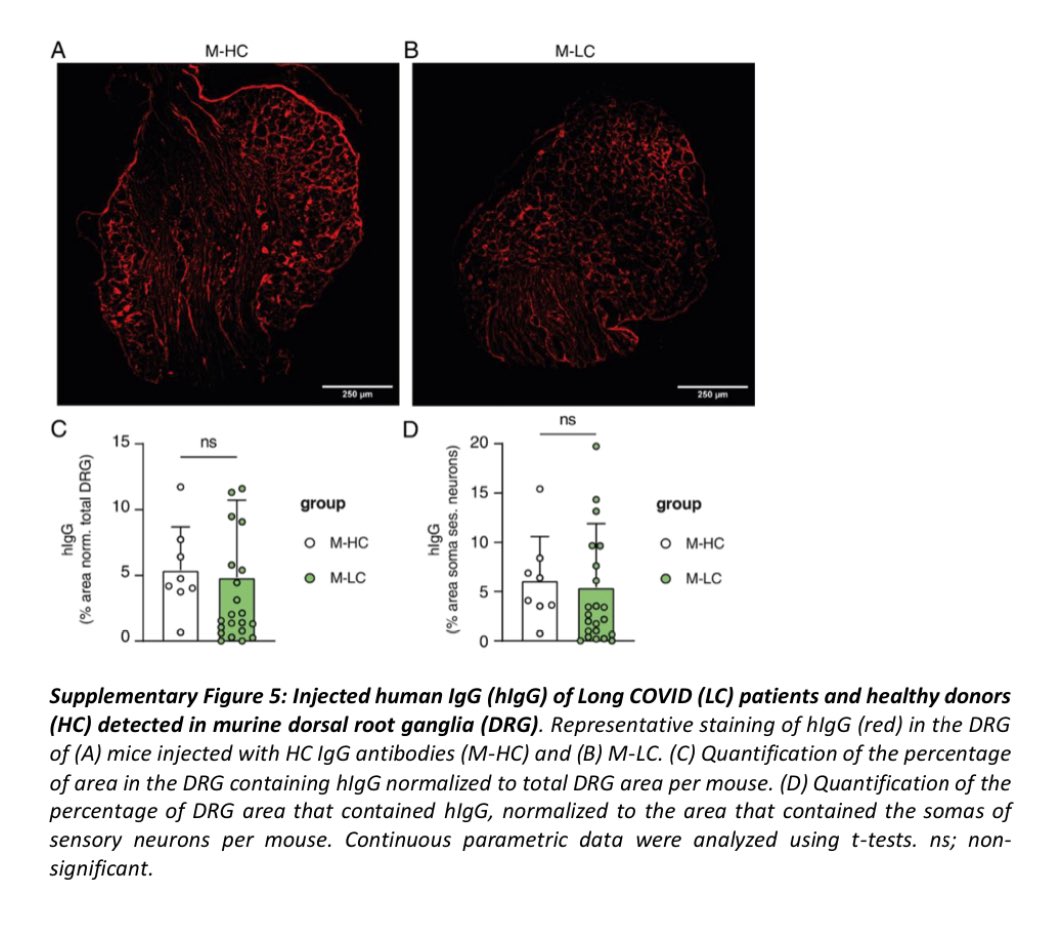
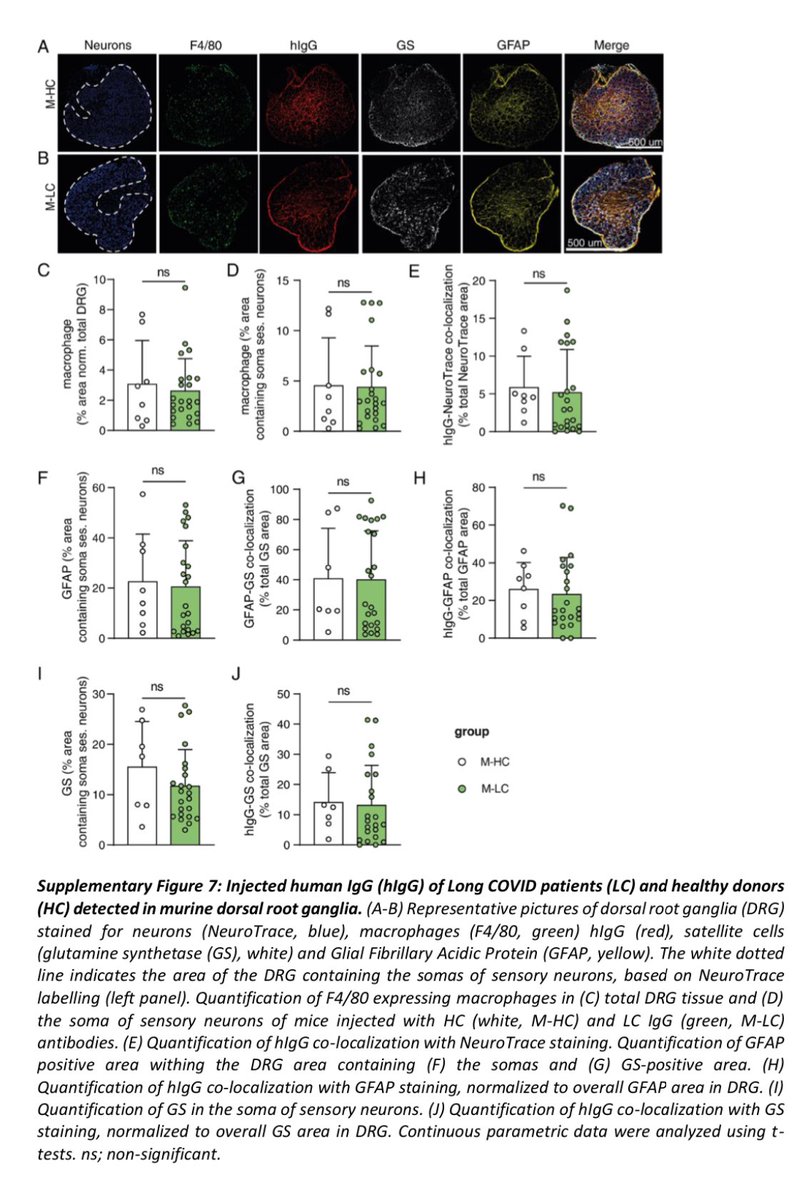
When antibodies from people w/ longCOVID were injected into healthy mice, the animals appeared to experience pain & fatigue — two of the hallmarks of long COVID. 1/
The finding — now from two studies — suggests that the antibodies are the cause of the long COVID symptoms.
Antibodies isolated from people with long COVID increase pain sensitivity and reduce movement in mice when transferred to the animals, research shows. 2/
The findings suggest that antibodies might drive some symptoms of longCOVID — although how that process works is unclear, and the results will need to be replicated in larger studies. 3/