The largest and longest clinical trial comparing the effects of lifestyle changes vs. medicines on glucose control, inflammation, blood pressure & cholesterol over 24 weeks. The lifestyle changes won - hands down
The clinical trial was conducted in the Marshall Islands, which has the seventh-highest diabetes prevalence globally. There were 169 participants...
The country’s high prevalence has been partially attributed to its increased reliance on imported foods, including white rice, refined four, sugar-sweetened beverages and canned meats...
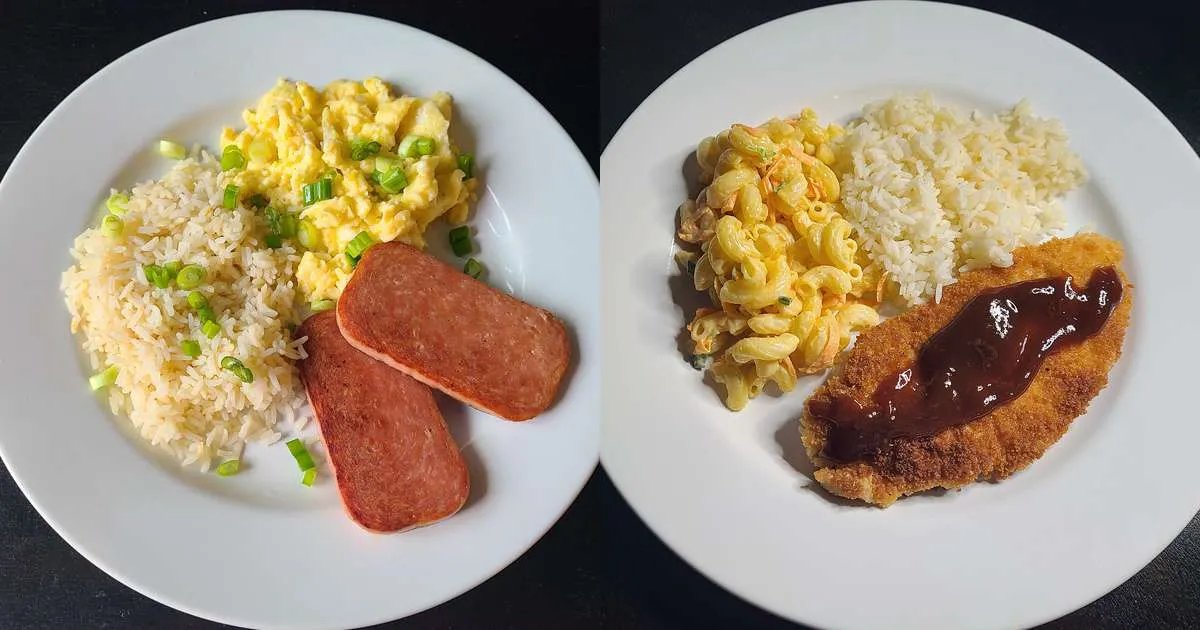
A whole-food, plant-based lifestyle intervention plus moderate exercise (PB+Ex) was much more effective for improving glycaemic control than standard medicines. It also reduced the need for diabetes and cardiovascular medications...
Compared with medicines, the lifestyle change decreased HbA1c by an additional 14 mmol/mol (1.3%) at week 12 and 8 mmol/mol (0.7%) at week 24...
63% of those who changes their lifestyle and also took medicines reduced the dose or frequency of their glucose-lowering medications...
The diet+exercise group also had lower body weight, C-reactive protein and cardiovascular medication use compared with standard medical care....
Here's the summary:
We all know a healthy diet + exercise is beneficial but this study clearly shows lifestyle changes can be even better than medicines in treating type 2 diabetes, and they improve cardiovascular health biomarkers as well 🥑🏃🏻♀️💪
The prescribed diet was high in fibre (35 g/4184 kJ), low in fat (20–25% of energy; saturated fat <7% of energy), moderate in protein (10–15% of energy) and low sodium...
During weeks 1–2, PB+Ex participants received 12 prepared meals/week and were instructed to consume no animal products & minimal ground grains & refined carbohydrates...
The PB+Ex group was instructed to do moderate intensity aerobic & resistance exercise 60 min/day during wks 1–2 and 30–60 min/day during wks 3–24 & counseled to walk 10–20 min before breakfast & after lunch and dinner (end)
• • •
Missing some Tweet in this thread? You can try to
force a refresh

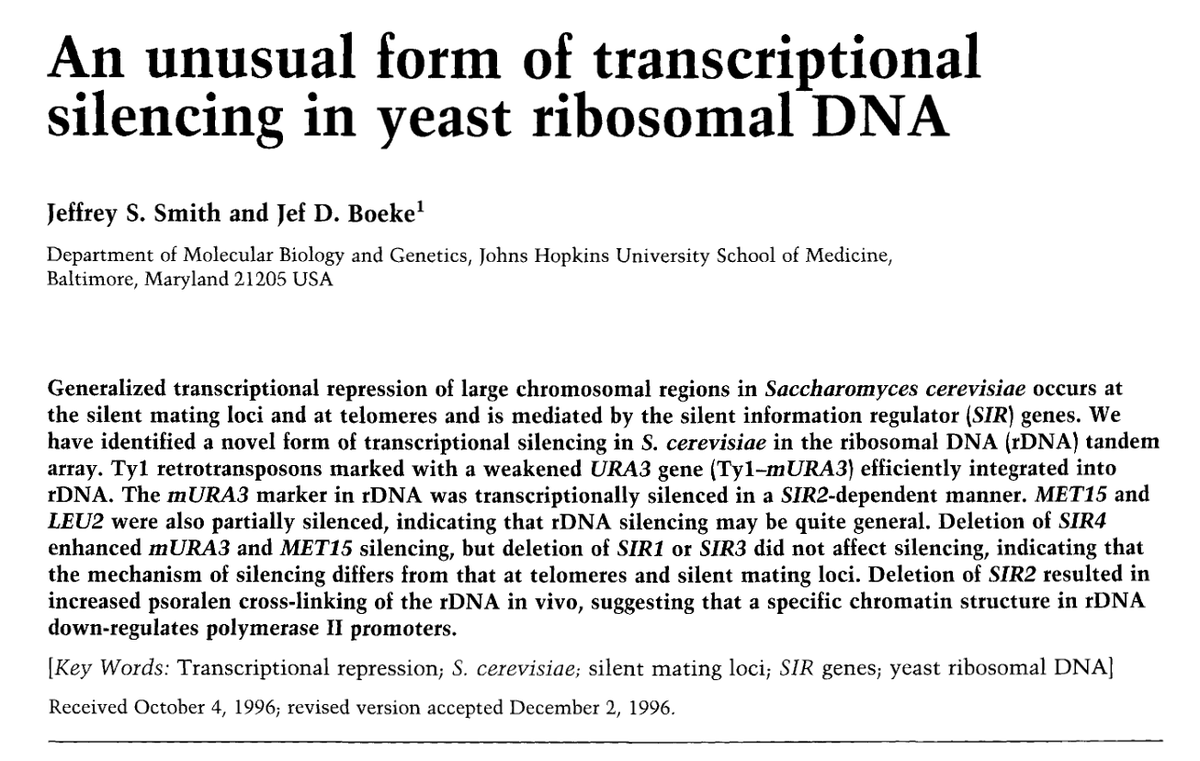
This study in 2008 was the first evidence for the information theory of aging in mammals - the idea that DNA breaks and other major stresses cause chromatin modifiers like SIRT1 to relocate, which disrupts the epigenome & changes the expression of genes in ways that cause aging
Just re-read this paper and I’ve realized it was 15 years ahead of its time. Still is
Some plant polyphenols (resveratrol, quercetin & berberine) turn out to be dual modulators of both SIRT1 & GSK3b - important pathways for neuroprotection & epigenetic age resets... 🧵
In 2008, we showed movement of the NAD-dependent enzyme SIRT1 away from regulated genes to DNA breaks (which happen every day in every cell) is a key process in the loss of epigenetic information that we have proposed leads to aging and diseases cell.com/fulltext/S0092…
And in 2023, we showed GSK3b inhibitors are a key component of epigenetic age reversal cocktails, in vitro aging-us.com/article/204896
Can cheek swab DNA reveal meaningful signals about your health, diseases and biological age?🏃♂️🏃♀️🧵...
Background: DNA methylation (DNAme) is a chemical modification of DNA on the "Cs" in DNA, which changes over time, the rate of which depends on how healthy you live over the course of your life... ⏰
Smoking and obesity accelerate DNAme changes, and healthy diets slow them. We can read these changes using DNA sequencing or DNA hybridization chips. This is how we arrive at DNAme age clocks...
Exciting new paper @nature that could explain why inflammation rises as we age and why healthy diets and exercise suppress inflammation 👏 🧵
Various mitochondrial stressors, such as pathogen infection and metabolic deficiencies, trigger the release of mtDNA into the cytosol and an inflammatory response, but why?
Under certain circumstances, including in senescent cells, there are decreased levels of deoxyribonucleotide triphosphates (dNTPs) for making DNA, with a corresponding increase in the levels of ribonucleotide monophosphates (rNMPs)…
NEW STUDY: The amino acid L-theanine, first isolated from green tea in the 1940s, is used to improve mood and sleep 🍵 Study in mice finds L-theanine suppresses metastasis of prostate cancer, the second most common cause of death in men worldwide... 🧵
L-theanine is known to reduce inflammation, stress and anxiety, among other effects. It is primarily found in tea leaves, especially green & black. Also in supplements. Common doses are 100 - 400 mg/d
A great way to get L--theanine is a green tea matcha = 30-140 mg L-theanine 🍵
I drink 1-3 double-scoop green tea matchas. I use organic ceremonial grade tea, frothed almond milk, allulose, and dont burn it with boiling water. Learned from @chefserenapoon