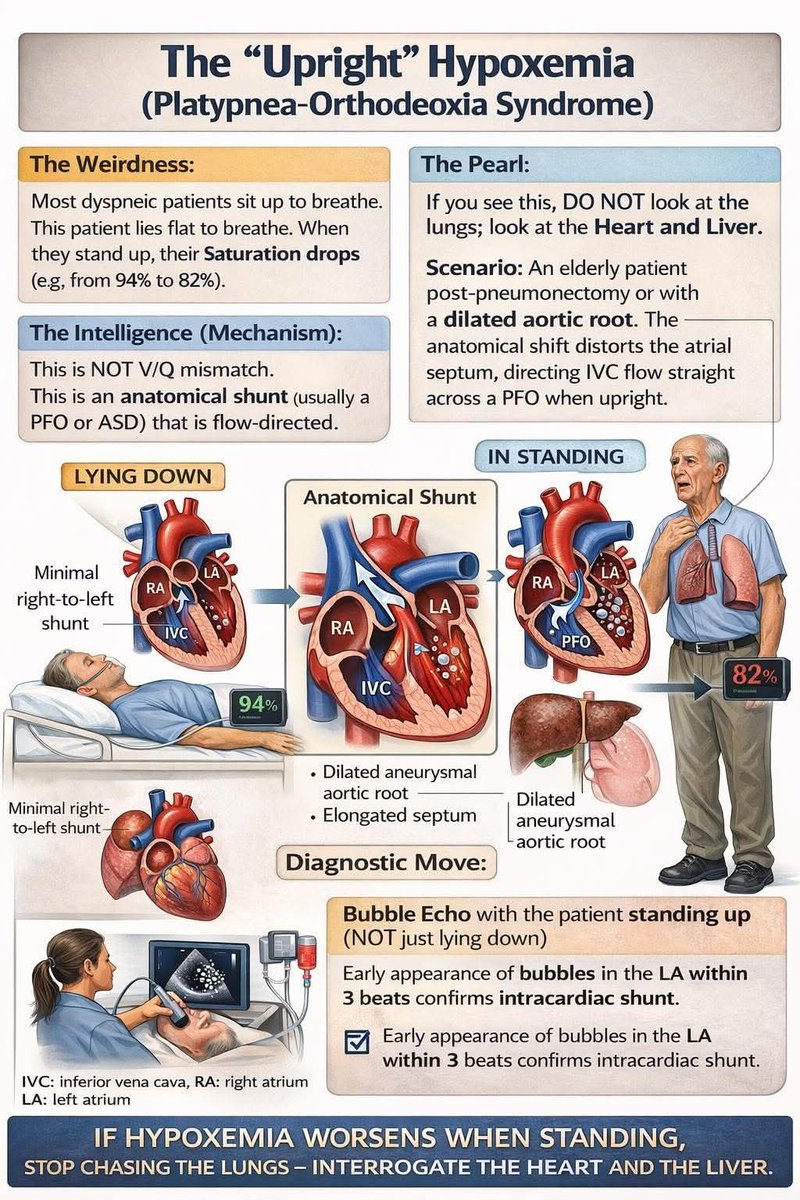
Platypnea-Orthodeoxia Syndrome (POS) is a rare clinical entity characterized by the paradox of "upright hypoxemia"—where a patient experiences shortness of breath (platypnea) and a drop in oxygen levels (orthodeoxia) specifically when sitting or standing, which then improves upon lying down.
The syndrome typically requires the coexistence of two components: an anatomical defect (such as a hole in the heart) and a functional trigger that redirects blood through that hole specifically when upright.
1. Intracardiac Shunting (Most Common):
Approximately 80% of cases involve a right-to-left shunt at the heart level, usually through a Patent Foramen Ovale (PFO) or Atrial Septal Defect (ASD). In the upright position, gravity or structural changes (like a dilated aorta) can pull the hole open or align it with the inferior vena cava, allowing deoxygenated blood to bypass the lungs and enter the systemic circulation.
2. Extracardiac Shunting: This occurs outside the heart, most frequently in the lungs.
*Pulmonary Arteriovenous Malformations (AVMs):
Direct connections between pulmonary arteries and veins, often located at the lung bases. Standing increases blood flow to these bases, worsening the shunt.
*Hepatopulmonary Syndrome (HPS):
Seen in advanced liver disease, where dilated lung capillaries cause poor oxygen exchange that worsens when upright.
*Ventilation-Perfusion (V/Q) Mismatch:
Severe lung diseases (e.g., COPD, pneumonia) affecting the lower lung zones can cause desaturation when gravity redirects blood to those damaged areas upon standing.
An elderly female patient presented with massive haemoptysis.
A known case of hypothyroidism and HTN and on regular treatment.
Had cough with expectoration and mild streaking of blood in sputum for about 3 days.
Thoughts?
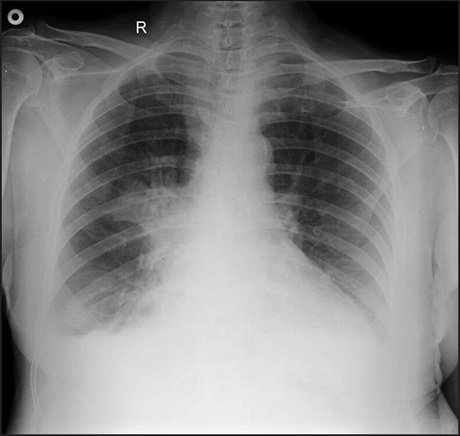
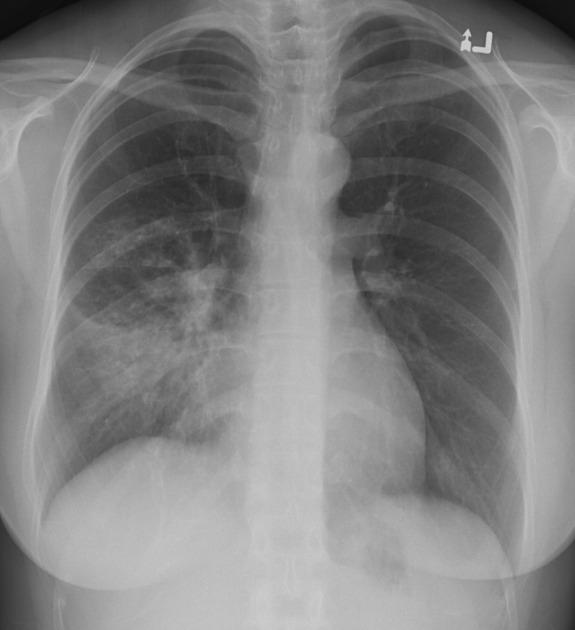
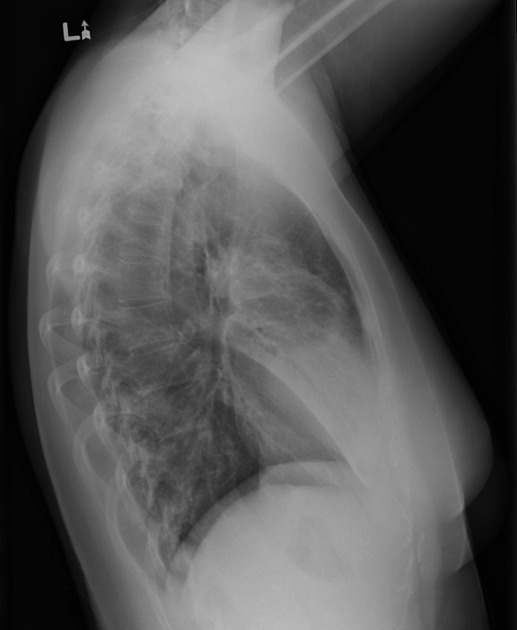
Chest X-ray...
Right mid zone homogenous opacity along with the obliteration of both right costophrenic and cardiophrenic angles.
Once stabilized, she was taken for diagnostic fibreoptic bronchoscopy that revealed a cauliflower-like growth in RUL bronchus raising a high suspicion of malignancy.
Results of a complete blood count and comprehensive metabolic panel were normal.
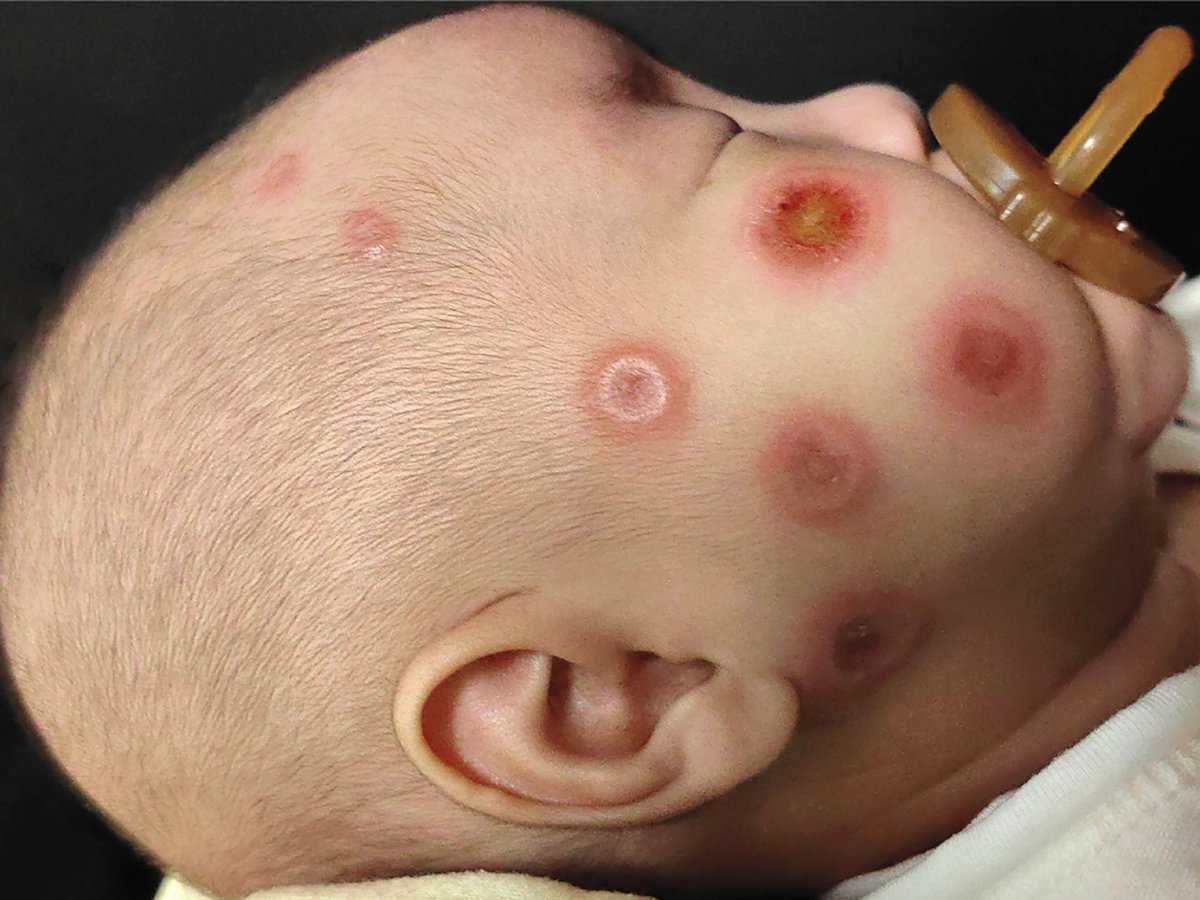
Skin-biopsy sample obtained from the baby’s right forehead 👉 vacuolar interface dermatitis and perivascular and periadnexal lymphocytic infiltrates.
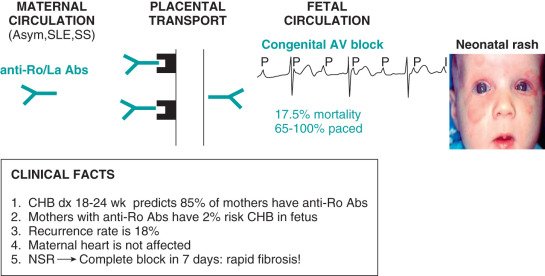
Anti-Ro and anti-La antibodies were positive in both the infant and the mother, the latter of whom was asymptomatic and had no history of autoimmune disease.