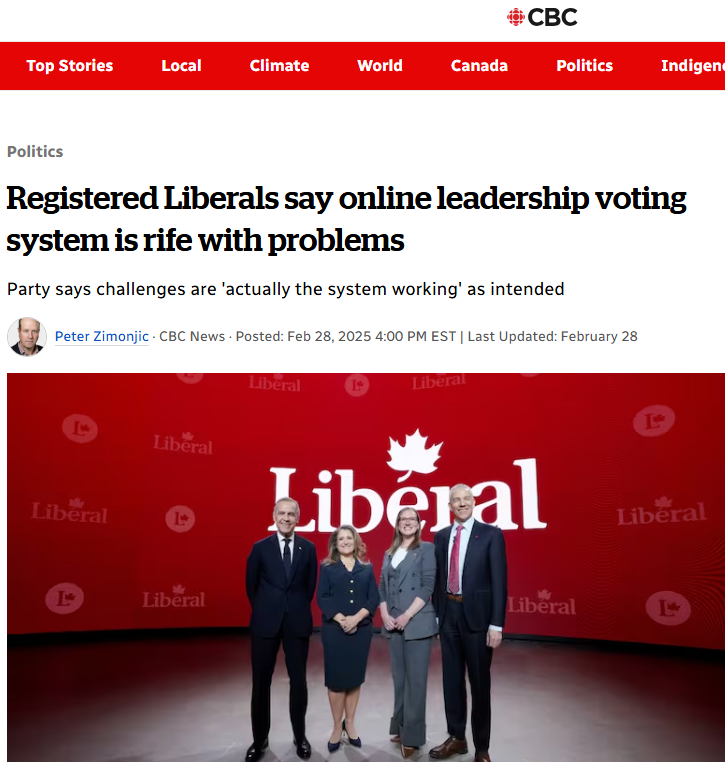
Banks and financial institutions are jumping ship from Carney's climate organization Glasgow Financial Alliance for Net Zero (GFANZ) all at once. Wonder why?
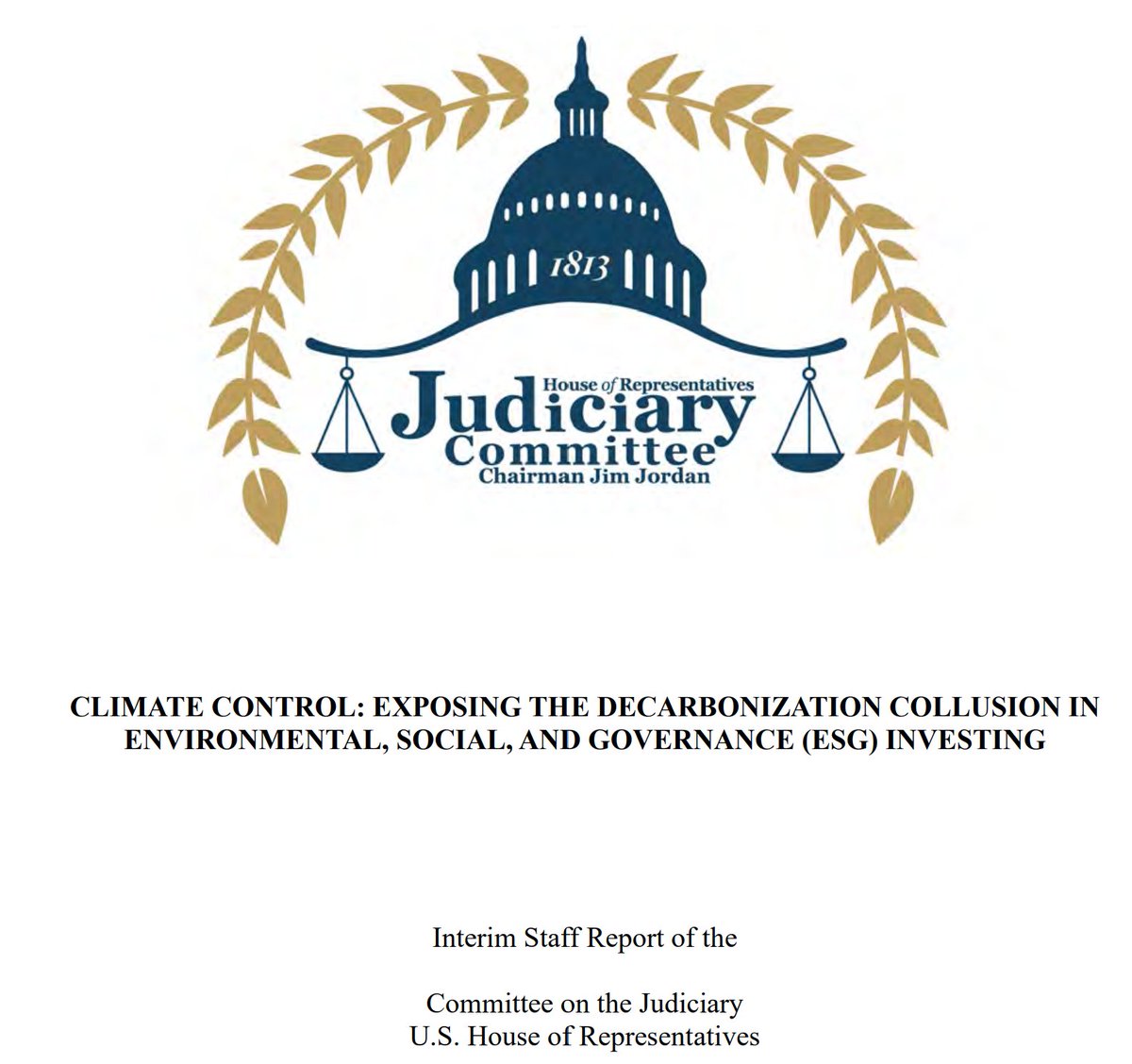
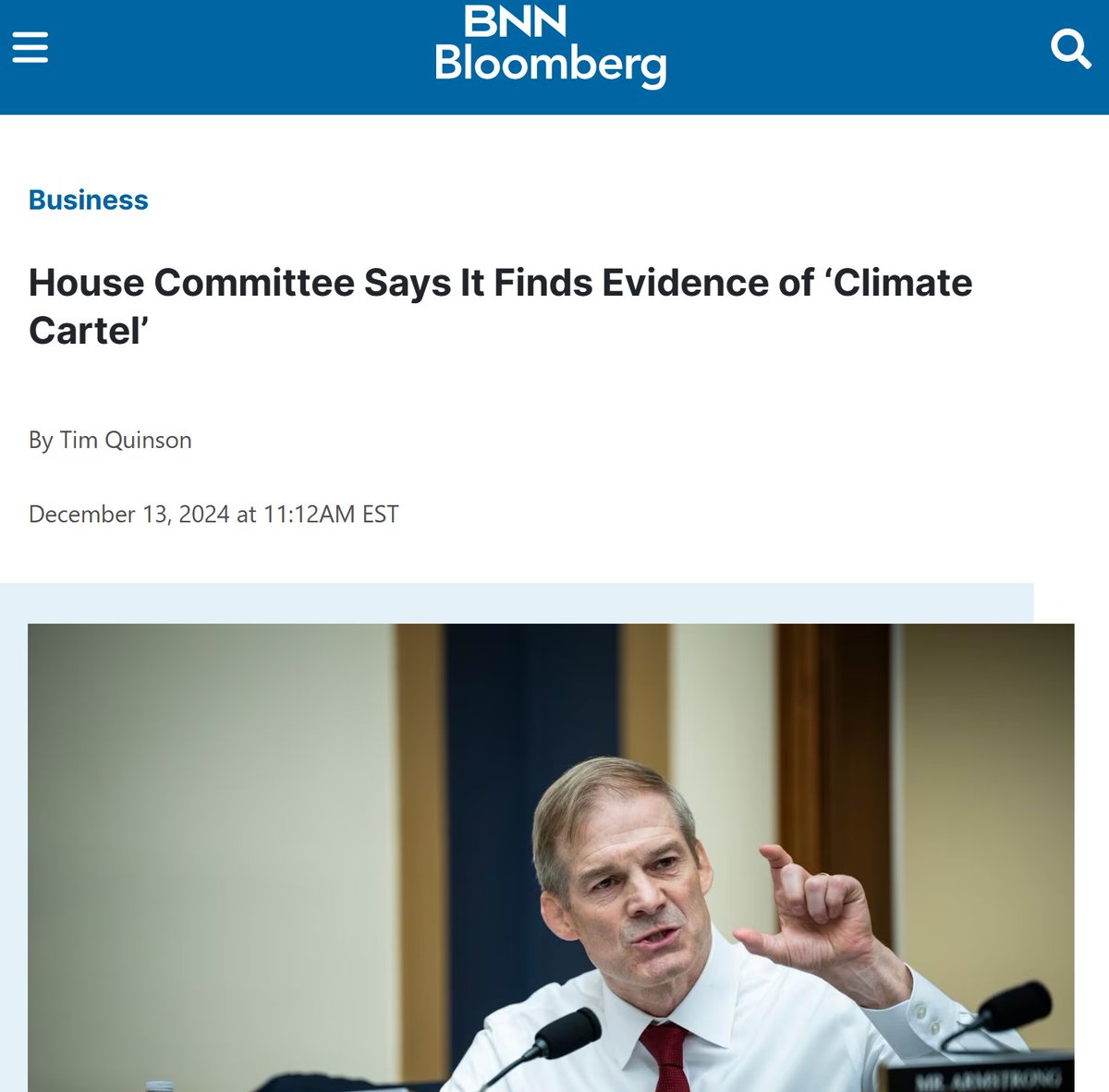
There was a US House of Representatives Judiciary Committee investigation into the Carney/Bloomberg banking climate coalition.
Their interim report titled "Climate Control: Decarbonization Collusion in Environmental, Social, and Governance (ESG) Investing" was released June 11.
judiciary.house.gov/sites/evo-subs…
A short thread 🧵
There was a US House of Representatives Judiciary Committee investigation into the Carney/Bloomberg banking climate coalition.
Their interim report titled "Climate Control: Decarbonization Collusion in Environmental, Social, and Governance (ESG) Investing" was released June 11.
judiciary.house.gov/sites/evo-subs…
A short thread 🧵
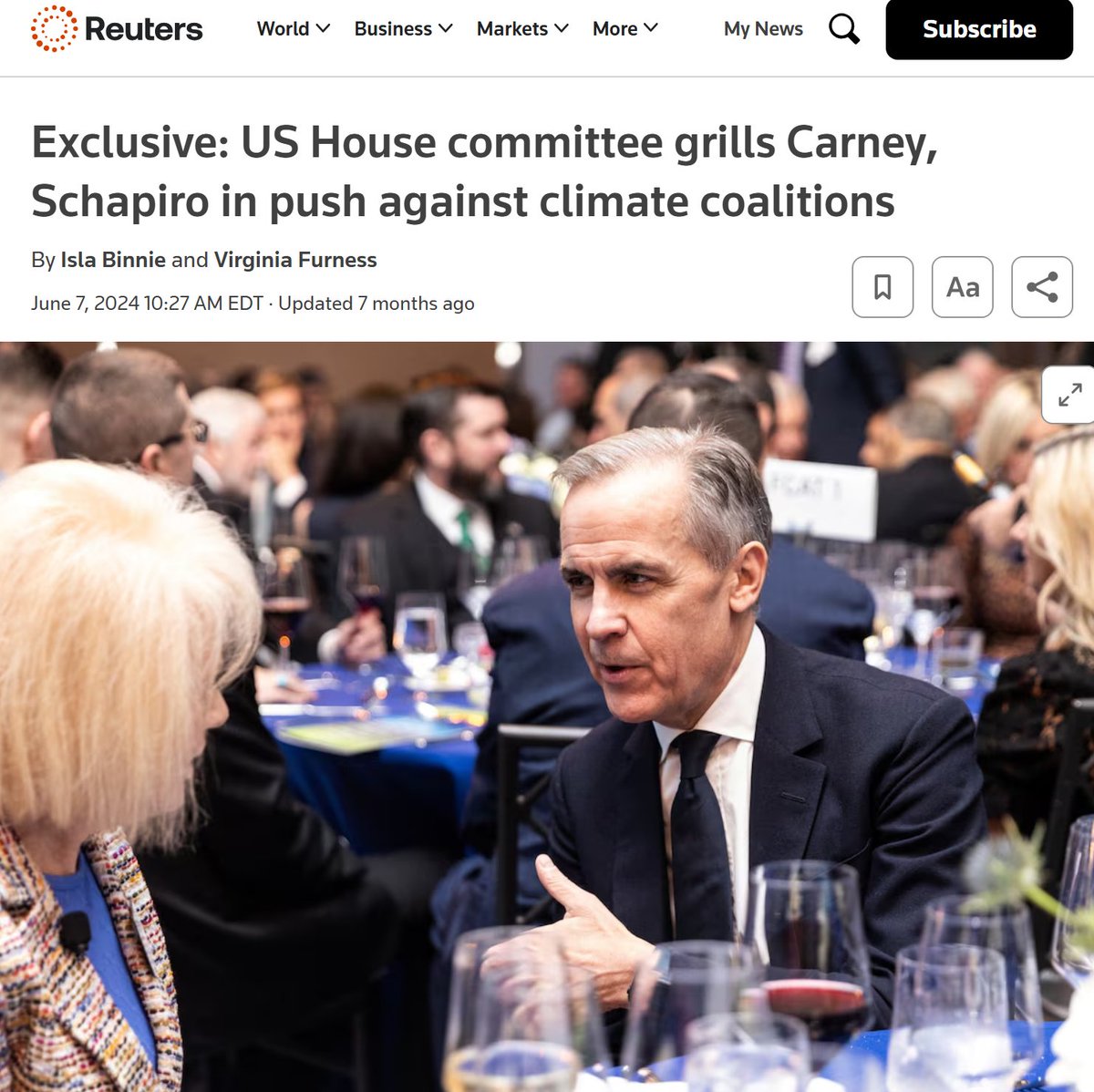
Committee members, as part of their study, conducted interviews Carney and former U.S. SEC Chair Mary Schapiro three days prior on June 7.
Carney is mentioned 7 times in the linked report. Reuters reporting on it at the time states:
"No antitrust lawsuit has so far been brought against any climate coalition of companies. Yet fear of being accused of colluding has driven some financial firms out of such coalitions or has pushed them to reduce their level of co-ordination" 2/ reuters.com/sustainability…
Carney is mentioned 7 times in the linked report. Reuters reporting on it at the time states:
"No antitrust lawsuit has so far been brought against any climate coalition of companies. Yet fear of being accused of colluding has driven some financial firms out of such coalitions or has pushed them to reduce their level of co-ordination" 2/ reuters.com/sustainability…
But given that this week, Republicans will control congress and the presidency, Banks fear that Republican senators will commence anti-trust legal action against Carney's former organization for attempting to form what some call a "Climate Cartel." Lawmakers allege Caney's group uses coercion to force financial institutions to stop funding resource based projects and limit investment in areas that might increase carbon emissions. 3/
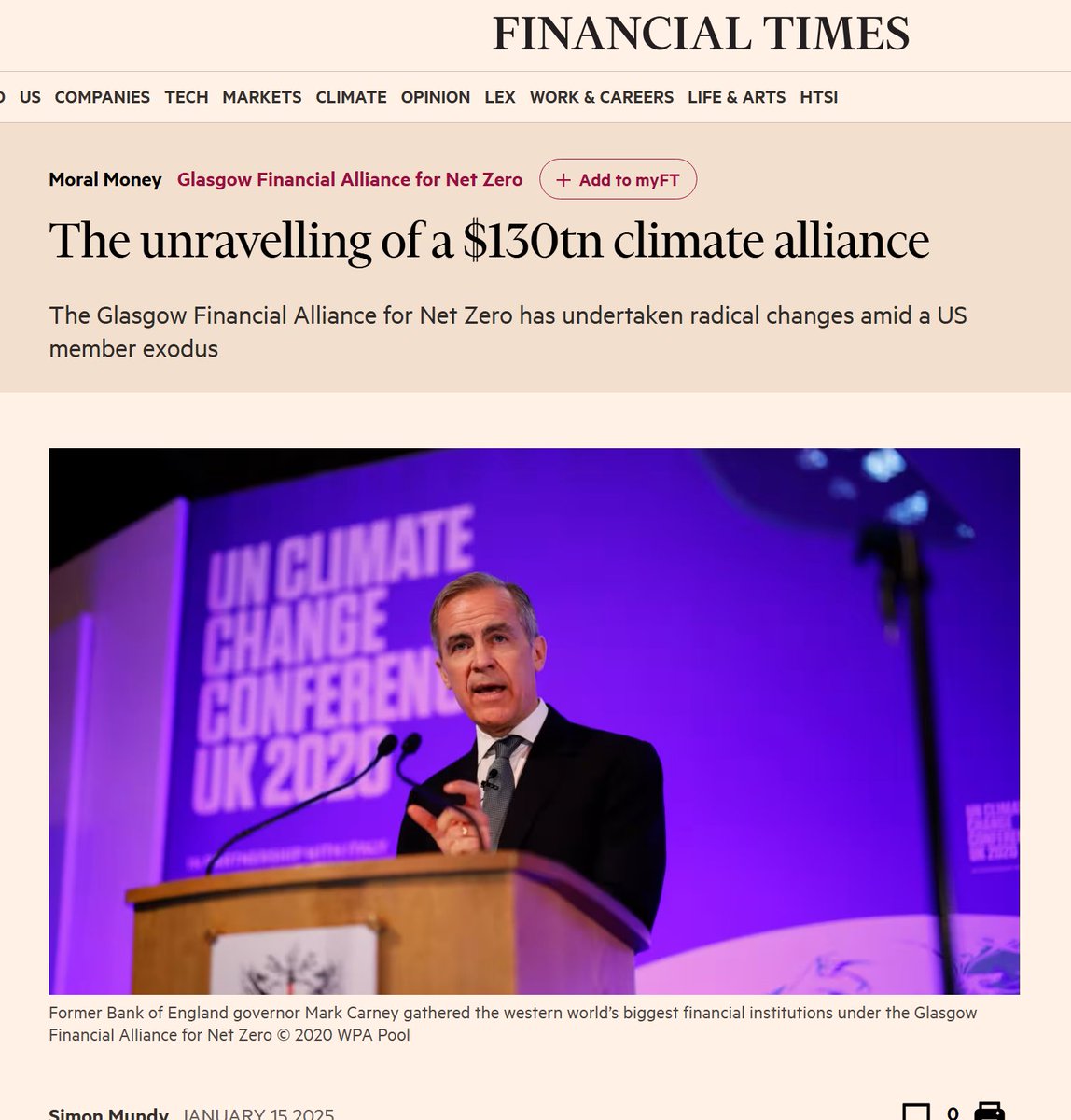
Founded by Carney and backed by the United Nations, GFANZ was launched in 2021 for financial firms to liaise on efforts to curb greenhouse gas emissions. It now has more than 650 members, including banks, insurers, asset managers, financial service providers and investment consultants.
But due to the recent loss of high-profile members, they have had to restructure 4/ esgtoday.com/bloomberg-carn…
But due to the recent loss of high-profile members, they have had to restructure 4/ esgtoday.com/bloomberg-carn…

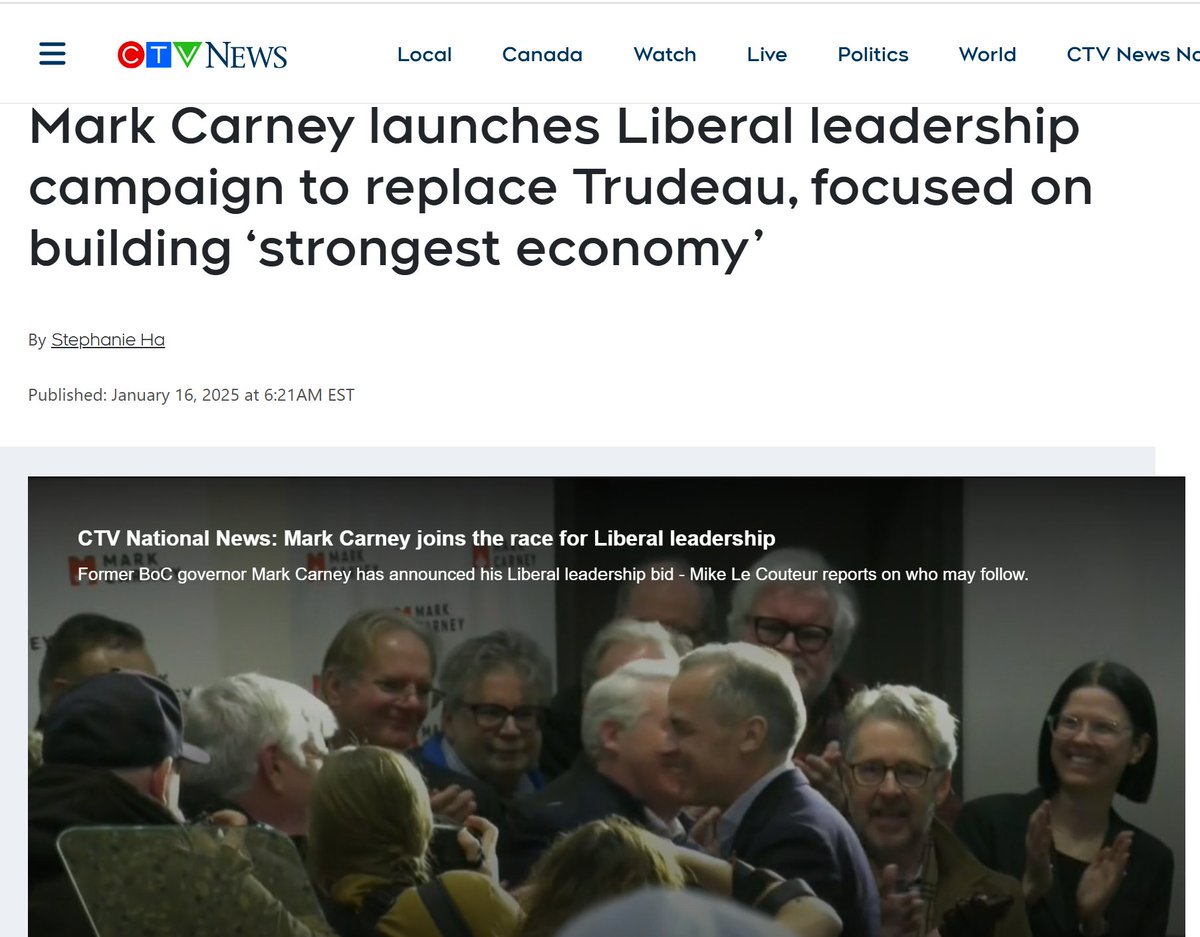
Carney couldn't be leaving GFANZ at a worse time to run for the Liberal Leadership.
His departure gives the impression that he too has given up on the survival of GFANZ in-tact. 5/
His departure gives the impression that he too has given up on the survival of GFANZ in-tact. 5/
Some of the House Judiciary Committee on 'climate collusion' hearings were public. In this clip, KY Republican Thomas Massie is seen asking witnesses affiliated with GFANZ about the appearance of collusion using "demand management" 6/
Don't expect CBC or any MSM media to point out that what Carney was doing on a global scale was what the Carbon Tax was intended to do within Canada.
It was intended to change the behaviour of bankers to deliberately reduce their funding of fossil fuel companies, despite fossil fuel demand increasing globally. Boasting that the GFANZ coalition members controlled $130 trillion in financing, a crazy number given that global GDP is pegged at $105 trillion, regardless of the actual number, that is a lot of financial leverage 7/
It was intended to change the behaviour of bankers to deliberately reduce their funding of fossil fuel companies, despite fossil fuel demand increasing globally. Boasting that the GFANZ coalition members controlled $130 trillion in financing, a crazy number given that global GDP is pegged at $105 trillion, regardless of the actual number, that is a lot of financial leverage 7/
The largest institutions are leaving, likely for both shareholder returns and the fear of US government anti-trust lawsuits. Global banks provided about US$680 billion worth of fossil fuel loans and bond deals in 2024, according to Bloomberg. Up from US$667 billion in 2021. 8/
Media defenders of Carney's Net-Zero initiative try to pin the Blame on Trump. Critics say ultimately consumers and shareholders are being punished for environmental activist reasons. Wherever one stands, for a guy with so much pinned on emissions reductions, Carney is going to have to make a pretty compelling case for why he wants to dump the Trudeau Carbon Tax, given he has been such a staunch defender of it in the past. 9/
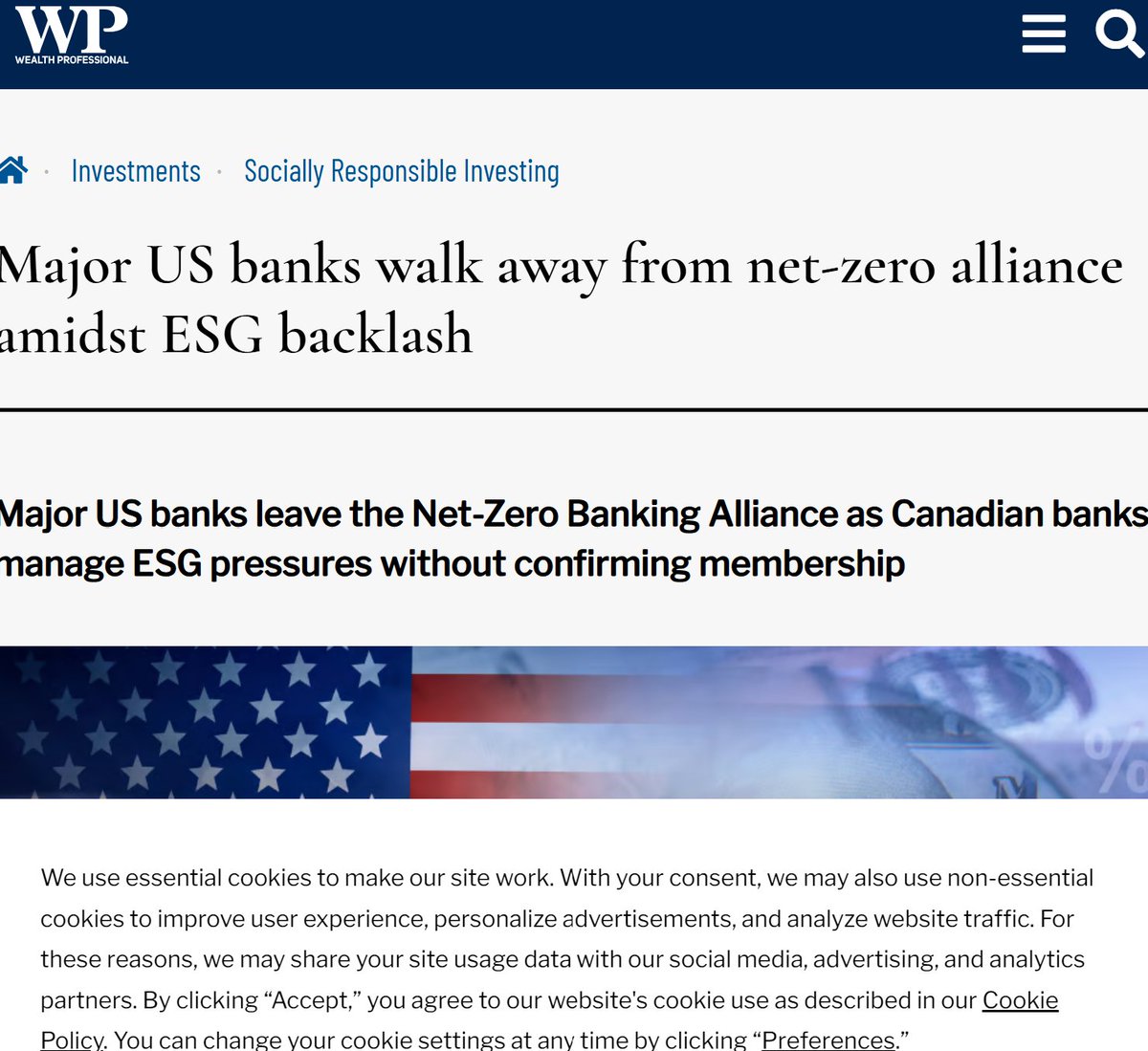
And just yesterday, four of Canada's biggest banks, BMO, National Bank, TD Bank Group and CIBC, left Carney's initiative 10/
cbc.ca/news/business/…
cbc.ca/news/business/…

No doubt, defenders like Carney and Bloomberg will continue to fight for their stated Climate Coalition goals. Some have suggested that Carney, should he become PM, would use/abuse his position to leverage his climate ideology more on a global scale than did Trudeau.
Peter Foster proves in this FP piece from 2021 that Carney doesn't take criticism well, nor does he actually address criticism but would rather refer to naysayers ideas as 'bananas.'
Might be wise over the next few weeks to get real answers from Carney, lest Canada become more of a Banana Republic should he take the helm. financialpost.com/opinion/peter-…
11/
Peter Foster proves in this FP piece from 2021 that Carney doesn't take criticism well, nor does he actually address criticism but would rather refer to naysayers ideas as 'bananas.'
Might be wise over the next few weeks to get real answers from Carney, lest Canada become more of a Banana Republic should he take the helm. financialpost.com/opinion/peter-…
11/

• • •
Missing some Tweet in this thread? You can try to
force a refresh