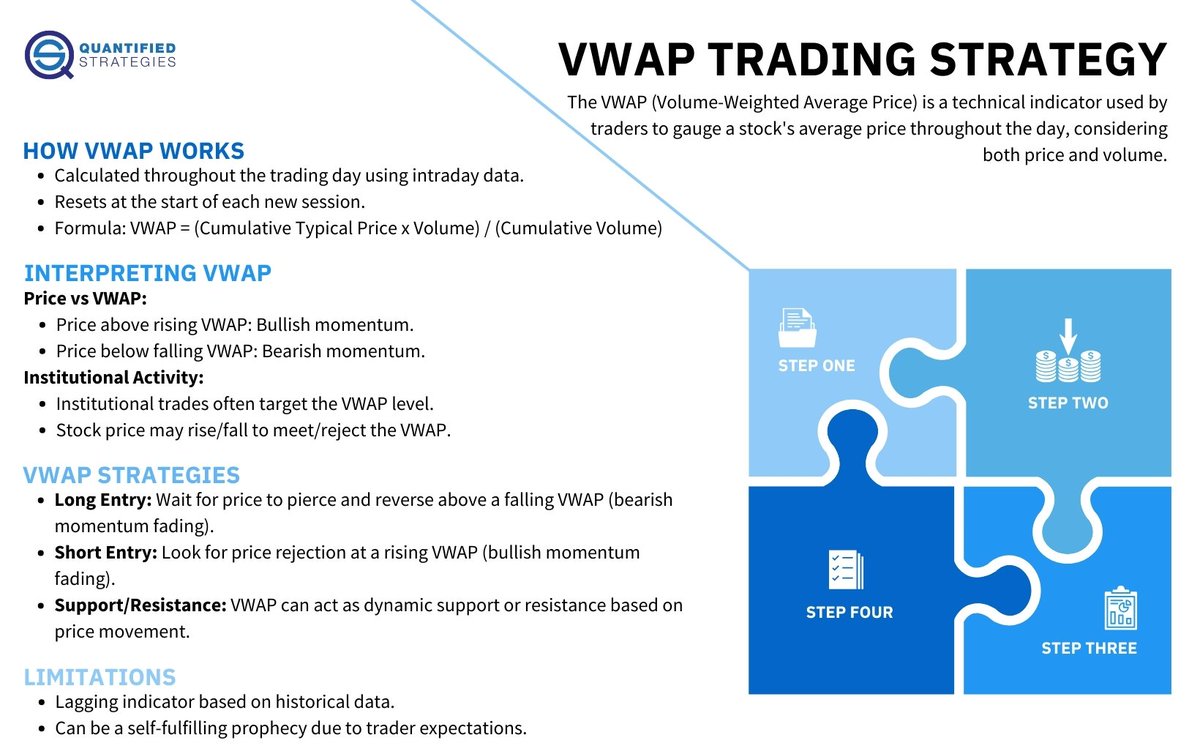
VWAP Strategies : Intraday and swing trading strategy using VWAP
Open this Thread 🧵 to learn all VWAP Strategies
1. Mean Reversion with VWAP (Rejection Trades)
Concept: When the price moves far from VWAP and shows signs of rejection, trade back toward the mean (VWAP).
Rules :
Identify Overextension : Use an oscillator like RSI (>80 or <20) to confirm overbought/oversold conditions.
Rejection Signal : Look for candlestick patterns like shooting stars or hammers near the extremes.
Entry : Short when the price rejects a higher level or buy when it rejects a lower level.
Stop Loss : Above the recent high or below the recent low.
Target : VWAP.
Example :
Stock: ICICIBANK
Price shoots up to ₹950 (RSI at 85), far above VWAP = ₹940.
Shooting star forms at ₹950.
Entry: Short at ₹948.
Stop Loss: ₹952.
Target: ₹940 (VWAP).
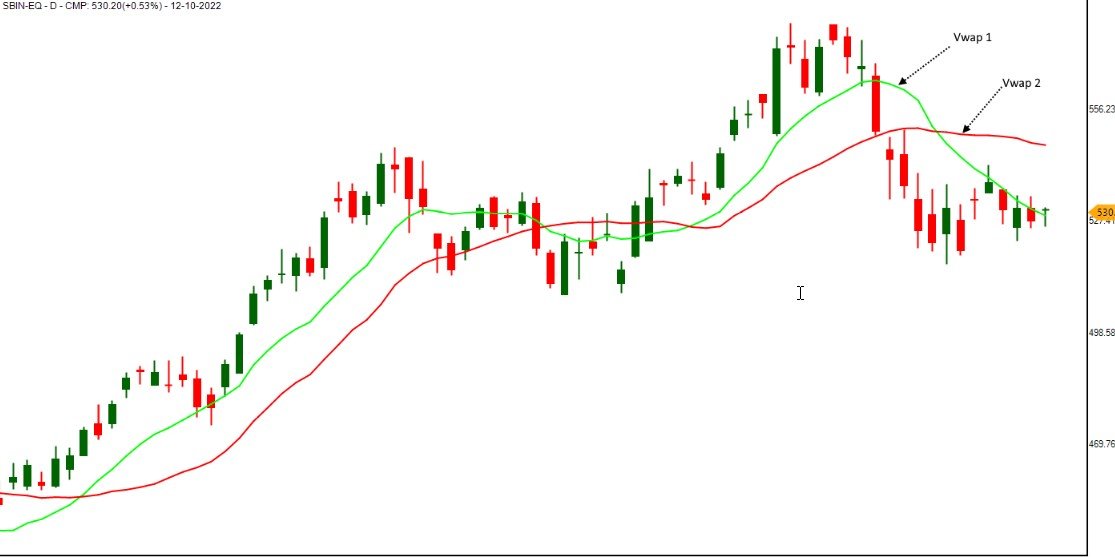
2. Dual VWAP Crossover Strategy
Concept : Use two VWAPs—one with a shorter period and another with a longer period. Look for crossovers as entry and exit signals.
Rules :
Set VWAP Periods: Use intraday 5-min VWAP for a short period and 15-min VWAP for a long period.
Bullish Signal: Buy when the short-period VWAP crosses above the long-period VWAP.
Bearish Signal: Short when the short-period VWAP crosses below the long-period VWAP.
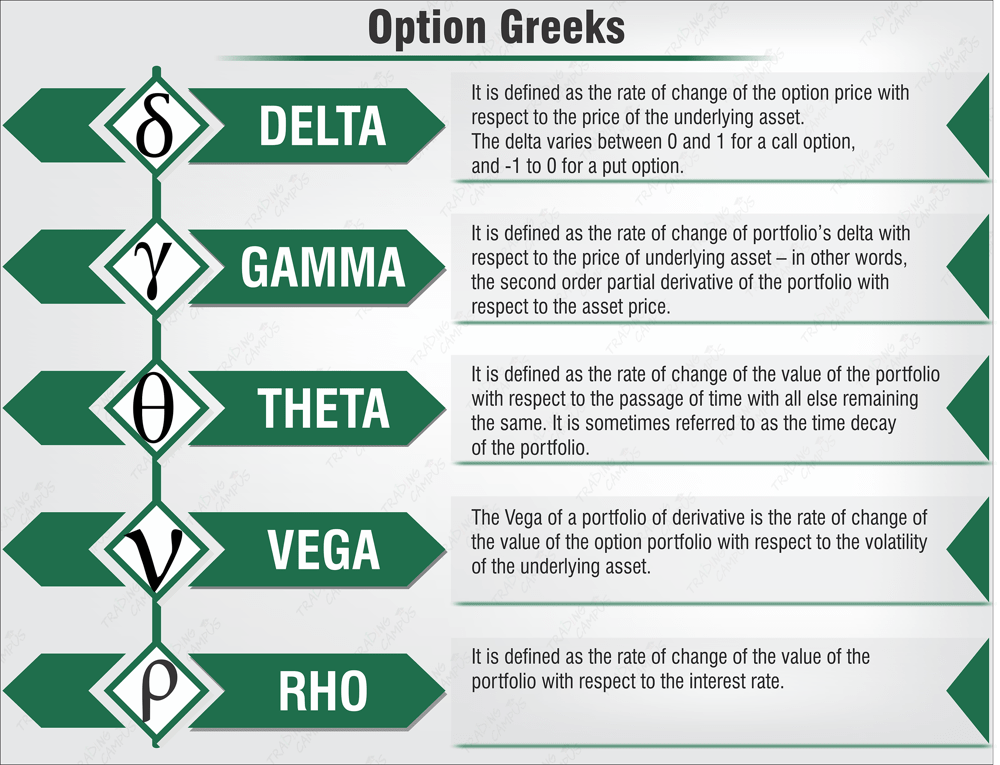
Delta : Use for directional trades. Choose ITM for higher probabilities or OTM for lower premiums.
Gamma : Monitor for volatile movements. Adjust positions dynamically.
Theta : Sell options close to expiry for higher time decay.
Vega : Watch IV trends before entering trades.
Rho : Focus on long-term options when rates are expected to change.
1. Delta (Δ) : Measuring Price Sensitivity
What is Delta?
Delta represents how much an option's price changes when the underlying asset moves by ₹1.
Call Option Delta : Positive (0 to 1).
Example : A delta of 0.5 means the option price will increase by ₹0.50 for every ₹1 rise in the underlying asset.
Put Option Delta : Negative (-1 to 0).
Example : A delta of -0.4 means the option price will drop by ₹0.40 for every ₹1 rise in the underlying asset.
Usage :
High delta options are ITM (In-the-Money) and react more to price changes.
Low delta options are OTM (Out-of-the-Money) and less sensitive.
Example Calculation :
Underlying Stock : RELIANCE at ₹2,400.
Call Option (₹2,400 Strike) : Delta = 0.6.
If RELIANCE moves to ₹2,410 :Option price increases by ₹6 (₹10 x 0.6).
Bollinger Bands all Strategies for option buyers and sellers. Swing trading using Bollinger band
Open this Thread 🧵 to learn intraday and swing trading strategies with Bollinger bands on multiple timeframe 👇👇
What Are Bollinger Bands?
Middle Band : A Simple Moving Average (SMA), usually 20 periods.
Upper Band : SMA + (2 * Standard Deviation).
Lower Band : SMA - (2 * Standard Deviation).
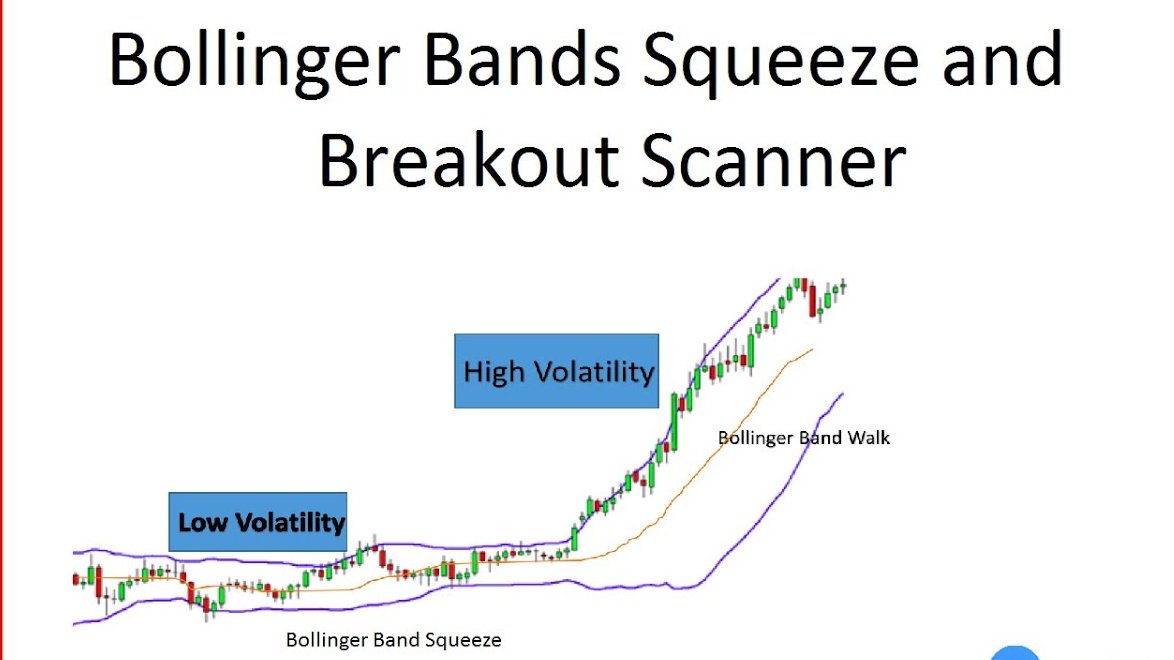
These bands expand during high volatility and contract during low volatility, giving traders clues about market behavior.
Strategy 1: Bollinger Band Squeeze (Breakout Strategy)
Concept:
When bands contract (squeeze), it indicates a period of low volatility, often followed by a sharp breakout.
How to Trade:
Entry : Enter when price breaks above/below the bands after a squeeze.
Stop-Loss : Place SL below/above the breakout candle.
Target : Measure the width of the bands before the squeeze and project it from the breakout point.
Example:
Stock : TCS
Observation : BB squeeze on a daily chart.
Breakout : Price breaks above the upper band at ₹3600.
Entry : ₹3610.
Stop-Loss : ₹3550.
Target : ₹3750 (based on pre-squeeze width).