When SARS-CoV-2 INFECTION can facilitate an ATTACK on our BRAIN, by PRIONS and AMYLOIDS.
(🧵mega-thread 8 studies)
Recent studies have illuminated a concerning aspect of SARS-CoV-2 infections: the potential impact on the brain through the involvement of prions and amyloids.
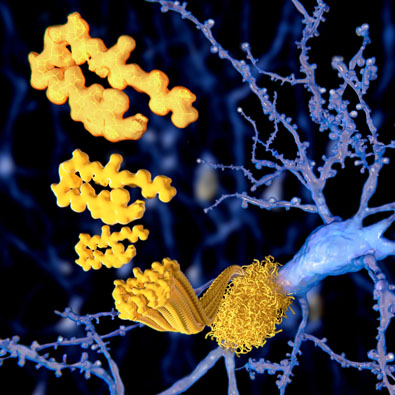
2) As the virus enters the body, it can trigger pathological processes that lead to the misfolding of proteins, resulting in the formation of amyloid plaques and prion-like aggregates. These abnormal protein structures can disrupt neural function ...
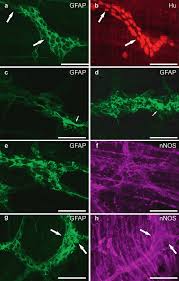
3) ... contributing to neurological symptoms such as cognitive decline, memory loss, and other forms of encephalopathy. The interplay between infection and these neurodegenerative mechanisms underscores the complexity of COVID-19 and its long-term consequences on brain health.
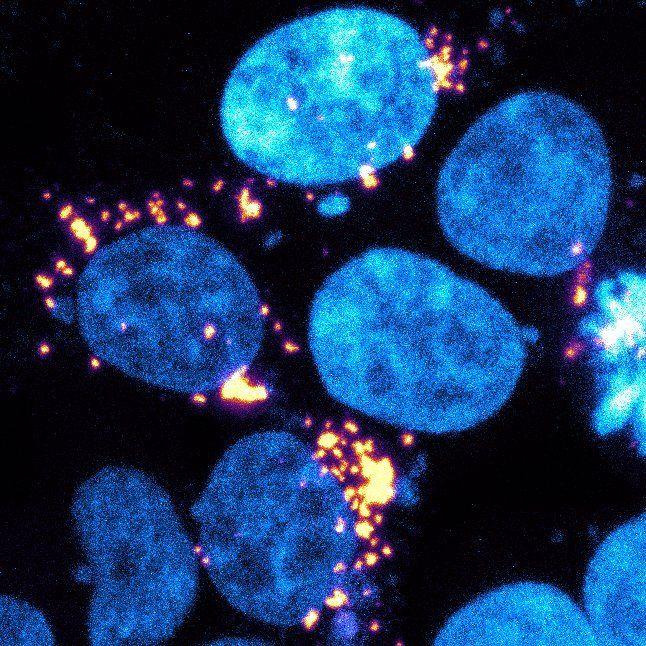
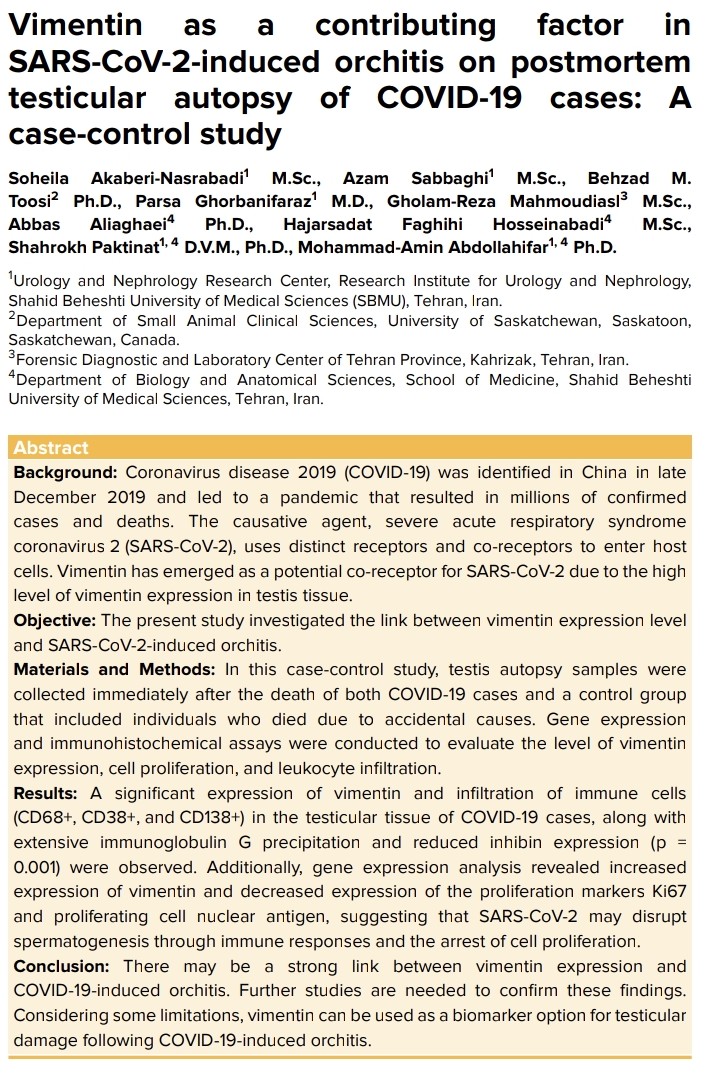
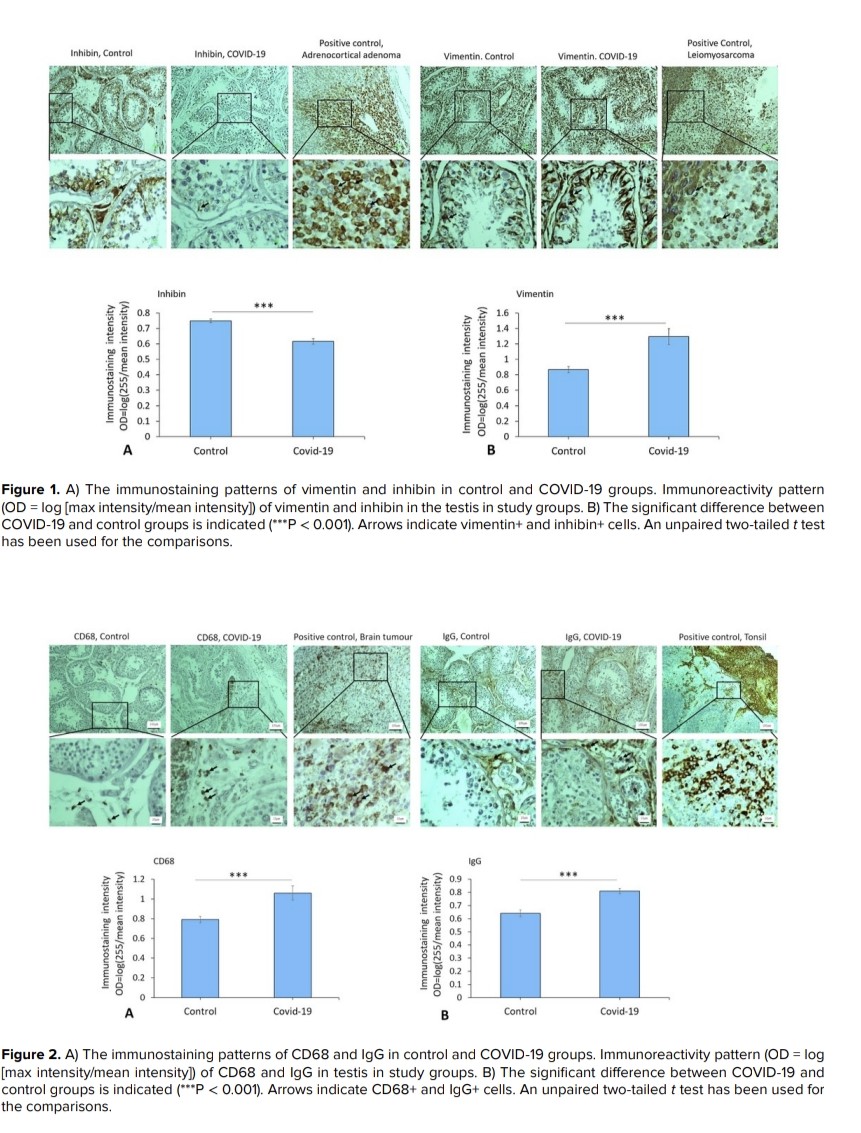
2) The study found that COVID-19 can damage the testes, the male reproductive organs. A key finding was the high levels of a protein called vimentin in the testes of COVID-19 patients.
Vimentin is important because it may act as a "doorway" that allows the COVID-19 virus ...
3) ...to enter and infect the testes. The researchers suggest that the high vimentin levels make the testes more vulnerable to COVID-19 infection and damage.
The damage includes inflammation, immune cell infiltration, and reduced cell proliferation in the testes.
2) This study shows how the location and development of immune cells over time are critical for their function. In the intestine, CD8 T cells differentiate into distinct subsets based on their position along the intestinal lining.
3) Similarly, for fighting new variants of SARS-CoV-2, the spatial organization and temporal changes in CD8 T cell responses may be very important. CD8 T cells play a key role in recognizing and killing virus-infected cells, helping to clear the infection.
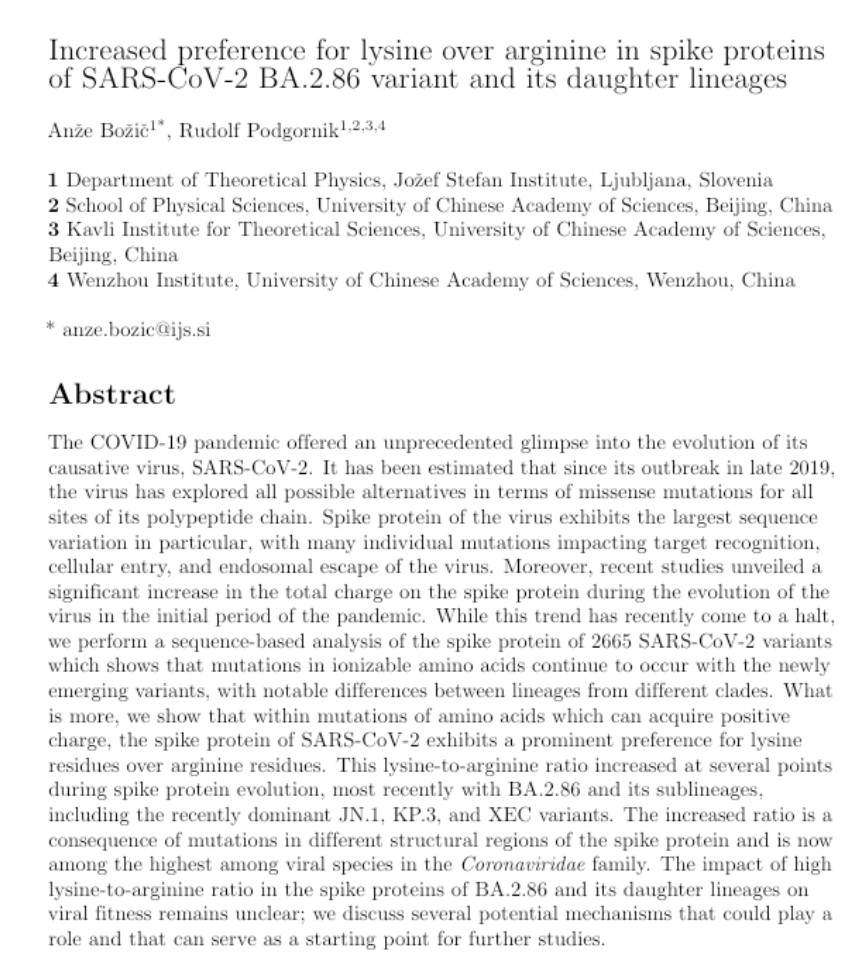
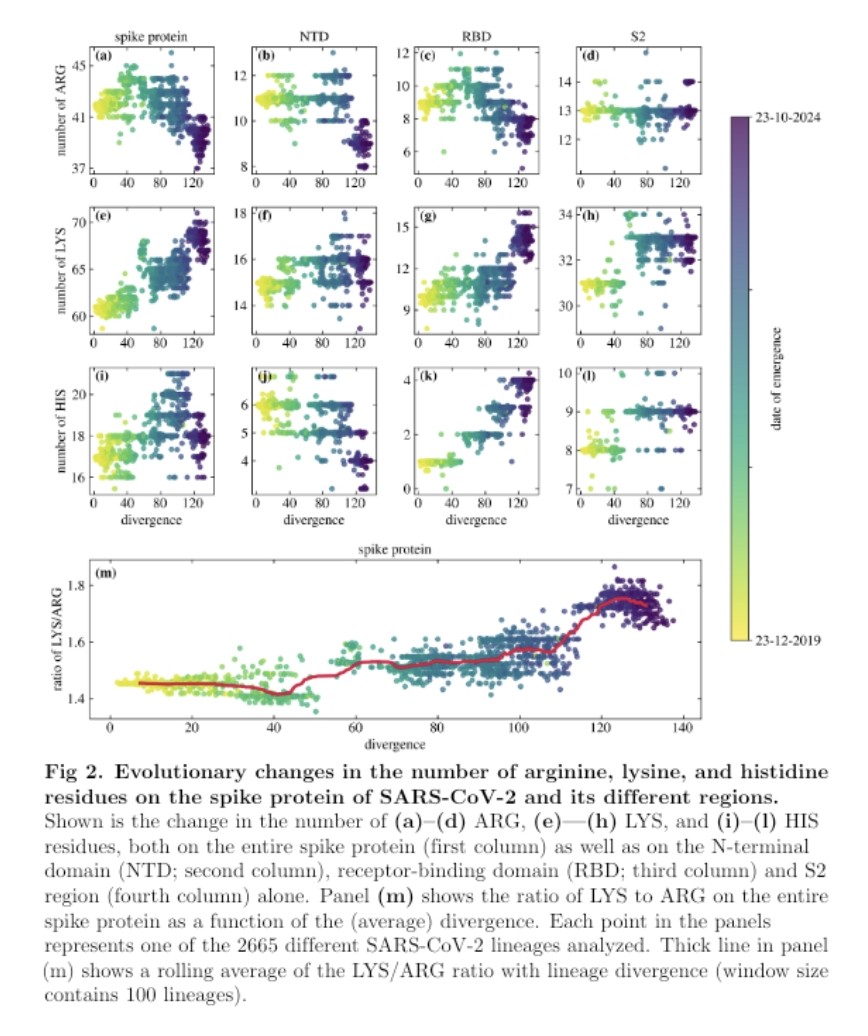
2) This study suggests that SARS-CoV-2 may be evolving quite differently compared to other coronaviruses in the Betacoronavirus genus, to which it belongs.
The key reasons are:
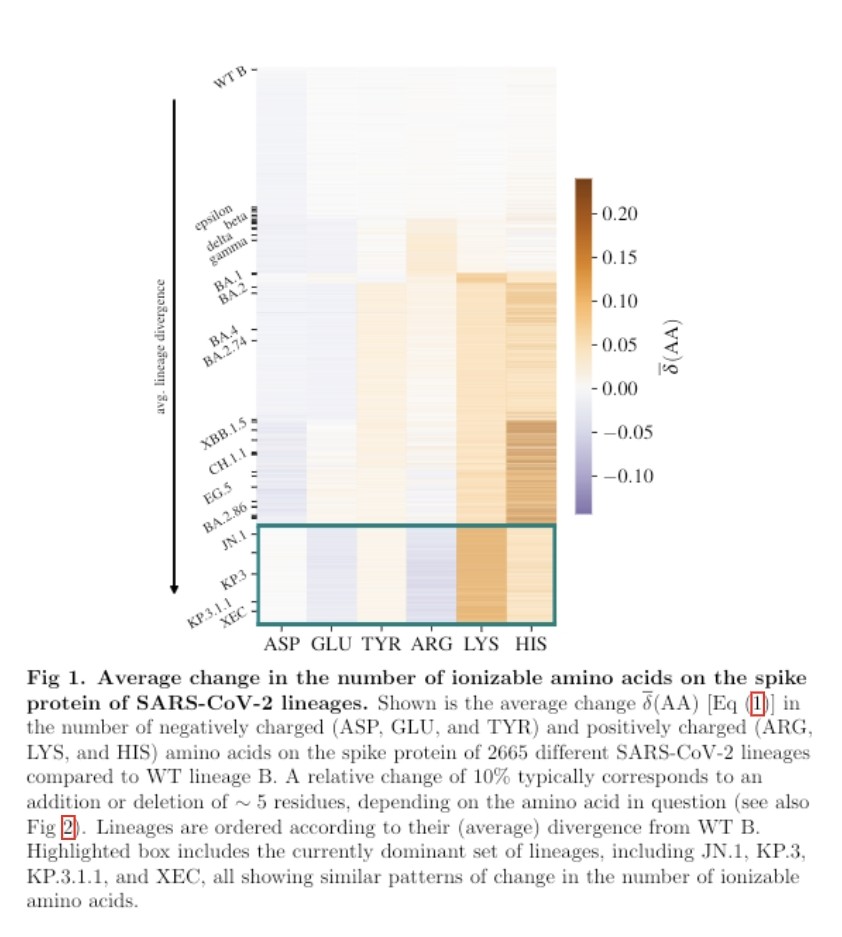
▶️ SARS-CoV-2 has shown an unusually high ratio of lysine (LYS) to arginine (ARG) residues ...
3) ...on its spike protein, reaching levels higher than typically seen in other betacoronaviruses. This preference for LYS over ARG is a unique evolutionary trend for this virus.
SARS-COV-2, the KING of ESCAPE 💥💯
(Study from @jbloom_lab
using data from @yunlong_cao)
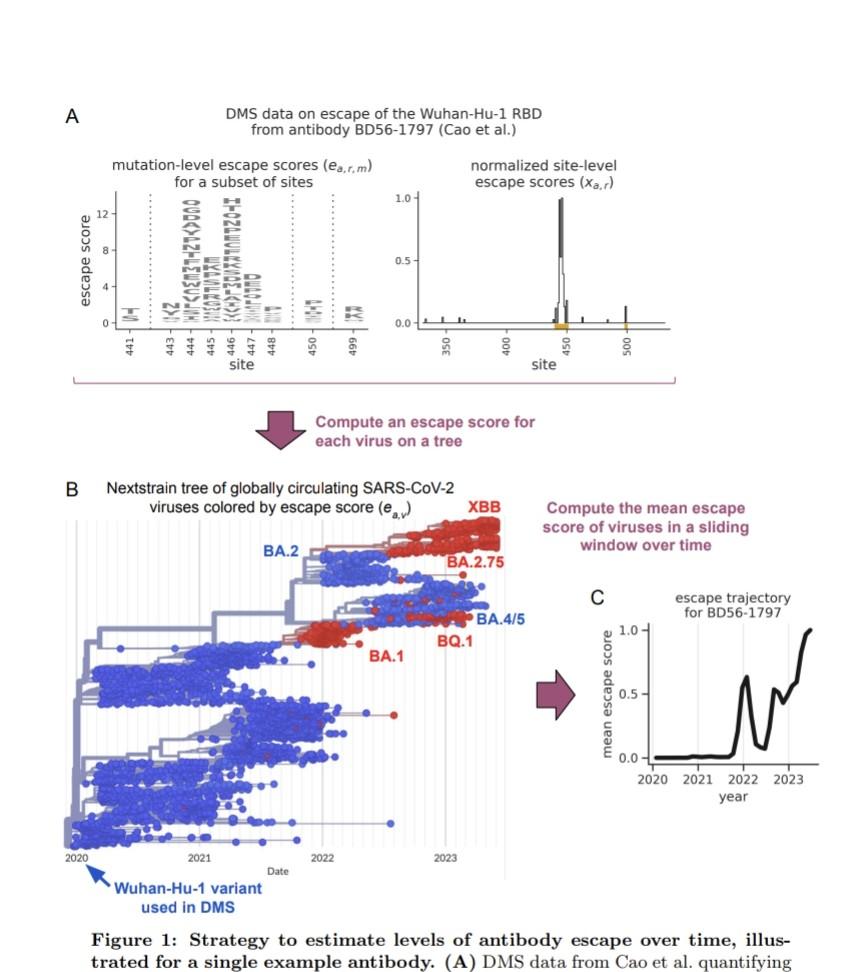
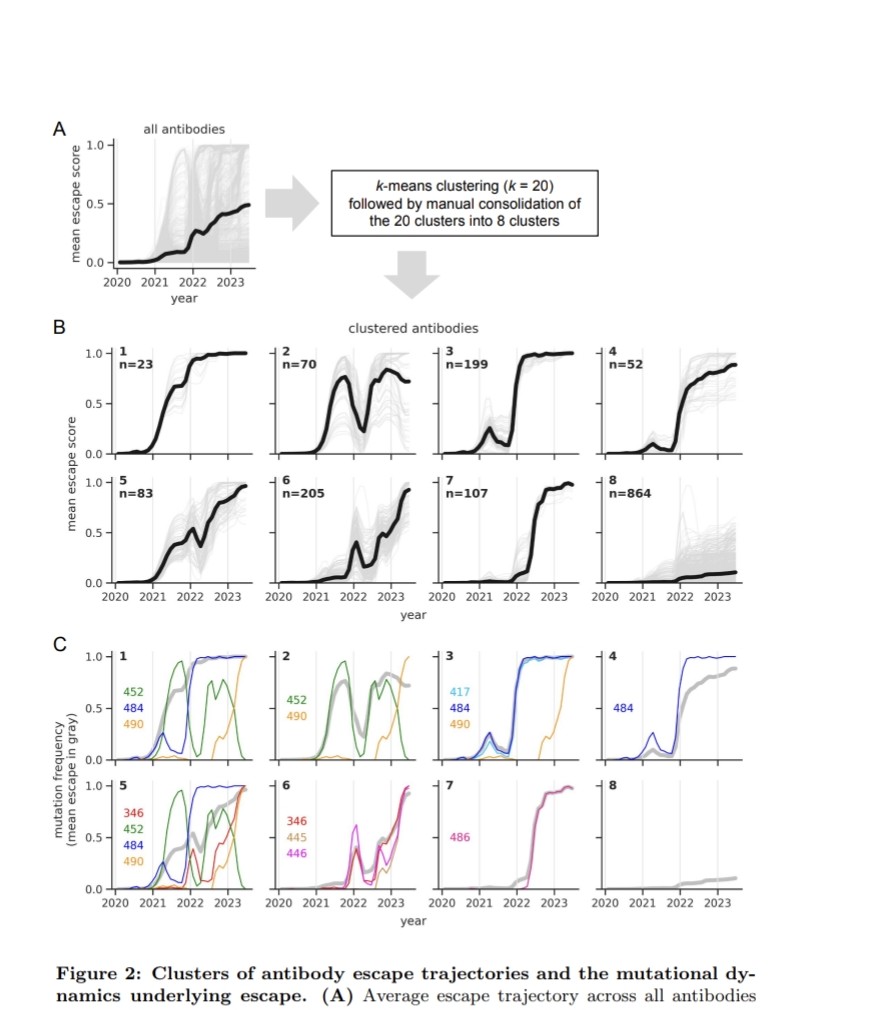
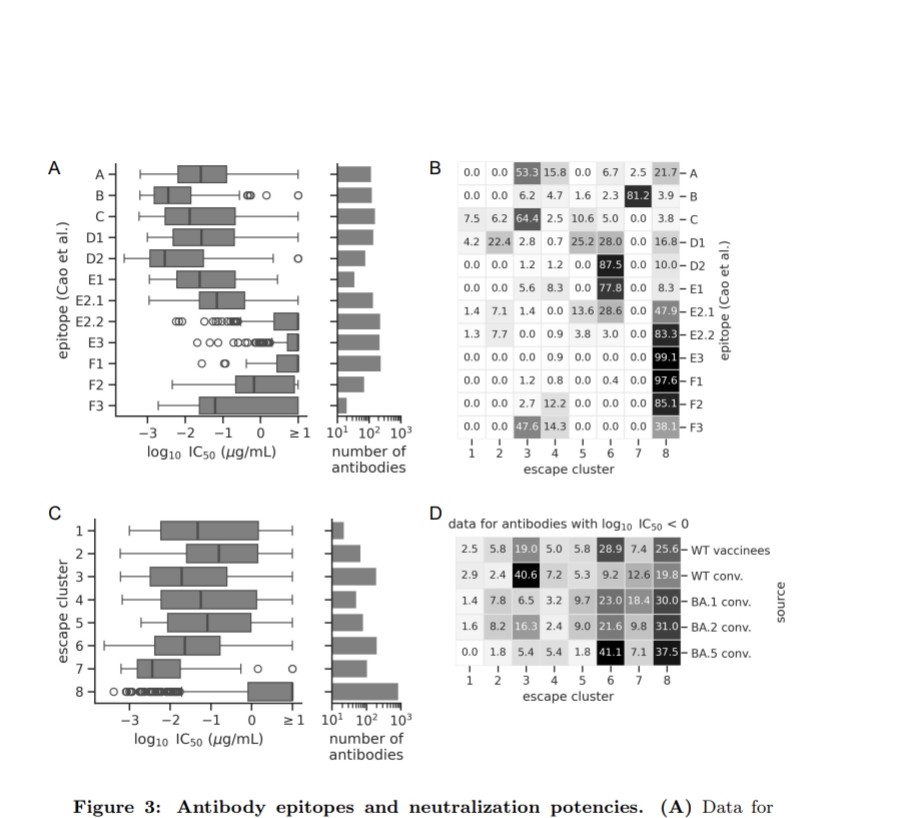
SARS-CoV-2 has quickly changed to avoid human immunity. Scientists have found hundreds of antibodies that can block the virus, but the virus has evolved to resist... biorxiv.org/content/10.110…
2) ...most of these antibodies over time.
Recent studies used a technique called deep mutational scanning to identify mutations in the virus's spike protein that allow it to escape from individual antibodies.
3) This provides a unique opportunity to study how the virus has evaded the many antibodies that make up the human immune response.
For 1,603 antibodies, the researchers used the deep mutational scanning data to predict how the virus's ability to escape each antibody changed ...
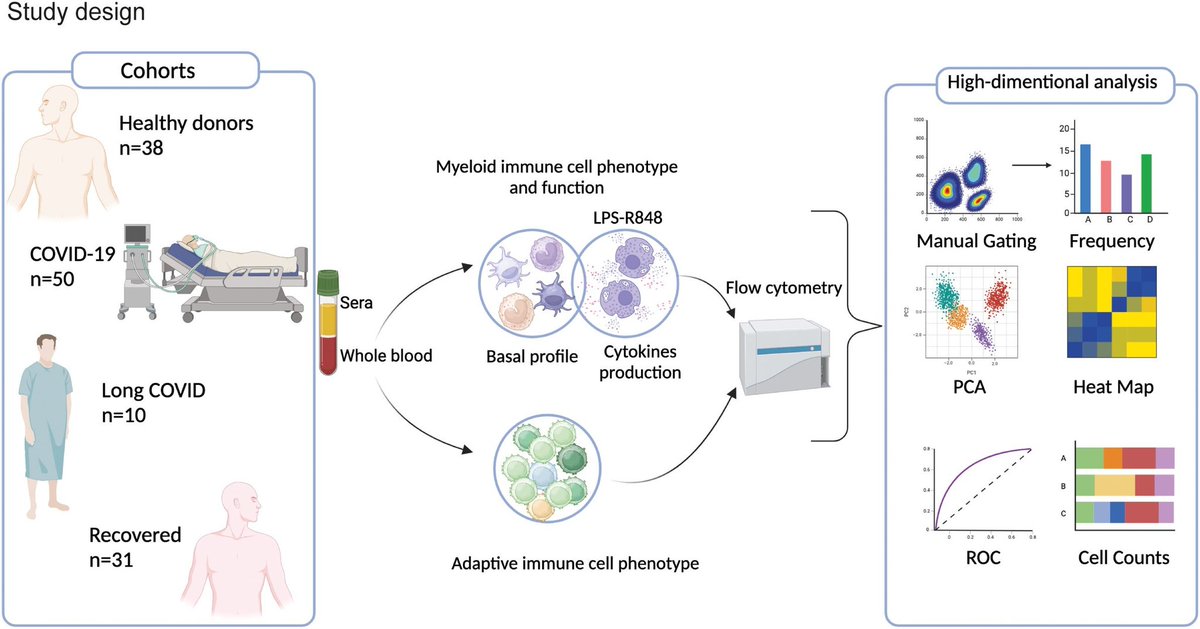
Immunological signatures are crucial for developing diagnostic markers and understanding recovery mechanisms. This provides insights into the immunological basis driving divergent outcomes after infection. frontiersin.org/journals/immun…
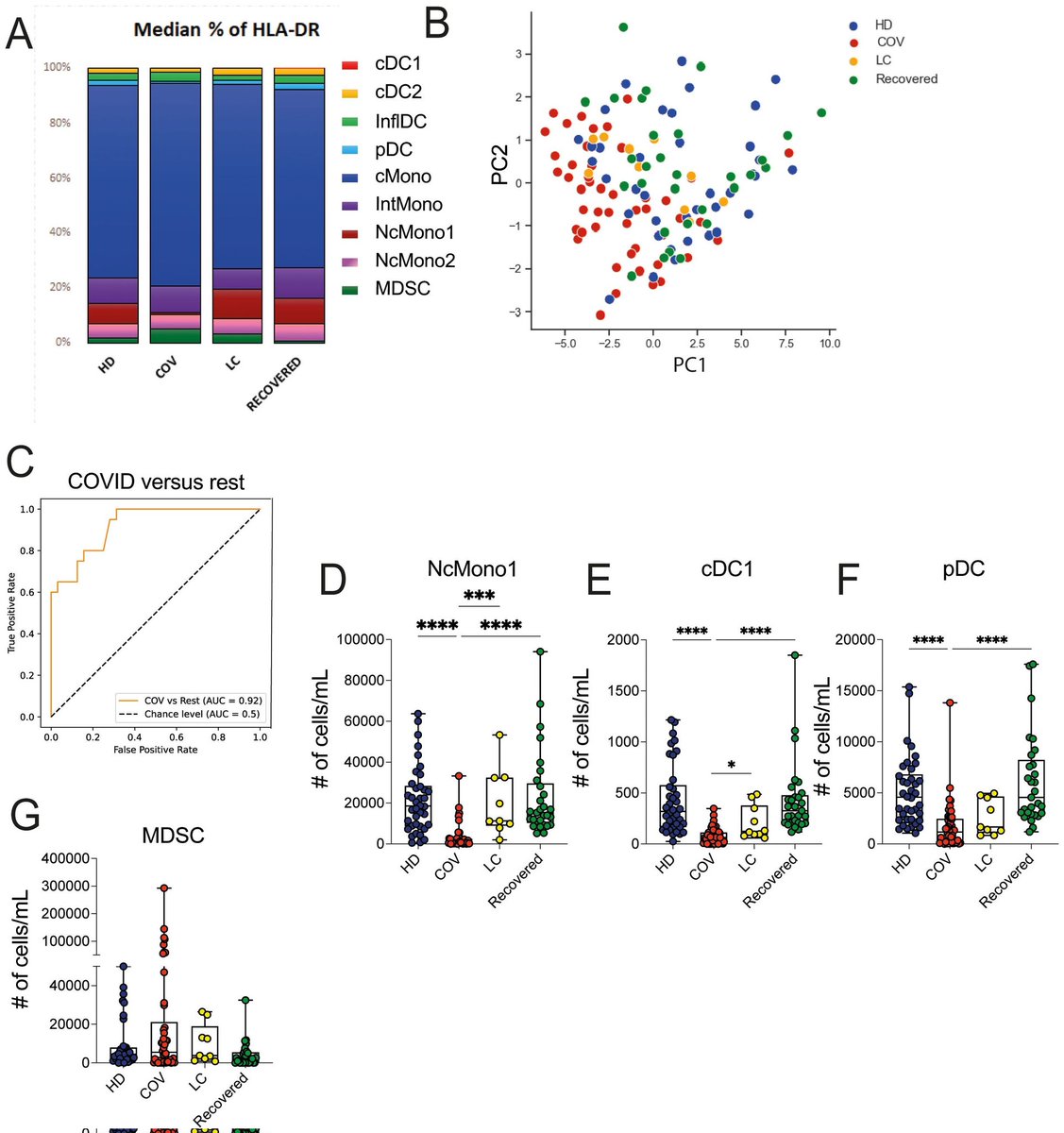
2) This first study provides some insights into why some patients recover fully from COVID-19 infection, while others develop the long-lasting condition of long COVID (LC) syndrome:
A. Myeloid cell populations (dendritic cells, monocytes):
- In acute COVID-19 patients ...
3) ... these myeloid cells were strongly depleted.
- However, in individuals who fully recovered, the myeloid cell populations returned to normal levels, similar to healthy donors.
- In contrast, LC patients maintained a myeloid cell distribution pattern more akin ...
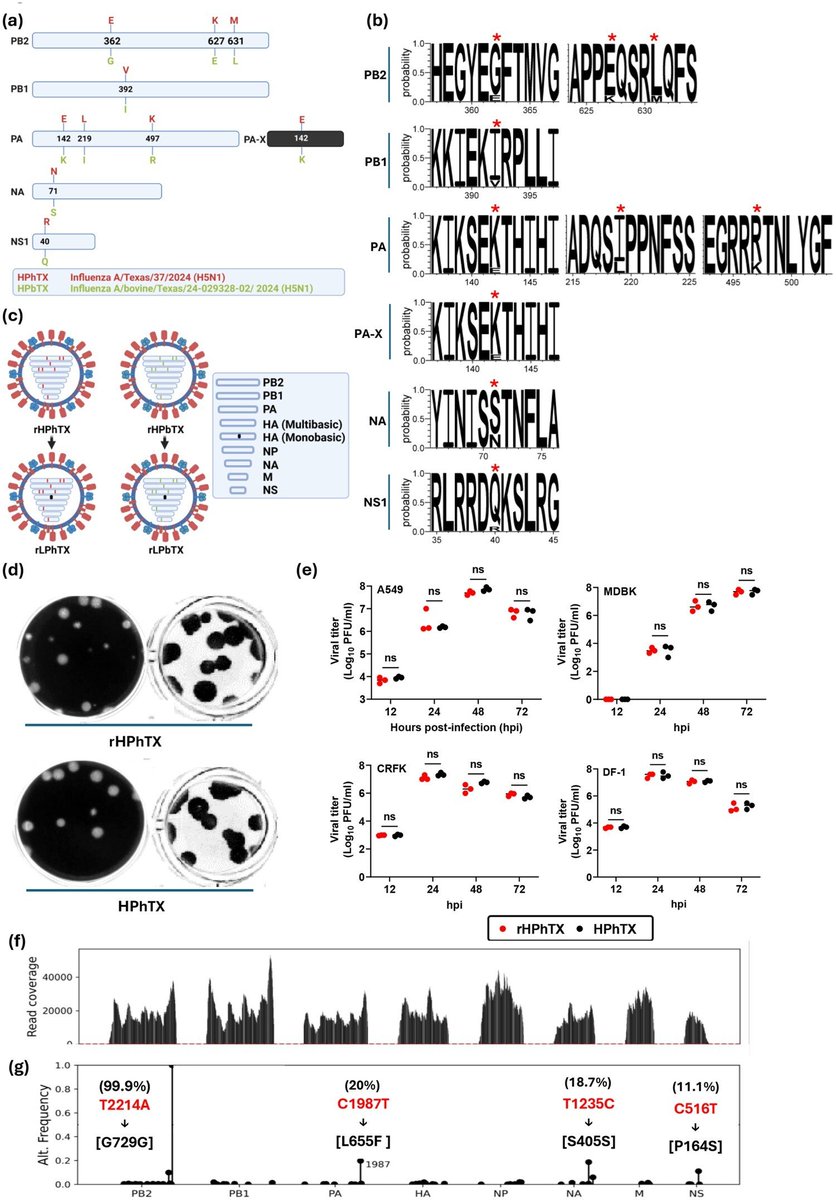
H5N1. Genetic Alterations in Influenza Virus from Humans Raise Alarm Over Increased Ability to Infect and Spread Among People tandfonline.com/doi/full/10.10…
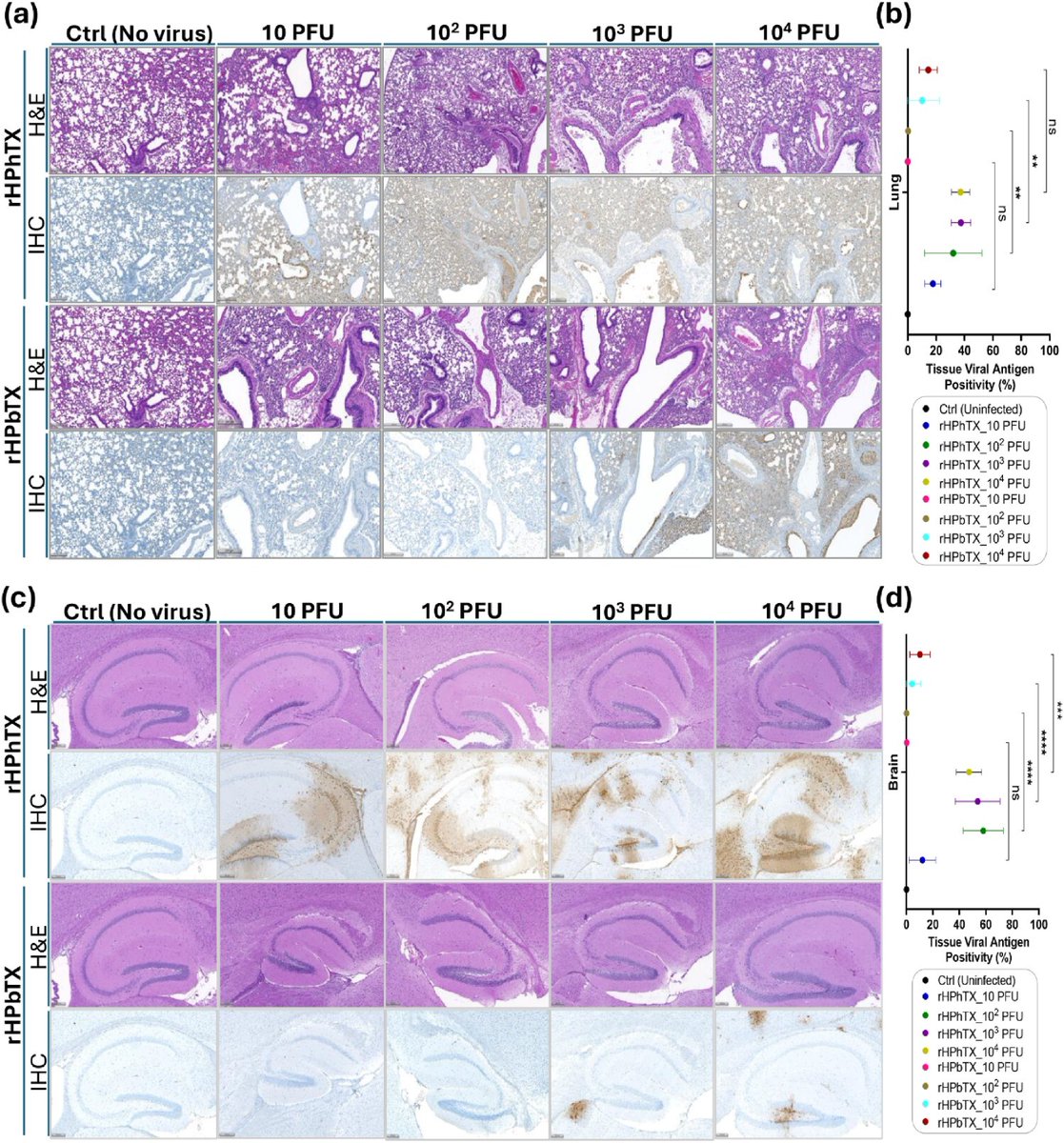
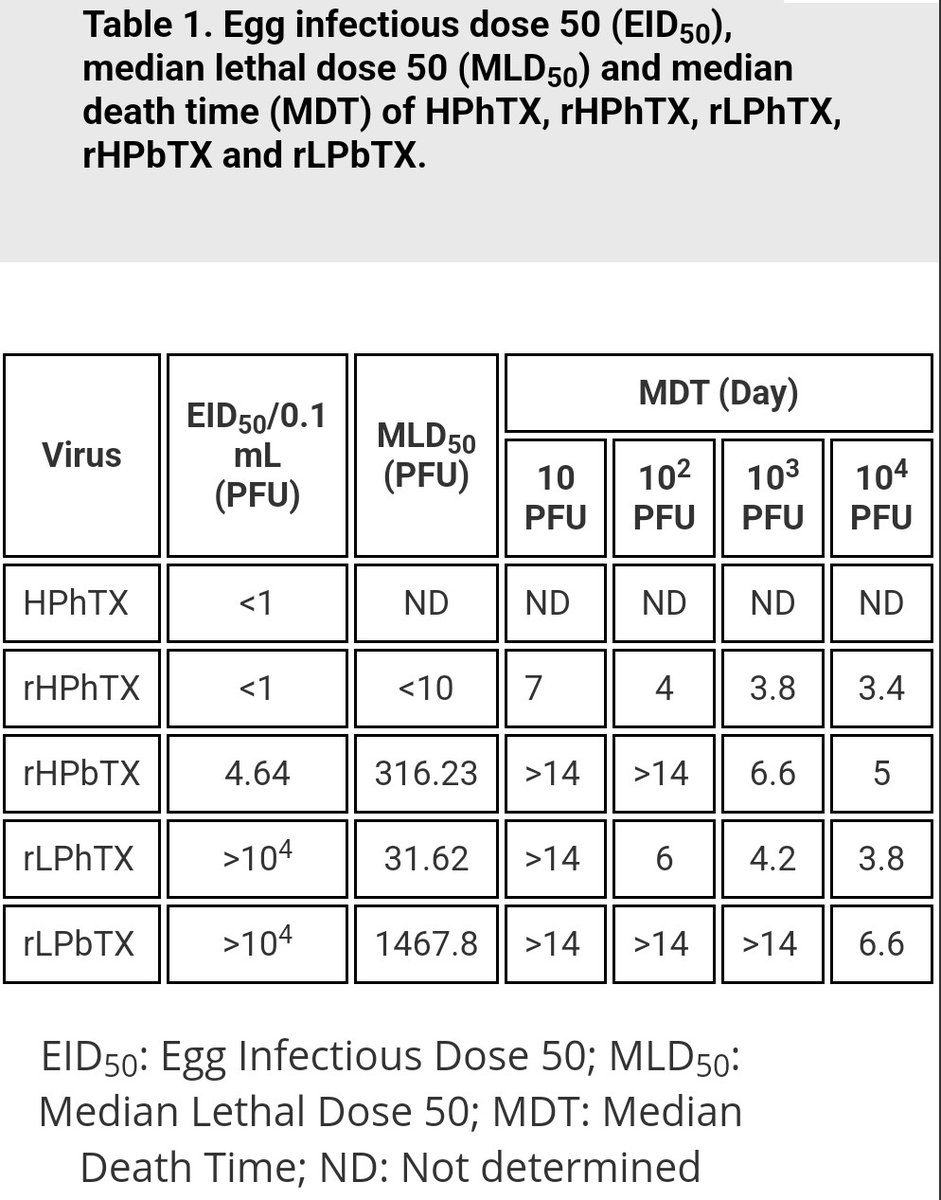
2) The researchers found that the virus isolated from a human patient (rHPhTX) had genetic changes that allowed it to replicate more efficiently and cause more severe disease in mice compared to the virus from cattle (rHPbTX).
3) This suggests the virus can adapt to better infect and potentially transmit among humans. As the virus circulates in both cattle and humans, it has more opportunities to acquire mutations that enhance its ability to infect and spread in the human population.