🚨Clinically Vulnerable Families 💙💜💗
Our oral closing statement highlights 5 key concerns - however, further details will be explored in depth in our later written submissions.
1: Therapeutics programme - wasn't good enough!
1/
Our oral closing statement highlights 5 key concerns - however, further details will be explored in depth in our later written submissions.
1: Therapeutics programme - wasn't good enough!
1/
The immunosuppressed were left behind.
2/
2/
What could we have done better?
Dame Kate Bingham is an independent and trusted voice. She has no reasons to defend decisions on therapeutics that weren't the right ones.
3/
Dame Kate Bingham is an independent and trusted voice. She has no reasons to defend decisions on therapeutics that weren't the right ones.
3/
Bingham felt
"the government was following a very clear 2-tiered strategy, where CV immunocompromised patients were [.] deprioritised"
"[it] was manifestly wrong, both ethically and morally."
"We did not follow the [goal to] protect the whole population."
4/
"the government was following a very clear 2-tiered strategy, where CV immunocompromised patients were [.] deprioritised"
"[it] was manifestly wrong, both ethically and morally."
"We did not follow the [goal to] protect the whole population."
4/
It was *cheaper* to let those Clinically Vulenerable people shielding at home without an exit plan.
Then if they were infected to treat them with drugs [which they struggled to access].
5/
Then if they were infected to treat them with drugs [which they struggled to access].
5/
Chair of the Antivirals Taskforce, Eddie Gray, was frustrated with the funding approval process for oral antivirals - both the delays and the significantly lower purchase volume than recommended.
6/
6/
Sir Sajid Javid said that by the time he took over, the focus was on vaccines, with less interest on antivirals.
Unlike vaccines, which had an almost unlimited budget, antivirals had no budget - purchase needed Treasury approval, where the clinical case was then questioned.
7/
Unlike vaccines, which had an almost unlimited budget, antivirals had no budget - purchase needed Treasury approval, where the clinical case was then questioned.
7/
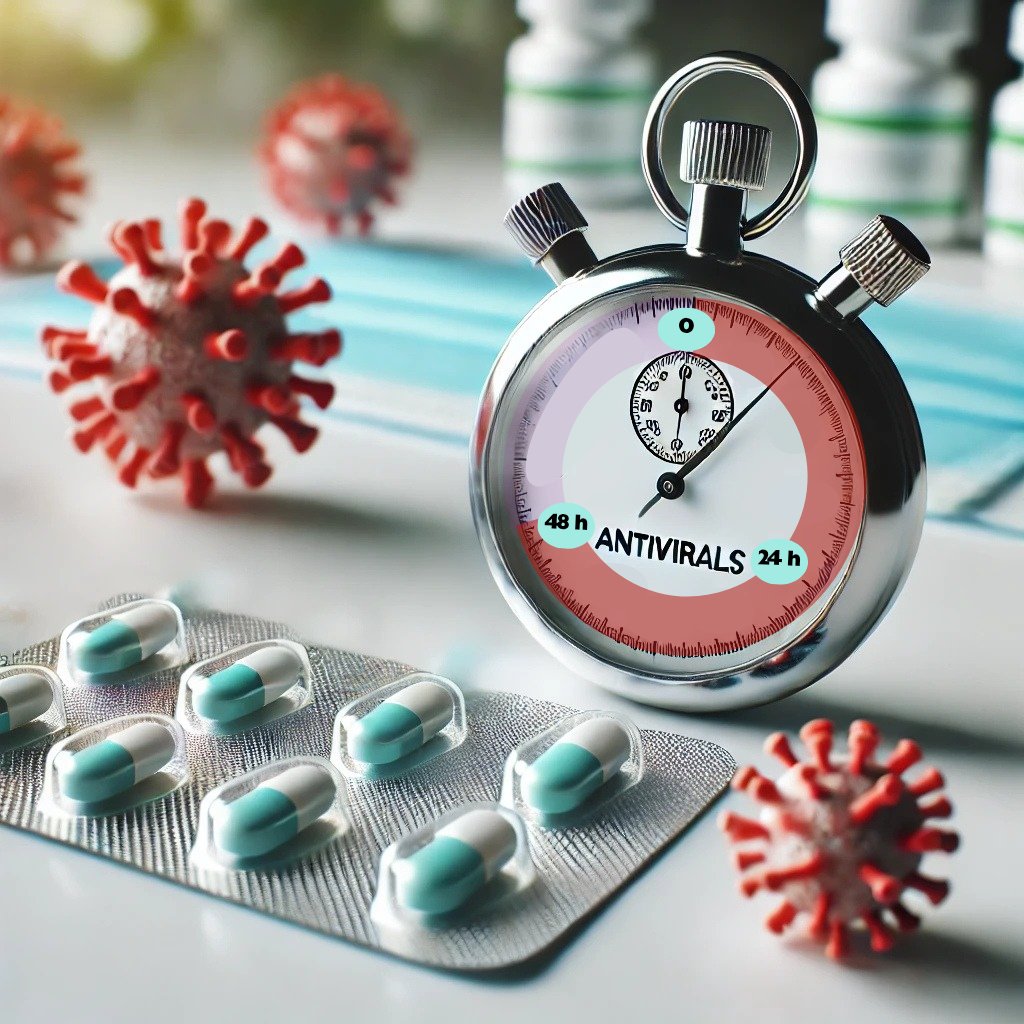
Two oral antivirals were eventually procured:
Lagevrio (molnupiravir)
Paxlovid (nirmatrelvir / ritonavir)
8/
Lagevrio (molnupiravir)
Paxlovid (nirmatrelvir / ritonavir)
8/
CVF is concerned that this masks the true picture.
Founder @lara_wong reminded us that some therapeutics, like Paxlovid, are unsuitable for many CV people due to interactions with medications they commonly take.
9/
Founder @lara_wong reminded us that some therapeutics, like Paxlovid, are unsuitable for many CV people due to interactions with medications they commonly take.
9/
We need a diverse portfolio of vaccines and antivirals for broader access.
No prophylactic (pre-treatment) has been purchased.
Had the same creativity and appetite for risk been applied to therapeutics as to vaccines, things might have been different.
10/
No prophylactic (pre-treatment) has been purchased.
Had the same creativity and appetite for risk been applied to therapeutics as to vaccines, things might have been different.
10/
Sir Chris Whitty stated that antivirals are an area where we are much weaker compared to vaccines, antibodies, and antiparasitics.
He also mentioned there would be a "niche" benefit to the procurement of Evusheld... more on this to come!
11/
He also mentioned there would be a "niche" benefit to the procurement of Evusheld... more on this to come!
11/
2: Access to Antivirals
The system to access therapeutics didn't and doesn't work.
It is significantly more restrictive than 'flu antivirals.
12/
The system to access therapeutics didn't and doesn't work.
It is significantly more restrictive than 'flu antivirals.
12/
If we can have take away food delivered in 20 minutes, why can’t we deliver life-saving medication just as fast?
13/
13/
CVF reported that the antiviral triage system felt like the Goldilocks story. People were either:
❌ Too ill
❌ Not ill enough
Yet antivirals work best when given early, not delayed.
14/
❌ Too ill
❌ Not ill enough
Yet antivirals work best when given early, not delayed.
14/
Simply pre-flagging Clinically Vulnerable people would remove barriers and ensure faster, easier access to antivirals.
If we can get a curry delivered to our door in 20 minutes - we should be able to do the same for life-saving medication.
15/
If we can get a curry delivered to our door in 20 minutes - we should be able to do the same for life-saving medication.
15/
3: Priority vaccination
Vaccination was a huge success overall.
However, many Clinically Vulnerable (Group 6) individuals faced significant confusion over their eligibility, risking them falling through the gaps in the system.
16/
Vaccination was a huge success overall.
However, many Clinically Vulnerable (Group 6) individuals faced significant confusion over their eligibility, risking them falling through the gaps in the system.
16/
Clinically Vulnerable people who don’t qualify for spring boosters will be blocked from accessing vaccines this autumn, stripping protection from millions who remain at risk from Covid.
17/
17/
Vaccination centers were overcrowded and lacked proper ventilation.
Drive-thru centres were a great example of a safer alternative.
Improvements are essential to protect the Clinically Vulnerable - now!
18/
Drive-thru centres were a great example of a safer alternative.
Improvements are essential to protect the Clinically Vulnerable - now!
18/
4: Children's Vaccines
The risk to children impacts Clinically Vulnerable households.
Media suggested children weren’t at risk, but some were - and some tragically died. It’s vital to acknowledge this reality.
19/
The risk to children impacts Clinically Vulnerable households.
Media suggested children weren’t at risk, but some were - and some tragically died. It’s vital to acknowledge this reality.
19/
There was a delay in decisions on children's vaccines. When offered, the message was vague and non-urgent, rather than engaging families.
This led to lower uptake and overlooked Clinically Vulnerable households. More consideration was needed.
20/
This led to lower uptake and overlooked Clinically Vulnerable households. More consideration was needed.
20/
5: Evusheld
Evusheld was a missed opportunity for a very vulnerable group - the immunosuppressed.
We disagree with Sir Chris Whitty and JVT, who suggested it became less important once vaccines were effective. The reality is, vaccines didn’t protect them!
21/
Evusheld was a missed opportunity for a very vulnerable group - the immunosuppressed.
We disagree with Sir Chris Whitty and JVT, who suggested it became less important once vaccines were effective. The reality is, vaccines didn’t protect them!
21/
Dame Kate Bingham said the vaccine rollout doesn’t protect those without an immune system.
Clive Dix cited *cost* as the reason Evusheld wasn’t purchased.
Chris Whitty called it "niche" use - but 1 in 38 people is hardly niche.
22/
Clive Dix cited *cost* as the reason Evusheld wasn’t purchased.
Chris Whitty called it "niche" use - but 1 in 38 people is hardly niche.
22/
Conclusion:
💙Therapeutics poor relation of vaccines
💜The system for accessing antivirals doesn’t work
💗 Healthcare ventilation needs improving
💙 Vaccination of children = missed opportunity
💜 Evusheld = missed opportunity
23/
💙Therapeutics poor relation of vaccines
💜The system for accessing antivirals doesn’t work
💗 Healthcare ventilation needs improving
💙 Vaccination of children = missed opportunity
💜 Evusheld = missed opportunity
23/
Theme:
💔Clinically Vulnerable were overlooked
💔Their needs underappreciated
💔And voices not heard
24/
💔Clinically Vulnerable were overlooked
💔Their needs underappreciated
💔And voices not heard
24/
Clinical Vulnerability must be recognised under the Equality Act to embed their protection in law and decision-making, ensuring they are not relegated to the second-tier of a two tier system again.
25/
25/
If you can, please support our fundraiser
- which ends tonight at 23:59!
And don't forget to like and share. Everything helps!
26/
crowdfunder.co.uk/p/clinically-v…
- which ends tonight at 23:59!
And don't forget to like and share. Everything helps!
26/
crowdfunder.co.uk/p/clinically-v…
• • •
Missing some Tweet in this thread? You can try to
force a refresh